









How To Get From Nha Trang To Da Lat: Complete Travel Guide 2026
How to get from Nha Trang to Da Lat is one of the most common travel questions for visitors exploring South Central Vietnam. The route connects a coastal city with a highland destination through a scenic mountain pass. This guide explains all transport options, travel times, costs, and practical tips to help travelers choose the most suitable way to move between the two destinations efficiently and safely.
1. How Far Is It from Nha Trang to Da Lat?
The road distance between the two cities is approximately 135 km, but don't let that number fool you. The route follows Highway QL27C, a mountain road that winds through steep passes and dramatic elevation changes, climbing from sea level in Nha Trang to over 1,500 meters above sea level in Da Lat.
Because of this terrain, travel time usually takes between 3 to 5 hours depending on your transportation, traffic conditions, and the number of stops along the way. One of the highlights of this route is the scenery. Along QL27C, you will pass through wide highland plateaus, pine forests, and beautiful valleys. The views are impressive throughout the journey, making the trip itself an enjoyable part of your Da Lat experience.
2. Transport Options For How to Get from Nha Trang to Da Lat
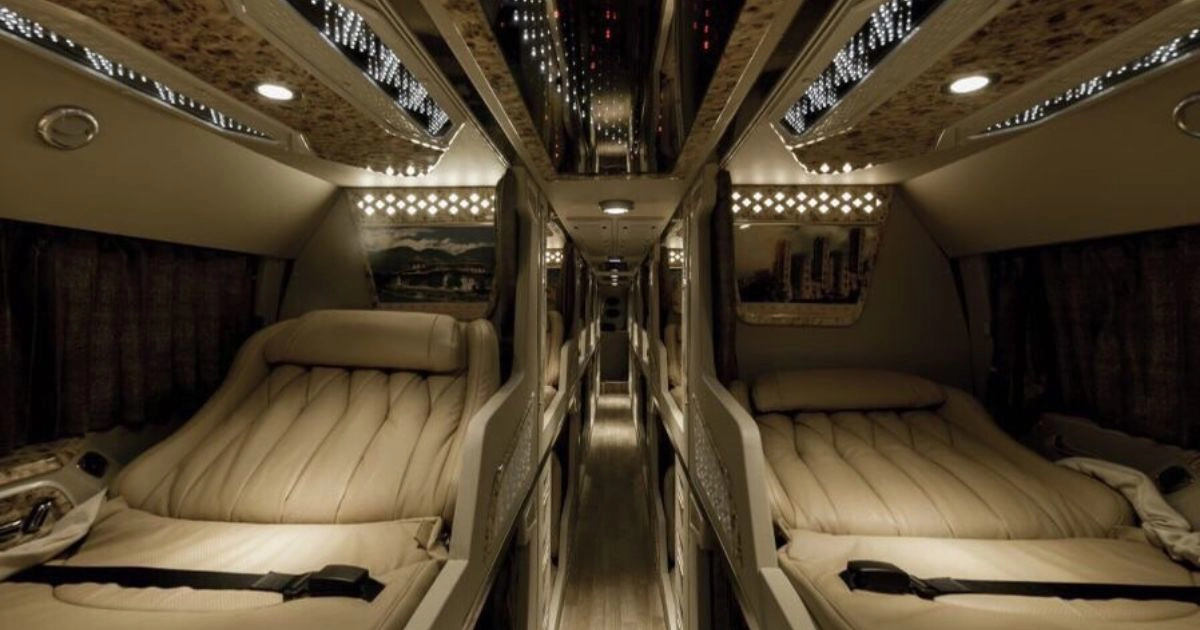
Nha Trang bus station sleeper bus Vietnam - Source: Hoianbus
Choosing the right transport is essential because each option offers different levels of comfort, price, and flexibility. Most travelers prioritize convenience and travel experience. From budget buses to private cars, each method suits a different travel style and group size.
2.1. Limousine bus and shared minivan
For most travelers, a limousine van is the best way to get from Nha Trang to Da Lat. These are typically 9-seat or 12-seat minivans with reclining seats, air conditioning, and in many cases, hotel pickup included in the fare.
Operators such as Hung Thanh, Phuong Trang (FUTA), and The Sinh Tourist run multiple daily departures, giving you plenty of flexibility when planning your schedule. The route via QL27C is scenic, and drivers are experienced with the mountain road.
-
Duration: 3 – 3.5 hours
-
Frequency: Multiple departures throughout the day, typically from 7:00 AM onward
-
Cost: VND 150,000 – 250,000 per person (~USD 6–10)
-
Pros: Comfortable seats, air conditioning, hotel pickup available, faster than buses, great value
-
Cons: Shared with other passengers; some vans wait until full before departing
Tip: Book your seat at least one day in advance, especially during weekends or Vietnamese public holidays, when limousine vans fill up quickly.
>> Read more: Best Time to Visit Vietnam July: Top Destinations, Weather & Travel Guide | Joytime
2.2.Standard sleeper bus options
If you're watching your spending, the sleeper bus from Nha Trang to Da Lat remains the cheapest way to make this journey. Several operators run regular services from Nha Trang's main bus stations, with reclining sleeper seats designed for longer journeys.
Phuong Trang (FUTA Bus Lines) is the most well-known and reliable operator on this route, with a strong safety record and predictable schedules.
-
Duration: 4 – 5 hours (including stops)
-
Cost: VND 100,000 – 150,000 per person (~USD 4–6)
-
Pros: Very affordable, widely available, good for solo budget travelers
-
Cons: Slower than limousine vans due to intermediate stops; shared space with many passengers; bus stations are not always centrally located
Tip: Bring your own water and a light jacket; the air conditioning on sleeper buses tends to run cold, and Da Lat itself is noticeably cooler than Nha Trang.
2.3. Private car or taxi transfer
For families, groups traveling together, or anyone with a lot of luggage, a private car transfer from Nha Trang to Da Lat is well worth considering. You get door-to-door service, complete flexibility over your departure time, and the freedom to stop at scenic viewpoints along the mountain road without rushing.
Private transfers can be arranged through your hotel, local travel agencies, or ride-hailing platforms. Confirm the total fare, including any toll fees, before departure.
-
Duration: 3 – 3.5 hours
-
Cost: VND 900,000 – 1,500,000 for the full car (~USD 36–60)
-
Pros: Maximum comfort and privacy, hotel-to-hotel service, no waiting, perfect for groups
-
Cons: Most expensive per-person option when traveling solo
Tip: Split the cost among 3–4 passengers, and the price per person becomes very competitive with a limousine van, often just slightly more expensive for a significantly better experience.

2.4. Motorbike adventure route
Riding a motorbike from Nha Trang to Da Lat via QL27C is one of the most rewarding experiences for adventurous travelers. The mountain road is genuinely beautiful — you'll pass through open highland landscapes, small farming villages, and cool pine forest stretches that feel worlds away from the beach.
That said, this route demands real riding experience. The road includes steep climbs, sharp switchbacks, and sections that become slippery in rain or fog, particularly in the afternoon.
-
Duration: 4 – 5 hours
-
Cost: Fuel only (~VND 60,000–100,000 per trip)
-
Pros: Total freedom, stunning scenery, perfect for photography and spontaneous stops
-
Cons: Not suitable for inexperienced riders; afternoon fog and rain significantly increase risk; not ideal during the wet season (October–November)
Tip: Start early in the morning to take advantage of clear visibility and cooler temperatures. Avoid riding after 2:00 PM when afternoon clouds and rain are most likely on the mountain passes.
>> Read more: 2D1N Tour | Camping Experience at Tuyen Lam Lake with BBQ Dinner | Da Lat | Joytime
3. Nha Trang To Da Lat Travel Options: Time, Cost & Experience

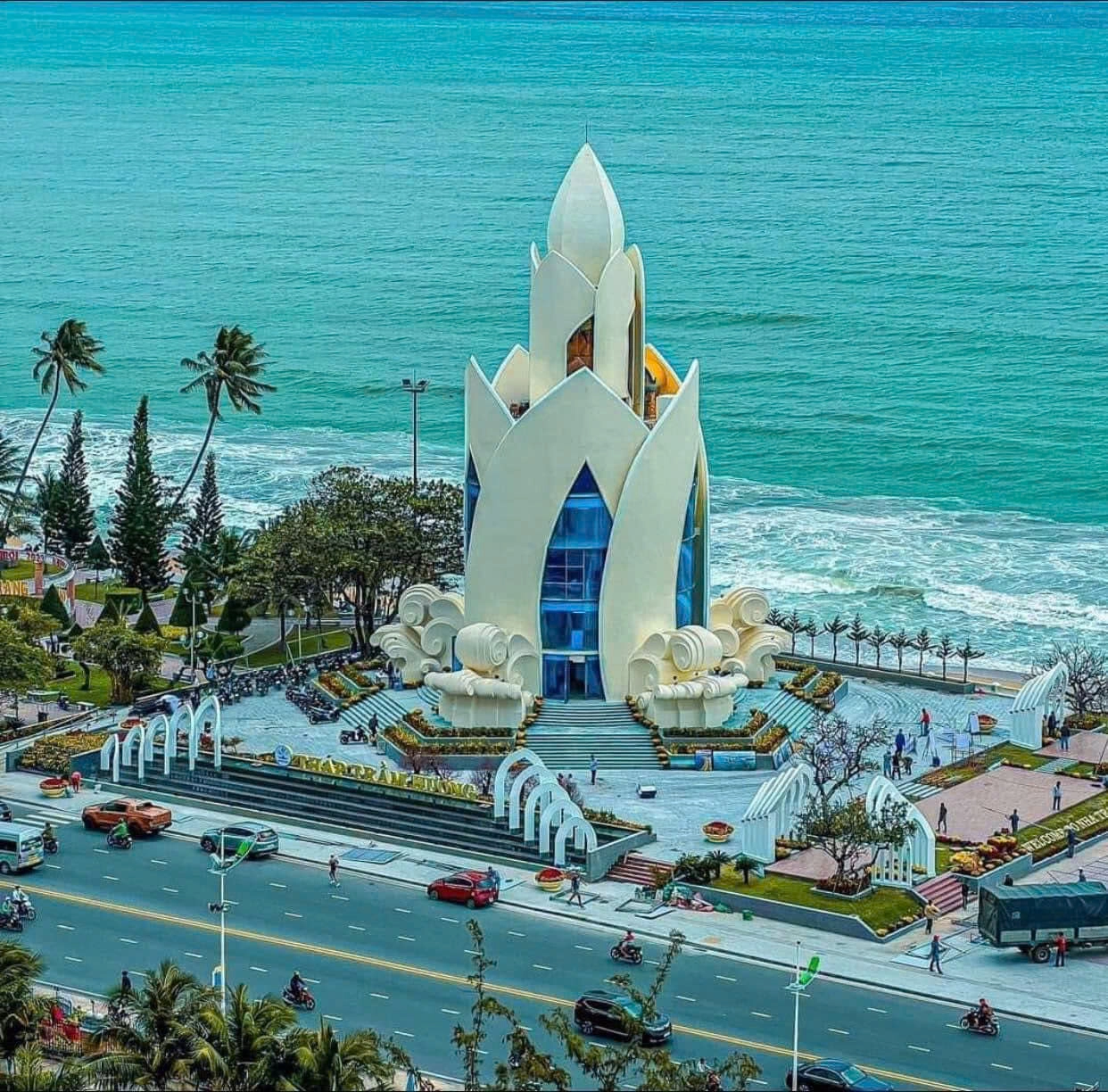
Da Lat city pine forest landscape aerial view - Source: Pinterest
When planning how to get from Nha Trang to Dalat, choosing the right transport comes down to how you personally weigh three things: how fast you want to arrive, how much you're willing to spend, and how much comfort matters to you along the way. Understanding these differences helps travelers balance affordability with a pleasant journey when planning the Nha Trang to Da Lat leg of their trip.

3.1. Travel time comparison
Travel time on this route usually ranges from 3 to 5 hours. The difference between transport options is more noticeable than expected for a 135 km journey.
-
Limousine van: 3 – 3.5 hours, this is the fastest shared option, with fewer stops and a more direct route.
-
Private car: 3 – 3.5 hours, similar in speed to limousine vans, but more flexible since you can stop at viewpoints along the way.
-
Sleeper bus: 4 – 5 hours, takes longer due to multiple stops and slower speed on mountain roads.
-
Motorbike: 4 – 5 hours, travel time depends on your riding speed and how often you stop for breaks or photos.
Since QL27C is a winding mountain road rather than a straight highway, travel time is affected regardless of the vehicle. Limousine vans and private cars are usually quicker thanks to experienced drivers, while buses often move slower, especially on steep and curved sections.
3.2. Cost breakdown overview
Costs on this route vary widely, from budget to premium options, giving travelers flexibility based on their needs and travel style.
-
Sleeper bus: VND 100,000 – 150,000 per person (~USD 4–6), the most affordable option, ideal for solo travelers on a budget.
-
Limousine van: VND 150,000 – 250,000 per person (~USD 6–10), slightly higher in price but offers noticeably better comfort and fewer stops.
-
Private car: VND 900,000 – 1,500,000 per trip (~USD 36–60), the most expensive option overall, but good value if shared between 3–4 people.
-
Motorbike: fuel cost only (~VND 60,000 – 100,000), the cheapest choice if you already have a motorbike, with full flexibility during the trip.
For most travelers, the limousine van is the best balance between cost and comfort. It is affordable while still providing a smooth and relaxing journey to Da Lat.
>> Read more: Nha Trang Sightseeing Tours | Joytime Travel Agency | Joytime
3.3 Road conditions and terrain impact
The Nha Trang to Da Lat route via Highway QL27C is a true mountain road, and this has a big impact on the journey. Instead of a flat and straight highway, the road climbs continuously from sea level to over 1,500 meters, passing through winding sections, steep slopes, and open highland areas.
-
Overall, the road quality is quite good, but there are several factors that can affect travel time and comfort:
-
Sharp curves and steep sections reduce average speed, even for experienced drivers.
-
Fog and rain in the afternoon, especially from May to November, can limit visibility on higher parts of the road.
-
Wet surfaces after rain require more careful driving and longer braking distance, so most drivers keep a slower and safer pace.
-
Weather plays a major role on this route. Clear mornings usually provide the best conditions for a smooth and faster trip, while heavy rain in the afternoon can add 30–60 minutes to travel time.
For the best experience, it’s recommended to start your journey in the morning when conditions are more stable and visibility is better.
4. Safety tips and best travel time
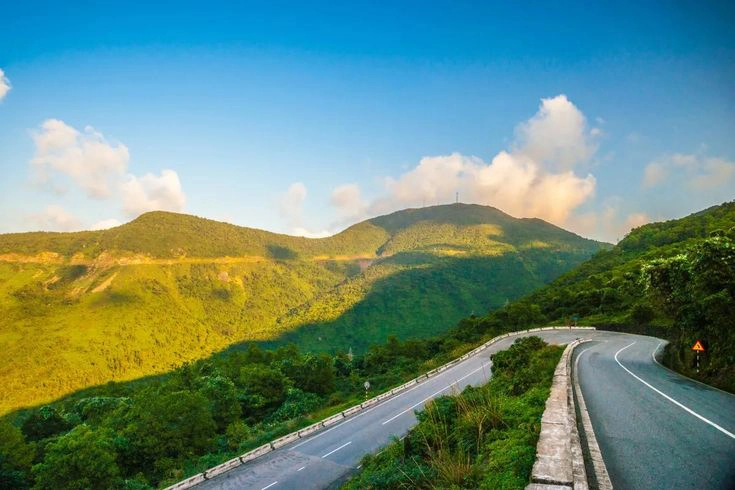
Khanh Le pass mountain road scenic viewpoint Vietnam - Source: Pinterest
When considering how to get from Nha Trang to Da Lat, the mountain road is well-traveled and generally safe when approached with the right preparation. A few practical considerations can make a real difference in how smoothly and comfortably your journey goes.
-
Depart early: Morning departures between 7:00 AM and 9:00 AM offer the best visibility, driest road conditions, and coolest temperatures for the mountain climb. Afternoon fog and rain are common on QL27C, especially from May through November.
-
Wet season awareness: October and November see the heaviest rainfall in the Central Highlands. Roads remain passable, but expect slower travel times and reduced visibility near the higher passes. All professional transport operators are equipped for these conditions.
-
Dress in layers: The temperature difference between coastal Nha Trang (~32°C) and highland Da Lat (~18–22°C) is significant. Pack a light jacket in your day bag even if you're departing in summer heat.
-
Confirm pickup details: If your limousine van includes hotel pickup, verify the exact address and departure time the evening before. Miscommunication on this can cause missed departures.
-
Motorbike riders — start before 8:00 AM: Afternoon cloud cover descends quickly on the mountain passes. Experienced riders should aim to reach Da Lat well before the early afternoon to avoid fog and reduced traction on wet switchbacks.
-
Travel insurance: Strongly recommended for any travel through mountainous terrain in Vietnam, particularly for motorbike riders and travelers with onward connections.
>> Read more: Vietnam Time to US Time Makes Planning Vietnam Easier | Joytime
5. FAQ – Nha Trang to Da Lat travel questions
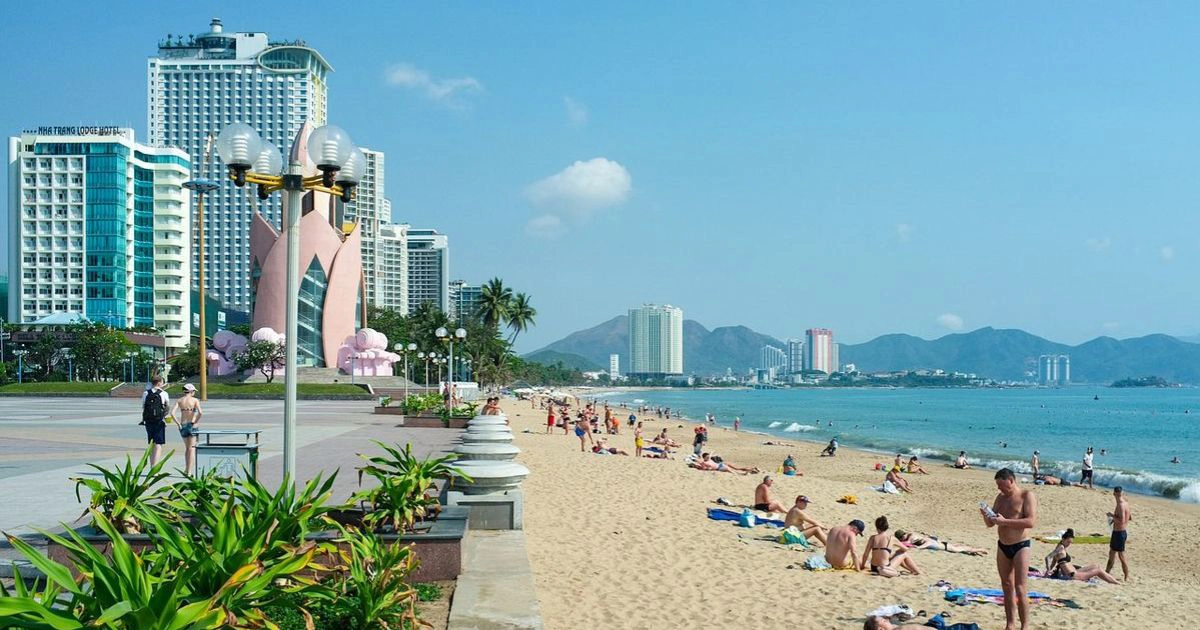
Nha Trang beach coastline city skyline Vietnam - Source: Pixabay
1. How long does it take to travel from Nha Trang to Da Lat?
Most journeys take between 3 and 5 hours, depending on your chosen transport. Limousine vans and private cars typically complete the trip in 3–3.5 hours, while sleeper buses may take up to 5 hours with stops.
2. What is the cheapest way to travel between the two cities?
Sleeper buses are the most affordable option, with fares starting from around VND 100,000 (~USD 4) per person. Motorbike travel is even cheaper if you already have access to a bike.
3. Is the mountain road safe for motorbikes?
Yes, for professional transport operators. For motorbike riders, it is safe under dry conditions with experience, but requires extra caution during rain or fog. Afternoon rides are not recommended during the wet season.
4. Can I book tickets online in advance?
Yes. Most limousine van and sleeper bus operators allow advance booking through their own websites, travel platforms, or agency partners. Booking ahead is especially important on weekends and public holidays.
Choosing how to get from Nha Trang to Da Lat depends on budget, comfort level, and travel style. Limousine vans offer the best balance of speed and comfort, while sleeper buses remain the most economical option. Private cars suit families, and motorbikes provide a more adventurous experience through mountain roads. Planning ahead ensures a smoother trip across this scenic route connecting the coast and highlands. For a well-organized experience and support with bookings or travel planning, Joytime Travel Agency can help you arrange reliable transport options and personalize itineraries for this journey.
|
Joytime Travel Agency - Travel JOY, TIMEless Vietnam Safe, Seamless, Satisfying, Sustainable Follow us for travel tips, local insights, and exclusive offers:
|

Danish Nguyen
Danish Nguyen is a renowned travel blogger in Vietnam with over 5 years of experience sharing unique travel experiences. With a passion for exploring new places, Danish captures incredible moments and provides readers with valuable tips to discover the beauty of his homeland.