









The Ultimate Guide To Travel Vietnam By Motorbike
Choosing to travel Vietnam by motorbike gives you an unmatched sense of freedom as you explore the country’s diverse landscapes from region to region. However, a cross-country motorbike journey requires careful preparation, from packing smart to improving your riding skills. To help you stay safe and make the most of your adventure, Joytime Travel’s guide below shares the most essential practical tips you need.
1. What To Prepare Before You Travel Vietnam By Motorbike?
Careful preparation plays a major role in the safety of your trip in Vietnam. Instead of bringing everything, focus on the legal requirements and core survival essentials.
1.1. Driving License And Valid Documents
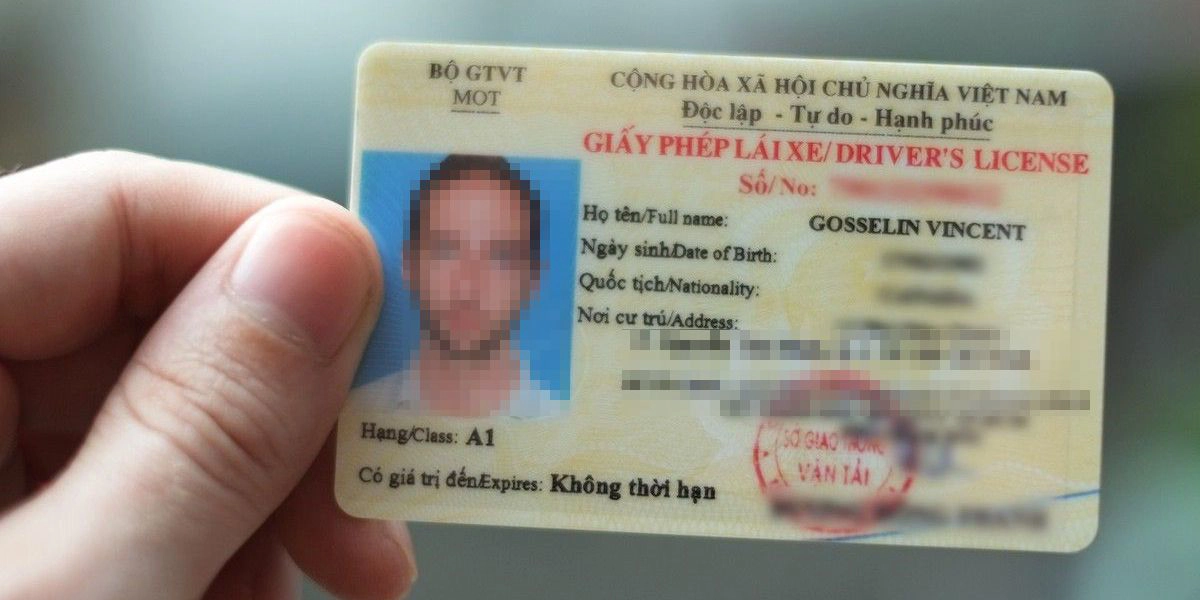
Vietnam motorbike license guide - Source: TL
Valid documents act as a legal shield, helping you avoid trouble with traffic police and ensuring your insurance benefits.
|
Traveler type |
Core driver’s license requirement |
|
International travelers |
An International Driving Permit (IDP under the 1968 Vienna Convention) is required, together with your home-country driver’s license. Note: IDPs under the 1949 Geneva Convention are not valid in Vietnam. |
|
Domestic travelers |
An A1 license is required for motorcycles under 175cc, while an A2 license is required for motorcycles from 175cc and above. |
*General note: Regardless of who you are, you must always carry a valid vehicle registration certificate and compulsory civil liability insurance.
1.2. Manual Motorbike Or Scooter: Which Should You Choose?
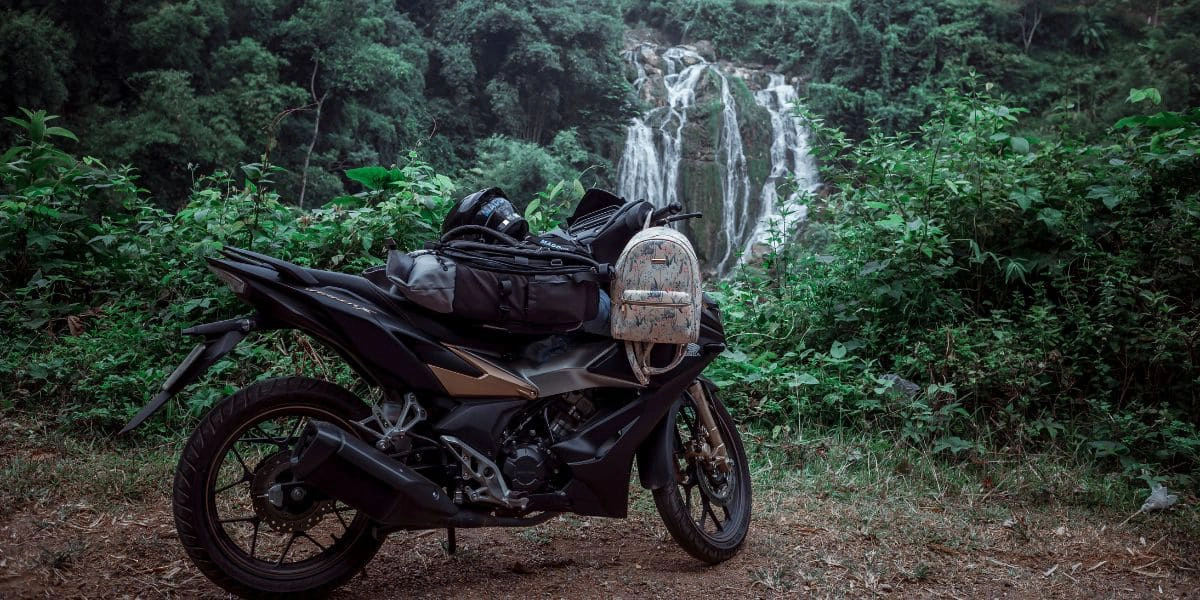
Manual clutch for mountain passes - Source: HONGSON
Choosing a motorbike is not simply about personal preference. It should be decided by the actual terrain you will travel through.
|
Motorbike type |
Practical use |
Safety on mountain passes |
|
Scooter |
Suitable for city rides or flat coastal roads. |
Dangerous. It cannot slow down using engine braking. Riding the brakes continuously can easily overheat the brake pads and cause loss of control. |
|
Semi-automatic motorbike |
Versatile, fuel-efficient, and easy to find replacement parts at repair shops along the way. |
Safe. You can easily shift to a lower gear and use engine braking when going down long slopes. |
|
Manual clutch motorbike |
Strong engine, superior suspension, and easier to handle on muddy or rocky terrain. Requires solid riding skills. |
Very safe. It allows active control of speed and traction, making it ideal for the mountain passes of Northwest Vietnam. |
1.3. Basic Luggage And Protective Gear

Road trip first-aid essentials - Source: Towfiqu barbhuiya
The golden rule when packing gear on a motorbike is: “Pack compactly to keep the bike’s center of gravity stable.”
-
Certified helmet: Choose a 3/4 helmet or a full-face helmet to fully protect your head and shield you from wind and insects. Avoid flimsy half helmets completely.
-
Proper protective clothing: Wear thick, durable clothing. Knee guards, elbow guards, and gloves with good grip are essential to reduce injuries in case of minor collisions or falls.
-
Two-piece rain suit: Use a separate rain jacket and rain pants. Never wear a poncho-style raincoat, as it can block your view of the rearview mirrors or get caught in the wheel spokes.
-
Bungee cords: Use solid rubber bungee cords with sturdy metal hooks to secure your backpack behind the seat, preventing your luggage from shifting when taking corners.
-
Mini first-aid kit: Prepare bandages, gauze, antiseptic alcohol, digestive medicine, and basic pain relievers for emergencies on quiet roads.
>> Read more: Best time to visit Vietnam February: Weather, destinations & travel guide
2. The Most Popular Cross-Country Routes For Travel Vietnam Motorbike Trips
Each region in Vietnam has its own distinctive terrain and climate. Below are 3 of the most classic motorbike adventure routes, distilled from thousands of real travel experiences.
2.1. Explore The Northern Mountains
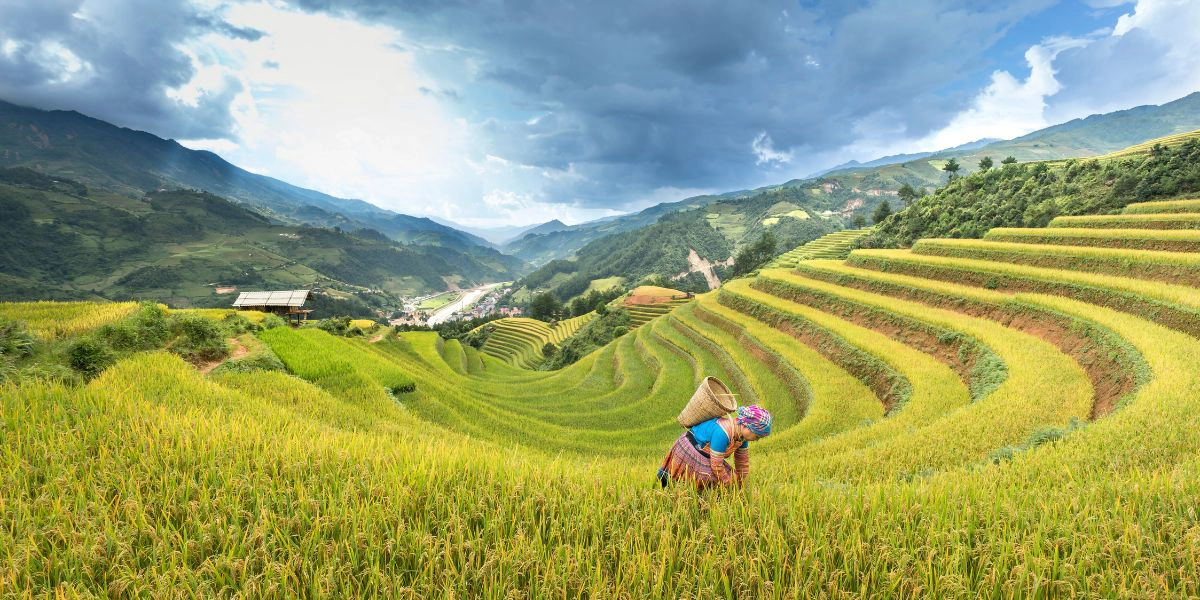
Mu Cang Chai golden rice valleys - Source: Quang Nguyen Vinh
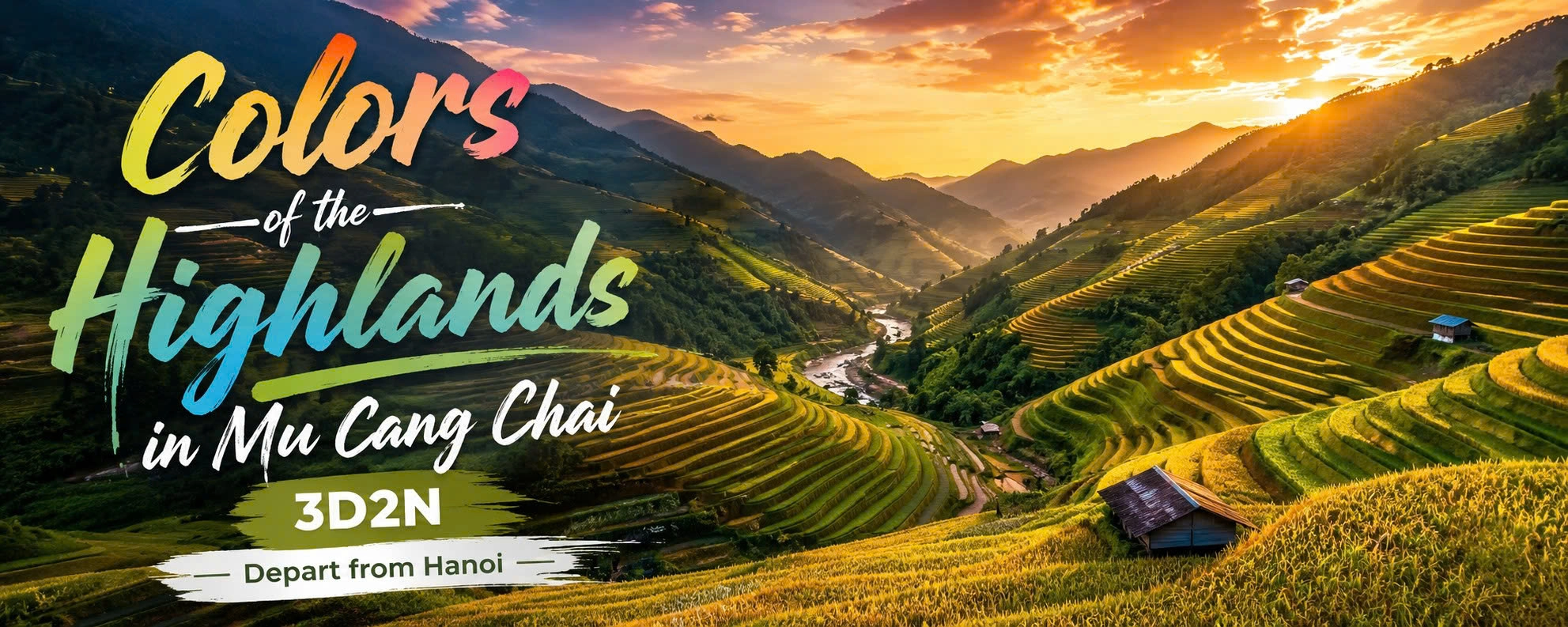
On the journey to conquer the northern highlands, you will admire unforgettable destinations with breathtaking beauty. Try standing once at the misty peak of O Quy Ho Pass, or crossing the rugged Ma Pi Leng Pass to take in the full view of the emerald-green Nho Que River lying quietly in the deep valley below. Especially if you visit at the right time, do not miss the chance to ride through the brilliant golden rice valleys of Mu Cang Chai under the autumn sun.
Detailed route:
-
Leg 1: Depart from Hanoi to Mu Cang Chai via National Highway 32 (QL32).
-
Leg 2: Continue through the center of Sa Pa Town via National Highway 4D (QL4D).
-
Leg 3: Head straight to Ha Giang via National Highway 4C (QL4C) to complete the route.
Essential safety notes:
-
The route has many steep slopes and blind hairpin turns.
-
Highland weather is unpredictable, with thick fog often reducing visibility.
-
You must use a semi-automatic or manual clutch motorbike. Absolutely do not use a scooter for downhill mountain passes.
>> Read more: 3D2N Tour | Explore Ha Giang by Motorbike Departs from Hanoi | Ha Giang
2.2. Ride Along Central Vietnam’s Coastline
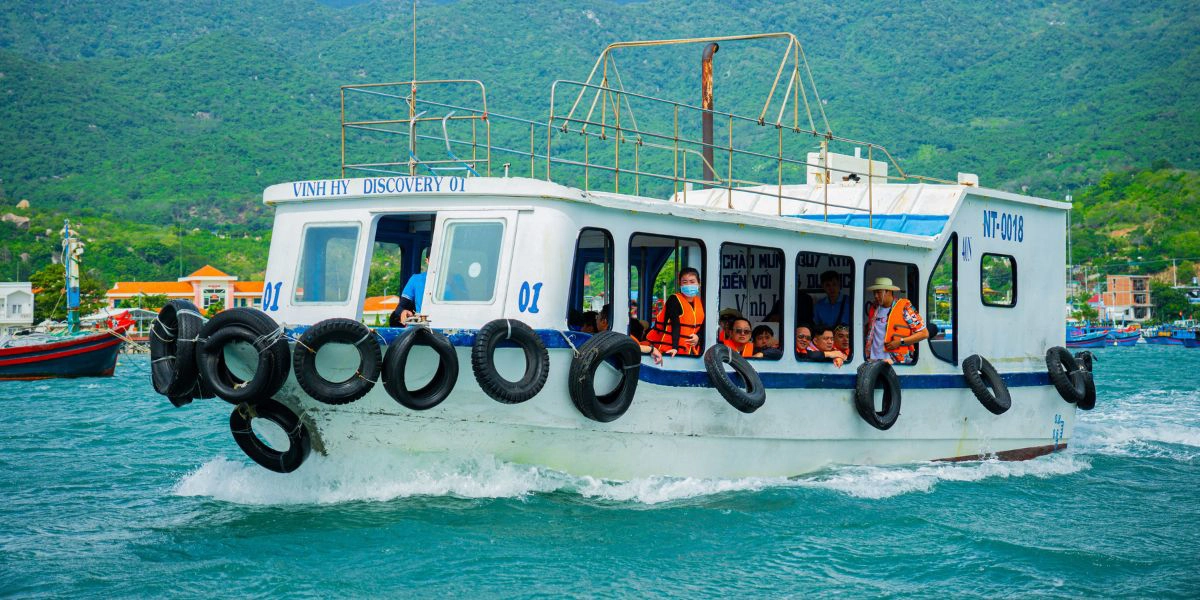
Vinh Hy Bay blue shoreline - Source: Trieu Kim Tran
The most charming part of the Central Vietnam route is the beautiful harmony between mountains and sea, helping you stay away from the dust and traffic of the national highway. You will be amazed by the towering natural boundary of Hai Van Pass, which connects Hue and Da Nang. As you continue farther south, the scenery opens up with Vinh Hy Bay curving along the clear blue shoreline, before leading you to the vast white sand dunes of Mui Ne under the bright golden sun.
Detailed route:
-
Leg 1: Start from the ancient capital of Hue and ride across Hai Van Pass to reach Da Nang.
-
Leg 2: Continue south to Quy Nhon via National Highway 1D (QL1D).
-
Leg 3: Ride along Provincial Road 702 (DT702) through Vinh Hy and end the journey in Mui Ne.
Essential safety notes:
-
The coastal road is wide, flat, and easy to ride, but strong crosswinds are very common.
-
Central Vietnam is often intensely sunny during the day, with high UV levels.
-
Prepare sunglasses, sunscreen, and a proper riding jacket to protect your skin.
2.3. Take The Forest Route Through The Central Highlands
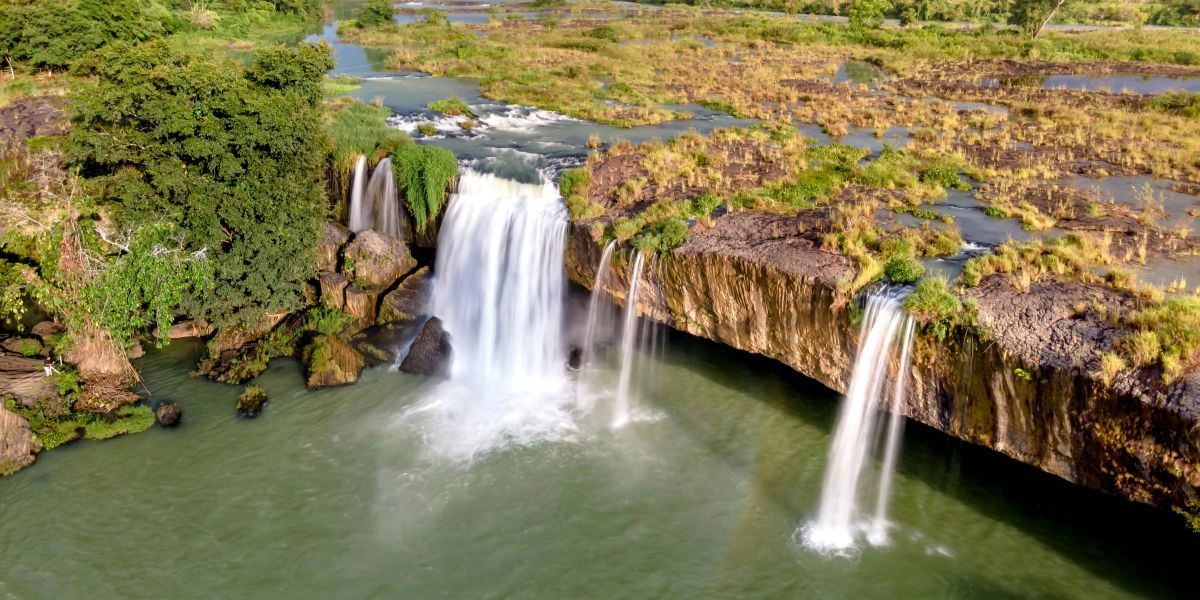
Dray Nur majestic waterfall - Source: Quang Nguyen Vinh
A journey through the vast Central Highlands along the Ho Chi Minh Trail will take you past destinations with unique natural beauty, far away from the noise of the city. You can stop to check in at the Indochina Junction Marker, where the borders of Vietnam, Laos, and Cambodia meet. Along the way, travelers can lose themselves in endless coffee plantations stretching into the distance, or stand in awe before the majestic beauty of roaring waterfalls with white foam, such as Dray Nur and Dray Sap.
Detailed route:
-
Leg 1: Start from Kon Tum City, the northernmost point of the Central Highlands.
-
Leg 2: Ride along the rolling National Highway 14 (QL14) toward the center of Buon Ma Thuot.
-
Leg 3: Turn toward Lien Khuong Junction via National Highway 27 (QL27) and end the route in Da Lat.
Essential safety notes:
-
The terrain is mainly made up of gentle rolling hills, with well-paved roads and relatively little traffic.
-
The distance between gas stations is often quite far, and some sections have very few houses along the way.
-
You should proactively check your fuel level and fill up the tank before riding through national forest areas.
>> Read more: Top 5 Da Lat Tourist Places You Shouldn’t Miss

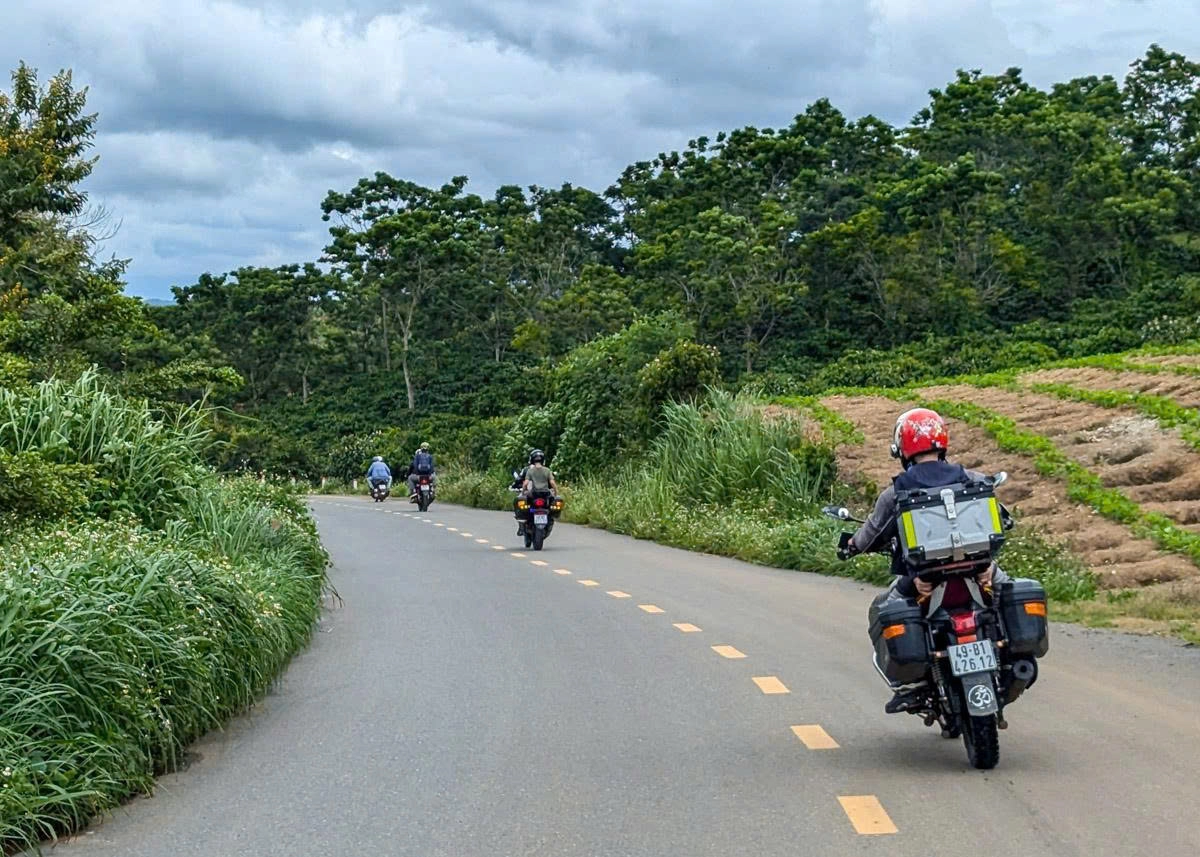
3. 3 Roadside Problem-Solving Skills When You Travel Vietnam By Motorbike
No matter how carefully you prepare, unexpected issues on the road are still hard to avoid. Below are the 3 most important practical problem-solving skills to help you stay in control on every route and ensure maximum safety throughout your trip.
3.1. How To Ride Safely On Mountain Passes And Steep Roads
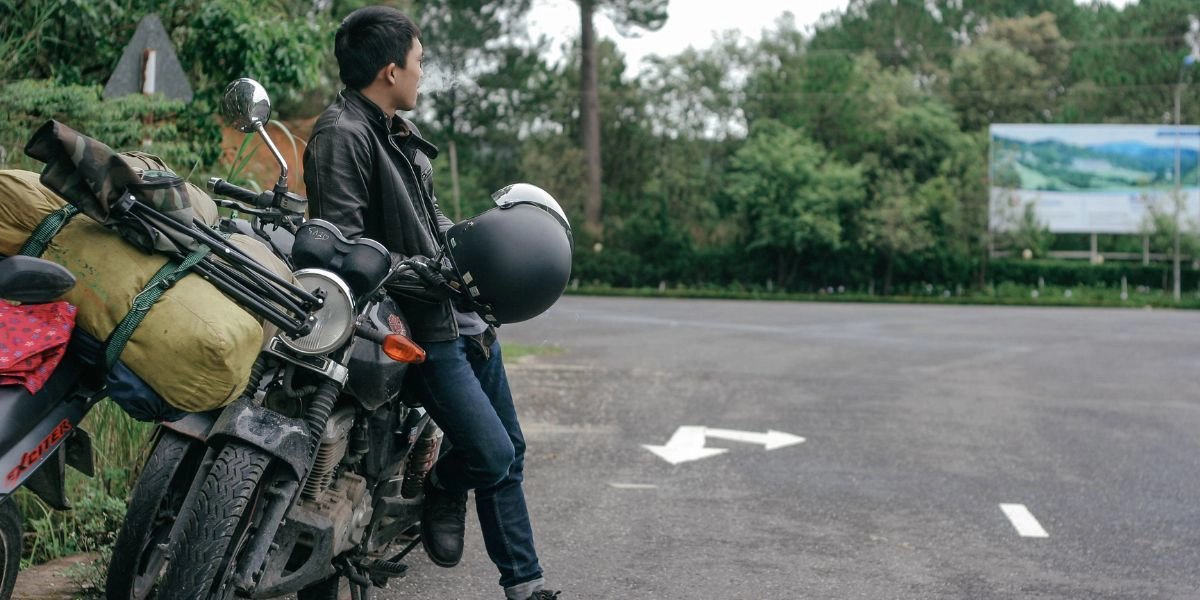
Safe riding on mountain passes - Source: Duong Nhan
Conquering steep mountain passes in Vietnam requires full concentration and solid riding skills. The most common mistake among beginners is riding the brakes continuously when going downhill, which can cause the brake pads to overheat or lead to extremely dangerous brake failure. The essential rule here is that you must know how to use engine braking to control your speed safely.
Practical handling skills:
-
Use the same gear downhill as uphill: Generally maintain gear 2 or gear 3 for semi-automatic and manual clutch motorbikes to make use of the engine’s natural braking force.
-
Do not disengage the clutch: Never turn off the engine, shift to neutral (N), or coast with the clutch held in when going down a long mountain pass.
-
Use both brakes together: Apply and release both the front and rear brakes flexibly. Never squeeze the brakes too hard all at once to avoid wheel skidding.
-
Use your horn proactively: Always slow down and honk when entering blind hairpin turns to warn vehicles coming from the opposite direction.
3.2. What To Do If Your Motorbike Breaks Down On The Road
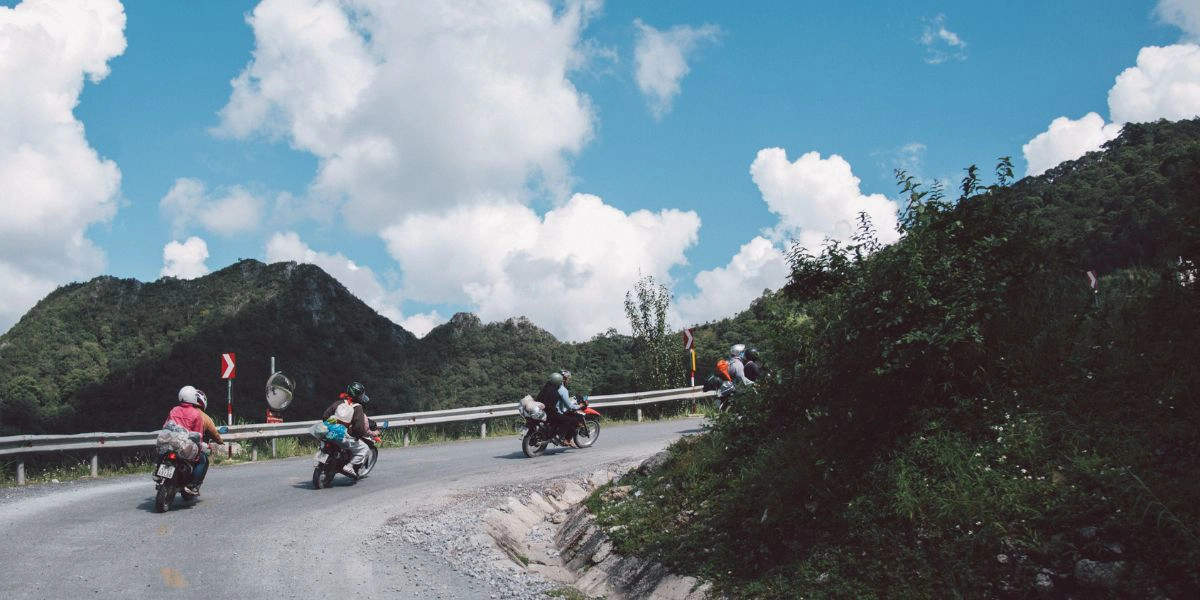
Motorbike breakdown survival tips - Source: Ben Tran
A punctured inner tube, broken chain, or engine failure in the middle of a deserted mountain pass is every adventure rider’s nightmare. In Vietnam, motorbike repair shops are fairly common along the roads, but on remote mountainous routes, you may need to rely on yourself. Staying calm, observing your surroundings, and following the steps below are key to solving the problem quickly.
Practical handling skills:
-
Move the bike to a safe roadside spot immediately: Turn on your signal and pull over as close to the right side of the road as possible. Choose a flat and visible location so you do not obstruct traffic.
-
Find the nearest help: Use Google Maps to search for “motorbike repair shop,” or actively ask local people passing by for assistance.
-
Use your survival tool kit: Make a temporary fix with a tire plug kit for tubeless tires, or use a mini pump so you can slowly ride to the nearest repair shop.
-
Ask for help from a truck or passenger bus: If the bike breaks down badly in the middle of an empty mountain pass, proactively wave down large trucks or buses and ask them to carry both you and your motorbike back to the nearest town.
3.3. Riding In Bad Weather
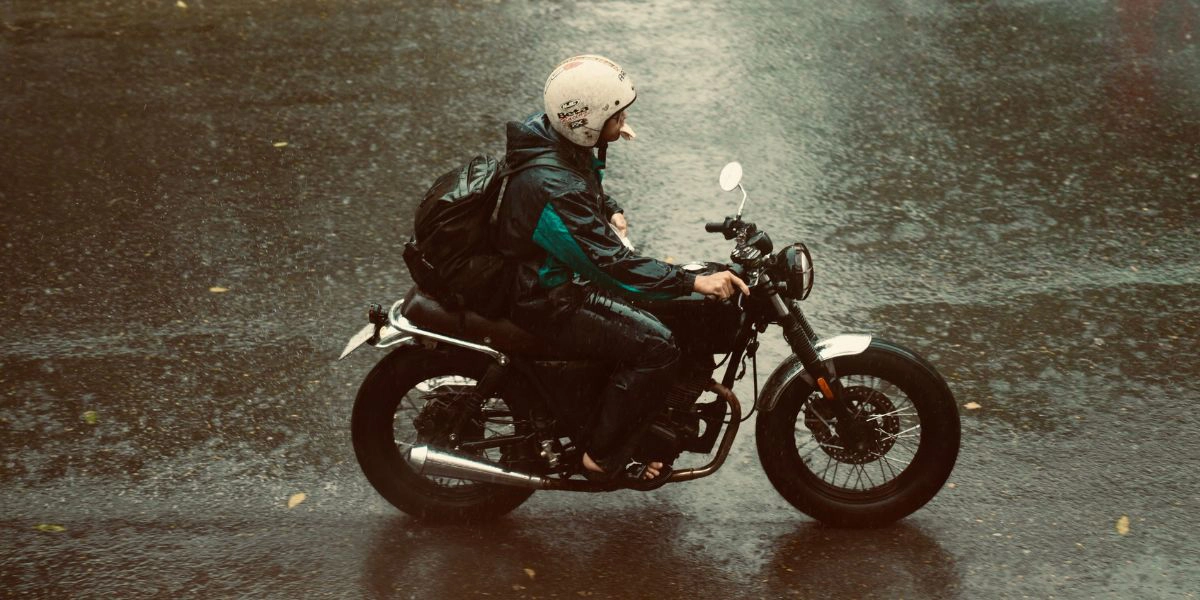
Motorbike rain riding tips - Source: Duy Nod
Vietnam has a tropical monsoon climate, so you will often encounter sudden thunderstorms. Heavy rain not only severely reduces visibility but also makes the road surface slippery, which is especially dangerous on painted road markings or metal manhole covers. Riding in these conditions requires maximum caution and an immediate change in your riding habits.
Practical handling skills:
-
Use a proper two-piece rain suit: Never wear a poncho-style raincoat, as strong winds can blow it into the wheels or lift it up and block your view and rearview mirrors.
-
Reduce your speed and increase your following distance: Ride 20 - 30% slower than usual and maintain a safe distance of at least 5 - 10 meters from the vehicles ahead.
-
Do not brake suddenly on wet roads: Avoid using the front brake abruptly as much as possible. Gradually release the throttle and gently apply the rear brake to slow the bike down safely.
-
Find shelter during heavy storms: Pull over at a gas station, hammock cafe, or the porch of a local house. Never take shelter under large old trees or near cliffs to avoid the risk of landslides and lightning.
>> Read more: Best Time to Visit Vietnam May: Weather, Beaches & Nature Trips
4. FAQs About How To Travel Vietnam On Motorbike
4.1. What Is The Average Daily Cost When You Travel Vietnam By Motorbike?
The average cost ranges from VND 500,000 to VND 1,000,000 ($25 - $40) for each day on the road. This budget covers basic expenses such as fuel, homestay or budget guesthouse accommodation, and local specialty meals. If you choose to rent a motorbike instead of bringing your own, plan to add around VND 150,000 - 250,000 ($6 - $10) per day for the rental fee.
4.2. Which Months Are Best For A Cross-Country Vietnam Motorbike Trip?
The ideal time to ride across Vietnam is from February to May each year. During this period, the weather across all three regions, Northern, Central, and Southern Vietnam, is generally dry, cool, and not yet at the peak of the summer heat.
In contrast, you should avoid starting your trip from September to November, as Central Vietnam often experiences heavy rain and flooding, which can cause landslides on mountain passes and create especially dangerous conditions for motorbikes.
4.3. How Should You Maintain Your Motorbike Throughout A Long Journey?
On-the-road maintenance is essential, and the golden rule is to change the engine oil regularly after every 1,000 - 1,500 km. Every morning before starting the bike and setting off, you should build the habit of checking tire wear, the grip of the front and rear brakes, and adding lubricant to the chain and sprockets. These quick checks not only help the bike run smoothly and feel lighter, but also minimize the risk of chain failure or brake loss when riding downhill on mountain passes.
The experience of travel Vietnam by motorbike is certainly one of the best ways to freely explore the breathtaking landscapes of this S-shaped country. However, this long journey always requires careful preparation and solid riding skills. If you love traveling but are concerned about the risks of going independently, contact Joytime Travel Agency today. Our team is always ready to help you book an all-inclusive tour, bringing you the safest, most professional, and most memorable motorbike adventure!
|
Joytime Travel Agency - Travel JOY, TIMEless Vietnam Safe, Seamless, Satisfying, Sustainable Follow us for travel tips, local insights, and exclusive offers:
|

Danish Nguyen
Danish Nguyen is a renowned travel blogger in Vietnam with over 5 years of experience sharing unique travel experiences. With a passion for exploring new places, Danish captures incredible moments and provides readers with valuable tips to discover the beauty of his homeland.