







When Should You Not Go to Vietnam? A Region-by-Region Guide
The main content of the article
- 1. Understanding Vietnam’s Weather Patterns
- 2. 7 Specific Times You Should Not Go to Vietnam
- 2.1. Central Vietnam in October & November (Severe Typhoon Season)
- 2.2. The Northern Mountains in July & August (Flash Floods & Landslides)
- 2.3. Nationwide in April & May (The Scorching Heatwave)
- 2.4. Northern Vietnam in February & March (The "Nồm" Season)
- 2.5. Tet Holiday (Late January / Early February)
- 2.6. Major National Holidays (April 30th - May 1st & Sept 2nd)
- 2.7. Southern Vietnam in September & Early October (Peak Monsoon Flooding)
- 3. What to Do If You Must Travel During These Times
- 4. So, When Should You Go? A Quick Cheat Sheet
- 5. Frequently Asked Questions Travelers Ask Before Planning a Trip to Vietnam
- 5.1. Is it safe to travel to Vietnam during typhoon season?
- 5.2. Are things completely closed during the Tet holiday?
- 5.3. What is the rainiest month in Vietnam?
- 5.4. Can I still do a cruise in Halong Bay during the summer?
- 5.5. If my dates are inflexible, when should you not go to Vietnam for a multi-city trip?
When should you not go to Vietnam? The answer depends on where you plan to travel, because the weather can change a lot from north to south. A great time to visit Hanoi may be the wrong time for Hoi An, while a sunny beach season can also bring big crowds and higher prices. This guide will help you understand which months and regions to avoid so you can plan a smoother, safer, and more enjoyable trip.
1. Understanding Vietnam’s Weather Patterns
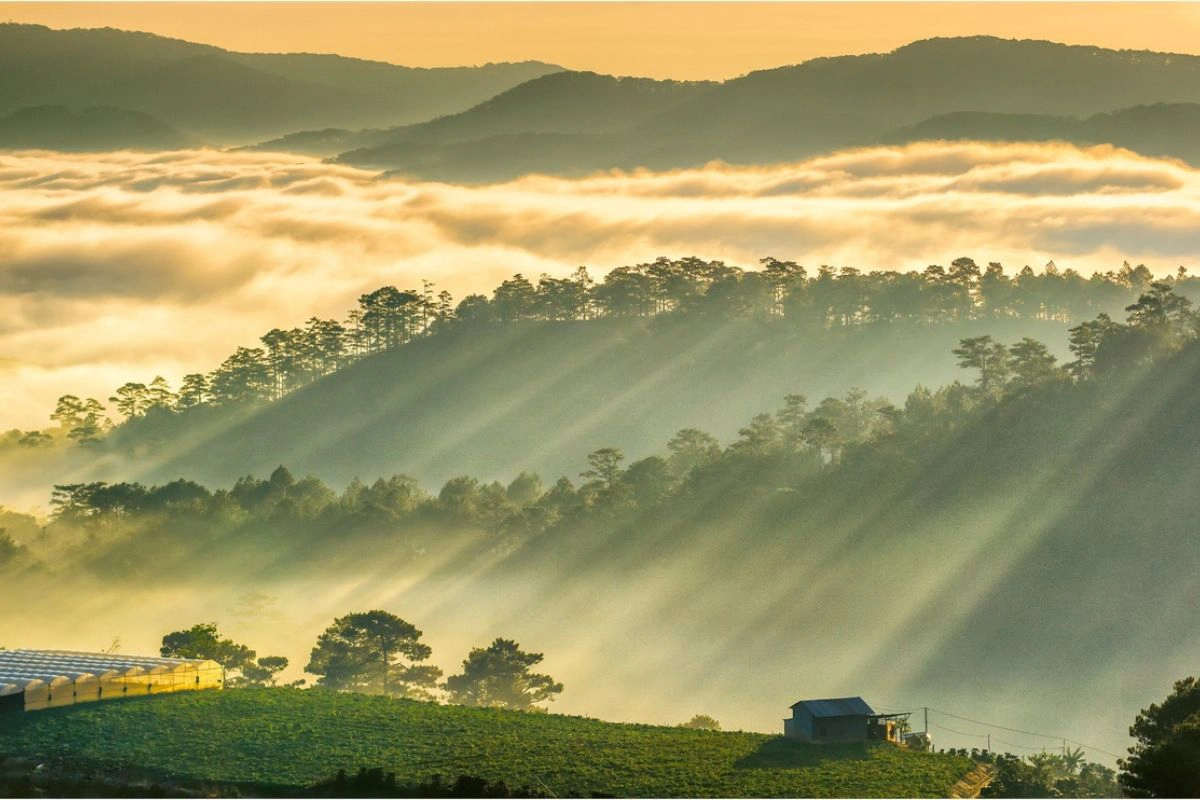
Vietnam’s weather changes dramatically from north to south - Source: VinWonders
Before crossing any dates off your calendar, it helps to look at the map. Vietnam stretches over 1,600 kilometers from the Chinese border down to the Gulf of Thailand. That extreme geography creates three distinct, completely independent weather systems that rarely cooperate with one another. The silver lining here? If it is pouring rain in one region, the weather is probably beautiful in another.
-
The North (Hanoi, Halong Bay, Sapa): Northern Vietnam has clearer seasonal changes than many other parts of Southeast Asia. From December to February, the weather can feel surprisingly cold, so you will need a proper jacket instead of beachwear. In summer, from June to August, the region becomes hot, humid, and often hit by heavy thunderstorms.
-
The Center (Hue, Da Nang, Hoi An): The central coast essentially operates on its own schedule. It enjoys a massive dry window from January all the way through August. However, when late autumn arrives, the region pays for those sunny months with a severe, highly disruptive typhoon season.
-
The South (Ho Chi Minh City, Mekong Delta, Phu Quoc): This is the classic tropical climate most travelers expect. It stays hot year-round and is split cleanly into a dry season (November to April) and a wet monsoon season (May to October).
2. 7 Specific Times You Should Not Go to Vietnam
If you want to avoid ruined plans, extreme physical discomfort, or genuine safety hazards, here are seven specific scenarios to navigate around.
2.1. Central Vietnam in October & November (Severe Typhoon Season)
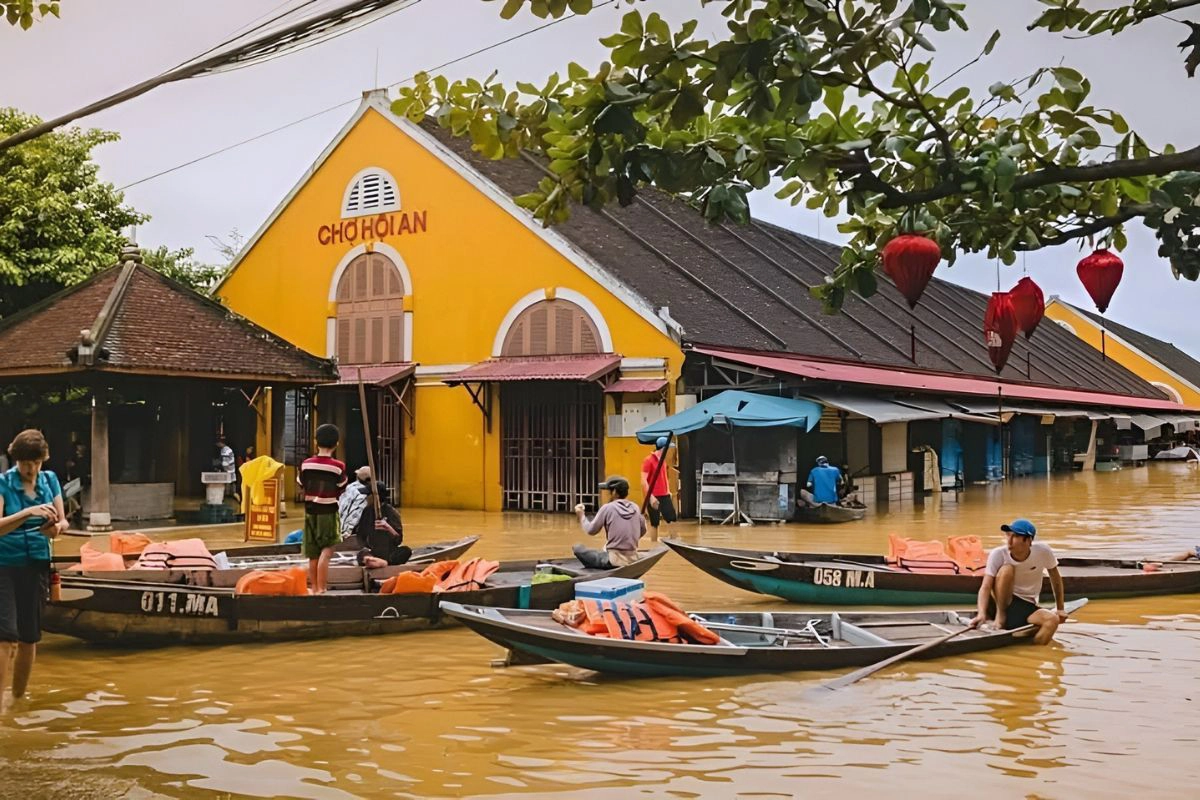
Central typhoon season can flood Hoi An’s ancient streets - Source: Pinterest
If you are planning to visit Hue, Da Nang, or Hoi An, late autumn is the riskiest time of year due to the peak central typhoon season. The romantic yellow streets of Hoi An’s Ancient Town regularly flood waist-deep, forcing locals and tourists alike to navigate by small wooden boats.
In nearby Hue, heavy, relentless rain can completely wash out outdoor tours to the Imperial Citadel and ancient royal tombs. Unless you have highly flexible travel dates and do not mind staying indoors, it is best to skip the central coast during these two volatile months.


2.2. The Northern Mountains in July & August (Flash Floods & Landslides)
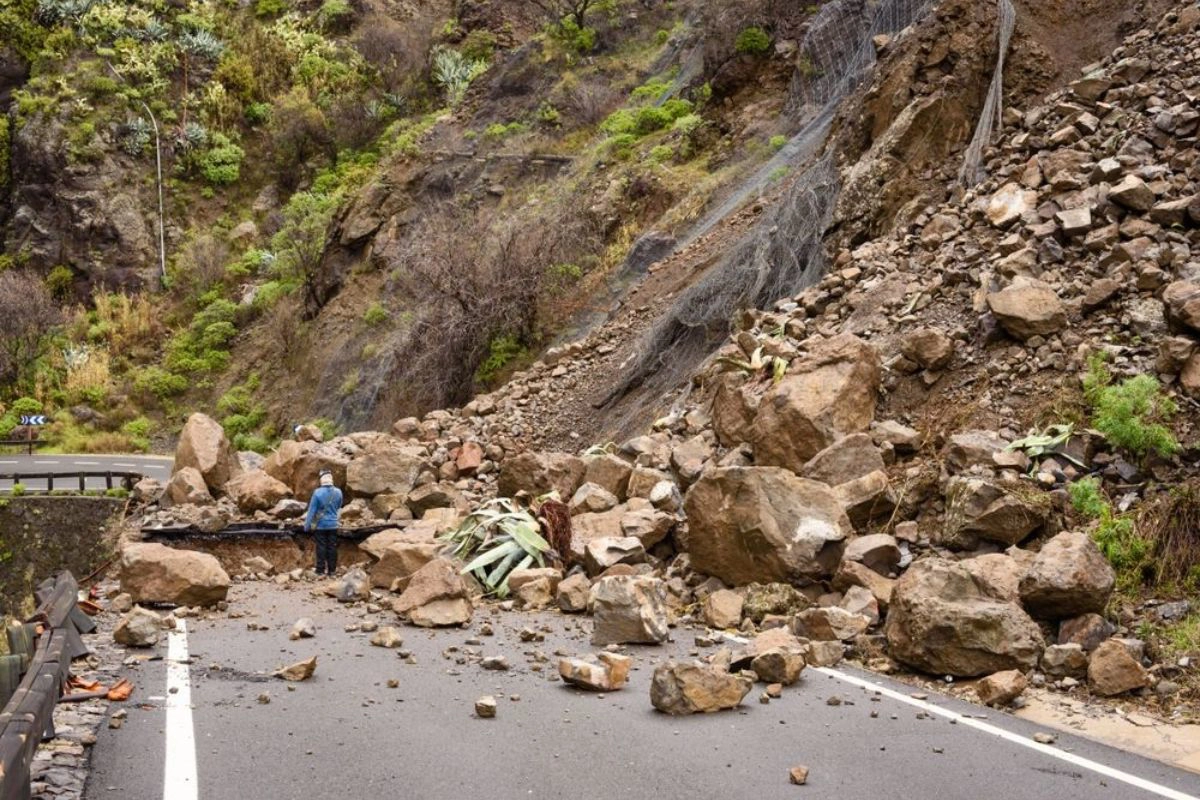
Summer rains make northern mountain roads dangerous - Source: David Walker
Sapa, Ha Giang, and Cao Bang offer some of the most spectacular motorcycle and trekking routes in Southeast Asia during the dry months. However, July and August bring torrential summer rains to the northern highlands, turning these dirt paths into dangerous mudslides.
The famous Ha Giang Loop becomes incredibly risky due to slick mountain roads, thick mud, and sudden landslides that can block passes for days. Trekking in Sapa turns into a grueling slide through muddy rice terraces, with thick fog often blocking the iconic valley views entirely.
2.3. Nationwide in April & May (The Scorching Heatwave)
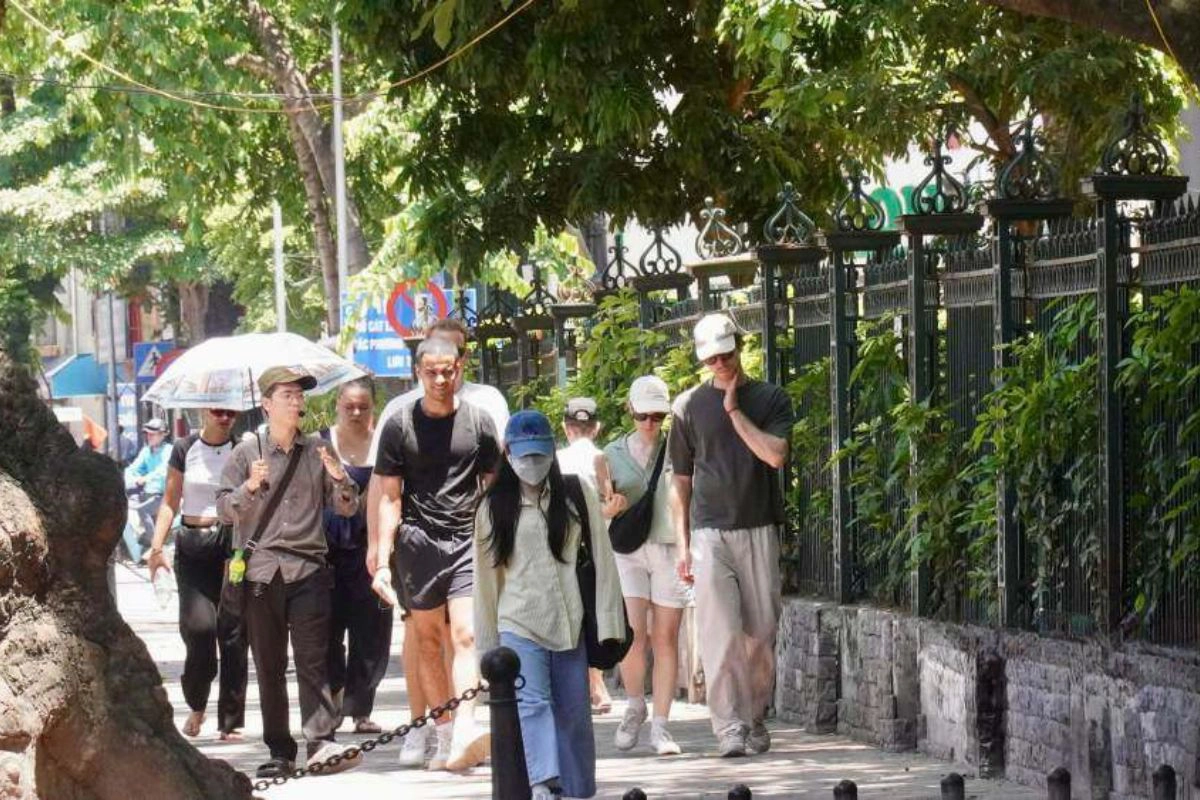
April heat makes sightseeing tiring across Vietnam - Source: Bao Lao Dong
Before the summer monsoon rains arrive to cool things down, Vietnam bakes under intense sunshine and punishing humidity. Late April and May often see daily temperatures hovering around 38°C to 40°C (100°F – 104°F), making daytime city exploring in Ho Chi Minh City or Hanoi downright exhausting.
Even local street food vendors and residents retreat indoors during the mid-day heat to avoid exhaustion. If you struggle with extreme heat and still choose to visit now, you will need to start your days early and rest in air-conditioning until the late afternoon.
>> Read more: Best Time to Visit Vietnam June: Where to Go & What to Expect
2.4. Northern Vietnam in February & March (The "Nồm" Season)
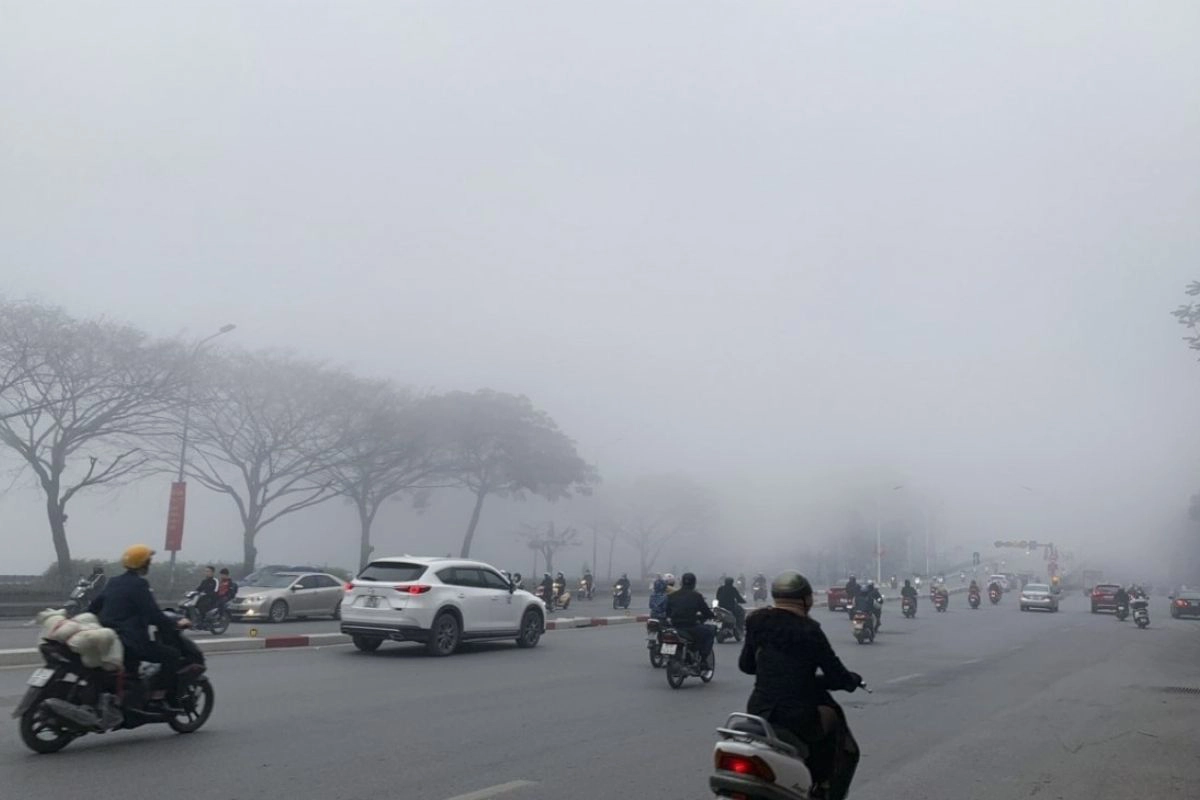
Northern humidity brings fog, drizzle, and slippery floors - Source: VOV
This highly localized weather phenomenon catches many international tourists off guard when they arrive in Hanoi or Halong Bay. Late February and March bring nồm, a period of extreme, lingering indoor humidity mixed with a constant, gray drizzle.
Hotel floors "sweat" and become dangerously slippery, laundry takes days to dry, and a thick fog settles over the entire region. While checking the Halong Bay Weather might show mild temperatures, the mist is often so dense that port authorities ground cruise ships entirely.
2.5. Tet Holiday (Late January / Early February)
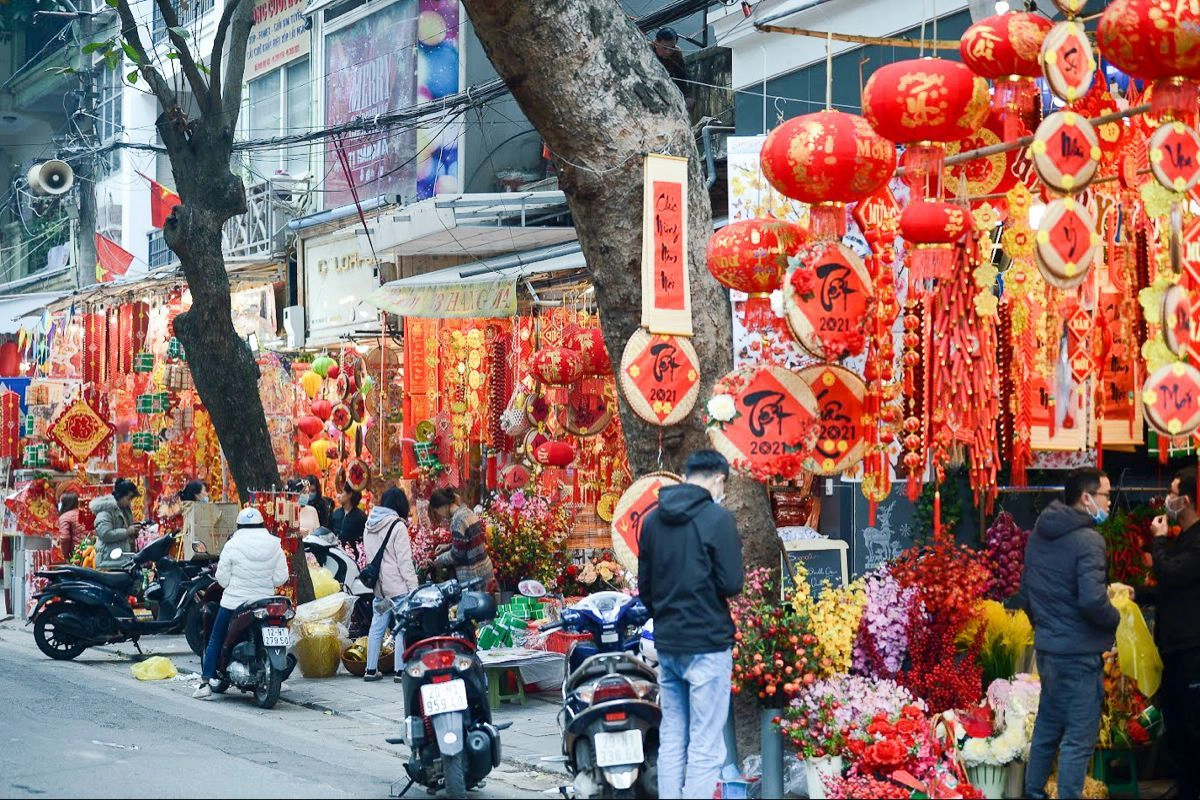
Tet brings beauty, closures, and crowded transport - Source: Anne
Tet (Lunar New Year) is undeniably the most beautiful cultural event in the country, with streets lined with peach blossoms and temples filled with incense. However, if your primary goal is a fast-paced tourist itinerary with lots of sightseeing, this is the worst time to visit.
For about five to seven days, independent restaurants, boutique shops, and many tourist markets close their doors as locals return to their hometowns. Transportation becomes incredibly expensive and sells out weeks in advance, meaning you must expect limited dining options and skeleton-crew hotel staff unless you follow specific Tet Holiday Travel advice.
2.6. Major National Holidays (April 30th - May 1st & Sept 2nd)
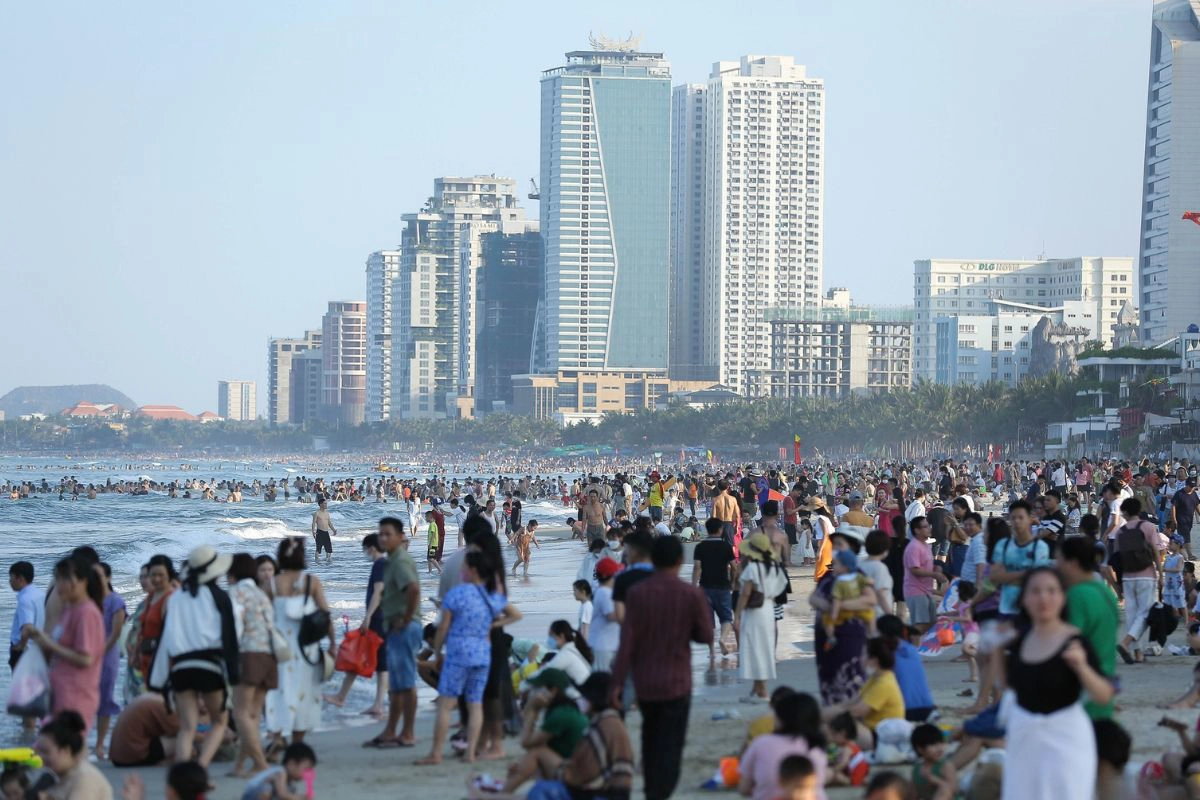
National holidays make beach destinations extremely crowded - Source: Kenh14.vn
Vietnam celebrates two major public holiday clusters: Reunification Day combined with Labor Day (April 30 – May 1), and National Day (September 2). Domestic tourism during these specific windows is massive, causing beaches in Da Nang, Nha Trang, and Phu Quoc to become overwhelmingly crowded.
Cable cars to popular spots like Ba Na Hills or Fansipan can have hours-long wait times, and finding a quiet, relaxing spot is nearly impossible. If your trip overlaps with these dates, avoid popular resort towns and seek out secondary, off-the-beaten-path destinations instead.
>> Read more: 23+ Best Things To Do in Nha Trang Vietnam - “Pearl of the East Sea”
2.7. Southern Vietnam in September & Early October (Peak Monsoon Flooding)
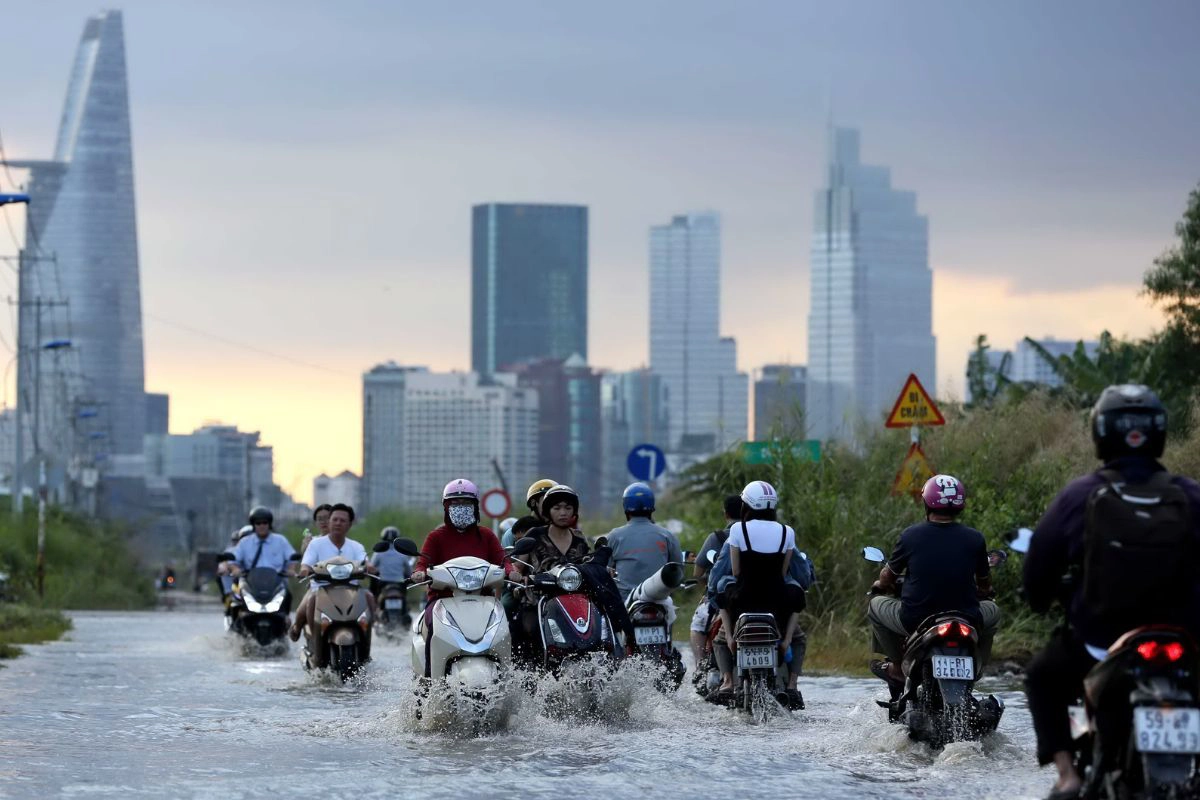
Peak monsoon rains can flood southern Vietnam - Source: Bao Thanh Nien
While the South’s rainy season officially starts in May, it usually reaches its peak intensity in September and early October. This period brings more than just brief afternoon showers; it is when high river tides collide with heavy monsoon downpours.
Several major districts in Ho Chi Minh City experience severe street flooding, which can easily turn a short taxi ride into a stressful, hour-long traffic jam. Down in the Mekong Delta, the relentless rains can make open-boat tours highly uncomfortable and limit your ability to explore the floating markets.

3. What to Do If You Must Travel During These Times

Flexible planning helps protect difficult travel dates
Sometimes, you simply cannot change your vacation dates. If you are locked into a sub-optimal weather or holiday window, a little strategy goes a long way to salvage the trip.
During Tet or National Holidays, lock down your flights and hotels months in advance. Because airports get chaotic with domestic travelers, booking an airport Fast Track service upon arrival will save you hours standing in immigration lines. During typhoon or flood seasons, keep your itinerary loose. Do not pre-book non-refundable domestic flights; instead, rely on a flexible Tour & Sightseeing platform to book day trips at the last minute once you confirm the sky is clear.
4. So, When Should You Go? A Quick Cheat Sheet
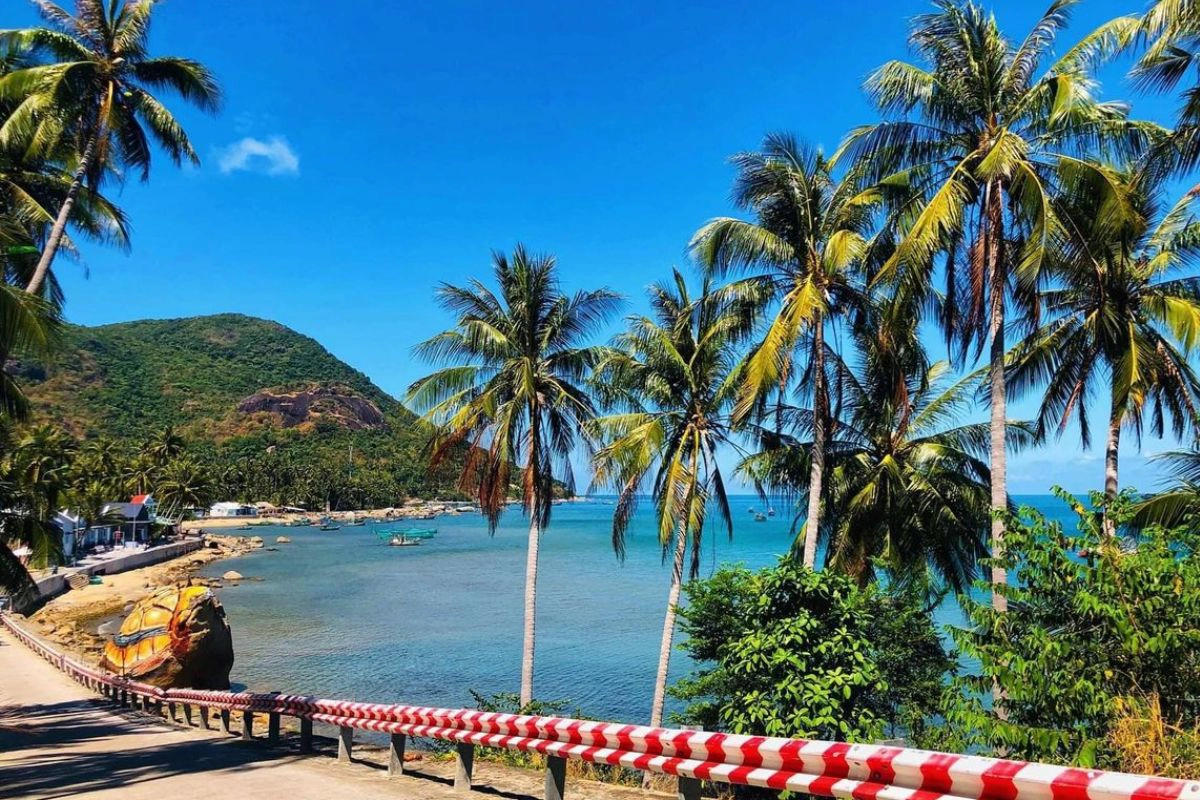
Choose the right season for each Vietnam region - Source: Pinterest
To keep things simple, here are the safest, most comfortable weather windows to aim for:
-
Northern Vietnam (Hanoi, Sapa, Halong): October to November, and April (skipping the late-month heat if possible). Clear skies and mild temperatures.
-
Central Vietnam (Hue, Da Nang, Hoi An): February to May. The weather is dry, the seas are calm, and the extreme summer heat hasn't fully arrived.
-
Southern Vietnam (HCMC, Mekong Delta, Phu Quoc): December to March. Sunny, dry days and slightly lower humidity make exploring much more pleasant.
5. Frequently Asked Questions Travelers Ask Before Planning a Trip to Vietnam
5.1. Is it safe to travel to Vietnam during typhoon season?
Yes, but you need to be cautious. The government is very proactive about safety; coastal boat tours are strictly grounded at the first sign of a major storm. The main risks are logistical, such as canceled flights and flooded streets that disrupt your plans.
5.2. Are things completely closed during the Tet holiday?
Not entirely, but significantly. International hotels, major tourist attractions, and convenience stores usually remain open. However, family-run restaurants, street food stalls, tailor shops, and local markets will close for several days.
5.3. What is the rainiest month in Vietnam?
It depends entirely on the region. In the North, July and August are the wettest. In the Center, October and November bring the heaviest rains. In the South, September generally sees the highest rainfall.
5.4. Can I still do a cruise in Halong Bay during the summer?
Yes, summer offers bright skies and excellent water temperatures for swimming. However, sudden tropical thunderstorms can roll in fast, occasionally causing port authorities to cancel overnight cruises without much warning.
5.5. If my dates are inflexible, when should you not go to Vietnam for a multi-city trip?
There is no "perfect" month for the entire country. If you are traveling north to south, October and November are the hardest to manage because while the North and South are pleasant, the Center is prone to severe storms.
If you find yourself asking exactly when should you not go to vietnam, the answer ultimately depends on your specific route. By actively avoiding severe regional typhoons, extreme heatwaves, and overwhelming holiday closures, you guarantee a much smoother journey. For help navigating these tricky weather windows, securing reliable local transportation, or building a flexible itinerary, contact Joytime Travel Agency to design a comfortable, stress-free vacation tailored to your schedule.
|
Joytime Travel Agency - Travel JOY, TIMEless Vietnam Safe, Seamless, Satisfying, Sustainable Follow us for travel tips, local insights, and exclusive offers:
|

Danish Nguyen
Danish Nguyen is a renowned travel blogger in Vietnam with over 5 years of experience sharing unique travel experiences. With a passion for exploring new places, Danish captures incredible moments and provides readers with valuable tips to discover the beauty of his homeland.