









West Lake Hanoi Vietnam: Things to Do, Directions and Travel Guide
The main content of the article
- 1. West Lake Hanoi Overview: Location, Size and Atmosphere
- 2. Best Things to Do and Eat at West Lake Hanoi
- 2.1. Visit Tran Quoc Pagoda and Quan Thanh Temple
- 2.2. Walk or Cycle Around West Lake
- 2.3. Relax at a Lakeside Café and Watch the Sunset
- 2.4. Try Stand Up Paddleboarding or Swan Boats
- 2.5. Photograph the Seasonal Lotus Ponds
- 2.6. Try Banh Tom Ho Tay, West Lake’s Signature Shrimp Cake
- 2.7. Enjoy Pho Cuon Around West Lake
- 3. West Lake Hanoi at Night
- 4. How to Get to West Lake Hanoi
- 5. Practical Travel Tips for Visiting West Lake Hanoi
- 6. Frequently Asked Questions About West Lake Hanoi Vietnam
West Lake Hanoi Vietnam is a peaceful lakeside area known for historic temples, sunset cafés, local food and relaxed nightlife. Located just a short distance from the Old Quarter, it offers a quieter side of the capital while still being easy to reach. This guide covers the best things to do, what to eat, how to get there and useful tips for visiting West Lake.
1. West Lake Hanoi Overview: Location, Size and Atmosphere
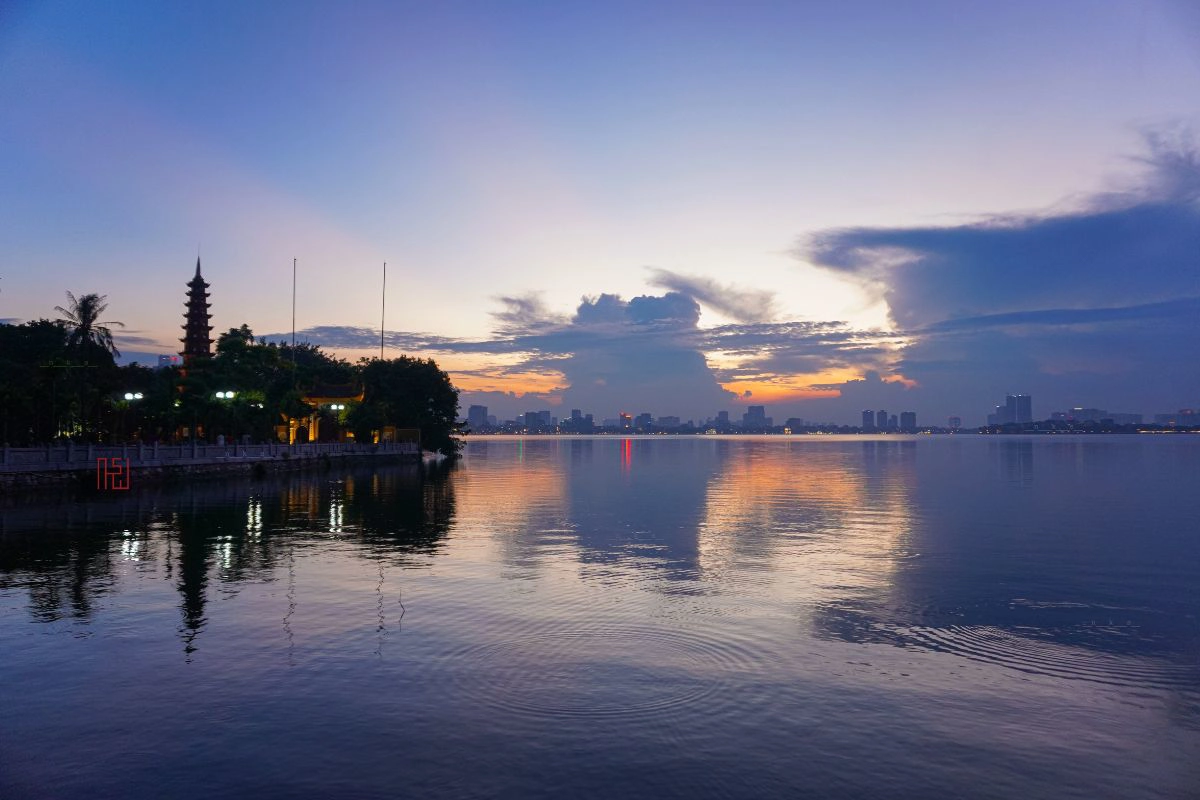
West Lake Hanoi and its vibrant lakeside atmosphere - Source: Wikipedia
Known locally as Ho Tay, West Lake is one of the most prominent landmarks in northwestern Hanoi and a popular destination for travelers exploring West Lake Vietnam. Covering over 500 hectares, the lake creates a vast open space that naturally cools the surrounding residential neighborhoods during the hot summer months. Its shoreline stretches for roughly 17 kilometers, making the Hanoi West Lake area a popular recreation zone for locals and international visitors who enjoy walking, cycling and spending time outdoors.
The atmosphere across the west lake district Hanoi varies significantly depending on which section you explore. The eastern shore near Thanh Nien Road is rich in cultural history and attracts large weekend crowds, while the northern Quang An peninsula feels much more like an international enclave filled with quiet villas and modern cafes. Understanding these distinct zones helps you choose the right area for your specific travel preferences.
2. Best Things to Do and Eat at West Lake Hanoi
The neighborhoods surrounding the water are packed with historic sites, recreational activities, and famous local dishes. Here are the most highly recommended experiences to include in your itinerary.
2.1. Visit Tran Quoc Pagoda and Quan Thanh Temple
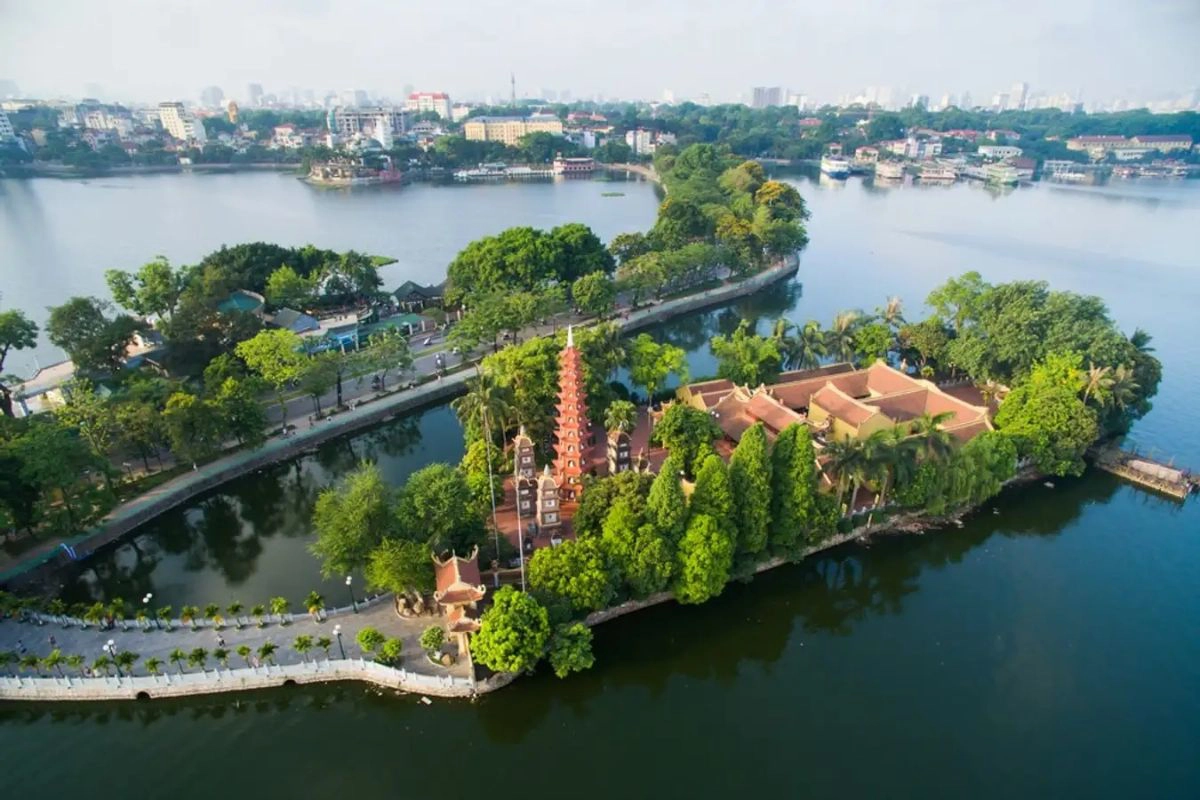
A view of the tall red stupa at Tran Quoc Pagoda surrounded by the calm waters of West Lake - Source: Vinpearl
Tran Quoc Pagoda holds the title of the oldest Buddhist temple in the city, originally constructed in the sixth century. It sits on a small island connected by a short causeway to Thanh Nien Road, featuring a striking red stupa that stands out against the water. Visitors can explore the peaceful courtyards, view ancient statues, and see a historic Bodhi tree grown from a cutting of the original tree in India.
Just a short walk from the pagoda, you will find Quan Thanh Temple, which serves as one of the four sacred guardian temples of the ancient capital. The interior houses an impressive black bronze statue of the deity Huyen Thien Tran Vu, showcasing exceptional craftsmanship dating back to 1677. Visiting both of these historic sites provides a comprehensive introduction to the deep spiritual traditions that shaped the local area.

2.2. Walk or Cycle Around West Lake
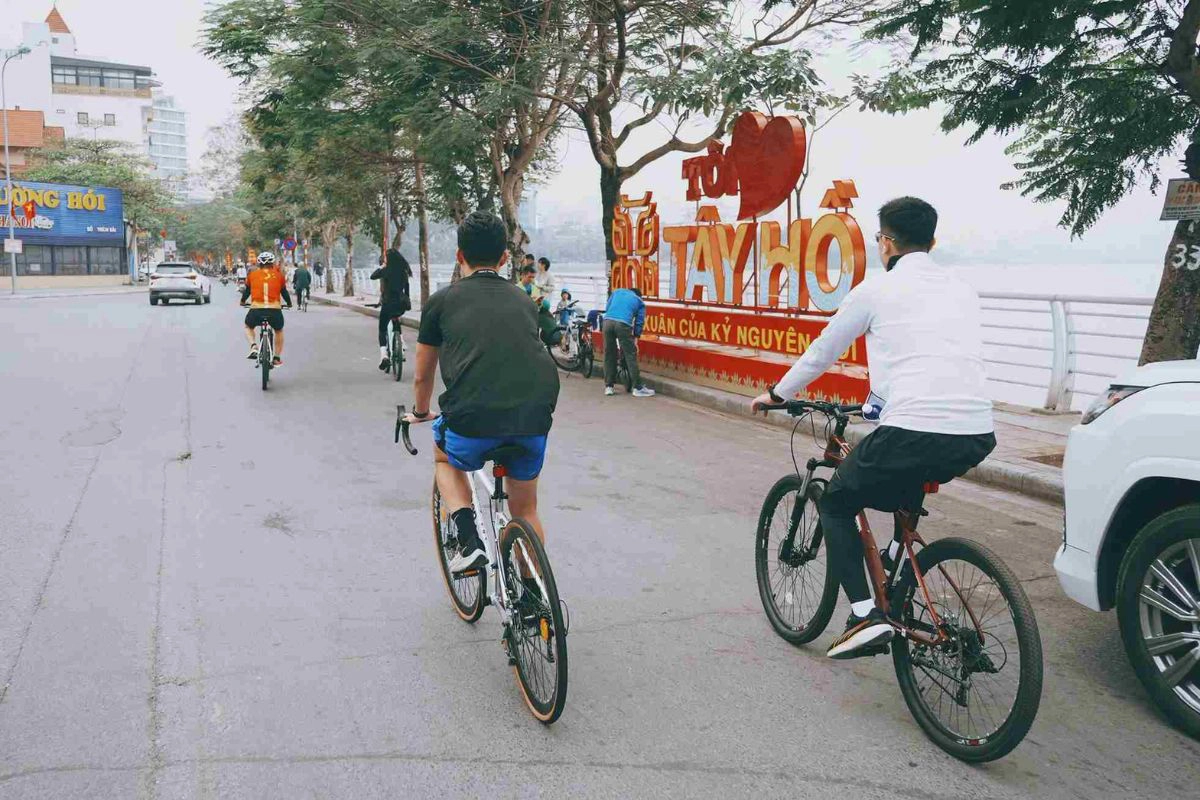
Cyclists enjoying a peaceful morning ride along the shaded paths surrounding the lake - Source: Bao Lao Dong
Renting a bicycle to navigate the 17-kilometer perimeter of west lake in Hanoi is one of the most popular outdoor activities for international travelers. The lakeside pathways are generally flat and well-paved, providing a safe and comfortable route away from the heavy traffic of the central districts. You will pass by numerous historic sites, local fishing spots, and quiet residential streets along the way.
Rental shops are conveniently located near the water park and along major streets like Trich Sai, offering standard bikes for very reasonable hourly rates. If you do not want to complete the full loop, riding the shaded sections near the lotus ponds offers the most comfortable experience. Cycling early in the morning allows you to avoid the midday heat and observe local residents exercising along the banks.
2.3. Relax at a Lakeside Café and Watch the Sunset
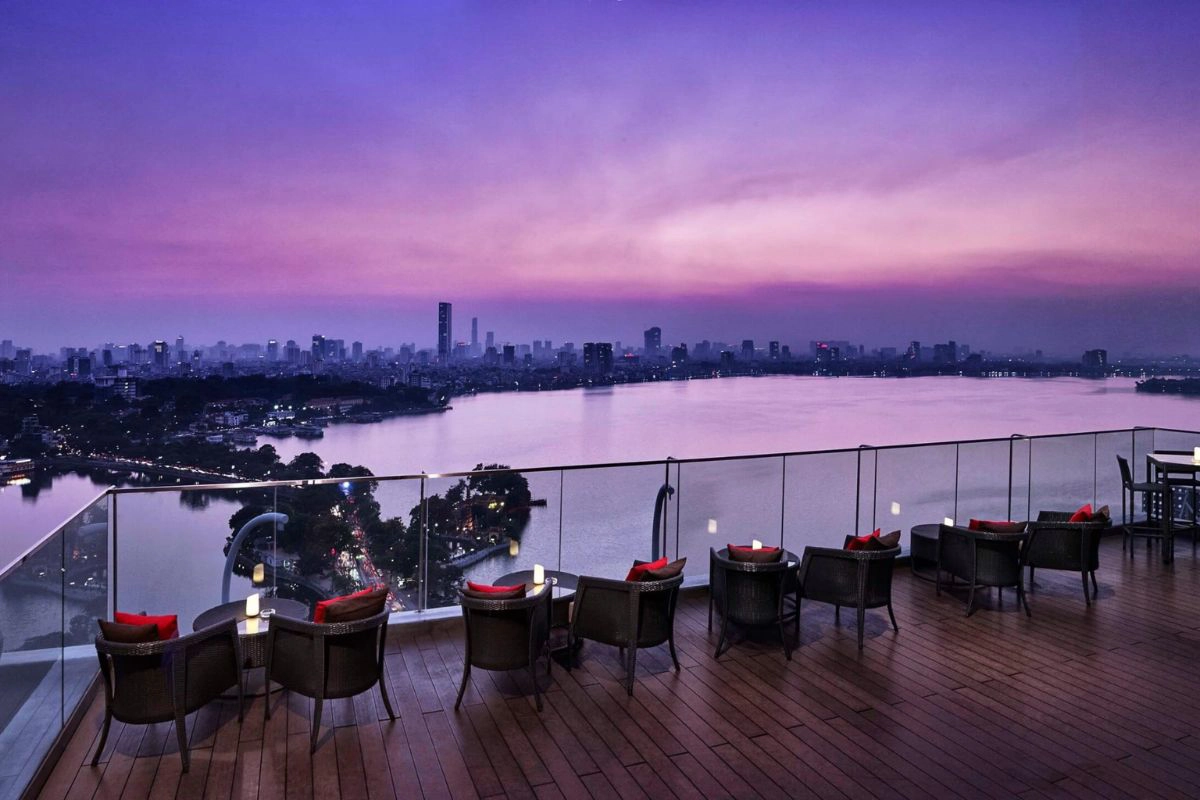
A tranquil sunset view over the water taken from a comfortable outdoor café terrace - Source: VinWonders
The eastern and northern shores of the lake are lined with coffee shops that feature open-air balconies and direct water views. These venues range from traditional Vietnamese coffee houses serving robust local drips to modern establishments offering espresso drinks and fresh tropical juices. Securing a table around late afternoon gives you the best vantage point as the sky changes color over the vast water surface.
Many visitors consider the sunset here to be the most impressive in the city because the sheer size of the lake creates a wide, uninterrupted horizon. Establishments along Nguyen Dinh Thi and Yen Hoa streets are particularly popular for evening relaxation. Taking an hour to sit with a coconut coffee while watching the city lights slowly illuminate the opposite shore is a highly recommended way to end a day of sightseeing.
2.4. Try Stand Up Paddleboarding or Swan Boats
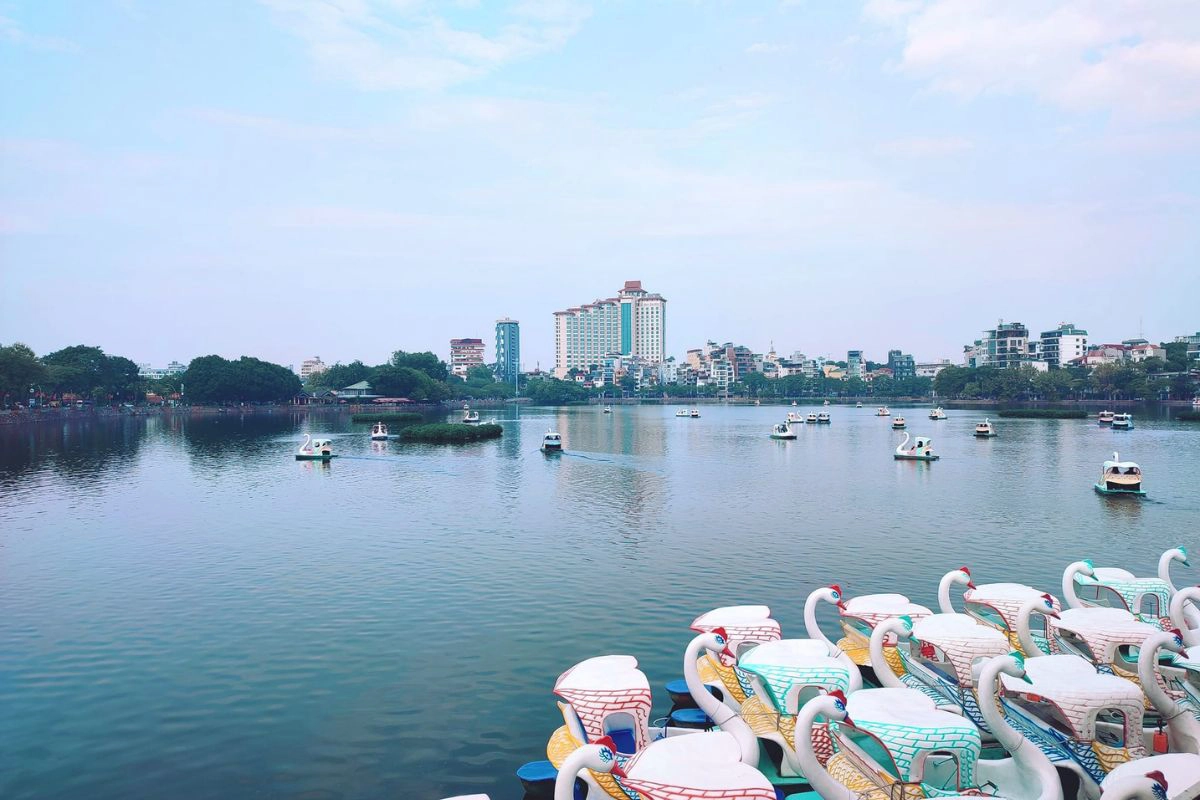
Colorful swan boats floating gently on the calm water near Thanh Nien Road - Source: Bao Lao Dong
Getting directly onto the water is an engaging way to experience the massive scale of west lake Tay Ho Hanoi. Stand-up paddleboarding (SUP) has grown quickly in popularity, with several rental clubs operating near the northern shore providing boards, life jackets, and basic instructions. The water is generally calm, making it accessible for beginners who want to paddle out and view the city skyline from a distance.
For a more relaxed option, visitors can rent pedal-powered swan boats near the Thanh Nien Road dividing strip. This activity is highly suitable for families with children or couples seeking a quiet half-hour away from the busy streets. The rental process is straightforward, and spending time on the water provides a completely different perspective of the surrounding pagodas and tree-lined avenues.
2.5. Photograph the Seasonal Lotus Ponds
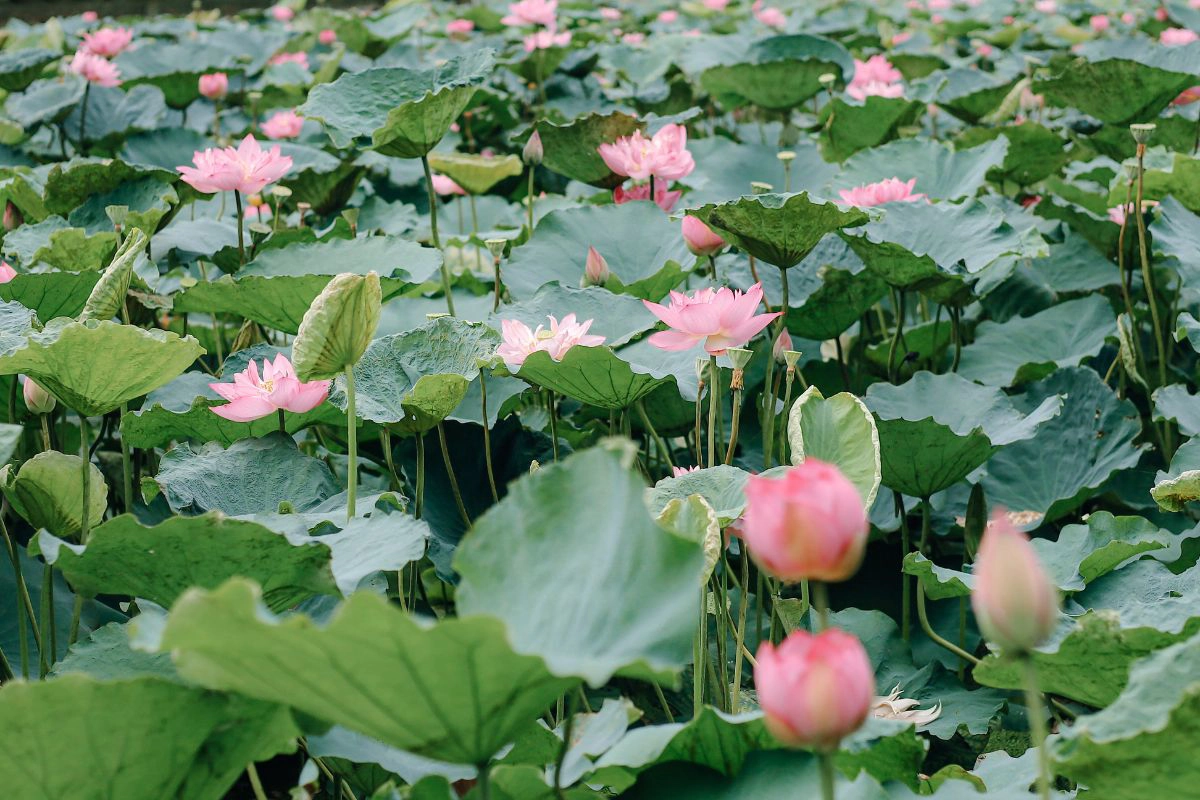
Bright pink lotus flowers blooming among green lily pads in the northern ponds - Source: VinWonders
During the summer months, specifically between late May and July, the lotus ponds near the northern edge of the lake come into full bloom. These large pink blossoms hold deep cultural significance in Vietnam and attract numerous photographers seeking to capture the vibrant colors. The area temporarily transforms into a busy attraction where locals often rent traditional Ao Dai outfits for formal photoshoots.
Even if you are not a professional photographer, walking along the wooden boardwalks that cut through the ponds is a visually striking experience. Local vendors set up small stalls selling fresh lotus flowers, lotus-infused tea, and traditional snacks. Visiting early in the morning is the best strategy to avoid the midday heat and the largest crowds while enjoying the subtle fragrance of the blooming flowers.
2.6. Try Banh Tom Ho Tay, West Lake’s Signature Shrimp Cake
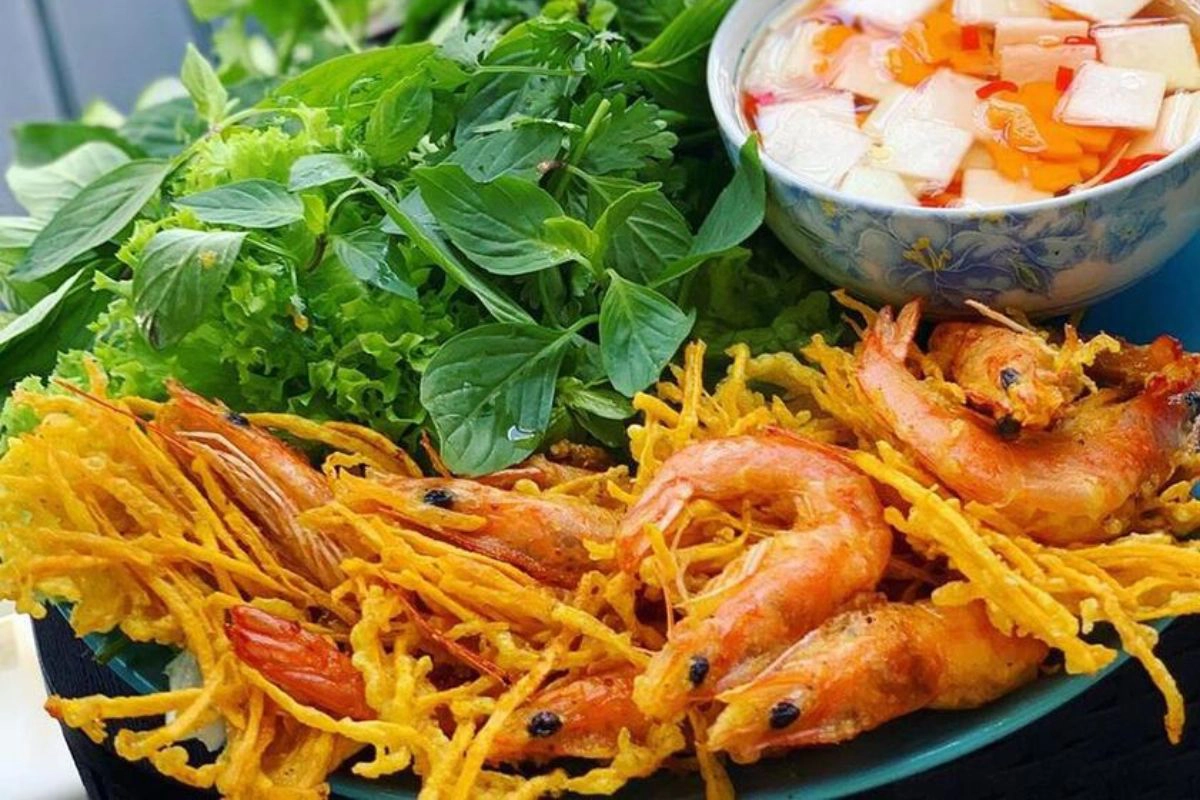
A plate of crispy sweet potato and shrimp cakes served with fresh herbs and dipping sauce - Source: VinWonders
You cannot explore this district without tasting Banh Tom Ho Tay, a local specialty consisting of sweet potato batter and whole shrimp fried until perfectly crispy. The dish is typically served with a generous basket of fresh herbs, lettuce, and a sweet and sour fish sauce containing pickled green papaya. Wrapping a piece of the warm cake in lettuce with herbs and dipping it into the sauce creates a perfect balance of textures and flavors.
Numerous restaurants along Thanh Nien Road and the eastern shore specialize exclusively in this particular dish. Many of these dining spots offer outdoor seating that looks out directly over the water, combining good food with excellent scenery. Because the cakes are quite filling, they work well as a shared appetizer or a light lunch before you continue your exploration of the nearby temples.
2.7. Enjoy Pho Cuon Around West Lake
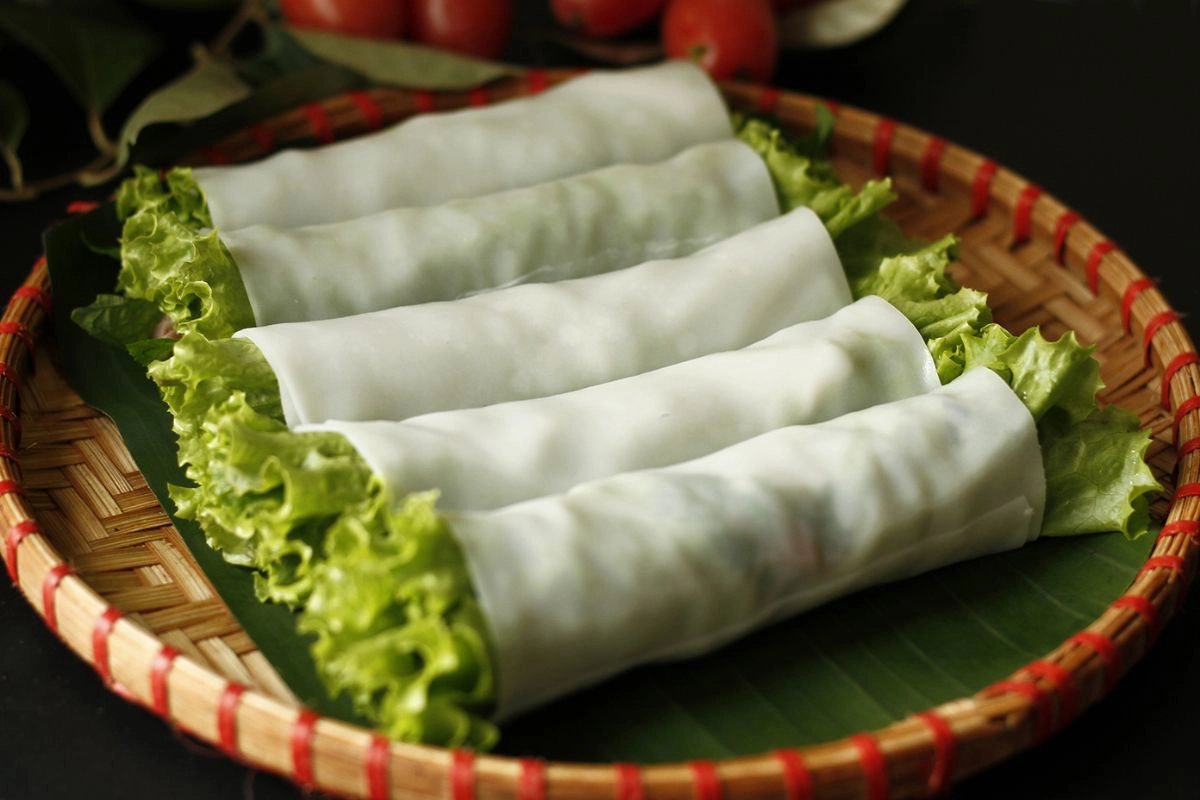
Freshly rolled Pho Cuon stacked neatly on a plate next to a small bowl of savory fish sauce - Source: VnExpress
Pho Cuon is another beloved local dish that originated in the neighborhoods surrounding the lake, specifically around Truc Bach island just across Thanh Nien Road. Instead of serving the rice noodles in a hot broth, broad sheets of uncut pho noodle are wrapped tightly around savory stir-fried beef and fresh greens. These smooth, cold rolls are dipped into a savory dipping sauce, making them an excellent meal choice during hot weather.
The streets near the lake are packed with specialized eateries serving both Pho Cuon and its crispy counterpart, Pho Chien Phong. These restaurants are generally casual, fast-paced, and very affordable, providing an authentic local dining experience for travelers. Finding a crowded spot filled with residents is usually the best indicator of high quality and fresh ingredients.
>>> Read more: Where to Eat in Hanoi: Must-Try Restaurants and Street Food Spots
3. West Lake Hanoi at Night
As the sun goes down, the atmosphere shifts from relaxed sightseeing to vibrant dining and socializing. Here are the best ways to experience the area after dark.
3.1. Rooftop Bars and Lake View Restaurants
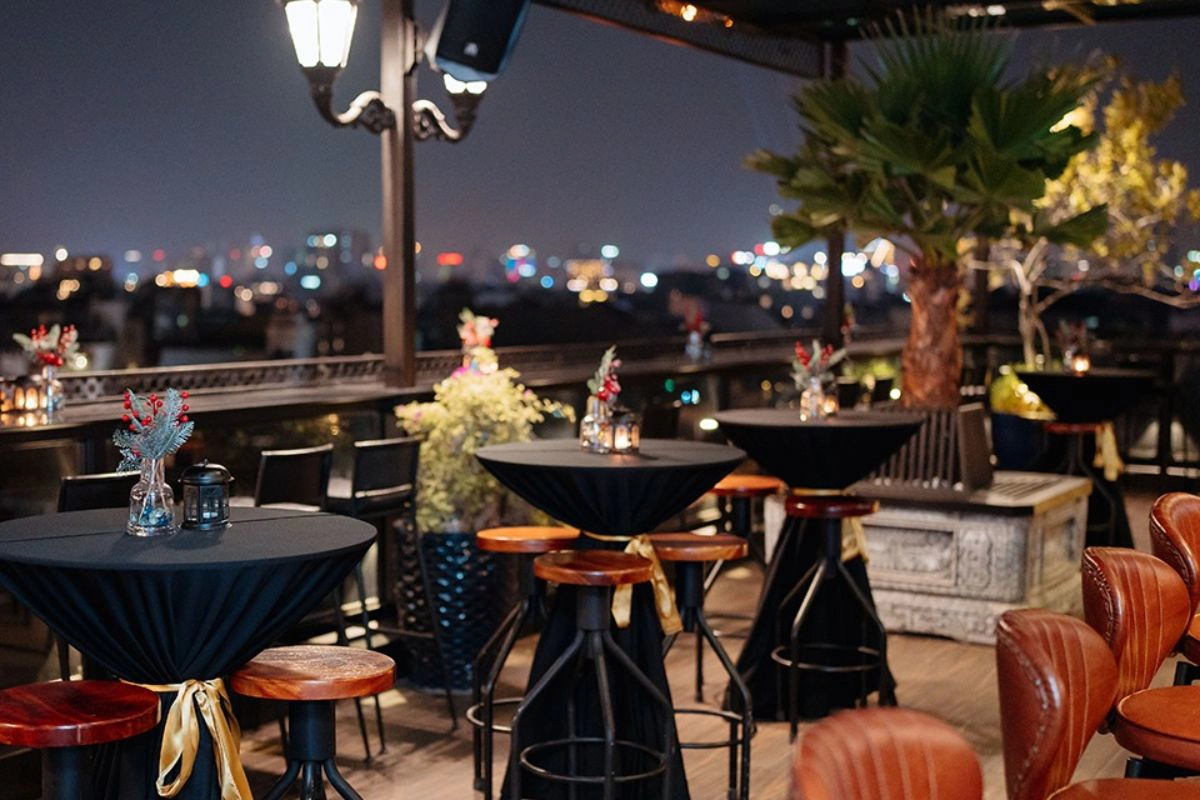
A stylish rooftop terrace offering panoramic night views of the illuminated city skyline - Source: Diamond Sky Bar
The skyline around the lake features several premium rooftop venues that offer unobstructed views of the dark water and distant city lights. These bars and restaurants typically serve craft cocktails, imported wines, and upscale international cuisine in a highly sophisticated setting. Spending an evening at one of these elevated locations provides a quieter, more refined alternative to the busy beer corners found in the old quarter.
Many establishments incorporate open terraces to take full advantage of the cool evening lake breeze. Whether you are looking for a romantic dinner spot or a place to celebrate a successful trip, the venues along Xuan Dieu and Thanh Nien roads deliver excellent service alongside the scenery. Booking a table in advance is highly recommended during weekends to secure the best seating near the edge of the balcony.
3.2. Nightlife Around Xuan Dieu and Quang An
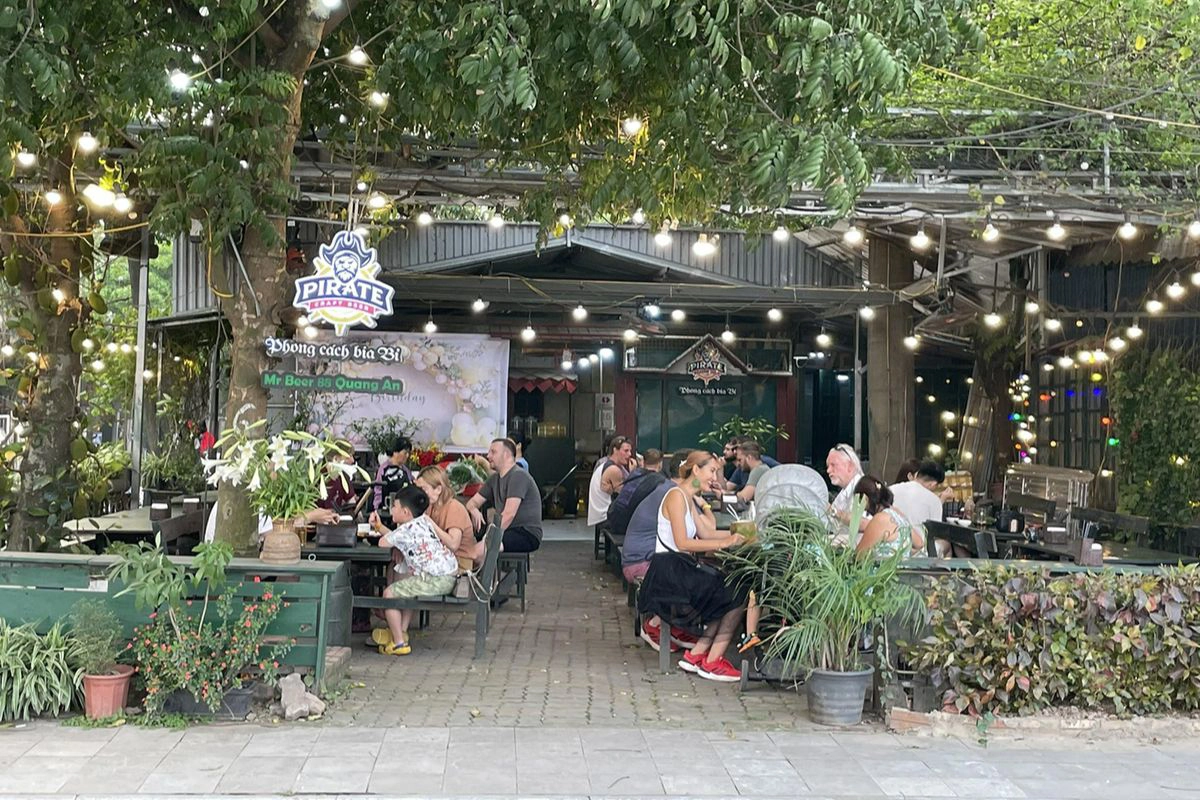
Travelers and locals enjoying craft beer and casual conversation at a venue in the Quang An area - Source: VnExpress
The neighborhoods of Xuan Dieu and Quang An form the heart of the expatriate community, which heavily influences the local nightlife scene. Here, you will find a dense collection of craft beer taprooms, tapas bars, and live music venues that stay open late into the evening. The vibe is generally laid-back and welcoming, making it easy for international travelers to mingle with locals and long-term foreign residents.
Unlike the loud and chaotic club scene in other districts, the nightlife here focuses more on good conversations, acoustic performances, and quality beverages. You can easily spend an evening hopping between a specialized gin bar, a Mexican taqueria, and a late-night dessert cafe all within the same few blocks. This diversity in options ensures that visitors can find an environment that perfectly matches their evening mood.
3.3. Trinh Cong Son Pedestrian Street
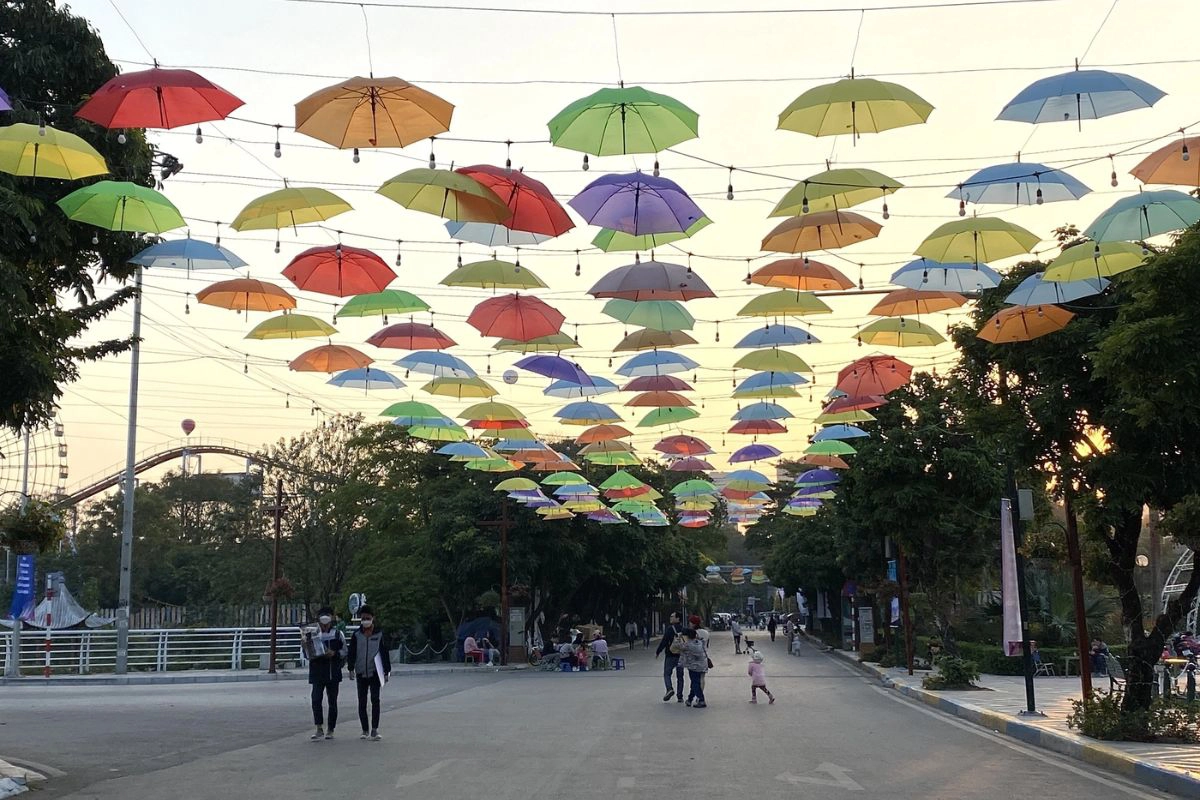
Colorful temporary stalls and crowds walking along the Trinh Cong Son Pedestrian Street - Source: VnExpress
Located near the water park, Trinh Cong Son Pedestrian Street operates strictly on weekends and provides a family-friendly evening entertainment space. The street is closed to all motorized traffic, allowing visitors to stroll freely among temporary vendor stalls selling street food, handicrafts, and local souvenirs. Small stages are often set up for live musical performances featuring everything from traditional Vietnamese folk songs to modern pop covers.
The overall atmosphere resembles a traditional night market but feels notably less crowded and more relaxed than similar zones in the central city. It is an excellent place to try casual snacks like grilled skewers or sweet soups while enjoying the cool outdoor air. Families particularly appreciate this designated walking area because children can run around safely without the constant worry of passing motorbikes.
4. How to Get to West Lake Hanoi
Reaching the lake is straightforward from most central neighborhoods. Understanding the best transportation methods helps you plan your daily schedule efficiently.
4.1. Distance from West Lake Hanoi to the Old Quarter
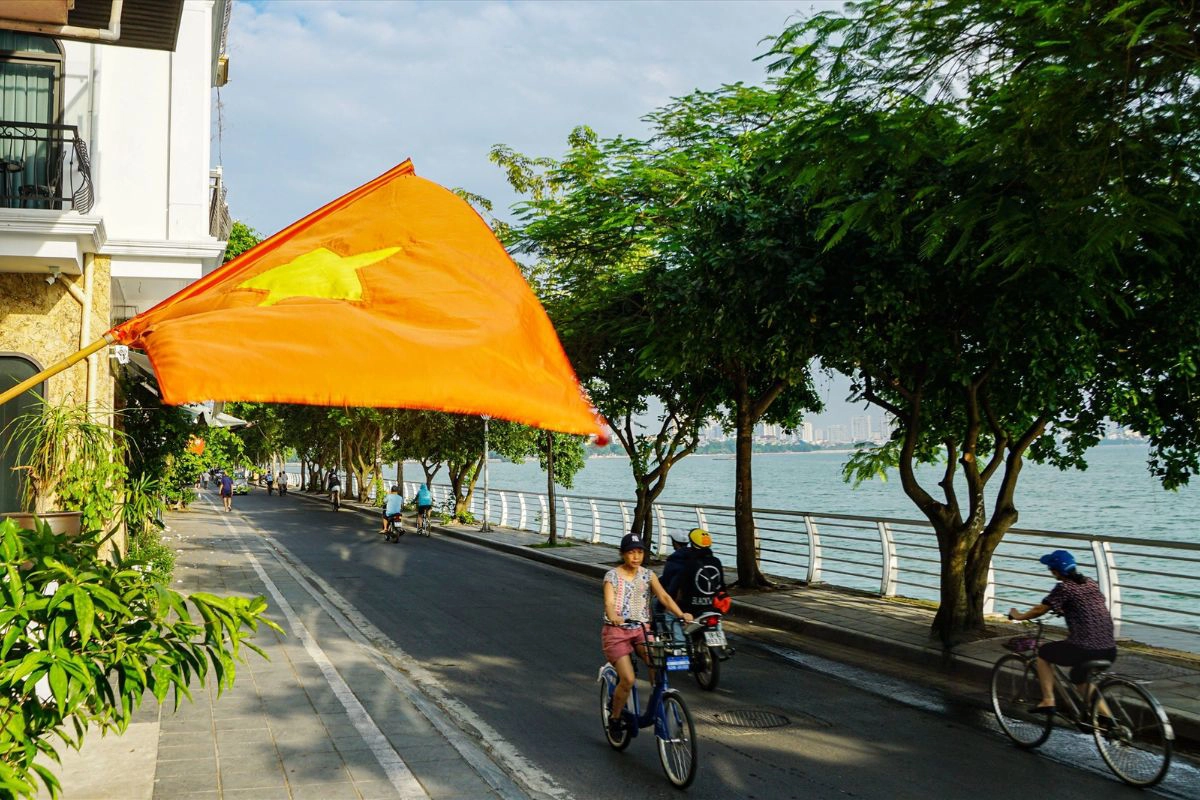
A simple map illustration showing the short route from the Old Quarter to the southern edge of West Lake - Source: Bao Lao Dong
The distance from west lake Hanoi to old quarter depends heavily on which part of the massive lake you intend to visit first. The closest edge, near Tran Quoc Pagoda and Thanh Nien Road, is only about 3 kilometers away from Hoan Kiem Lake. This short distance makes it highly convenient to combine a morning in the historic center with an afternoon exploring the lakeside attractions.
If your final destination is further north around the Quang An peninsula, the distance extends to roughly 6 or 7 kilometers. Traffic conditions play a significant role in travel times, as the roads connecting these districts can become heavily congested during the late afternoon rush hour. Planning your transit outside of peak commuting times ensures a much smoother and faster journey between the two areas.
4.2. West Lake Hanoi Directions by Grab or Taxi

A traveler checking their phone while stepping out of a ride-hailing car near the shoreline - Source: Bao Thanh Nien
Using ride-hailing applications like Grab is the most reliable way for international visitors to navigate the city and secure accurate west lake Hanoi directions. When entering your destination, it is important to input a specific landmark, such as a restaurant name or a temple, rather than just typing the general lake name. A typical car ride from the central hotel district to the eastern shore takes about 15 minutes and costs a very reasonable fare.
Traditional metered taxis are also widely available, but ride-hailing apps remove any language barriers regarding destinations and final pricing. If you choose to use a motorbike taxi for a faster trip through heavy traffic, ensure that the driver provides a secure helmet before departing. Always double-check your drop-off point on the app's map, as the lake's perimeter is vast and walking to the correct spot from the wrong drop-off can take considerable time.
4.3. Walking, Cycling and Public Transport Options
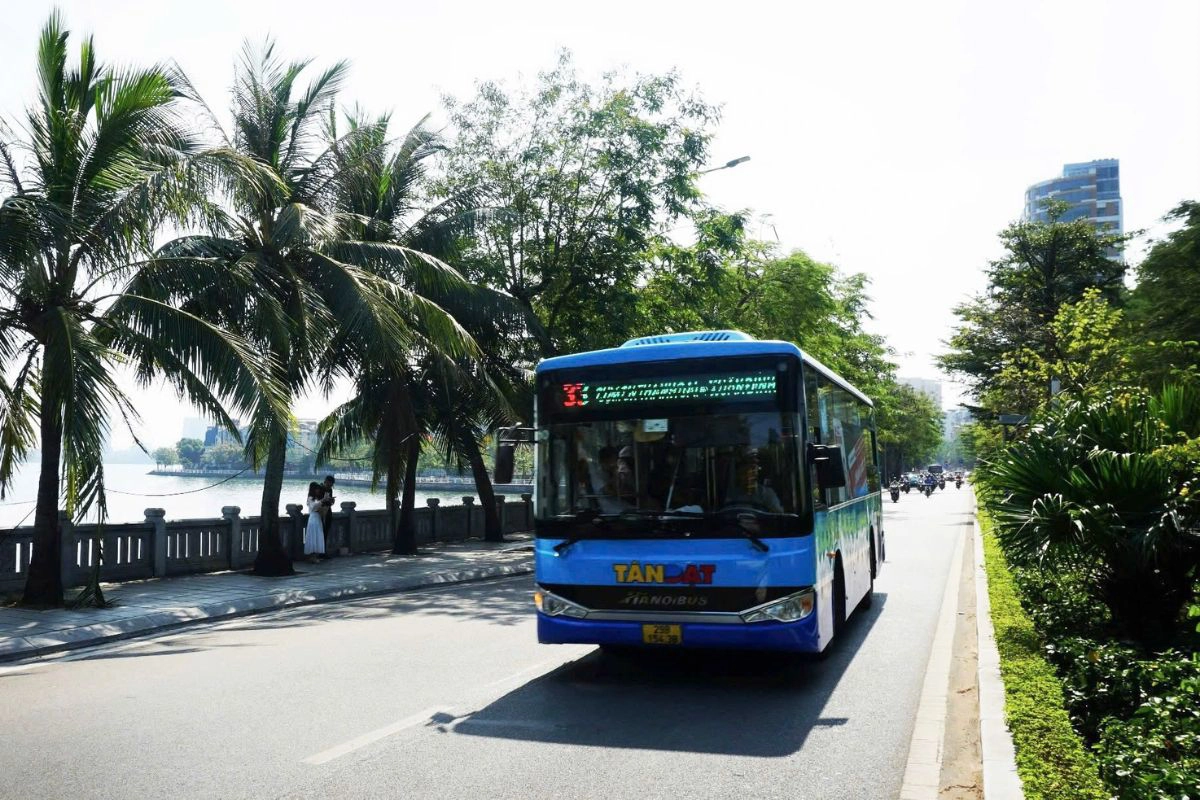
A local public bus moving smoothly along the scenic tree-lined roads bordering the water - Source: Transerco
While walking from the central tourist district to the southern edge of the lake is technically possible, it takes about 45 minutes and involves crossing several very busy intersections. Renting a bicycle offers a much more efficient way to cover the distance and gives you immediate transportation once you arrive at the lakeside paths. Many central hotels provide bicycles for their guests, or you can find independent rental shops scattered throughout the city.
The local bus network is an economical alternative, with several routes stopping directly along the major roads that border the water. However, figuring out the correct bus numbers and stops can be challenging for first-time visitors without a dedicated transit app. For most short-term travelers, the sheer convenience and low cost of ride-hailing services make them preferable to navigating the public transportation system.
5. Practical Travel Tips for Visiting West Lake Hanoi
Preparing properly ensures a comfortable and trouble-free visit. Keep these practical tips in mind before heading out to explore the area.
5.1. Best Time to Visit West Lake
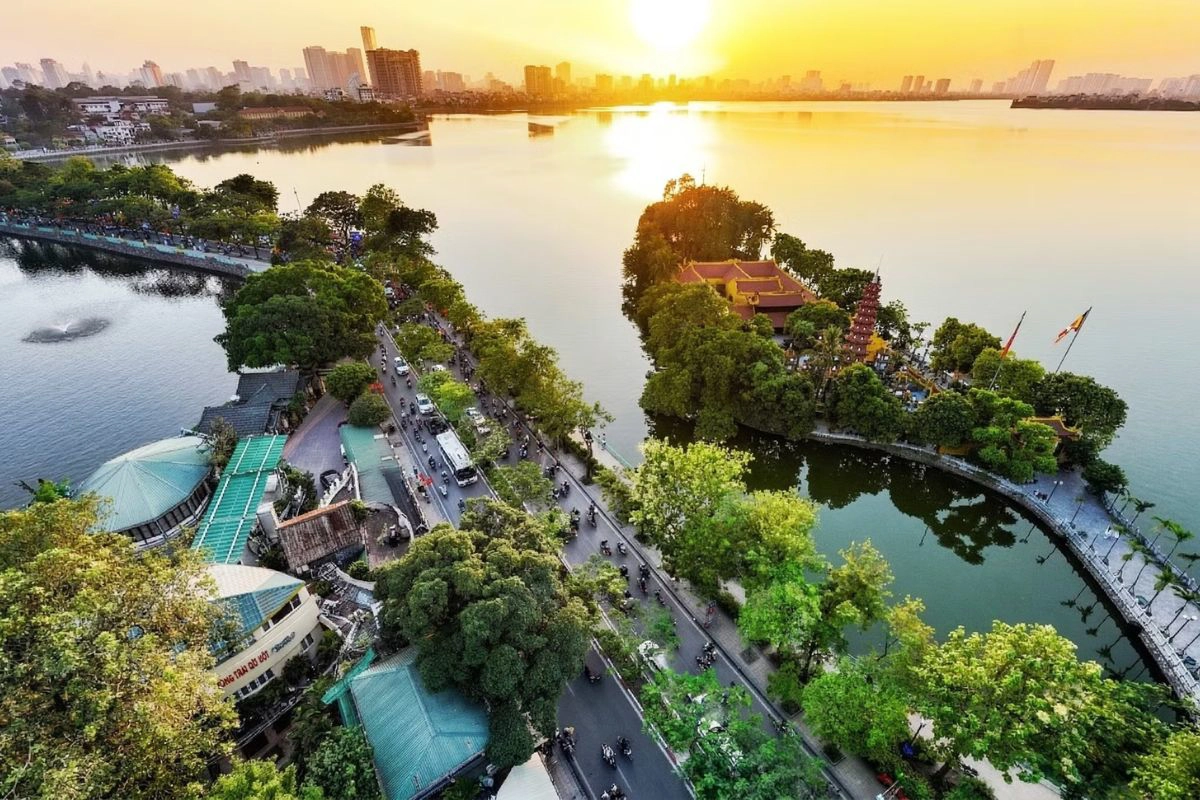
Clear skies and calm waters reflecting the soft early morning light at the lake - Source: Dan Viet
The most pleasant times to visit the area are generally during the early morning and late afternoon hours. Arriving before 9:00 AM allows you to experience the calmest weather, observe locals exercising, and avoid the intense midday heat that makes outdoor exploration exhausting. Late afternoon visits are ideal for securing a good spot at a cafe to watch the sunset and transition smoothly into your dinner plans.
In terms of seasons, autumn provides the most comfortable climate with lower humidity and cool breezes flowing off the water. The summer months offer the beautiful blooming lotus ponds, but travelers must be prepared for high temperatures and sudden, brief rain showers. Winter can be quite chilly near the open water, so bringing a light jacket is absolutely necessary if you visit between December and February.
5.2. Clothing and Temple Etiquette
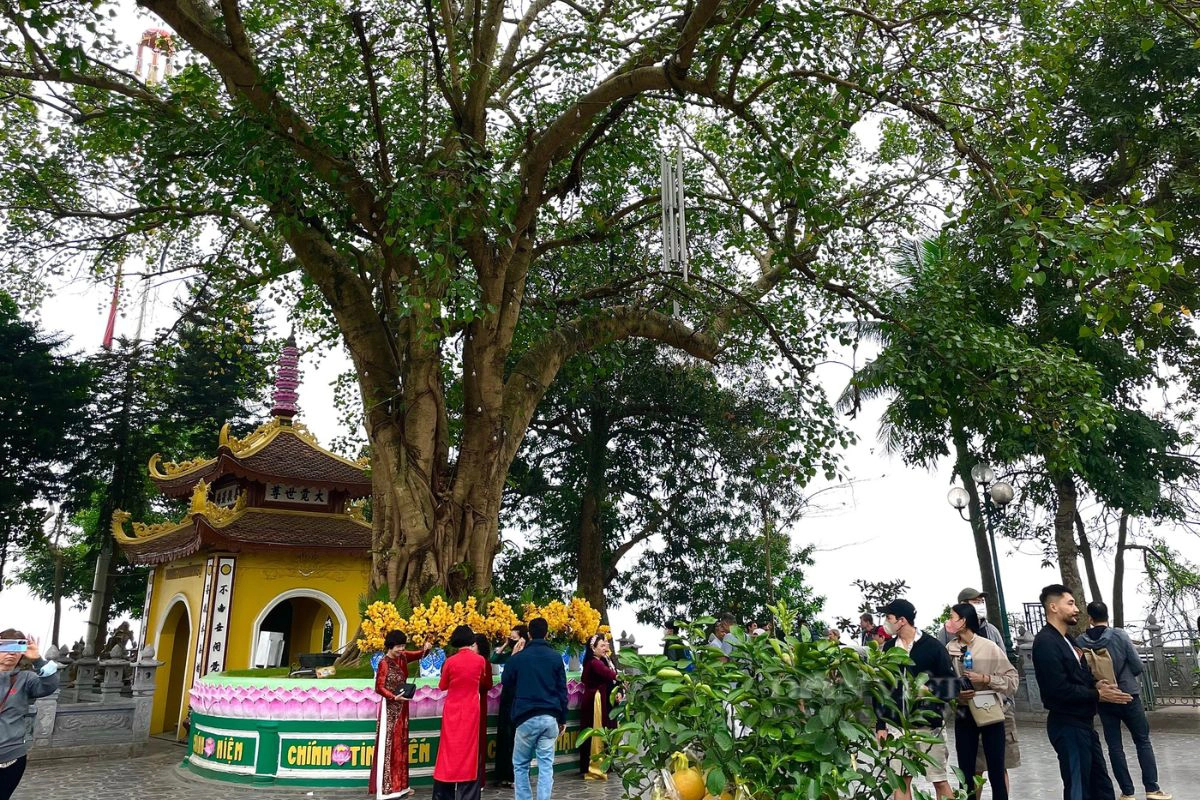
A traveler wearing respectful, shoulder-covering attire while walking through the gates of a local pagoda - Source: Dan Viet
Because the area is home to several highly important religious sites, dressing appropriately is necessary if you plan to enter the temples. Visitors must wear clothing that covers their shoulders and knees; sleeveless shirts, short skirts, and tight athletic wear are generally not permitted inside the worship areas. Packing a lightweight scarf or sarong in your day bag provides an easy way to cover up if you decide to visit a pagoda spontaneously.
Comfortable walking shoes are also essential, as exploring the lake often involves significant time on your feet walking between viewpoints and cafes. Even if you rent a bicycle, you will need to dismount and walk through temple courtyards or designated pedestrian zones. The pathways can occasionally be uneven, so supportive footwear is much more practical than sandals or high heels.
5.3. Safety Tips for Cycling and Evening Visits
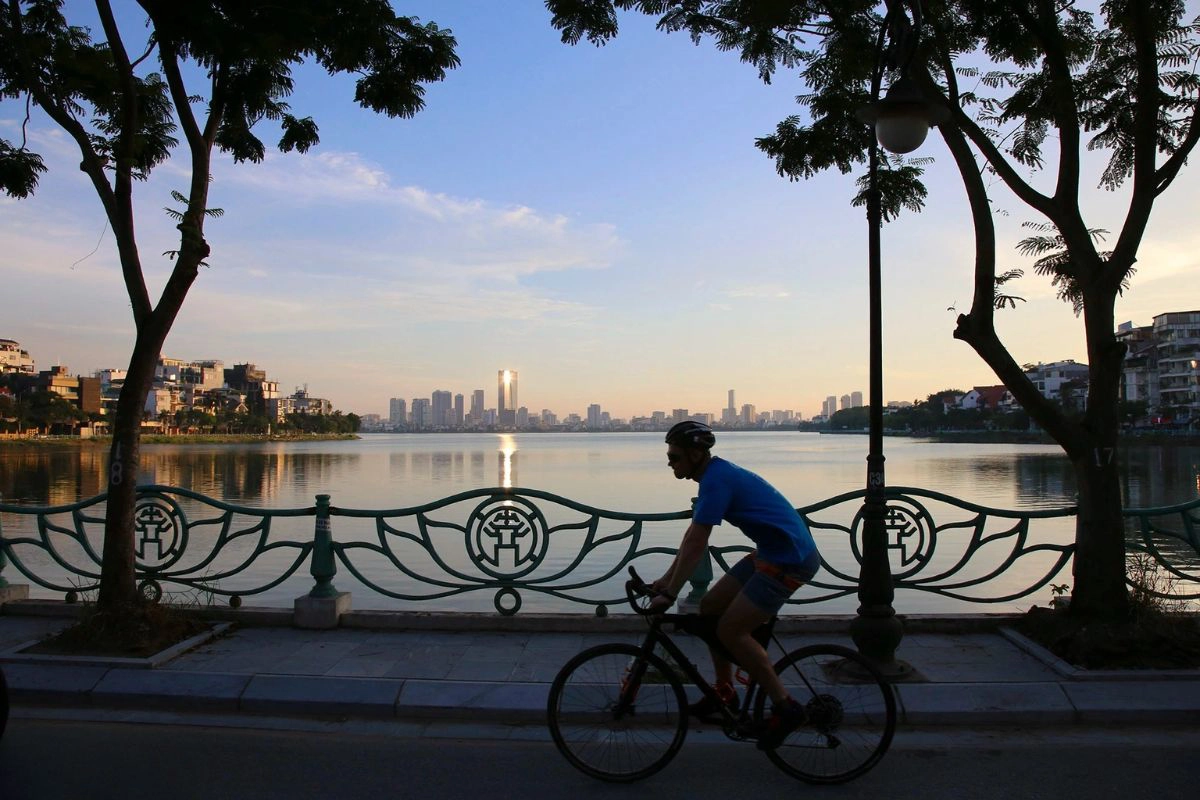
Cyclists navigating safely and confidently along the designated paths near the water - Source: Dan Tri
Cycling is a wonderful way to see the area, but travelers must always remain alert to local traffic patterns, which can seem chaotic to newcomers. Always ride in the direction of traffic, stay close to the right side of the road, and use clear hand signals when turning or stopping. Be particularly cautious at intersections where motorbikes may enter the road quickly without checking for approaching bicycles.
During evening visits, the main roads and popular restaurant districts are well-lit and generally very safe for walking. However, some of the smaller residential alleys connecting the main streets can be quite dark, so it is best to stick to major thoroughfares when navigating on foot at night. Keep your belongings secure, especially when taking photographs near the roadside, to prevent rare instances of drive-by snatching.
6. Frequently Asked Questions About West Lake Hanoi Vietnam
6.1. How Long Should You Spend at West Lake Hanoi?
For a standard visit covering Tran Quoc Pagoda, a lakeside walk, and a coffee break, plan for about two to three hours. If you intend to rent a bicycle to cycle the entire perimeter or stay for dinner and evening drinks, you can easily dedicate a full half-day to the area.
Read more: How Many Days Should You Spend in Hanoi?
6.2. How Far Is West Lake from Hanoi Old Quarter?
The closest point of the lake is approximately 3 kilometers from the central tourist district. A taxi or Grab ride typically takes 10 to 15 minutes in normal traffic, making it a very accessible destination for a morning or afternoon trip.
6.3. Is West Lake a Good Area to Stay in Hanoi?
Yes, especially if you prefer a quieter environment away from the intense noise and traffic of the city center. It is highly favored by international travelers and expatriates, offering excellent international dining options, spacious accommodations, and a more relaxed daily pace.
West Lake Hanoi Vietnam offers a refreshing contrast to the busy Old Quarter, combining historic temples, scenic cycling routes, lakeside cafés, local specialties, and relaxed nightlife. Whether you explore the Hanoi West Lake area for cultural sightseeing, outdoor activities, sunset views, or an evening meal by the water, it deserves a place in your itinerary. If you're planning a longer stay in the capital, Joytime: Vietnam Travel also offers Hanoi tours alongside airport transfers, Vietnam travel SIM cards, and personalized itinerary planning to help you make the most of your visit.
|
Joytime Travel Agency - Travel JOY, TIMEless Vietnam Safe, Seamless, Satisfying, Sustainable Follow us for travel tips, local insights, and exclusive offers:
|
Danish Nguyen
Danish Nguyen is a renowned travel blogger in Vietnam with over 5 years of experience sharing unique travel experiences. With a passion for exploring new places, Danish captures incredible moments and provides readers with valuable tips to discover the beauty of his homeland.