







Money Exchange in Halong Bay: Where to Get the Best Rates
Finding a reliable money exchange in Halong Bay is important when you need Vietnamese Dong for taxis, tips, markets and small purchases. Although major hotels and luxury cruises accept cards, cash remains useful throughout the trip. This guide covers where to exchange currency, how to use local ATMs and how much cash to prepare before boarding your cruise.
1. Understanding Currency and Payment Methods in Halong Bay
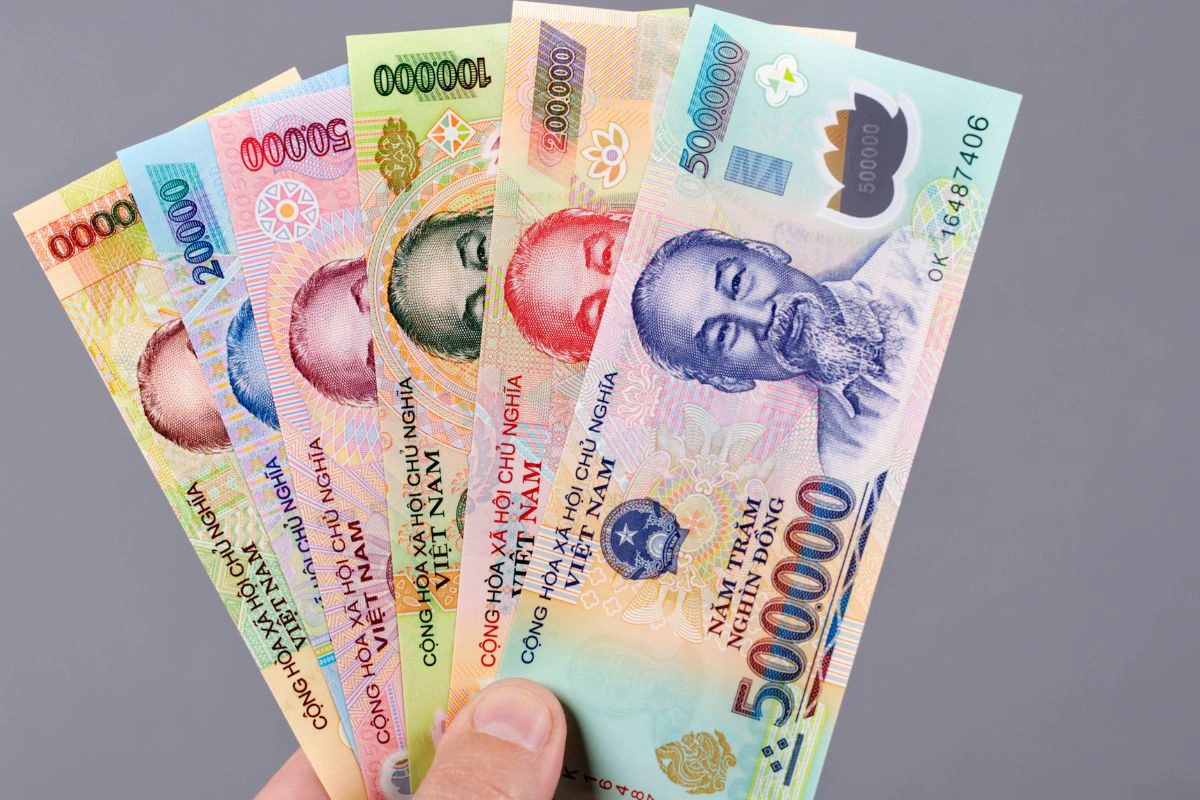
Vietnamese Dong polymer notes used for daily transactions locally - Source: Pinterest
The official currency of the country is the Vietnamese Dong, which currently circulates exclusively in polymer and paper notes ranging from 1,000 to 500,000 denominations. Because coins are practically nonexistent in Vietnam, your wallet will stay relatively light, but the multiple zeros printed on the bills require careful attention so you can avoid accidentally overpaying for simple street snacks or local souvenirs.
Credit and debit cards from major global networks function perfectly at upscale coastal resorts, large international restaurants, and modern shopping centers located around the Bai Chay tourist area. However, you will definitely need physical cash on hand to pay for casual street food, local transport options, small handicraft souvenirs, and personal services offered within the rural or floating fishing communities.
>>> Read more: Ha Long Night Markets: What to Eat, Buy and More
2. Best Places for Money Exchange in Halong Bay
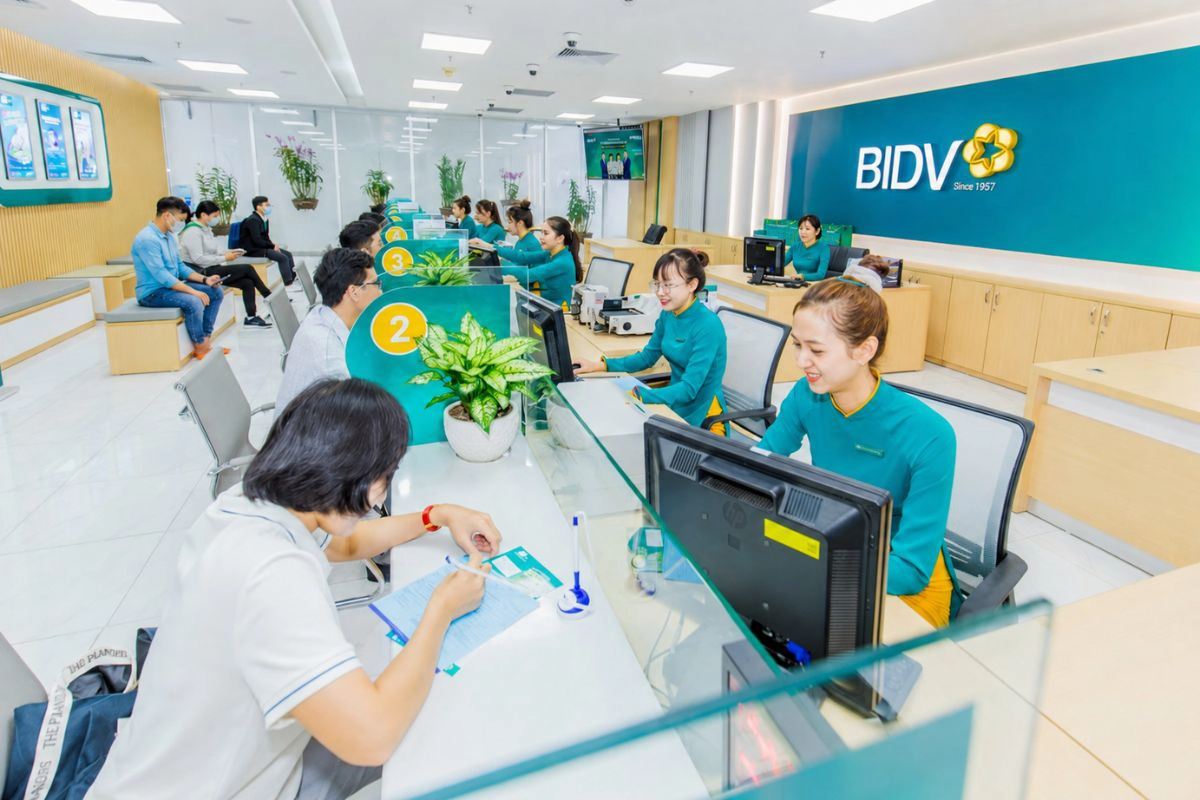
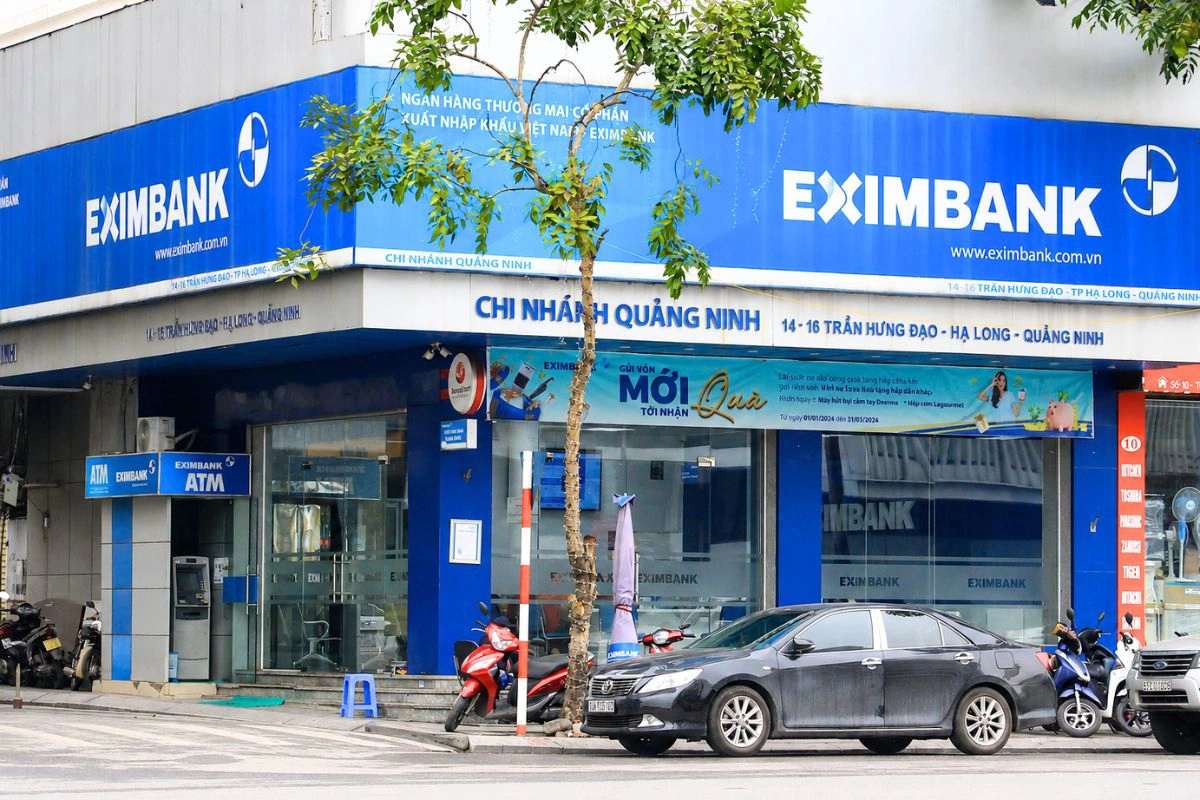
Local bank branches offering secure currency exchange services - Source: BIDV
Securing a fair conversion rate depends heavily on choosing the right venue within the main tourist districts of the city. State run and major commercial banks consistently offer highly secure transactions and the most competitive market rates, though they require a physical passport for documentation and operate strictly during standard weekday business hours.
Alternatively, many local jewelry shops scattered around the city exchange foreign bills very quickly without requiring any official paperwork, often providing rates that closely rival the official banking institutions. For maximum convenience, reception desks at some hotels in Ha Long or cruise terminal kiosks may also offer exchange services, but you should expect these locations to apply a slightly less favorable exchange margin.
|
No. |
Money Exchange Location |
Address |
|
1 |
Vietcombank Ha Long Branch |
166 Ha Long Road, Bai Chay Ward, Ha Long |
|
2 |
Eximbank Ha Long Branch |
541 Ha Long Road, Bai Chay Ward, Ha Long |
|
3 |
BIDV Cai Dam Transaction Office |
20 Ha Long Marine Boulevard, Bai Chay Ward, Ha Long |
|
4 |
VietinBank Transaction Office No. 1 |
68A Kim Dong Road, Hong Ha Ward, Ha Long |
|
5 |
Novotel Ha Long Bay |
160 Ha Long Road, Bai Chay Ward, Ha Long |
 (2).webp)
.webp)

3. Using ATMs for Cash Withdrawals in Halong Bay
ATM availability in Halong Bay is generally good in the main tourist areas, but it is still a good idea to withdraw enough cash before heading to remote areas or boarding an overnight cruise..
3.1. ATM Locations and Card Acceptance
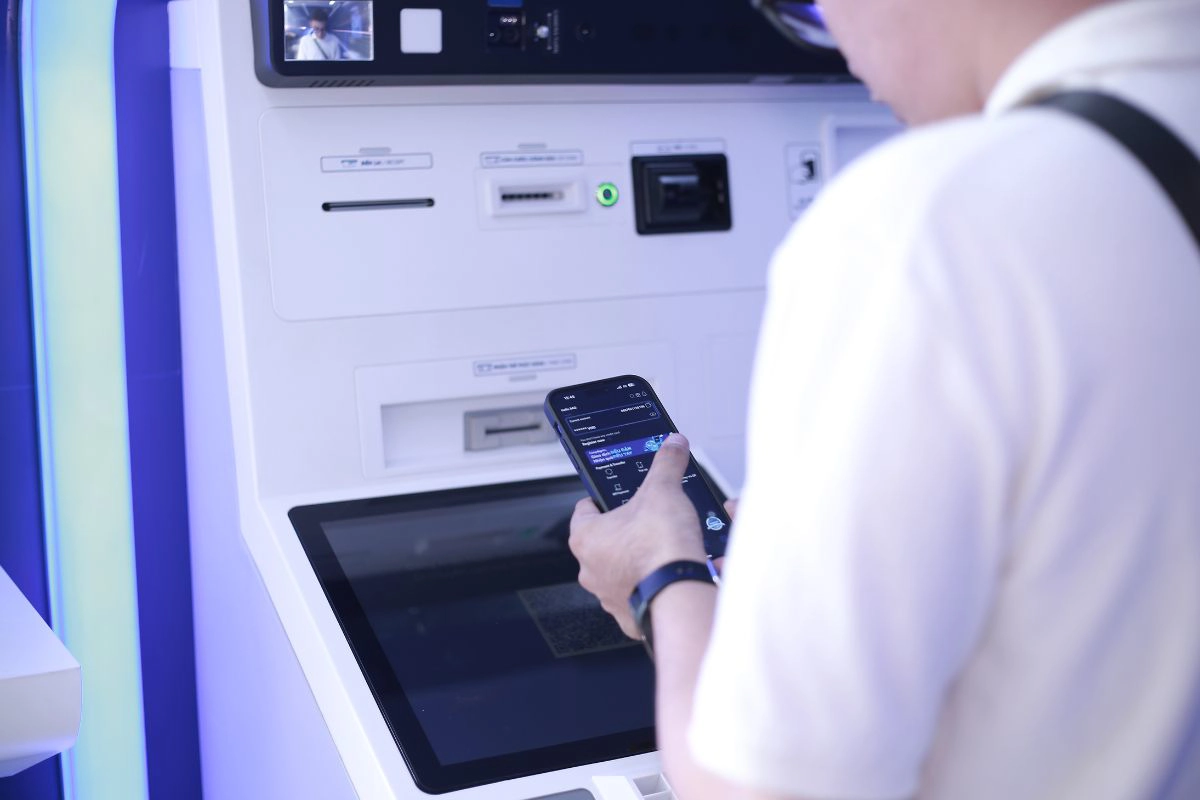
Tourist using a local ATM terminal for quick cash withdrawals - Source: EXIMBANK
If you prefer withdrawing money directly from your home bank account, you will find plenty of automated machines clustered conveniently along the main tourist streets of the city. Terminals from major local banks like Vietcombank, Agribank, and Techcombank sit prominently near large shopping centers, 24-hour convenience stores, and popular attractions in both the Bai Chay and Hon Gai districts. This widespread availability makes it very easy to grab cash while you walk around town exploring the local seafood markets.
Almost all of these modern payment terminals accept international debit and credit cards powered by the major global financial networks like Visa and Mastercard. They also feature a clearly marked English language option right on the main start screen, which makes the entire withdrawal process smooth, intuitive, and incredibly easy for foreign travelers to follow. Before you travel, you should always remember to notify your home bank about your trip to Vietnam so they do not automatically block your card for suspicious overseas activity.
3.2. Withdrawal Limits and Transaction Fees
Checking international transaction fees displayed on an ATM screen - Source: Pinterest
Local bank automated machines usually impose a strict maximum withdrawal limit per single transaction, which typically ranges from two million to five million Vietnamese Dong depending on the specific bank. If you need a significantly larger amount of cash to pay for an expensive full-day cruise or settle an extended hotel bill, you will have to perform multiple consecutive transactions at the same machine. Keep in mind that ATMs primarily dispense high-value notes like 500,000 Dong bills, which you may need to break at a convenience store before paying local street vendors.
You must keep in mind that every single withdrawal comes with a local machine usage fee, generally costing between 20,000 and 50,000 Dong per attempt. Since your home bank will likely charge a separate international transaction fee or a currency conversion percentage on top of this local charge, taking out the absolute maximum allowed amount at one time serves as the most financially smart strategy. If your home banking institution refunds international ATM fees, make sure to keep your printed withdrawal receipts just in case you need to verify the charges later.
>>> Read more: How Many Days in Ha Long Bay? Ideal Trip Durations and Detailed Itineraries
4. Practical Currency Tips for International Travelers
Preparing suitable payment methods is an important part of planning travel in Vietnam, especially when visiting destinations where cash remains widely used. Checking the condition of your foreign banknotes and confirming the final exchange amount will help you avoid unnecessary complications and hidden fees.
4.1. Preparing Foreign Banknotes for Exchange
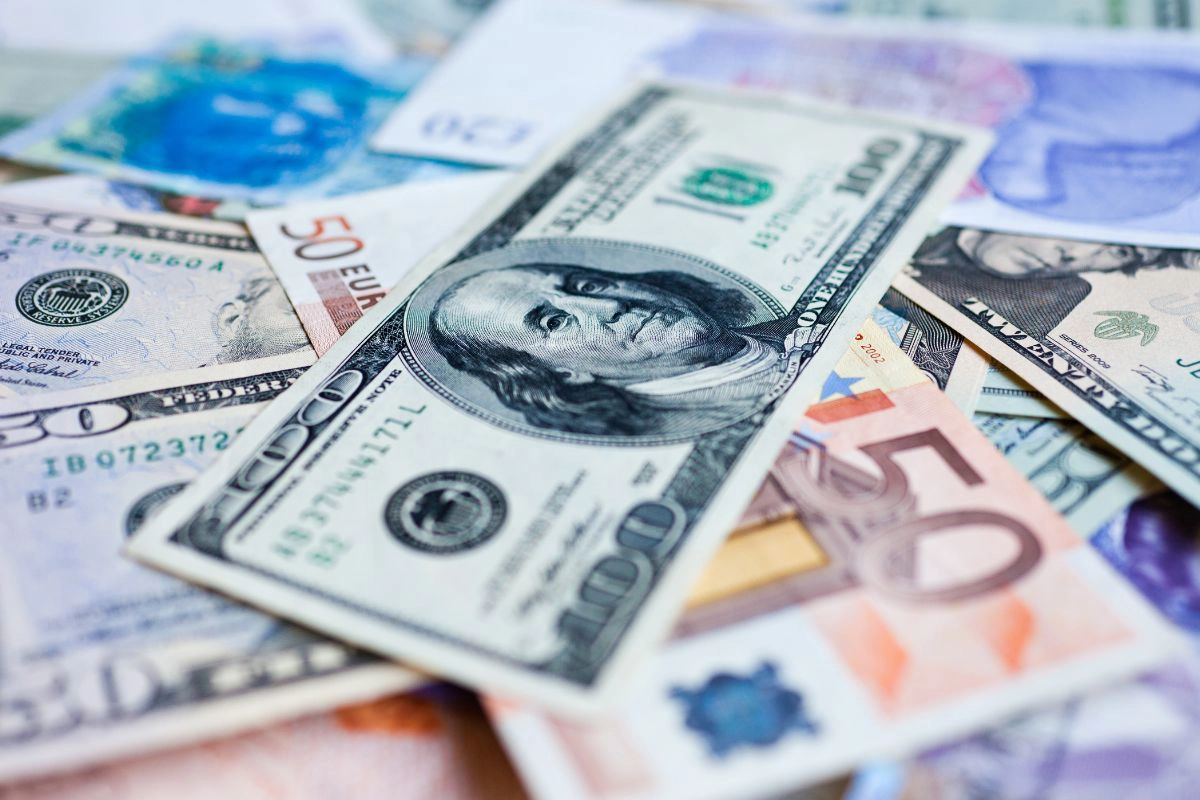
Crisp foreign banknotes ready for currency exchange locally - Source: Pinterest
Vietnamese banks and local exchange counters maintain extremely strict physical condition standards for accepting foreign currency directly from international travelers. They will quickly reject any foreign bills that are noticeably torn, heavily faded, severely creased down the middle, or marked with any kind of stray pen ink.
To secure the best possible financial value, you should bring crisp, clean, and newly printed notes in higher denominations whenever possible. High value notes like fifty or one hundred dollar bills consistently command a much stronger conversion rate compared to smaller bills across all of the local exchange venues in the city.
4.2. How to Compare Exchange Rates and Avoid Hidden Fees
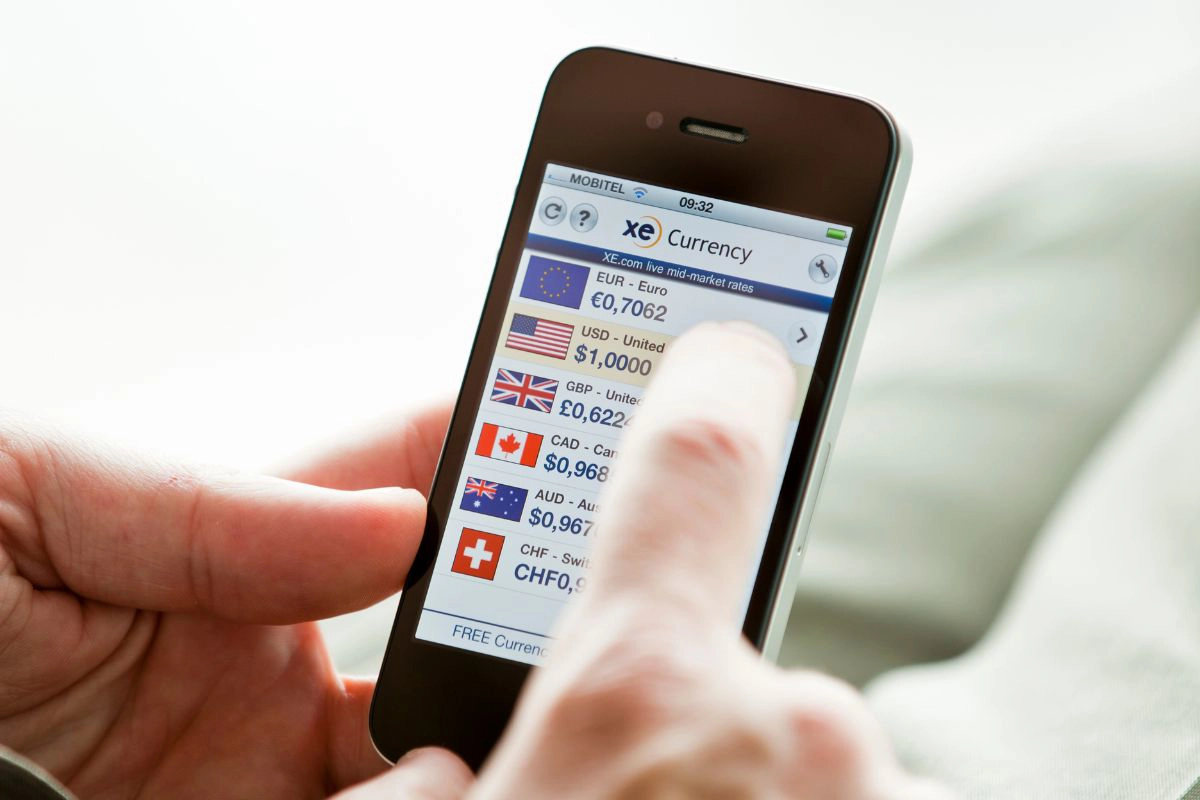
Traveler checking live currency exchange rates on a smartphone - Source: Pinterest
Before handing over your hard earned cash to a teller, you should use a reliable currency conversion application on your smartphone to check the current global market rate. Knowing this exact baseline value helps you quickly and confidently identify whether a local business is offering a fair deal or trying to apply an unreasonably high margin.
When exchanging your money at local jewelry stores or independent money changers, always politely ask the staff to confirm the exact final payout amount on a calculator first. Once you receive your stack of Vietnamese Dong, step aside slightly and count the notes very carefully to ensure you have not been shortchanged before you leave the premises.


5. Frequently Asked Questions About Money Exchange in Halong Bay
5.1. Can You Spend US Dollars or Euros in Halong Bay?
While some upscale coastal hotels and large souvenir shops might willingly accept crisp US Dollars from tourists, paying with foreign currency usually results in a notably poor exchange rate. Converting your money and using Vietnamese Dong is always the most economical and widely accepted method for making purchases during your vacation.
5.2. Are Currency Exchange Counters Available at Tuan Chau Marina?
Yes, you can easily find small exchange booths located inside the main passenger waiting halls at both Tuan Chau Marina and the main international cruise port. However, their conversion rates are typically less favorable than those offered by the major commercial banks situated closer to the city center.
5.3. Is It Safe to Exchange Money at Jewelry Shops?
Exchanging your cash at established gold and jewelry shops is a very common and highly safe practice for travelers visiting various destinations across Vietnam. These independent family run businesses often provide highly competitive rates and complete the entire transaction much faster than formal banking institutions.
5.4. Do You Need Cash on an All Inclusive Halong Bay Cruise?
Even if you book a fully inclusive luxury cruise package, you will definitely need a small amount of physical cash on board the ship. Passengers rely on local currency to leave gracious tips for the hardworking crew, purchase premium drinks from the bar, or buy small items from floating pearl farms during daytime excursions.
Planning your money exchange Halong Bay in advance helps you access Vietnamese Dong conveniently, avoid unnecessary fees and keep enough cash for taxis, tips and small purchases. For assistance with cruise bookings, transfers and a well-organized itinerary, contact Joytime: Vietnam Travel. Our team can help you enjoy a smooth and stress-free journey in Halong Bay.
|
Joytime Travel Agency - Travel JOY, TIMEless Vietnam Safe, Seamless, Satisfying, Sustainable Follow us for travel tips, local insights, and exclusive offers:
|

Danish Nguyen
Danish Nguyen is a renowned travel blogger in Vietnam with over 5 years of experience sharing unique travel experiences. With a passion for exploring new places, Danish captures incredible moments and provides readers with valuable tips to discover the beauty of his homeland.