









Japanese Bridge Hoi An Directions with Essential Travel Tips
Clear Japanese Bridge Hoi An directions can make it easier to reach this landmark from the Ancient Town, An Bang Beach, or central Da Nang. Routes and suitable transportation options vary depending on the starting point, particularly during pedestrian-only hours. This article from Joytime Vietnam Travel explains the bridge’s exact location, outlines practical routes from popular departure points, and shares useful travel tips to help visitors enjoy a smooth and convenient journey.
1. Overview of the Japanese Bridge’s Location in Hoi An
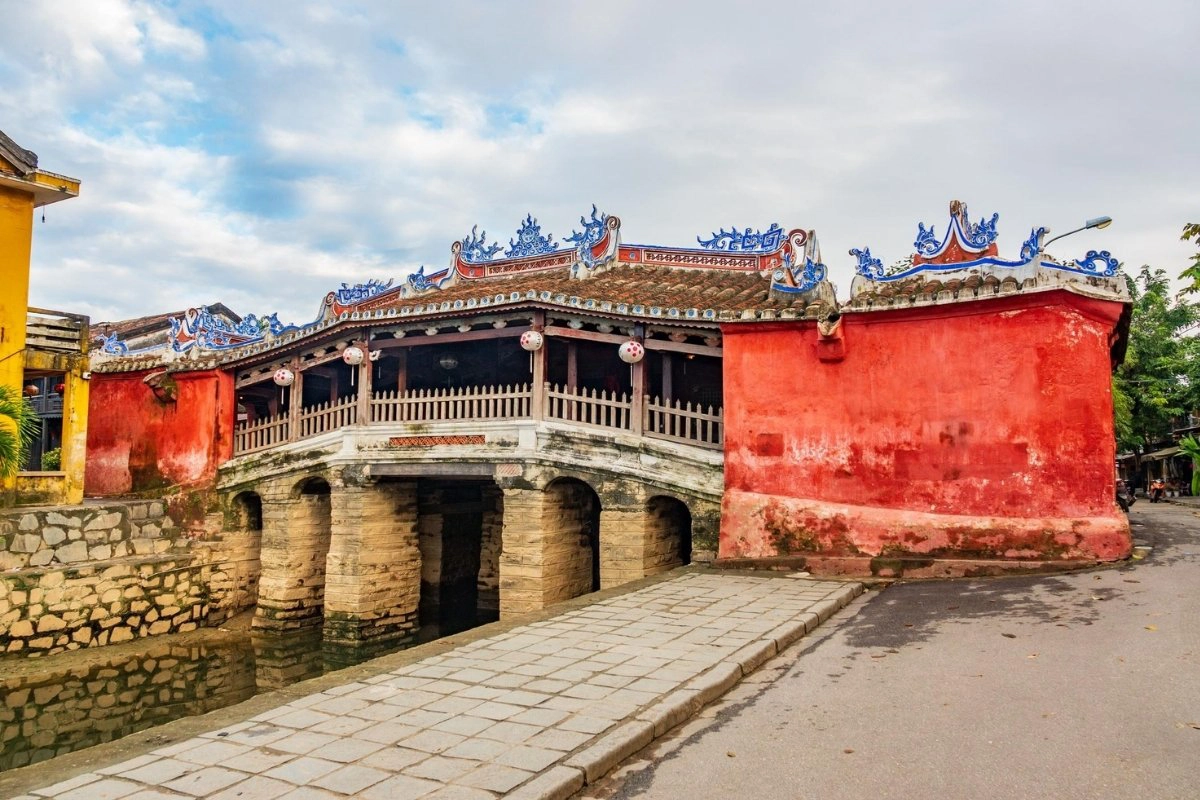
Japanese Bridge location in Hoi An - Source: Pinterest
The Japanese Covered Bridge is located in the heart of Hoi An Ancient Town, an area known for its historic streets and well-preserved architecture. Its location is closely tied to the old town’s original urban layout and the former trading district that once played a major role in Hoi An’s development.
1.1. Location of the Japanese Bridge in Hoi An Ancient Town
The Japanese Covered Bridge is located on the western side of Hoi An Ancient Town, spanning a small waterway that once formed a natural boundary between historic residential areas. It is also close to the Hoai River, within a well-preserved part of the town filled with old houses, religious sites, and traditional architecture.
Because it sits directly within the heritage area, the bridge is an easy landmark to recognize while exploring Hoi An. Rather than standing on its own, it is closely integrated with the surrounding streets, houses, and former trading spaces that developed over several centuries.
1.2. The Two Streets Connected by the Japanese Bridge
The Japanese Covered Bridge connects Tran Phu Street on the eastern side with Nguyen Thi Minh Khai Street on the western side. Both streets are part of Hoi An’s historic quarter and were once associated with different residential and merchant communities during the town’s thriving trading-port era.
- Tran Phu Street: One of the main historic streets in Hoi An Ancient Town, lined with assembly halls, old houses, and architectural landmarks linked to the Chinese community.
- Nguyen Thi Minh Khai Street: Located west of the bridge, this area is often associated with the former Japanese merchant quarter from the period when Hoi An was an international trading port.
Because it sits between these two streets, the Japanese Covered Bridge is more than simply a crossing over a small waterway. It also serves as a historical link between two distinct areas of Hoi An Ancient Town.
>> Explore more: Best Places to Stay in Hoi An Vietnam Ultimate Travel Guide!
2. Japanese Bridge Hoi An Directions from Popular Starting Points
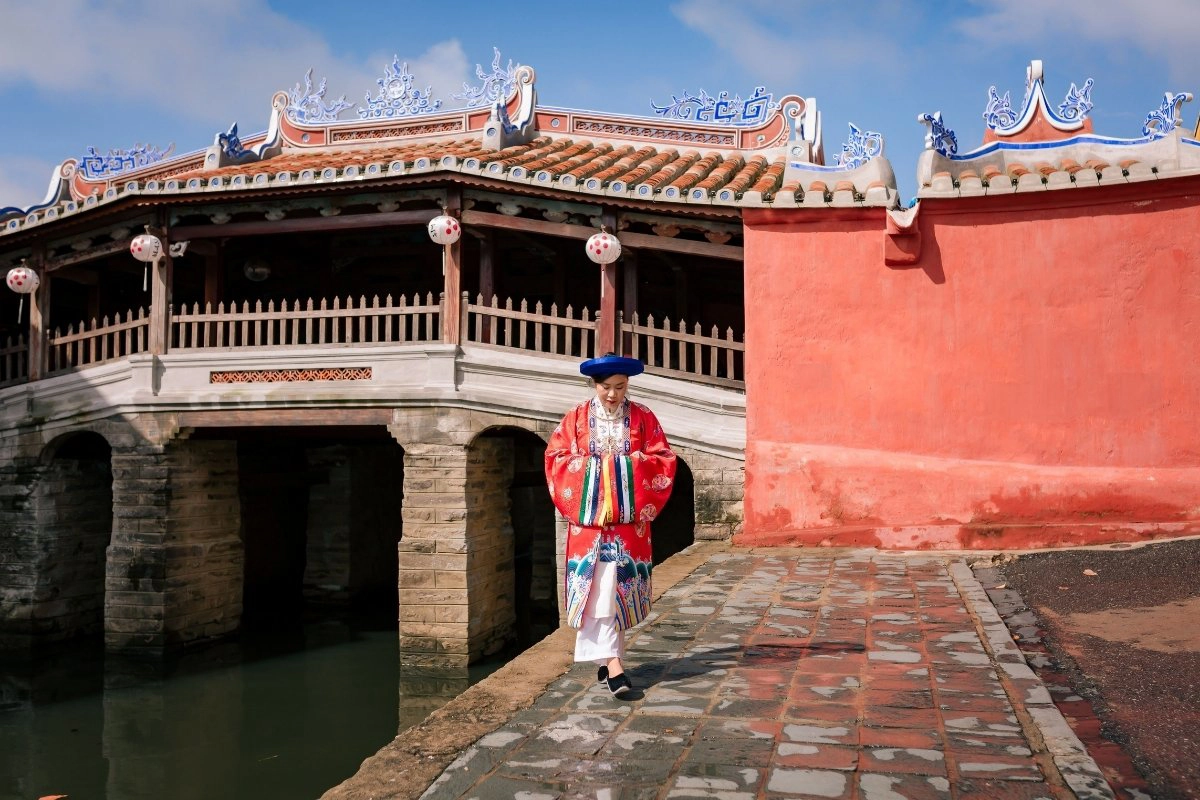
Getting to the Japanese Bridge - Source: Vo Van Tien
Getting to the Japanese Covered Bridge is fairly straightforward from several popular areas around Hoi An. Below are the most convenient routes from Hoi An Market, An Bang Beach, and central Da Nang.
2.1. Directions from Hoi An Central Market
Hoi An Market is located at 19 Tran Phu Street, about 650 meters from the Japanese Covered Bridge. From the market entrance on Tran Phu Street, simply walk west along the same road. After about 10 minutes, you will reach the bridge near the end of this historic street.
This is a straightforward route with almost no turns. If you are using a map app, search for Japanese Covered Bridge or Chua Cau as your destination to avoid confusing it with other bridges near the Hoai River.
2.2. Directions from An Bang Beach
An Bang Beach is about 4–5 km from Hoi An Ancient Town. From the main beach entrance, follow Hai Ba Trung Street toward central Hoi An. This is the main road connecting An Bang with the Old Town, and most of the route is relatively straightforward.
Continue along Hai Ba Trung Street until you reach the Ancient Town area, then turn onto Tran Phu Street and head west toward the Japanese Covered Bridge. The journey usually takes around 10–20 minutes by motorized vehicle. If you travel by bicycle, allow about 20–30 minutes, depending on your pace and traffic conditions.
2.3. Directions from Central Da Nang
If you are starting from central Da Nang near the Han River or Dragon Bridge, you can follow Vo Van Kiet Street → Vo Nguyen Giap Street → Truong Sa Street → Lac Long Quan Street and continue south toward Hoi An. This is a popular coastal route that leads toward Hoi An before connecting with roads into the Ancient Town.
The distance from central Da Nang to Hoi An is generally around 25–35 km, with the common coastal route covering approximately 28–30 km. Travel time is usually about 45–60 minutes, depending on your starting point, mode of transport, and traffic conditions.
Once you reach Hoi An, continue toward the Ancient Town and set Chua Cau or Japanese Covered Bridge as your destination on the map. Because motorized vehicles are restricted in the core heritage area, you may need to complete the final section of the journey on foot.
>> Explore more: Quan Am Pagoda Hoi An: History, Highlights & Visitor Guide
3. Choosing the Right Transportation Option
The most suitable mode of transport mainly depends on where you are staying, how far you are from Hoi An Ancient Town, and the needs of your travel group. When visiting the Japanese Covered Bridge, keep in mind that much of central Hoi An is designed for pedestrians and non-motorized transport.
3.1. Walking When Staying in Hoi An Ancient Town
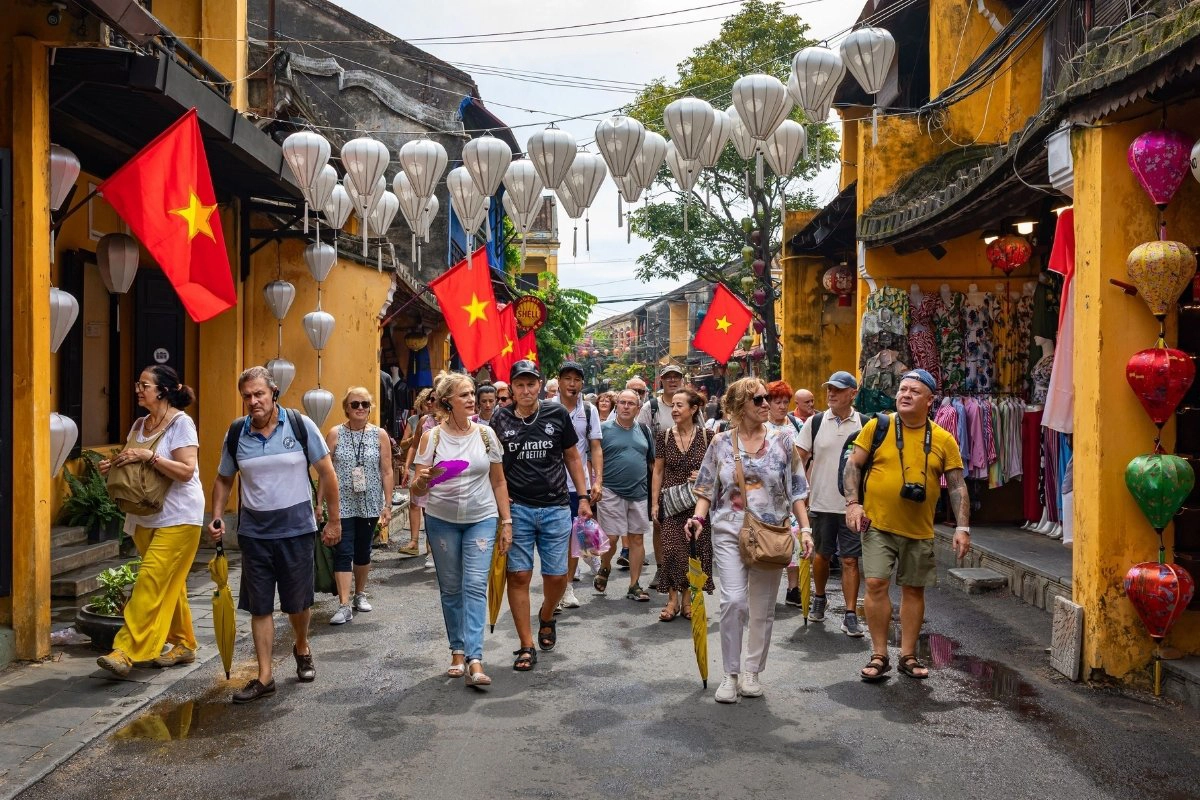
Walking around Hoi An Ancient Town - Source: Bo Van hoa, The thao va Du lich
If you are staying within Hoi An Ancient Town or at a hotel nearby, walking is usually the most convenient option. Distances between attractions in the heritage area are relatively short, while traveling by motorized vehicle may require you to find parking and then continue on foot.
Walking also fits well with the way traffic is managed in the Old Town. According to Hoi An’s official tourism information, much of the area is reserved for pedestrians and non-motorized vehicles during designated hours, which may vary by season.
On hot days, bring drinking water, wear a hat, and choose comfortable walking shoes. If you are traveling with elderly family members or young children, it is better to divide your sightseeing into shorter sections rather than walking for long periods without a break.
3.2. Cycling from Nearby Areas
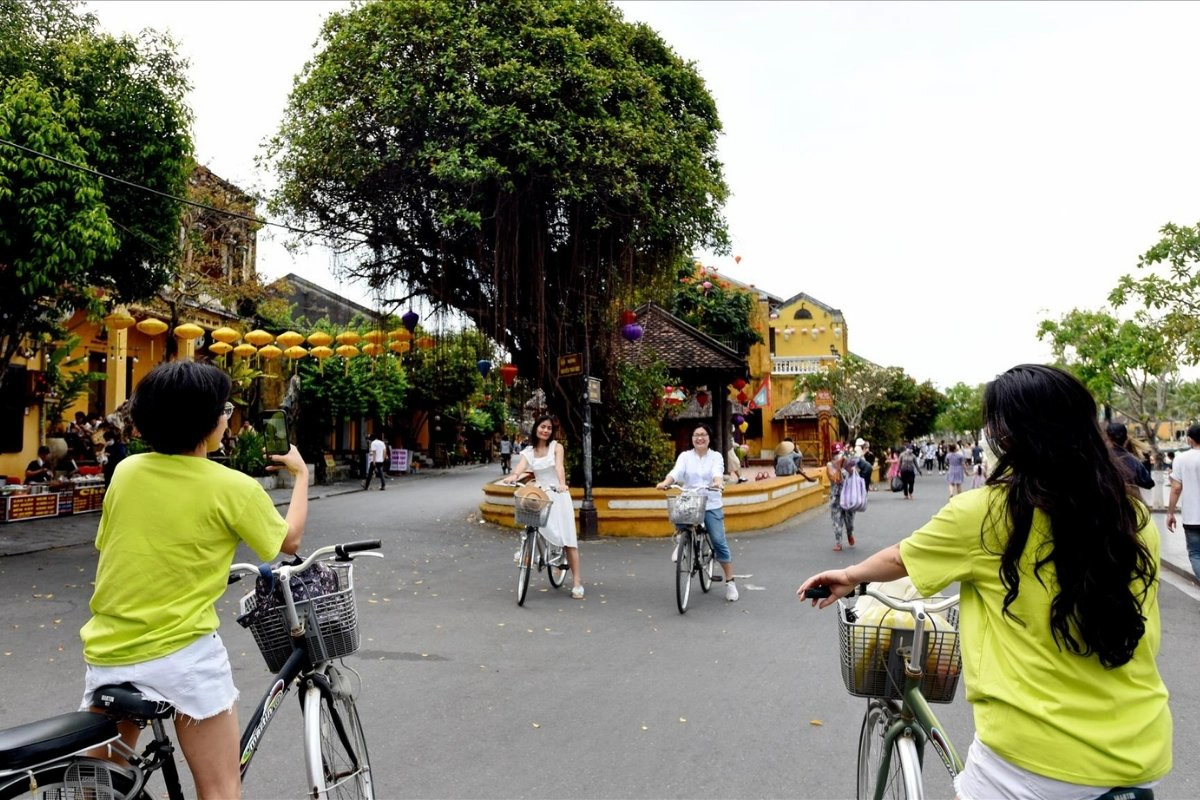
Cycling around Hoi An - Source: Thanh Hoa/VNP
Cycling is a good option if you are staying outside Hoi An Ancient Town but still within a few kilometers of the center. The terrain around Hoi An is relatively flat, so getting around by bike is generally manageable in good weather. Exploring Hoi An by bicycle is also promoted by local tourism authorities as a popular way to experience the area.
A bicycle gives you more flexibility and allows you to travel at your own pace without relying on ride-hailing services. Before setting off, check the brakes, tires, and bike lock. If you plan to return after dark, make sure the bicycle has working lights for better visibility on roads outside the town center.
In crowded areas, slow down or get off and walk your bike to avoid collisions. This is especially important in the evening, when the streets around Hoi An Ancient Town and the Japanese Covered Bridge are usually busier than during the day.
3.3. Taking a Taxi or Private Car from Outside Hoi An
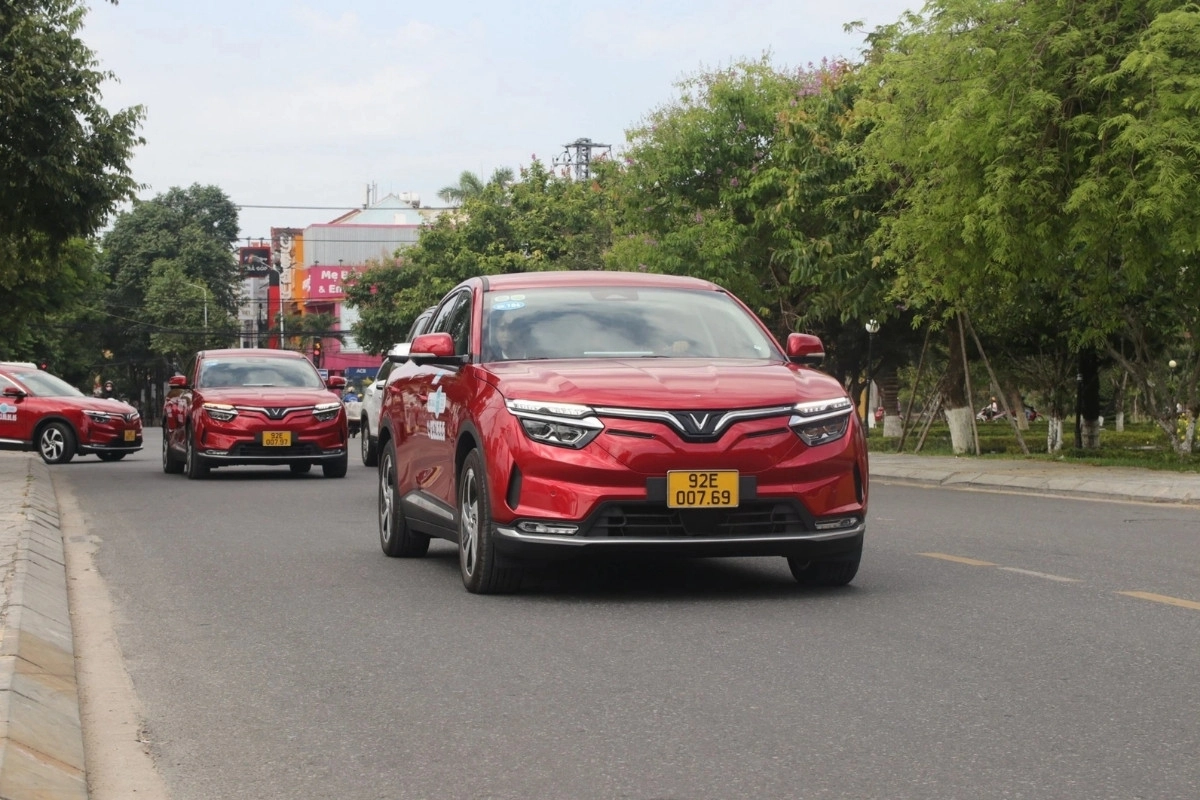
Traveling by taxi - Source: Bao Thanh Nien
A taxi or private car is a more convenient option if you are traveling from Da Nang, the airport, a resort far from the center, or an area outside Hoi An. This is especially suitable for families with young children, elderly travelers, groups carrying a lot of luggage, or visitors who prefer not to drive long distances themselves.
The main advantage is that you can travel directly from your accommodation to an area near Hoi An Ancient Town without changing vehicles along the way. For larger groups, a private car also makes it easier to coordinate departure and return times or combine Hoi An with other attractions on the same day.
However, taxis and private cars should not be expected to drop you off directly at the Japanese Covered Bridge. The Ancient Town has pedestrian and non-motorized vehicle zones, so drivers usually need to stop outside the restricted area. From there, visitors can continue to the bridge on foot.
>> Explore more: Hoi An Travel Guide: Explore the Charm of Vietnam’s Ancient Town
4. Practical Tips for Reaching the Japanese Bridge
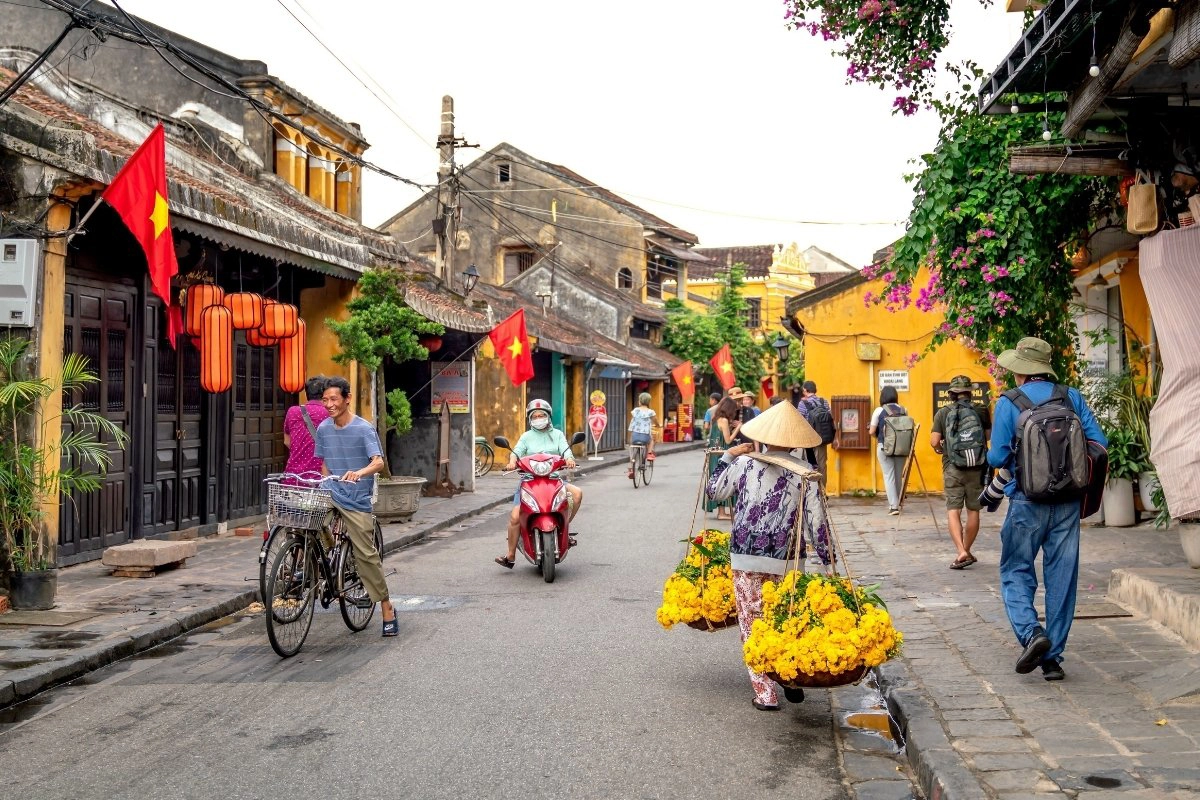
Hoi An traffic tips - Source: Quang Nguyen Vinh
Traffic regulations and large crowds can directly affect how long it takes to reach the Japanese Covered Bridge. Whether you are traveling independently or joining a Hoi An tour, it is a good idea to check the following information in advance to avoid delays.
4.1. Check Vehicle Restriction Hours
Hoi An Ancient Town currently has designated hours for pedestrians and non-motorized vehicles. During these periods, motorbikes, taxis, and private cars may not be allowed to enter the central heritage area.
- Hoi An Ancient Town: The pedestrian zone operates from 9:00 AM to 9:30 PM in summer and from 9:00 AM to 9:00 PM in winter.
- Phan Chau Trinh Street: Restrictions apply from 5:30 PM to 9:30 PM in summer and from 5:30 PM to 9:00 PM in winter.
- If you travel by motorized vehicle after 9:00 AM, plan your drop-off point or parking area outside the restricted zone instead of expecting to be driven directly to the Japanese Covered Bridge.
- On public holidays or during special events, the pedestrian zone may be temporarily extended to nearby streets, so check local announcements before your visit.
4.2. Allow Extra Travel Time During Peak Hours
The period from 4:30 PM to 8:30 PM is usually when Hoi An Ancient Town becomes much busier, as visitors arrive for sightseeing, dinner, and the evening lantern atmosphere. During these hours, walking through crowded streets, getting dropped off, finding parking, or passing through busy areas may take longer than expected.
- Weekdays: Allow an extra 15–20 minutes beyond the travel time shown on your map app.
- Weekends: Add around 20–30 minutes, especially if you arrive in the late afternoon or early evening.
- Public holidays, Tet, or major events: Arrive at least 30–45 minutes earlier than planned, as temporary congestion or traffic control measures may cause delays.
- If you are joining a tour, have a scheduled pickup, or have a restaurant reservation afterward, avoid planning two activities too close together.
4.3. Follow Local Traffic Signs in Hoi An Ancient Town
As you approach Hoi An Ancient Town, pay more attention to on-site traffic signs and local directions than to automatic navigation from map apps. Some roads may still appear accessible on Google Maps even when motorized vehicles are temporarily restricted.
- If you see a sign prohibiting motorized vehicles, stop at an authorized area and continue on foot.
- On one-way streets, do not travel against the traffic flow just because the map shows your destination directly ahead.
- If there are barriers or traffic control checkpoints, follow the alternative route indicated by local authorities or staff on site.
- During festivals and special events, check traffic signs again even if you have visited Hoi An before, as restricted zones may be adjusted for each event.
>> Explore more: 15 Best Hoi An Vietnam Attractions You Shouldn’t Miss 2026
5. FAQs About Visiting the Japanese Bridge in Hoi An
5.1. Are the Japanese Bridge and Chua Cau the Same Place?
Yes. Japanese Bridge, Japanese Covered Bridge, and Chua Cau all refer to the same famous landmark in Hoi An Ancient Town. In Vietnamese, the site is most commonly known as Chua Cau.
5.2. Is an Entrance Ticket Required to Visit the Japanese Bridge?
Yes. Visitors who want to enter and explore the Japanese Covered Bridge need a Hoi An Ancient Town sightseeing ticket. As of 2026, the ticket costs VND 120,000 and includes access to the Ancient Town area, along with admission to selected heritage sites such as the Japanese Covered Bridge or Quan Cong Temple and other attractions included in the ticket program.
5.3. Can the Japanese Bridge Be Visited at Night?
Yes. Visitors can come to the Japanese Covered Bridge area in the evening to enjoy the scenery, take photos, and experience the atmosphere of Hoi An Ancient Town at night. However, access to the interior of the bridge depends on its opening hours, so it is better to visit during the daytime if you want to see the architecture inside.
Understanding Japanese Bridge Hoi An directions in advance helps you choose the most suitable route, transportation option, and travel time when exploring Hoi An Ancient Town. Whether you are coming from Hoi An Market, An Bang Beach, or central Da Nang, planning ahead can make the journey smoother and help you avoid unnecessary delays. If you would like to combine the Japanese Covered Bridge with other highlights in a well-organized itinerary, contact Joytime Vietnam Travel for suitable Hoi An tour recommendations.
|
Joytime Travel Agency - Travel JOY, TIMEless Vietnam Safe, Seamless, Satisfying, Sustainable Follow us for travel tips, local insights, and exclusive offers:
|

Danish Nguyen
Danish Nguyen is a renowned travel blogger in Vietnam with over 5 years of experience sharing unique travel experiences. With a passion for exploring new places, Danish captures incredible moments and provides readers with valuable tips to discover the beauty of his homeland.