









Hai Phong Harbor: A Guide to the City’s Port and Waterfront
Hai Phong Harbor is an important part of the city’s identity, connecting Hai Phong with major domestic and international trade routes. Beyond its role as a busy commercial port, the harbor area offers visitors a different perspective on the city’s waterfront, transportation network, and maritime character. This guide from Joytime Vietnam Travel introduces Hai Phong Harbor, the nearby Hai Phong Bridge, and useful information for travelers exploring the city.
1. Hai Phong Harbor: Location and Key Information
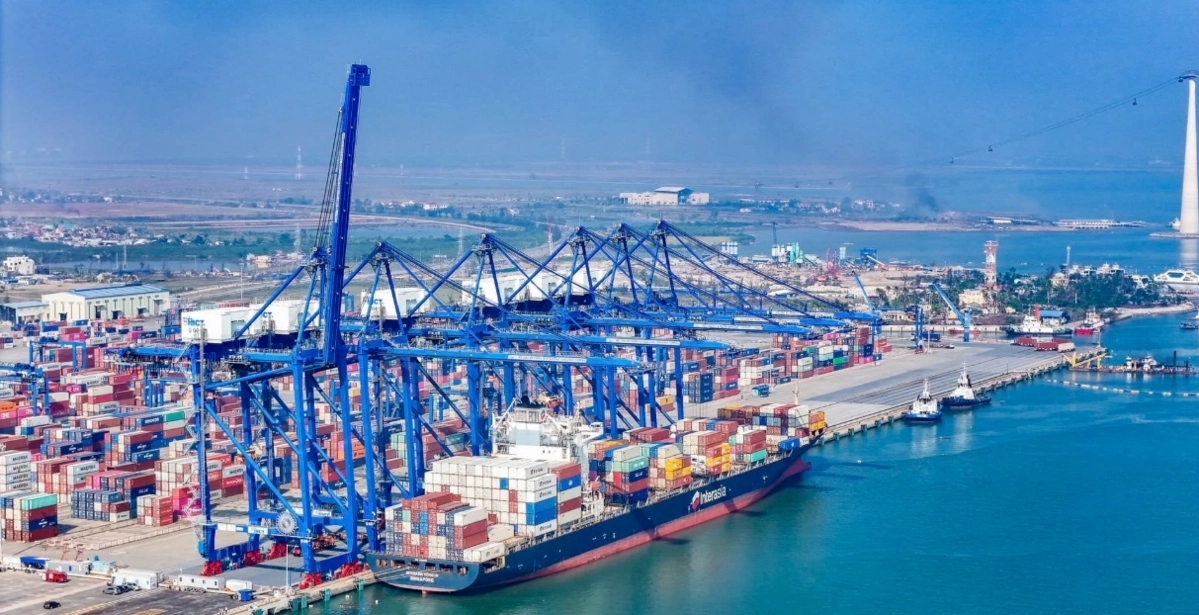
Hai Phong Harbor - Source: VietNamNet
1.1. Where Is Hai Phong Harbor Located?
Hai Phong Harbor is not a single waterfront site with one entrance. Port of Hai Phong is a wider port system with several terminals and port facilities. The main facilities operated by Port of Hai Phong include Hoang Dieu Port, Chua Ve Terminal, and Tan Vu Terminal, while the wider Hai Phong seaport system extends toward the Dinh Vu and Lach Huyen areas.
The headquarters of Port of Hai Phong is at 8A Tran Phu Street, in the city's central area. The company's port infrastructure includes cargo-handling terminals and other facilities connected to the city's maritime transport network.
1.2. What Is Hai Phong Harbor Known For?
The port is primarily known for cargo handling, maritime transport, container operations, warehousing, and international trade rather than tourism. Port of Hai Phong describes itself as the largest port in Northern Vietnam by cargo throughput. Its facilities support different types of cargo and connect maritime transport with road, rail, and inland-waterway transportation.
1.3. How Important Is the Harbor to Hai Phong?
The port is central to Hai Phong's role as a transportation and logistics hub in northern Vietnam. Its facilities handle cargo moving through maritime, road, rail, and inland-waterway networks. According to the Vietnam Seaports Association, the Port of Hai Phong has an access channel extending for around 42 km, with several terminals serving different cargo requirements. The Tan Vu, Chua Ve, and Hoang Dieu facilities have different berth lengths, depths, and vessel-handling capacities. The importance of the port is therefore not limited to ships arriving and leaving the city. It is connected to the wider movement of goods between Hai Phong, other parts of Vietnam, and international markets.
1.4. Which Areas Are Connected to Hai Phong Harbor?
The Hai Phong port system extends across several areas rather than being concentrated at one waterfront. The main Port of Hai Phong facilities include the central Hoang Dieu and Chua Ve areas, as well as Tan Vu farther east. The wider seaport network also includes port facilities around Dinh Vu and Lach Huyen. For visitors, this distinction is useful because the port you see from one part of the city may not be the same terminal shown on a map under the Port of Hai Phong name.

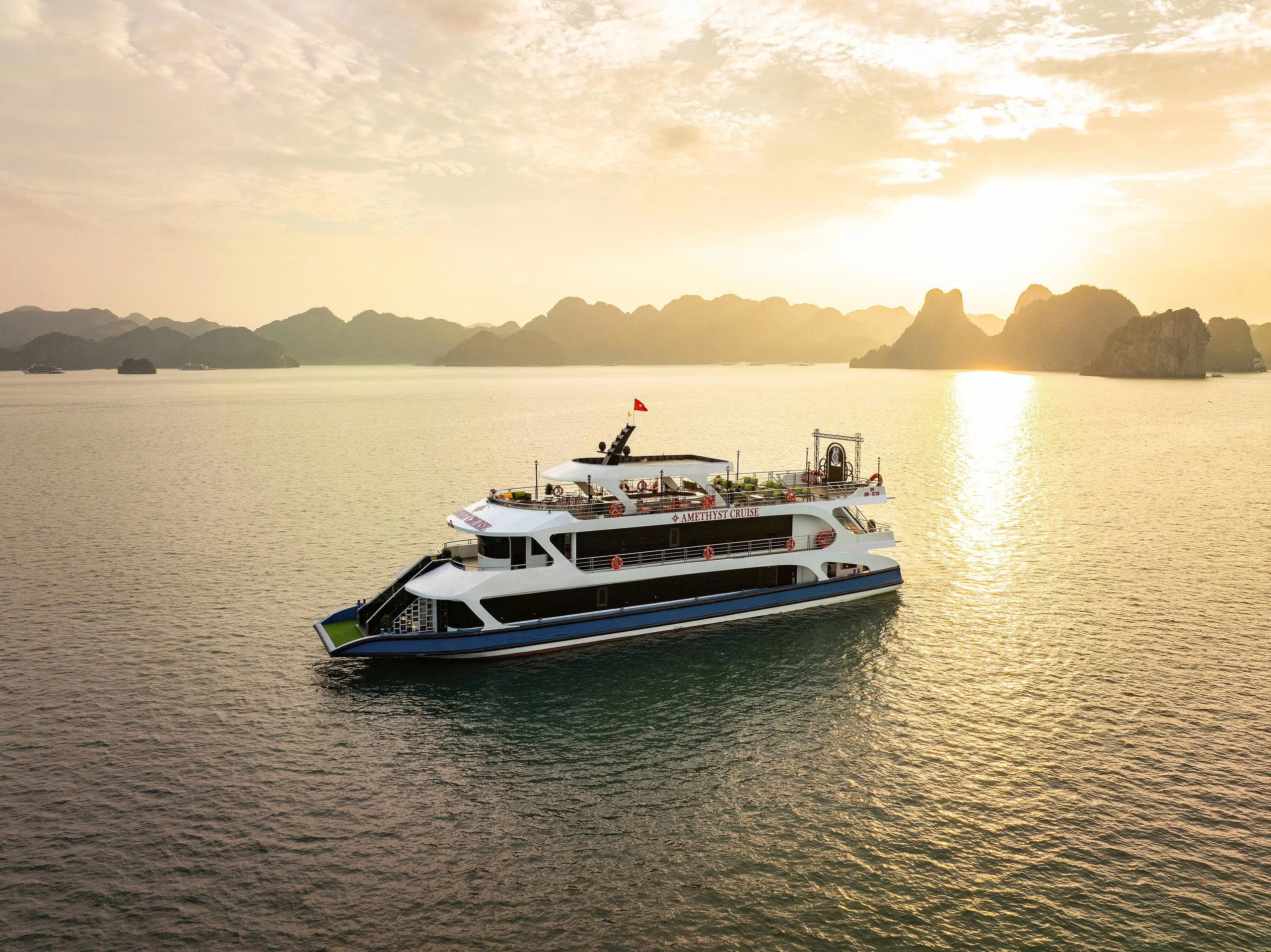
2. Hai Phong Harbor, the Cam River, and Binh Bridge

The Cam River - Source: Pinterest
2.1. How Does the Cam River Relate to Hai Phong Harbor?
The Cam River is part of the waterway system around Hai Phong and is closely connected with the city's maritime activities. The river provides an important waterway through an urban area that has developed around ports, transport infrastructure, and riverside settlements.
This is one reason the city's bridges and waterways are such visible parts of Hai Phong's landscape. Large-scale port operations, however, extend beyond the Cam River itself into a much wider network of channels, terminals, and port areas.
2.2. Where is Binh Bridge?
Binh Bridge (Cau Binh) crosses the Cam River in Hai Phong. It connects the city side with the area north of the river and provides a major road link toward Thuy Nguyen and onward toward Quang Ninh. The bridge is a cable-stayed structure approximately 1,280 meters long and 22.5 meters wide. It opened to traffic in May 2005. Its position over the Cam River makes it one of the most recognizable pieces of transportation infrastructure in this part of Hai Phong.
2.3. How Does Binh Bridge Connect the City Across the Cam River?
Before Binh Bridge was opened, crossing the Cam River depended more heavily on existing road and ferry connections. The bridge created a direct road connection between the southern and northern sides of the river.
Today, it continues to provide an important connection between the urban area and the northern side of the Cam River. The Hai Phong city portal identifies Binh Bridge as a bridge spanning the Cam River and connecting Hong Bang with Thuy Nguyen. For visitors, the bridge is more useful as a landmark and transportation feature than as a standalone tourist attraction.
2.4. What Is the Relationship Between Binh Bridge and the Port Area?
Binh Bridge is located within the wider river and transport network that supports Hai Phong's port city. However, it is important not to treat the bridge itself as part of a specific port terminal. The Port of Hai Phong includes several separate terminals, including Hoang Dieu, Chua Ve, and Tan Vu. Binh Bridge crosses the Cam River within the city's broader transportation network, while port operations take place across multiple areas.
For travelers interested in Hai Phong's maritime character, seeing the bridge together with the city's rivers, roads, and port infrastructure can provide a better sense of how the city's transport network fits together.
>>> Read more: Tour Hai Phong Cat Ba for the Best Island Escape in 2026
3. Things to See and Do Around Hai Phong Harbor

Things to do around Hai Phong Harbor - Source: Pinterest
3.1. Watch Ships and Port Activities
One of the easiest ways to appreciate Hai Phong's maritime character is simply to observe the waterways and port infrastructure from publicly accessible areas. Depending on where you are in the city, you may see commercial vessels, smaller boats, bridges, cargo facilities, and riverside transport activity. However, don’t enter restricted port areas simply to get closer to ships or containers. Active terminals are working logistics facilities, not open-air sightseeing areas.
3.2. Explore the Nearby Waterfront
If you want a more relaxed riverside experience, explore public waterfront areas in and around central Hai Phong rather than trying to enter an operating cargo terminal. The Tam Bac riverside area and Tam Bac Old Quarter offer a more visitor-friendly way to experience the city's relationship with its waterways. The old quarter runs along the right bank of the Tam Bac River and forms part of the historic urban fabric of Hai Phong.
For an evening visit, Hai Phong's central pedestrian street and night-time cultural space around the City Opera House and central flower gardens are also worth considering. Since August 2026, the pedestrian area has been operating regularly on Friday and Saturday evenings, with food stalls, performances, and other activities.
3.3. Discover Local Food Around the Harbor Area
A visit to Hai Phong is also an opportunity to explore the city's food scene. Instead of expecting restaurants inside the working port area, head back toward the central districts for local specialties such as banh da cua, spicy bread, seafood, and Hai Phong-style noodles. This works particularly well as part of a half-day city itinerary: explore the waterfront or river area, visit a central attraction, and finish with a local meal.
3.4. Combine the Harbor With Hai Phong City Attractions
Hai Phong Harbor is best visited as part of a broader city itinerary rather than as a standalone stop. You can start by exploring the city’s riverside and maritime scenery, then continue to Binh Bridge or another major bridge to see an important part of Hai Phong’s transportation network.
From there, head toward the central waterfront and Tam Bac area before visiting Hai Phong Opera House and the surrounding central district. Rounding out the route with a local lunch or dinner also gives you a chance to experience more of the city’s everyday character. Beyond the harbor, visitors can also explore the city’s history, architecture, and local landmarks through Hai Phong Tours, which brings several of Hai Phong’s highlights together in one itinerary.
If you have more time, consider extending the journey toward Cat Ba, as passenger boats and ferry services connect the mainland with the island through Binh Wharf and other terminals, although ferry arrangements and departure times may vary depending on the current operating schedule.
 (2).webp)

4. Best Time and Tips for Exploring Hai Phong Harbor
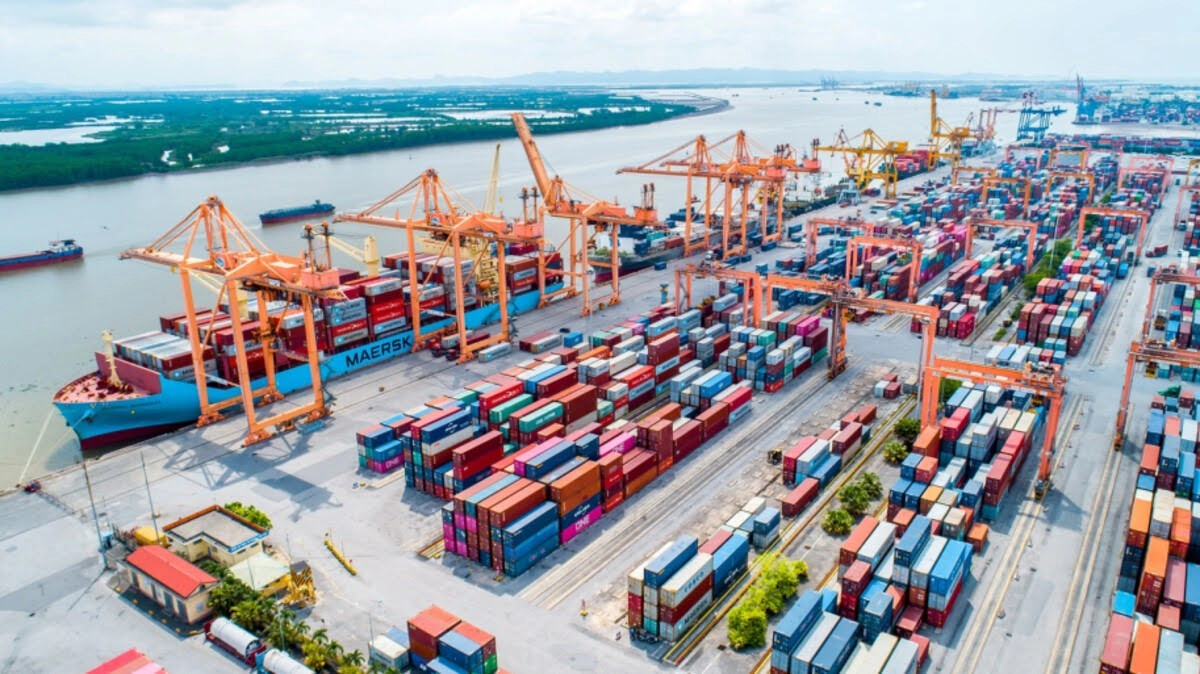
Useful tips for exploring Hai Phong Harbor - Source: Pinterest
4.1. Choose the Right Time of Day
Morning or late afternoon can be comfortable times to explore Hai Phong's riverside areas, especially if you plan to walk around central neighborhoods. For photography, softer morning or late-afternoon light can also make the river, bridges, and surrounding buildings easier to photograph.
4.2. Check Weather Conditions Before Going
Weather can affect outdoor sightseeing and water transportation around Hai Phong. This is particularly relevant if your itinerary includes a boat or ferry connection to Cat Ba. Hai Phong authorities advise passengers to monitor operating information and follow instructions from terminal management, while ferry operations can be adjusted according to weather and traffic conditions. Checking the latest transport information on the day of travel is therefore a useful step before heading to a terminal.
4.3. Stay in Publicly Accessible Areas
The most important thing to remember is that Hai Phong Harbor is a working port, not a conventional sightseeing attraction. Don’t enter restricted cargo terminals, climb port infrastructure, approach moored commercial vessels, or cross barriers simply to take photographs. Instead, stay on public roads, sidewalks, riverside spaces, designated viewpoints, and authorized passenger facilities.
>>> Read more: What to Do in Hai Phong: The Ultimate 2026 Travel Guide
5. Hai Phong Harbor FAQs
5.1. Can You Take a Boat From Hai Phong Harbor?
Yes, but it depends on the specific terminal. Hai Phong’s port system includes both cargo terminals and passenger facilities, so not every area is accessible to travelers. Passenger services to Cat Ba operate from places such as Binh Wharf and Dinh Vu, although routes and schedules may change. If you simply want to enjoy the harbor from the water, choose an authorized sightseeing or passenger service rather than a commercial cargo terminal.
5.2. Is Hai Phong Harbor Open to Visitors at Night?
Not as a single tourist attraction. Commercial port facilities operate according to their own operational schedules and security requirements, and visitors should not assume they can enter port areas at night.
For an evening waterfront experience, stay in public areas around the city center instead. The central pedestrian area around the City Opera House and central gardens currently operates on Friday and Saturday evenings, offering food, performances, and other public activities.
5.3. Is Hai Phong Harbor Suitable for a Short Visit?
Yes, especially if you want to experience Hai Phong’s character as a port city rather than explore the inside of a working cargo terminal. A short visit could take in the city’s rivers and bridges before continuing to the Tam Bac waterfront or nearby central attractions. With more time, you can add a boat trip from a passenger terminal or include the harbor as part of a wider Hai Phong itinerary. For most visitors, one to two hours is enough to enjoy the waterfront and nearby sights without spending too long around the working port.
Hai Phong Harbor gives travelers a chance to see another side of the city, where rivers, bridges, port facilities, and everyday urban life come together. While the working port itself is not a conventional tourist attraction, its surrounding waterfront and nearby landmarks can easily be included in a city itinerary.
Looking for more ideas for your trip? Explore Joytime: Vietnam Travel for destination guides, local experiences, and practical travel tips to help you plan your time in Hai Phong and beyond.
|
Joytime Travel Agency - Travel JOY, TIMEless Vietnam Safe, Seamless, Satisfying, Sustainable Follow us for travel tips, local insights, and exclusive offers:
|

Danish Nguyen
Danish Nguyen is a renowned travel blogger in Vietnam with over 5 years of experience sharing unique travel experiences. With a passion for exploring new places, Danish captures incredible moments and provides readers with valuable tips to discover the beauty of his homeland.