









Vung Tau Lighthouse: What to See and Know Before You Go
Standing on Nui Nho Mountain, Vung Tau Lighthouse is one of the city’s most recognizable landmarks. Built during the French colonial period, the lighthouse combines maritime history with panoramic views over Vung Tau’s coastline. This guide from Joytime Vietnam Travel covers its history, location, things to see, and practical tips for visiting.
1. Vung Tau Lighthouse: History and Location
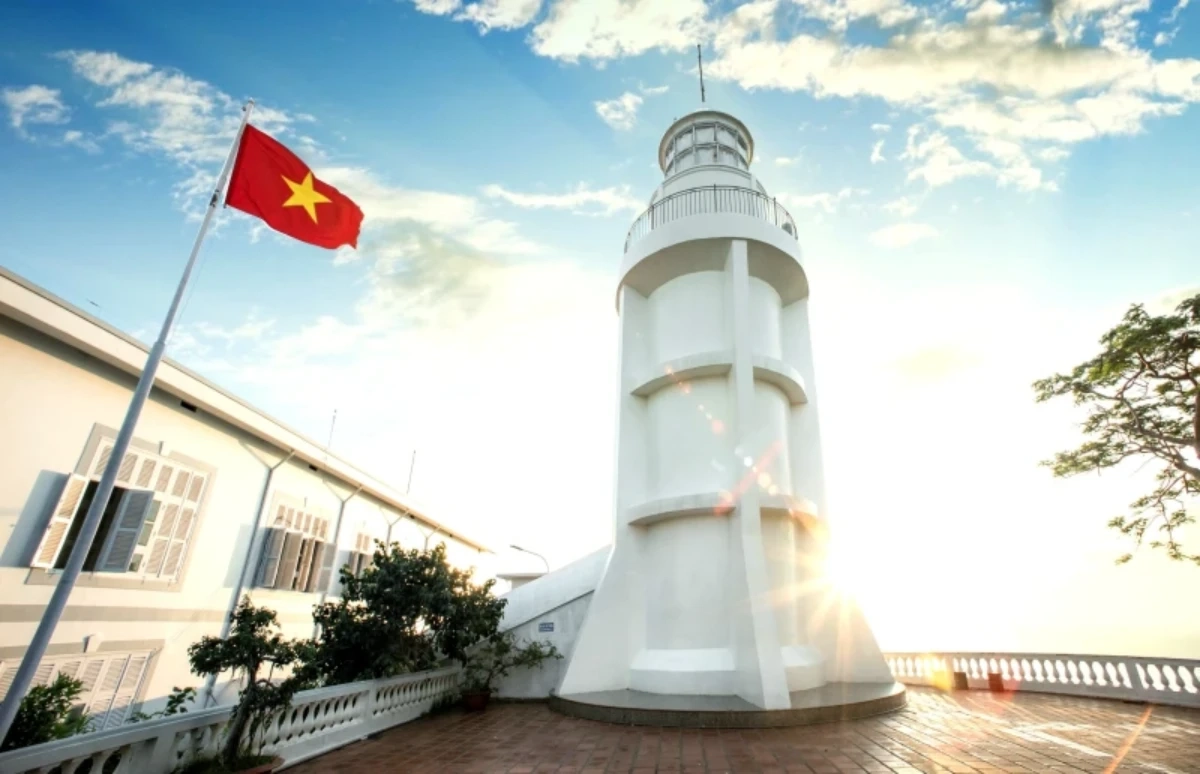
Vung Tau Lighthouse - Source: Attractions of Vietnam
1.1. Where Is Vung Tau Lighthouse?
Vung Tau Lighthouse sits on Nui Nho (Small Mountain), also known as Tao Phung Mountain, in Vung Tau. The lighthouse is located at an elevation of approximately 170 meters above sea level, overlooking the city's coastline. The approach is via Hai Dang Road, a winding mountain road that leads from the lower part of the city toward the lighthouse. The road itself has become part of the sightseeing experience, with trees, sea breezes, and views appearing along the way. The route is approximately 2 km long.
1.2. A Brief History of Vung Tau Lighthouse
Vung Tau Lighthouse was originally constructed by the French in 1862, making it one of the oldest lighthouse structures in Vietnam. Historical records show that the lighthouse was established to help guide vessels navigating the waters around Vung Tau and toward the Saigon River. At the time, Vung Tau was known as Cap Saint-Jacques in French sources.
The structure visitors see today dates from a later stage of its history. In 1913, the lighthouse was rebuilt and moved from its original position at around 149 meters above sea level to a higher location at approximately 170 meters. This combination of an early maritime history and a later reconstruction is part of what makes the lighthouse interesting beyond its appearance.
1.3. The Lighthouse’s Role in Maritime Navigation
The lighthouse was built to help ships navigate the waters around Vung Tau safely. Its elevated position on Nui Nho made it ideal for maritime signaling, guiding vessels along the southern Vietnamese coast and toward the Saigon River. More than a preserved landmark, the station remains part of Vietnam’s maritime safety system and continues to serve a navigational role today.
1.4. Architecture and Distinctive Features
The lighthouse has a simple but recognizable design: a white cylindrical tower approximately 18 meters high and around 3 meters in diameter. A spiral staircase inside leads upward toward the upper section of the tower.
Its white exterior contrasts with the greenery of Nui Nho and the blue sea surrounding the peninsula. A balcony around the upper section provides a particularly open viewpoint over the city and coastline. The combination of the cylindrical tower, white exterior, mountain setting, and surrounding trees gives Vung Tau Lighthouse much of its familiar visual character.
>>> Read more: How To Make The Most Of Your 8 Days Vietnam Trip
2. What to See at Vung Tau Lighthouse
2.1. The White Lighthouse Tower
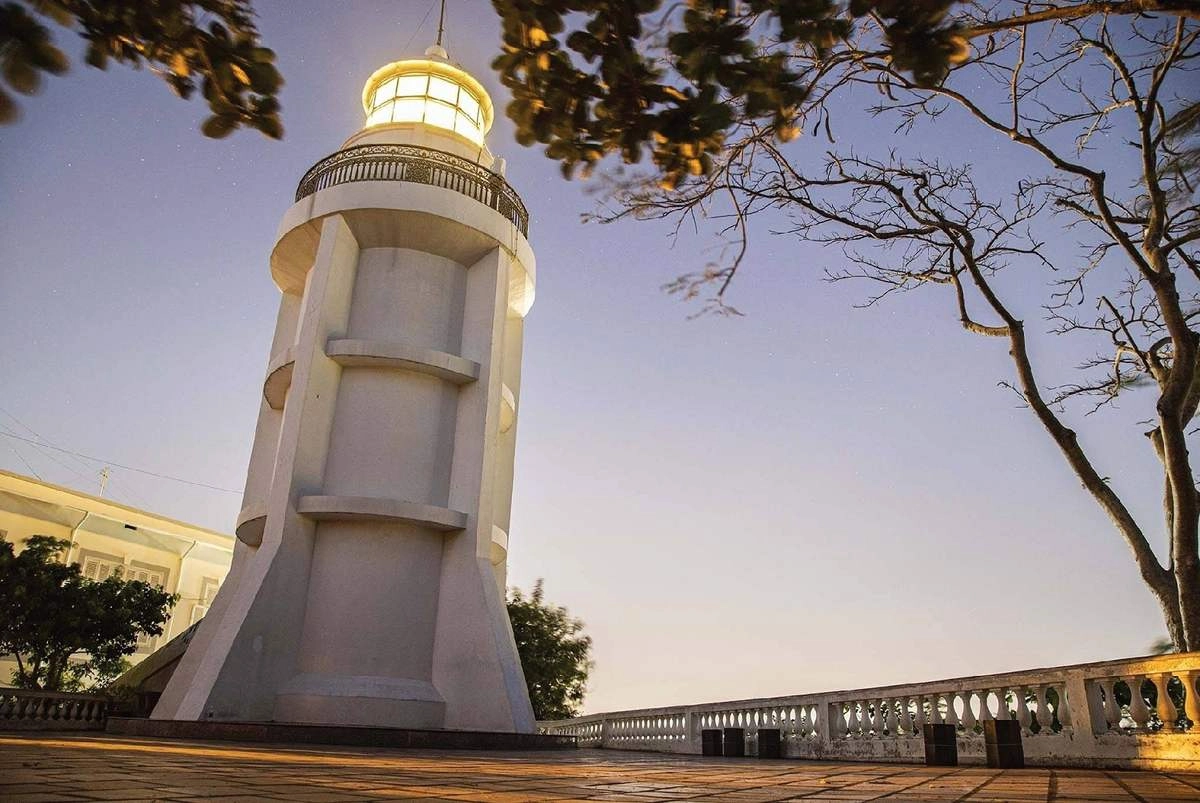
The White Lighthouse Tower - Source: VinWonders
The lighthouse itself is the main attraction. Its simple white cylindrical tower stands about 18 meters high, while the lighthouse station sits roughly 170 meters above sea level. The 170-meter figure refers to the elevation of the site, not the height of the tower. Surrounded by trees and greenery, the grounds have a quiet atmosphere that adds to the charm of this coastal landmark.
2.2. Panoramic Views of Vung Tau
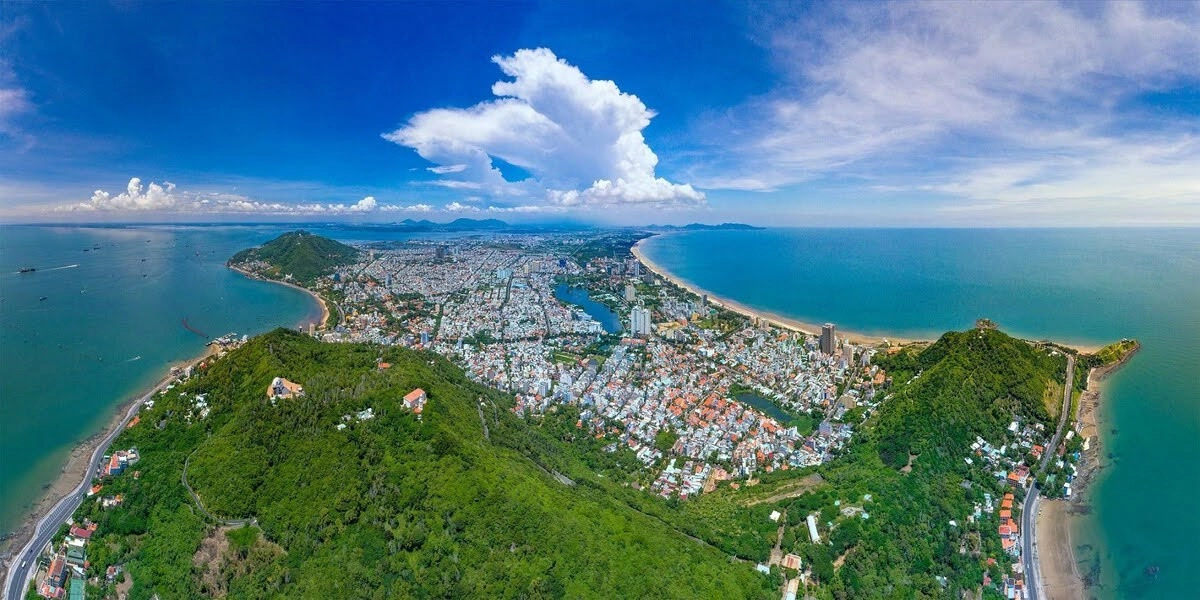
Panoramic Views of Vung Tau - Source: VinWonders
The views are one of the main reasons travelers make the trip up Nui Nho. From the lighthouse area, you can look across Vung Tau's coastline, Front Beach, the city center, and the surrounding sea. Vietnam's national tourism website specifically highlights the lighthouse as a place where visitors can enjoy a 360-degree view and watch the sunset. The scenery changes depending on the weather. On a clear day, the coastline and buildings are much easier to distinguish, while hazier conditions can give the sea and city a softer appearance.
2.3. The Coastal Landscape From Nui Nho Mountain
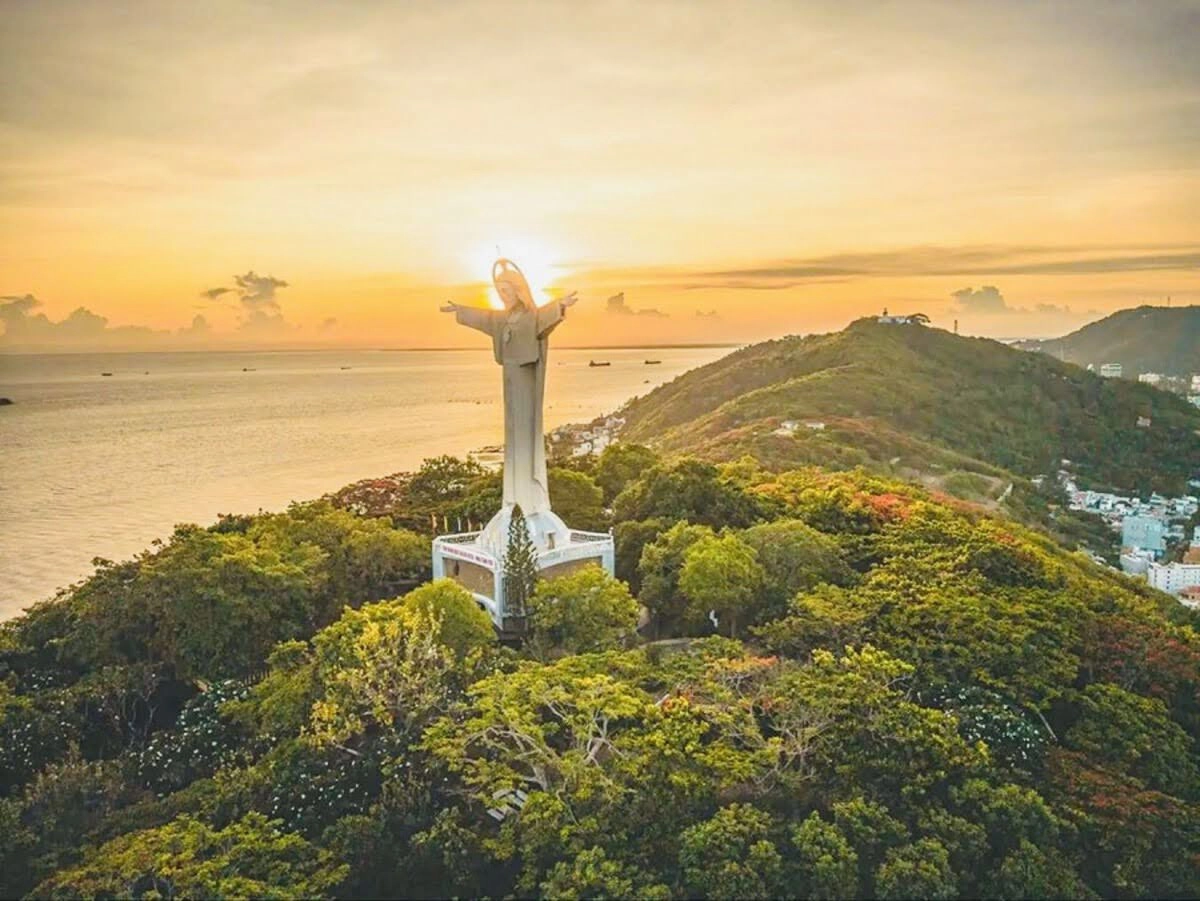
Nui Nho Mountain - Source: VinWonders
The journey to the lighthouse is part of the experience. Hai Dang Road winds through Nui Nho, with sections shaded by trees and occasional openings toward the coast. Nui Nho rises to around 170 meters above sea level and sits between Vung Tau's better-known coastal areas. The mountain therefore provides several different perspectives of the city depending on where you are along the route. If you aren’t in a hurry, take some time to appreciate the road and scenery rather than treating the lighthouse as the only point of interest.
2.4. The Historic Lighthouse Grounds
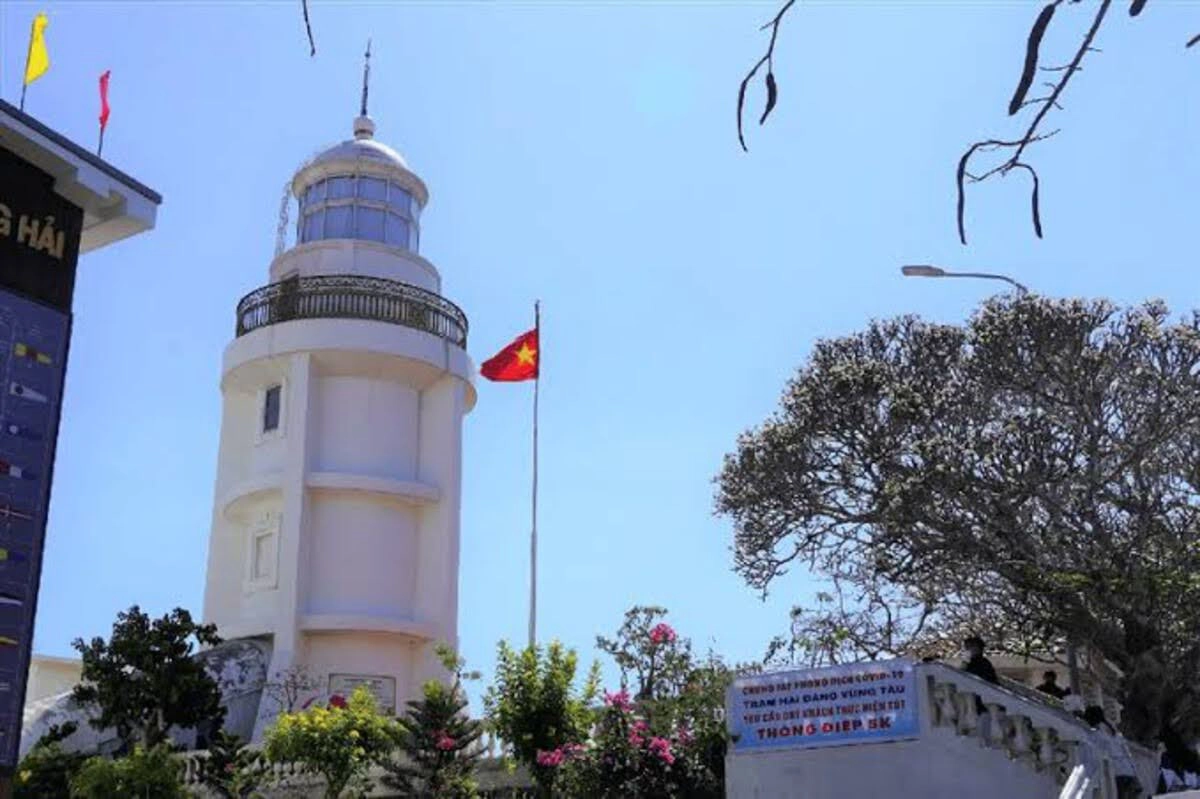
The Historic Lighthouse Grounds - Source: Pinterest
The area around the lighthouse has a different atmosphere from Vung Tau's busy beaches and central streets. Trees, mountain air, and the open sea create a quieter setting. The grounds are also interesting from a historical perspective because the lighthouse station has continued to function as part of the city's maritime infrastructure. Visitors should remember that this is still an operational lighthouse station, so not every part of the site should be treated as an open tourist area.
3. Things to Do Around Vung Tau Lighthouse

Things to do around Vung Tau Lighthouse - Source: Vinpearl
3.1. Take in the Ocean and City Views
The simplest activity is also one of the most enjoyable: stop at the viewpoints around the lighthouse and look across Vung Tau. From this elevation, the relationship between the city and the sea becomes especially clear. You can see the coastline below, urban areas stretching inland, and the open water beyond. Late afternoon is particularly popular because the changing light gives the coastline a different appearance. Vietnam Tourism also recommends the lighthouse as a place for sunset views.
3.2. Capture Photos Along the Mountain Road
You don’t have to wait until you reach the lighthouse to take photographs. The winding road through Nui Nho has its own scenery, with trees, curves, mountain slopes, and glimpses toward the coast. The road is also used by locals and visitors for walking, cycling, and enjoying the scenery. For safety, avoid stopping in the middle of the road for photographs, particularly during busy periods when traffic can increase.
3.3. Explore Nearby Coastal Attractions
Vung Tau Lighthouse is located close to several other attractions on and around Nui Nho. One of the most obvious combinations is the Christ the King Statue, another major landmark on the mountain. Nghinh Phong Cape and Back Beach are also within the wider coastal sightseeing area. Vietnam Tourism places the lighthouse and Christ statue among the city's notable attractions on Nui Nho. Combining several of these places can make better use of your time than visiting the lighthouse as a standalone stop.
3.4. Combine the Lighthouse With a Vung Tau City Tour
The lighthouse fits easily into a wider half-day or full-day Vung Tau itinerary. After visiting Nui Nho, you can continue toward the beaches, central streets, or historical attractions such as Bach Dinh (White Palace). Vung Tau's attractions are relatively close together, which makes it practical to combine several stops in one day. A simple route could include the lighthouse in the morning or late afternoon, followed by a coastal stop and a meal in the city. Travelers looking to organize several of these attractions into one itinerary can also explore Vung Tau Tours for more ways to experience the city.
4. Practical Tips for Visiting Vung Tau Lighthouse
4.1. Choose the Best Time of Day to Visit
Early morning and late afternoon are generally more comfortable for exploring Nui Nho than the middle of the day. Morning visits can provide cooler temperatures and softer light for photographs. Late afternoon is a popular choice if you want to see the coastline around sunset. Vietnam Tourism specifically highlights the lighthouse as a sunset viewpoint. Weekends and public holidays can be busier, particularly along the narrow mountain road leading toward the lighthouse.
4.2. Wear Comfortable Shoes for the Walk
Comfortable footwear is useful even though the lighthouse is reached by road. You may want to walk along parts of Hai Dang Road or explore the area around the lighthouse, where the terrain is uneven in places. If you plan to combine the visit with the Christ the King Statue, expect considerably more walking and stairs at the statue itself. Older travelers or anyone with limited mobility may prefer to reach the lighthouse area by vehicle rather than treating the mountain road as a long uphill walk.
4.3. Check Weather Conditions Before Going
Weather can make a noticeable difference to the experience. Clear conditions offer better views across the coastline and city, while rain, strong wind, or haze can reduce visibility. The elevated location is also more exposed to weather than the streets below. If the forecast looks unsettled, consider keeping the lighthouse flexible in your itinerary rather than making it the only sightseeing stop of the day.
>>> Read more: Best Time to Visit Vietnam With Family: Weather & Travel Tips
5. Vung Tau Lighthouse FAQs
5.1. Is Vung Tau Lighthouse Suitable for Older Visitors?
It can be, depending on mobility and how you plan to visit. The lighthouse can be reached by road, so visitors do not necessarily need to climb a long staircase from the city just to reach the lighthouse grounds. However, the mountain road is winding and some exploration around the site involves walking. For older visitors or travelers with mobility concerns, arriving by vehicle and taking the visit at a relaxed pace is likely to be more practical than walking the entire route.
5.2. Can You Bring Food and Drinks to Vung Tau Lighthouse?
It is better not to plan the lighthouse as a picnic destination. The site is an operational lighthouse station rather than a dedicated picnic area, and visitors should respect any restrictions around the station and keep the area clean. If you want a proper meal or coffee break, there are restaurants and cafés in the surrounding Vung Tau area. A practical option is to visit the lighthouse first, then stop for food or drinks after returning toward the city or coastline.
5.3. Is Vung Tau Lighthouse a Good Place for Photography?
Yes. The combination of the white lighthouse tower, green mountain setting, coastline, and elevated city views makes it a popular photography spot. You can photograph the lighthouse itself, the winding mountain road, or the wider coastal landscape. Late afternoon can be especially attractive if you want warmer light and sunset scenery. Vietnam Tourism also identifies the lighthouse's 360-degree views as one of its notable features.
More than a historic navigation landmark, Vung Tau Lighthouse offers a quiet place to take in the coastline from Nui Nho Mountain. The white tower, winding mountain road, and wide views over the city make the visit easy to combine with nearby attractions such as the Christ the King Statue and Nghinh Phong Cape. If you’re planning to see more of Vung Tau, explore Joytime: Vietnam Travel for destination guides, local attractions, and practical travel ideas for your trip.
|
Joytime Travel Agency - Travel JOY, TIMEless Vietnam Safe, Seamless, Satisfying, Sustainable Follow us for travel tips, local insights, and exclusive offers:
|
Danish Nguyen
Danish Nguyen is a renowned travel blogger in Vietnam with over 5 years of experience sharing unique travel experiences. With a passion for exploring new places, Danish captures incredible moments and provides readers with valuable tips to discover the beauty of his homeland.