









Four Beautiful Phan Thiet Pagoda Sites Worth Visiting
The pagodas in Phan Thiet reveal a side of the coastal city beyond its beaches and seafood. From centuries-old Buddhist scriptures at Phat Quang Pagoda to the impressive reclining Buddha on Ta Cu Mountain, each site reflects a different part of the region's religious and cultural heritage. This guide introduces four notable pagodas, with practical advice on visiting routes, transportation, and temple etiquette.
1. Discover Four Historic Buddhist Pagodas Around Phan Thiet
These four Buddhist sites are spread across central Phan Thiet, Mui Ne, and Ta Cu Mountain. Each has its own historical background and distinctive features.
1.1. Phat Quang Pagoda and Its Buddhist Treasures
Dating back to the 18th century, Phat Quang Pagoda is known for its collection of historic Buddhist scriptures preserved on wooden printing blocks.
Located on Tran Quang Khai Street, the temple features traditional Vietnamese Buddhist architecture. According to the provincial tourism authority, its collection includes 118 wooden blocks engraved with approximately 600,000 words of Buddhist scriptures.
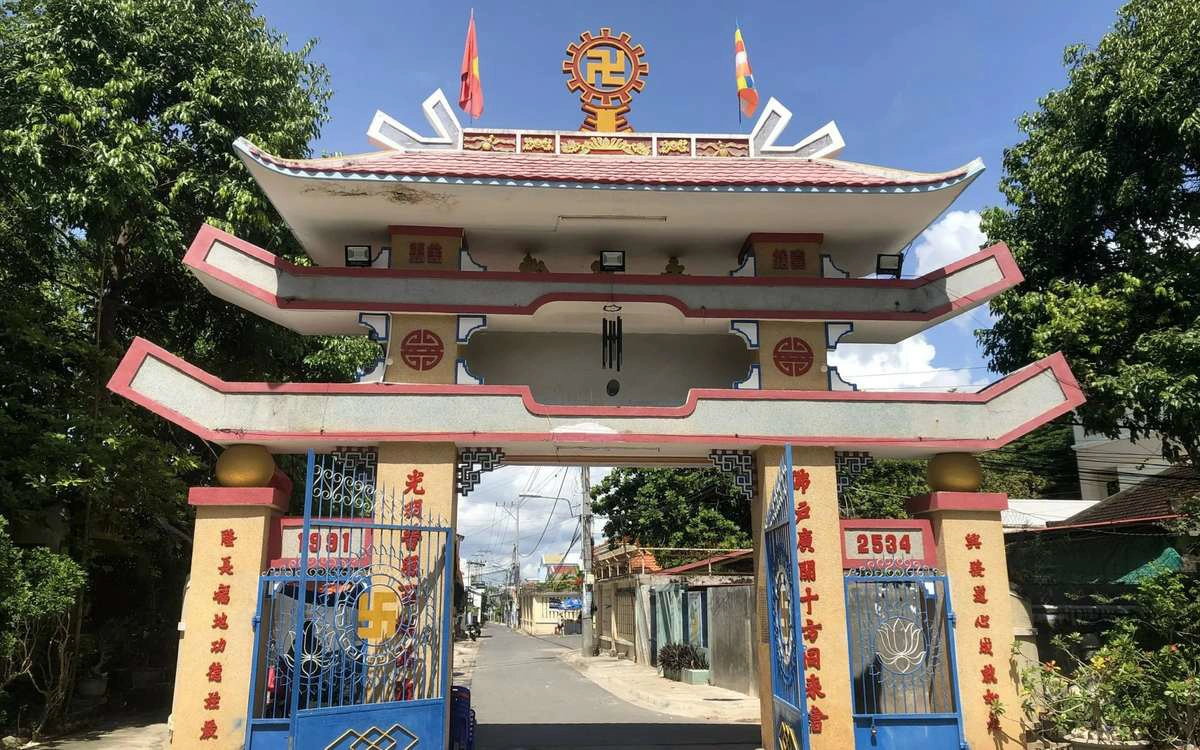
The main entrance to Phat Quang Pagoda - Source: DanViet
The pagoda is also recognized for its large bells. In 2007, one wooden bell was acknowledged as the largest of its kind in Vietnam at the time.
For visitors interested in religious history, the wooden scriptures are the main highlight. They offer a glimpse into how Buddhist teachings were recorded and passed down through generations.


1.2. Linh Long Pagoda and the Spiritual Side of Mui Ne
Linh Long Pagoda dates back to 1811 and has a long connection with the local community of Mui Ne.
Inside the pagoda, visitors can see wooden panels carved with parallel inscriptions, traditional furniture, and religious artifacts. Although the temple has undergone reconstruction and restoration, these details preserve aspects of its historical character.
Unlike the larger religious complexes found elsewhere in the region, Linh Long offers a closer look at the spiritual traditions of a coastal community
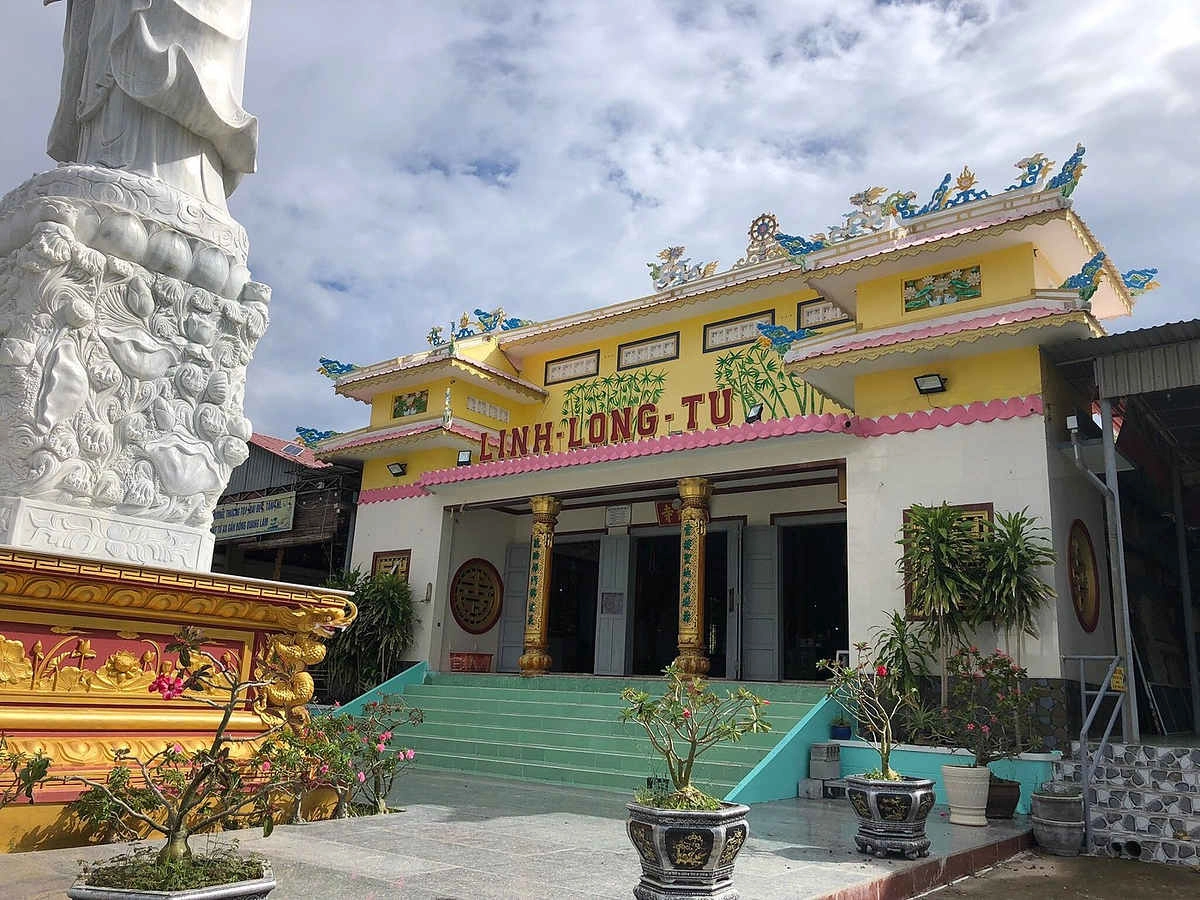
Linh Long Pagoda in Mui Ne - Source: TripAdvisor
1.3. Buu Son Pagoda and Its Elevated Coastal Views
Also known as Chua Thap, Buu Son Pagoda is situated on Ngoc Lam Hill, near the Po Sah Inu Cham Towers.
The pagoda dates back to the late 18th or early 19th century and is associated with the royal title "Ngu Tu Buu Son Tu," bestowed by King Gia Long. After being destroyed during the war in 1950, it was rebuilt in 1954 and restored again in 1961.
From the temple grounds, visitors can look toward the surrounding coastline and Phan Thiet city. The nearby Po Sah Inu Cham Towers also make this area interesting for travelers who want to explore different cultural and religious influences in one outing.
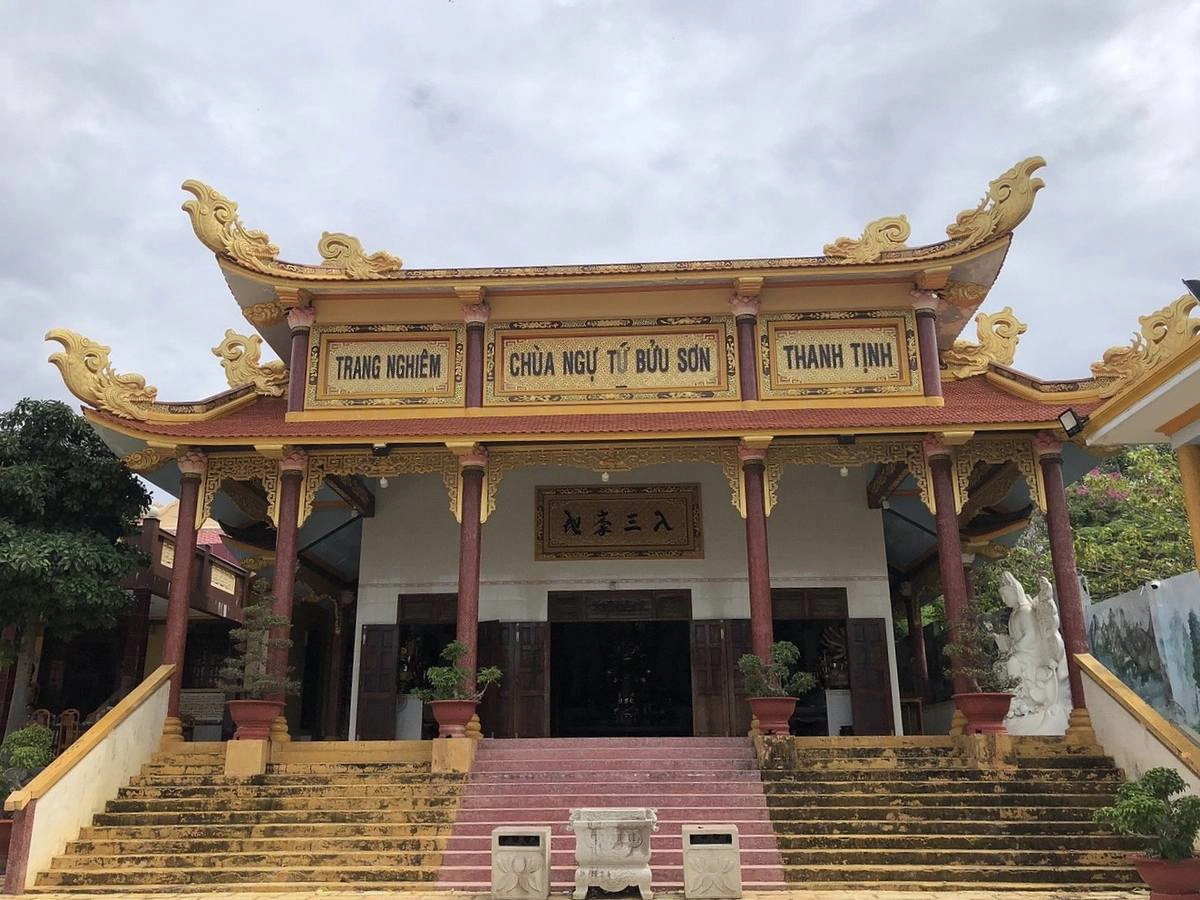
Buu Son Pagoda on Ngoc Lam Hill - Source: TripAdvisor
1.4. Linh Son Truong Tho Pagoda on Ta Cu Mountain
Located on the southern slope of Ta Cu Mountain, Linh Son Truong Tho Pagoda is part of a well-known Buddhist pilgrimage complex.
Its history is closely connected to Buddhist monk Tran Huu Duc, who traveled to Ta Cu Mountain in 1872 to find a secluded place for religious practice. With help from local residents, a small hermitage was established and gradually developed into the temple complex seen today.
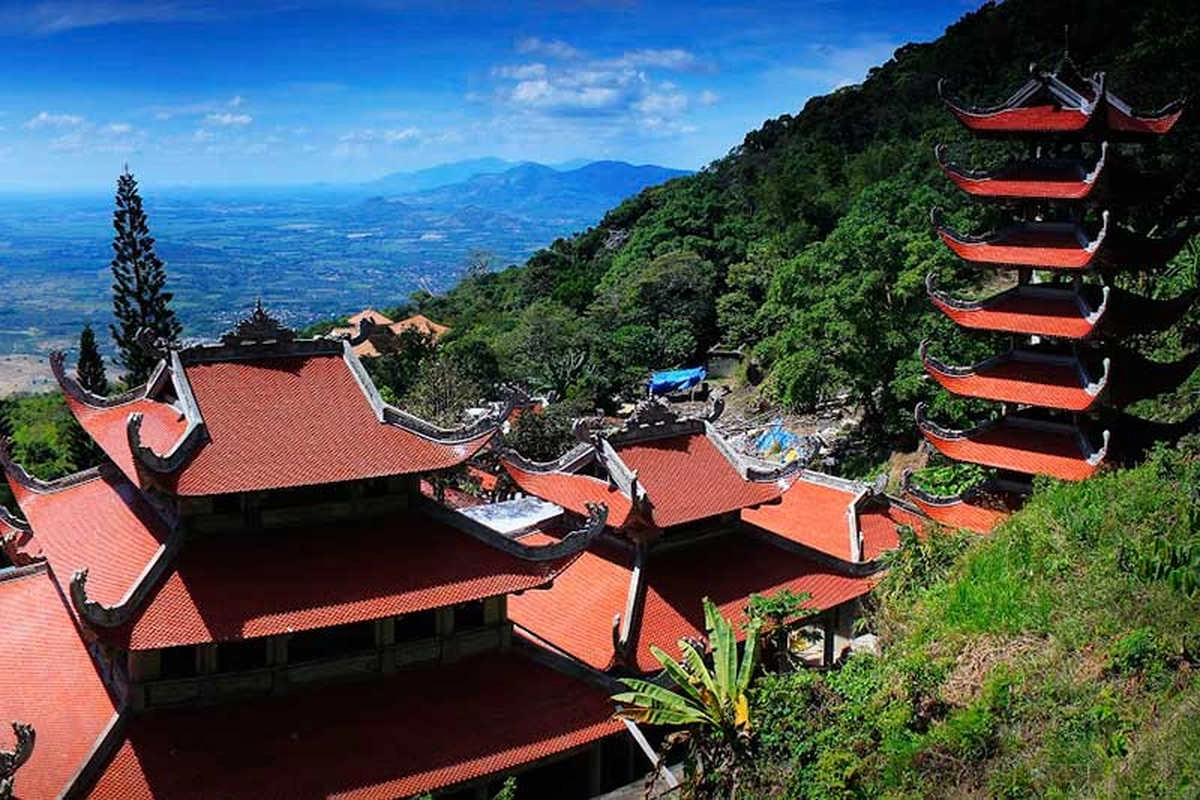
The pagoda complex on Ta Cu Mountain - Source: Gody
The complex's most recognizable landmark is its reclining Buddha statue, built in 1962. Representing Shakyamuni Buddha entering Nirvana, the statue measures approximately 49 meters long and 7 meters high.
Visitors can reach the pagoda by cable car or on foot. The forested mountain surroundings make this destination quite different from the temples closer to the coast.
2. How to Visit Pagodas in Phan Thiet and Mui Ne
Since the four pagodas are spread across different areas, grouping them by location is the most practical way to plan your visit.
2.1. Visiting Pagodas in Central Phan Thiet
Phat Quang Pagoda and Buu Son Pagoda are convenient choices for a half-day sightseeing trip.
Phat Quang is located on Tran Quang Khai Street, while Buu Son sits on Ngoc Lam Hill near the Po Sah Inu Cham Towers. Both can be reached by private car, taxi, or motorbike.
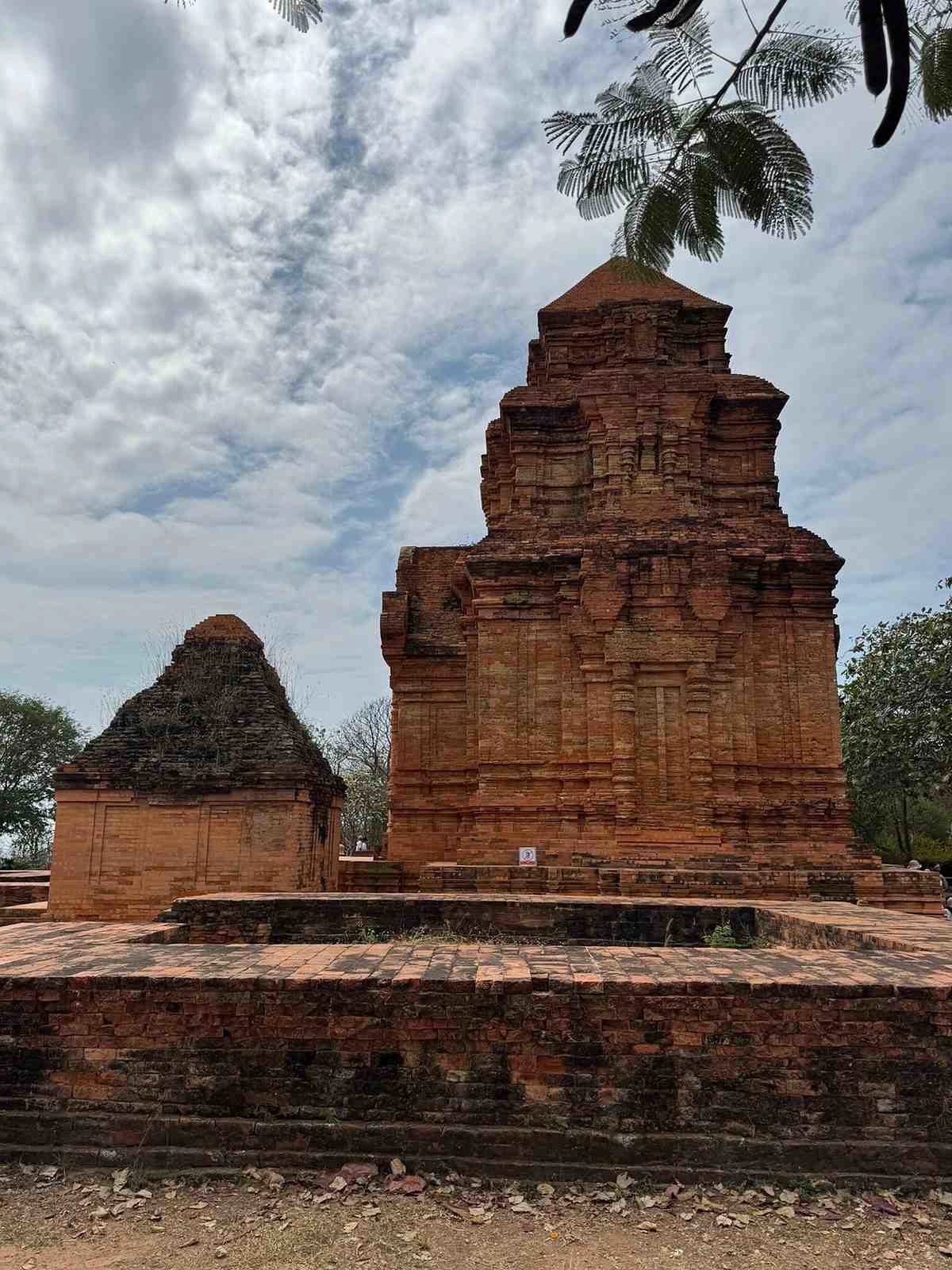
The ancient Po Sah Inu Cham Towers - Source: TripAdvisor
If you prefer to explore at a relaxed pace, combine Buu Son Pagoda with the nearby Cham towers. This gives you the opportunity to discover two different cultural landmarks without spending too much time traveling between destinations.
2.2. Reaching Pagodas in Mui Ne and Ta Cu Mountain
The two destinations outside central Phan Thiet are better planned as separate excursions.
- Linh Long Pagoda: Located in Mui Ne, approximately 22 kilometers from central Phan Thiet. Visitors can travel there by motorbike, taxi, or private car.
- Linh Son Truong Tho Pagoda: Located on Ta Cu Mountain, approximately 30 kilometers southeast of the city. After reaching the mountain area by road, visitors can continue by cable car or hike toward the pagoda.
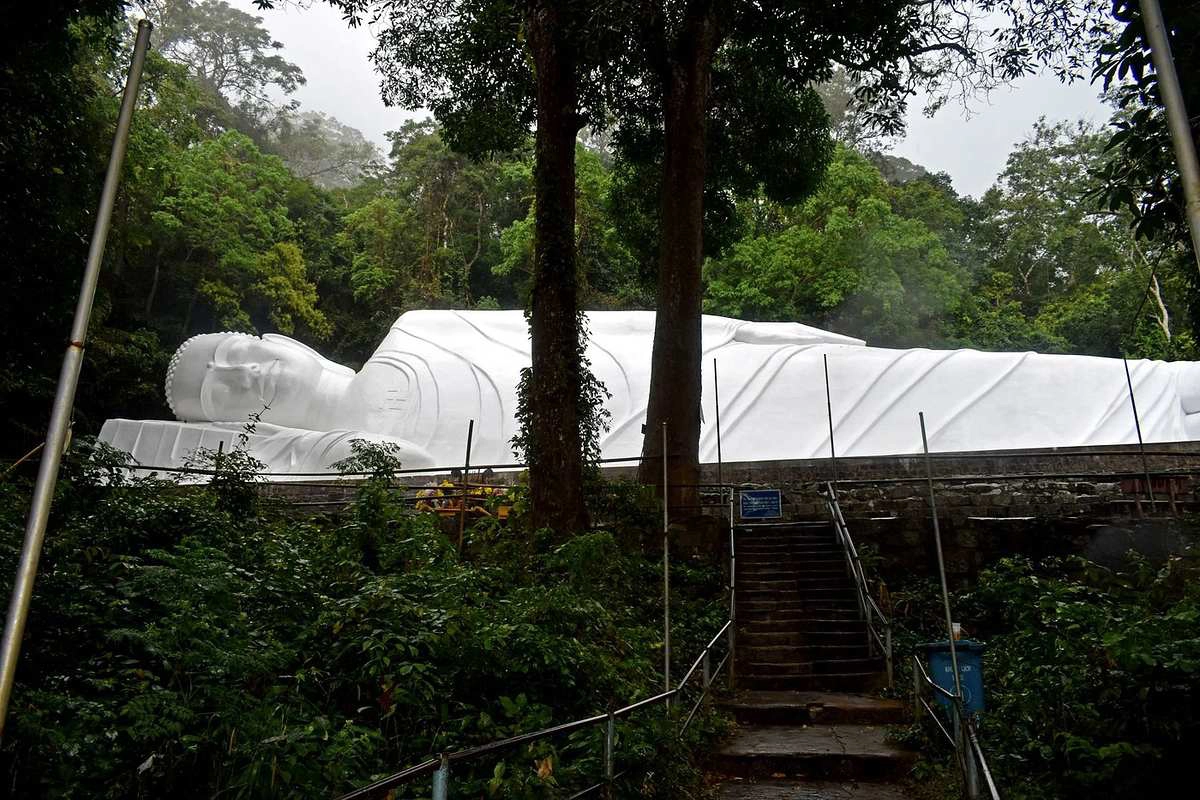
The reclining Buddha statue at Ta Cu Mountain - Source: TripAdvisor
For travelers arriving from Ho Chi Minh City, arranging transportation in advance can make the journey more convenient. One option is Joytime's limousine transfer from Ho Chi Minh City to Phan Thiet and Mui Ne.
2.3. Planning a Half-Day or Full-Day Temple Visit
Your available time will determine which pagodas are easiest to combine:
- Half-day cultural trip: Visit Phat Quang Pagoda and Buu Son Pagoda, then explore the nearby Po Sah Inu Cham Towers.
- Full-day excursion: Choose Linh Long Pagoda in Mui Ne or Linh Son Truong Tho Pagoda on Ta Cu Mountain. Allow additional time for transportation and exploring the surrounding area.
If visiting all four pagodas is a priority, divide them into two outings rather than trying to cover every destination in one day. Ta Cu Mountain, in particular, deserves extra time because of the journey through the mountain complex.
For a broader overview of beaches, attractions, and coastal activities, read Joytime's Phan Thiet Travel: Best Beaches, Attractions & Coastal Experiences.
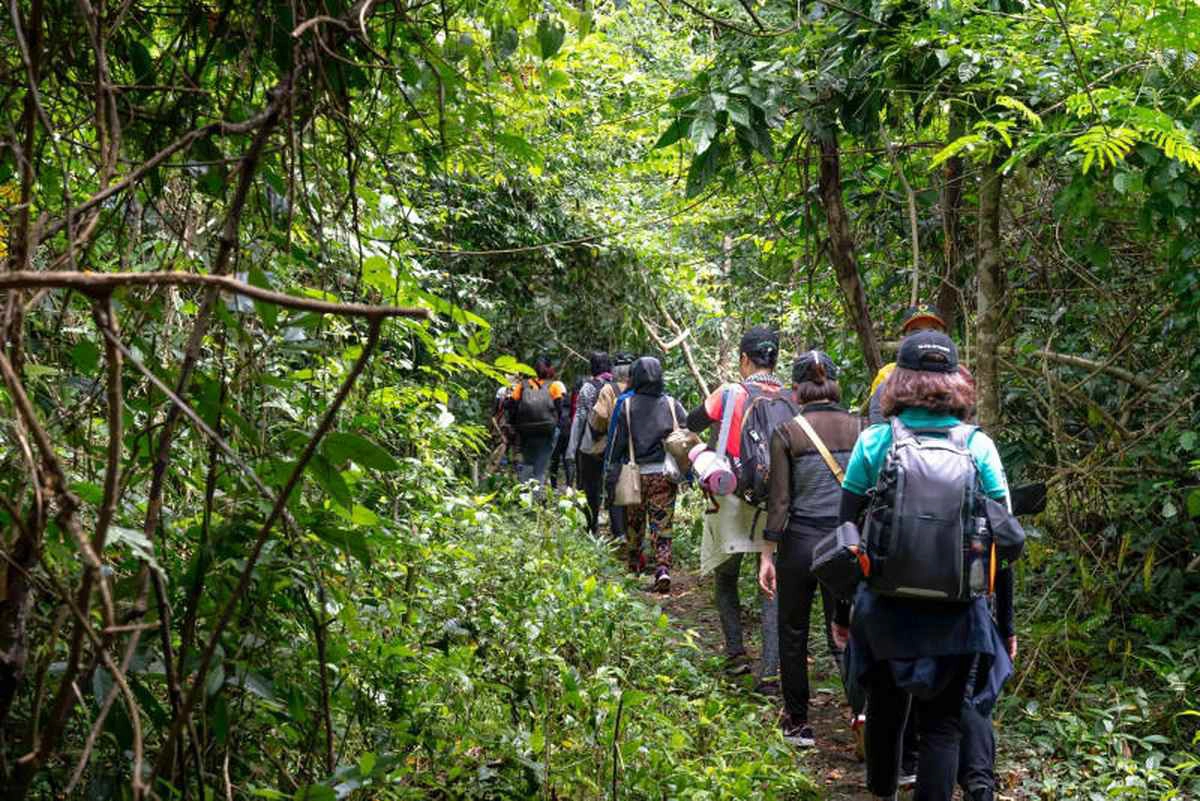
A forest hiking trail on Ta Cu Mountain - Source: TripAdvisor
3. What to Know Before Visiting Buddhist Pagodas in Phan Thiet
Pagodas are active religious spaces, not simply sightseeing attractions. A few simple preparations will help make your visit comfortable while respecting local traditions.
Explore more local attractions and suggested itineraries in our Phan Thiet travel guide.
3.1. Appropriate Clothing for Visiting Buddhist Temples
Modest clothing is recommended when visiting Buddhist temples in Vietnam. Choose outfits that cover your shoulders and knees, particularly when entering prayer halls.
Swimwear, very short shorts, and revealing tops are best avoided, even if you are visiting directly from a beach or resort.
Comfortable footwear is also important at hillside temples and Ta Cu Mountain, where you may need to walk on stairs and uneven paths. Some prayer halls require visitors to remove their shoes bef
3.2. Temple Etiquette and Respectful Behavior
Respectful behavior is important when visiting Buddhist pagodas in Vietnam, particularly during prayer times and religious ceremonies. Visitors should observe the temple's customs and avoid disturbing worshippers.
A few simple practices can help you show respect:
- Keep your voice low and switch your phone to silent mode.
- Avoid touching Buddha statues, altars, or religious objects.
- Do not interrupt people who are praying or making offerings.
- Follow instructions about where visitors can walk or enter.
- Avoid pointing your feet toward Buddha statues when sitting.
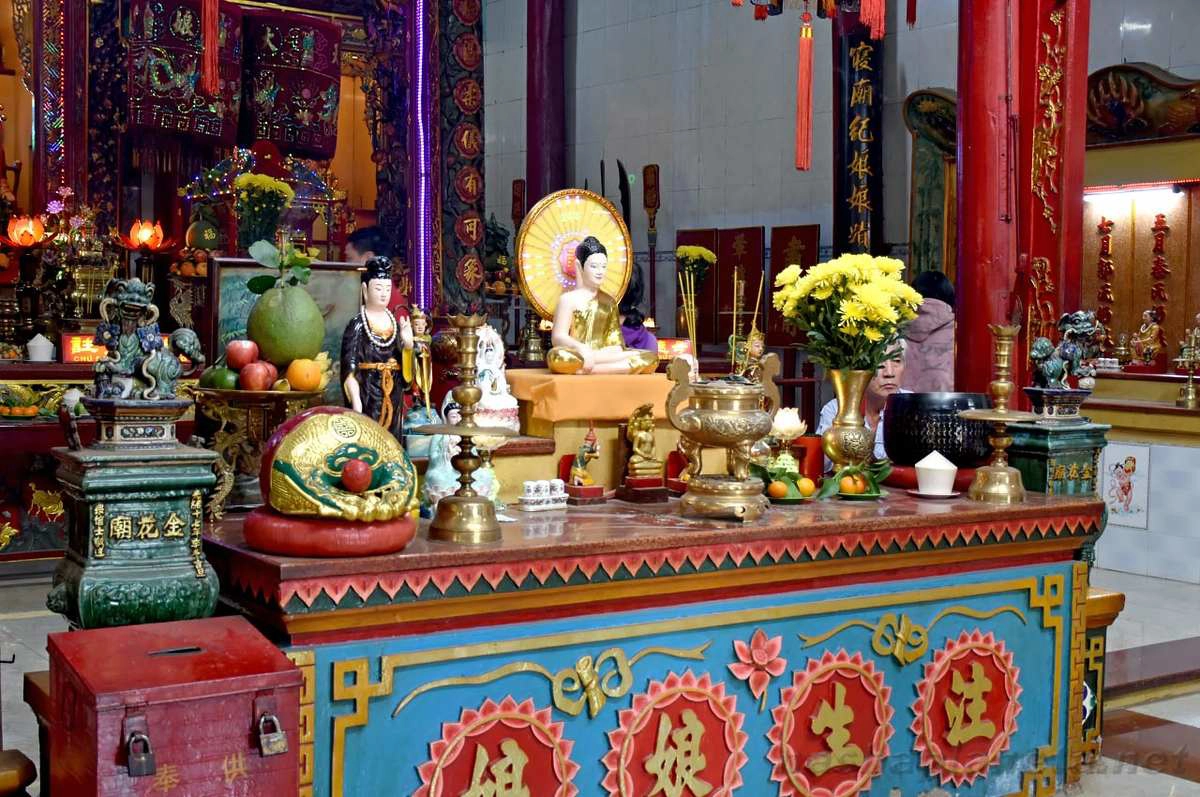
Guan Yu Temple (Quan De Temple) - Source: NashaPlaneta
3.3. Photography and Other Visitor Considerations
Photography is often permitted in outdoor areas and temple courtyards, although restrictions may apply inside prayer halls.
Before taking pictures, check for signs and avoid using flash near religious objects. If you want to photograph monks, nuns, or local worshippers, ask for permission first.
For longer visits, especially at Ta Cu Mountain, bring drinking water, sun protection, and comfortable walking shoes.
4. Frequently Asked Questions About Phan Thiet Pagodas
4.1. Are Phan Thiet Pagodas Open to International Visitors?
Yes, international visitors are generally welcome at Buddhist pagodas in Phan Thiet, regardless of their religious background. You can explore the temple grounds and learn about local Buddhist architecture, history, and traditions.
However, access to certain areas may be restricted during worship or religious activities. Check posted signs before entering and follow any specific instructions from temple staff.
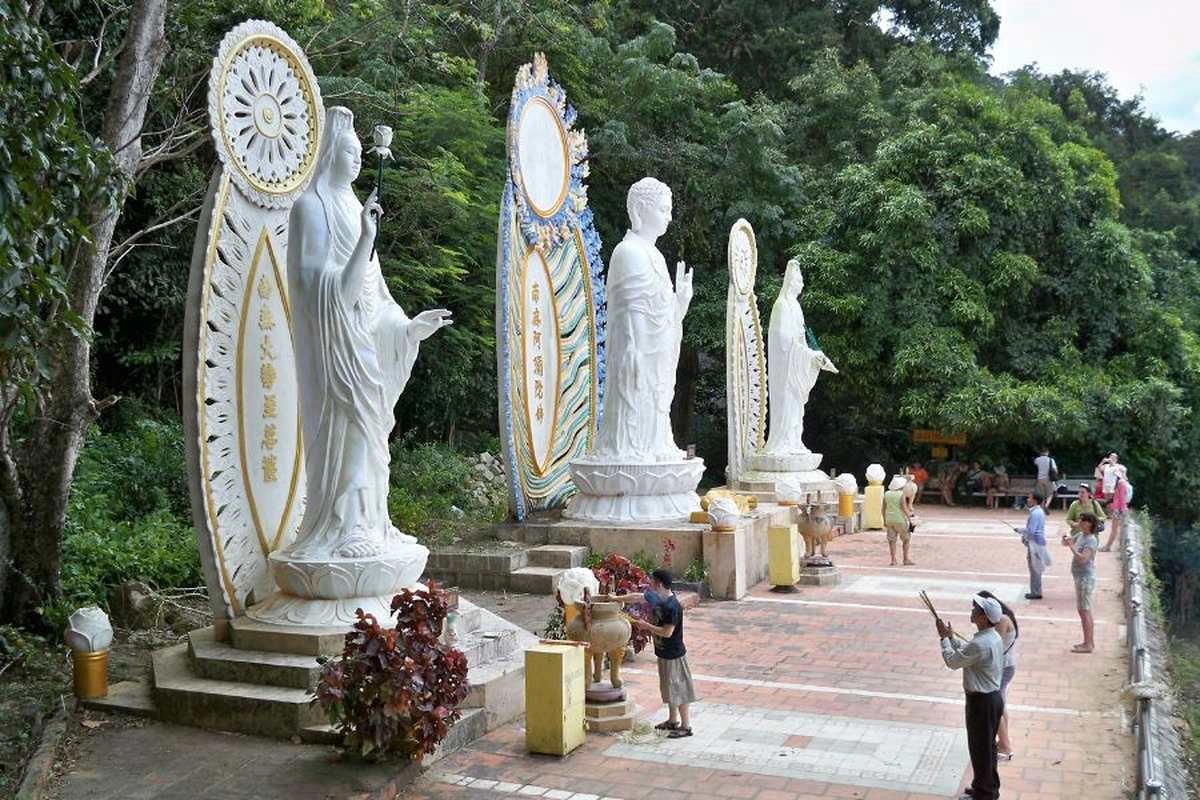
White Buddhist statues at Ta Cu Mountain - Source: Mui Ne Travel
4.2. Is There an Entrance Fee to Visit Pagodas in Phan Thiet?
There is no single entrance-fee policy covering all four pagodas. Some temples may not charge a standard admission fee, while tourist-managed destinations such as Ta Cu Mountain may have separate entrance or cable car charges.
For the most accurate information, check with the individual site or tourism operator before your visit, as ticket prices and arrangements may change
4.3. What Is the Best Time to Visit Pagodas in Phan Thiet?
Early morning is generally the most comfortable time to visit. Temperatures are usually cooler, the surroundings are quieter, and visitors have more time to explore.
For Ta Cu Mountain, arriving early is particularly useful because the journey involves additional travel and walking within the mountain complex.
If you visit during Buddhist holidays or local temple ceremonies, you may experience a more active religious atmosphere, although these occasions can attract larger crowds.
Exploring the pagodas in Phan Thiet offers a meaningful way to discover the region beyond its beaches, from historic Buddhist heritage to mountain pilgrimage sites. To add more coastal experiences to your itinerary, explore Joytime's Phan Thiet Jeep day tour and plan another side of your journey.
|
Joytime Travel Agency - Travel JOY, TIMEless Vietnam Safe, Seamless, Satisfying, Sustainable Follow us for travel tips, local insights, and exclusive offers:
|
Danish Nguyen
Danish Nguyen is a renowned travel blogger in Vietnam with over 5 years of experience sharing unique travel experiences. With a passion for exploring new places, Danish captures incredible moments and provides readers with valuable tips to discover the beauty of his homeland.