









Tour Sapa Fansipan: Ultimate Guide to Conquering the Roof of Indochina
The main content of the article
- 1. Sapa to Fansipan Distance
- 2. How to Visit Fansipan from Sapa
- 3. Choose a Hassle-Free Fansipan Experience
- 4. Best Time for a Tour Sapa Fansipan
- 5. What to do in Fansipan Sapa
- 6. How to Book a Tour Sapa Fansipan
- 7. What to Pack for a Sapa Fansipan Tour
- 8. Tips When Taking a Tour Sapa Fansipan
- 9. Final Thoughts
Rising 3,143 metres above sea level, Fansipan is more than just a mountain but the highest point in Vietnam, Laos, and Cambodia, often called the “Roof of Indochina.” Today, improved infrastructure allows visitors to reach the summit more easily, while still preserving the sense of accomplishment that comes with standing at the top.
A Sapa Fansipan tour makes this iconic peak accessible to almost any traveler, whether you choose a quick cable car ride or take on a challenging multi-day trek. In this guide, you’ll find everything you need to plan your Fansipan journey.
1. Sapa to Fansipan Distance
Sapa to Fansipan Distance
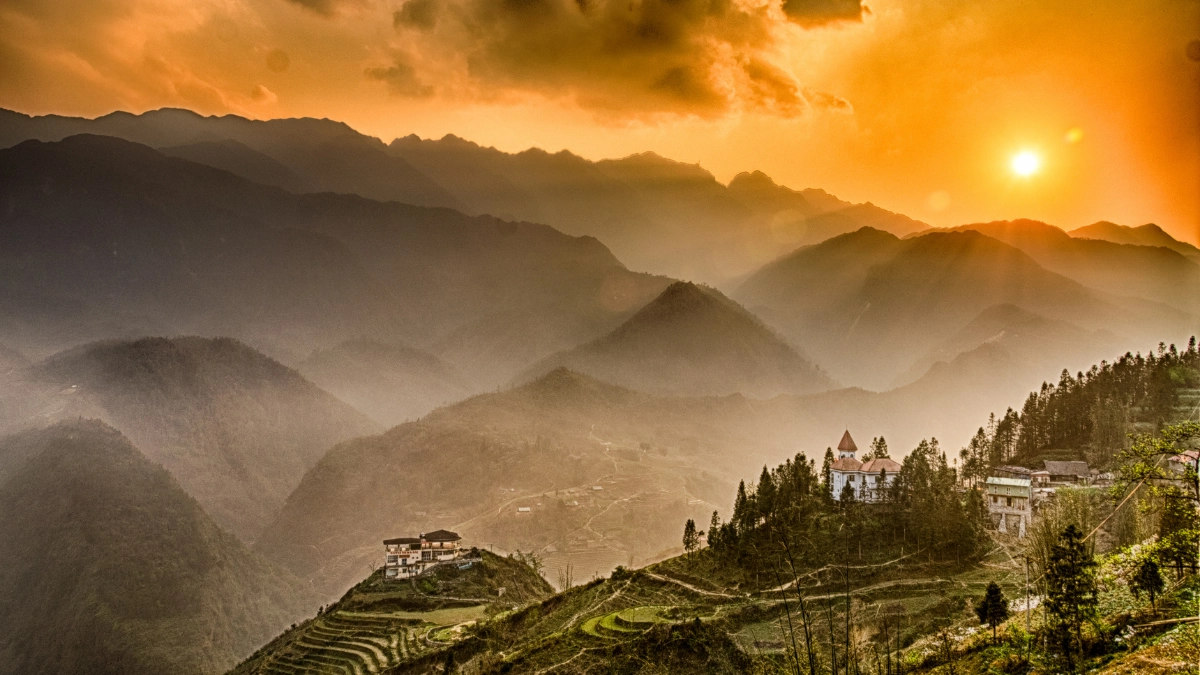
One of the most frequently asked questions is simply: how far is it from Sapa to Fansipan? The answer depends on your chosen route. The town of Sapa sits roughly 9 kilometres from the Fansipan cable car station in Mường Hoa Valley, while the mountain summit towers approximately 1,400 metres above Sapa town itself.
|
Route |
Distance |
Duration |
Difficulty |
|
Sapa Town to Cable Car Station |
~9 km (taxi/bus) |
20–25 min |
Easy |
|
Cable Car (3 stages) |
6.2 km (aerial) |
~20 min |
Easy |
|
Cable car station to Summit |
~600 steps |
20–30 min walk |
Easy |
|
Trekking Route (from Trạm Tôn) |
~19 km round trip |
2–3 days |
Challenging |
|
Short Trek Route (via cable car base) |
~7 km one way |
5–7 hours |
Moderate |
2. How to Visit Fansipan from Sapa

How to Visit Fansipan from Sapa
There are three main ways to experience Fansipan on a tour from Sapa. Each offers a completely different adventure from a relaxed day trip to a full multi-day wilderness expedition. Here's an honest breakdown of each option to help you decide.
2.1 Fansipan Cable Car Tour
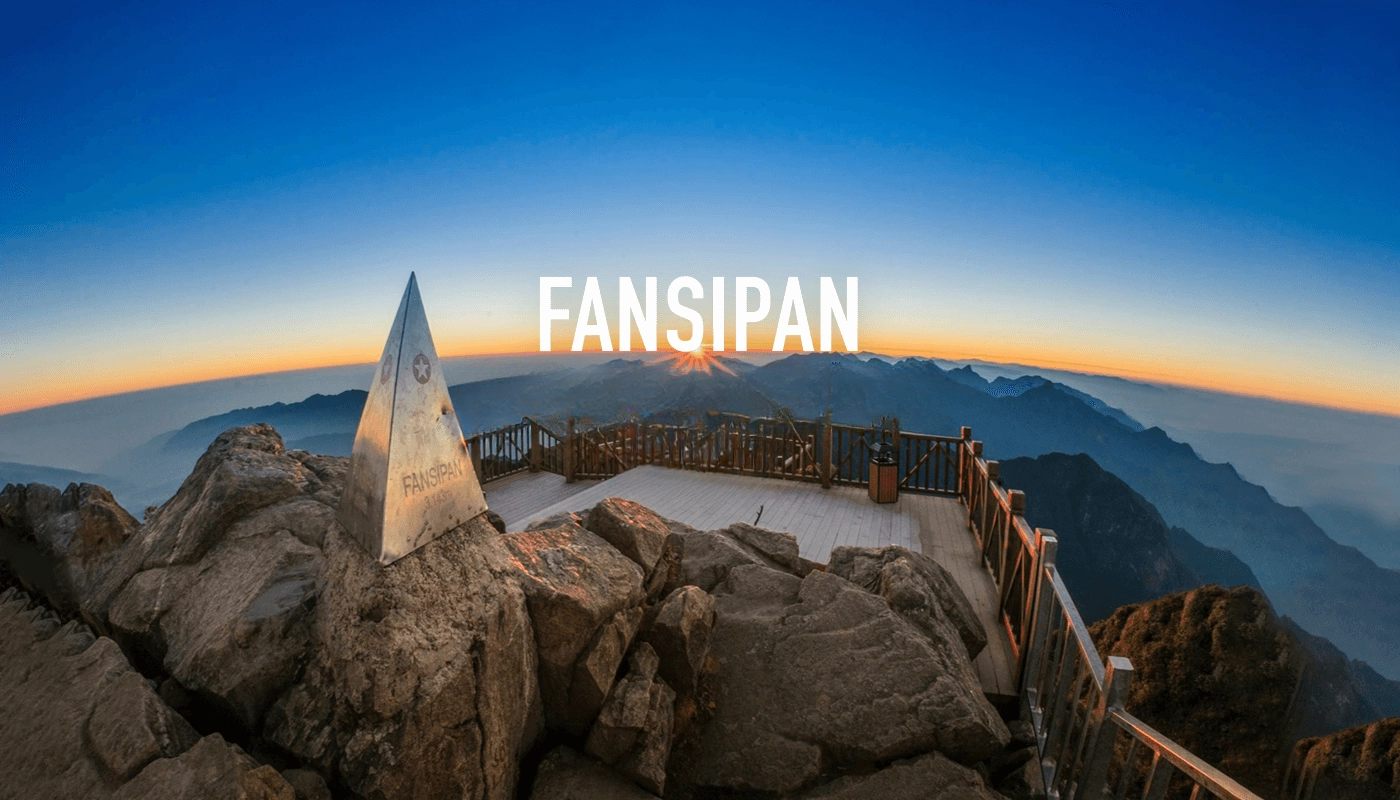
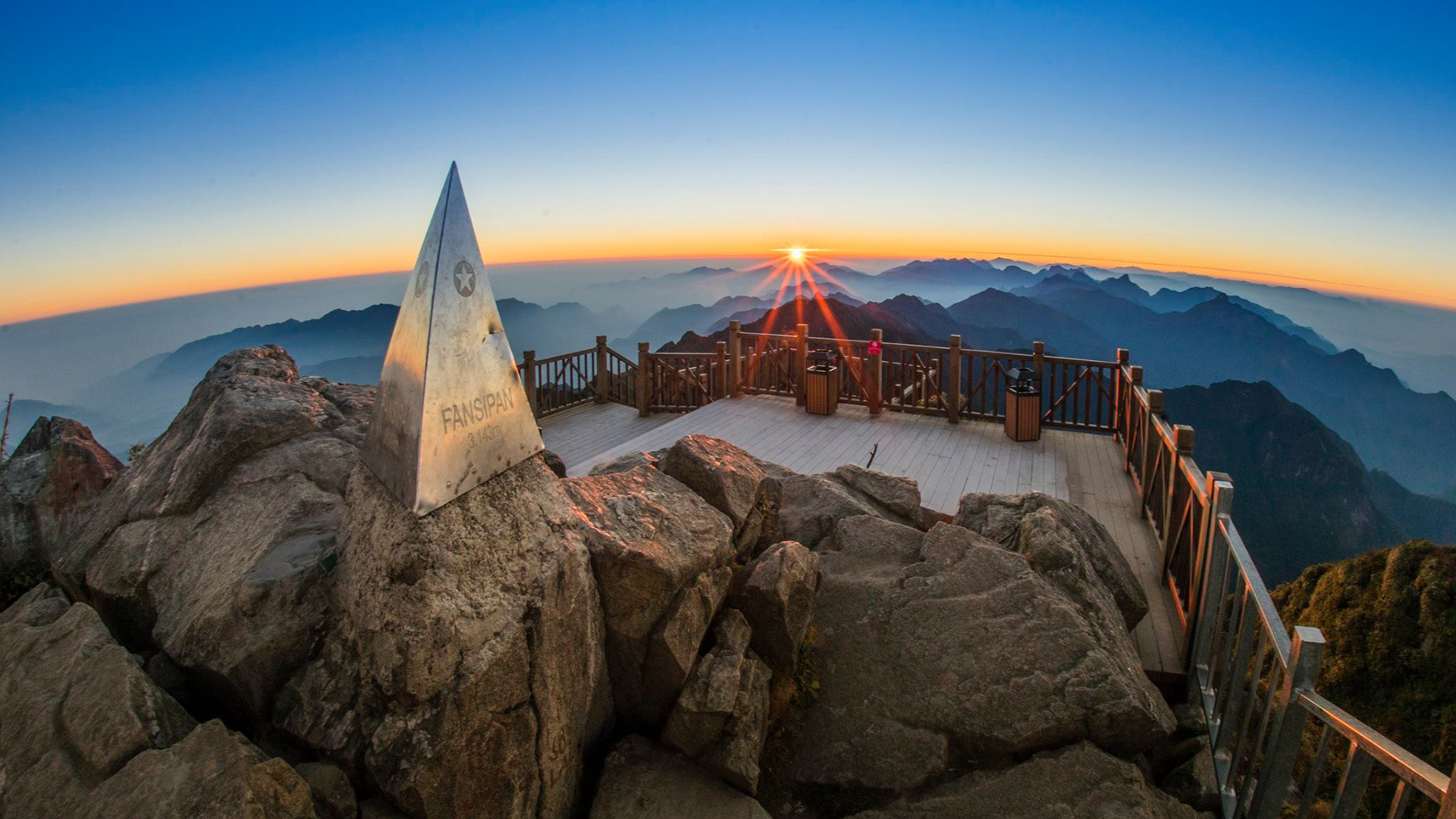
The Fansipan cable car is part of the Sun World Fansipan Legend complex and also the most popular as well as convenient way to reach the summit. Operated by Sun Group, it holds a Guinness record for the world’s longest non-stop three-rope cable car (6,292 meters). The ride takes about 20 minutes and lifts you from Mường Hoa Valley (1,410m) to near the summit (3,143m), offering panoramic views of the Hoàng Liên Son range.
Tour Cost & Duration: This tour is designed as a full-day experience that combines transportation and sightseeing in one trip.
-
Cost: ~700,000 – 850,000 VND
-
Duration: 1 day
-
Cable distance: 6.2 km
-
Cable stages: 3 segments
Cable Car Route Details: The journey is divided into multiple stages, making the ascent smooth and accessible for most travelers:
-
Stage 1: Valley station (1,410m) → mid-station (2,175m) (~15 minutes)
-
Stage 2 & 3: Mid-station → summit station (~3,000m)
-
Final step: ~600 steps to reach the true peak (3,143m)
-
Optional funicular: ~150,000 VND (avoids the stairs)
-
Operating hours: ~7:30 AM – 5:30 PM daily
-
Tickets: ~700,000 VND (adults), ~500,000 VND (children)
Tips
-
Book tickets in advance during peak seasons (September–November, March–May)
-
Expect queues of 1–2 hours on weekends and holidays
Suggested 1-Day Itinerary (Cable Car Tour): This sample itinerary outlines a smooth full-day plan for visiting the summit of the Fansipan by cable car.
-
07:00: Depart Sapa town by taxi/shuttle
-
08:00: Board cable car and enjoy the ascent
-
08:30: Arrive at summit station and climb ~600 steps to the peak
-
09:00: Explore summit area (Buddha statue, pagodas, bell tower)
-
10:30: Visit Sun World Fansipan Legend complex
-
12:30: Lunch at summit restaurants (local Hmong dishes)
-
14:00: Return cable car down; optional stop in Sapa town
-
15:30: Back to hotel or accommodation
2.2 Trekking Tour To Fansipan
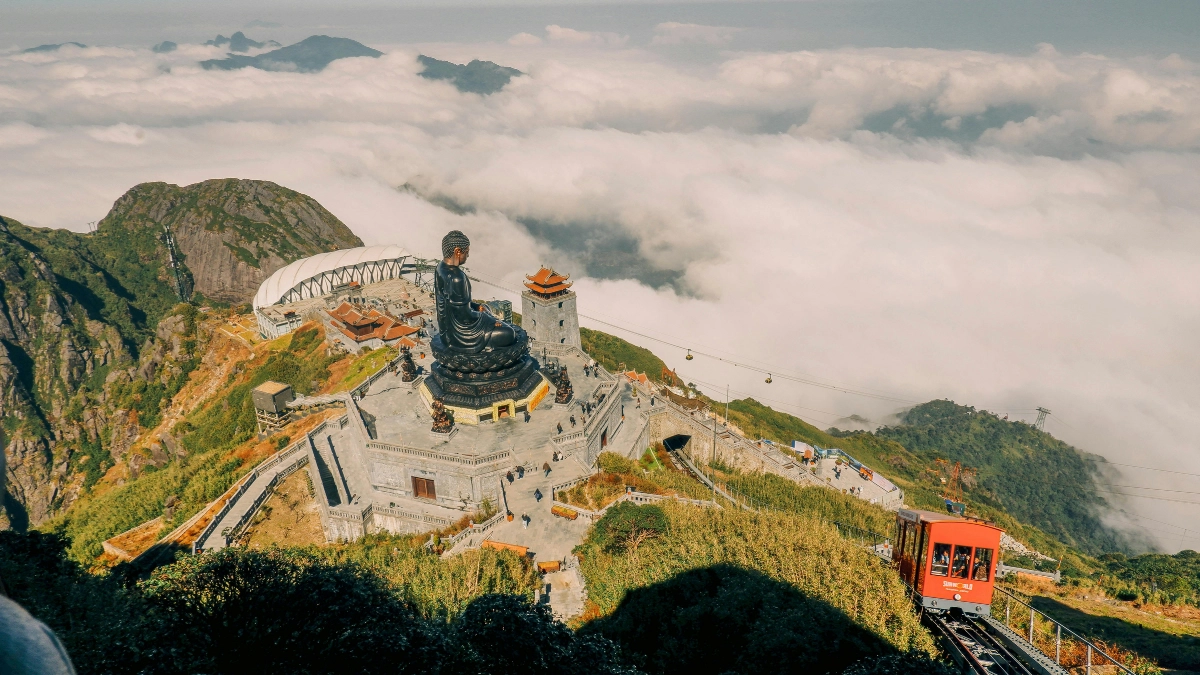
Trekking Tour To Fansipan
The trekking route to Fansipan is a classic adventure for those seeking a more immersive and challenging experience. This multi-day journey takes you through cloud forests, bamboo groves, and alpine landscapes, with overnight stays in basic mountain camps before reaching the summit.
Tour Cost & Duration: This trekking option is best suited for those who want a guided, multi-day mountain adventure.
-
Cost: ~$50–$120 USD per person
-
Duration: 3 days
-
Distance: ~19 km (round trip)
-
Difficulty: Hard
Trekking Details: The route begins at a higher elevation and involves continuous climbing through varied terrain, requiring preparation and guidance.
-
Starting point: Tram Ton Pass (~1,900m), about 14 km from Sapa town
-
Total elevation gain: ~1,200 meters
-
Trail conditions: Steep, rocky, and slippery during wet season
-
Permit required: Yes (~150,000 VND per person)
-
Guide: Mandatory (licensed local guide required)
-
Group size: Typically 2–10 people (private options available)
What’s Included in a Typical Package: Most trekking tours provide essential services and equipment to support the journey.
-
Licensed trekking guide
-
Trekking permits
-
Camping equipment
-
Meals during the trek
-
Transportation to/from Sapa
3-Day Trek Itinerary: A standard itinerary spreads the ascent and descent across three days for a balanced pace and acclimatization.
-
Day 1: Sapa → Tram Ton Pass → trek ~9 km (7–8 hours) → camp at ~2,200m through cloud forest
-
Day 2: Camp → summit (3,143m) → descend to ~2,800m → trek ~6–7 hours → enjoy sunrise at the peak
-
Day 3: Descend via an alternate route → return to Sapa (5–6 hours trekking)
Notes
-
Budget packages start around $50 USD, while higher-end tours with private guides and better gear cost $100–$120 USD
-
Trekking poles and proper gear are highly recommended, especially in wet conditions
2.3 Combine Cable & Trekking
This hybrid option to reach Fansipan is ideal for travelers who want a genuine trekking experience without committing to a full 3-day hike. You’ll trek through forested trails on one leg of the journey and take the cable car on the other, balancing adventure with convenience.
Tour Cost & Duration: This option is designed for travelers seeking a shorter but still immersive mountain experience.
-
Cost: ~$40–$80 USD per person
-
Duration: 2 days
-
Trek distance: ~7 km (one way)
-
Difficulty: Moderate
What to Expect: The itinerary blends guided trekking with a cable car descent to reduce physical strain while maintaining the full experience.
-
Trek one direction (usually uphill) with a local guide
-
Take the cable car for the return journey
-
Experience both the natural trail and panoramic aerial views
-
Less physically demanding than a full trek, but still immersive
2-Day Combo Itinerary: A typical itinerary allows you to summit Fansipan while pacing the journey comfortably over two days.
-
Day 1 (Morning): Depart Sapa → transfer to Tram Ton Pass → begin guided trek through forest
-
Day 1 (Afternoon): Arrive at camp (~2,600m) → rest, dinner, overnight stay
-
Day 2 (Early Morning): Final ascent to summit → reach peak at 3,143m for sunrise (weather permitting)
-
Day 2 (Mid-Morning): Explore summit area (pagodas, Buddha statue, viewpoints)
-
Day 2 (Afternoon): Descend via cable car → visit Fansipan Legend complex
-
Day 2 (Evening): Return to Sapa town for dinner and overnight stay
3. Choose a Hassle-Free Fansipan Experience
Choose a Hassle-Free Fansipan Experience
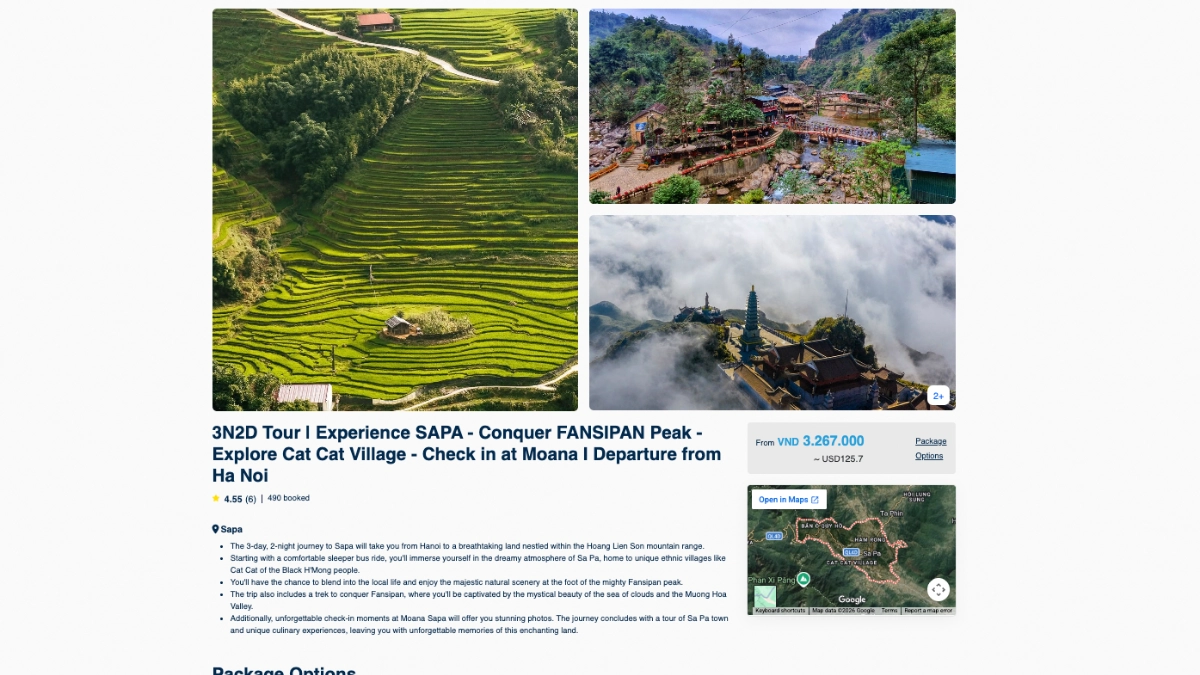
Planning a trip to Sapa and conquering Fansipan is exciting, but it involves many steps: transport from Hanoi, hotels, sightseeing, cable car tickets, and local guides. Managing everything on your own with the tight itineraries above can feel overwhelming, especially for first-time visitors.
That’s exactly why many travelers prefer a structured tour package that takes care of all the details for them. One excellent option is Joytime's 3-day, 2-night Sapa FANSIPAN Peak adventure that includes everything from transport to sightseeing, cultural experiences, and FANSIPAN exploration. This type of package is ideal if you want:
-
A pre-arranged itinerary
-
No need to coordinate multiple bookings
-
Local guidance and smoother travel experience
-
Time-saving planning
.jpg)
4. Best Time for a Tour Sapa Fansipan
Weather is everything on Fansipan. The mountain creates its own micro-climate, and conditions at 3,143m can differ dramatically from what you experience in Sapa town below. Choosing the right time to visit directly impacts visibility, trail safety, and overall enjoyment.
Seasonal Guide
-
Spring (March – May) – Best
Mild temperatures, clear skies, and blooming flowers around Sapa. Ideal for both cable car rides and trekking. -
Autumn (September – November) – Best
Golden rice terraces and some of the clearest summit views. Peak season for photography and travel. -
Winter (December – February) – Good
Cold with possible frost or snow at higher elevations. A cable car remains a good option, while trekking requires proper gear. -
Summer (June – August) – Avoid
Monsoon rains, fog, and potential landslides make trekking unsafe. Cable car operations may be affected by weather conditions.
Tips: The summit is often cloud-covered by midday and it’s essential to reach before 10:00 AM for the best views. Temperatures range from 5–12°C in spring and autumn and can drop near freezing in winter, so bring a warm layer year-round.
5. What to do in Fansipan Sapa
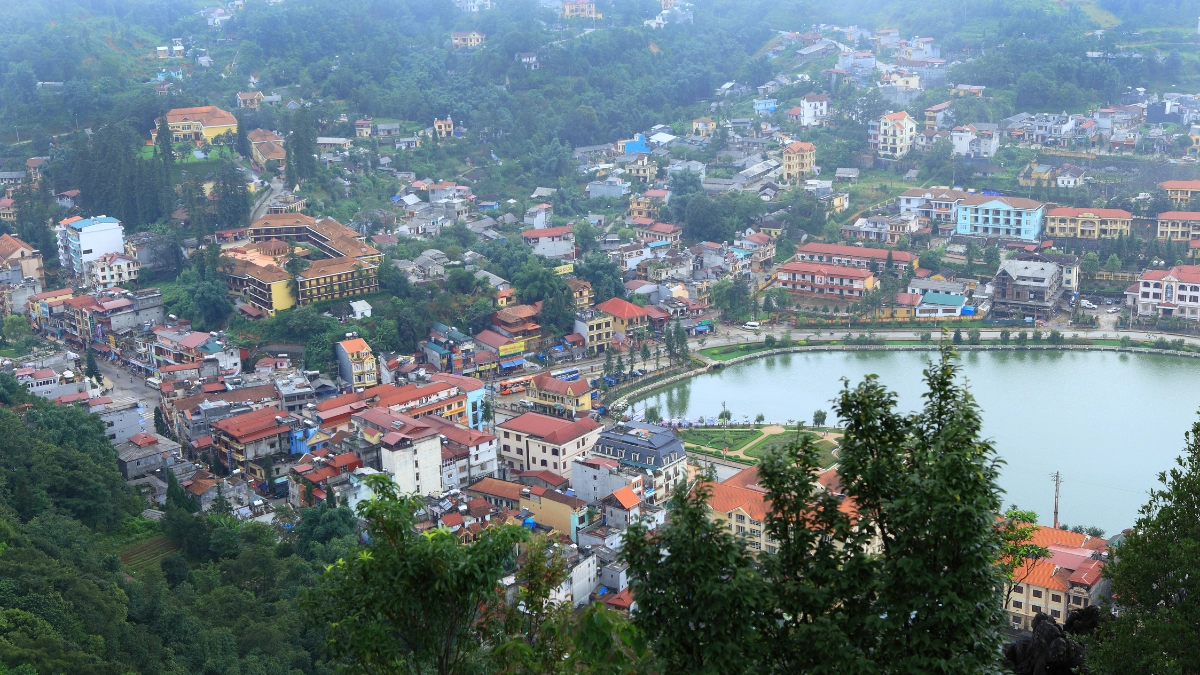
What to do in Fansipan Sapa
Reaching the summit is only the beginning. The Fansipan experience has grown into a rich cultural and spiritual destination with activities that reward travellers who take their time to explore.
5.1 Take Photos in Traditional Ethnic Costumes
Reaching the summit is only the beginning. The Fansipan experience has grown into a rich cultural and spiritual destination with activities that reward travellers who take their time to explore. Here are the top things to do during your tour Sapa Fansipan.
5.2 Explore the Sun World Fansipan Legend Complex
This expansive spiritual and cultural complex spans multiple levels of the mountain. Key highlights include the 21.5-metre Great Amitabha Buddha statue (one of Vietnam's largest), the Bích Vân Thiền Tự pagoda, the Linh Quy Pháp Ấn temple, and a 12-metre bronze bell. Budget 2–3 hours to explore it properly.
5.3 Check in at Tourist Spots in Fansipan
The summit marker stone at 3,143m is the classic photo opportunity. Beyond the peak, popular check-in spots include the Cloud Gate (a transparent observation platform), the Heaven's Gate stone arch, and the series of red torii-style gates leading to the summit temples. Arrive early for crowd-free shots.
5.4 Enjoy Local Cuisine in Fansipan
Several restaurants and food stalls operate within the Fansipan Legend complex. Try thắng cố (a traditional Hmong horse meat soup), black sesame sticky rice wrapped in banana leaf, and locally grown mountain herbs. For trekkers, meals at the mountain huts are simple but satisfying with rice, vegetables, and grilled meats cooked over wood fires.
6. How to Book a Tour Sapa Fansipan
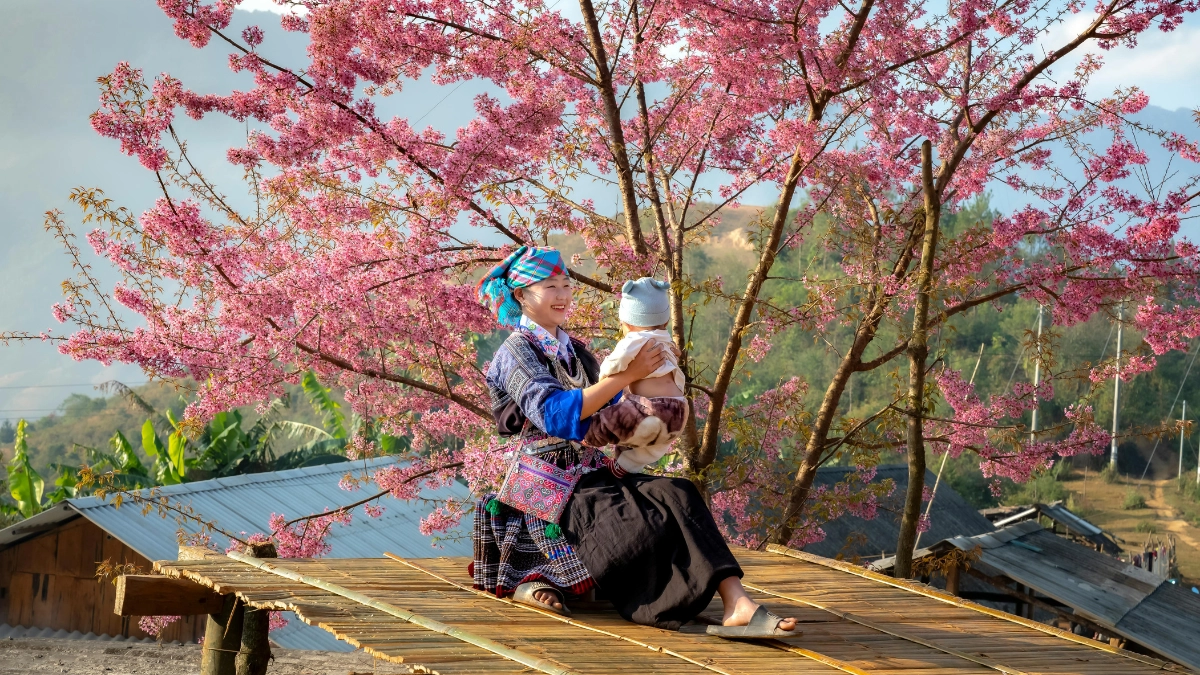
How to Book a Tour Sapa Fansipan
There are several reliable ways to organise your Fansipan tour package, each with different trade-offs in terms of cost, flexibility, and support.
-
Book directly through Sun World: For the cable car tour, you can purchase tickets directly at the station or via Sun World's official website. This is the simplest option for a 1-day cable car trip. Online booking often offers slight discounts and skips the ticket queue.
-
Book through a local tour operator in Sapa: Sapa's main street (Cầu Mây street) and the central market area are lined with reputable tour agencies offering complete Fansipan tour packages. These operators bundle transport, guide fees, permits, and sometimes cable car tickets into one price. This is recommended for trekking tours where having a vetted, English-speaking guide matters significantly.
-
Book through your hotel: Most hotels and guesthouses in Sapa can arrange Fansipan tours, often at competitive rates. Your hotel is also a good source of up-to-date advice on current trail conditions and weather forecasts.
-
Book online in advance: International booking platforms like Joytime, GetYourGuide, Viator, and Klook list a range of Sapa Fansipan tour packages with traveller reviews. These can be good for guaranteed departures if you have a fixed schedule, though prices are typically 15–25% higher than booking locally.
7. What to Pack for a Sapa Fansipan Tour
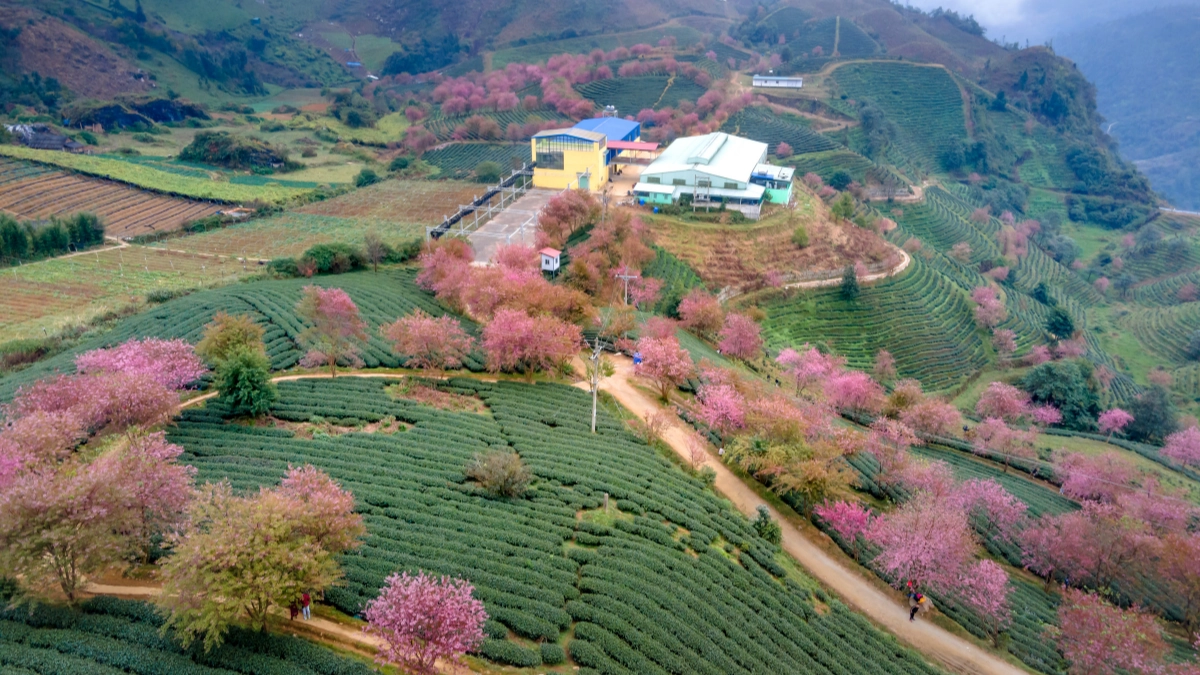
What to Pack for a Sapa Fansipan Tour
Preparing the right gear is essential for a comfortable and safe journey to Fansipan from Sapa. The weather can change quickly at high altitude, so packing smart will help you stay warm, dry, and ready for both trekking and cable car options.
7.1 Clothing
Bring layered clothing so you can adjust to changing temperatures throughout the day. A warm mid-layer like fleece or down is essential, along with a windproof outer jacket to protect against strong mountain winds. Choose long trekking pants, comfortable walking shoes or waterproof boots with thick socks, and consider thermal gloves, a beanie, and a rain poncho for colder or wet conditions.
7.2 Gear & Accessories
Carry practical items such as trekking poles (especially for steep or slippery paths), a 20–30L daypack, and a headlamp with spare batteries. Don’t forget sun protection like SPF 50+ sunscreen and UV sunglasses. Bring a reusable water bottle, light snacks, and a small first aid kit for basic needs.
7.3 Documents & Essentials
Keep your passport or ID, cash in Vietnamese Dong, and travel insurance details handy. Download offline maps in advance and bring a power bank. Trek permits are usually arranged by your guide, so confirm this before your trip.
8. Tips When Taking a Tour Sapa Fansipan
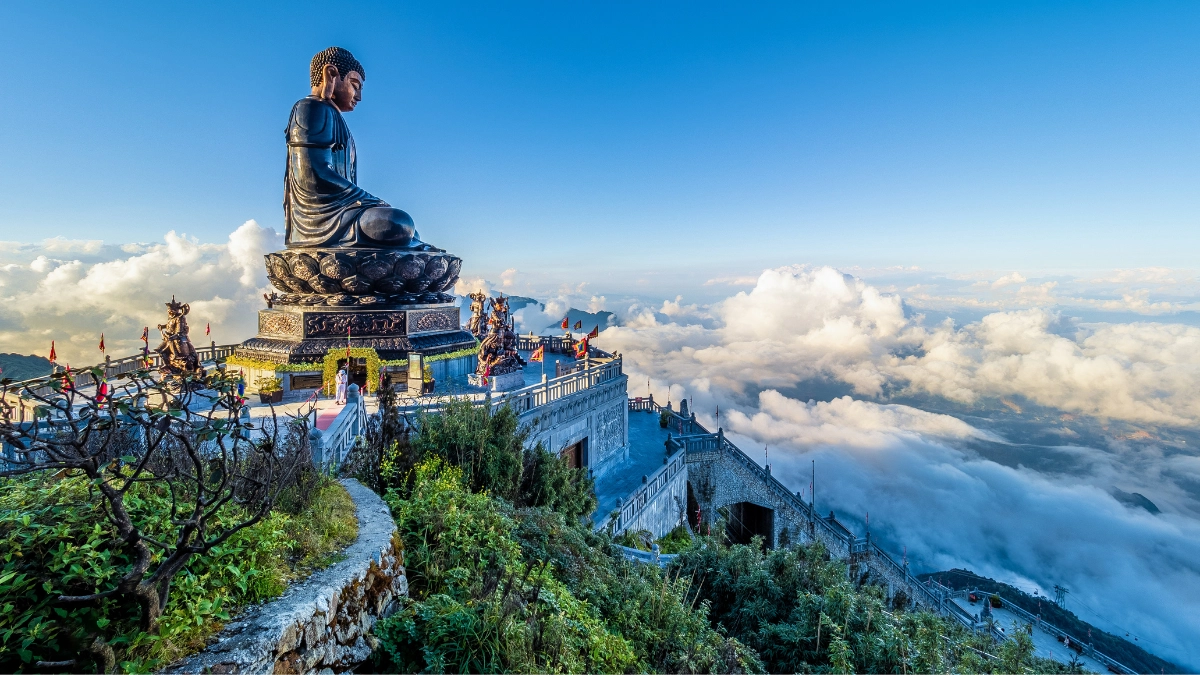
Tips When Taking a Tour Sapa Fansipan
8.1 Fansipan Altitude Sickness
At 3,143m, some visitors may experience mild altitude sickness, with symptoms like headache, dizziness, or fatigue. To reduce risk, ascend gradually, stay hydrated, avoid alcohol before the trip, and don’t rush to the summit. Cable car visitors are less affected but should still take it easy at the top. Descend if symptoms worsen.
8.2 Weather
Weather can change quickly from clear skies to dense clouds, especially after mid-morning. Always bring rain gear, even in good weather. Cable car operations may pause during strong winds or thunderstorms, so check updates in advance before heading out.
8.3 Mobile Signal
Mobile signal is available at the summit station and Fansipan Legend complex, but weak or nonexistent on trekking trails. Download offline maps and essential information before departure. Wi-Fi is available in cable car waiting areas.
8.4 Local Guide
A licensed local guide is required for trekking routes and highly recommended for safety and navigation. Guides also provide valuable local knowledge and help you stay on track, especially in foggy conditions.
|
Frequently Asked Questions 1. Is Fansipan in Sapa? Fansipan is located in Hoàng Liên Son National Park near Sapa. The cable car station is about 9 km from Sapa town, making it part of the wider Sapa tourism area within Sapa District. 2. How long should I spend at Fansipan? Plan 4–6 hours for a cable car visit to explore the summit, take photos, and have a meal. If including the mid-level complex, allow a full day (7–8 hours). Trekking requires at least 2–3 days. 3. Do I need a tour guide in Sapa? A guide is optional for cable car visits but required for trekking routes. Guides are also recommended for village visits to better understand local culture and ensure a smoother experience. 4. Can Fansipan be done in one day? Yes, using the cable car. Most visitors complete a round trip in a single day, typically from morning to mid-afternoon. Trekking routes require multiple days. 5. Is Fansipan a difficult hike? Yes, the trekking route is challenging with steep, rocky terrain and around 1,200m of elevation gain. Good fitness and proper gear are needed. The cable car option, by contrast, requires minimal physical effort, aside from a short stair climb near the summit. |
9. Final Thoughts
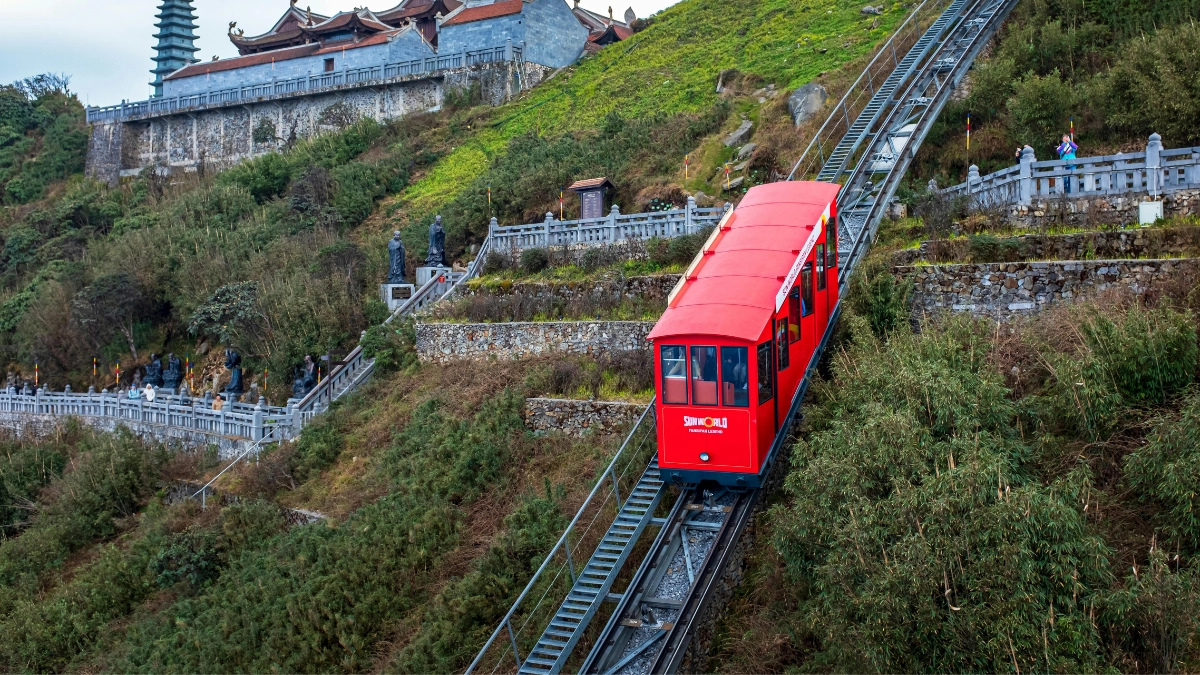
A journey to Fansipan is not only just reaching the top but also experiencing one of the most iconic landscapes in Southeast Asia. Whether you choose the convenience of the cable car, the challenge of a multi-day trek, or a combination of both, each option offers a unique way to explore this remarkable mountain near Sapa.
Take time to enjoy the views, respect the conditions, and move at a pace that suits you with detailed travel guides and practical tips at Joytime to plan your trip.
|
Joytime Travel Agency - Travel JOY, TIMEless Vietnam Safe, Seamless, Satisfying, Sustainable Follow us for travel tips, local insights, and exclusive offers:
|

Danish Nguyen
Danish Nguyen is a renowned travel blogger in Vietnam with over 5 years of experience sharing unique travel experiences. With a passion for exploring new places, Danish captures incredible moments and provides readers with valuable tips to discover the beauty of his homeland.