









Where Is Da Lat Located In Vietnam?
The main content of the article
- 1. Where Is Dalat Located in Vietnam? A Quick Answer
- 2. Why Da Lat’s Location Makes It So Different
- 3. How Far Is Da Lat from Major Cities in Vietnam?
- 4. How to Get to Da Lat from Other Parts of Vietnam
- 5. Where Does Da Lat Fit in Your Vietnam Travel Itinerary?
- 6. FAQs About Where Da Lat Is Located in Vietnam
If you are wondering where is Da Lat located in Vietnam, the answer is in Lam Dong Province, on the Langbian Plateau of the Central Highlands. Known for its cool weather, pine forests, waterfalls, and mountain scenery, Da Lat feels very different from Vietnam’s coastal and lowland cities. This guide explains its exact location, how to get there, and why it matters for your trip.
1. Where Is Dalat Located in Vietnam? A Quick Answer
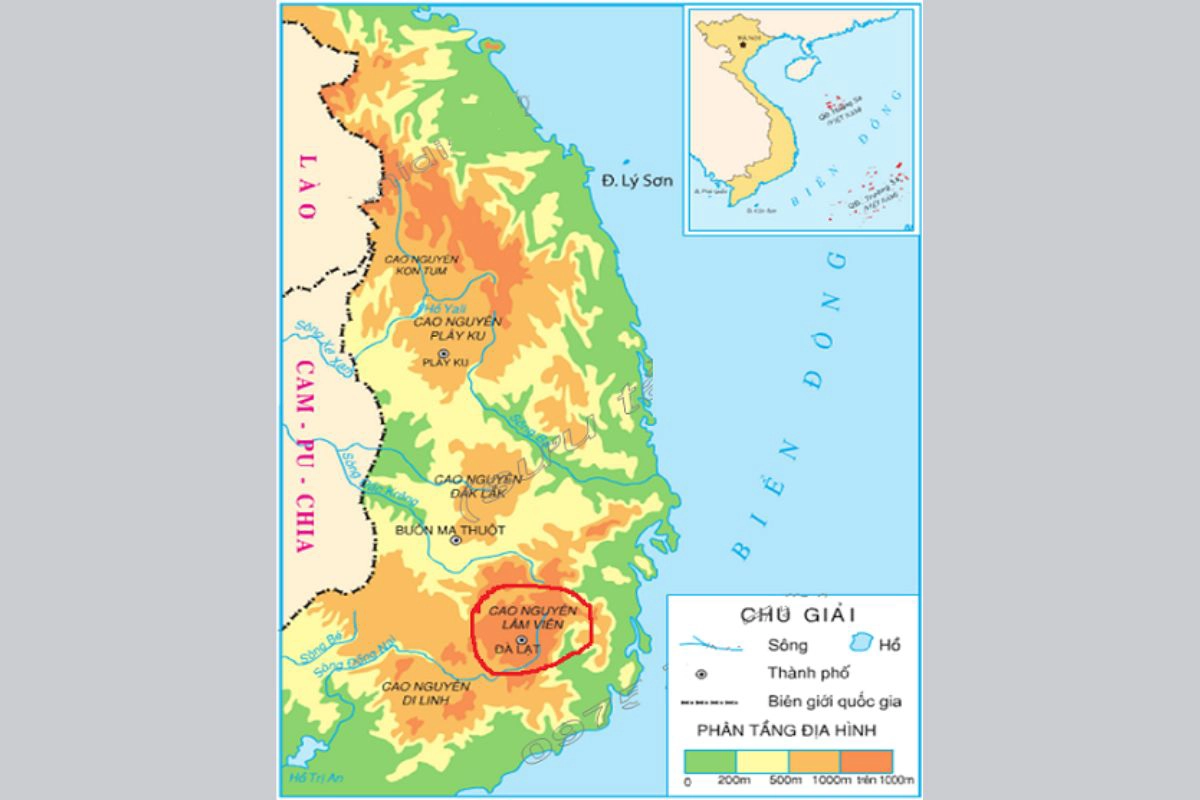
Da Lat sits high in Vietnam’s Central Highlands, surrounded by mountains and pine forests - Source: Trac Nghiem
Da Lat sits inland in the southern half of Vietnam. While many famous Vietnamese destinations sit directly on the coastline or along major river deltas, Da Lat is tucked away in the mountains.
1.1. Da Lat in the Central Highlands of Vietnam
The Central Highlands is a distinct geographical region sharing borders with lower Laos and northeastern Cambodia. Da Lat is the most famous city in this region, sitting at an elevation of approximately 1,500 meters (about 4,900 feet) above sea level.
Because of this altitude, the environment here supports agriculture and ecosystems you will not find anywhere else in the southern half of the country. Instead of flat rice paddies, the landscape is defined by rolling hills, steep mountain passes, and dense forests that create a natural barrier from the coastal heat.
1.2. Lam Dong Province and the Langbian Plateau Explained
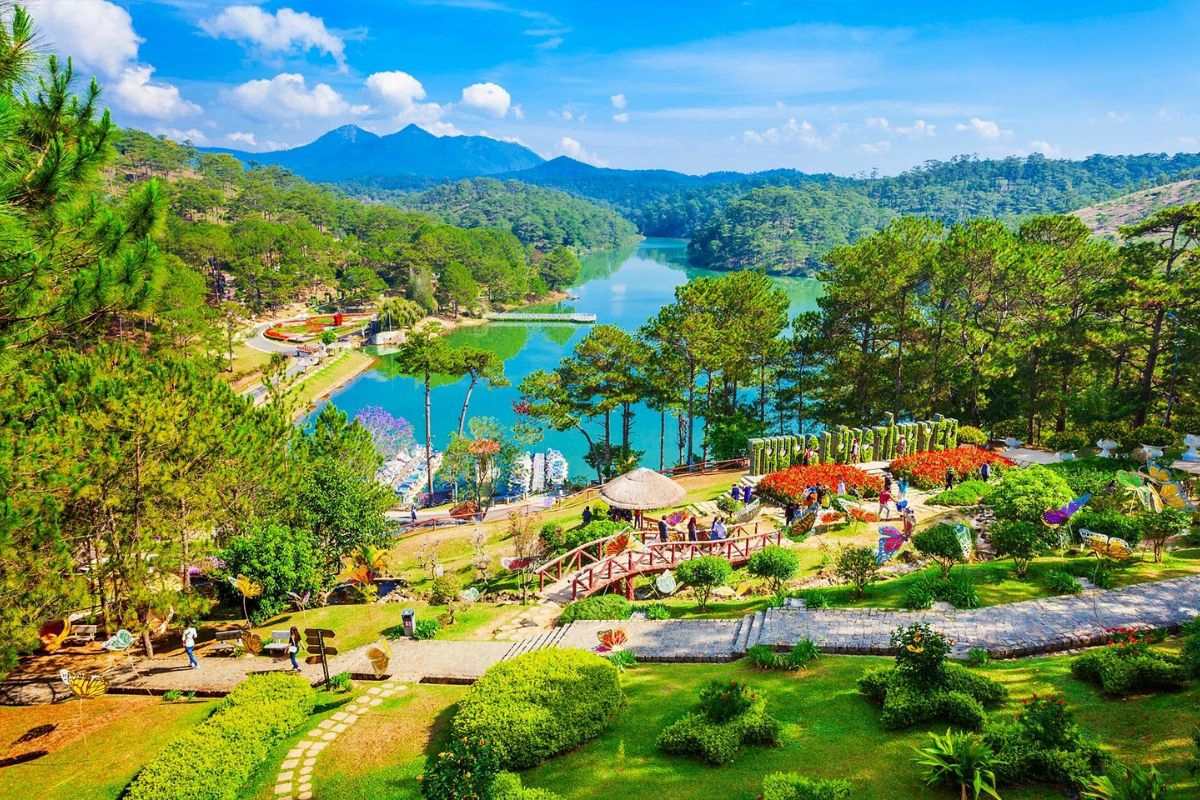
Langbian Plateau gives Da Lat its cool climate, fertile soil, and scenic valleys - Source: Hotels
Politically and administratively, Da Lat is the capital city of Lam Dong Province. Geographically, it rests specifically on the Langbian Plateau, an elevated landmass characterized by steep valleys and nutrient rich volcanic soil.
When French colonists established Da Lat as a resort town in the early 20th century, they chose this exact plateau because the elevation provided natural relief from the sweltering heat of Saigon. Today, this unique geography continues to make the city a premier retreat for both domestic and international travelers seeking fresh air.
2. Why Da Lat’s Location Makes It So Different
The exact spot where Da Lat is located in Vietnam dictates everything about the city, from the clothes locals wear to the food they grow. When you arrive, you will immediately notice the shift in atmosphere.
2.1. A Cool Mountain Climate Above the Lowlands

Da Lat’s mountain weather brings cool air, misty mornings, and springlike days all year - Source: Pinterest
While the rest of southern Vietnam experiences hot and humid weather almost year round, Da Lat enjoys a temperate mountain climate. Temperatures generally range from 14°C to 23°C (57°F to 73°F), earning it the nickname The City of Eternal Spring.
Evenings can be quite chilly, especially between November and March when temperatures drop further after sunset. When visiting, you will see locals wearing thick jackets, beanies, and scarves, which is a rare and charming sight compared to the tropical clothing worn in neighboring provinces.
2.2. Pine Forests, Waterfalls, and Highland Scenery

Pine forests and waterfalls show why Da Lat feels different from coastal Vietnam - Source: Pinterest
Because of the altitude and the fertile soil of the Langbian Plateau, Da Lat is blanketed in thick pine forests instead of the tropical palm trees found along the coast. The steep elevation drops around the city edges also create powerful and dramatic waterfalls, including Datanla, Pongour, and Elephant Falls.
Furthermore, this region serves as Vietnam’s primary source of cool weather crops. Driving through the outskirts, you will see sprawling greenhouses growing strawberries, artichokes, hydrangeas, and high quality Arabica coffee beans that thrive in this specific mountain environment.
>> Read more: Travel to Da Lat and Discover Vietnam at a Slower Pace
3. How Far Is Da Lat from Major Cities in Vietnam?
Understanding the distances between Da Lat and other major tourist hubs will help you structure your travel schedule realistically.
3.1. Ho Chi Minh City to Da Lat: The Most Popular Route
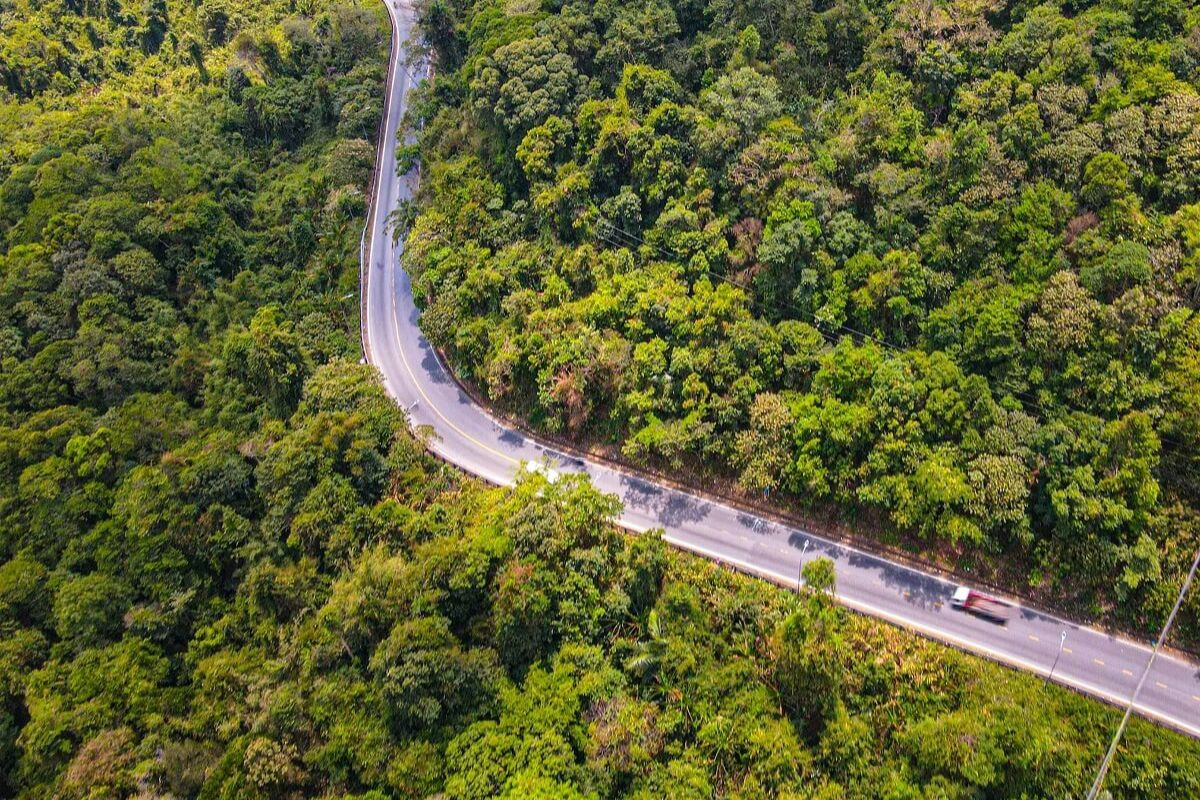
The Bao Loc route climbs from busy lowlands into peaceful highland scenery - Source: VinWonders
Da Lat is located about 300 kilometers (186 miles) northeast of Ho Chi Minh City. By road, this journey takes between 6 and 8 hours depending on traffic along Highway 20, making it a very common overland trip for travelers exploring the south.
The route itself is quite an experience, transitioning from flat urban sprawl into agricultural lowlands before beginning a long, winding ascent up the Bao Loc Pass into the highlands. If you need practical details on making this journey, check our comprehensive Ho Chi Minh to Da Lat route guide.
>> Read more: How Far from Saigon to Da Lat? 7+ Convenient Transportation Options
3.2. Nha Trang to Da Lat: From Beach City to Mountain Escape
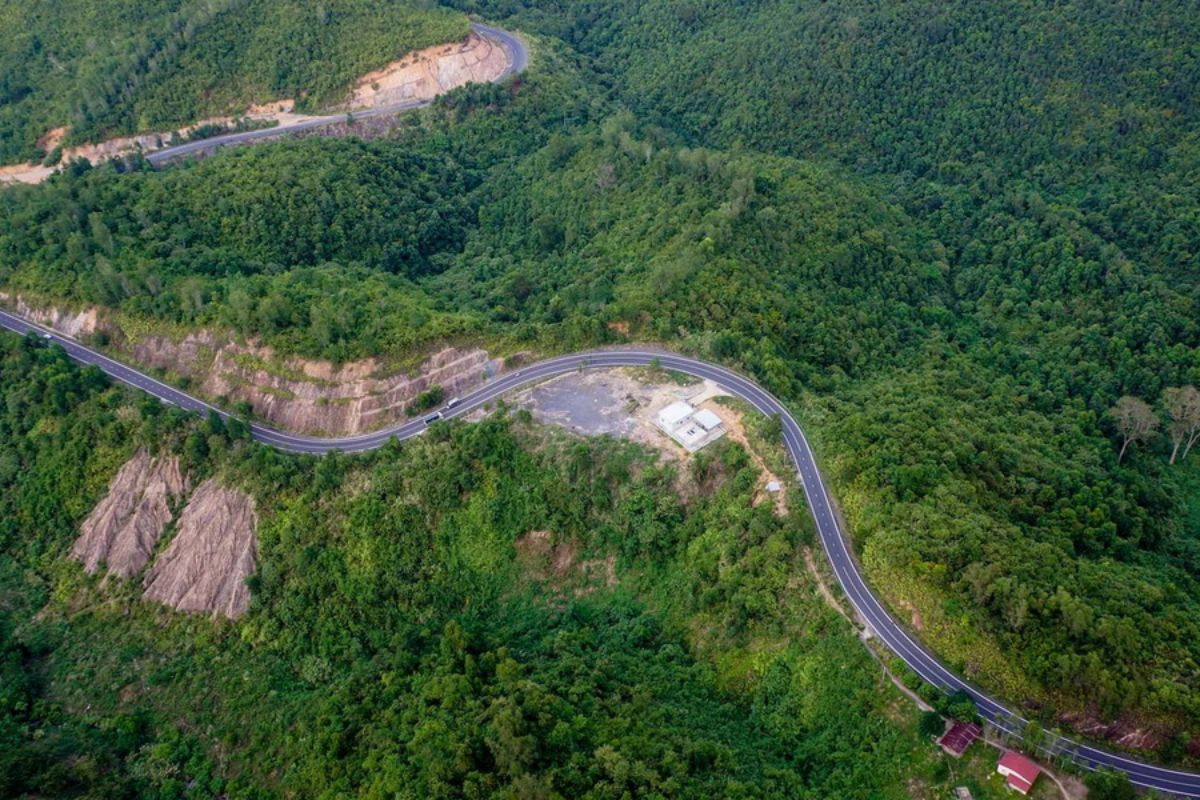
Omega Pass connects Nha Trang’s beaches with Da Lat’s cool mountains - Source: WeTrek

Nha Trang is the closest major coastal destination to Da Lat, with a distance of roughly 135 kilometers (84 miles) separating the two. The drive takes 3 to 4 hours via National Route 27C, famously known among locals and drivers as the Omega Pass.
This particular road is spectacularly scenic but requires caution, as it features sharp hairpin turns and frequent heavy fog. As you climb from sea level up to 1,500 meters, you can actually feel the air temperature drop and watch the vegetation shift from tropical vines to alpine pines.
3.3. Hanoi to Da Lat: The Long North-to-South Journey
Hanoi is located over 1,400 kilometers (about 870 miles) north of Da Lat. Because of the extreme distance, taking a bus or train is simply not practical for standard vacations unless you are spending several months backpacking across the country.
A direct flight, however, takes exactly two hours. This makes flying an easy and highly convenient way to transition directly from the northern capital into the southern highlands without losing days of your trip to overland transit.
4. How to Get to Da Lat from Other Parts of Vietnam
Since Da Lat is positioned high in the mountains, there is no direct railway connection from the main North-South Reunification Express line. Travelers must rely on flights or road transport.
4.1. Flying to Lien Khuong Airport Near Da Lat
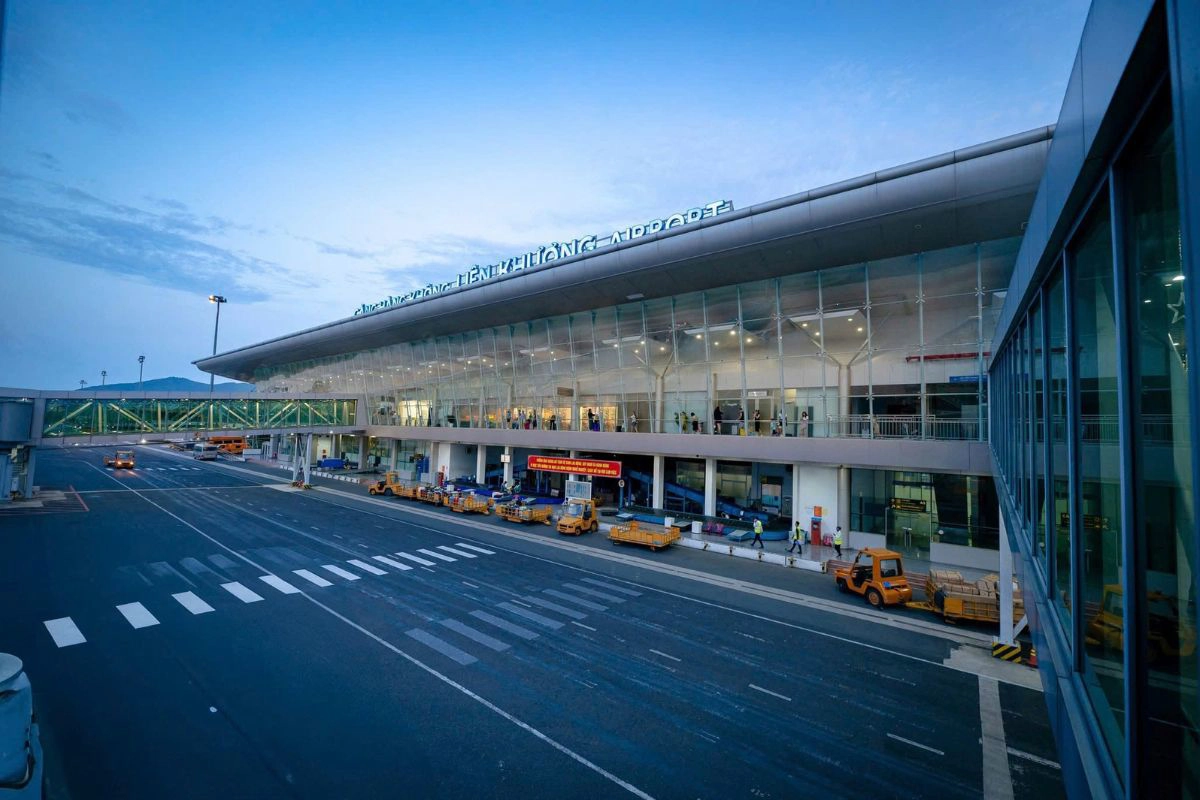
Lien Khuong Airport is the main gateway for flights into the Da Lat highlands - Source: Bao Chinh Phu
The fastest way to reach the city is by flying into Lien Khuong Airport (airport code DLI). The airport is actually located in Duc Trong District, about 30 kilometers south of Da Lat’s city center, rather than in the city proper.
Domestic airlines like Vietnam Airlines, VietJet Air, and Bamboo Airways operate daily flights from major hubs like Hanoi, Da Nang, and Ho Chi Minh City. Once you land, a taxi or pre booked shuttle from Lien Khuong Airport to downtown Da Lat takes about 40 minutes and typically costs between 250,000 and 350,000 VND.
4.2. Taking Sleeper Buses and Limousine Vans to Da Lat
For those traveling from Ho Chi Minh City, Mui Ne, or Nha Trang, buses remain the most common transport method. Standard sleeper buses offer reclining beds and are very budget friendly, though they can feel cramped if you are exceptionally tall.
Many foreign travelers prefer booking limousine vans instead. These are modified transit vans equipped with spacious, massaging captain chairs that are faster, much more comfortable on winding mountain roads, and usually offer convenient hotel drop off services.
4.3. Booking Private Transfers for a More Comfortable Trip
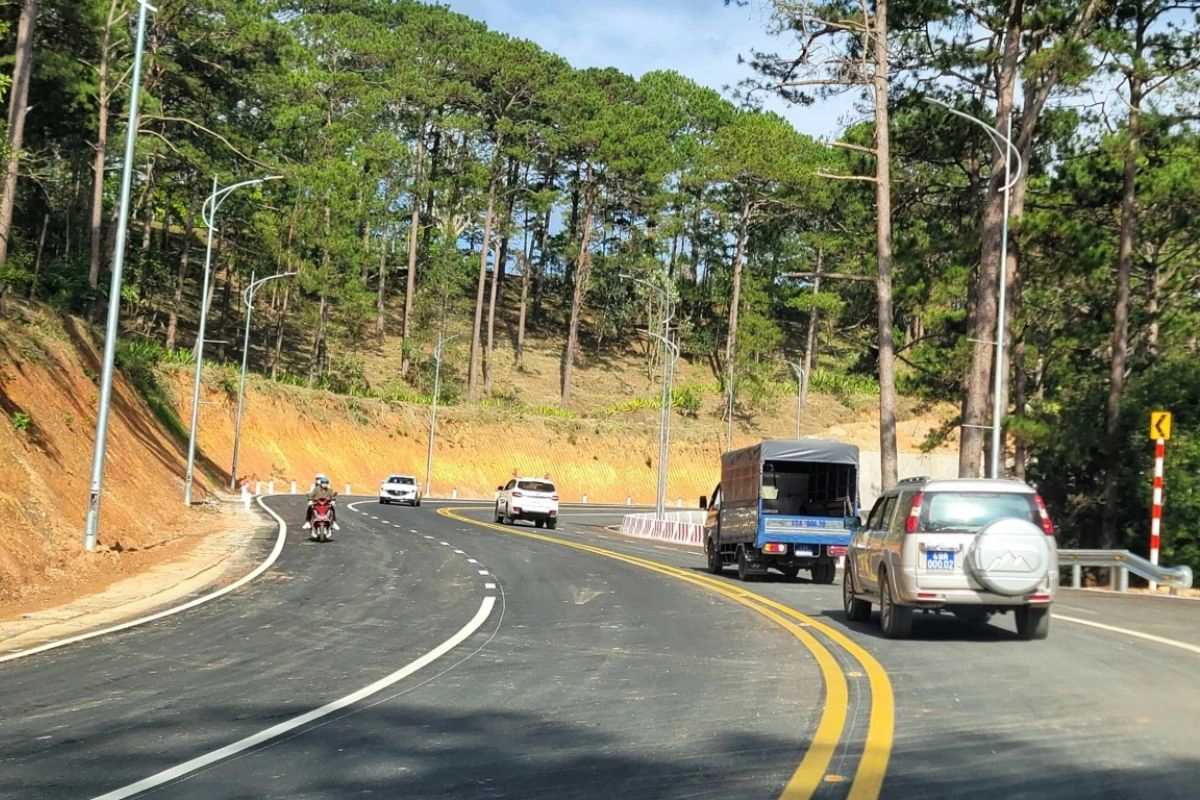
Private transfers make Da Lat mountain roads safer and more comfortable - Source: Vov
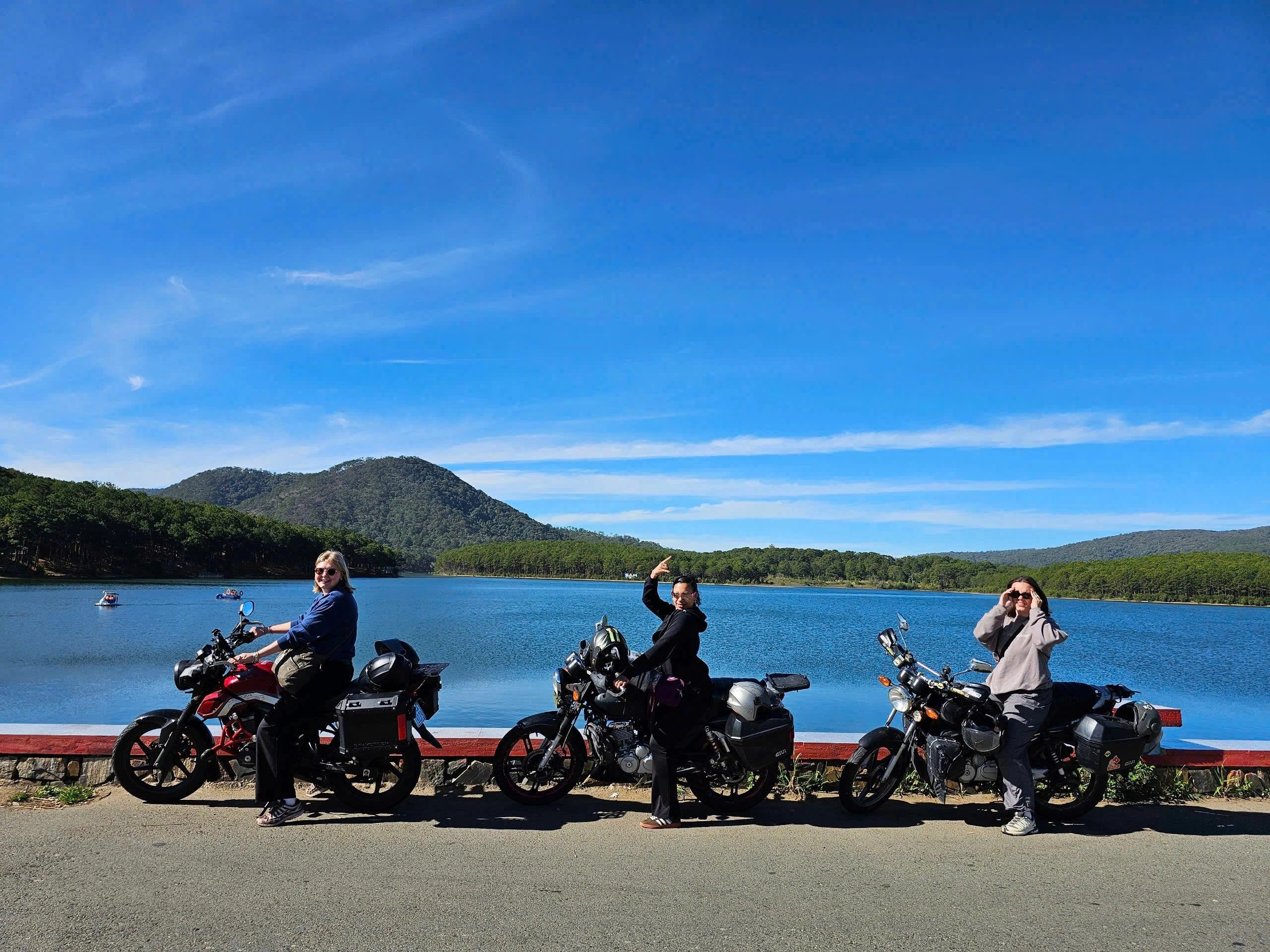
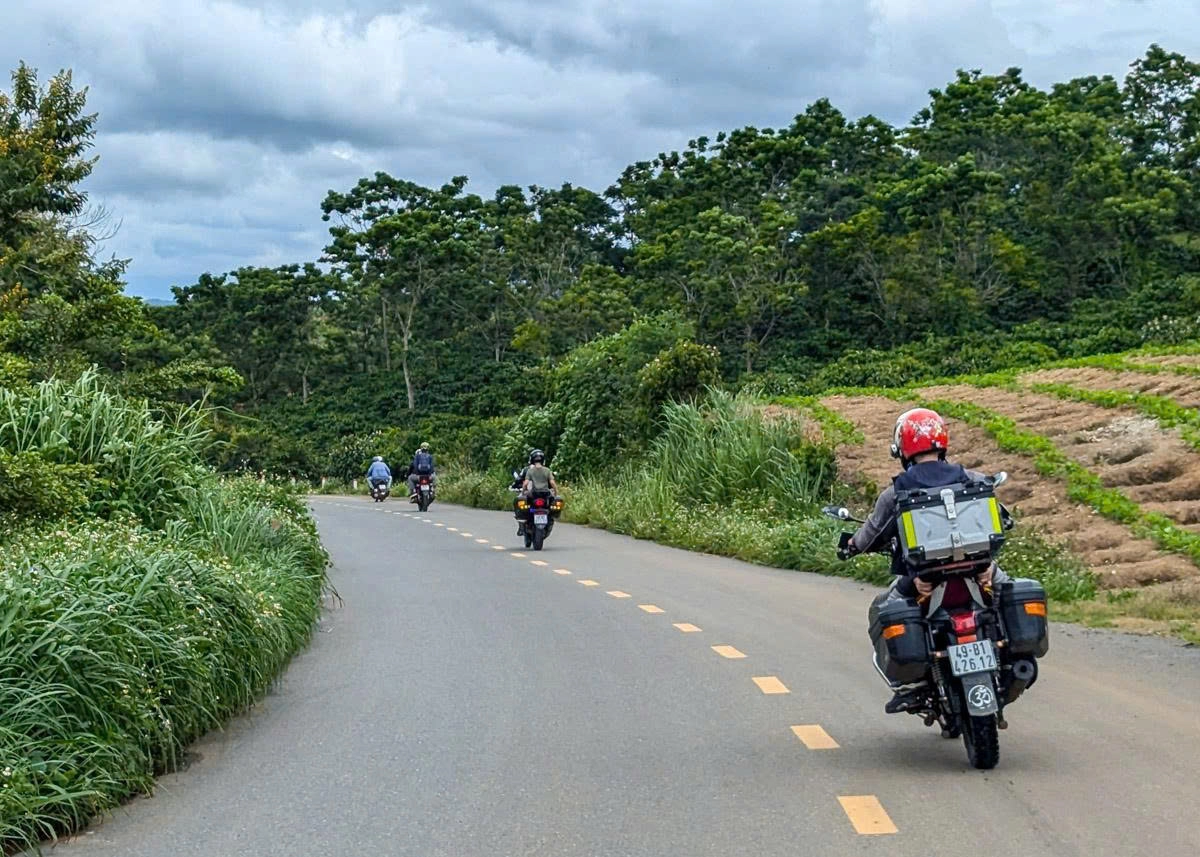
If you are traveling with family, carrying a lot of luggage, or simply want total control over your schedule, hiring a private car with a driver is the absolute best option. A private vehicle allows you to stop for coffee, use restrooms whenever needed, and take photos along the scenic mountain passes.
Safety is another major benefit, as the highland terrain can be challenging to navigate for those unfamiliar with the roads. Joytime offers reliable private transportation services with professional drivers who know these mountain routes perfectly.
>> Read more: How to Travel to Da Lat Vietnam: Ultimate Transportation & Travel Guide
5. Where Does Da Lat Fit in Your Vietnam Travel Itinerary?
Because of its central inland location, Da Lat acts as a perfect bridge between the southern beaches and the bustling southern metropolis.
5.1. Combining Da Lat with Ho Chi Minh City, Mui Ne, or Nha Trang
A very standard travel loop in the south involves starting in Ho Chi Minh City, taking a short trip to the coastal sand dunes of Mui Ne, heading up into the mountains to Da Lat, and then driving down to the beaches of Nha Trang. This allows you to experience massive mega-cities, coastal resorts, and cool mountain towns all within a single week. Including Da Lat breaks up the heat and adds geographical variety to any Vietnam travel guide you might follow.
5.2. How Many Days Should You Spend in Da Lat?
To comfortably see the main sights without rushing, you should plan to spend 2 to 3 full days in the city. This timeframe gives you enough flexibility to explore Xuan Huong Lake, visit the eccentric Crazy House, and take a scenic cable car ride to Truc Lam Zen Monastery.
You will also want to dedicate at least one full day to exploring the waterfalls and coffee farms on the rural outskirts. We highly recommend booking local tours and sightseeing packages to easily reach these remote areas, and you can review our dedicated Da Lat travel itinerary for step by step daily plans.
6. FAQs About Where Da Lat Is Located in Vietnam
6.1. Is Da Lat in North or South Vietnam?
Da Lat is located in the southern half of Vietnam. It is part of the Central Highlands region, which sits geographically above the southern coastal provinces and the Mekong Delta.
6.2. Which province is Da Lat located in?
Da Lat is the capital city of Lam Dong Province. It is the largest and most developed city in the province, serving as the cultural and economic center of the region.
6.3. Is Da Lat part of the Central Highlands?
Yes, Da Lat is the most famous destination within Vietnam’s Central Highlands, a region shared by five distinct provinces known for coffee cultivation, indigenous highland culture, and mountainous terrain.
6.4. Does Da Lat have an airport?
Yes, but it is not located inside the city. Lien Khuong Airport (DLI) serves Da Lat and is situated about 30 kilometers south of the city center. The drive from the airport to downtown takes roughly 40 minutes.
6.5. Is the road to Da Lat difficult or dangerous?
The roads leading to Da Lat from the coast and lowlands involve steep, winding mountain passes like the Bao Loc Pass and Omega Pass. While the roads are paved and heavily used, they feature sharp turns and occasional heavy fog. Riding a motorbike on these roads requires advanced riding skills, which is why most travelers opt for buses, limousine vans, or private cars.
Understanding where is Da Lat located in Vietnam helps you plan a smoother route through the Central Highlands and combine the city with nearby beaches, airports, or southern destinations. With its cool climate, mountain scenery, and unique highland culture, Da Lat is well worth adding to your Vietnam itinerary. For easier transfers, local tours, and trip planning, contact Joytime Travel Agency to design your complete Da Lat journey.
|
Joytime Travel Agency - Travel JOY, TIMEless Vietnam Safe, Seamless, Satisfying, Sustainable Follow us for travel tips, local insights, and exclusive offers:
|

Danish Nguyen
Danish Nguyen is a renowned travel blogger in Vietnam with over 5 years of experience sharing unique travel experiences. With a passion for exploring new places, Danish captures incredible moments and provides readers with valuable tips to discover the beauty of his homeland.