









What to Do in Da Lat: 12+ Amazing Things You Shouldn't Miss
Wondering what to do in Da Lat for your upcoming trip? Known as Vietnam’s City of Eternal Spring, Da Lat welcomes travelers with cool mountain air, peaceful lakes, pine forests, colorful landmarks, and a laid-back highland charm. Whether you want to chase waterfalls, visit unique attractions, enjoy local food, sip coffee with a view, or add a little adventure to your itinerary, this guide will help you plan the best things to do in Da Lat.
1. Best Nature Spots to Visit in Da Lat
Da Lat’s cool mountain climate creates the perfect environment for stunning landscapes, ranging from thundering waterfalls to peaceful, pine-fringed lakesides.
1.1. Chase Da Lat’s Most Beautiful Waterfalls
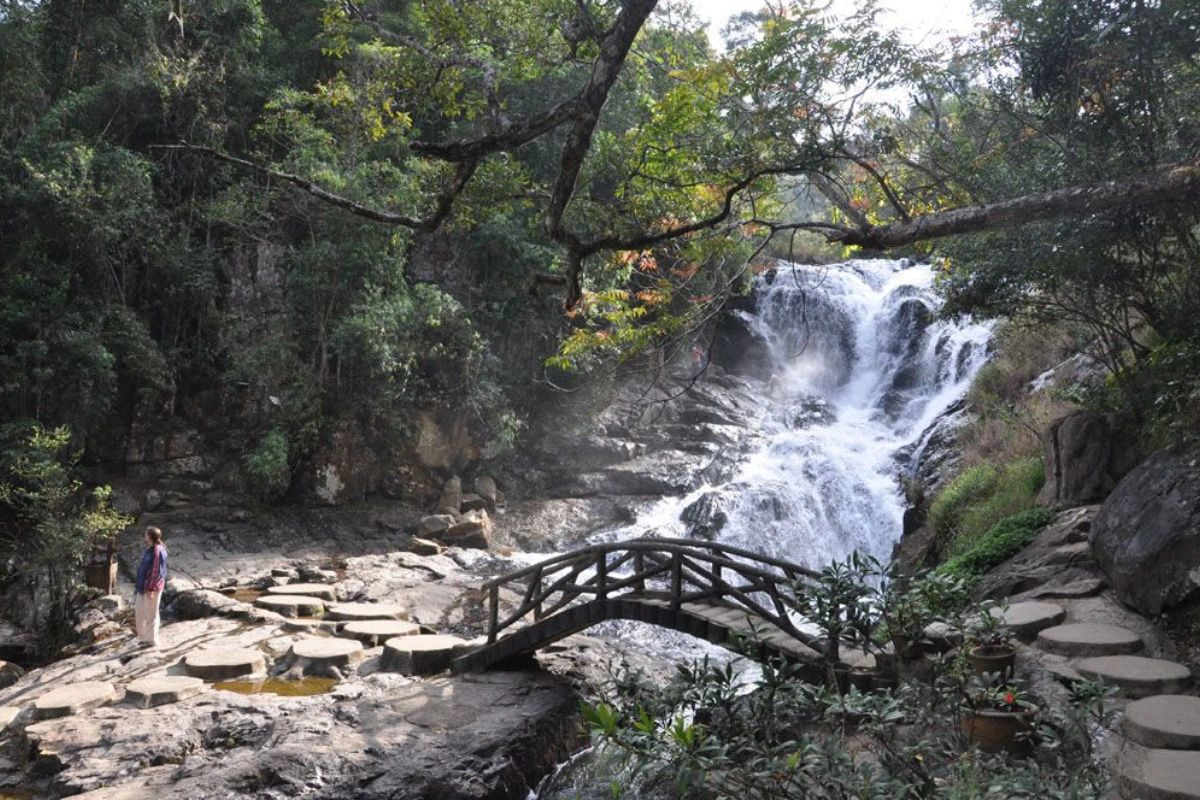
Datanla offers fun rides and mountain scenery - Source: Pinterest
Because the city is perched in the mountains, the surrounding valleys are packed with dramatic drops. Datanla Waterfall is the closest to the city center and arguably the most entertaining. Instead of just walking down a paved path, you reach the base of the falls via an alpine coaster that winds through the dense pine canopy. You control your own braking speed, making it a fun, low-stakes adrenaline rush.
If you want sheer scale and are willing to drive about 45 kilometers out of town, Pongour Waterfall is the most spectacular option. The water flows over wide, terraced rock shelves, creating a massive curtain of water that is incredibly powerful during the rainy season. Alternatively, Elephant Falls offers a much more rugged, raw experience where you climb down slippery, uneven stone steps to feel the heavy mist of the falls crashing right in front of you.
1.2. Relax by Tuyen Lam Lake and Xuan Huong Lake
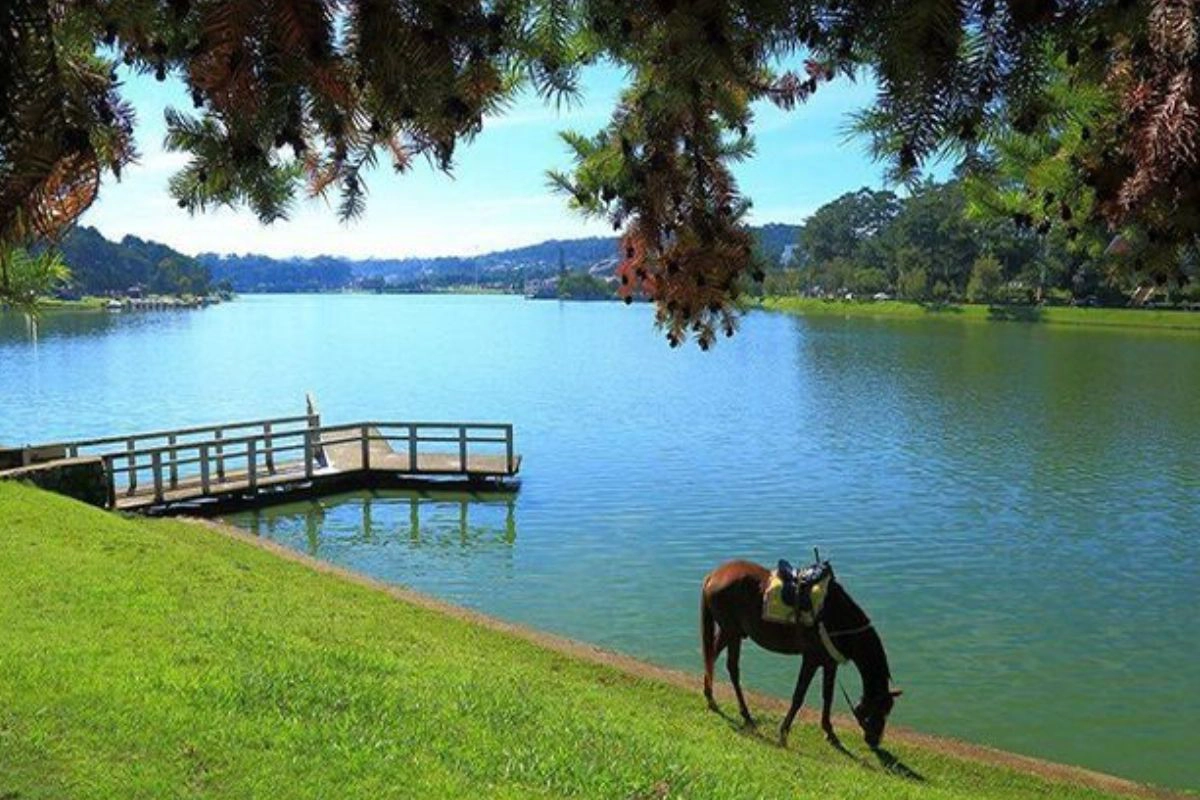
Peaceful lakes reveal Da Lat’s calm mountain charm - Source: No Name
Water plays a huge role in the layout of the city. Xuan Huong Lake is the crescent-shaped heart of downtown Da Lat. Paved walkways outline the water, making it a highly popular spot for early morning jogs, leisurely strolls, and renting pedal-powered swan boats. It is an easy, accessible way to soak up the local atmosphere right outside your hotel.
For a true nature escape, Tuyen Lam Lake sits about six kilometers south of the center and is vastly larger and quieter. Surrounded entirely by dense pine forests, the water is calm and perfectly reflects the sky. Many visitors rent kayaks here or take the scenic 2.3-kilometer cable car ride from Robin Hill. The cable car drops you right near the Truc Lam Zen Monastery, giving you an elevated, panoramic view of the lake and the temple grounds before you even start exploring.
1.3. Catch Panoramic Views from Lang Biang Mountain
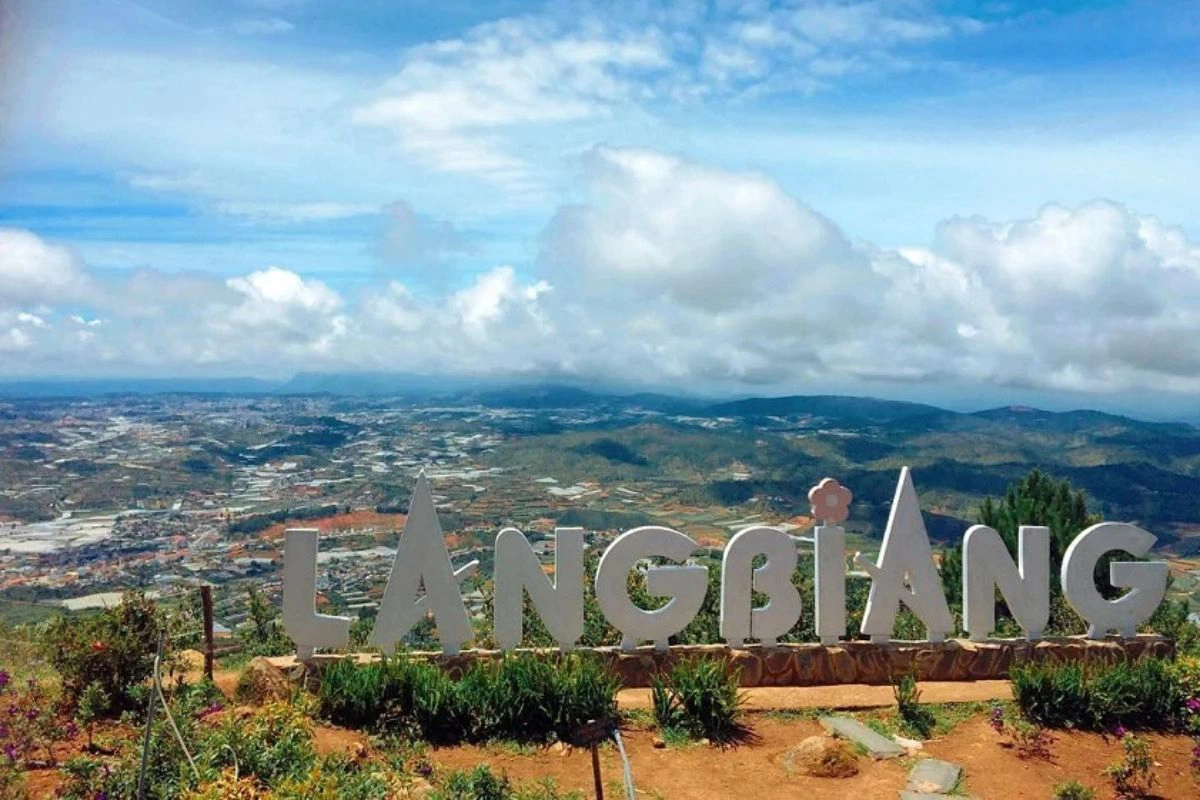
Lang Biang Mountain offers sweeping views over Da Lat - Source: Vinpearl

As the highest peak in the immediate area, Lang Biang Mountain offers the ultimate vantage point. The mountain actually has two main peaks, and how you experience it depends on your energy level. The most popular tourist route involves paying a small fee to ride in the back of a vintage green Russian jeep. The bumpy, curving drive takes you to the former radar station, where you can look out over the Silver Stream and the patchwork of agricultural greenhouses below.
For active travelers, hiking is highly recommended. The trail to the actual summit takes about three to four hours round trip, leading you through thick pine forests where the air gets noticeably thinner and colder. The hike is moderately challenging but rewards you with absolute quiet and a much less crowded viewpoint compared to the jeep drop-off area.
>> Read more: Travel to Dalat and Discover Vietnam at a Slower Pace
2. Unique Architecture and Cultural Things to Do in Da Lat
Beyond the natural scenery, Da Lat boasts a fascinating architectural identity that blends well-preserved French colonial structures with wild, surreal modern designs.
2.1. Get Lost in the Crazy House
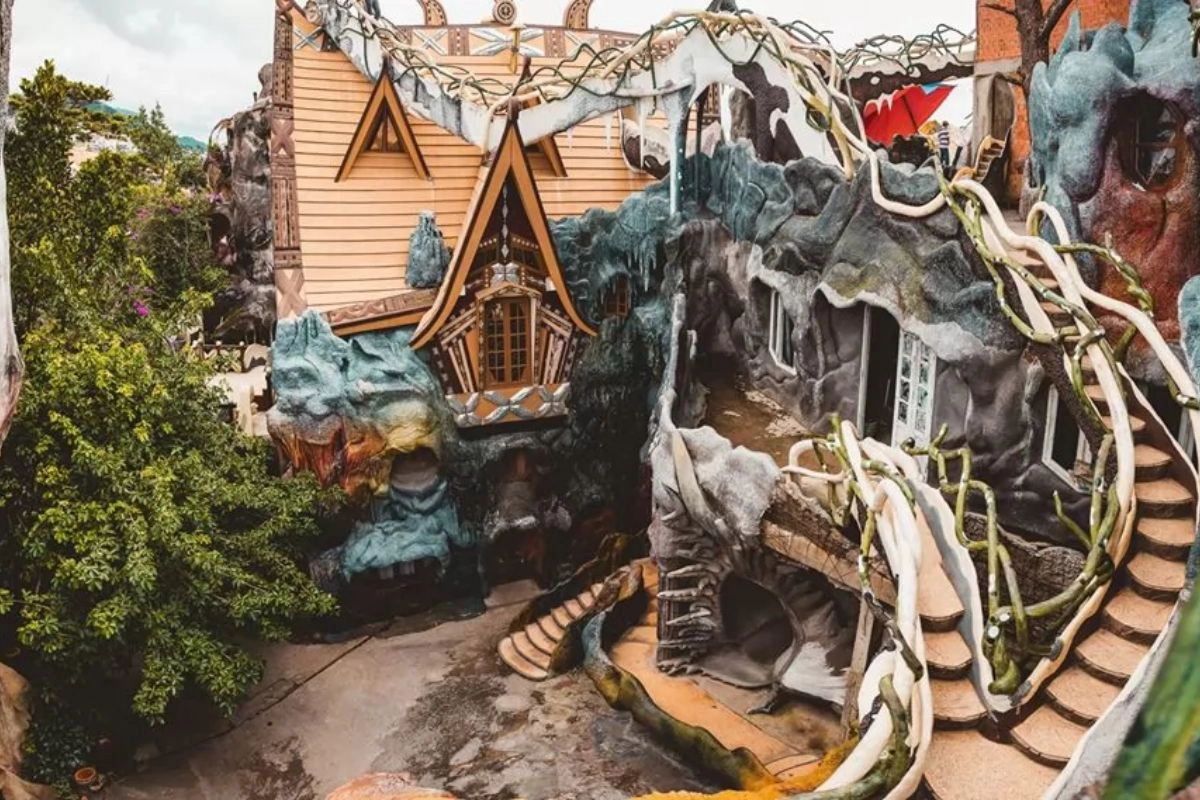
Crazy House turns architecture into a surreal adventure - Source: Crazy House
Officially known as the Hang Nga Guesthouse, the Crazy House is easily one of the strangest and most captivating buildings in Southeast Asia. Designed by Vietnamese architect Dang Viet Nga, the structure looks like a massive, melting tree straight out of a dark fairy tale. There are no straight lines; instead, you will find cave-like rooms, uneven windows, and narrow staircases twisting around the exterior.
The complex is actually a functioning guesthouse, though most people just pay the entrance fee to wander around for an hour. Exploring the narrow, concrete bridges that connect the various rooftops is thrilling, though you do need to watch your step as the railings can be quite low. It is a fantastic place for photography and offers surprisingly great views of the surrounding city blocks from the highest towers.
2.2. Step Back in Time at Da Lat Railway Station
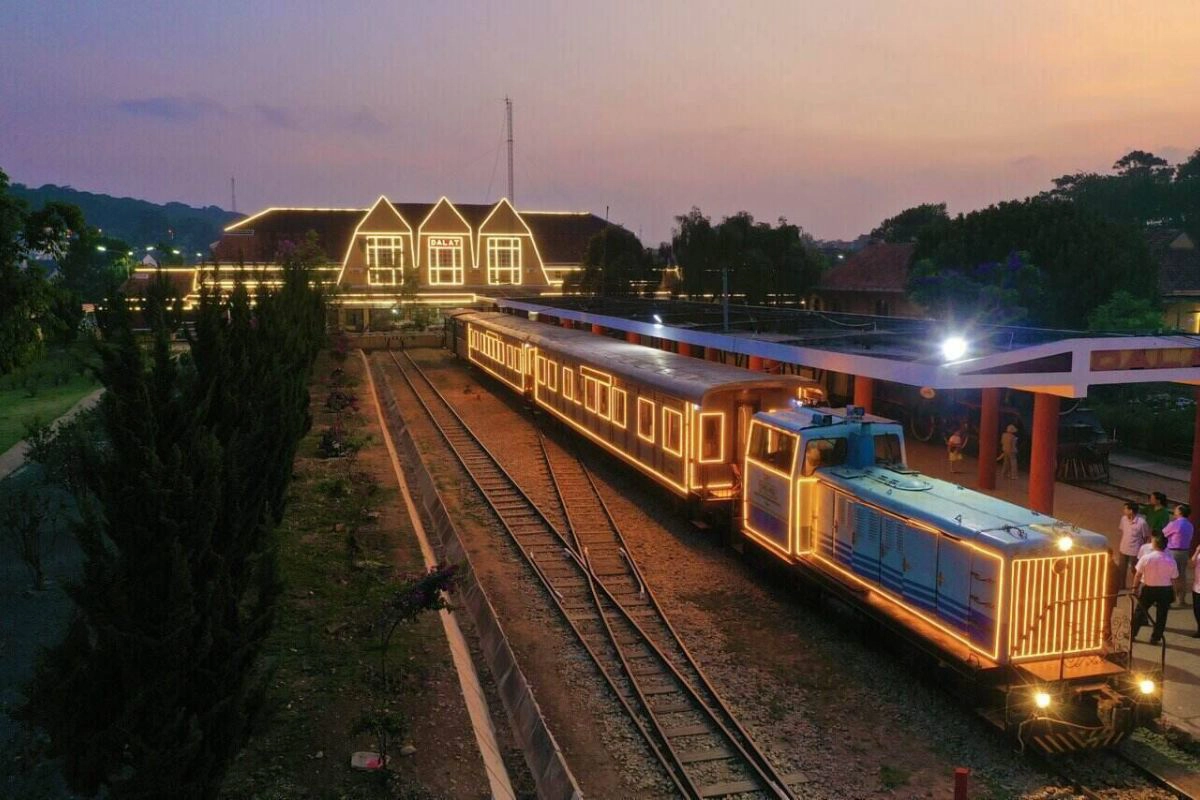
Da Lat Railway Station preserves timeless colonial charm - Source: Bao Lao Dong
Built in the 1930s, the Da Lat Railway Station is a beautiful piece of Art Deco history. Its three pointed roofs were designed to mimic the three peaks of Lang Biang Mountain. While the main rail line down to the coast was largely destroyed during the war and never fully rebuilt, the station itself has been preserved. The vintage ticket booths and colorful stained glass windows make it feel frozen in time.
Today, a short seven-kilometer section of the track is operational purely for sightseeing. You can buy a ticket to ride in a restored, wood-paneled carriage from the main station to the small farming town of Trai Mat. The train travels slowly, giving you plenty of time to look out the windows at the local flower farms, vegetable plots, and hillside homes along the way.
2.3. Marvel at the Colorful Details of Linh Phuoc Pagoda
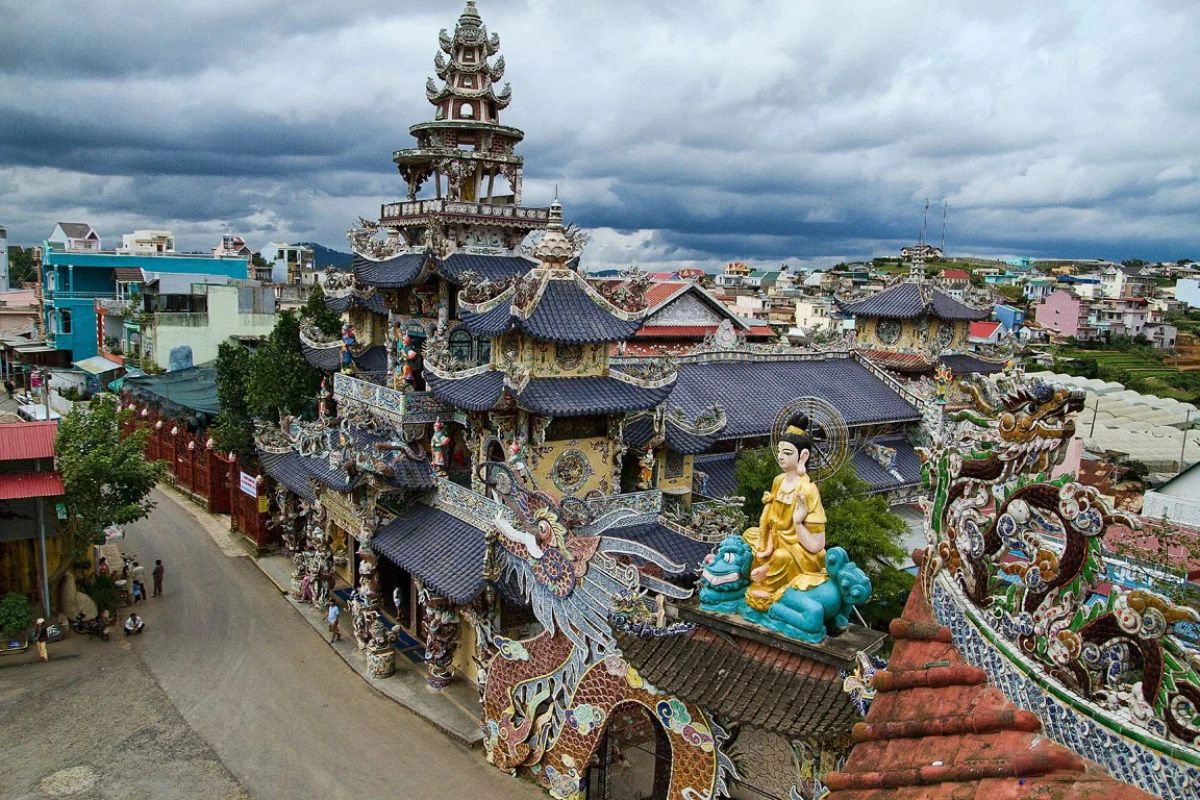
Linh Phuoc Pagoda sparkles with colorful ceramic mosaics - Source: Vinpearl
If you take the vintage train to Trai Mat, Linh Phuoc Pagoda should be your first stop. Unlike traditional temples built from wood or stone, this impressive complex is almost entirely covered in detailed mosaics made from broken glass, ceramic bowls, and terracotta tiles. The craftsmanship is remarkable, with countless small pieces catching the sunlight and creating shimmering reflections across the structure.
The main highlight is the 49 meter long dragon statue in the courtyard. Its scales are made from around 12,000 empty glass beer bottles, giving it a truly distinctive look. Beyond the courtyard, you can visit the tall bell tower with several levels, then continue down to the basement, where vivid scenes depict the 18 levels of Buddhist hell. It is a fascinating and highly visual experience that leaves a strong impression on visitors.
3. Outdoor Adventures and Active Things to Do in Da Lat
If you want to trade cafes for adrenaline, the rugged terrain surrounding the city is the premier destination for outdoor sports in southern Vietnam.
3.1. Try Canyoning and Pine Forest Trekking
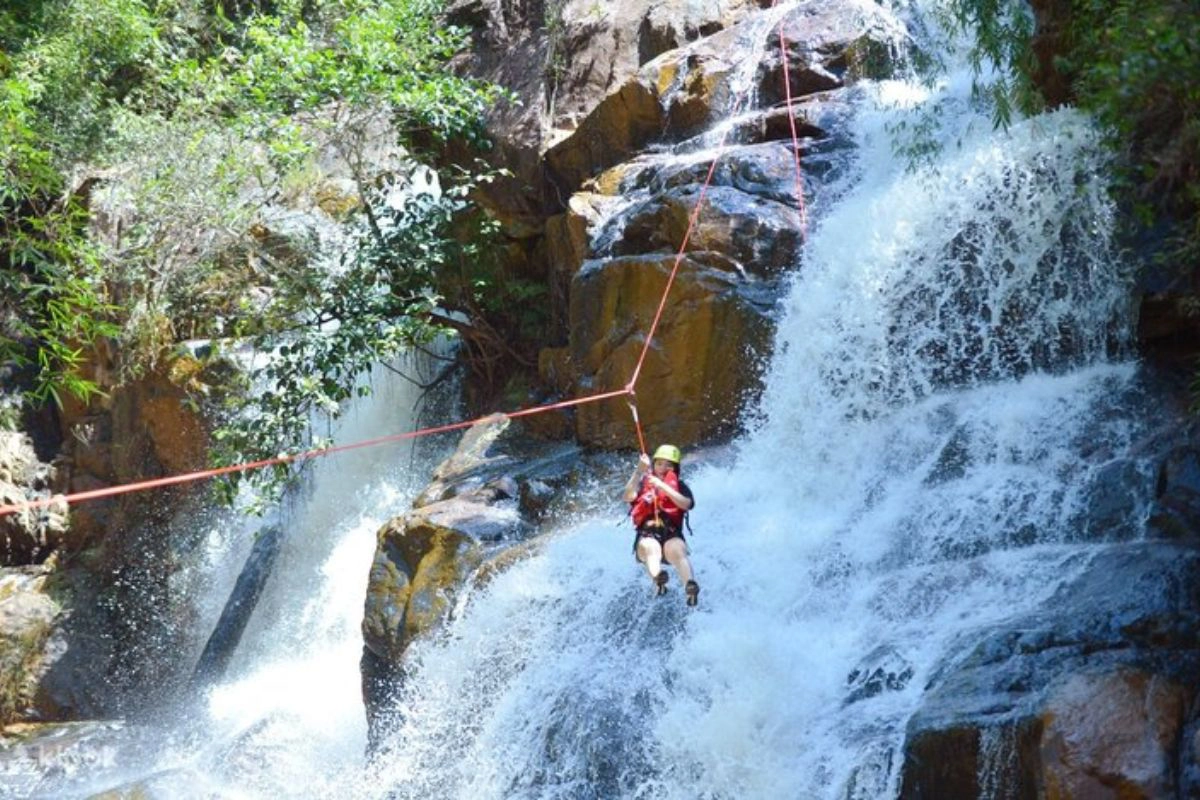
Canyoning brings adrenaline to Da Lat’s wild landscapes
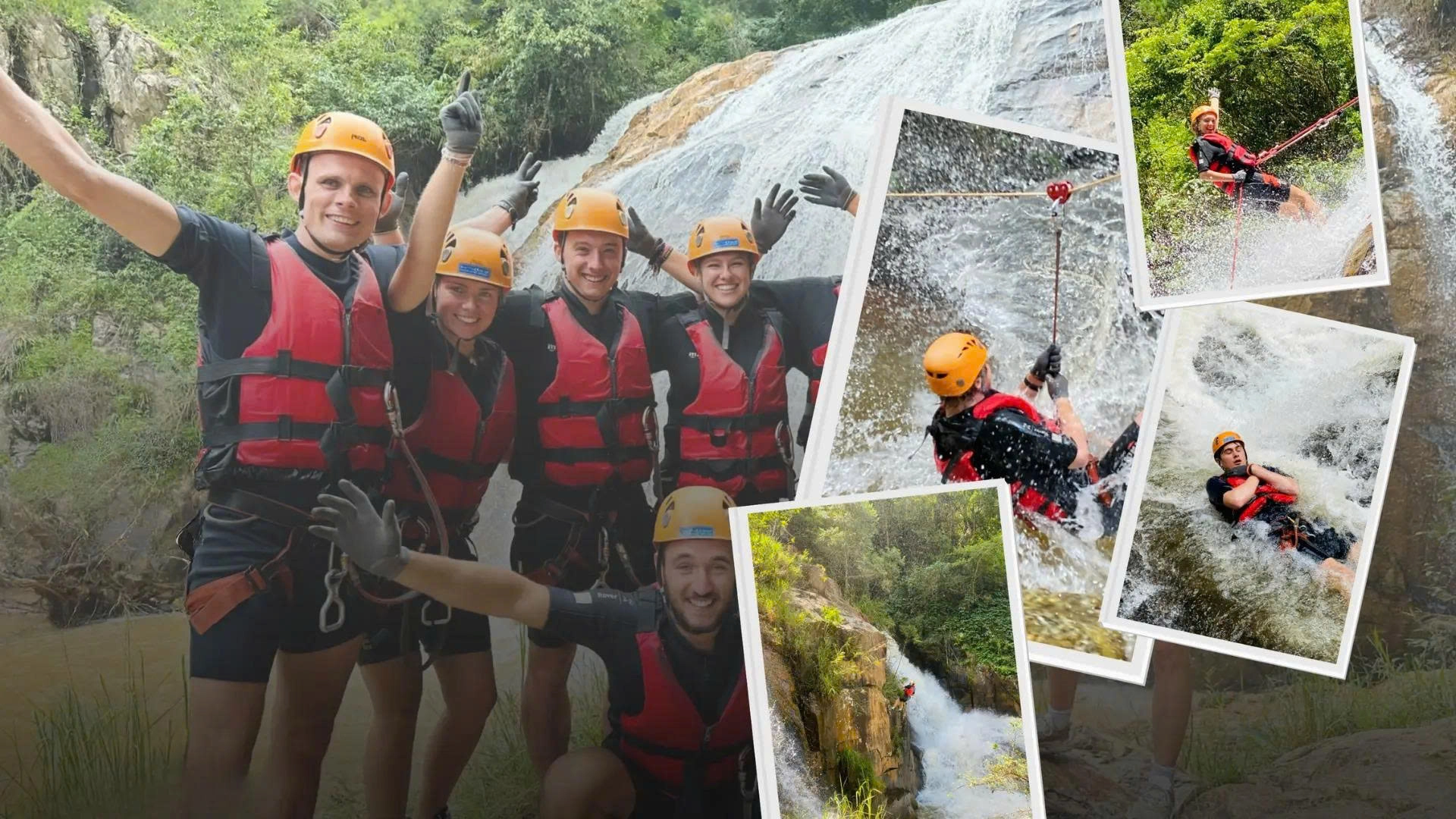
When people ask what to do in Da Lat for adventure, canyoning is the undisputed top answer. This sport involves navigating your way down a river gorge by rappelling down sheer rock faces, sliding down natural water flumes, and leaping off cliffs into deep pools. It is highly physical and incredibly fun. To ensure you have certified equipment and professional guides, it is best to book your excursion through guided local tours before you arrive.
If you prefer staying dry, the pine forests offer fantastic trekking. The Bidoup Nui Ba National Park, located about 30 kilometers from the city, features excellent trails ranging from half-day walks to overnight camping trips. Trekking here allows you to see rare orchids, ancient trees, and a side of the highlands that most casual tourists completely miss.
3.2. Go Cloud Hunting at Dawn
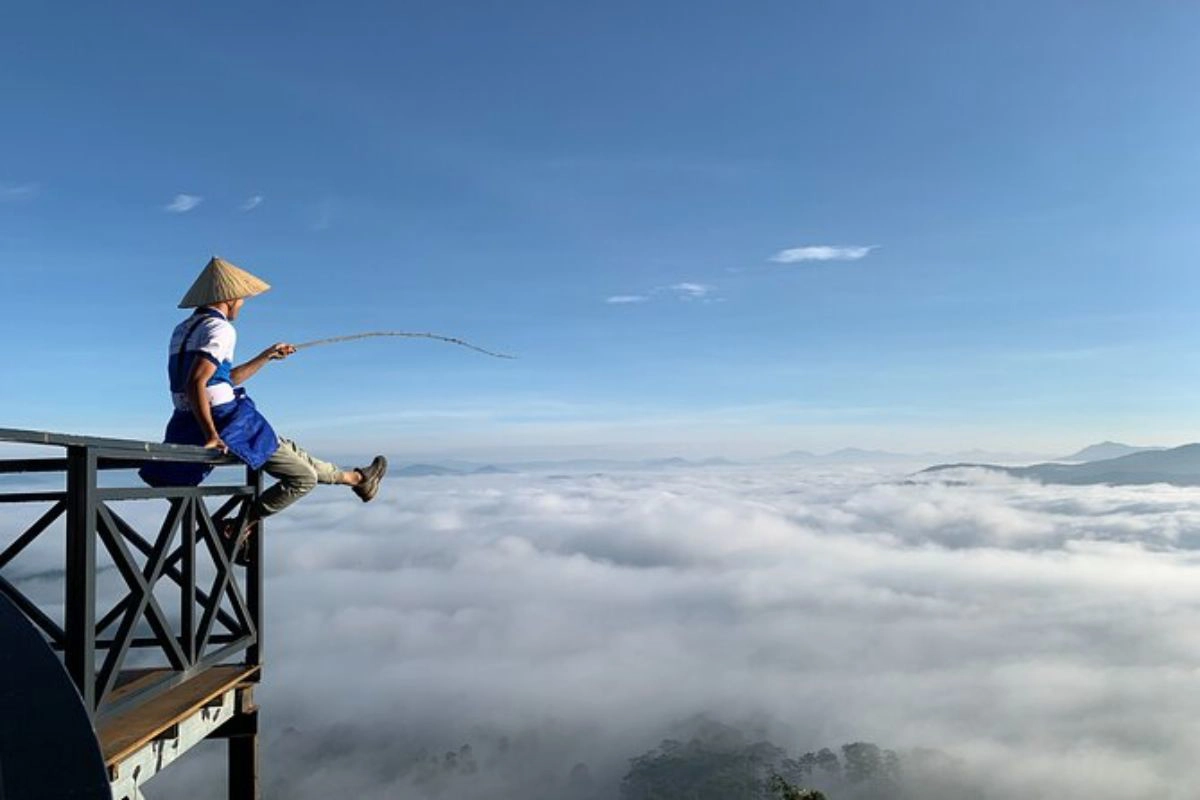
Sunrise cloud hunting rewards early risers with magical views - Source: Viator
Cloud hunting requires waking up at around 4:00 AM, but it is one of Da Lat’s most rewarding local experiences. The idea is to reach a high viewpoint, such as Cau Dat Tea Hill or Da Phu Hill, before sunrise. If the weather is right, with high humidity from the night before and a calm morning, you may find yourself standing above a thick ocean of white clouds covering the valley.
As the sun rises, the light spreads across the mist and nearby tea plantations, creating a dreamlike landscape. The early morning air can be very cold, so a thick jacket is essential. Local vendors often set up small stalls selling hot coffee and instant noodles, giving you a warm break while waiting for the perfect sunrise photo.
3.3. Explore Da Lat by Motorbike or Cycling Route
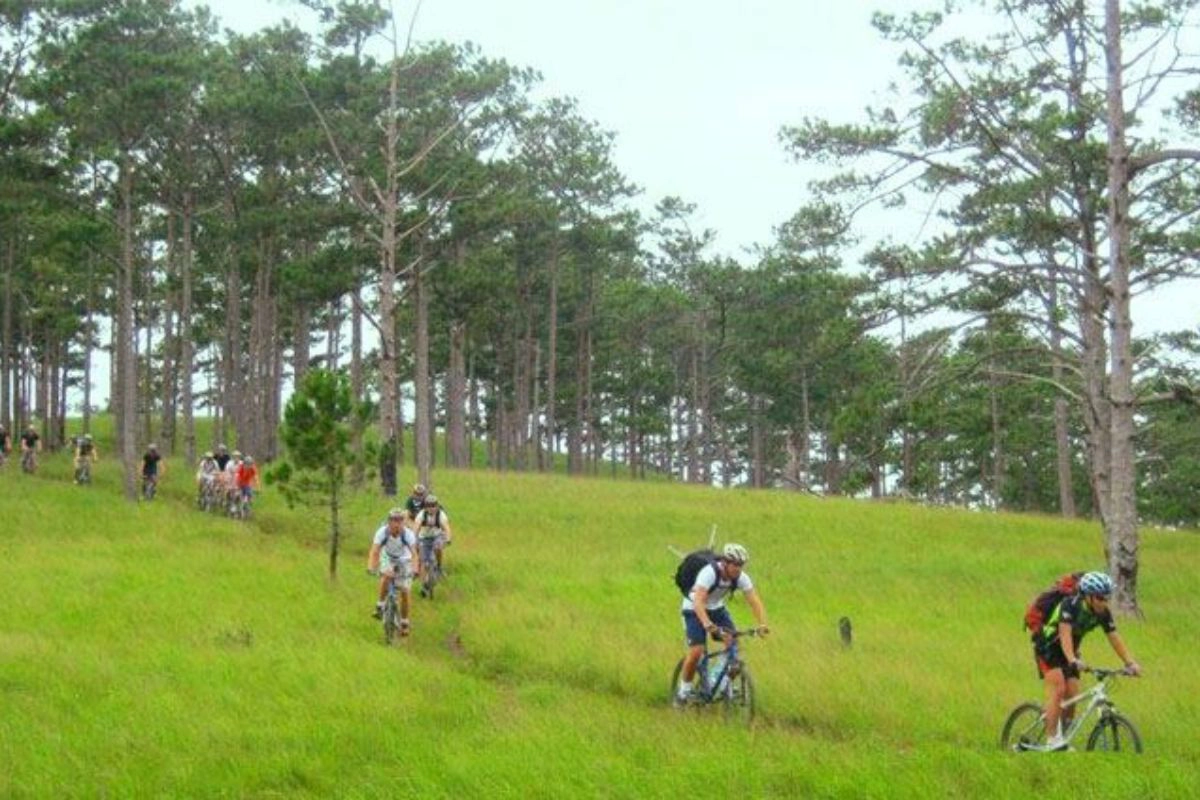
Scenic roads make Da Lat ideal for two-wheel exploration - Source: Phuotvivu
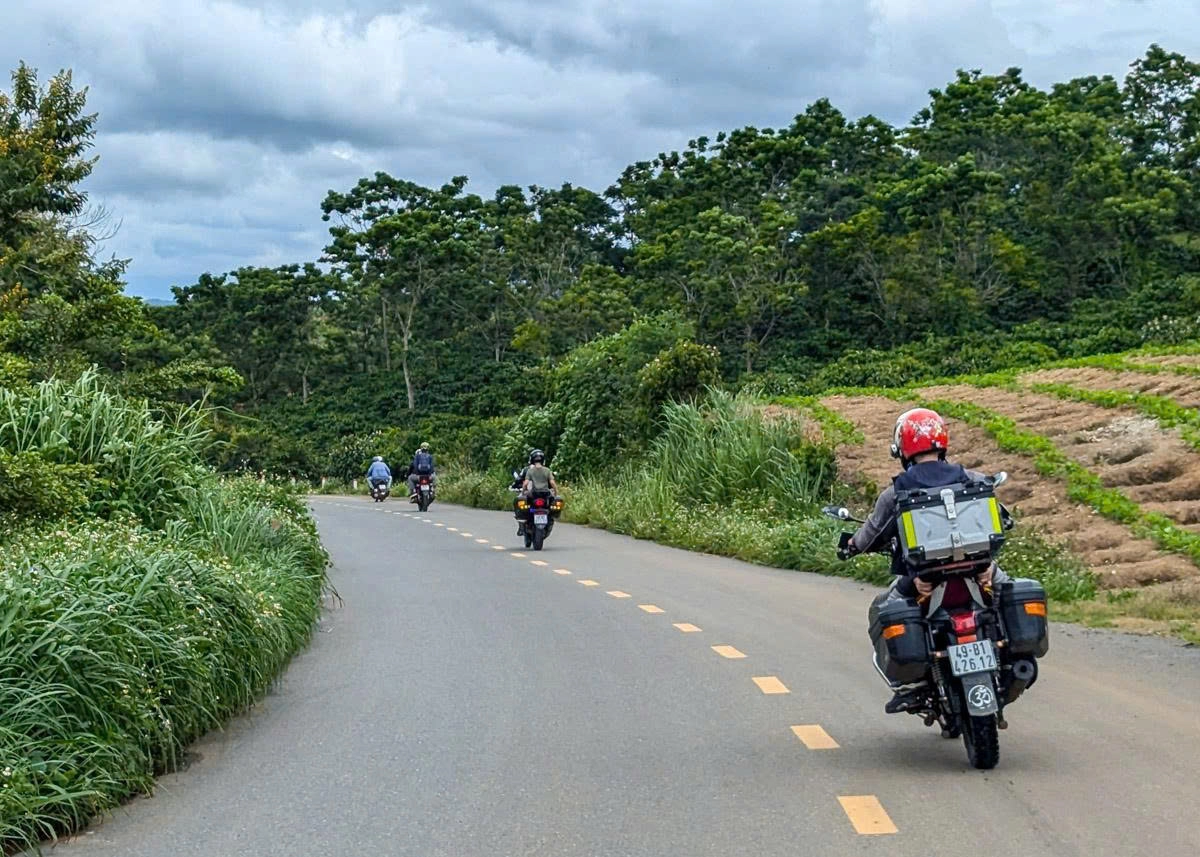
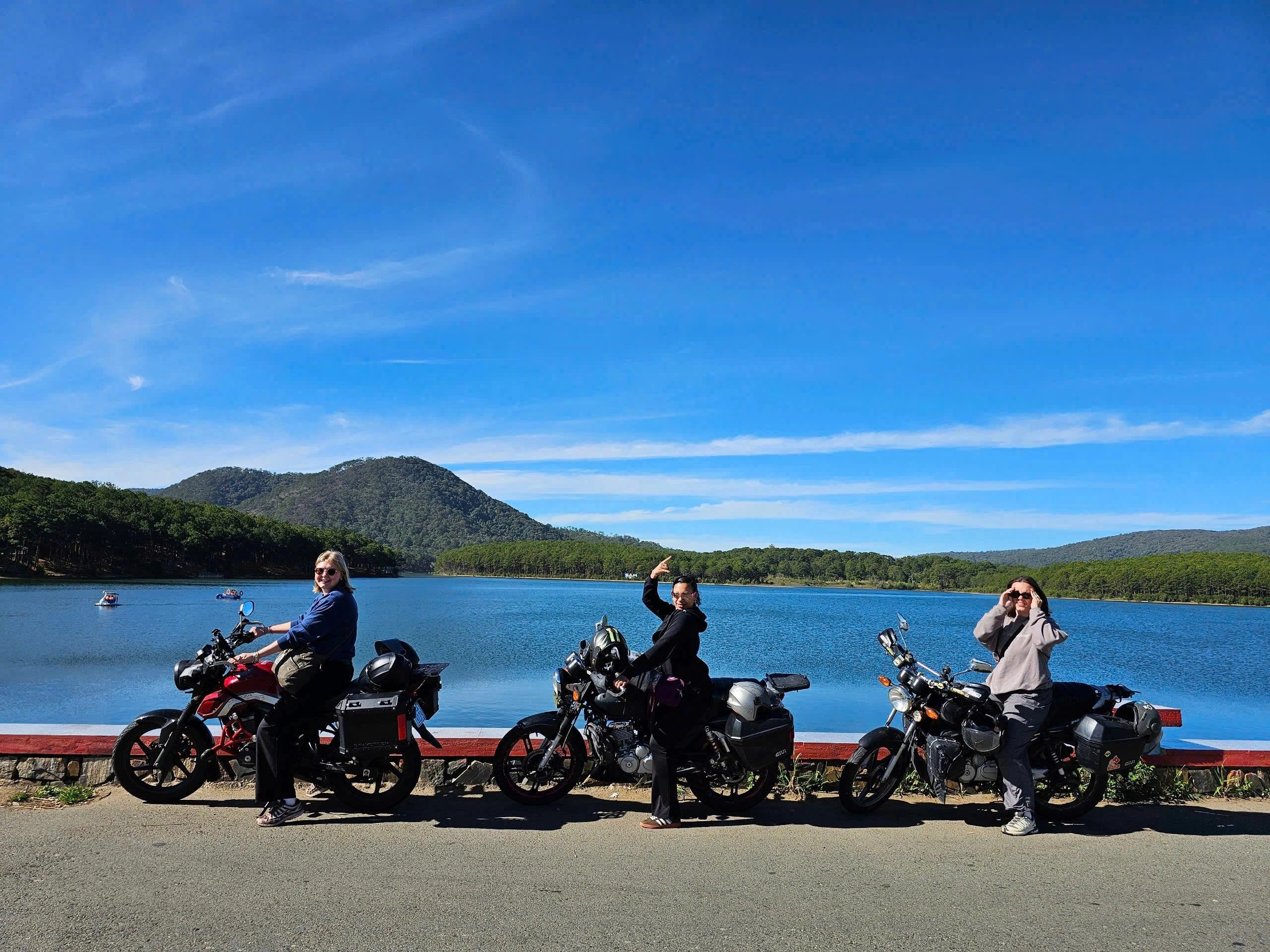
To truly understand the layout of the city and find the best hidden spots, renting a scooter is ideal. The roads are well-paved, winding beautifully through the hills and offering dramatic drops on either side. Because you will definitely need to use Google Maps to find specific cafes or waterfalls, picking up a reliable Vietnam travel SIM is highly recommended so you don't lose your signal in the valleys.
Cycling is another fantastic, active option. Renting a mountain bike and pedaling the relatively flat loop around Xuan Huong Lake is a great morning activity for any fitness level. More serious cyclists often tackle the steep, winding roads out toward Tuyen Lam Lake, enjoying the intense physical challenge and the fresh, pine-scented breeze.
>> Read more: How to Travel to Dalat Vietnam: Ultimate Transportation & Travel Guide
4. What to Eat and Drink in Da Lat
The cold mountain air heavily influences the culinary scene, pushing locals toward hot, comforting street food and strong, locally grown coffee.
4.1. Try Local Street Food at Da Lat Night Market
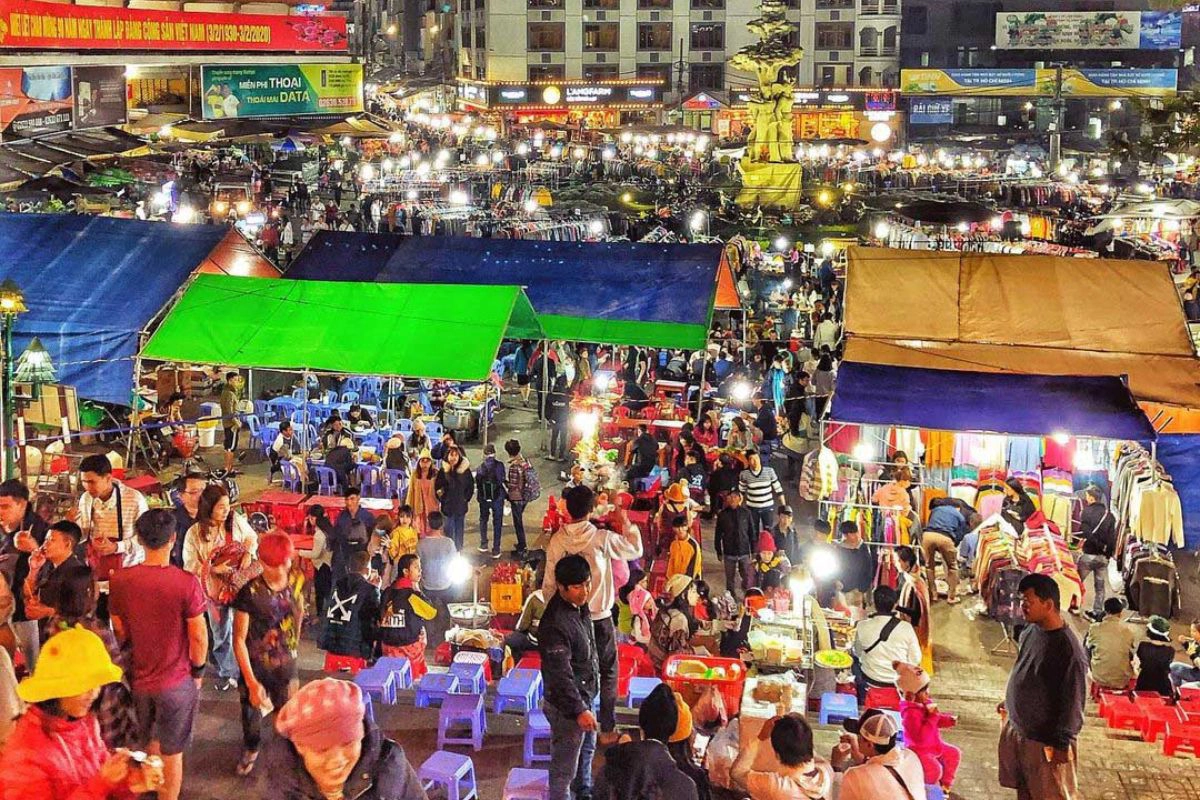
Night Market street food warms every Da Lat evening - Source: VinWonders
As dusk falls, the city center around the main roundabout turns into the Da Lat Night Market. The chilly air makes eating hot food here feel incredibly satisfying. The undisputed star of the market is Banh Trang Nuong, widely known as Vietnamese pizza. Vendors grill a sheet of rice paper over hot coals, topping it with a cracked egg, minced pork, dried shrimp, scallions, and chili sauce until it is crispy and warm.
Another staple is a steaming cup of freshly made soy milk, often served with a sweet, flaky pastry on the side. You will see dozens of small plastic tables packed with people enjoying this simple, warming treat. For a deeper dive into the specific restaurants and local delicacies hidden in the alleys, checking out a dedicated Da Lat food guide will help you eat like a true local.
4.2. Enjoy Specialty Coffee and Hillside Cafes
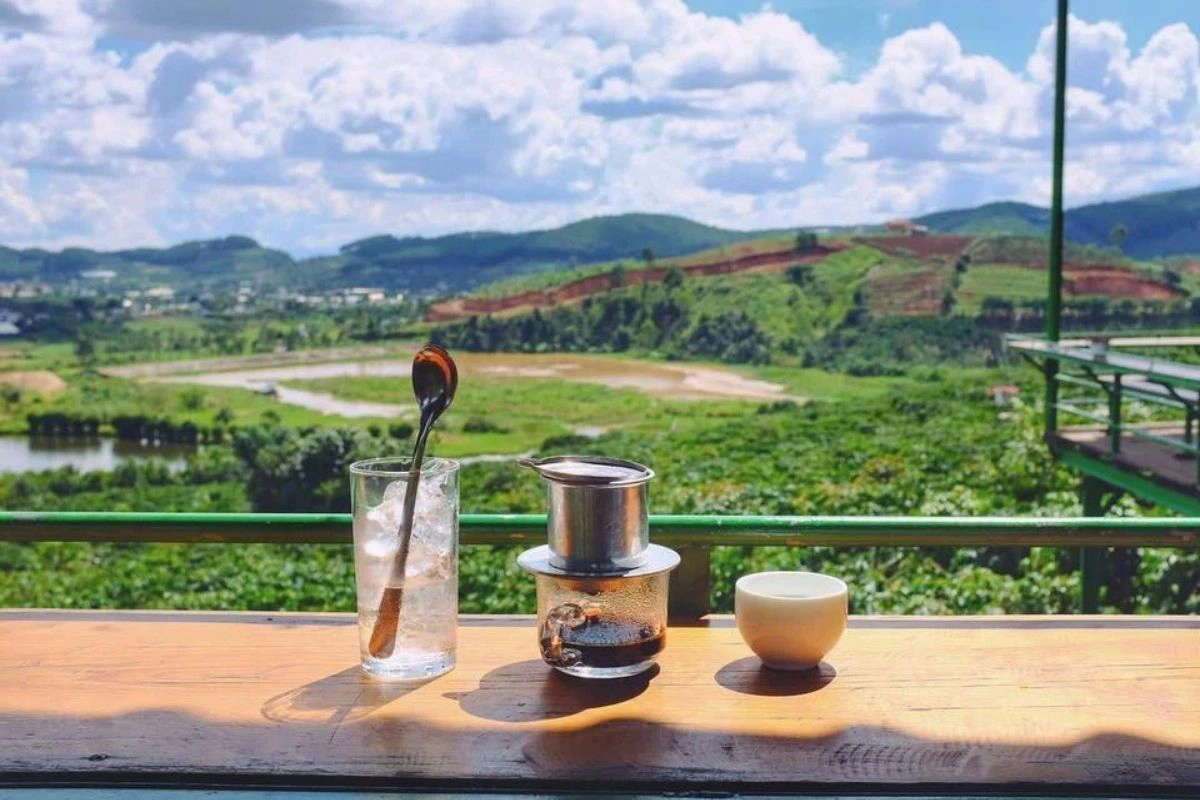
Hillside cafes pair local coffee with misty valley views - Source: Vinpearl
Because of its high altitude, the Lam Dong province is the coffee capital of Vietnam, particularly famous for its high-quality Arabica beans. This agricultural advantage has spawned a massive cafe culture. Places like La Viet Coffee act as both a roastery and an industrial-chic cafe, where you can literally see the beans being sorted and roasted before ordering a pristine pour-over.
Beyond the beans, Da Lat is famous for the location of its cafes. Hundreds of independent coffee shops are built precariously onto the sides of steep hills, featuring wooden decks that look out over the pine valleys. Spending an afternoon sipping a strong local brew while watching the afternoon fog roll in is an essential part of the highland experience.
4.3. Taste Da Lat’s Fresh Strawberries, Avocados, and Artichoke Tea

Fresh produce is part of Da Lat’s highland flavor - Source: Berryland
The temperate weather allows farmers to grow produce that would instantly wither in Ho Chi Minh City. Strawberries are a major local crop. You can visit farms just outside the city center to pick your own fruit right off the vine, or buy them at the market shaken in a plastic cup with chili salt for a spicy-sweet snack.
Avocados are also exceptional here. The most famous local dessert is Kem Bo, a rich, thick avocado smoothie topped with a massive scoop of coconut ice cream. Finally, the region grows excellent artichokes, which are boiled down into a sweet, earthy tea. It is served in almost every cafe and restaurant, and buying a box of artichoke tea bags is a highly popular souvenir.
5. Practical Tips for Planning What to Do in Da Lat
Knowing the logistics of highland travel will save you time and ensure you don't get caught out in the rain or stuck without a ride.
5.1. Best Time to Visit Da Lat
Choose the right season for better outdoor experiences
The dry season, from November to March, is the optimal window for a trip. The skies are generally clear, the weather is cold but manageable, and outdoor activities like motorbiking and trekking are much safer. This is also when the wild sunflowers and pink cherry blossoms bloom, covering the hillsides in vibrant colors.
From April to October, the rainy season takes over. This usually means clear mornings followed by heavy, predictable downpours in the early afternoon. While the rain limits outdoor time, it makes the waterfalls incredibly powerful and the pine forests lush. If you visit during these months, plan your major sightseeing for 8:00 AM and save the cafes for the rainy afternoons.
5.2. How to Get to Da Lat
Most international travelers opt for a quick domestic flight into Lien Khuong Airport, located about 30 kilometers south of the city. Shuttle buses and taxis easily connect the airport to the downtown area. If you are plotting a larger itinerary, reading a comprehensive Travel Vietnam guide can help you figure out how to efficiently connect Da Lat with coastal cities like Nha Trang or Hoi An.
If you are coming from Ho Chi Minh City and want to save money, luxury sleeper buses are a great option. The journey takes roughly six to eight hours, climbing up scenic, winding mountain passes. Because the roads are steep and curvy, taking motion sickness medication beforehand is a smart move if you are prone to nausea.
5.3. How to Get Around Da Lat
One of Da Lat’s most interesting features is that the city has no traffic lights. Instead, vehicles move through a network of roundabouts. Because the terrain is very hilly, walking is only convenient around central areas such as the Night Market and Xuan Huong Lake. To visit waterfalls, hilltop cafes, or places outside the city center, you will need some form of transport.
Ride-hailing apps like Grab work well in the central area, but they may be harder to find once you travel farther into the valleys. For an easier sightseeing day, booking private transportation services lets you plan your own route without worrying about finding a taxi back. If you rent a scooter, ride carefully and stay alert, especially on mountain roads when evening fog reduces visibility.
5.4. How Many Days Should You Spend in Da Lat?
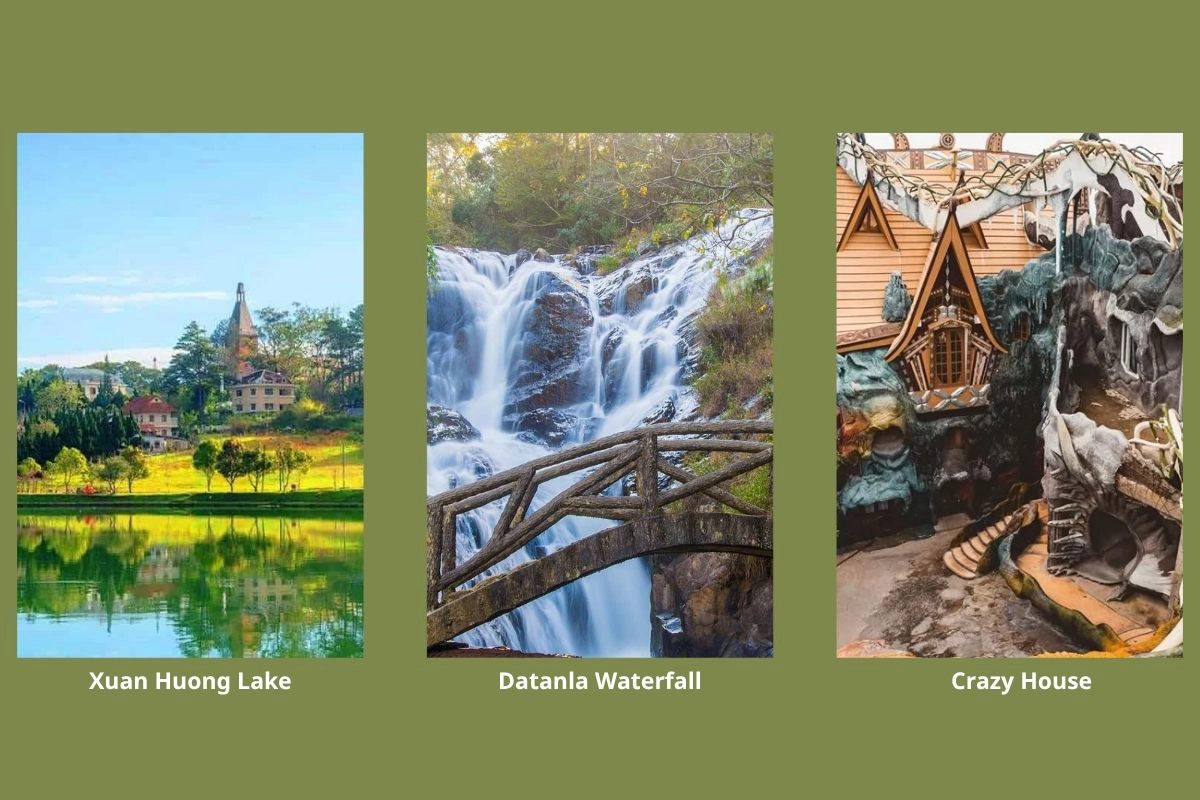
Three days is enough for Da Lat highlights
For most first-time visitors, three full days is a comfortable amount of time to explore Da Lat without feeling rushed. You can spend one day visiting central landmarks such as the Crazy House, Da Lat Railway Station, and Xuan Huong Lake, then use another day for nature spots like Datanla Waterfall, Tuyen Lam Lake, or Lang Biang Mountain.
If you want to join a full-day canyoning tour, go trekking in Bidoup Nui Ba National Park, or spend more time relaxing in hillside cafes, staying four to five days is a better choice. Da Lat is not just about checking off attractions; its charm comes from slow mornings, cool weather, scenic roads, and having enough time to enjoy the highland atmosphere.
6. Frequently Asked Questions About What to Do in Da Lat
6.1. What is Da Lat best known for?
Da Lat is famous for its cool mountain climate, French colonial architecture, sprawling pine forests, and vibrant cafe culture. It is often called the "City of Eternal Spring" because of its year-round temperate weather.
6.2. How many days are enough for Da Lat?
Two to three full days is generally enough to experience the core attractions. However, if you plan to do full-day outdoor activities like canyoning or trekking, four to five days will give you a much more relaxed pace.
6.3. What are the best things to do in Da Lat for first-time visitors?
First-time visitors should ride the alpine coaster at Datanla Waterfall, explore the bizarre Crazy House, and take a stroll around Xuan Huong Lake. At night, eating street food at the Da Lat Night Market is a must.
6.4. Is Da Lat good for outdoor adventure activities?
Yes, Da Lat is widely considered the adventure capital of southern Vietnam. It offers excellent opportunities for waterfall canyoning, white water rafting, mountain biking, and multi-day trekking.
6.5. What should I do in Da Lat at night?
The most popular evening activity is visiting the Da Lat Night Market to shop for souvenirs and eat hot street food. Alternatively, you can visit acoustic live music cafes or drive out to the hills to see the glowing agricultural greenhouses.
Knowing what to do in Da Lat will help you enjoy the city beyond its cool weather and famous scenery. From waterfalls, lakes, and pine forests to local food, hillside cafes, and outdoor adventures, Da Lat offers plenty of memorable experiences for every travel style. If you want a smooth trip with easy transfers, local tours, and a well-planned itinerary, contact Joytime Travel Agency to customize your Da Lat journey.
|
Joytime Travel Agency - Travel JOY, TIMEless Vietnam Safe, Seamless, Satisfying, Sustainable Follow us for travel tips, local insights, and exclusive offers:
|

Danish Nguyen
Danish Nguyen is a renowned travel blogger in Vietnam with over 5 years of experience sharing unique travel experiences. With a passion for exploring new places, Danish captures incredible moments and provides readers with valuable tips to discover the beauty of his homeland.