









Top 7+ Places to Visit in Vietnam Beaches for Your Holiday
The main content of the article
- 1. What to Expect from a Vietnam Beach Holiday
- 2. Top Places to Visit in Vietnam Beaches and Island Escapes
- 2.1. Phu Quoc Island and Tropical Resort Getaways
- 2.2. Da Nang and Hoi An Coastlines for Culture and Sand
- 2.3. Nha Trang High Energy Shores and Water Sports
- 2.4. Con Dao Archipelago Pristine Nature and History
- 2.5. Quy Nhon and Phu Yen Hidden Local Favorites
- 2.6. Mui Ne and Phan Thiet for Sand Dunes and Kitesurfing
- 2.7. Cat Ba Island for Limestone Karsts and Northern Charm
- 3. How to Choose Where to Go in Vietnam for Your Beach Holiday
- 4. Practical Tips for the Coast Covering Weather and Transport
- 5. FAQs About Places to Visit in Vietnam Beaches
Places to visit in Vietnam beaches include everything from lively resort towns to peaceful islands and lesser-known coastal hideaways. With more than 3,000 kilometers of coastline, Vietnam gives travelers plenty of ways to enjoy a beach holiday, whether you want soft sand, clear water, seafood by the shore, or easy access to culture and local life. This guide will help you decide where to go in Vietnam for beaches that fit your travel style, from relaxing resort escapes to Vietnam travel beautiful beach experiences along the coast.
1. What to Expect from a Vietnam Beach Holiday
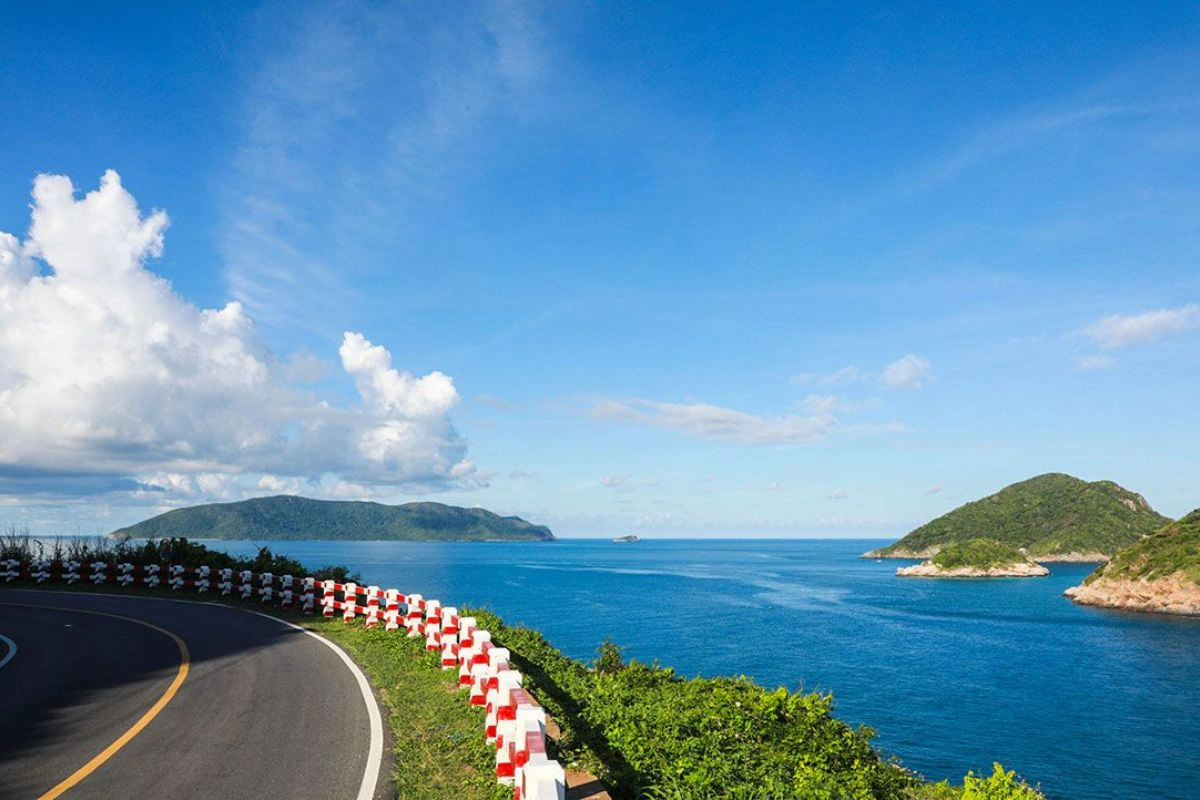
Vietnam’s coastal road reveals blue seas and island views - Source: Anh Dep Free
The Vietnamese coast changes dramatically from the northern Gulf of Tonkin down to the southern Gulf of Thailand. Because of this geography, a beach holiday here is rarely a one-size-fits-all experience. In the central provinces, you will find long, wide stretches of white sand backed by pine trees or luxury resorts. Head further south, and the landscape shifts to palm-fringed islands with a more tropical, humid climate.
Travelers often assume the entire country experiences the same weather simultaneously, which is a common trip-planning mistake. When the central coast is experiencing heavy seasonal rain, the southern islands might be completely dry and sunny. Beyond the weather, the infrastructure varies wildly. You can step off a plane in Da Nang and be on the sand in fifteen minutes, or you can take a rugged ferry ride to a remote island where electricity shuts off at midnight.
2. Top Places to Visit in Vietnam Beaches and Island Escapes
If you are mapping out your coastal route, you need to know which shorelines match your expectations. For travelers searching where to go Vietnam beach options, these top coastal destinations offer a useful starting point, broken down by what makes them worth your time.
2.1. Phu Quoc Island and Tropical Resort Getaways
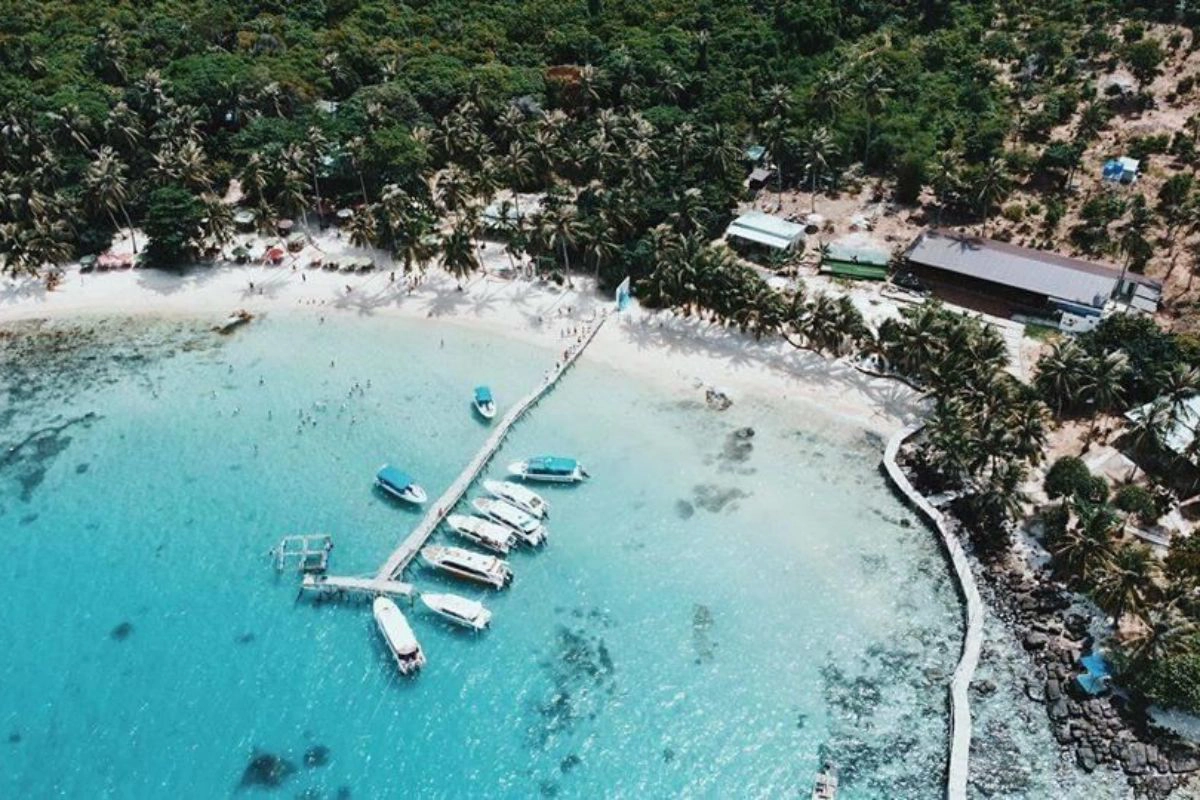
Phu Quoc blends calm beaches, resorts, and island fun - Source: Hoang Ninh
Located off the southern coast near the Cambodian border, Phu Quoc is Vietnam's largest island and a major hub for resort tourism. The western edge is dominated by Long Beach, where you will find calm waters, spectacular sunsets, and a high concentration of beachfront hotels ranging from budget bungalows to international five-star brands.
If you prefer something quieter, head to the southeastern side to visit Sao Beach, known for its powdery white sand and shallow turquoise water. Phu Quoc is also heavily invested in entertainment, offering massive safari parks, cable cars, and water parks that keep visitors busy when they want a break from the ocean.
>> Read more: What to See in Phu Quoc Island: 46+ Must-Visit Destinations
2.2. Da Nang and Hoi An Coastlines for Culture and Sand
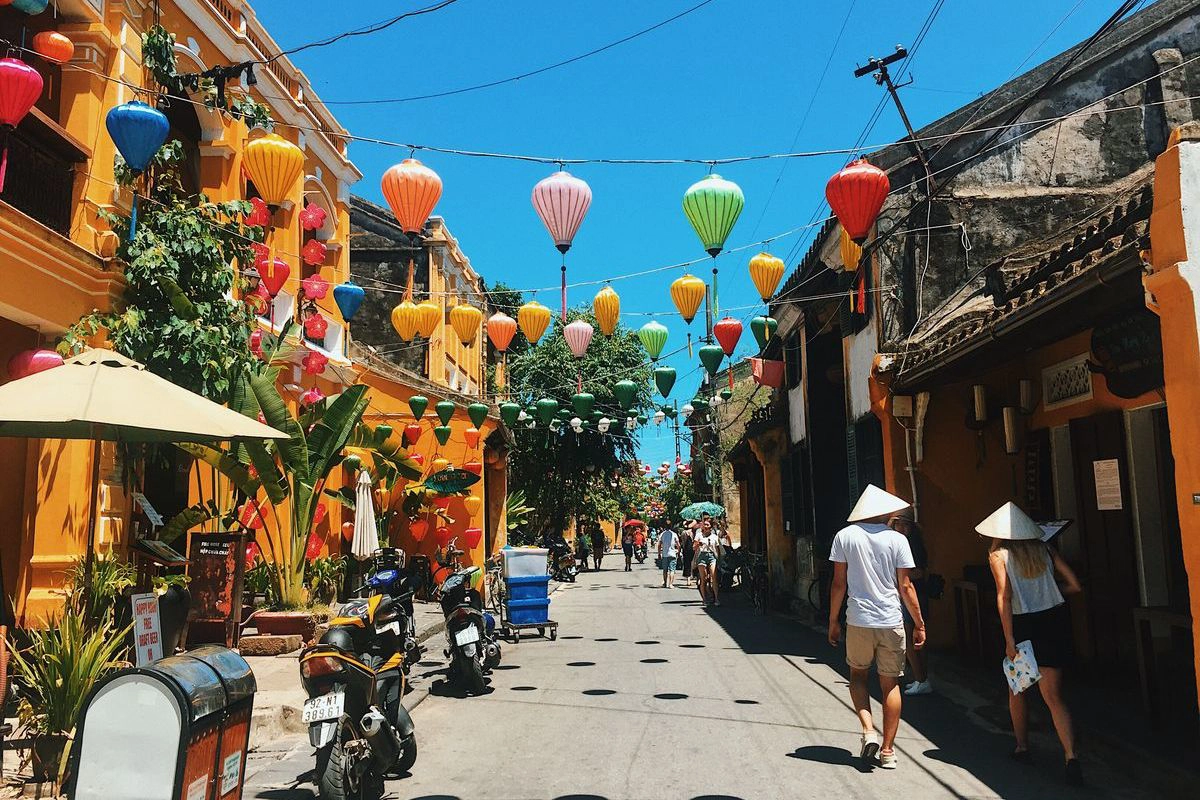
Da Nang and Hoi An blend beach escapes with lantern-lit heritage streets - Source: Huong Tran
For travelers who want a mix of urban convenience, cultural heritage, and excellent swimming, the coastal strip connecting Da Nang and Hoi An is difficult to beat. Da Nang’s My Khe Beach stretches for miles, featuring wide, clean sand, gentle waves, and a lively promenade filled with seafood restaurants.
Just thirty minutes south, the beaches of Hoi An, especially An Bang and the quieter Ha My, offer a more relaxed, bohemian atmosphere. Staying in this region means you can spend your mornings swimming and your evenings walking through the streets of Hoi An’s Ancient Town glowing with lantern light.
>> Read more: Discover Da Nang Beach: Vietnam’s Coastal Gem You Can’t Miss
2.3. Nha Trang High Energy Shores and Water Sports
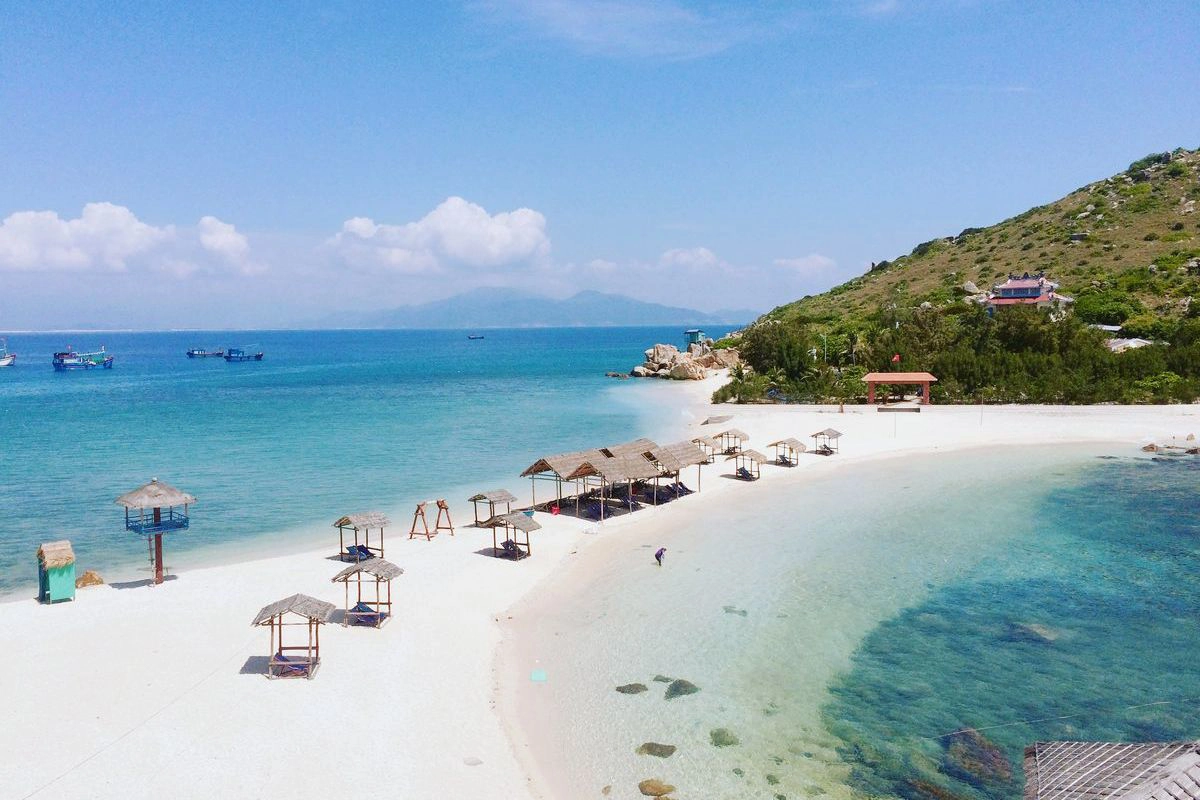
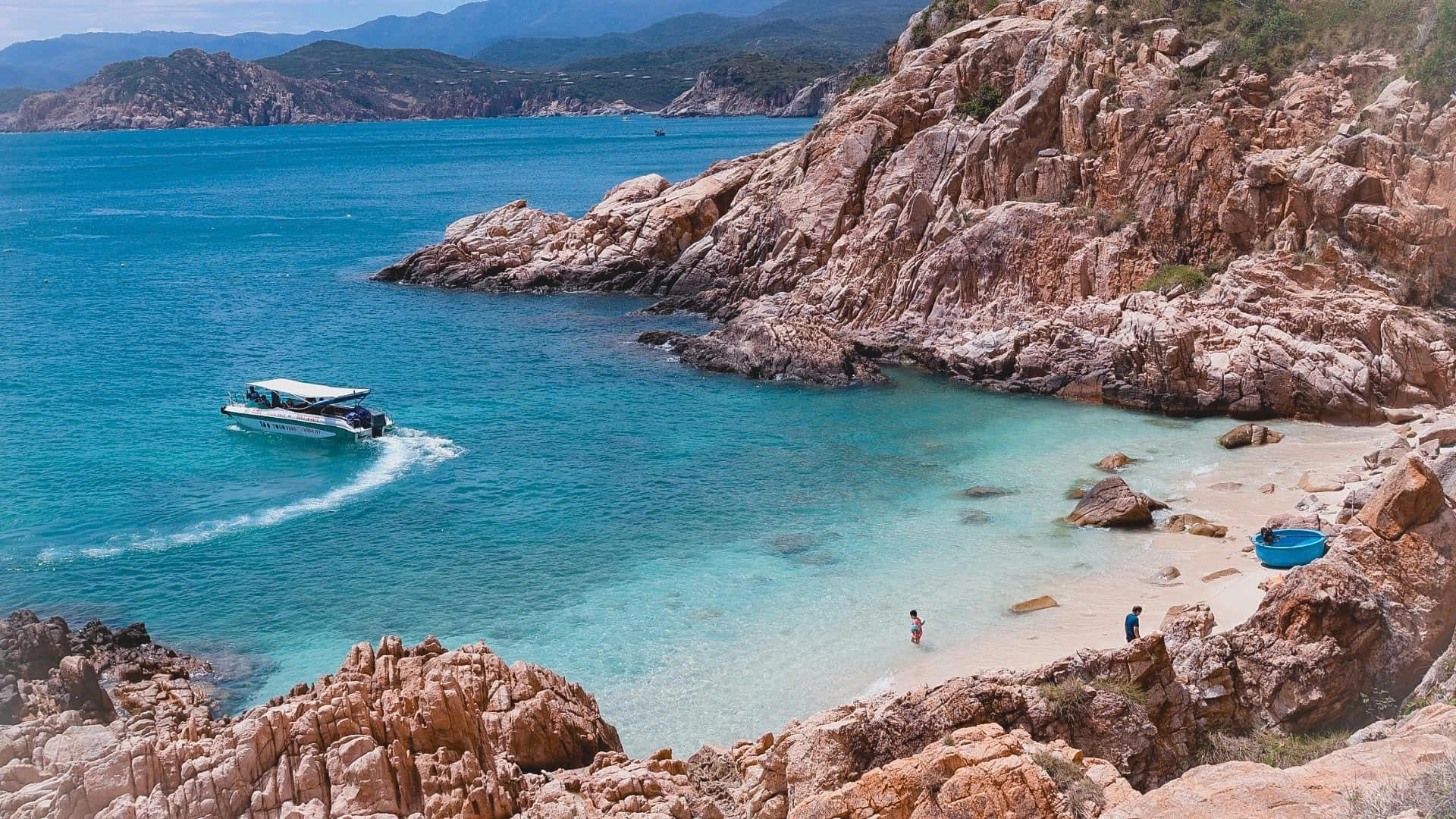
Nha Trang’s clear bays invite snorkeling and island hopping - Source: Dung Hoang
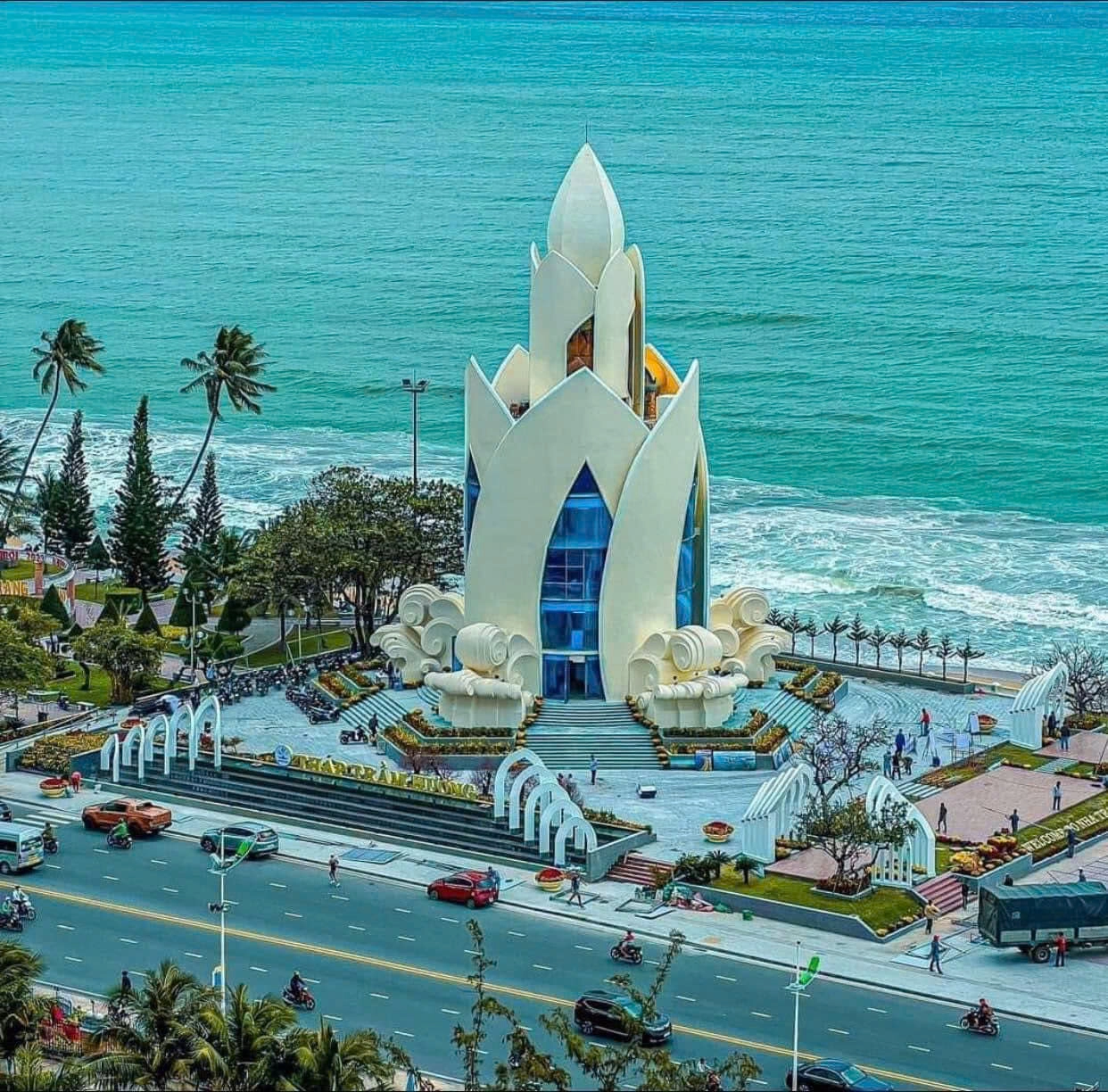
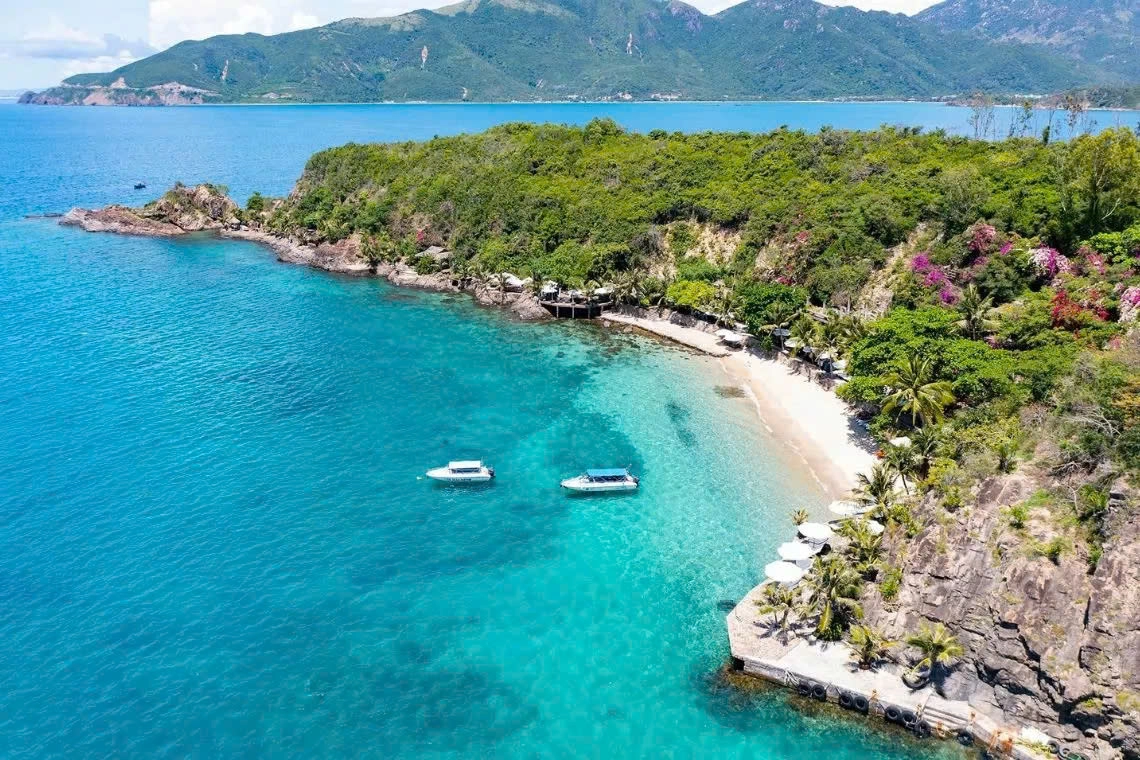
Nha Trang is a high-energy coastal city where high-rise hotels look directly out over the bay. This is the place to go if your idea of a great beach holiday involves scuba diving, island-hopping boat tours, and active nightlife. The bay is dotted with smaller islands like Hon Mun, which is a marine protected area offering some of the clearest snorkeling in the country.
The city itself is busy and commercialized, which appeals to travelers looking for extensive dining options and evening entertainment. Getting here is straightforward, and booking local transportation tickets for the scenic train ride from Ho Chi Minh City or Da Nang adds an extra layer of adventure to the trip.
2.4. Con Dao Archipelago Pristine Nature and History
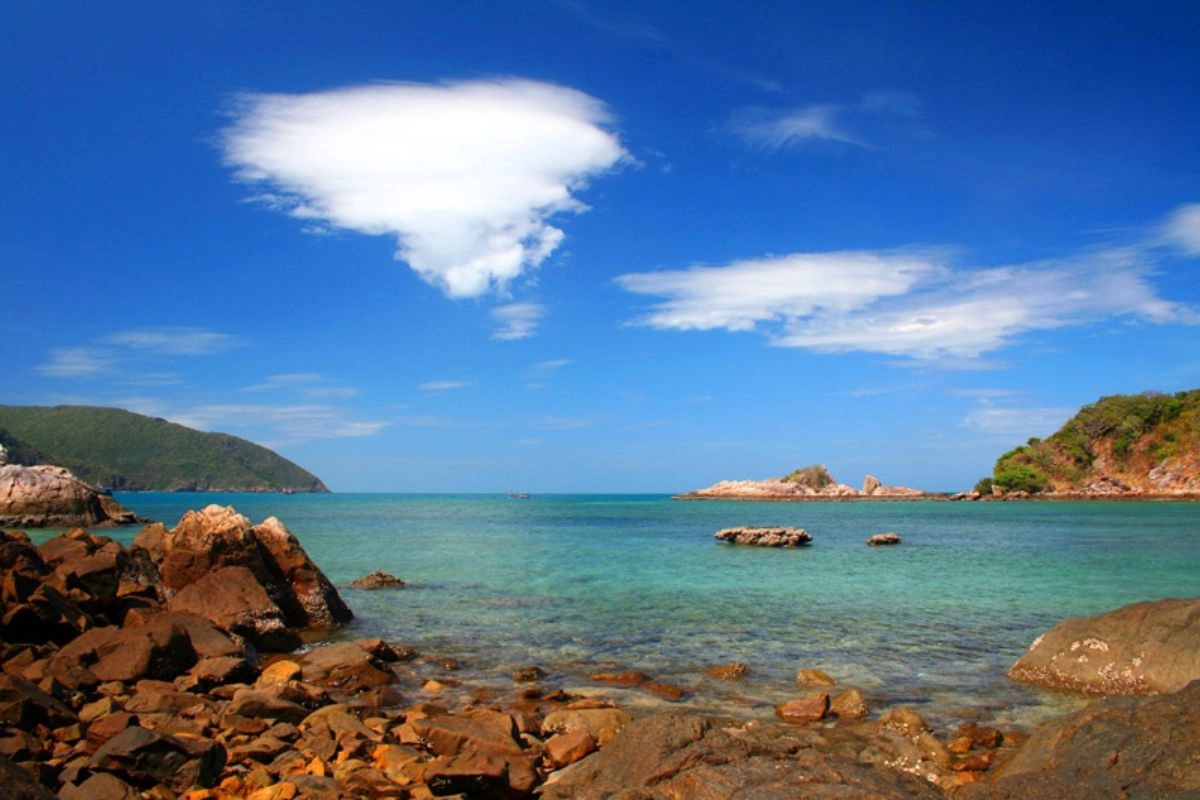
Con Dao offers quiet beaches, protected nature, and a deep historical legacy - Source: Ngo My
Con Dao is a cluster of islands off the southern coast that offers a stark contrast to the busy shores of Nha Trang or Phu Quoc. Historically used as a penal colony, the main island of Con Son is now a protected national park. Development is strictly regulated here, meaning the beaches remain raw, quiet, and largely empty.
Dam Trau beach, located right next to the island's small airport, is famous for low-flying propeller planes passing just over the sand. Con Dao is also the premier spot in Vietnam for watching sea turtles hatch between May and October.
2.5. Quy Nhon and Phu Yen Hidden Local Favorites
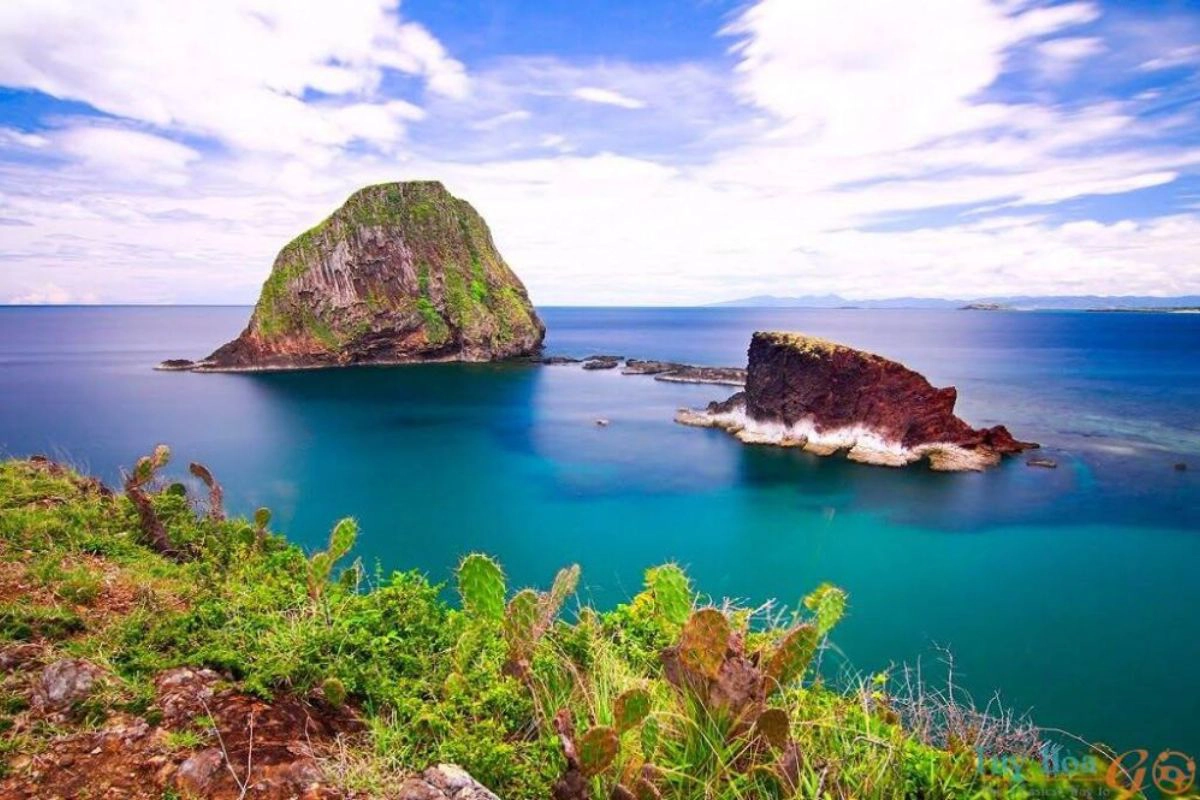
Hon Yen in Phu Yen showcases wild coastal beauty and peaceful local charm - Source: Tuy Hoa Go
If you want to avoid international crowds, look to the south-central provinces of Binh Dinh and Phu Yen. The city of Quy Nhon is surrounded by dramatic coastal geography, including Ky Co Beach, which sits at the base of steep mountains and requires a short boat ride or a steep drive to reach.
Neighboring Phu Yen province offers sweeping, rugged coastlines like Ghenh Da Dia, a natural formation of interlocking basalt columns dropping into the sea. These areas are heavily favored by domestic tourists but remain mostly off the radar for overseas visitors.
>> Read more: Quy Nhon Tour: Best Itineraries, Beaches & Local Experiences
2.6. Mui Ne and Phan Thiet for Sand Dunes and Kitesurfing
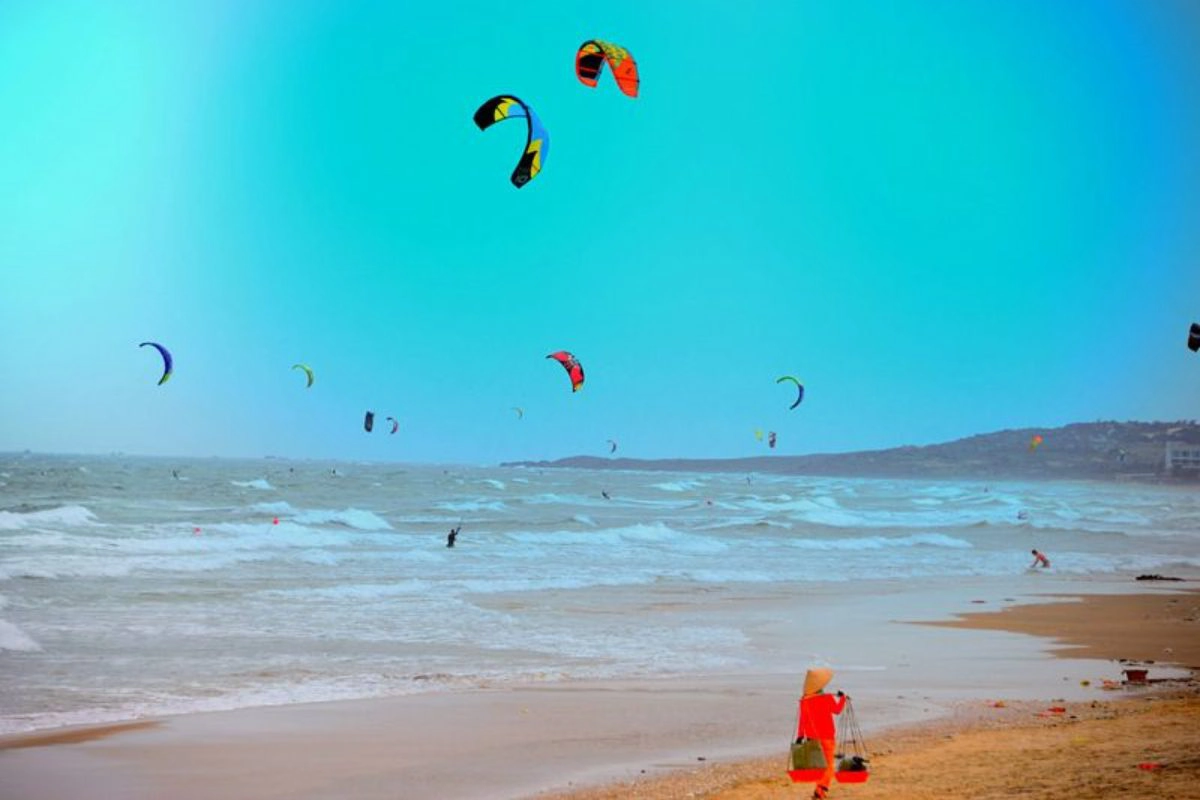
Mui Ne’s sand dunes and kitesurfing beaches - Source: Pinterest
Mui Ne, a coastal ward of Phan Thiet city, offers a completely different ecosystem from the rest of the country. Known for its distinct microclimate, it receives far less rain than other coastal regions, making it a reliable year-round destination. The area is famous for its dramatic red and white sand dunes, which create a desert-like landscape right next to the ocean.
Thanks to strong, consistent thermal winds, Mui Ne has evolved into Southeast Asia’s premier hub for kitesurfing and windsurfing. The main beach strip is lined with low-rise resorts, seafood restaurants, and surf schools, offering a laid-back, bohemian atmosphere that appeals to both active travelers and those just looking to lounge by the sea.

2.7. Cat Ba Island for Limestone Karsts and Northern Charm
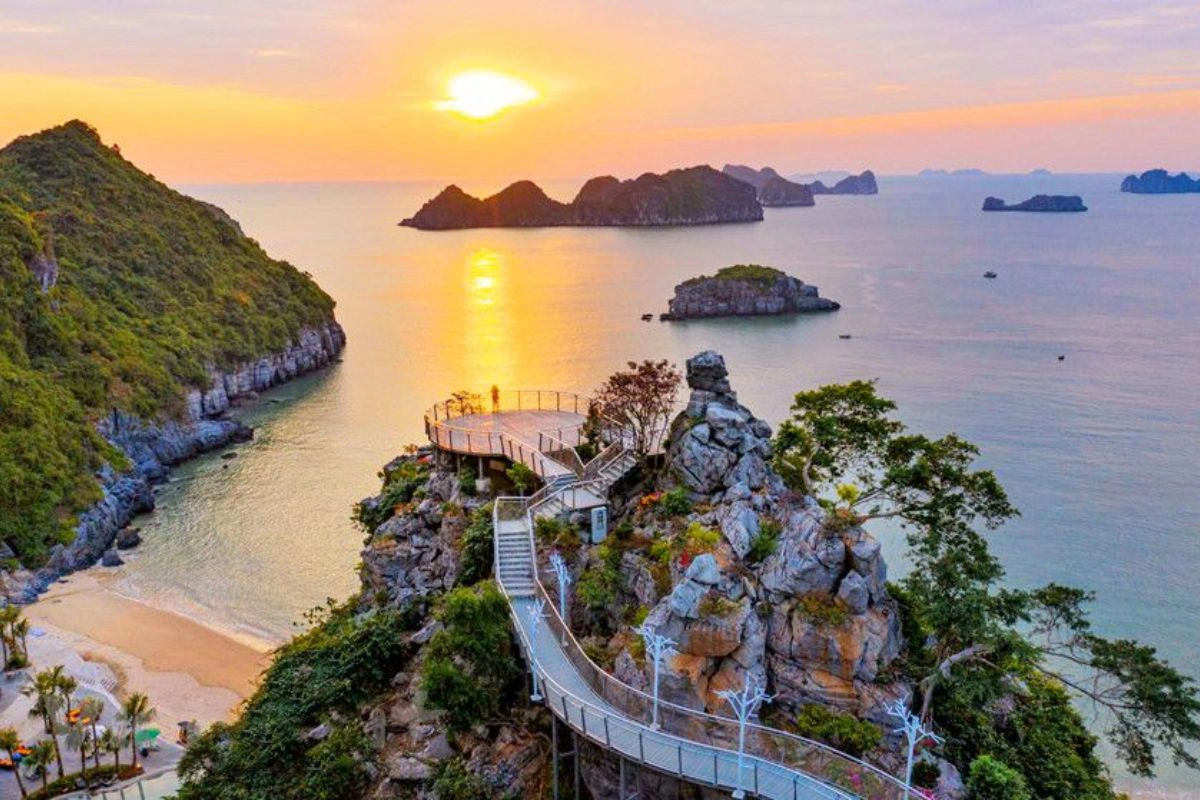
Cat Ba’s limestone karsts and emerald bays - Source: ABM
While southern and central Vietnam dominate the beach conversation, Cat Ba Island provides a striking northern alternative. Located on the edge of Halong Bay and Lan Ha Bay, the island's beaches, such as Cat Co 1, 2, and 3, are framed by towering limestone karsts that drop vertically into the emerald water.
The beaches here are smaller and can get busy with domestic travelers during the summer months, but the dramatic scenery is unmatched. Beyond lounging on the sand, Cat Ba is an excellent base for kayaking through floating fishing villages, rock climbing, and trekking through the island’s national park. It is the perfect coastal stop for travelers exploring northern Vietnam who want ocean views without flying south.
3. How to Choose Where to Go in Vietnam for Your Beach Holiday
Picking a destination requires looking closely at who is traveling in your group and how much time you are willing to spend in transit. If you are deciding where to go in Vietnam for beach holiday plans, start by matching each destination with your group’s pace, budget, and preferred travel style.
3.1. Best Destinations for Families and Easy Logistics
Families traveling with children generally need easy airport access, clean facilities, and calm waters. Da Nang is widely considered the most stress-free option. The airport is a mere ten-minute drive from the city center, and the beaches are heavily monitored by lifeguards. Phu Quoc is another excellent family choice due to direct international flight routes and large resorts that provide all-inclusive entertainment options on-site.
3.2. Quiet Retreats Ideal for Couples and Honeymoons
Couples looking for privacy should prioritize destinations that restrict large-scale tour buses. Con Dao provides an incredibly romantic, isolated atmosphere, though it requires a short domestic flight from Ho Chi Minh City. Alternatively, the secluded bays north of Nha Trang, such as Ninh Van Bay, host several ultra-luxury eco-resorts accessible only by private speedboat, ensuring total seclusion.
3.3. Scenic Spots for Backpackers and Solo Travelers
Solo travelers and backpackers usually seek out areas with a strong social scene and affordable guesthouses. Mui Ne, located a few hours east of Ho Chi Minh City, has long been a favorite for its kite-surfing community and famous sand dunes. Ha Giang and Ninh Binh are famous for mountains, but if you want coastal backpacker hubs, An Bang beach in Hoi An offers an excellent mix of affordable homestays, expat-owned beach bars, and easy networking with other travelers.
4. Practical Tips for the Coast Covering Weather and Transport
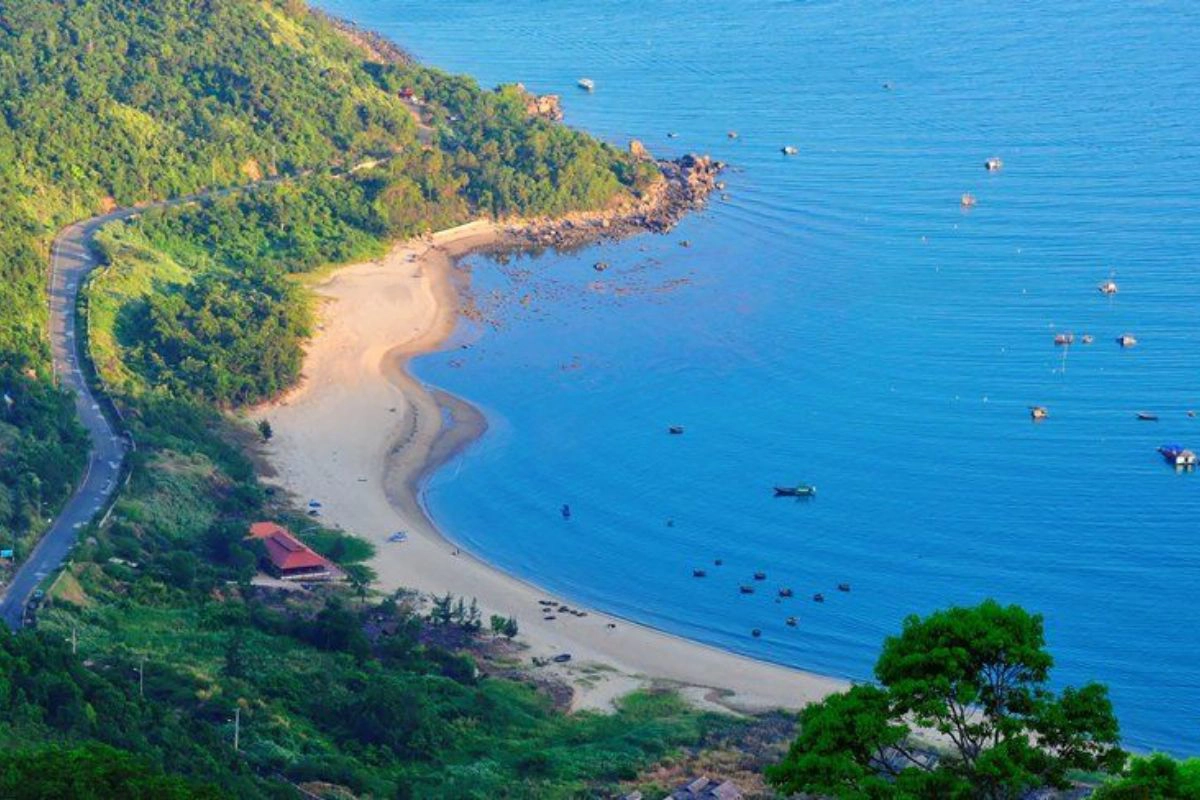
Scenic coastal roads make beach travel smoother with good planning - Source: Cham tay dua
The most critical factor in planning a Vietnam beach trip is understanding the regional monsoon systems. The central coast (Da Nang, Hoi An, Nha Trang) is prone to heavy rains, strong winds, and occasional typhoons from October to December. During these months, the southern beaches of Phu Quoc and Con Dao are usually entering their dry, sunny high season.
When flying into coastal hubs like Da Nang, Cam Ranh (Nha Trang), or Phu Quoc, international arrivals can sometimes face long immigration lines during peak tourist seasons. Arranging reliable Vietnam airport fast track services can save you hours of standing in line, allowing you to get out of the terminal and onto the sand much faster. It is also wise to consult an essential Vietnam travel guide to check exact regional weather patterns before finalizing your hotel deposits.
5. FAQs About Places to Visit in Vietnam Beaches
5.1. Which is the most beautiful beach in Vietnam?
There is no single answer, as beauty depends on preference. Sao Beach in Phu Quoc is famous for pure white sand, while Ky Co in Quy Nhon is loved for its dramatic cliffs and incredibly clear, emerald water.
5.2. When is the best time to visit Vietnam beaches?
For the central coast (Da Nang, Hoi An), February to August is ideal. For the southern islands (Phu Quoc, Con Dao), the best weather runs from November to April.
5.3. What are the safest beaches for swimming in Vietnam?
My Khe in Da Nang is heavily patrolled by lifeguards and features a very gradual drop-off. Long Beach in Phu Quoc also has very gentle waves during the dry season, making it exceptionally safe for inexperienced swimmers.
5.4. Are Vietnam beaches good for surfing and water sports?
Yes. Mui Ne is internationally recognized for kite-surfing due to strong, consistent thermal winds. For traditional surfing, My Khe in Da Nang offers decent swells between September and March.
5.5. How to travel between coastal cities in Vietnam?
For long distances (like Da Nang to Nha Trang), domestic flights are cheap and efficient. For shorter routes, the Reunification Express train runs along the coast, offering beautiful ocean views, particularly over the Hai Van Pass.
Choosing the best places to visit in Vietnam beaches depends on your travel style, timing, and preferred coastal experience. From Phu Quoc’s resort escapes to Con Dao’s quiet nature and Quy Nhon’s local charm, Vietnam offers a beach holiday for every type of traveler. For smoother planning, reliable transfers, and curated travel services, Joytime Travel Agency is ready to help you create a memorable seaside journey in Vietnam.
|
Joytime Travel Agency - Travel JOY, TIMEless Vietnam Safe, Seamless, Satisfying, Sustainable Follow us for travel tips, local insights, and exclusive offers:
|

Danish Nguyen
Danish Nguyen is a renowned travel blogger in Vietnam with over 5 years of experience sharing unique travel experiences. With a passion for exploring new places, Danish captures incredible moments and provides readers with valuable tips to discover the beauty of his homeland.