











Tour
 Tour
Tour


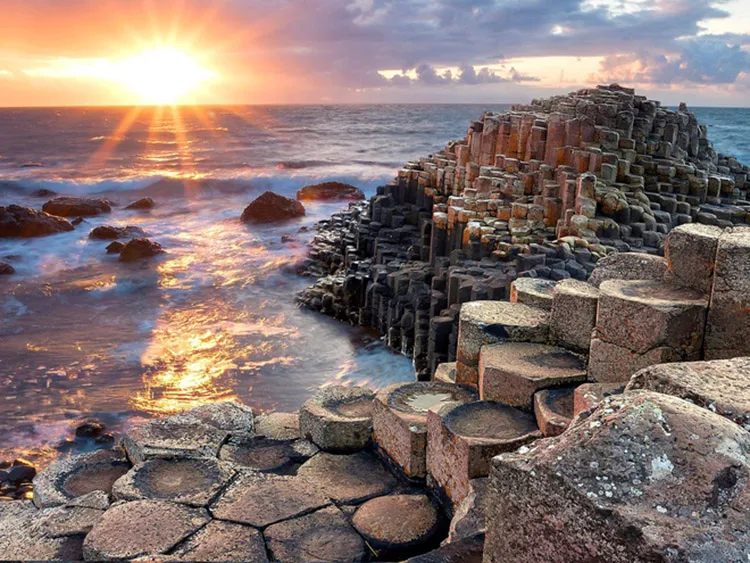



Beyond Vietnam’s bustling tourist hotspots, Quy Nhon offers a peaceful coastal escape with pristine beaches, stunning landscapes, and authentic local charm. From breathtaking seaside views to rich cultural experiences, this hidden gem has so much to discover. Join Joytime and explore more in the article below.
1. Is Quy Nhon worth visiting?
Is Quy Nhon worth visiting?
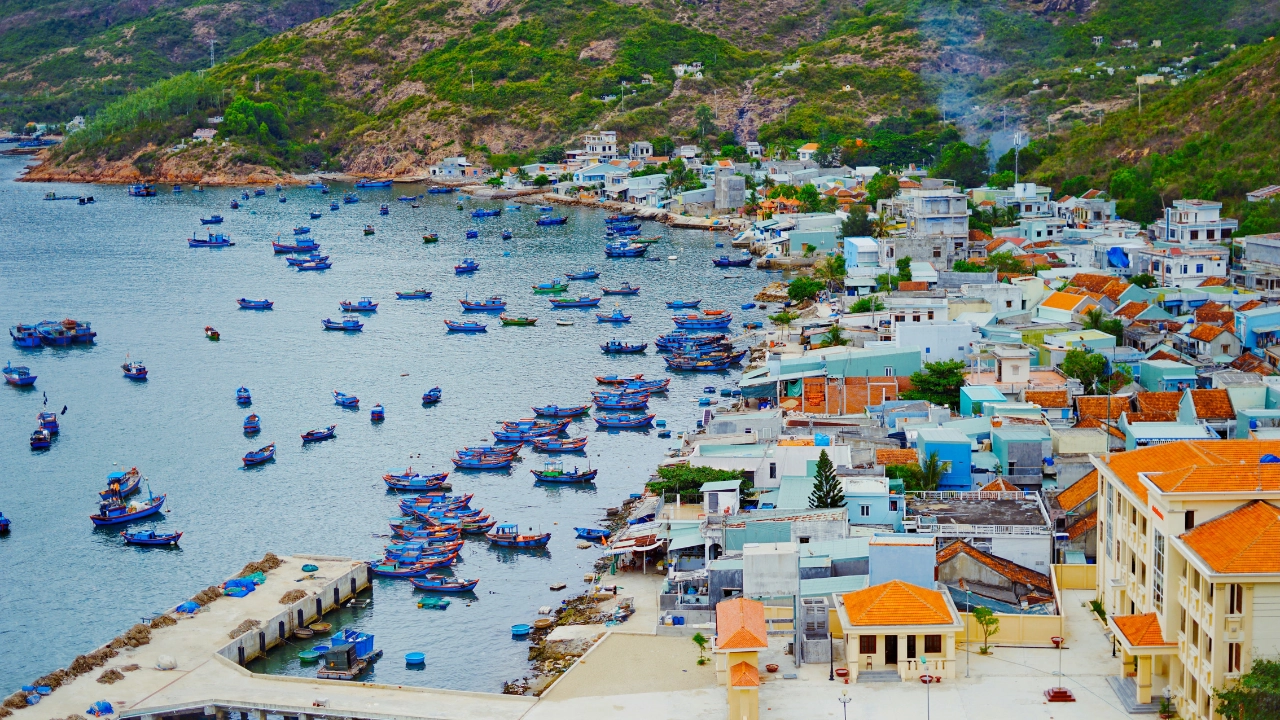
The answer is a resounding yes. Unlike heavily commercialized beach destinations, Quy Nhon preserves an authentic, slow-paced atmosphere where massive granite cliffs shield secluded fishing villages and vast stretches of powdery sand remain blissfully uncrowded. It is a rare destination where you can experience raw, dramatic natural landscapes while enjoying top-tier modern amenities and high-end infrastructure.
From an ecological and geological standpoint, the region boasts some of the most striking coastal topography in Southeast Asia. Sculpted rock formations, emerald bays, and expansive coral reefs offer world-class snorkeling, diving, and island-hopping opportunities. Beyond the natural beauty, the province holds immense cultural and historical value as the ancient cradle of the Champa Kingdom, marked by well-preserved red-brick towers standing silently on the hillsides. Combined with incredibly affordable luxury accommodations and fresh, highly distinct regional cuisine, Quy Nhon represents the ultimate modern Vietnamese coastal experience—delivering an ideal mix of rustic charm, historical depth, and comfort.
2. Quy Nhon city tour and cultural sightseeing experiences
Quy Nhon city tour and cultural sightseeing experiences
The urban center and its immediate surroundings are peppered with historical monuments and scenic viewpoints that narrate the complex history of Binh Dinh province. A standard city exploration seamlessly blends natural heritage with ancient architecture, taking you on a journey through different eras of Vietnamese and Cham history.
2.1 The ancient Cham towers of Thap Doi and Banh It
Among the most iconic Quy Nhon tourist attractions are the remarkable remnants of the Cham civilization, which flourished in this region between the 11th and 15th centuries. Unlike many other archeological sites in Southeast Asia, these striking red-brick sanctuaries are incredibly well-preserved and provide a window into ancient spiritual architecture.
-
Thap Doi (Twin Towers): Located right within the city limits, these two unique towers sit nestled inside a lush park of coconut palms and tropical flowers. Built in the late 12th century, they feature distinctive curved roofs heavily influenced by Khmer Angkorian architecture. The intricate sandstone carvings of mythical garudas, dancers, and sacred animals along the crown of the towers are a masterpiece of ancient craftsmanship.
-
Entrance Fee: VND 20,000 (~USD 0.85) per person.
-
-
Banh It Towers: Perched majestically on a hilltop just outside the city, this cluster of four distinct towers offers a breathtaking, commanding view over the surrounding rice paddies and winding rivers. Named after a local pyramidal sticky rice cake due to their shape, the Banh It complex represents a peak architectural milestone in Cham history, showcasing varied design styles across the main sanctuary, gate tower, and repository.
-
Entrance Fee: VND 20,000 (~USD 0.85) per person.
-
2.2 Ghenh Rang Tien Sa and the historical legacy of Han Mac Tu
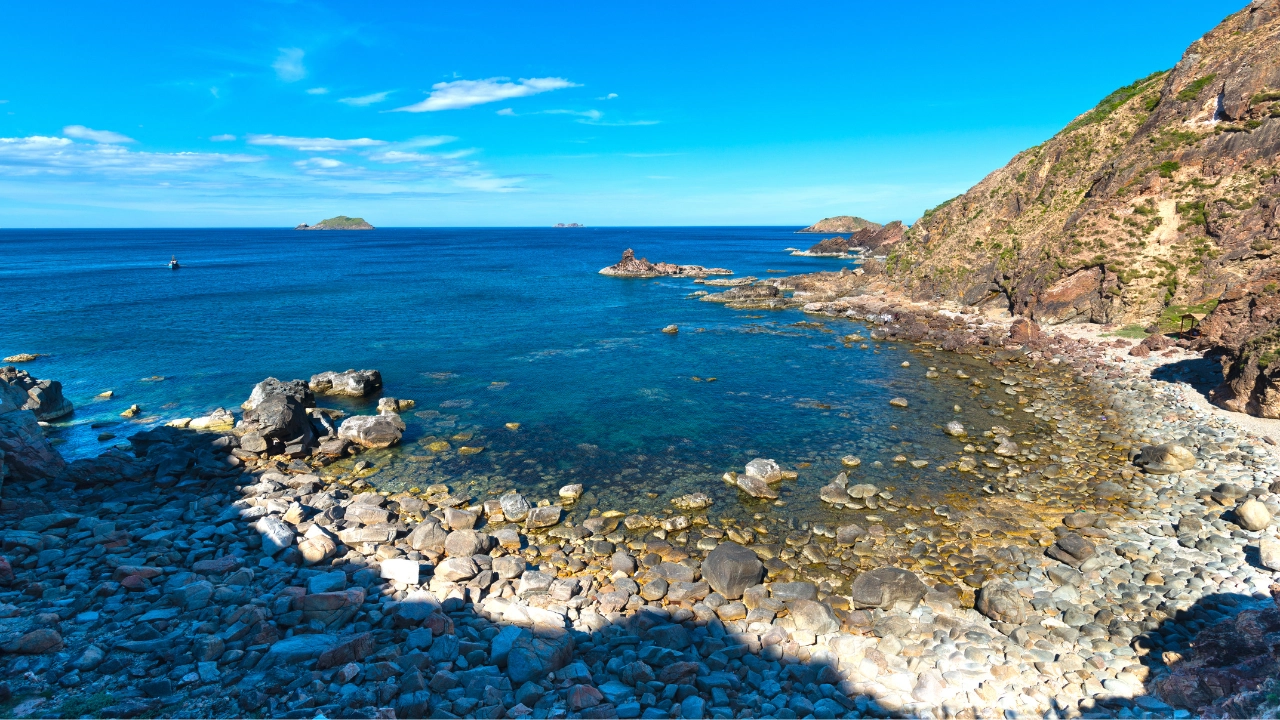
Situated just a few kilometers south of the main city beach, Ghenh Rang Tien Sa is a dramatic seaside park where large, polished boulder formations meet the crashing waves. This area is famous for Queen's Beach (Bai Tam Hoang Hau), so named because Queen Nam Phuong—the last empress of Vietnam—chose this secluded cove as her private bathing spot due to its unique smooth, egg-like pebble stones. A short walk up the hillside leads to the tranquil, flower-lined gravesite of Han Mac Tu, one of Vietnam's most celebrated and tragic romantic poets of the early 20th century, whose evocative work remains deeply embedded in modern Vietnamese culture.
2.3 The spiritual grandeur of Linh Phong pagoda
Located further north along the Phu Cat coastal road, Linh Phong Pagoda (also locally known as Ong Nui Pagoda) is home to one of the most imposing spiritual structures in Southeast Asia. Dominating the mountain landscape is a massive, brilliant white statue of the Buddha seated on a lotus pedestal, rising to an impressive height of 69 meters. To reach the base of this monumental statue, visitors must ascend a grand stone staircase of 600 steps. The physical climb rewards travelers with an unparalleled, panoramic view over the vast Phu Cat plains, the sparkling Thi Nai lagoon, and the infinite blue horizon of the East Sea.
3. Things to do in Quy Nhon for first-time visitors
Things to do in Quy Nhon for first-time visitors
When planning what to do in Quy Nhon Vietnam, international travelers are often surprised by the sheer diversity of experiences available. To help you curate your bucket list, here are the absolute quintessential things to do in Quy Nhon on your maiden voyage.
-
Island-hopping to Ky Co and Eo Gio: No trip to the region is complete without visiting the crown jewels of Binh Dinh’s coastline: Ky Co Beach and the dramatic cliffs of Eo Gio. Ky Co is often affectionately dubbed the "Maldives of Vietnam" due to its remarkably clear, multi-toned turquoise water and soft white sand crescent beach. Tucked neatly away behind a crescent wall of rocky mountains, the beach is accessible via a thrilling speedboat ride from Nhon Ly fishing village or via a scenic, winding mountain road. The water here is incredibly calm, making it a paradise for swimming and underwater photography.
-
Exploring the pristine marine life at Hon Kho island: For those seeking an authentic, less commercialized marine experience, Hon Kho Island (Dry Island) offers an ideal coastal escape. Situated just off the coast of the Nhon Hai fishing village, this rocky islet is completely uninhabited and preserves a rugged, raw charm. Hon Kho is globally renowned for its shallow, highly vibrant coral reefs. During low tide, a magical underwater sand pathway emerges from the sea, allowing visitors to walk directly across the shallow ocean water. Snorkeling here brings you face-to-face with colorful soft corals, sea anemones, and schools of tropical clownfish.
-
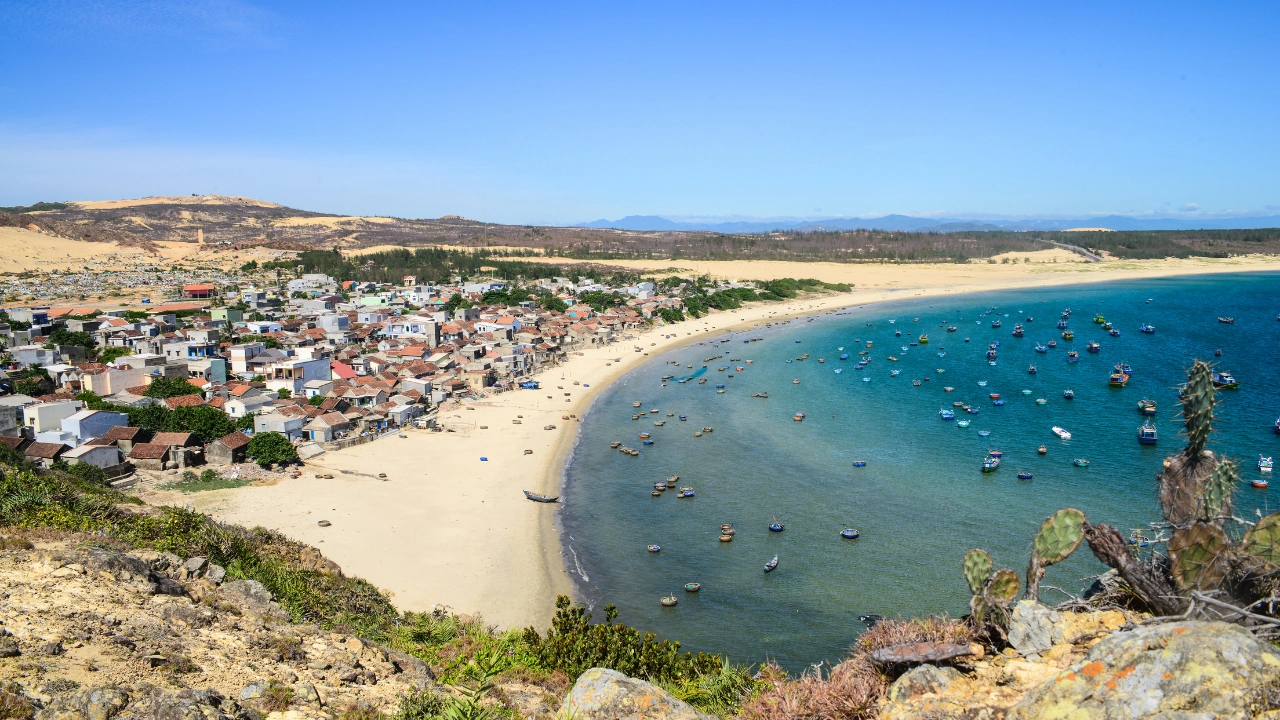
Watching the sunset at Thi Nai lagoon and the sand dunes of Phuong Mai: The Phuong Mai sand dunes feature an expansive, shifting landscape of pure white sand hills that look out over the ocean. Visitors can rent sandboards to slide down the steep slopes or simply hike up to capture magnificent photographs. Directly adjacent is the Thi Nai Lagoon, crossed by one of the longest over-sea bridges in Vietnam. Watching the golden sun dip below the distant blue mountains, reflecting off the calm waters where local fishermen tend to their traditional stilt nets, is an unforgettable visual experience.
4. Daily curated excursions by Joytime
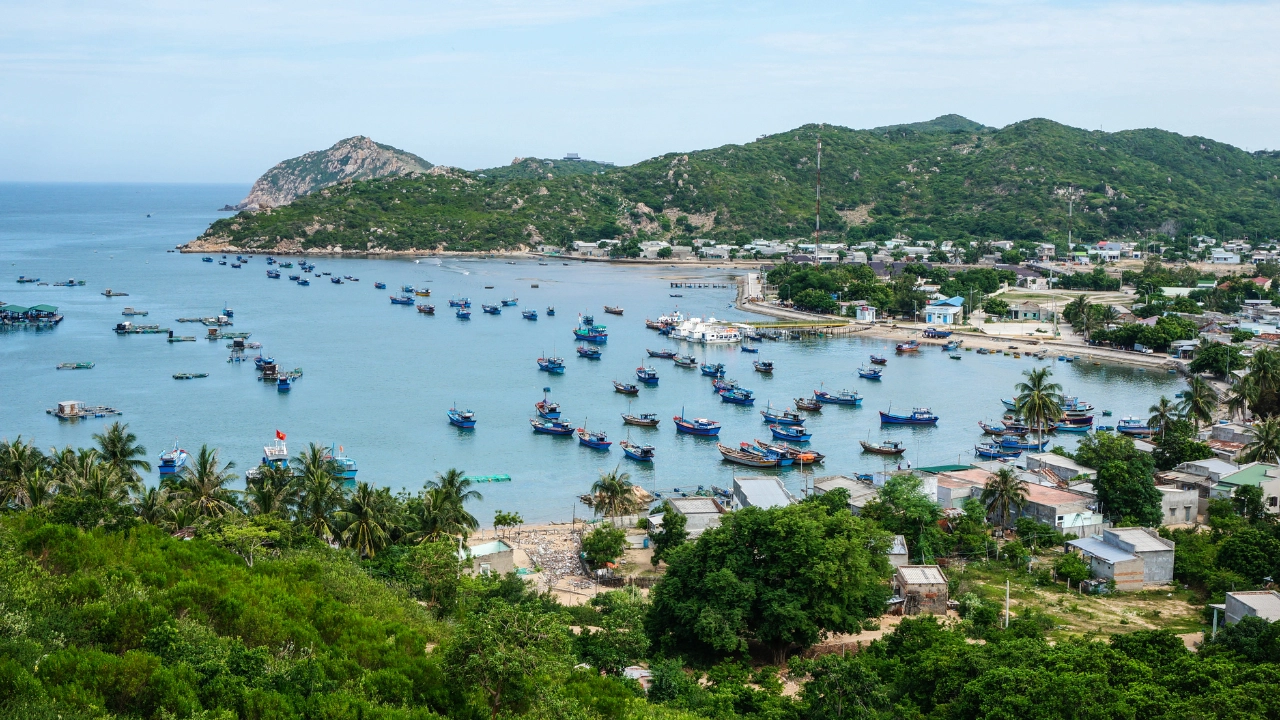
Daily curated excursions by Joytime
Joytime operates a comprehensive suite of curated daily excursions designed to suit all travel preferences, budgets, and schedules.
|
Tour Name & Details |
Key Itinerary Highlights |
Pricing & Inclusions |
|
Day Tour | Explore the Island Paradise of Ky Co & Snorkeling • Duration: 1 Day (8:00 AM - 4:30 PM) • Ideal for: Ocean lovers, families, photographers |
• Speedboat transfer from Nhon Ly pier to Ky Co Beach. • Free time for swimming, jet-skiing, and beachfront photos. • Coral snorkeling at Bai Dua reef. • Coastal walk along Eo Gio cliff pathway. • Gourmet 8-course seafood lunch at a local village. |
VND 861,000 / ~USD 33.1 per adult. Inclusions: Modern speedboat, entry tickets, snorkeling gear, English guide, seafood lunch, mineral water, and full travel insurance. |
|
Day Tour | Explore 'Paradise Beach' & Rugged Coastline • Duration: 1 Day (7:30 AM - 5:00 PM) • Ideal for: Adventure seekers, hikers, couples |
• Exploration of hidden rocky coves and pristine beaches. • Scenic coastal trekking with expert local guides. • Panoramic viewing points overlooking the East Sea. • Authentic Vietnamese set-menu lunch at a seaside restaurant. |
VND 719,000 / ~USD 27.7 per adult. Inclusions: A/C comfortable transfer, all park entrance fees, local guide, lunch, and chilled refreshments. |
|
Day Tour | Visit Ham Mo Tourist Area & Tay Son Cultural Heritage • Duration: 1 Day (8:00 AM - 5:30 PM) • Ideal for: History buffs, cultural enthusiasts |
• Scenic eco-tour through the lush Ham Mo valley. • Visit to the historic Tay Son Sacred Temple. • Traditional martial arts demonstration and drum performance. • Traditional central Vietnamese countryside lunch. |
VND 938,000 / ~USD 36.1 per adult. Inclusions: Private/group A/C coach, all site tickets, live martial arts show, lunch, and expert cultural guide. |
|
Day Tour | Explore the Pristine Beauty of Hon Kho Island & Ky Co • Duration: 1 Day (8:00 AM - 5:00 PM) • Ideal for: Marine enthusiasts, snorkelers |
• Combined island-hopping covering Hon Kho and Ky Co. • Walk on the hidden underwater sandbar at Nhon Hai. • Premium coral reef snorkeling and ocean swimming. • Massive seafood feast at a traditional floating restaurant. |
VND 861,000 / ~USD 33.1 per adult. Inclusions: Multi-stop speedboat transfers, dual-island entry tickets, high-end snorkel gear, lunch, and guide. |
|
Day Tour | Explore the Coastal City & Hidden Highlights • Duration: 1 Day (8:30 AM - 4:30 PM) • Ideal for: First-time sightseers, relaxed travelers |
• Complete urban exploration including Thap Doi Twin Cham Towers. • Scenic walk at Ghenh Rang Tien Sa and Queen's Beach. • Visit to Han Mac Tu's peaceful hillside memorial park. • Panoramic view of Thi Nai bridge and local city markets. |
VND 594,000 / ~USD 22.8 per adult. Inclusions: Central hotel pickup/drop-off, all monument admissions, traditional Vietnamese lunch, and guide. |
5. Suggested Quy Nhon itinerary options based on available tours
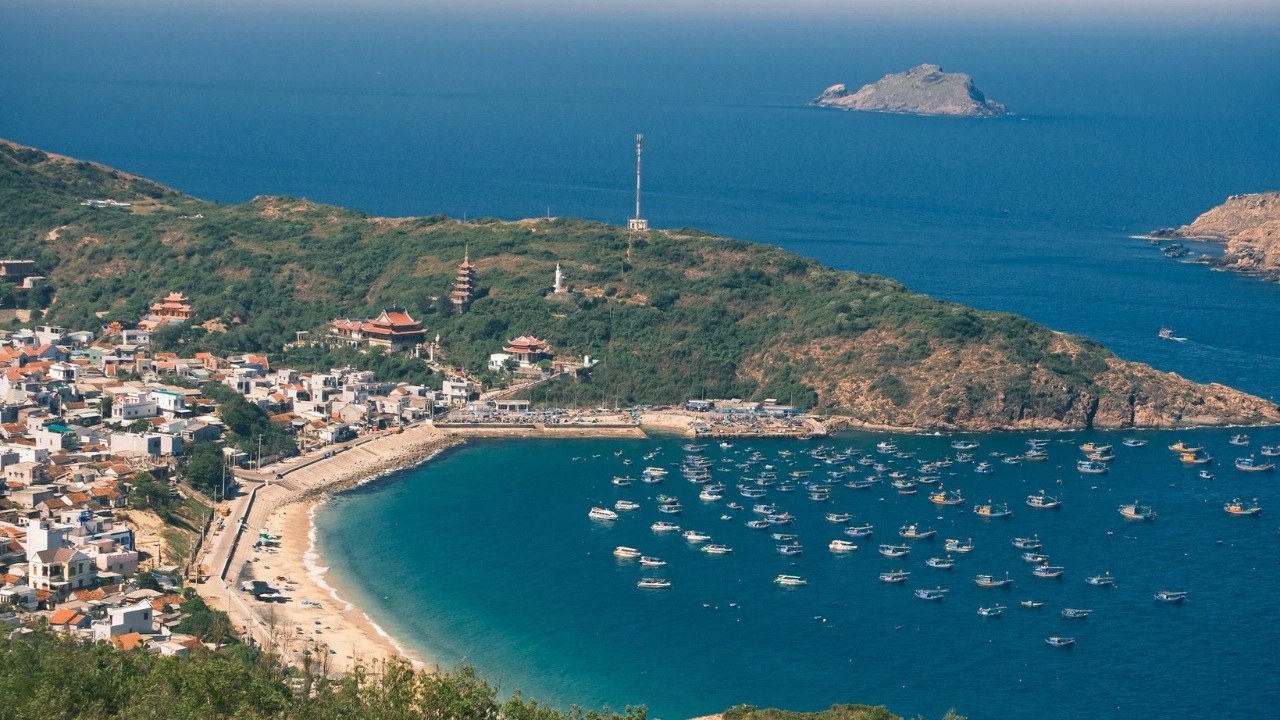
Suggested Quy Nhon itinerary options based on available tours
To help you structure your stay perfectly, Joytime's travel experts have crafted three highly optimized itinerary options. These schedules seamlessly integrate our top-rated tours to ensure you experience the absolute best of the region without feeling rushed or overwhelmed.
1-day Quy Nhon itinerary: The coastal highlights
-
08:00 AM – 12:00 PM: Begin your morning with the Day Tour | Explore the Island Paradise of Ky Co. Take a high-speed boat out to the crystal shores, enjoy swimming in the pristine water, and dive among the beautiful corals of Bai Dua reef.
-
12:00 PM – 01:30 PM: Head back to Nhon Ly village for a spectacular, freshly caught 8-course seafood lunch featuring grilled sea urchins, steamed sweet snails, and local fish hotpot.
-
01:30 PM – 03:30 PM: Walk along the breathtaking cliffside path of Eo Gio to capture stunning panoramic photographs of the rugged ocean coastline.
-
03:30 PM – 05:00 PM: Return to the city via the spectacular Thi Nai Bridge, stopping briefly at the Phuong Mai sand dunes to watch the early golden hour light hit the vast white sands.
2 - 3 day Quy Nhon itinerary: Sun, sea, and ancient culture
-
Day 1: Island Paradise (Ky Co & Eo Gio): Dedicate your first full day to the iconic beaches and dramatic cliffs of Nhon Ly peninsula. Spend the evening enjoying fresh coastal street food along Xuan Dieu street.
-
Day 2: City Heritage & Cham History: Book the Day Tour | Explore the Coastal City. Spend your day diving into the local history at the Thap Doi Cham Towers, walking across the unique egg-stone shores at Queen’s Beach in Ghenh Rang, and paying respects at the historic Han Mac Tu memorial site.
-
Day 3: Marine Adventure at Hon Kho: Take a rustic wooden boat or speedboat out to Hon Kho Island to experience the traditional fishing village life of Nhon Hai, walk on the famous submerged sandbar, and spend hours snorkeling in the shallow, pristine reef systems.
4 - 5 day Quy Nhon itinerary: The ultimate central Vietnam exploration
-
Days 1 to 3: Follow the comprehensive 3-day itinerary outlined above to fully absorb the city's coastal charm, essential island-hopping tours, and historical landmarks.
-
Day 4: Cross-Provincial Excursion to Phu Yen: Embark on the highly rated Day Tour | Explore the Beauty of 'The Land of Yellow Flowers'. Travel south into Phu Yen province to marvel at Ghenh Da Dia—a breathtaking geological formation of thousands of interlocking basalt columns created by ancient volcanic activity. Relax on the grass cliffs of Bai Xep overlooking the endless ocean.
-
Day 5: Inland Culture and Eco-Adventure: Complete your journey with the Day Tour | Visit Ham Mo Tourist Area & Tay Son. Head deep inland into the lush mountains to explore the peaceful streams of Ham Mo, followed by a historical exploration of the Tay Son Dynasty museum, featuring an unforgettable live show of traditional battle drums and martial arts.
- For more details or booking rapidly, please check in here: https://joytime.vn/en/tour-sightseeing/tour-in-quy-nhon
6. Where to stay - Hotels in Quy Nhon Vietnam
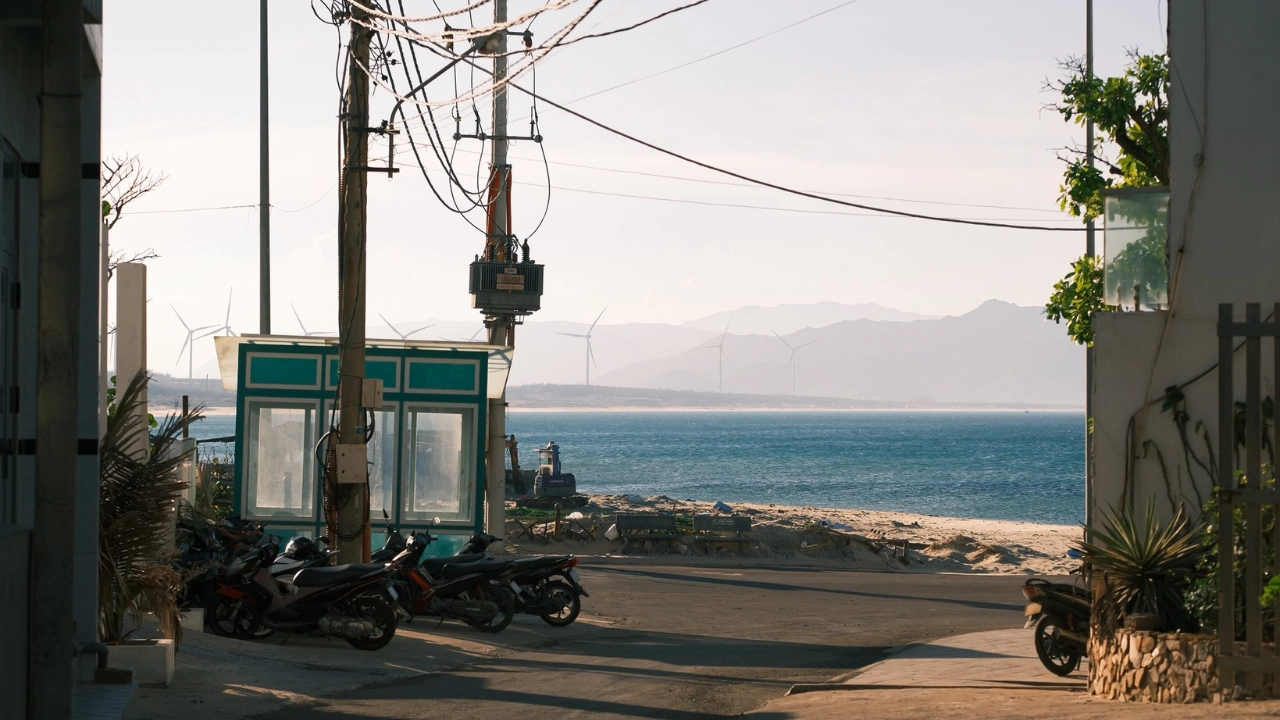
Where to stay - Hotels in Quy Nhon Vietnam
Finding the best hotel in Quy Nhon is a delightful experience, with choices ranging from ultra-luxurious eco-resorts to highly affordable beachfront boutique stays. Depending on your travel style, you can choose between secluded bay sanctuaries or properties right on the vibrant city promenade.
6.1 Luxury beach resorts (USD 150 - USD 450+ per night)
-
Anantara Quy Nhon Villas: Perfect for couples seeking premium privacy. It features 26 upscale, ocean-facing villas in a private cove, each equipped with a personal infinity pool and dedicated butler service.
-
Maia Resort Quy Nhon: Positioned on the Phuong Mai peninsula, this resort focuses on wellness and culinary excellence, offering spacious pool villas alongside complimentary daily spa treatments.
6.2 Mid-range beachfront hotels (USD 40 - USD 100 per night)
-
Anya Hotel & Spa Quy Nhon: A sleek, international 4-star lodging option located steps from the beach, boasting contemporary interior designs, a large outdoor pool, and a top-tier fitness center.
-
Fleur De Lys Hotel Quy Nhon: Standing proudly on Xuan Dieu avenue, it offers spectacular panoramic ocean views, elegant French-Vietnamese aesthetics, and a popular rooftop sky bar perfect for evening cocktails.
6.3 Budget-friendly boutique hotels (USD 15 - USD 35 per night)
-
Mira Bai Xep: A bohemian-style hotel built with natural bamboo and stone right on the sands of the legendary Bai Xep fishing village. It is highly recommended for backpackers and digital nomads.
-
Life Hotel Quy Nhon: Located in a quiet neighborhood within walking distance of the central beach, providing clean, minimalist rooms with high-speed Wi-Fi, air conditioning, and warm local hospitality.
7. Why choose a Quy Nhon tour with Joytime?
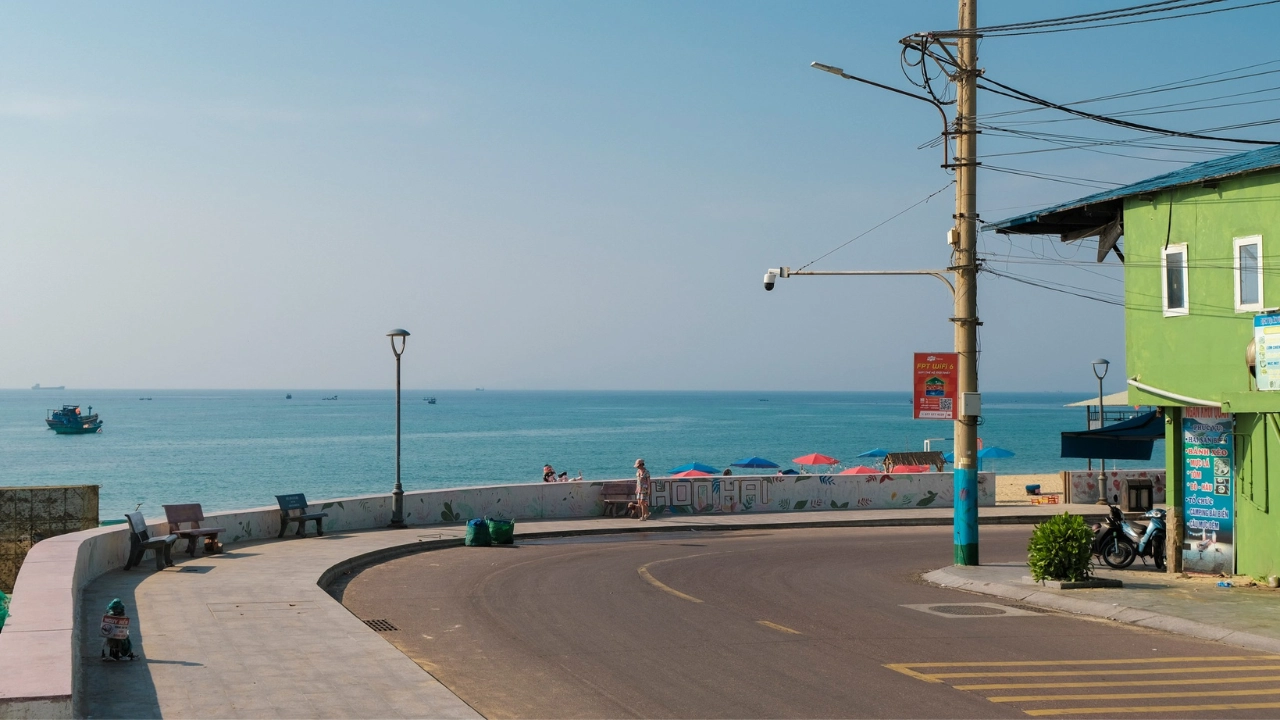
Why choose a Quy Nhon tour with Joytime?
Joytime is deeply dedicated to showcasing the authentic, raw beauty of Binh Dinh province with unmatched convenience, safety, and elite local expertise. Here is why international travelers consistently choose Joytime as their trusted partner on the central coast:
-
Diverse tour options for every travel style: Whether you are looking for an action-packed ocean speedboat adventure, an immersive historical exploration of the Cham civilization, or a multi-day relaxing escape, Joytime offers highly flexible itineraries tailored to match all individual fitness levels, distinct interests, and budgets.
-
Authentic local experiences: Joytime focuses heavily on connecting travelers directly with the true soul of Quy Nhon. Our carefully crafted routes take you off the beaten path into traditional fishing villages, hidden rocky bays, and authentic local culinary spots that generic tour companies routinely miss.
-
Trusted, licensed, and transparent service: Operated as a fully accredited and licensed international travel company, Joytime works exclusively with verified local transport partners and highly trained captains. We maintain a strict policy of 100% transparent pricing with absolutely zero hidden fees or unexpected surcharges.
-
Seamless booking experience: Our digital platform offers exceptionally easy booking, secure international payment gateways, and instant digital confirmations. We provide fully integrated travel services, including premium private transfers, localized SIM cards, and multilingual support to make your trip planning completely stress-free.
-
Expert support throughout your journey: Joytime provides highly responsive, 24/7 customer care to assist you before, during, and after your trip. Whether you need an emergency schedule adjustment, custom dietary arrangements, or local recommendations, our team is always just a quick message away.
Quy Nhon is a spectacular coastal treasure that perfectly encapsulates the very best of Vietnam—offering a magnificent combination of dramatic natural scenery, profound ancient history, and pristine, uncrowded shores. By selecting a specialized tour in Quy Nhon with a premier provider like Joytime, you ensure that your exploration of this central coastal gem is perfectly organized, deeply immersive, and entirely unforgettable.
Contact our dedicated travel planning team today to secure your booking, and let us guide you through the absolute finest experiences this magical coastline has to offer.
|
Joytime Travel Agency - Travel JOY, TIMEless Vietnam Safe, Seamless, Satisfying, Sustainable Follow us for travel tips, local insights, and exclusive offers:
|