









9 Days Vietnam: How To Plan A Realistic, Stress-Free Itinerary
The main content of the article
- 1. Can You Actually See Vietnam in 9 Days?
- 2. The Classic North-to-South Route
- 3. Immersive Northern Vietnam
- 4. Practical Logistics for Your 9 Days Vietnam Itinerary
- 5. Frequently Asked Questions About Planning a 9-Day Vietnam Trip
- 5.1. How much budget do I realistically need for 9 days in Vietnam?
- 5.2. Is it better to book round-trip flights to Hanoi or Ho Chi Minh City?
- 5.3. Do I need a visa for a short 9-day trip?
- 5.4. Should I book domestic flights and trains before I arrive?
- 5.5. Can I reasonably include the Mekong Delta in a 9-day trip?
When you only have a little over a week for vacation, planning a 9 days Vietnam itinerary requires ruthless prioritizing. Looking at a map, the country seems deceivingly small, but it actually stretches over 1,600 kilometers. Try to cram in six cities, and you will spend your trip exhausted in transit lounges. Here is how to structure a realistic, stress-free route you can actually enjoy.
1. Can You Actually See Vietnam in 9 Days?

Nine days need a focused Vietnam travel plan - Source: Pinterest
The short answer is no, you cannot see all of Vietnam in nine days. The geography of the country makes rapid travel difficult. While domestic flights are frequent, getting to the airport, checking in, flying, and navigating a new city usually consumes at least half a day.
If you have nine days on the ground, you realistically have time for three major regions if you fly, or one deeply explored region if you stick to ground transport. The biggest mistake travelers make is booking a round-trip flight to one city, forcing them to waste an entire day backtracking at the end of their trip. To maximize your time, fly into one end of the country and fly out of the other.
2. The Classic North-to-South Route
This is the most popular route for first-time visitors. It is fast-paced, hits the major iconic spots, and requires two short domestic flights to maximize your limited vacation time.
2.1. Hanoi: The Historic Capital
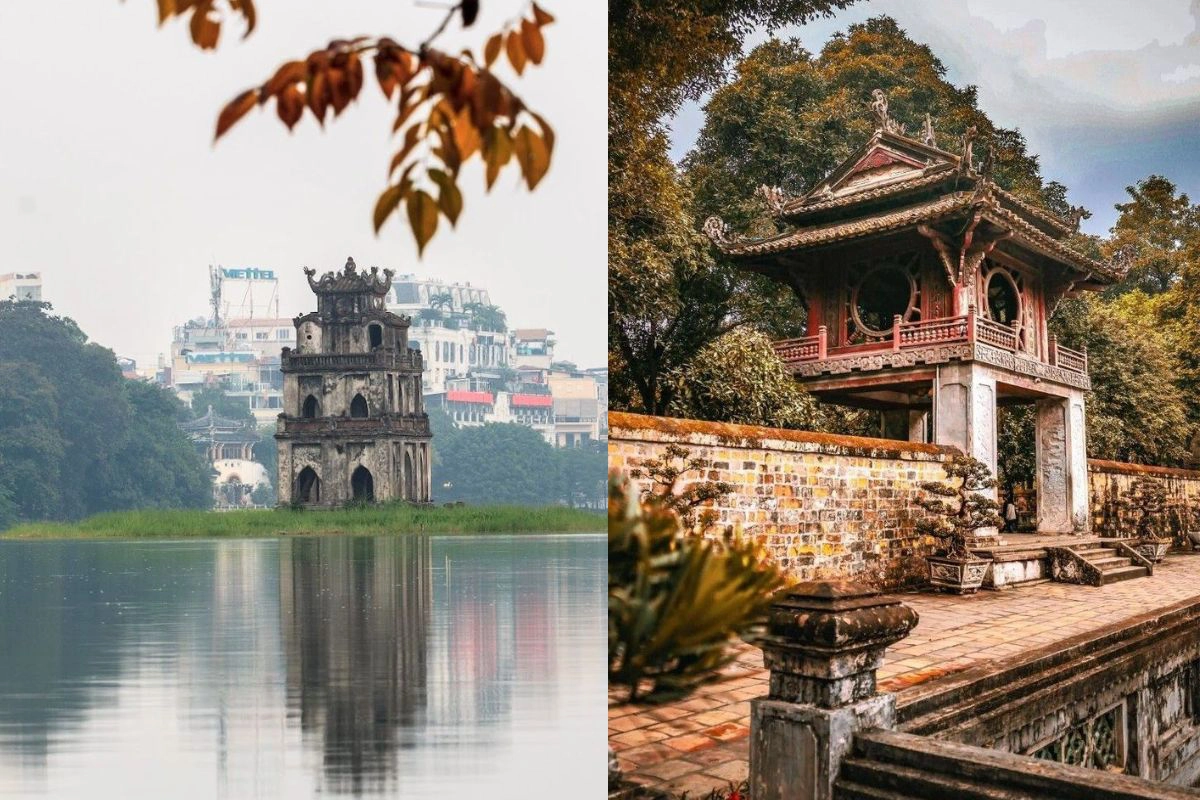
Hanoi’s Old Quarter starts the journey with local energy - Source: Pinterest
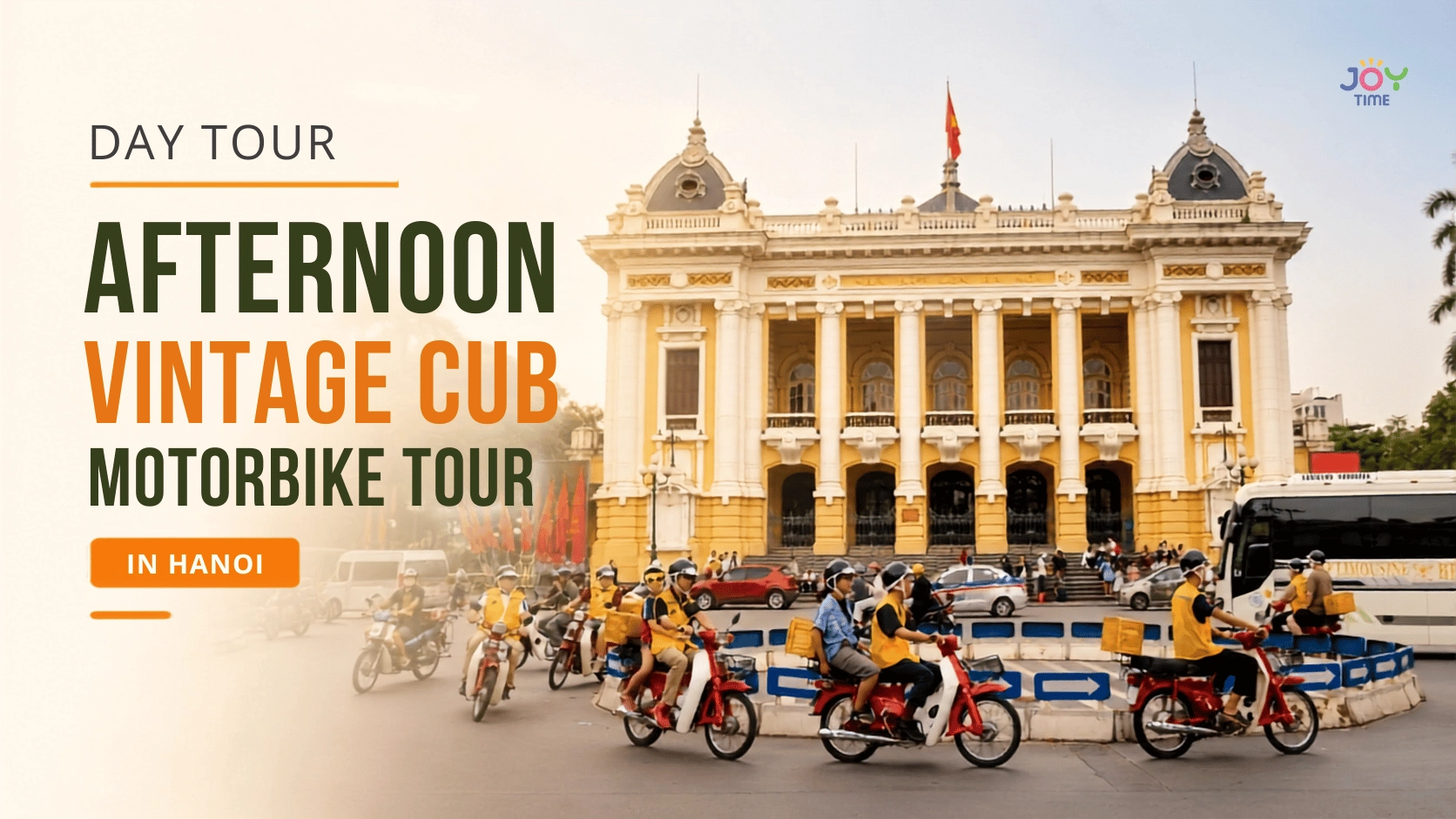
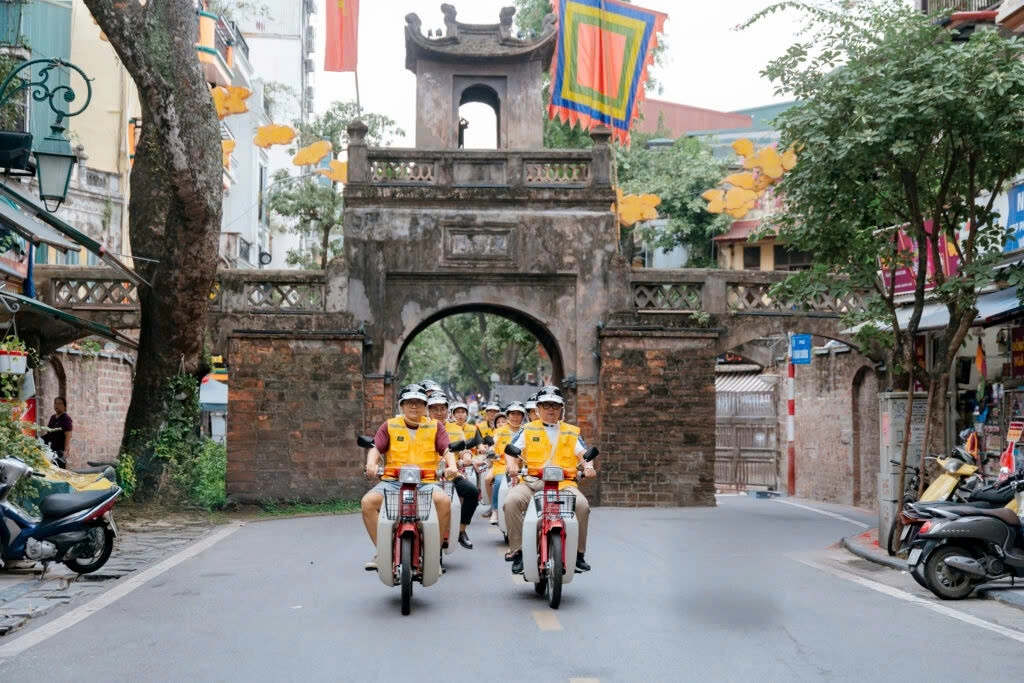
Start your journey in the capital city of Hanoi, a dense and fascinating hub where history is woven into the everyday traffic. Take time to wander the narrow, commercial streets of the Old Quarter and walk around the peaceful perimeter of Hoan Kiem Lake.
Dedicate your second day to the city's educational and political heritage by visiting the 11th-century Temple of Literature. This slower pace helps you adjust to the local time zone and culture before moving on to the rest of the country.

2.2. Halong Bay: Limestone Seascapes
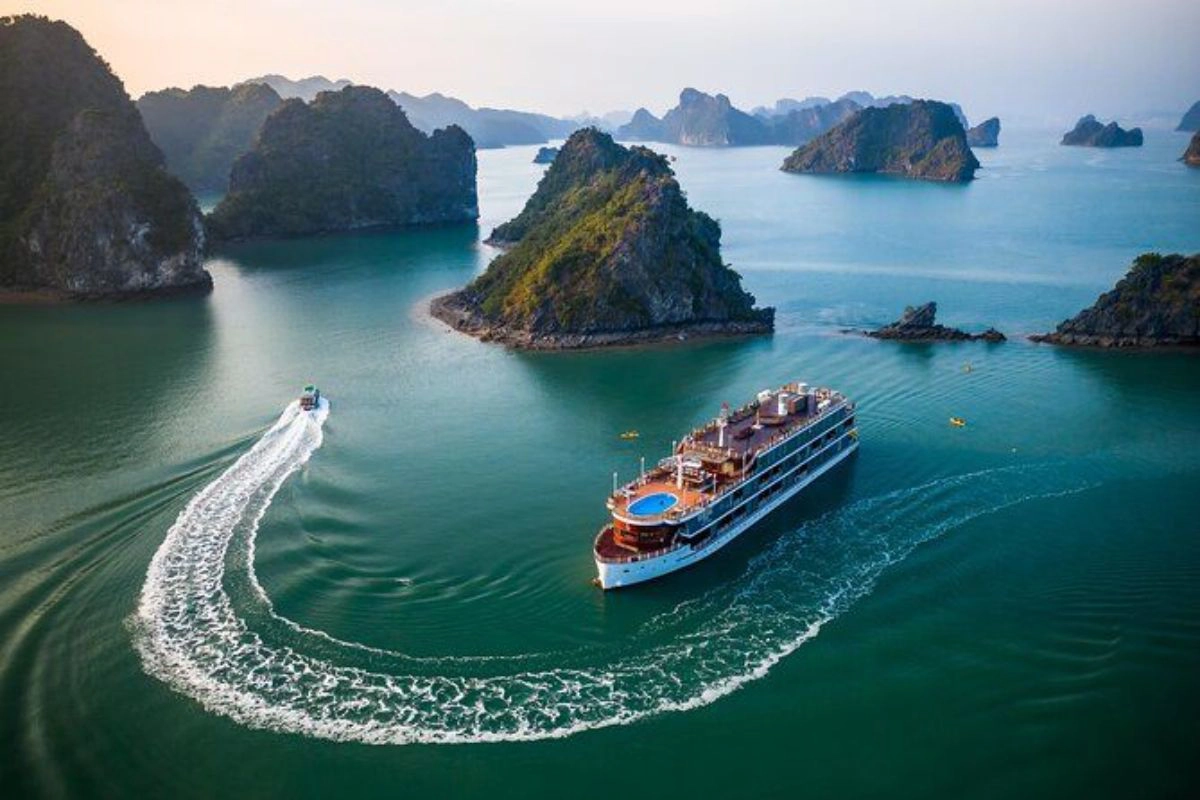
Overnight cruises reveal Vietnam’s famous limestone seascapes - Source: Tru Travel Life
A smooth transfer via the new expressway brings you directly from the capital to the coastal cruise ports of Halong Bay. Booking an overnight cruise is the most efficient way to navigate this UNESCO World Heritage site and wake up surrounded by emerald water.
Most cruise itineraries include guided excursions to explore massive cavern systems like the famous Sung Sot Cave. Afterward, you return to the mainland harbor just in time to catch a transfer back to the airport for your flight south.
>> Read more: How to Get from Hanoi to Halong Bay by Bus, Limo or Car
2.3. Da Nang: Coastal Cityscapes
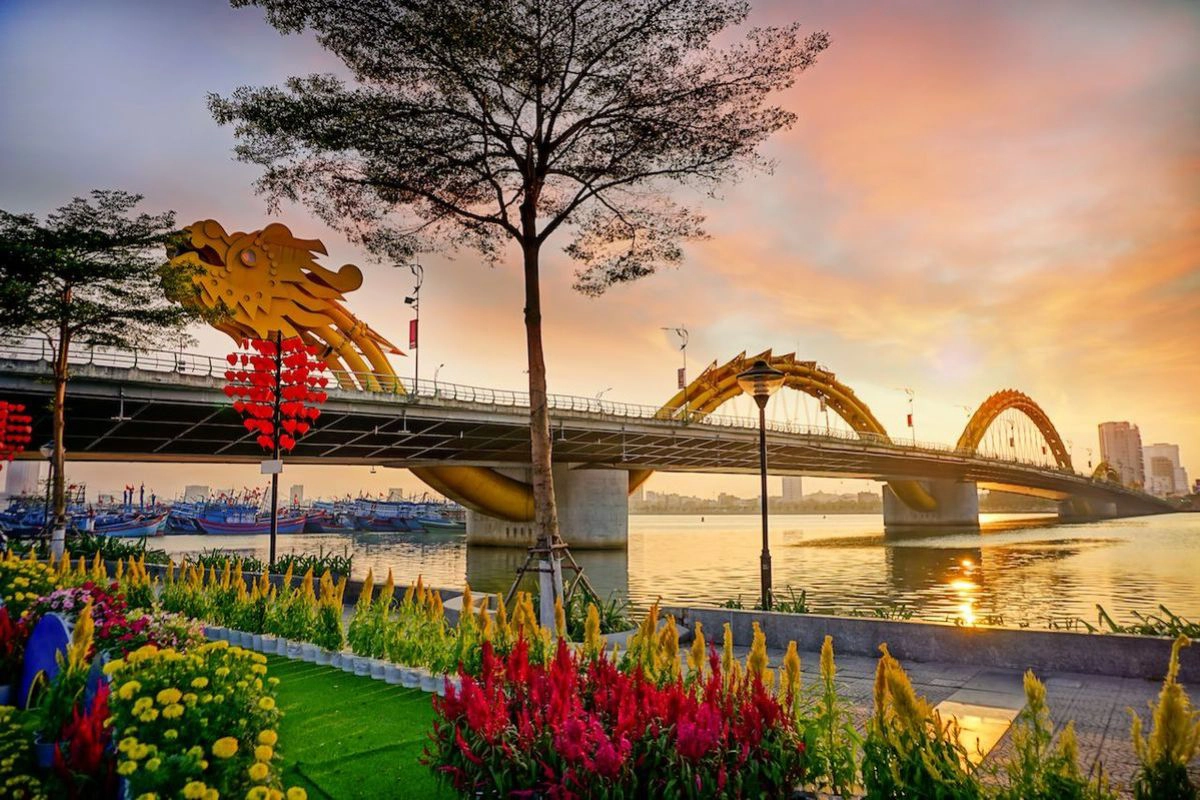
Dragon Bridge adds a striking landmark to Da Nang’s coastal cityscape - Source: Ann Porter
A short domestic flight drops you right in the middle of the country at Da Nang International Airport, making travel logistics incredibly easy. This urban center is famous for its long, wide stretches of sand, particularly the heavily monitored My Khe Beach.
Beyond the shoreline, you can take a scenic drive up the winding coastal roads of the Son Tra Peninsula to see the towering Lady Buddha statue. It provides a perfect mix of city convenience, modern bridges, and a relaxed coastal atmosphere.
2.4. Hoi An: Lantern-Lit Ancient Town
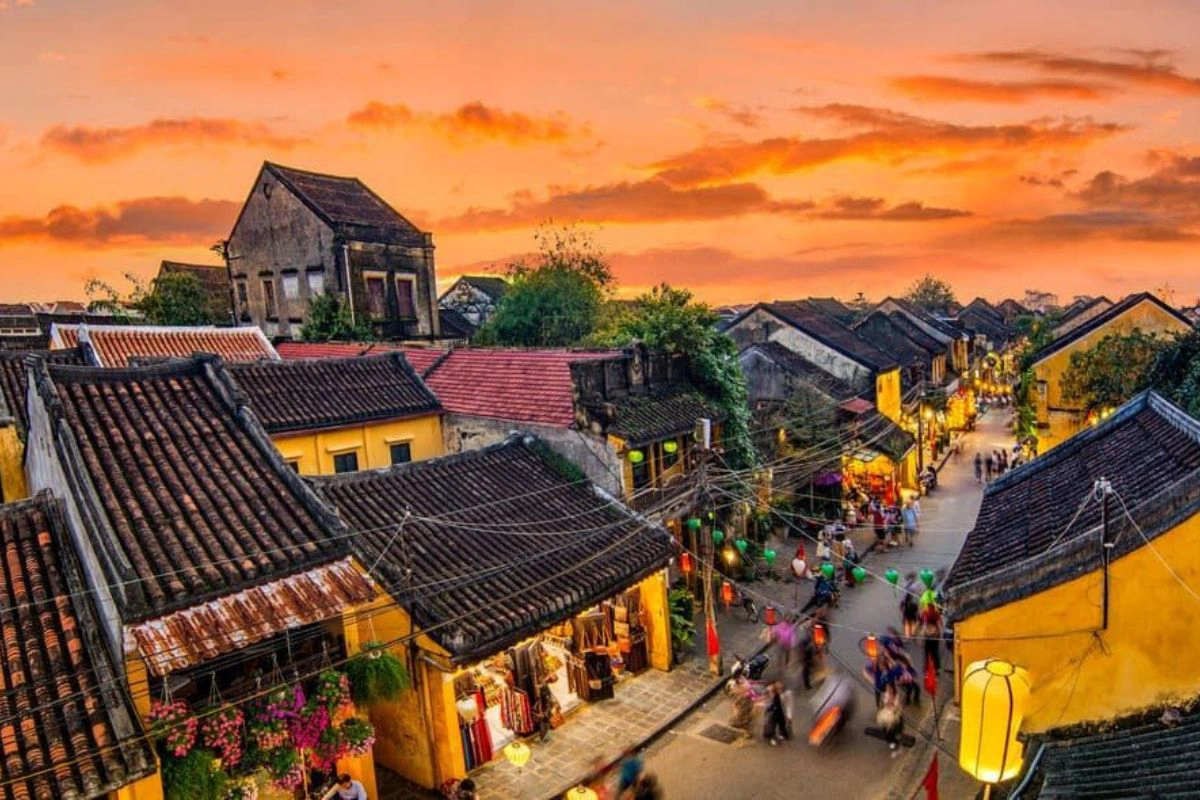
Hoi An brings lantern streets and central coast charm - Source: Kien Viet
Just thirty minutes south of Da Nang sits Hoi An Ancient Town, a beautifully preserved trading port famous for its yellow merchant houses. The historic center restricts motorized vehicles during certain hours, making it incredibly walkable and peaceful.
During the day, you can rent a bicycle to ride out to the quieter An Bang Beach or navigate the Bay Mau Coconut Forest in a traditional basket boat. As evening falls, the entire town glows with thousands of colorful silk lanterns reflecting along the river.
2.5. Ho Chi Minh City: The Southern Hub
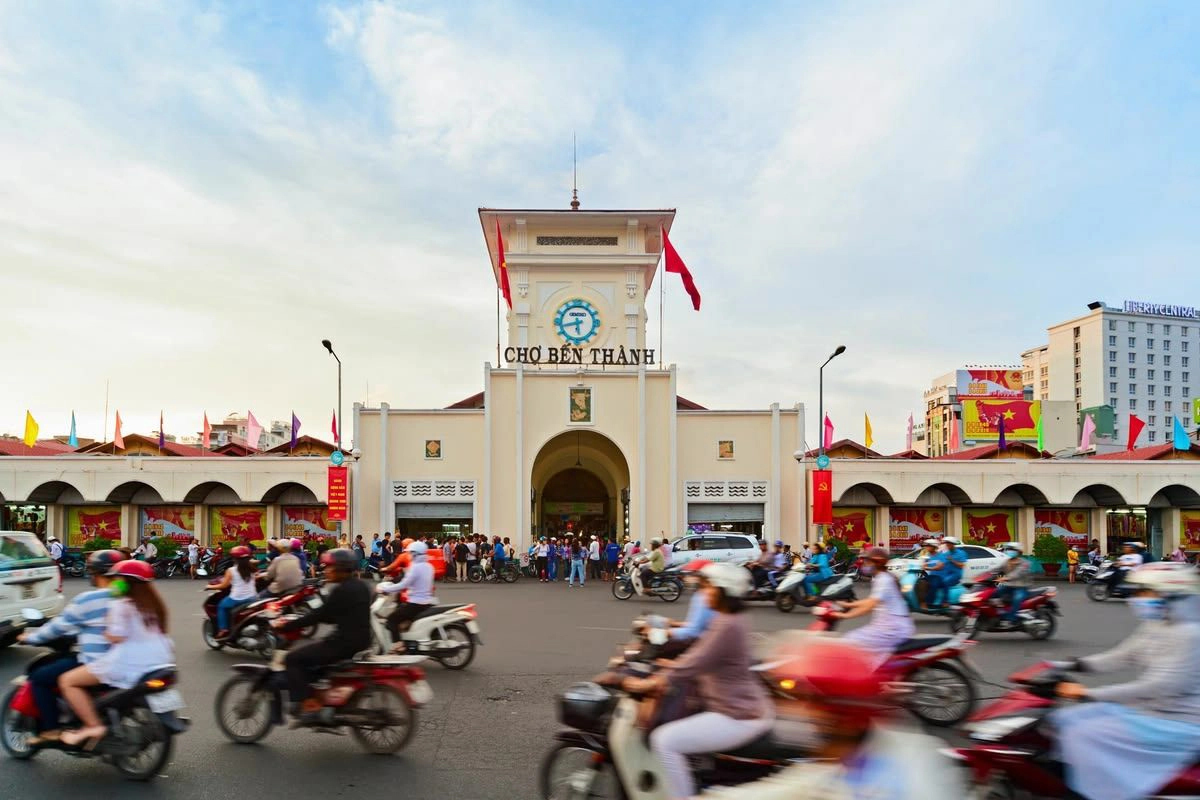
Ho Chi Minh City ends the trip with southern energy - Source: Condé Nast Traveller India
Fly south for your final leg to experience the distinct, fast-paced energy of Ho Chi Minh City, still known locally as Saigon. Anchor your exploration in District 1, where you can easily walk between French colonial architectural remnants like the Central Post Office.
For local shopping and authentic food stalls, Ben Thanh Market remains a central hub of daily commerce and tourist activity. You can also take a half-day trip outside the city limits to the Cu Chi Tunnels for a detailed look at wartime history.
3. Immersive Northern Vietnam
If taking two domestic flights sounds exhausting, skip the south entirely. Focusing solely on Northern Vietnam allows you to travel overland, eat deeply regional food, and see dramatic landscapes without setting foot in an airport.
3.1. Hanoi: Culture and Essential Street Food
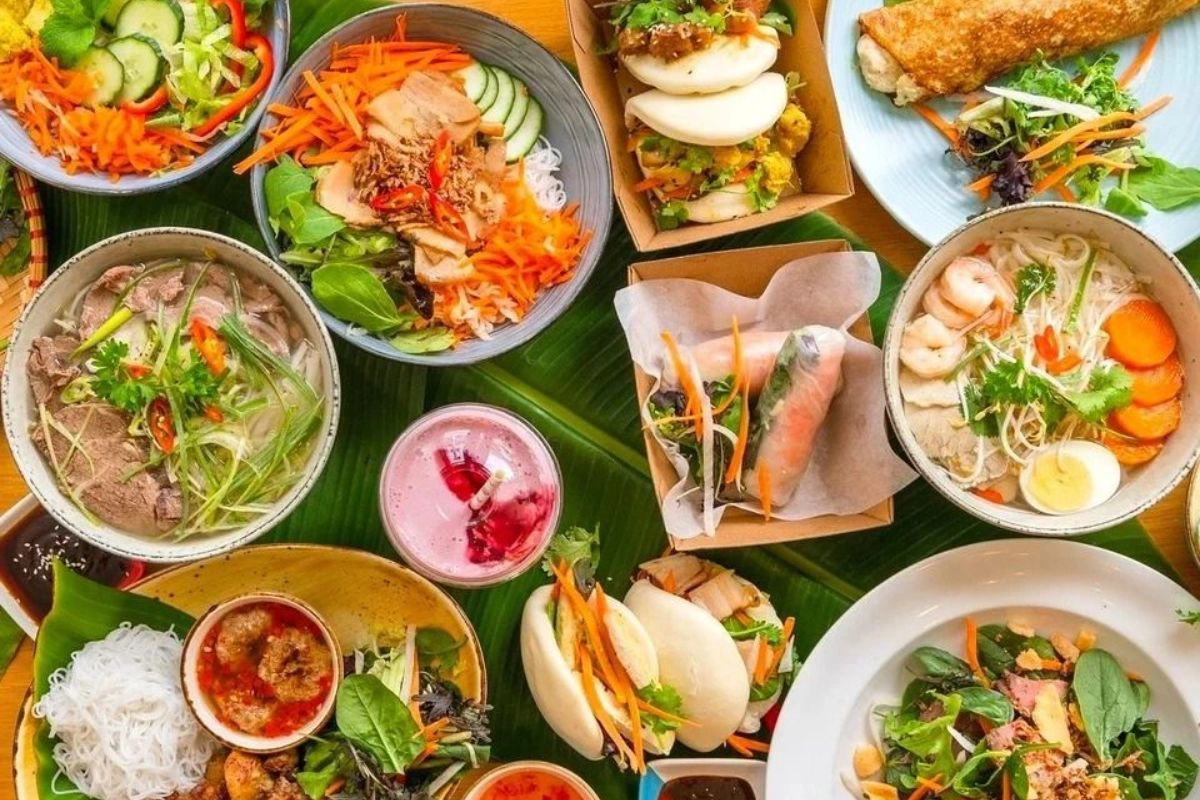
Hanoi cuisine shows the city’s rich local character - Source: Pinterest
Begin your northern immersion by exploring the layers of Hanoi, from the neo-Gothic St. Joseph's Cathedral to the wide, breezy perimeters of West Lake. You cannot leave without trying Pho Bo (beef noodle soup) or a smoky bowl of Bun Cha (grilled pork with noodles) from a sidewalk vendor.
For a lighter breakfast, seek out Banh Cuon (steamed rice rolls with minced pork), and definitely try Cha Ca (turmeric dill fish) cooked right at your table. Whenever you need a caffeine boost, duck into a hidden cafe for a rich, creamy Ca Phe Trung (egg coffee).
3.2. Sapa: Terraced Rice Fields and Local Villages
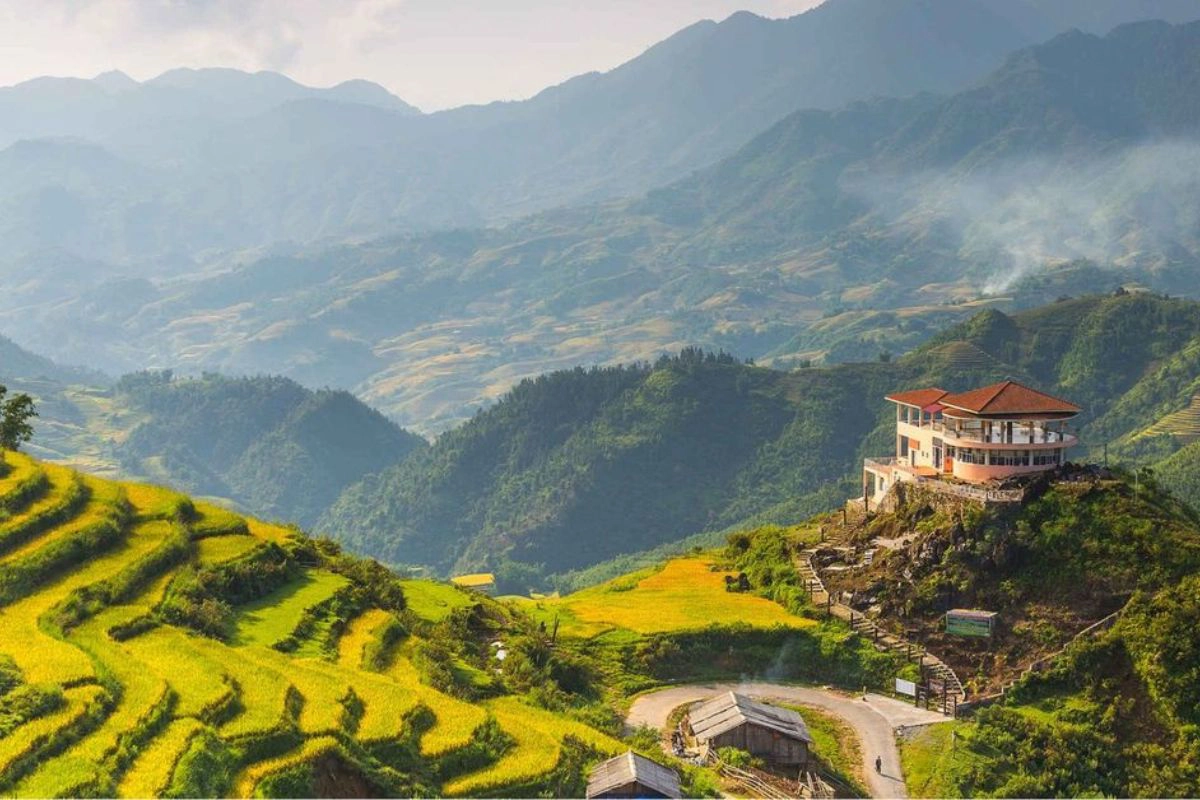
Northern mountains offer rice terraces and rugged scenery - Source: Sovaba
Take a luxury sleeper bus into the high-altitude frontier of Sapa, where the climate turns cool and the valleys are often covered in mist. You can ride the cable car up to Mount Fansipan or trek through the steep terraced rice fields surrounding Cat Cat Village.
Mountain cuisine here is highly distinct, built around the cold weather and local agriculture. Try Thang Co (a traditional Hmong stew) or the more accessible Com Lam (sticky rice cooked in bamboo tubes) paired with heavily spiced Thit Trau Gac Bep (smoke-dried buffalo meat).
3.3. Ha Giang: The Rugged Mountain Frontier

Ha Giang’s Ma Pi Leng Pass reveals rugged karst mountain scenery - Source: Pinterest
If you prefer geological extremes, head further north to Ha Giang to hire a driver through the towering rocks of the Dong Van Karst Plateau. This thrilling route takes you along the sharp curves of the Ma Pi Leng Pass and down to the deep, green waters of the Tu San Alley.
Food in these remote border towns often features hearty staples like Men Men (steamed cornmeal) to sustain locals through the harsh winters. You will also find Pho Chua (sour pho), a cold noodle dish with a tangy sauce that is entirely different from the hot Hanoi classic.
3.4. Ninh Binh: River Caves and Karst Valleys
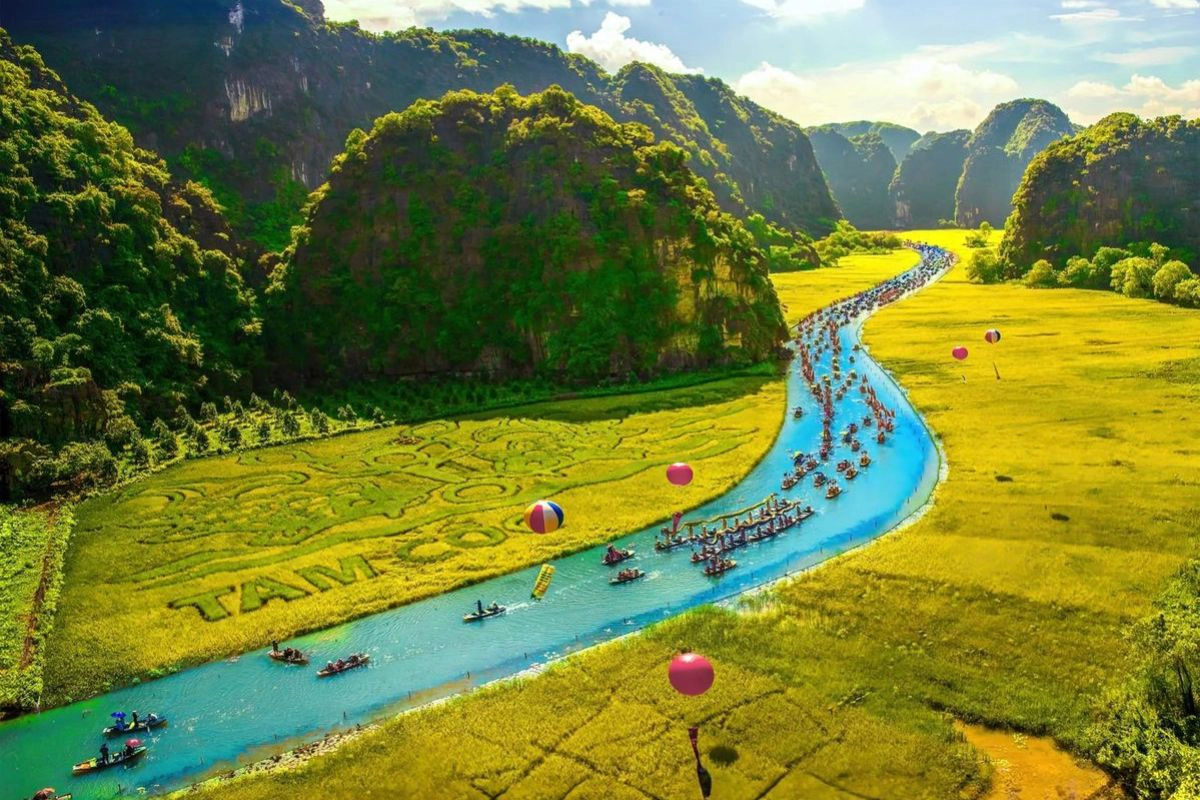
Ninh Binh brings peaceful rivers and limestone cliffs - Source: Neil Coker
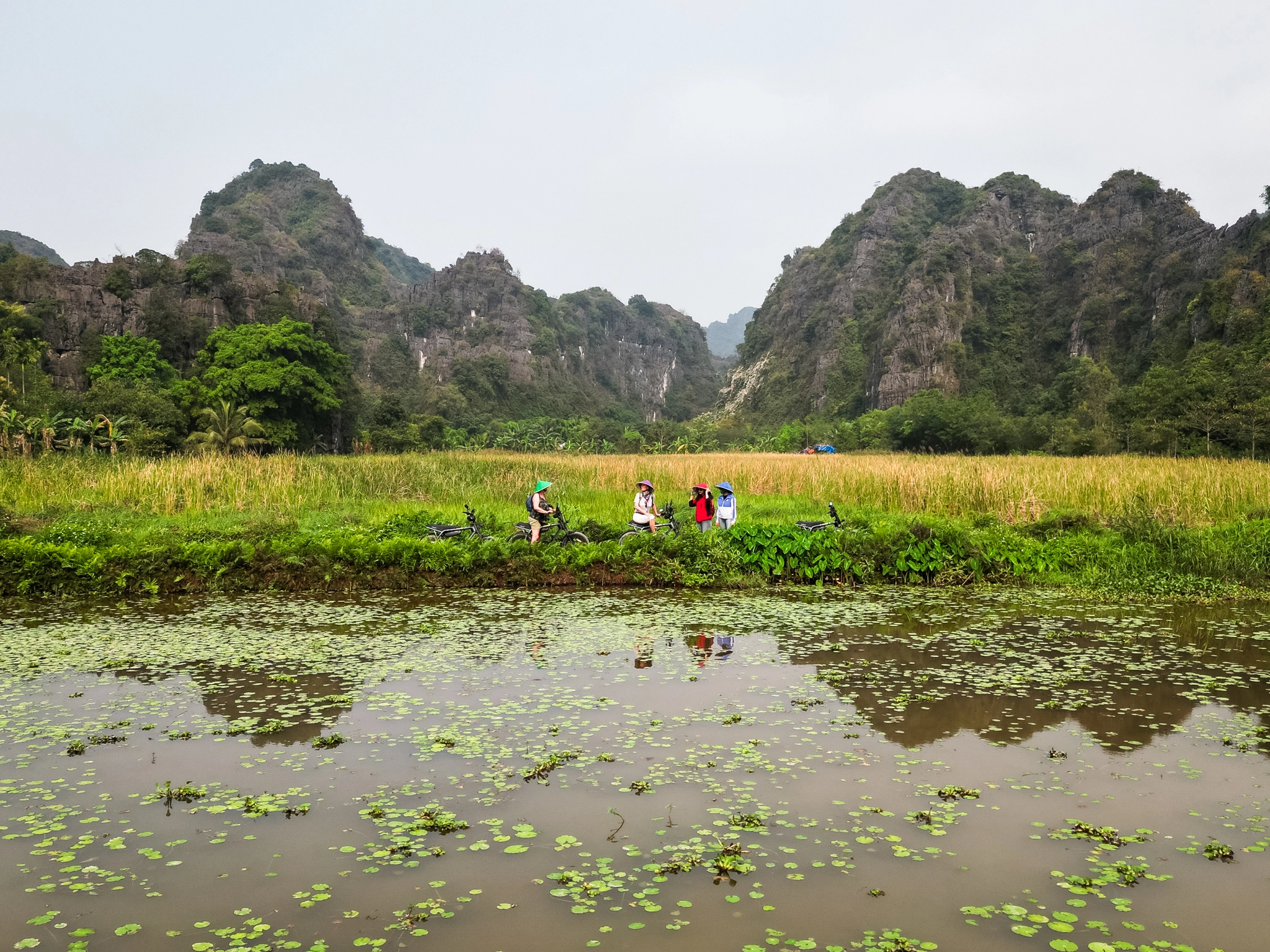
Travel out of the mountains and into the flat, river-carved province of Ninh Binh, an area frequently described as Halong Bay on land. The best way to see the sheer limestone cliffs is by taking a local rowboat through the river cave systems of the Trang An Landscape Complex.
Ninh Binh is famous nationwide for De Nui (free-range mountain goat), usually served stir-fried with lemongrass and eaten alongside Com Chay (crispy, scorched rice). For snacks, locals favor Nem Chua Yen Mac (fermented pork rolls), a common comfort food found in countryside kitchens.


3.5. Halong and Lan Ha Bay: Coastal Seafood
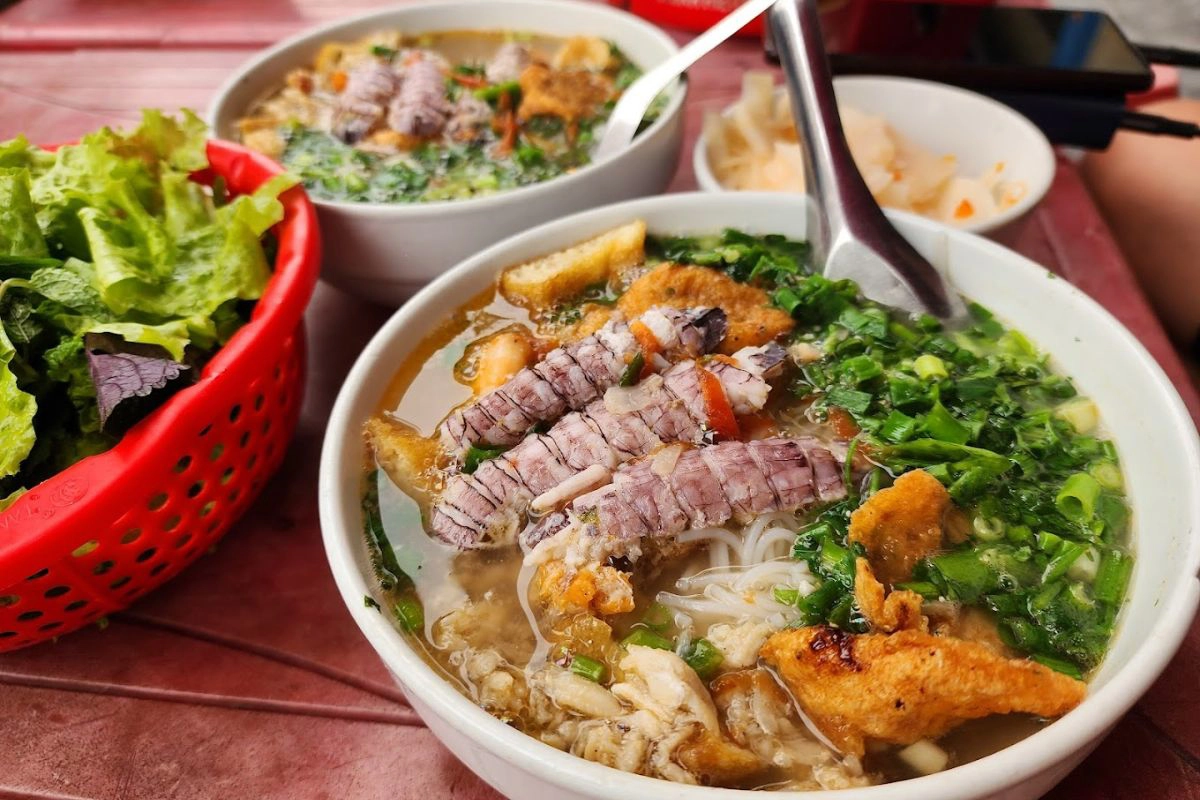
Fresh seafood defines Halong Bay and Lan Ha Bay’s coastal dining - Source: VinWonders
Finish your northern circuit by heading east to the coast, booking an overnight cruise into either Halong Bay or the quieter, less crowded Lan Ha Bay. Excursions usually include kayaking through limestone archways or cycling through the national park on Cat Ba Island before returning to your boat.
Seafood is the undisputed focus here, with coastal restaurants and cruise kitchens specializing in Cha Muc (hand-pounded squid sausage) and freshly caught Be Be (mantis shrimp). If you have a larger budget, Sam Bien (horseshoe crab) and Hau Nuong (grilled local oysters) are delicacies tied specifically to these northern waters.
>> Read more: Hanoi to Halong Bay Tour: Top Picks for a Magical Adventure
4. Practical Logistics for Your 9 Days Vietnam Itinerary
When your time is limited, logistics matter. A missed flight or a poorly planned transfer can easily eat up a whole day of your vacation.
4.1. Essential Domestic Transport Tips to Save Time on the Road

Morning flights help short itineraries run more smoothly - Source:
If you are doing the North-to-South route, you must fly. Trains in Vietnam are a wonderful cultural experience, but the journey from Hanoi to Da Nang takes roughly 16 hours. On a nine-day trip, that is time you simply do not have.
When booking domestic flights, stick to morning departures. Afternoon flights in Vietnam are frequently delayed due to rolling schedule changes throughout the day. Getting out early ensures you actually have the afternoon to explore your new destination.
4.2. Maximizing Arrival Efficiency to Avoid Wasting Your Vacation Hours

Fast arrivals help you start exploring sooner - Source:
International arrivals at major airports like Hanoi and Ho Chi Minh City can be unpredictable. Depending on the time of day and how many international flights land at once, immigration queues can take anywhere from 20 minutes to two hours.
To protect your first day, many short-term visitors book an airport fast track service. This allows you to skip the standard immigration lines and get to your hotel faster. Similarly, having connectivity the minute you land saves you from hunting for Wi-Fi or negotiating with taxi drivers offline. Arranging a travel SIM card to pick up right at the arrival gate means you can immediately order a Grab (Vietnam's Uber equivalent) and head straight into the city.
5. Frequently Asked Questions About Planning a 9-Day Vietnam Trip
5.1. How much budget do I realistically need for 9 days in Vietnam?
Budget varies wildly by travel style. For a comfortable mid-range trip (clean boutique hotels, domestic flights, eating at local restaurants mixed with a few nice cafes, and joining group tours), expect to spend $600 to $900 USD per person, excluding your international airfare.
5.2. Is it better to book round-trip flights to Hanoi or Ho Chi Minh City?
For a nine day trip, do not book a round trip ticket to a single city unless you are only exploring that specific region. Book an open jaw or multiple city ticket, for example, flying into Hanoi (HAN) and flying out of Ho Chi Minh City (SGN). This saves you a full day of backtracking.
5.3. Do I need a visa for a short 9-day trip?
Many nationalities now qualify for an e-visa, which currently grants up to 90 days of stay. Some countries also benefit from 15 to 45-day visa exemptions. Visa rules change, so always check the official Vietnam Immigration portal a few months before your trip.
5.4. Should I book domestic flights and trains before I arrive?
Yes. With only nine days, your schedule is tight. Popular morning flight routes (like Hanoi to Da Nang) and high-quality overnight cruise cabins often sell out weeks in advance, especially during peak seasons like November to April.
5.5. Can I reasonably include the Mekong Delta in a 9-day trip?
If you are doing the full North-to-South route, adding the Mekong Delta is very difficult. It requires an early morning drive from Ho Chi Minh City, leaving little time to actually see the city itself. If you prioritize the South and skip the Central region, you can easily fit a one or two-night Delta trip into your itinerary.
Planning your 9 days Vietnam trip becomes much easier when you accept that you do not need to see everything in one journey. Whether you follow the classic North-to-South route or focus deeply on Northern Vietnam, the key is to keep your itinerary realistic, plan smooth transfers, and leave enough time to enjoy each destination properly. If you want a stress-free trip with airport services, local transport, tours, and a well-planned itinerary, contact Joytime Travel Agency to customize your 9-day Vietnam journey.
Contact information:
|
Joytime Travel Agency - Travel JOY, TIMEless Vietnam Safe, Seamless, Satisfying, Sustainable Follow us for travel tips, local insights, and exclusive offers:
|

Danish Nguyen
Danish Nguyen is a renowned travel blogger in Vietnam with over 5 years of experience sharing unique travel experiences. With a passion for exploring new places, Danish captures incredible moments and provides readers with valuable tips to discover the beauty of his homeland.