









Best Places To Visit On Vietnam Itineraries For First-Time Travelers
Vietnam is long, diverse, and surprisingly different from north to south, so choosing the best places to visit on Vietnam itineraries depends on your travel time, weather window, and preferred travel style. Instead of trying to see everything at once, first-time travelers should understand how the country naturally connects through a North-to-South or South-to-North route. This guide breaks down the most rewarding regions and destinations so you can build a Vietnam trip that feels smooth, balanced, and memorable.
1. Best Places to Visit on Vietnam Routes in the North
Northern Vietnam is a strong starting point for first-time travelers, with a mix of history, mountain scenery, and iconic bay landscapes.
1.1. Hanoi as the Historical and Culinary Starting Point
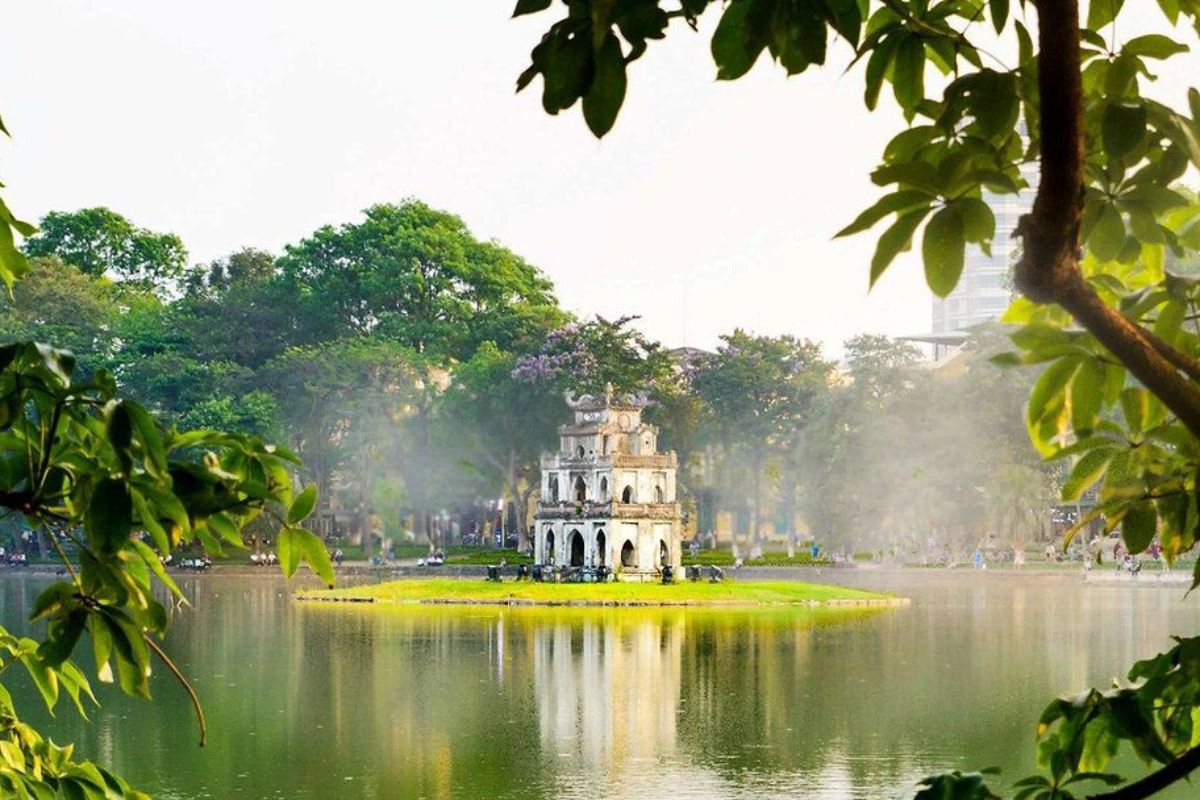
Hanoi combines history, street food, and Old Quarter charm - Source: Pinterest
Hanoi serves as the perfect introduction for anyone mapping out places to travel to in Vietnam. The capital city blends centuries of rich architecture with a thriving street food culture that keeps you energized as you explore the narrow, shaded streets of the Old Quarter.
Navigating this maze of scooters and local vendors can feel slightly overwhelming initially, but walking remains the absolute best way to uncover quiet cafes and historical temples. Make sure to try authentic northern specialties like bun cha and rich egg coffee before moving on to your next destination.
1.2. Halong Bay and Lan Ha Bay for Limestone Karsts and Overnight Cruises
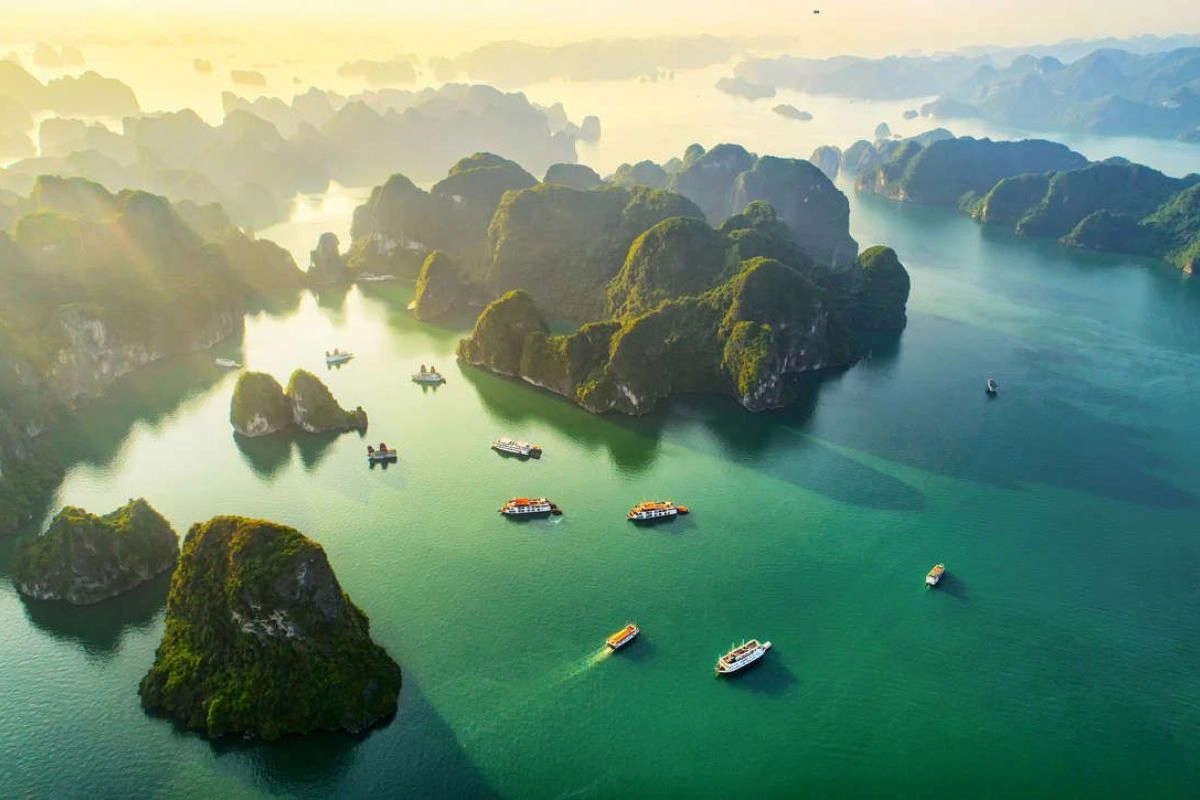
Limestone bays create Vietnam’s most iconic cruise scenery - Source: laranest
No list of places to visit on Vietnam itineraries is complete without the famous limestone karsts rising from the emerald waters of the Gulf of Tonkin. While Halong Bay is the most recognized name globally, many travelers now prefer the adjacent Lan Ha Bay for a much quieter and cleaner overnight cruise experience.
Booking a one- or two-night cruise allows you to wake up surrounded by towering rock formations far away from the busy mainland harbor. When looking into tour and sightseeing options, securing your cabin well in advance ensures you get a reputable operator with excellent safety standards.
>> Read more: How to Get from Hanoi to Halong Bay by Bus, Limo or Car
1.3. Sapa and Ha Giang for Terraced Fields and Mountain Passes
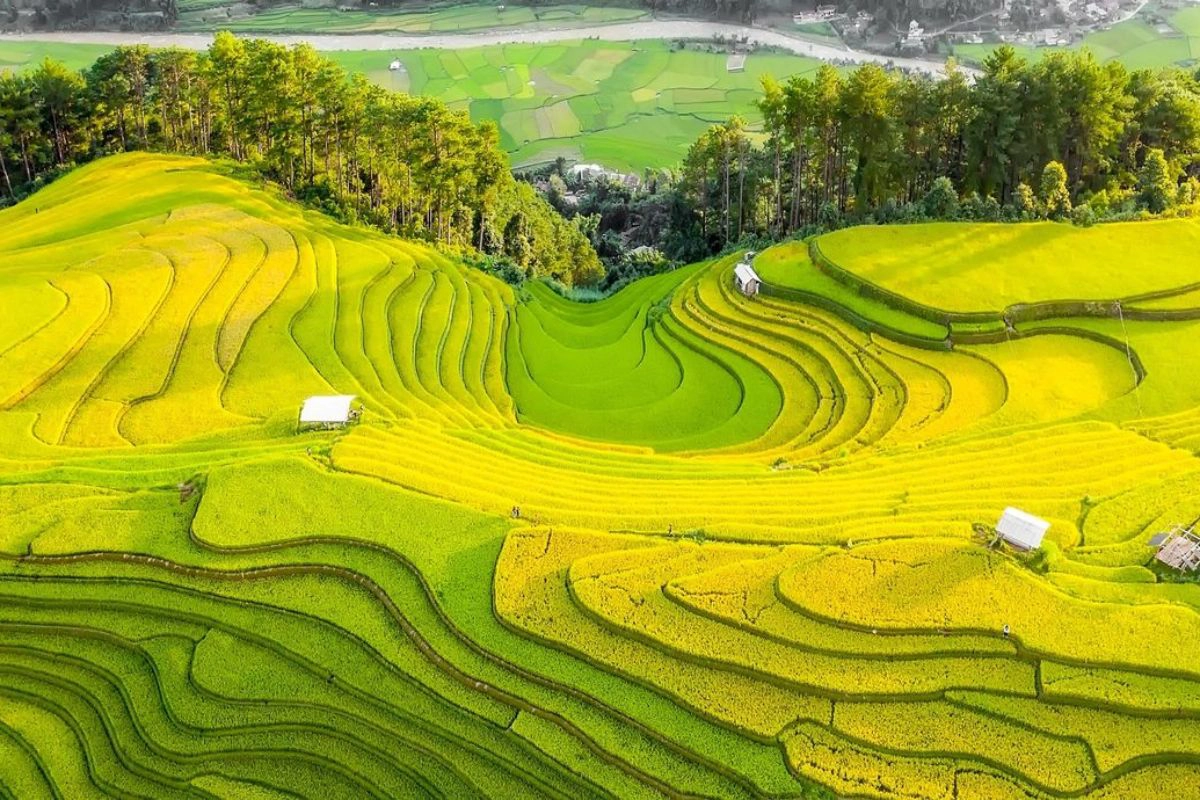
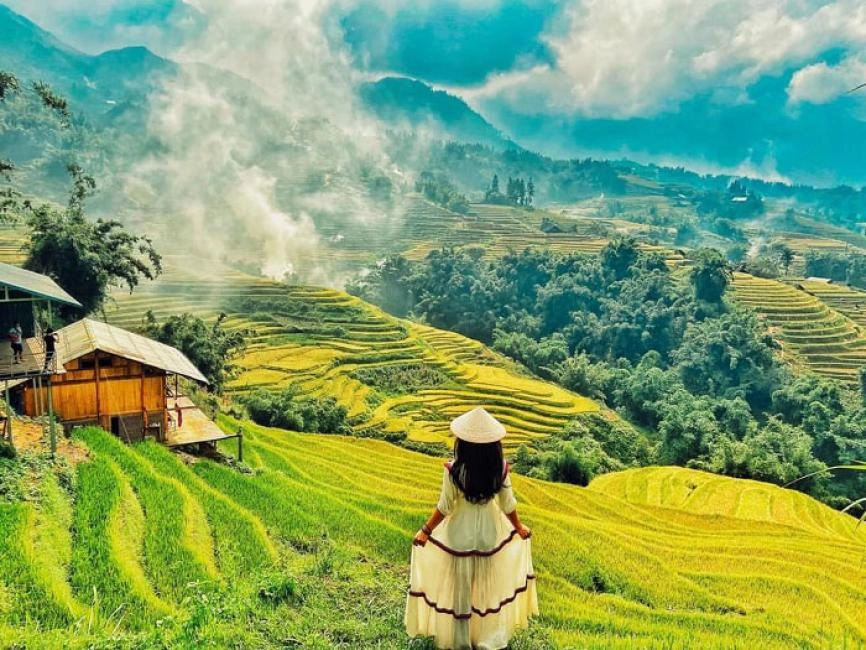
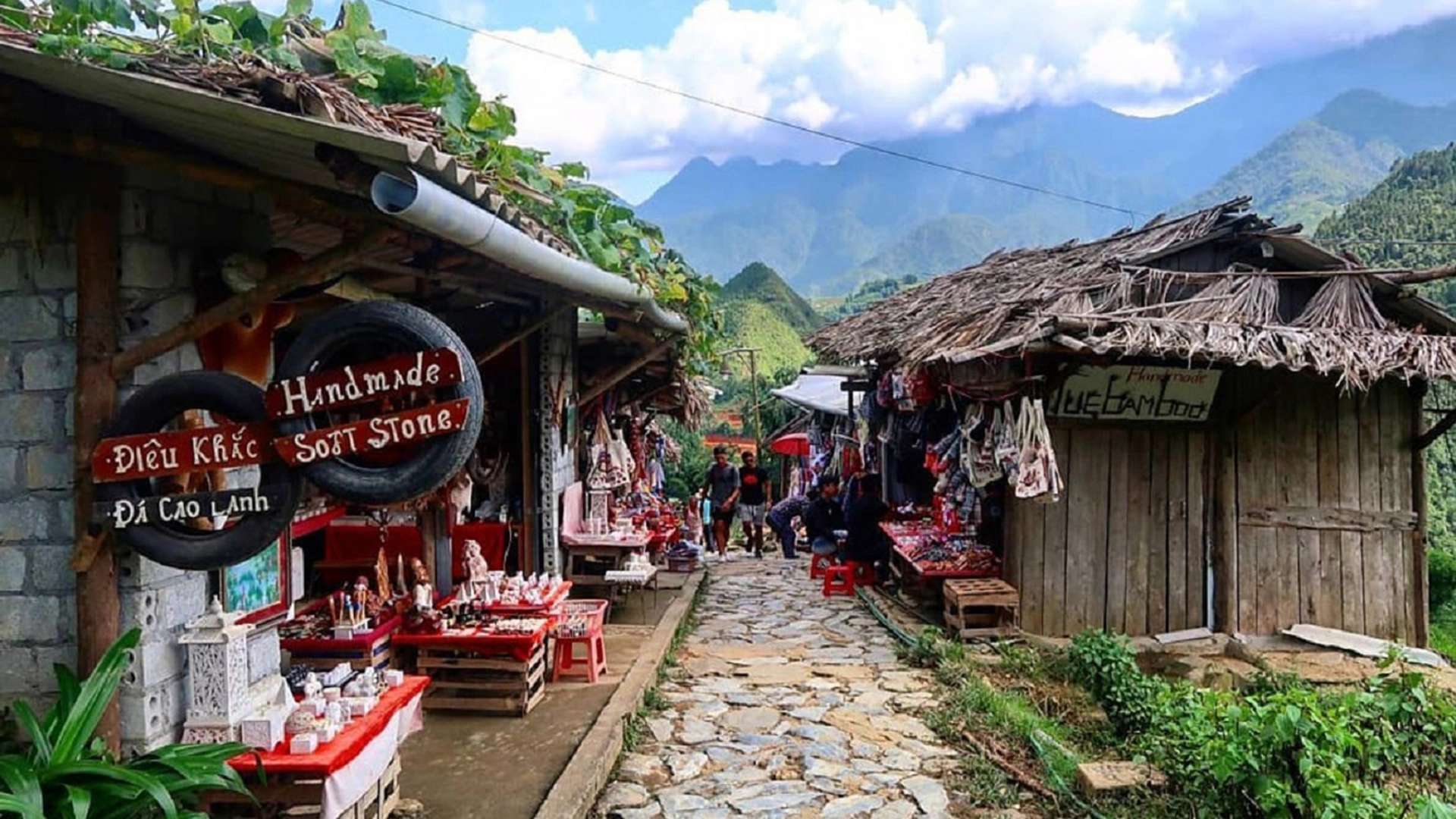
Northern highlands offer terraces, villages, and mountain roads - Source: Pinterest
If you want to see dramatic mountain passes and terraced rice fields, the northern highlands are the top places to travel to in Vietnam. Sapa offers comfortable mountain lodges and easy access to trekking routes through local minority villages, making it a very convenient choice for most visitors.
For those with more riding experience and a strong sense of adventure, the Ha Giang loop provides unmatched scenery along winding cliffside roads. Whichever mountain route you choose, pack warm clothing because evening temperatures drop significantly compared to the lower delta regions.

2. Central Vietnam With Ancient Kingdoms and Coastal Towns
Central Vietnam connects culture, beaches, and charming old towns, making it one of the easiest regions to explore at a relaxed pace.
2.1. Hue as the Former Imperial Capital of Vietnam
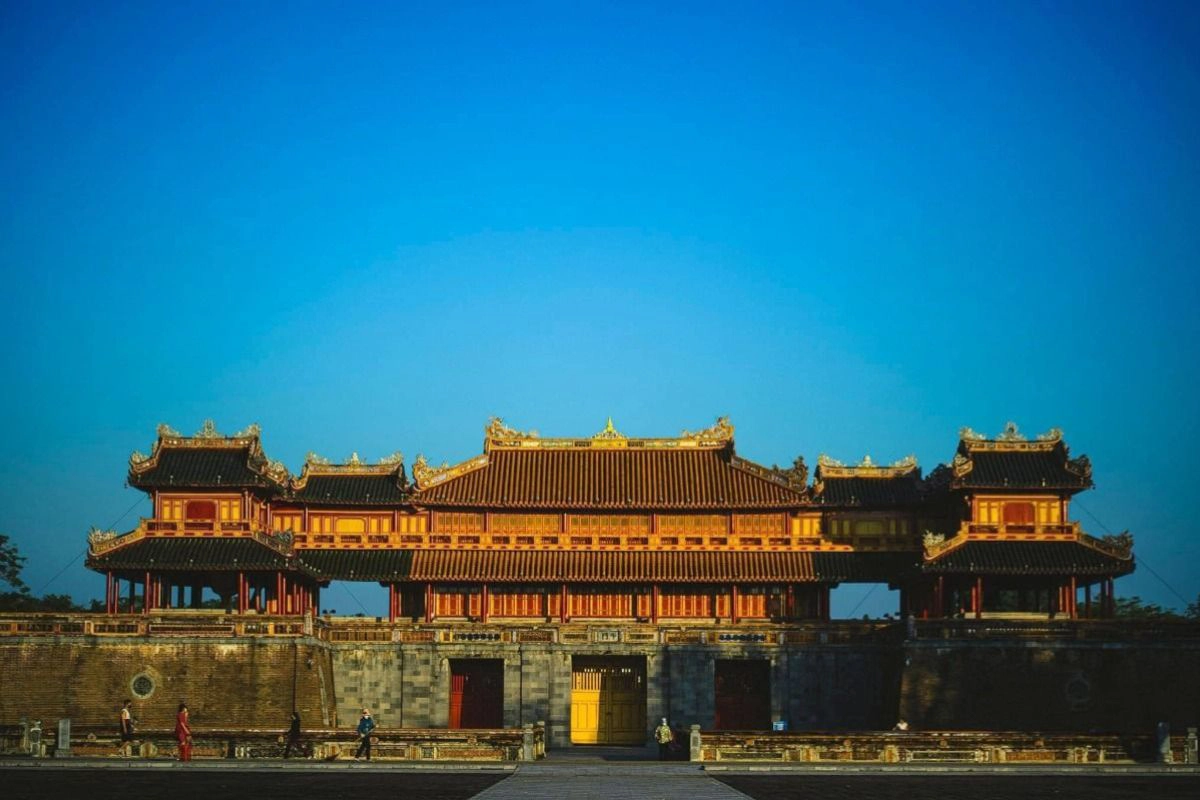
Hue preserves Vietnam’s imperial history and royal architecture - Source: Pinterest
Heading down the coast, Hue stands out as a quiet city completely dedicated to preserving the imperial history of the Nguyen Dynasty. The sprawling Imperial City enclosure and the elaborate royal tombs along the Perfume River offer a deep look into the classical past of the country.
Exploring these massive historical sites takes considerable time, so hiring a local guide or a private driver for the day is a highly recommended strategy. Hue is also famous for its distinct, spicy cuisine, making it one of the most rewarding places to visit in Vietnam for serious food lovers.
2.2. Hoi An Ancient Town for Tailor Shops and Riverside Lanterns
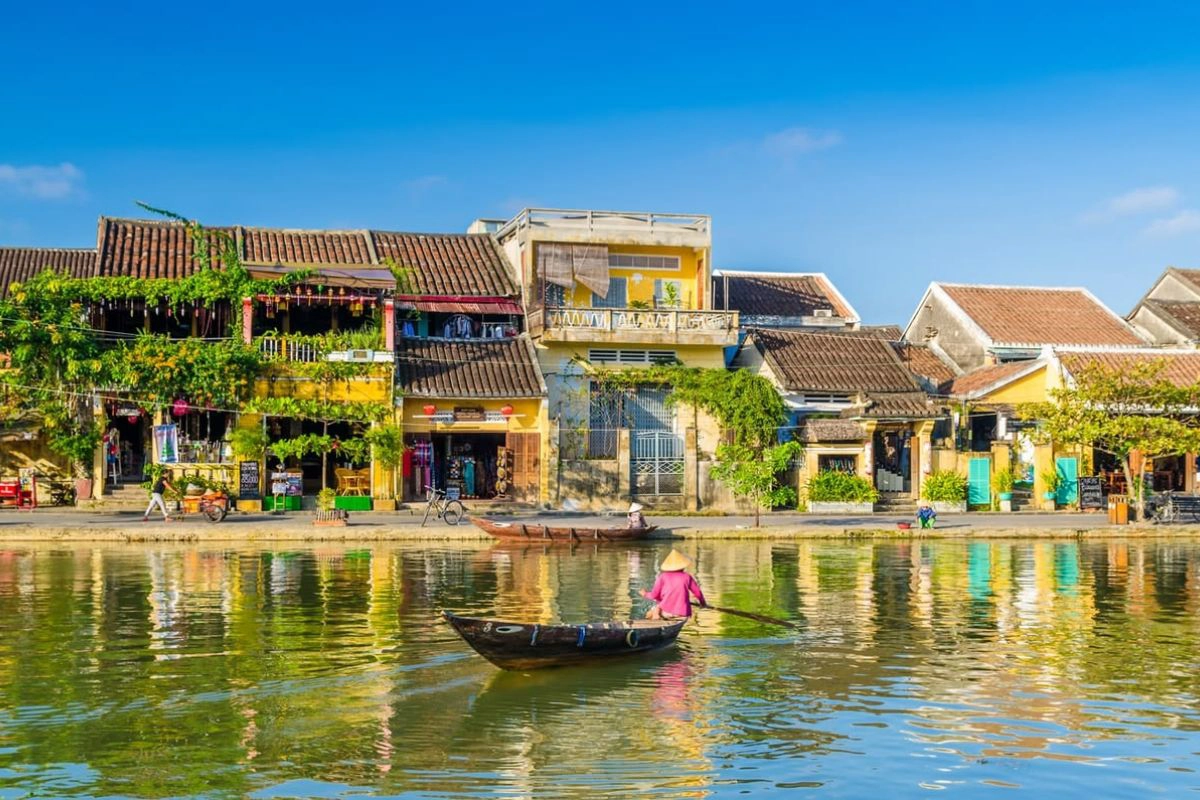
Hoi An glows with lanterns, tailors, and riverside charm - Source: Road Affair
Just a short drive south brings you to Hoi An, a remarkably well preserved trading port famous for its yellow storefronts and glowing silk lanterns. Walking through the pedestrian friendly Old Town at night feels incredibly special, especially when the river reflects the warm lights from the small wooden boats.
Beyond the historical aesthetics, Hoi An is the premier destination for custom tailored clothing and handmade leather goods. You should plan to stay here for at least three full days to allow enough time for local artisans to measure, craft, and alter your new wardrobe pieces perfectly.
2.3. Da Nang as the Modern Beachside Connector
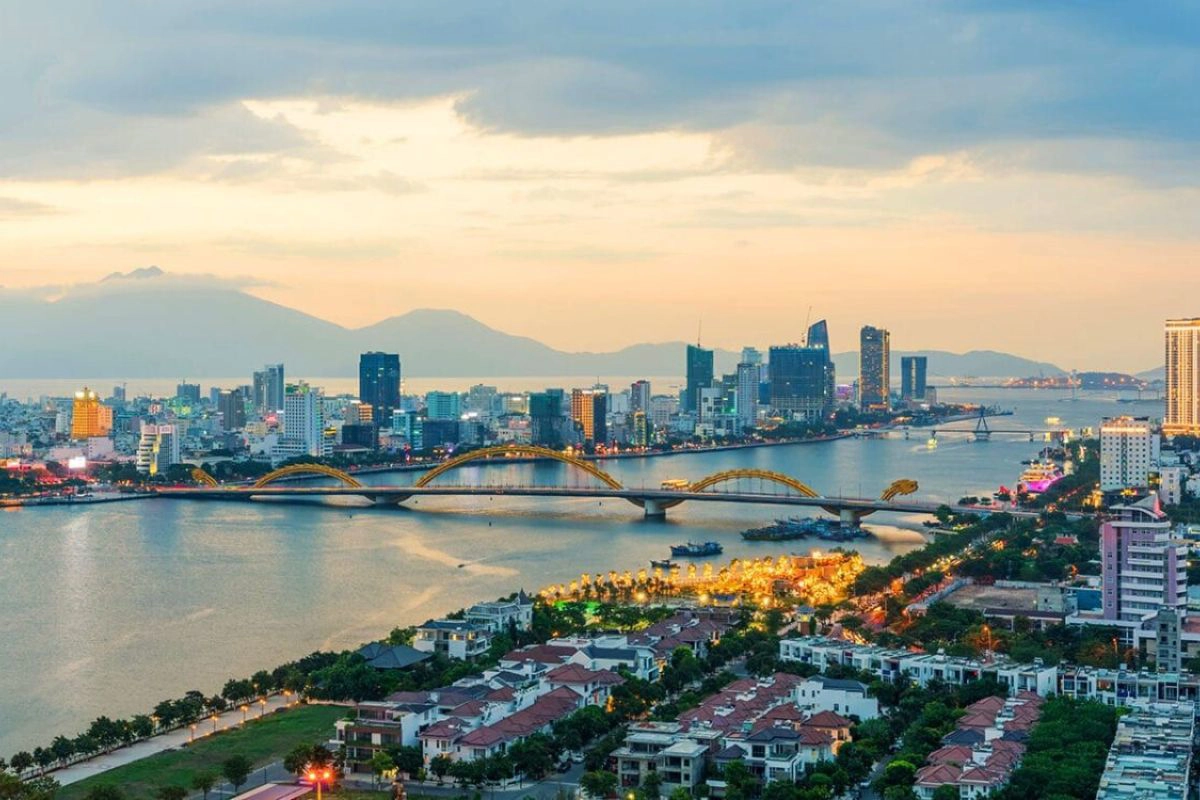
Da Nang connects beaches, airports, and central attractions - Source: Welcome To Vietnam
Da Nang acts as the primary transit hub for central regions, but it has grown into an impressive destination featuring clean urban beaches and modern bridges. Many travelers use the city as a comfortable base to visit the nearby mountains or simply to relax by the ocean without the overwhelming crowds found elsewhere.
The local international airport makes arriving and departing incredibly smooth for those connecting different places to go Vietnam. If you want to skip the regular taxi queues upon landing, booking fast track services ensures a stress free transfer directly to your coastal hotel room.
3. Southern Vietnam With Urban Energy and Winding Waterways
Southern Vietnam offers a different rhythm, from the fast-moving streets of Ho Chi Minh City to the peaceful waterways of the Mekong Delta.
3.1. Ho Chi Minh City for Energy, History, and Rooftop Views
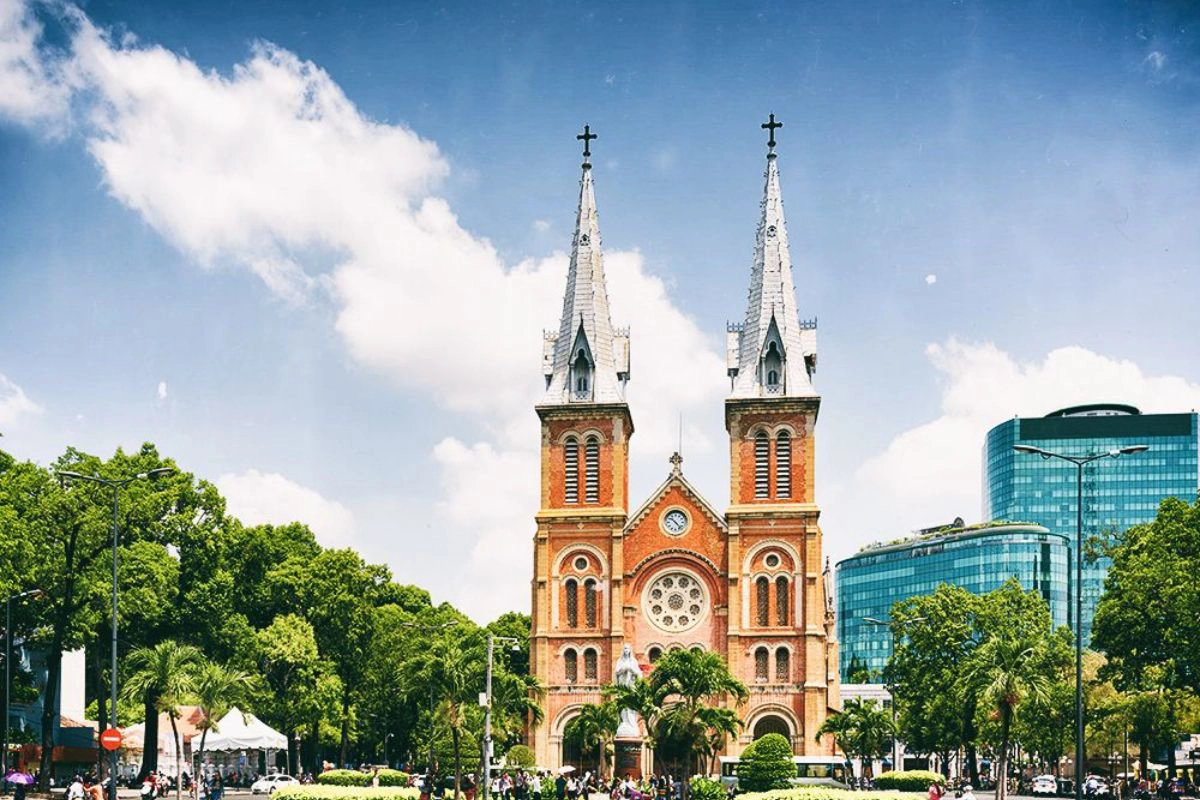
Ho Chi Minh City brings history and modern energy - Source: Jerserry
Down in the south, Ho Chi Minh City presents a completely different atmosphere driven by modern commerce, towering skyscrapers, and endless streams of motorbikes. This massive metropolis holds crucial historical sites like the War Remnants Museum and the Independence Palace, offering important context for international visitors.
The energy here never really stops, meaning you can easily transition from exploring local daytime markets to enjoying panoramic views at a high rise rooftop bar at night. Reading a comprehensive Vietnam travel guide will help you navigate the distinct city districts and find the best neighborhoods to match your travel style.
3.2. The Mekong Delta for Floating Markets and Rural Orchards
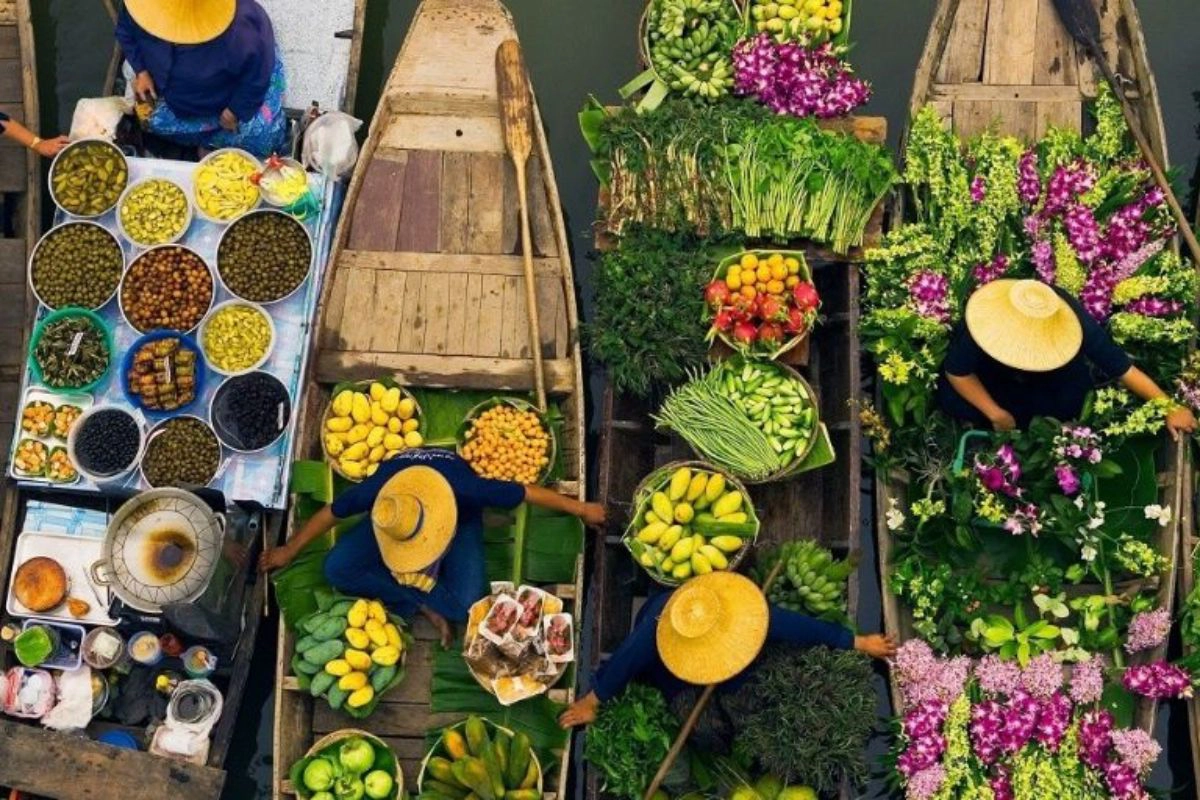
The Mekong Delta reveals Vietnam’s peaceful river life - Source: Pinterest
Leaving the busy city streets behind, the Mekong Delta reveals a massive network of brown waterways, stilt houses, and lush fruit orchards. Taking a wooden boat tour through the narrow canals gives you a firsthand look at how rural communities live and work directly on the water.
While many operators offer quick day trips from the city, spending a night in a local homestay provides a much more authentic and relaxing rural experience. Waking up early allows you to visit the floating markets when they are most active and trade is happening directly between the wooden river boats.
3.3. Phu Quoc Island for Beaches, Sunsets, and Slow Travel
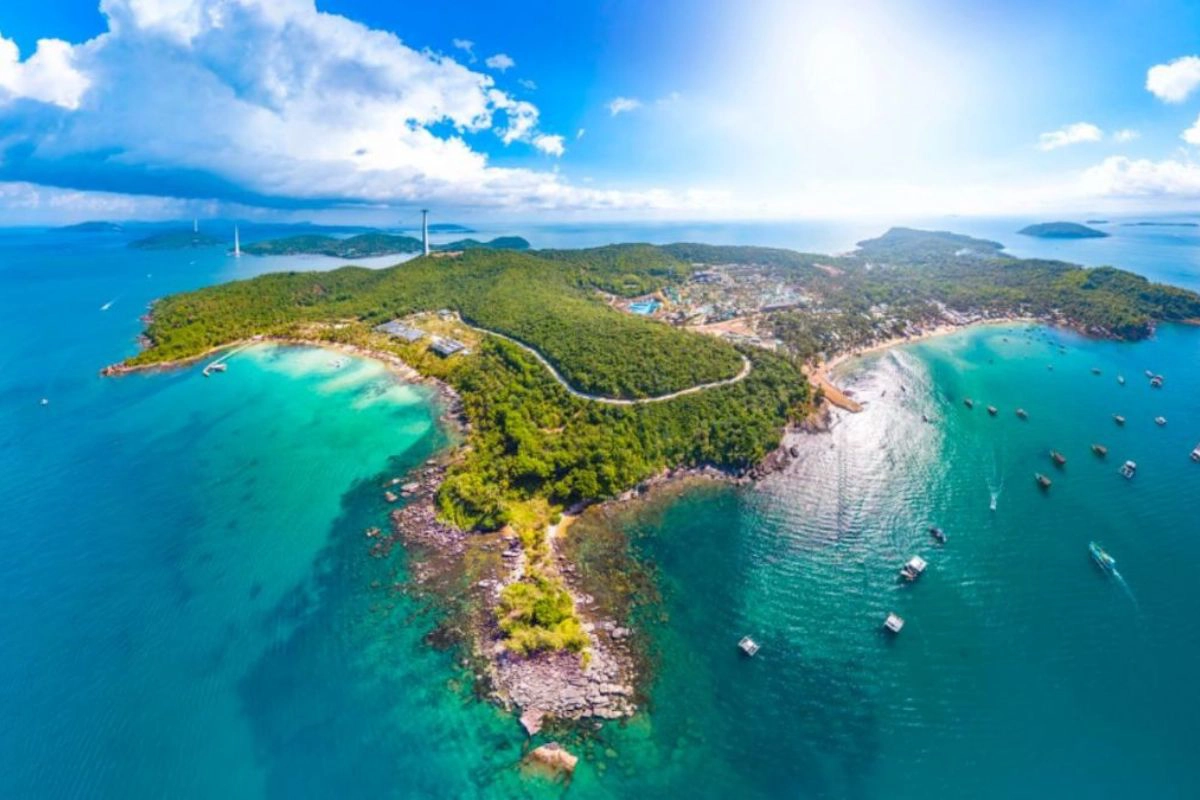
Phu Quoc is perfect for sunsets and slow travel - Source: Hoang Viet
When you are exhausted from moving between large cities, Phu Quoc Island offers the perfect environment to slow down and enjoy tropical white sand beaches. The western coast provides some of the most spectacular ocean sunsets in the entire country, paired perfectly with fresh local seafood.
The island features everything from luxury international resorts to simple beachside bungalows, catering to a wide variety of vacation budgets. For those looking for active water sports, the southern archipelago offers excellent snorkeling and island hopping excursions right off the main coastal piers.

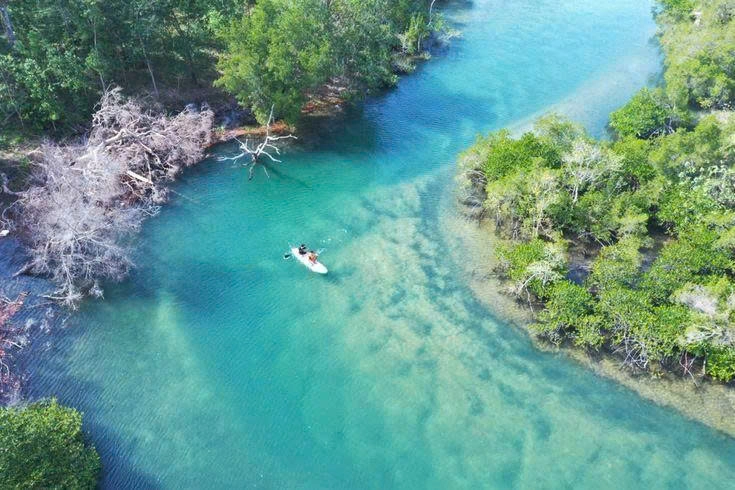

4. Smart Tips for Connecting Places to Visit on Vietnam Itineraries
Choosing the best places to travel in Vietnam is easier when you understand weather, transport, and arrival logistics before building your route.
4.1. Understanding Vietnam’s Different Weather Zones
Figuring out the absolute best places to travel in Vietnam requires a solid understanding of the regional weather differences throughout the year. The country is incredibly long, meaning the north might be freezing and misty while the southern beaches are experiencing hot and sunny conditions at the exact same time.
There is no single perfect month to see the entire country without running into some rain or extreme heat along the way. You should plan your route based on the optimal weather window for your primary priority, whether that means dry hiking in Sapa or sunny beach days in Da Nang.
4.2. Choosing the Right Transport Between Regions

The right transport saves time between regions
Moving efficiently between your chosen destinations is just as important as selecting the physical locations themselves. Domestic flights are highly affordable and save massive amounts of time when jumping between the major northern, central, and southern airport hubs.
For shorter regional distances, luxury sleeper buses and regional trains offer comfortable and scenic ways to travel while saving the cost of a hotel room. Exploring reliable transportation options early in your planning phase prevents last minute stress and secures the best departure times for your schedule.
4.3. Planning Arrivals, E-Visas, and Airport Transfers Smoothly
Before you even pack your bags, securing your electronic visa through the official government portal is the most crucial step of your preparation. Processing times can fluctuate based on local national holidays, so submitting your application at least two weeks before your departure date is a very smart move.
Knowing exactly how you will get from the airport terminal to your accommodation sets a positive tone for your entire vacation experience. Arranging a private airport transfer in advance protects you from overpaying local taxi drivers and lets you start enjoying your trip the moment you walk outside.
5. Frequently Asked Questions About Traveling in Vietnam
5.1. How many days do I need to see the main highlights of Vietnam?
You need at least two full weeks to comfortably travel from north to south without feeling rushed. If you only have seven to ten days, pick just one region like the north or the central coast to maintain a relaxing travel pace.
5.2. Should I travel from North to South or South to North in Vietnam?
It depends entirely on the weather during your specific travel month. A popular strategy for winter trips is starting in the chilly north and working your way down to finish on the warm, sunny beaches of the south.
5.3. What are the top places to visit in Vietnam for families?
Hoi An, Da Nang, and Phu Quoc Island are excellent choices because they minimize travel time and offer highly engaging environments. Hoi An features safe and pedestrian friendly streets, while Da Nang and Phu Quoc provide calm beaches and family oriented resorts.
5.4. Which places in Vietnam are best for culture, beaches, and nature?
Head to Hanoi and Hue for imperial history, and Ha Giang or the Mekong Delta for raw nature and outdoor adventure. If you just want relaxing beach days, focus on the central coastline of Da Nang or the tropical shores of Phu Quoc Island.
Choosing the best places to visit on Vietnam itineraries becomes much easier when you understand how each region connects. From Hanoi, Halong Bay, and the northern mountains to Hue, Hoi An, Da Nang, Ho Chi Minh City, the Mekong Delta, and Phu Quoc, Vietnam offers a rewarding mix of culture, nature, beaches, and city life. If you want a smoother journey with well-planned routes, local transfers, tours, and arrival support, contact Joytime Travel Agency to customize your Vietnam trip from start to finish.
Contact information:
|
Joytime Travel Agency - Travel JOY, TIMEless Vietnam Safe, Seamless, Satisfying, Sustainable Follow us for travel tips, local insights, and exclusive offers:
|

Danish Nguyen
Danish Nguyen is a renowned travel blogger in Vietnam with over 5 years of experience sharing unique travel experiences. With a passion for exploring new places, Danish captures incredible moments and provides readers with valuable tips to discover the beauty of his homeland.