







What to Wear When Travelling in Vietnam Made Easy
The main content of the article
- 1. Choose Your Outfits Based on the Weather and Climate in Each Region
- 2. What to Wear When Travelling in Vietnam Based on Activities and Destinations
- 3. Essential Accessories to Pack in Your Bag
- 4. FAQs About What to Wear When Travelling in Vietnam
- 4.1. Is it easy for international travelers to buy plus-size clothing in Vietnam?
- 4.2. Are laundry services common in Vietnam, or do I need to pack enough clothes for 14 days?
- 4.3. Are there any items or types of clothing I should avoid wearing when travelling in Vietnam?
- 4.4. What Are the Footwear Rules When Visiting Temples, Pagodas, or Local Homes?
Wondering what to wear when travelling in Vietnam? This is a common question, as the weather in Vietnam can vary greatly from North to South. In fact, packing a compact suitcase while still being prepared for different climates is not always easy. That is why Joytime Travel has put together this detailed clothing guide to help you get ready for your trip.
1. Choose Your Outfits Based on the Weather and Climate in Each Region
Vietnam’s climate varies significantly from north to south. Understanding the weather conditions in each region will help you pack suitable clothing and make the most of your luggage space.
1.1. Northern Vietnam (Hanoi, Sapa, Ha Long Bay): Pack for Four Distinct Seasons
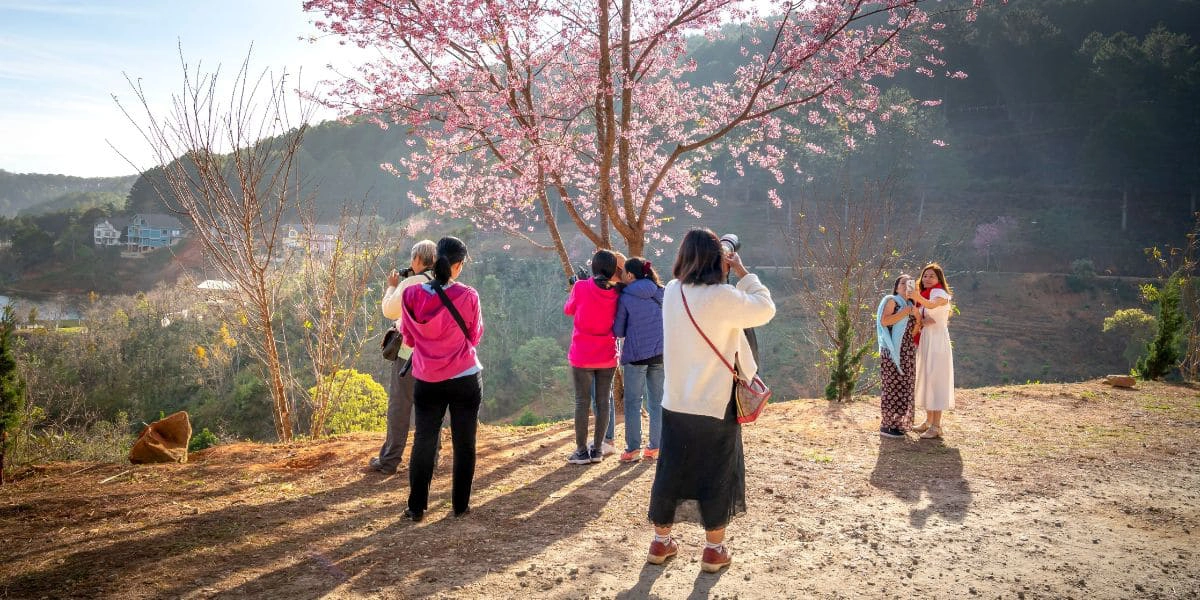
Northern Vietnam packing tips - Source: Quang Nguyen Vinh
Northern Vietnam is the only region in the country that experiences all four seasons, with dramatic temperature changes ranging from intense, humid heat to bone-chilling cold. To avoid temperature shock when moving between destinations, you should pack according to each specific period of the year:
-
Summer (May–August): Temperatures can reach up to 38°C, combined with high humidity that may make the air feel sticky and uncomfortable. Breathable fabrics such as linen, 100% cotton, or silk are essential, as they help your body release heat more quickly.
-
Winter (December–February): The weather can be bitterly cold, often accompanied by fog or even frost in places such as Sapa and Ha Giang. The best way to stay warm without overpacking is to wear a thin, fitted thermal layer underneath, add an ultralight windproof padded jacket, and wear a wool hat that covers your ears.
-
Spring and Autumn: The weather is usually cool in the early morning but can become quite warm by midday. Layering is the most practical approach: wear a short-sleeved T-shirt as your base layer and add a lightweight windbreaker on top, so you can easily take it off when the temperature rises.
>> Read more: Travel Vietnam August: Tips to Avoid the Rain and Save Money
1.2. Central and Southern Vietnam (Da Nang, Hoi An, Ho Chi Minh City): Prioritize Cool and Comfortable Clothing
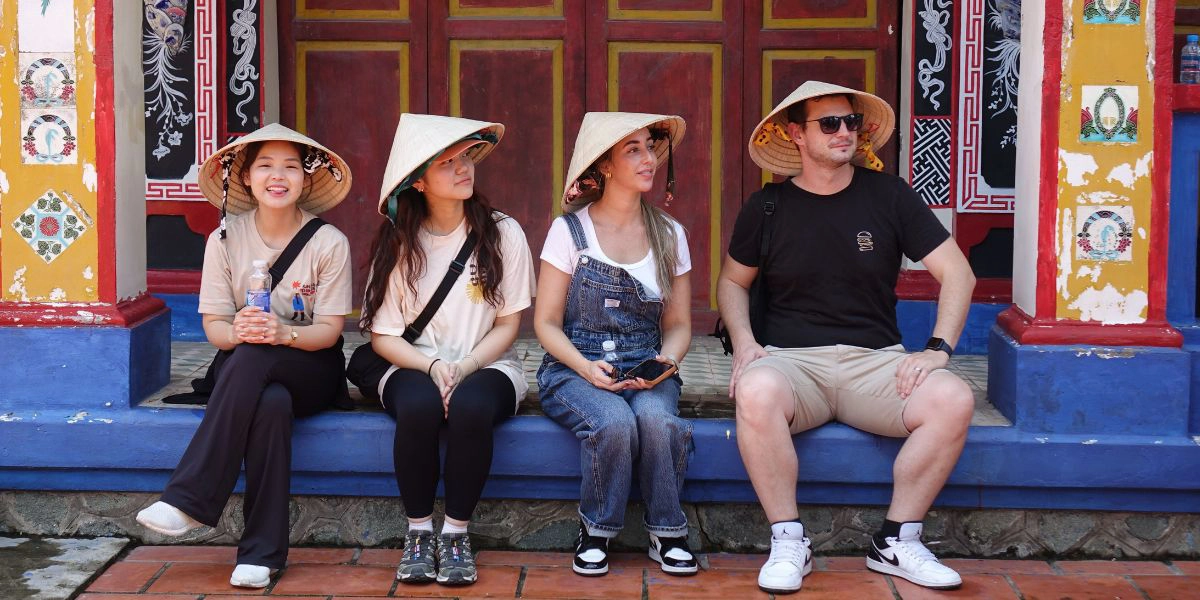
Tropical Vietnam packing guide - Source: Vy Van Bui
In contrast to Northern Vietnam, Central and Southern Vietnam have a tropical climate, with hot weather and high temperatures throughout the year. The climate here is divided into only two main seasons, making it much easier to prepare your luggage:
-
Dry Season (November–April): The sun can be intense from early morning until late afternoon. Choose tank tops, shorts, and maxi dresses made from linen or chiffon. Avoid clothing with a high percentage of nylon or polyester, as these fabrics do not absorb sweat well and can feel hot and uncomfortable.
-
Rainy Season (May–October): Tropical showers often arrive suddenly and stop just as quickly. You can still wear lightweight clothing as you would in the dry season, but always keep an ultralight raincoat or a water-resistant windbreaker in your backpack to handle the unpredictable “sunny in the morning, rainy in the afternoon” weather.
>> Read more: Hoi An Basket Boat Tour: A Local Experience Guide
2. What to Wear When Travelling in Vietnam Based on Activities and Destinations
Choosing the right clothing not only keeps you comfortable but also helps protect your health and shows respect for local culture. Optimize your suitcase with the practical items below.
2.1. Visiting Temples, Pagodas and Historical Sites
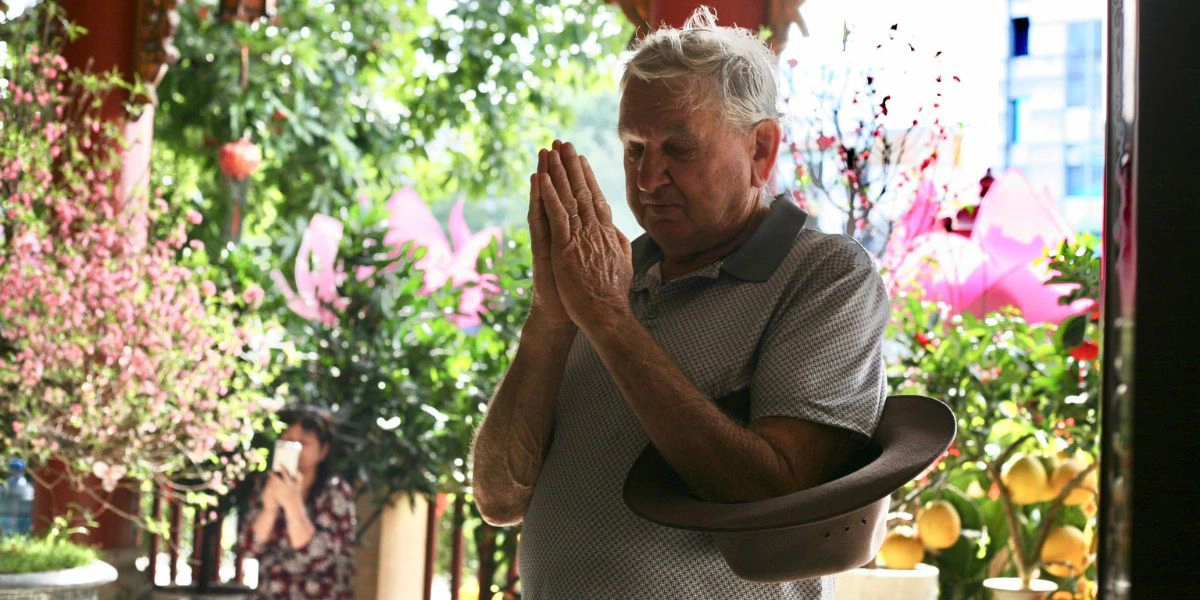
Temple-ready travel outfits - Source: AI MY
Vietnamese spiritual practices place great importance on solemnity and respect, especially at temples, pagodas, and historical mausoleums. However, Vietnam’s tropical weather can often be hot, humid, and intensely sunny. Instead of wearing thick jeans that may feel stuffy and uncomfortable, use these practical clothing tips to stay respectful, cool, and comfortable during your pilgrimage:
-
Wide-leg linen pants or a long maxi skirt: These breathable pieces allow you to move easily, kneel, or climb steps at large heritage and spiritual sites such as Yen Tu or Bai Dinh without feeling restricted.
-
Thin shirt or short-sleeved cotton T-shirt: These options keep your shoulders properly covered while offering excellent sweat absorption, making them much more comfortable than hot nylon-blend chiffon fabrics.
-
Patterned sarong scarf: This is a useful item to keep in your bag. You can quickly turn it into a wrap skirt if you happen to be wearing shorts, saving you time and the cost of renting cover-up clothing at the temple entrance.

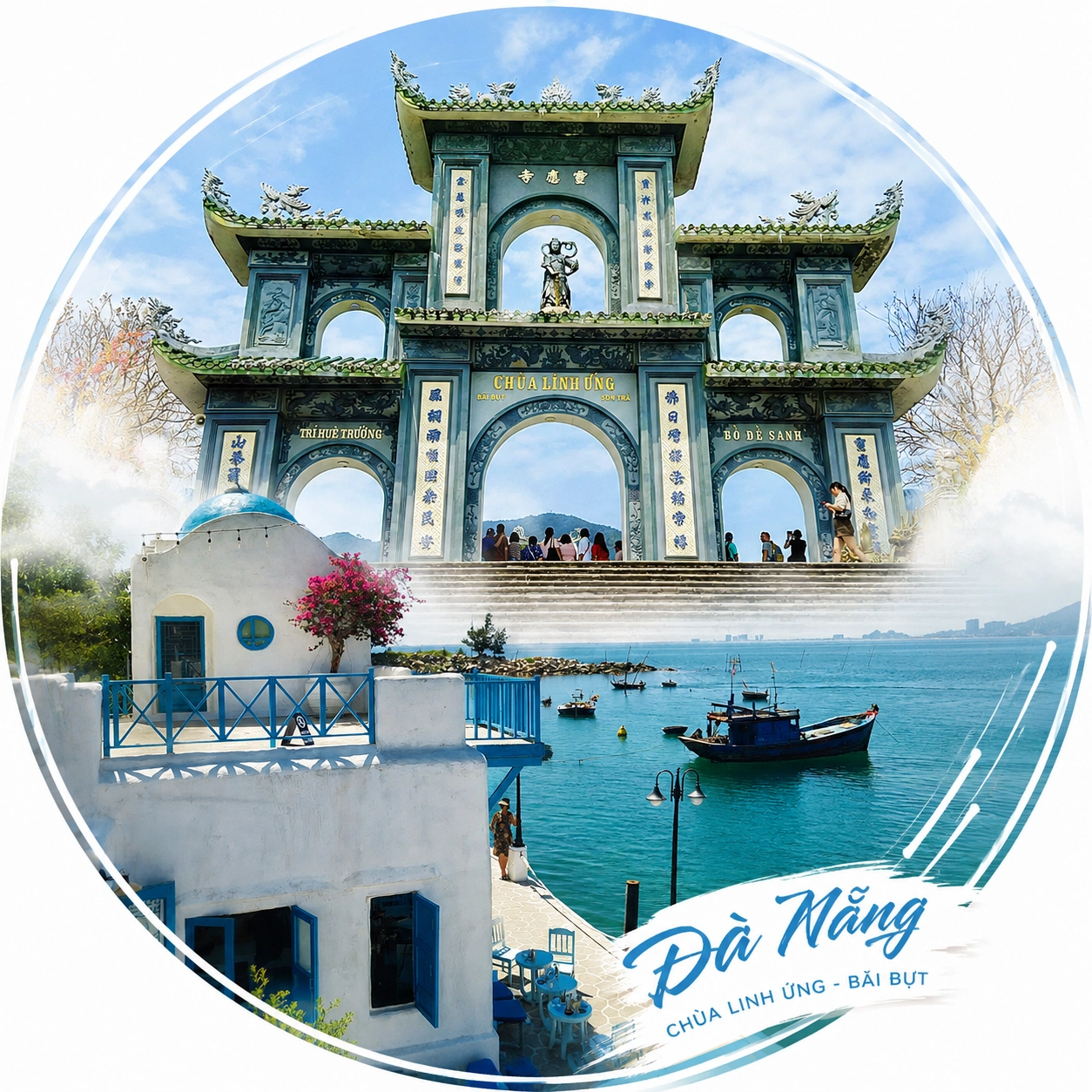
2.2. Exploring Nature, Mountains and Trekking Routes
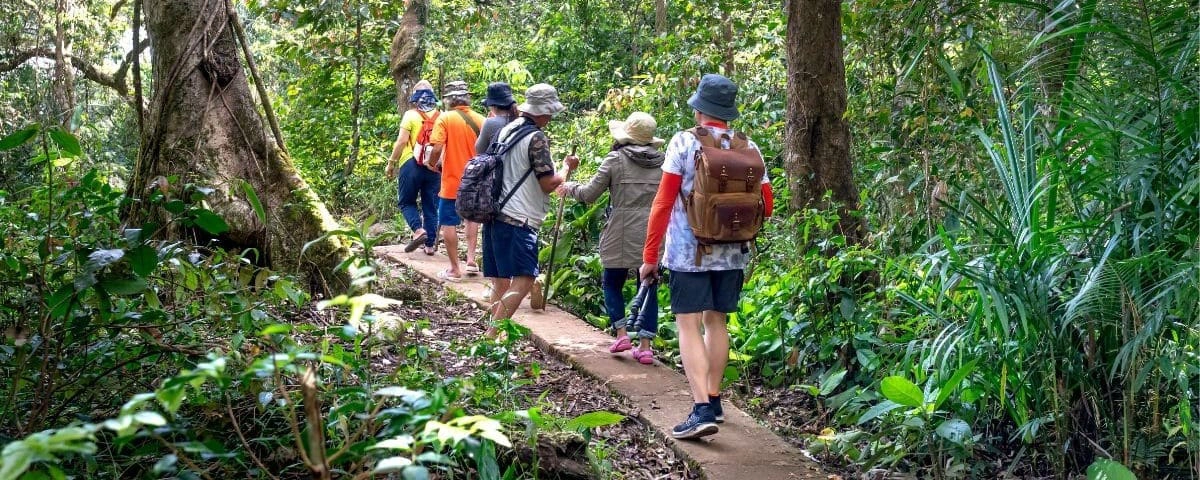
Vietnam trekking outfit essentials - Source: Quang Nguyen Vinh
Cave exploration routes in Phong Nha and trekking trails in the mountainous areas of Northwest Vietnam often involve challenging terrain, slippery paths, and plenty of insects. Since these activities require a lot of physical movement, you should avoid wearing cotton. This fabric holds sweat for a long time and may make you feel cold when you reach higher, misty areas.
-
Quick-drying hiking pants made from nylon or spandex: These act as an excellent protective layer against scratches from sharp limestone rocks, while also helping prevent leech bites and mosquito bites. They also will not cling uncomfortably to your legs when you sweat.
-
Long-sleeved UV-protective cooling shirt: This protects your arms from strong sunlight on mountain peaks while allowing heat to escape, keeping your body cool and well-ventilated.
-
Lightweight waterproof jacket, preferably Gore-Tex: This is an essential survival item for blocking cold winds at higher elevations and dealing with sudden drizzles in damp forest areas.
2.3. Walking Around the City and Enjoying Beach Holidays
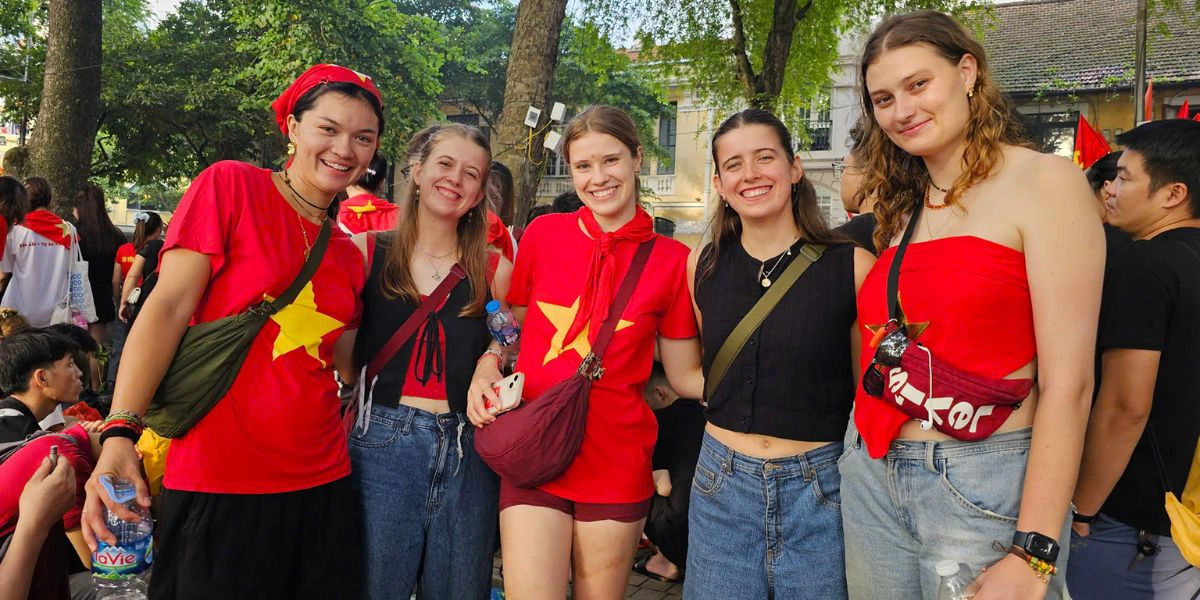
Vietnam summer outfit ideas - Source: People's Army Newspaper Online
When strolling leisurely under the 35°C heat in Hoi An Ancient Town, Saigon, or relaxing on the beaches of Phu Quoc, your outfit should focus on staying as cool as possible. Since there are no strict dress codes for these casual experiences, prioritize lightweight, easy-to-pack pieces that still look stylish:
-
Bright-colored silk, chiffon, or linen dresses: Shades such as yellow, red, and white will stand out beautifully against the backdrop of nostalgic architecture. These fabrics are also extremely light and dry very quickly.
-
Linen shorts and a camisole: This is a go-to combination for hot summer afternoons, giving you maximum comfort and freedom of movement as you explore street food stalls or night markets.
-
Lace or kimono-style beach cover-up: This works as an effective sun-protective layer while keeping you looking elegant as you move from the hotel lobby to the beach.
>> Read more: What to Wear in Dalat Vietnam for a Relaxed and Fulfilling Trip
3. Essential Accessories to Pack in Your Bag
Do not let your trip to Vietnam become less enjoyable just because you forgot a few small but essential items. Below is a list of accessories that can help you protect your health and belongings more effectively.
3.1. Suitable Footwear for Different Terrains
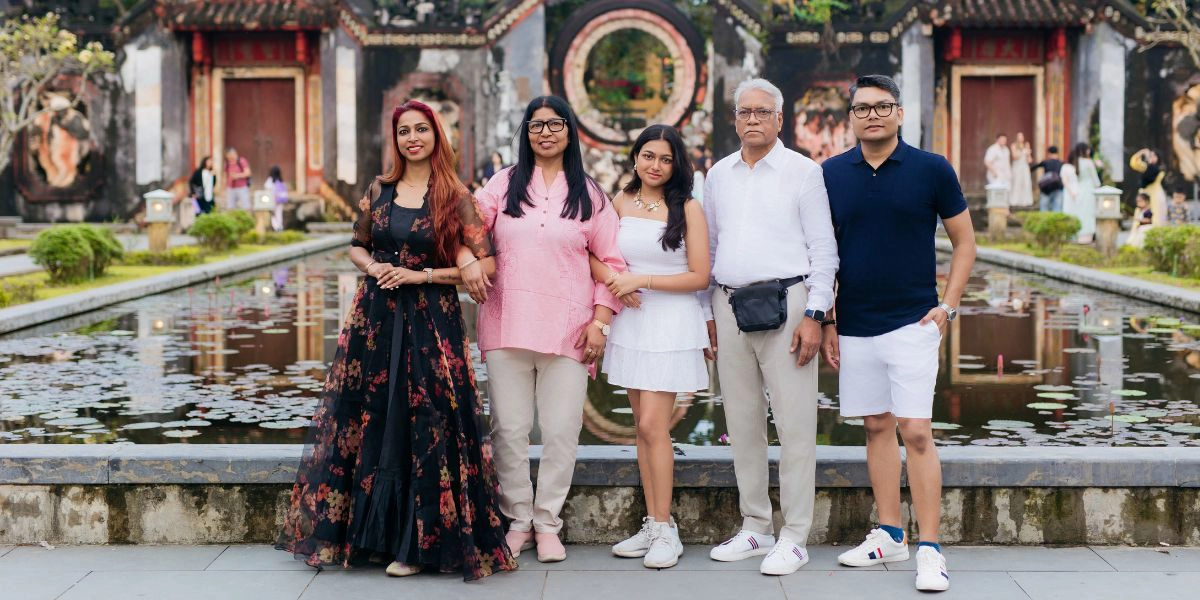
Vietnam travel footwear tips - Source: Xuan Anh Nguyen
A lot of walking and moving around is inevitable on any trip. That is why you should prioritize support and flexibility for your feet with the following items:
-
Comfortable sneakers: Sidewalks in Vietnamese cities are often uneven and may have obstacles along the way. A good pair of walking shoes with proper cushioning will help reduce foot fatigue when you spend the whole day sightseeing.
-
Sandals with back straps or flip-flops: These are very convenient for evening walks around your hotel. They also allow your feet to dry quickly and help you avoid damaging your shoes if you happen to walk through wet or puddled areas.
3.2. Sun Protection and Health Essentials
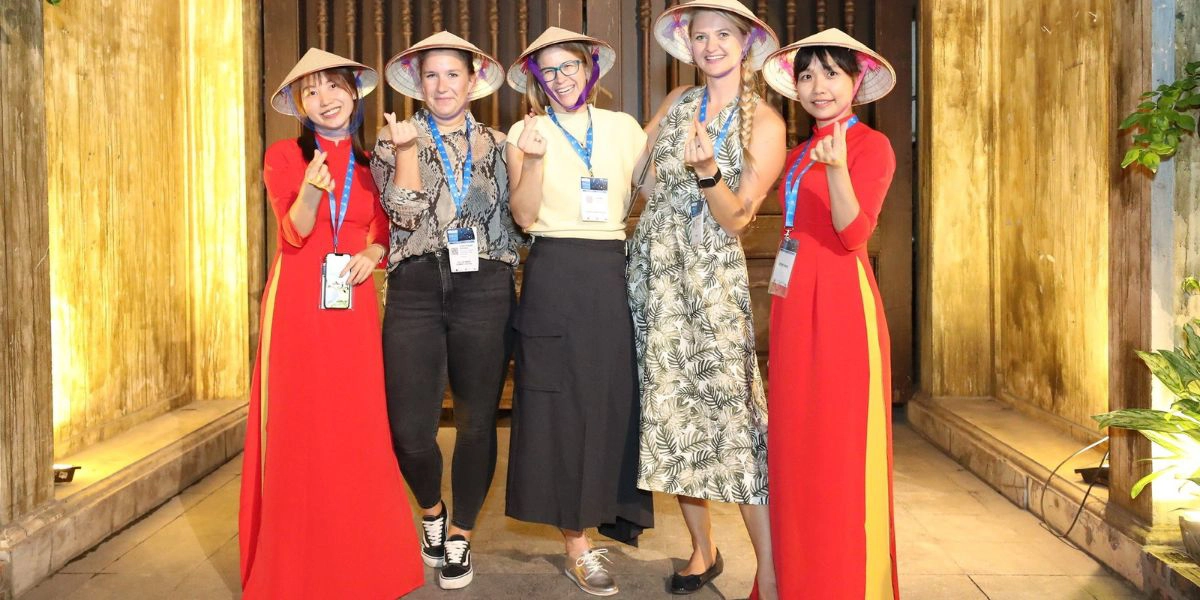
Vietnam sun protection essentials - Source: VGP/Thuy Linh
Tropical sunlight can be extremely intense, and traffic dust makes proper protection even more important:
-
Wide-brimmed hat, baseball cap, or conical hat: Bring a cap to shield yourself from the sun, or buy a traditional Vietnamese conical hat locally. A conical hat offers excellent sun protection and also makes a beautiful photo prop with a distinctly Vietnamese touch.
-
Lightweight multi-purpose scarf: This is a very useful item if you plan to travel by motorbike. You can use it to cover your face from road dust, absorb sweat, or wrap it around your neck to help prevent heatstroke.
-
SPF 50+ sunscreen and sunglasses: A broad-spectrum, water-resistant sunscreen is essential to prevent sunburn. Polarized sunglasses will also help protect your eyes from glare when traveling under strong sunlight.
3.3. Safe Bags and Waterproof Accessories
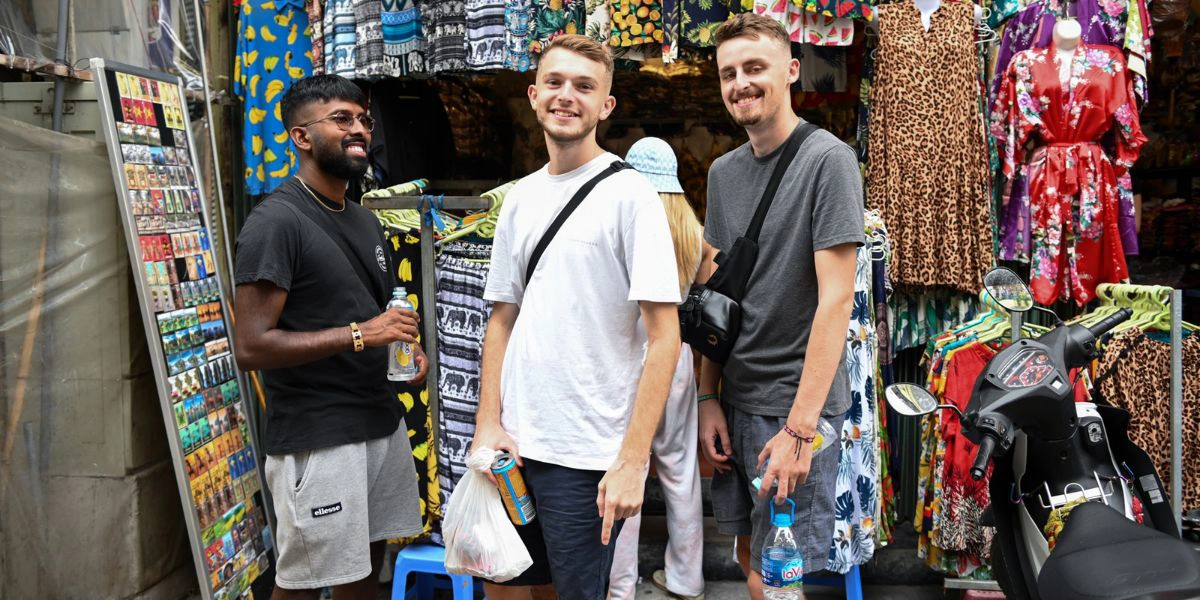
Vietnam travel safety essentials - Source: Mekong ASEAN
In busy tourist areas, keeping your belongings secure will help you enjoy your trip with greater peace of mind and avoid unwanted incidents:
-
A crossbody bag worn in front or a hidden money belt: In crowded night markets or festivals, a bag that stays close to your body helps you keep full control of your passport, phone, and cash, reducing the risk of dropping items or being pickpocketed.
-
A waterproof phone pouch: This compact accessory is especially useful when taking a boat trip around the bay, snorkeling, or getting caught in sudden rain. Your device will stay well protected while still allowing you to use the touchscreen easily.
>> Read more: Top 5+ Best Places To Visit In Vietnam With Family
4. FAQs About What to Wear When Travelling in Vietnam
4.1. Is it easy for international travelers to buy plus-size clothing in Vietnam?
Finding plus-size clothing in Vietnam is not too difficult, but it is not always easy either. Since local body frames tend to be relatively small, regular fashion stores may not often carry larger sizes.
However, in busy markets that cater to international visitors, such as Ben Thanh Market, plus-size clothing is usually available. You can also shop at large malls or try express tailoring services in Hoi An to get clothes that fit you well.
4.2. Are laundry services common in Vietnam, or do I need to pack enough clothes for 14 days?
You do not need to overpack your suitcase. In major towns and cities, affordable laundry services are very common. They usually charge by the kilogram and return your clothes clean and neatly folded within a day.
However, if your itinerary takes you deep into remote countryside areas or high mountain regions, be sure to pack enough spare clothing, as laundry services there can be very limited.
4.3. Are there any items or types of clothing I should avoid wearing when travelling in Vietnam?
Vietnamese people are friendly and hospitable, but certain Asian cultural norms are still widely respected. Below are the types of clothing and accessories you should leave out of your suitcase:
-
Revealing clothing: Wearing bikinis, sports bras, or extremely short cut-off shorts while walking around the streets or going into supermarkets may be considered inappropriate. Swimwear should only be worn at the beach or by the pool.
-
Clothing with sensitive messages: Avoid wearing shirts printed with flags, sarcastic slogans, or imagery related to politics, war, or religion.
-
Flashy jewelry: For safety, especially when walking through crowded markets or festivals, avoid wearing large gold necklaces or expensive watches, as they may attract unwanted attention.
4.4. What Are the Footwear Rules When Visiting Temples, Pagodas, or Local Homes?
In Vietnam, wearing shoes or sandals into the worship area of a temple, pagoda, or a local home is considered highly disrespectful. You are expected to take off your footwear and leave it at the doorstep before entering the indoor space.
Therefore, on days when your itinerary includes cultural or spiritual visits, it is best to wear slip-on shoes or sandals so you can easily take them off and put them back on throughout the day.
What to wear when travelling in Vietnam is no longer a difficult question if you understand the key principles of weather, culture, and destination-specific dressing mentioned above. A smart and versatile suitcase will help you explore with confidence while making the most of your luggage space. Always prioritize comfort and respect for local culture so you can fully enjoy every memorable moment in this beautiful S-shaped country.
To make your trip even more complete without worrying about the itinerary, choose professional tours from Joytime: Vietnam Travel. Contact us today for expert consultation and a tailor-made Vietnam travel experience designed just for you!
|
Joytime Travel Agency - Travel JOY, TIMEless Vietnam Safe, Seamless, Satisfying, Sustainable Follow us for travel tips, local insights, and exclusive offers:
|
Danish Nguyen
Danish Nguyen is a renowned travel blogger in Vietnam with over 5 years of experience sharing unique travel experiences. With a passion for exploring new places, Danish captures incredible moments and provides readers with valuable tips to discover the beauty of his homeland.