









Travel Vietnam August: Tips to Avoid the Rain and Save Money
The main content of the article
- 1. Cost Advantages For Your Travel Vietnam August Trip
- 2. Top 3 Low-Rainfall Destinations for Traveling Vietnam in August
- 2.1. Quy Nhon, Binh Dinh: Blue Beaches Before the Storm Season
- 2.2. Phu Quy Island, Binh Thuan: Naturally Dry Weather Conditions
- 2.3. Pu Luong, Thanh Hoa: A Safe Mountain Destination
- 2.4. Nha Trang, Khanh Hoa: A Stable Coastal Climate For Island Hopping
- 2.5. Phan Rang, Ninh Thuan: The Ultimate Dry Zone For Outdoor Photography
- 2.6. Tuy Hoa, Phu Yen: Calm Waters And Uncrowded Coastal Roads
- 3. Tips for Booking Services and Getting Around During the Rainy Season
- 4. FAQs About Traveling Vietnam in August
Choosing travel Vietnam August is a great opportunity to save money, as domestic tourist numbers drop significantly during this period. Although the transitional weather often brings sudden showers, your trip can still be enjoyable if you choose the right destinations. To learn how to optimize your itinerary and avoid weather-related risks, explore Joytime Travel’s tips in this article.
1. Cost Advantages For Your Travel Vietnam August Trip
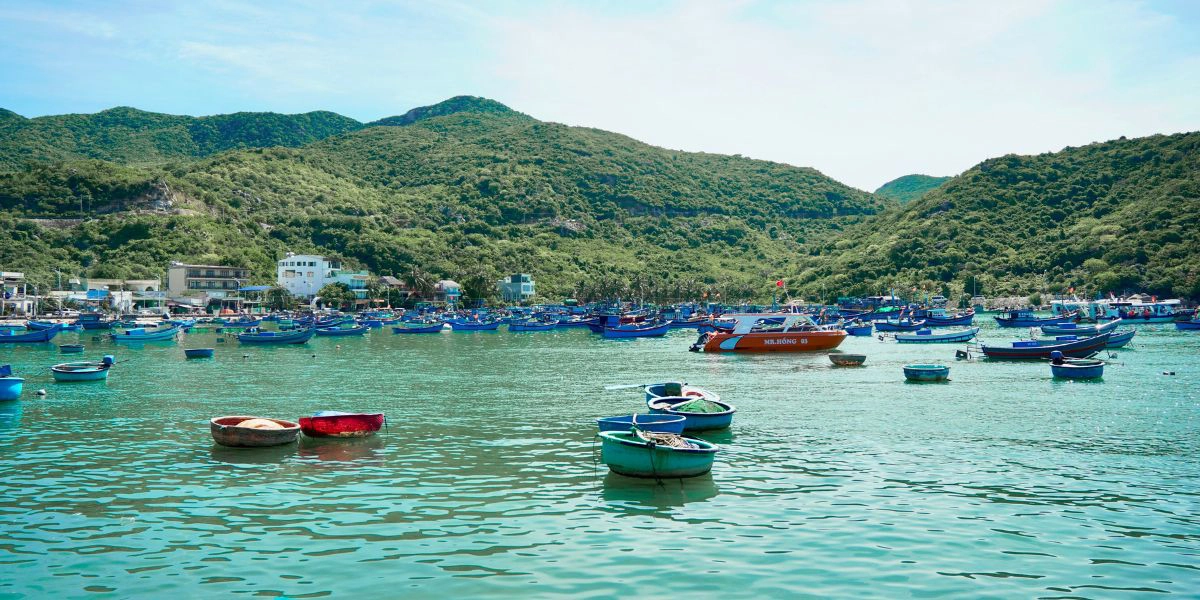
Vietnam August travel savings - Source: Tuan Vy
If budget is your priority, this is truly the best time to visit Vietnam in August. As soon as the domestic summer holiday ends, travel services start to cool down, allowing you to optimize your costs through the three practical factors below.
1.1. A Sharp Drop in Domestic Tourist Numbers
From mid-August, families and corporate groups begin to pause their travel plans to prepare for the new school year. The quieter atmosphere is clearly reflected in the fact that you no longer have to wait in long lines for hours at cable car stations or tourist attractions. At major destinations, you can easily walk into beachfront seafood restaurants without worrying about fully booked tables or having to reserve days in advance.
1.2. Lower Airfares and Hotel Rates
The key factor that helps you cut costs is not flashy promotions but the fact that hotels officially remove their “summer surcharges", which usually range from VND 200,000 to VND 500,000 per night. Strict accommodation policies, such as requiring guests to book a minimum stay of two nights on weekends, are also lifted. At the same time, domestic airfares remain stable and are no longer pushed up to their ceiling prices.
1.3. Easier Access to Premium Services at Better Prices
During peak season, Halong Bay cruise cabins and 5-star resorts are often fully booked months in advance. By August, the greater room availability makes it much easier to secure premium room categories, such as Ocean View rooms, close to your departure date at standard listed rates. To retain customers, travel agencies are also more willing to offer flexible date changes or refund policies if your itinerary is affected by the weather.
>> Read more: Best Time To Visit Vietnam Beaches: Weather & Coastal Guide
2. Top 3 Low-Rainfall Destinations for Traveling Vietnam in August
To avoid the risk of storms and heavy rain disrupting your Vietnam travel itinerary, prioritize the three destinations below with the driest, sunniest, and safest microclimates in August.
2.1. Quy Nhon, Binh Dinh: Blue Beaches Before the Storm Season
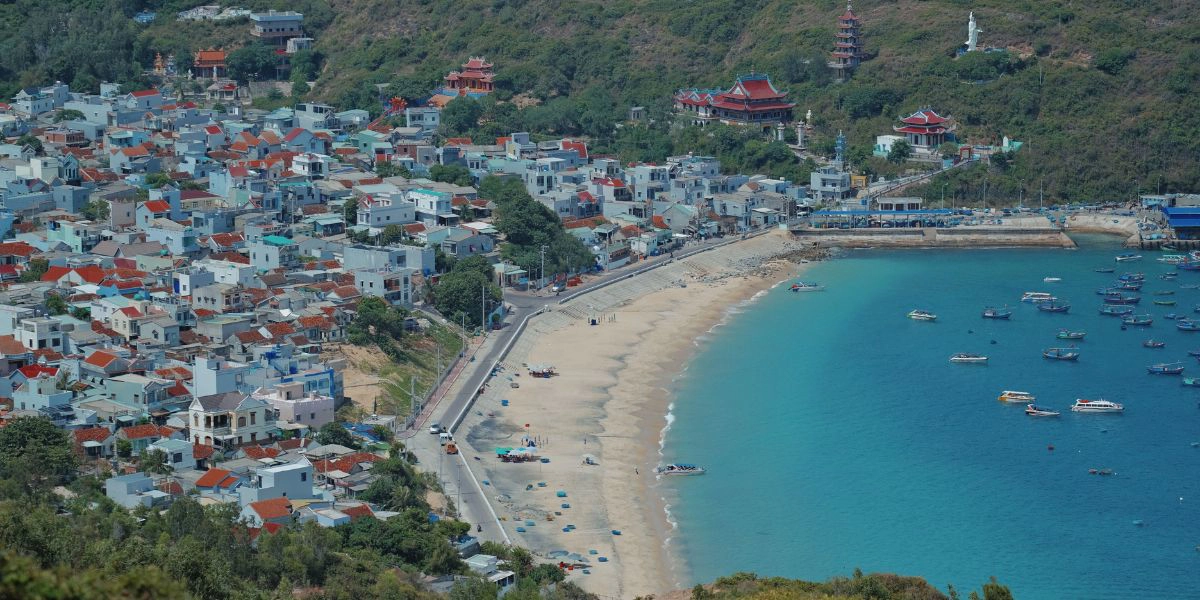
Quy Nhon blue beaches - Source: Pew Nguyen

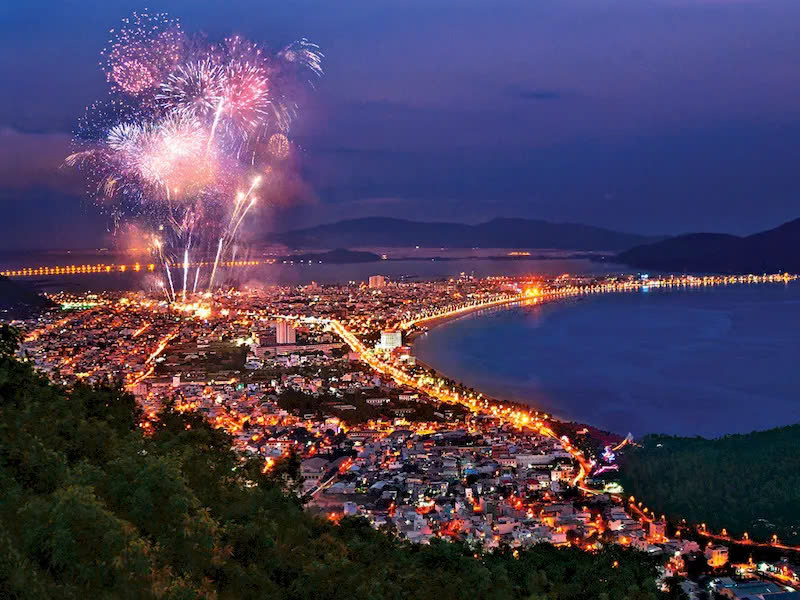
Quy Nhon is located along Vietnam’s South Central Coast, where the dry season usually ends later than in many other regions. In August, the sea here remains calm, humidity is relatively low, and the area is rarely directly affected by storms from the north or tropical depressions over the East Sea. This is the best time to enjoy the beach without worrying about muddy water caused by heavy rain, which is more common in nearby coastal areas.
When visiting Quy Nhon, focus on offshore beach areas such as Ky Co or Hon Kho, as the water quality in these locations is more stable than at the city-center beach. For food, local favorites such as Banh Xeo Gia Vy on Dien Hong Street or fish noodle soup stalls along Nguyen Hue Street are popular among residents. These places offer authentic flavors and clear, reasonable prices.
>> Read more: Is Quy Nhon Worth Visiting? A Hidden Beach Gem in Vietnam
2.2. Phu Quy Island, Binh Thuan: Naturally Dry Weather Conditions
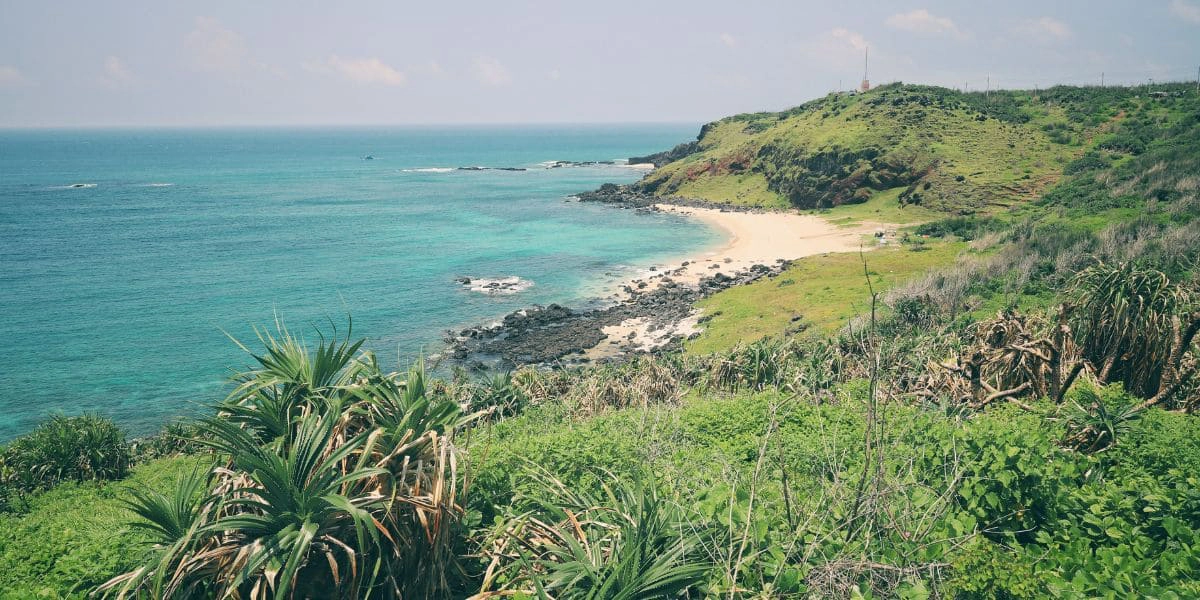
Phu Quy Island dry season - Source: life vibes
Phu Quy Island has one of the lowest average annual rainfall levels in Vietnam, thanks to its isolated location in the southern sea and the absence of large mountain ranges that can trigger orographic rainfall. In August, the southwest winds are relatively stable, allowing high-speed ferries from Phan Thiet Port to the island to operate quite smoothly. This is a golden time to explore nearshore coral areas without worrying about foamy seawater or rising water levels caused by thunderstorms.
A practical itinerary here should start early in the morning to make the most of the beautiful sunlight before 10 AM. Visit the local hot beef eateries around Ngu Phung Commune to enjoy fresh beef prepared on the same day, one of the island’s most signature specialties. For seafood, restaurants such as Luoi Seafood are good choices with clearly listed prices, helping independent travelers avoid seasonal price fluctuations.
2.3. Pu Luong, Thanh Hoa: A Safe Mountain Destination
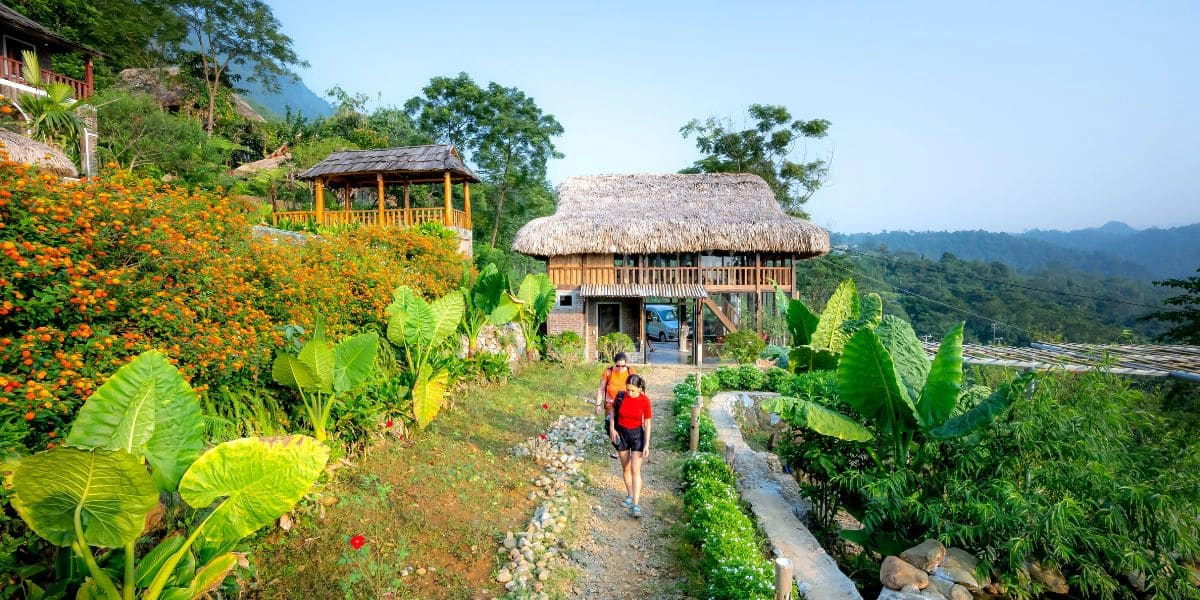
Pu Luong lush mountain scenery - Source: Quang Nguyen Vinh
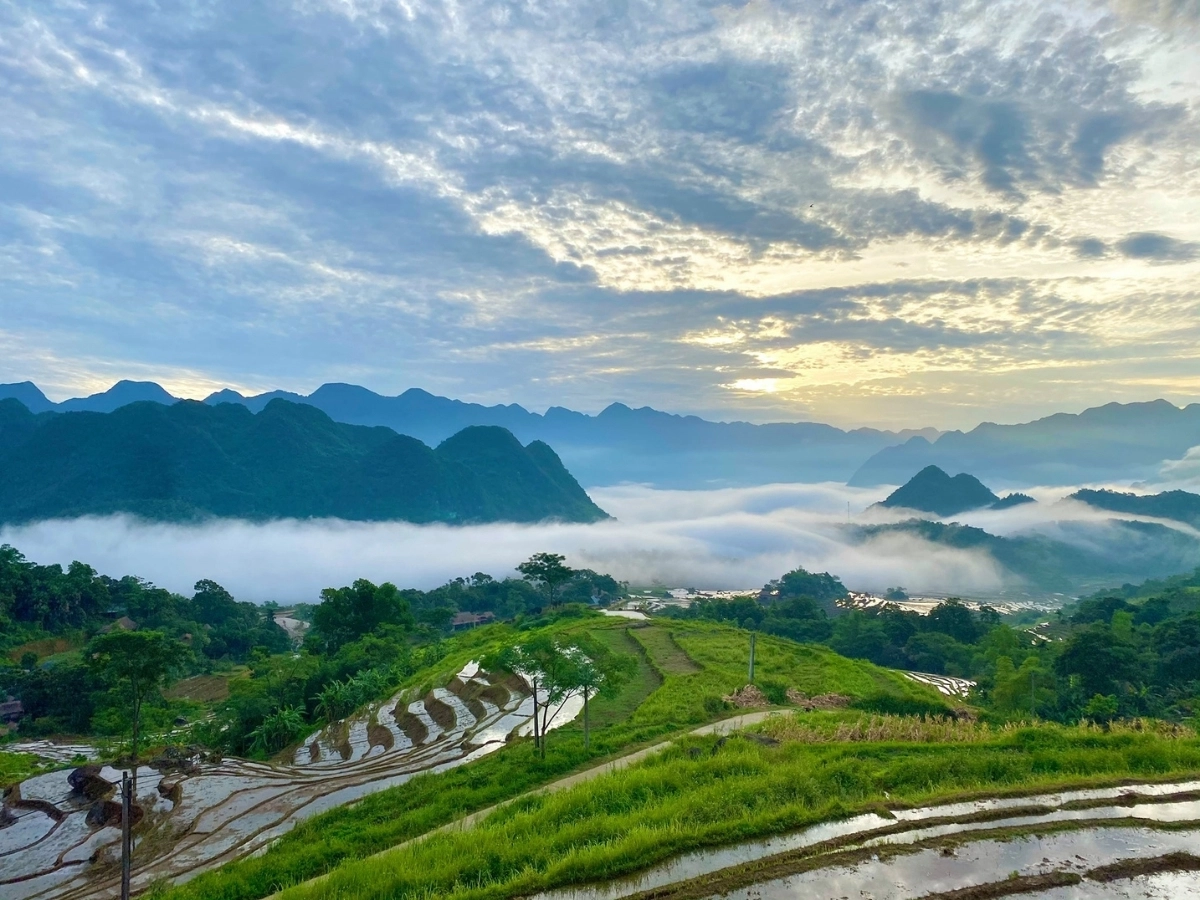

Unlike the steep highland areas in northern Vietnam, where thunderstorms can easily trigger landslides, Pu Luong is located within the core zone of a nature reserve at a moderate elevation. This allows rainwater to drain quickly, making travel activities much safer. August is when Pu Luong transitions from the rice planting season to the green rice season. The air remains cool, while the dense vegetation helps regulate the temperature at a stable 22–26°C.
When staying here, choose accommodations in Ban Don for easier access to trekking routes without relying too much on motorized transport along mountain passes. For food, Co Lung duck is a must-try specialty, especially at local eateries in Co Lung Commune or traditional stilt houses. The duck here is famous for its firm texture and aromatic flavor, as it is naturally raised near limestone streams. This creates a completely different culinary experience compared with other mountainous regions.
>> Read more: 2D1N Tour | Pu Luong Discovery Trekking Tour from Hanoi
2.4. Nha Trang, Khanh Hoa: A Stable Coastal Climate For Island Hopping
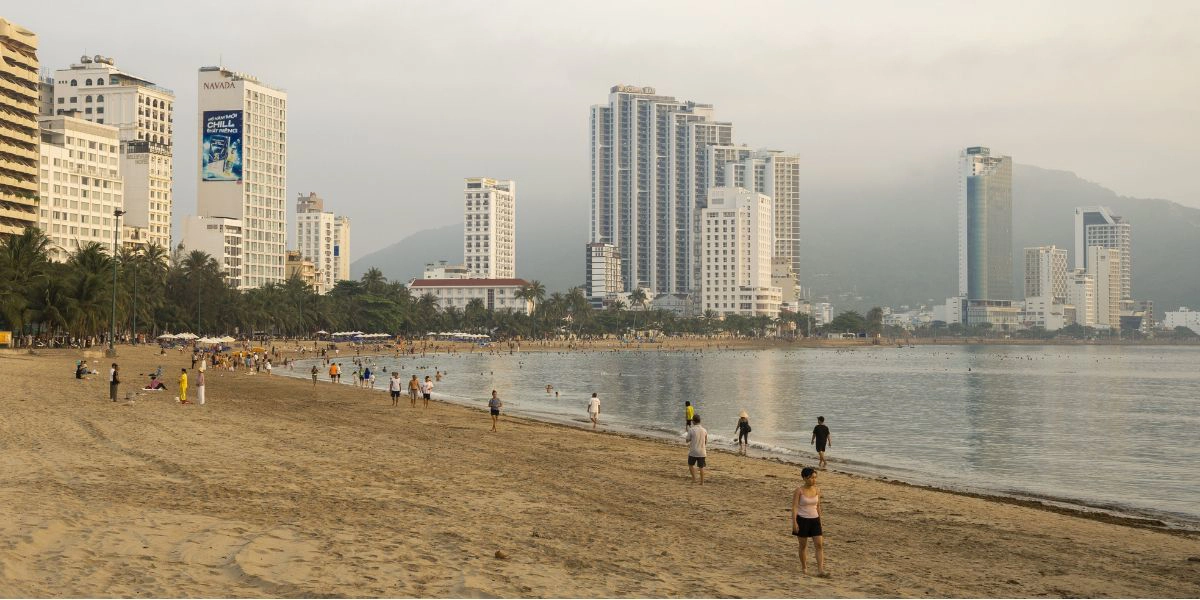
Nha Trang calm seas - Source: quang vinh
Nha Trang is geographically shielded by the Truong Son mountain range and surrounded by offshore islands, creating a unique microclimate where the dry season extends well into August. During this month, the city experiences minimal rainfall and stable ocean currents, making it highly safe from the tropical depressions that often affect the northern coast. The sea remains calm with a comfortable water temperature of 28°C, providing the perfect conditions for marine exploration without the risk of turbulent waves or reduced underwater visibility.
When planning your days here, prioritize morning speedboat trips to the Hon Mun marine protected area, where the clear August water offers the best snorkeling experience. For meals, step away from the busy tourist center and visit Thap Ba Street. This area is famous for traditional jellyfish noodle soup and grilled fermented pork rolls, specifically at long-standing local restaurants like Dang Van Quyen. Dining here ensures you get authentic regional flavors with clear pricing, avoiding typical tourist traps.
2.5. Phan Rang, Ninh Thuan: The Ultimate Dry Zone For Outdoor Photography
Phan Rang sunlit sand dunes - Source: Thang Ho

Ninh Thuan holds the record for the lowest annual rainfall in Vietnam due to its unique terrain surrounded by mountains that block the southwest monsoon winds. In August, while other regions might face unexpected heavy downpours, Phan Rang enjoys intense sunshine and clear blue skies. This semi-arid climate guarantees that your outdoor adventures and photography sessions will remain completely uninterrupted by rain, flooded roads, or sudden weather shifts.
The best time to explore the striking Nam Cuong Sand Dunes is late afternoon, right after 4:00 PM, when the sand cools down and the setting sun creates stunning shadows across the landscape. For local dining, you must try banh can, which are mini savory pancakes cooked in terracotta molds. Small roadside eateries along Yen Ninh Street or near the central market serve the best versions of this dish, topped with fresh squid and served with a distinctive peanut dipping sauce.
2.6. Tuy Hoa, Phu Yen: Calm Waters And Uncrowded Coastal Roads
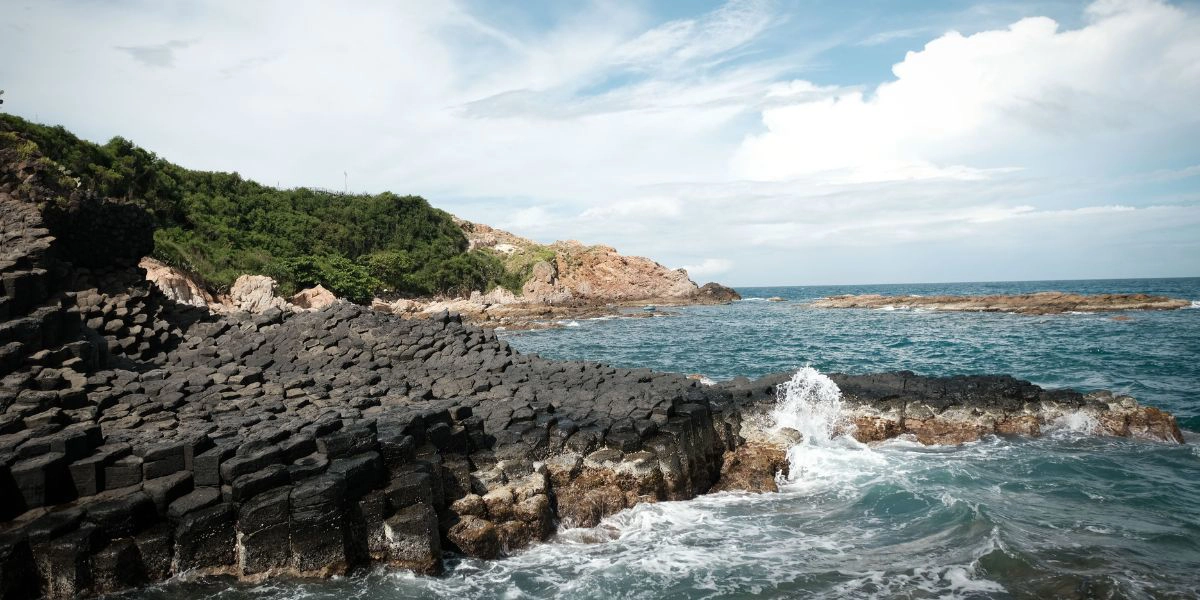
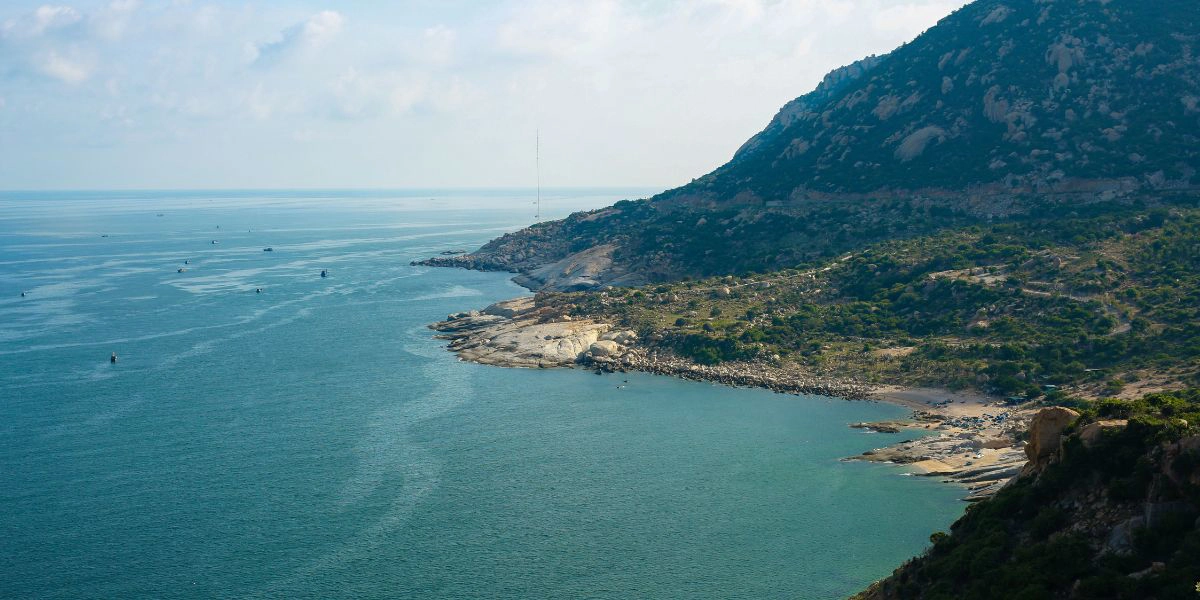
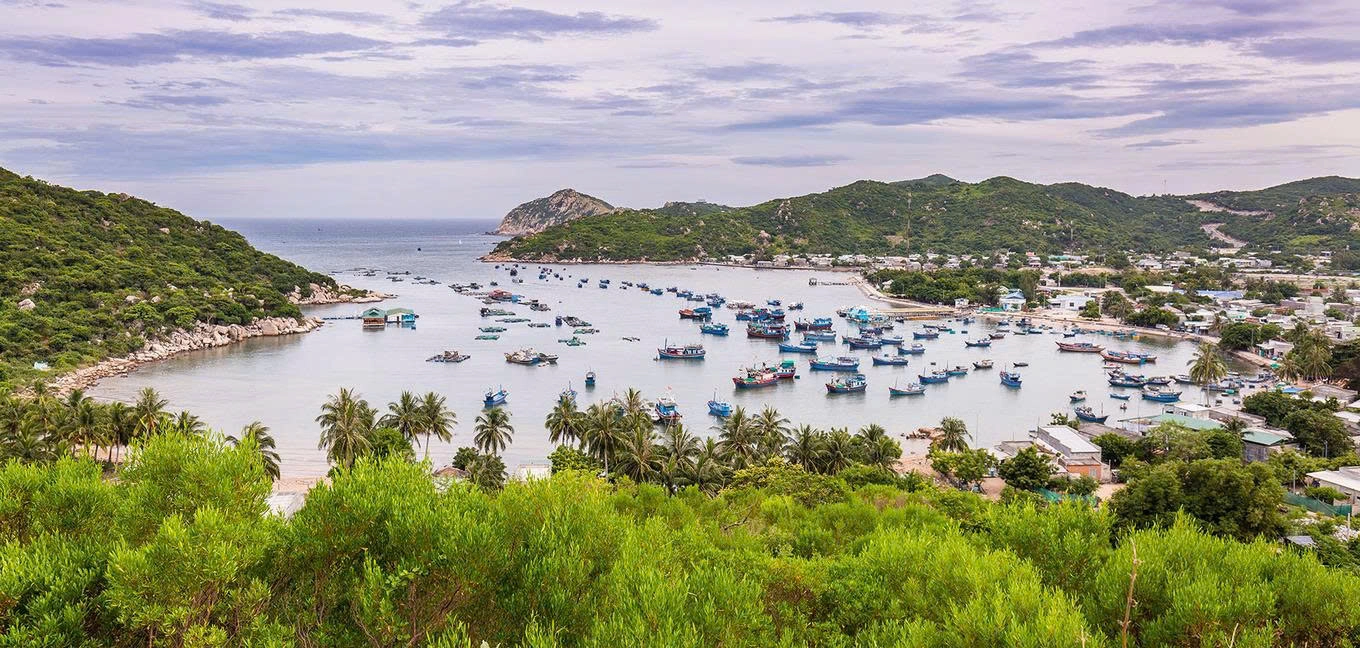
Phu Yen emerald coast - Source: Ngan Duong
Located just south of Quy Nhon, the coastal city of Tuy Hoa shares a similar late summer weather pattern with very low precipitation throughout August. The scenic coastal roads winding through Phu Yen remain completely dry and highly safe for motorbike explorations. The ocean water retains its beautiful emerald color, and you will not have to worry about the dangerous rip currents or storm swells that frequently hit the northern provinces during this peak typhoon season.
Start your journey at the spectacular Ganh Da Dia, where unique hexagonal basalt rock columns meet the ocean, and try to arrive by 7:00 AM to avoid the intense midday sun. When hunger strikes around lunchtime, drive to the floating seafood restaurants anchored in O Loan Lagoon. This specific lagoon is nationally famous for its plump blood cockles and fresh oysters. The seafood here is harvested daily by local fishermen, ensuring premium quality and transparently listed prices for all visitors.
3. Tips for Booking Services and Getting Around During the Rainy Season
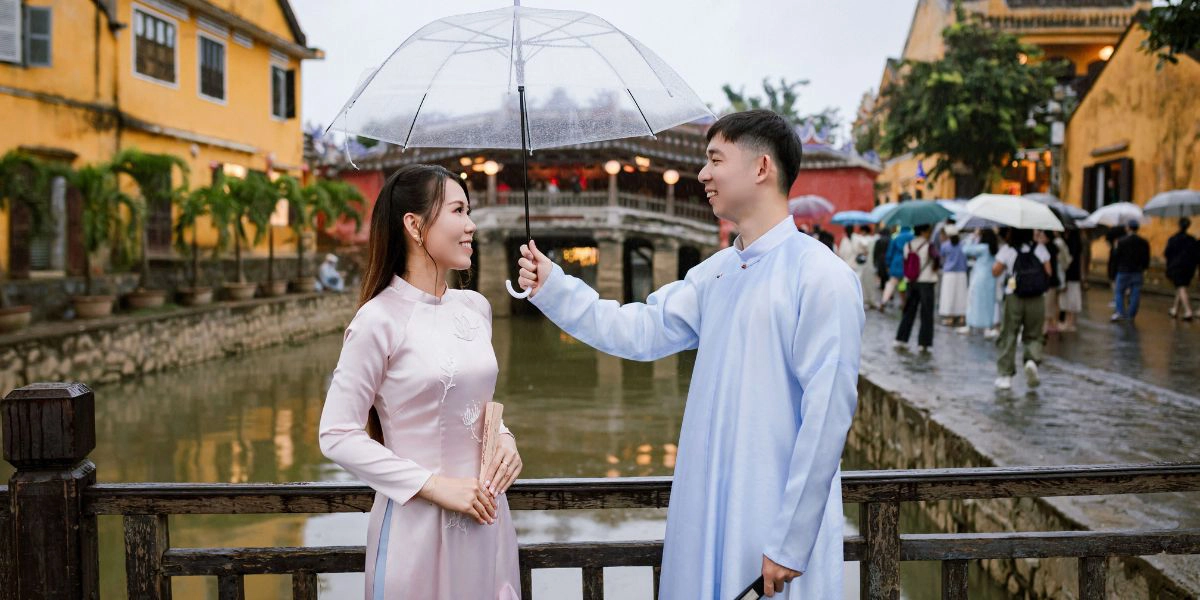
Vietnam rainy season travel tips - Source: Vo Van Tien
When traveling in August, the key to a successful trip is flexibility. Instead of making a rigid plan two to three months in advance, you should use the booking strategies below to stay prepared for unexpected weather changes.
3.1. Book Flights 48 Hours in Advance
Instead of booking your ticket months in advance, wait until around 48 hours before your flight. In August, airlines such as Vietnam Airlines and Vietjet rarely sell out, except during major holidays. Booking closer to your departure date allows you to check the weather map more accurately on apps like Windy. If your intended destination is under a low-pressure warning or prolonged heavy rain, you can still choose to fly to a nearby city instead without having to cancel and pay refund fees.
3.2. Choose Sleeper Buses Instead of Trains
Trains on the North-South route usually follow a fixed schedule and can be easily disrupted by landslides or flooding along mountain passes in Central Vietnam. Instead, consider choosing cabin limousine buses or premium sleeper buses from operators such as Phuong Trang or Thanh Buoi. These companies have a wide network of stops and can reroute through bypass roads, helping you reach your destination even in bad weather.
3.3. Book Rooms Close to Your Travel Date for Last-Minute Deals
Do not book your room a month in advance. Instead, use the “Last-Minute Deals” feature on platforms such as Agoda or Booking.com one to two days before your trip. When room occupancy rates in August are often below 50%, hotels are more willing to offer 20–40% discounts to fill vacant rooms. You can even call the hotel reception directly to negotiate a better rate or ask for extra benefits, such as breakfast included.
>> Read more: Best Time to Visit Vietnam May: Weather, Beaches & Nature Trips
4. FAQs About Traveling Vietnam in August
4.1. Are Overnight Cruises in Ha Long Bay Easily Canceled Due to Weather in August?
Yes. The bay management board often issues sudden boat bans when a tropical depression occurs. Make sure to carefully check the weather-related refund policy in your contract and always prepare a backup plan, such as staying in Hanoi or Ninh Binh, instead of getting stuck at the port waiting.
4.2. How Can I Prevent Dengue Fever When Traveling During the Rainy Season?
You should use mosquito repellent sprays containing DEET or Picaridin, wear light-colored long-sleeved clothing in the evening, and prioritize staying in enclosed air-conditioned rooms instead of rooms with open ventilation. This is the most effective way to minimize the risk of mosquito bites while traveling.
4.3. What Type of Shoes Should I Wear to Deal with Flooded Streets?
Skip leather shoes or expensive sneakers. Instead, bring waterproof sandals, molded plastic shoes, or quick-drying trekking shoes. They are durable, easy to clean, and dry quickly if you accidentally step into flooded puddles on the street.
Taking a Travel Vietnam August trip is a great opportunity to save your budget and avoid the crowds if you prepare with a smart strategy. As long as you know the driest destinations and flexible booking tips, your holiday can remain safe and smooth. If you need an optimized itinerary and timely support for your upcoming journey, contact Joytime Travel Agency for the most professional travel consultation.
|
Joytime Travel Agency - Travel JOY, TIMEless Vietnam Safe, Seamless, Satisfying, Sustainable Follow us for travel tips, local insights, and exclusive offers:
|

Danish Nguyen
Danish Nguyen is a renowned travel blogger in Vietnam with over 5 years of experience sharing unique travel experiences. With a passion for exploring new places, Danish captures incredible moments and provides readers with valuable tips to discover the beauty of his homeland.