









Best Time To Visit Vietnam Beaches: Weather & Coastal Guide
Vietnam stretches over 3,200 km of coastline, making it one of Southeast Asia's most diverse beach destinations, and knowing the best time to visit Vietnam beaches is what separates a dream trip from a frustrating one. Whether you are looking for calm tropical islands, lively resort beaches, or dramatic coastal landscapes, Vietnam offers beach experiences that change completely from one region to another. This guide breaks down exactly when and where to go.
1. Why Vietnam Is Perfect For Beach Travel Year-Round

Vietnam is an ideal destination for beach tourism all year round - Source: Pinterest
Vietnam’s long coastline creates different beach seasons throughout the year. Travellers can always find sunny destinations by choosing the right coastal region at the right time.
1.1. Diverse Beach Experiences Across Vietnam
Vietnam's beaches are not just about lying on the sand. The coastline is long enough and varied enough to satisfy almost any travel personality.
In the South, places like Phu Quoc and Con Dao offer the kind of tropical island escape most travellers picture when they think of Southeast Asia: powder-white beaches, clear shallow water, and reef ecosystems worth strapping on a mask for. Phu Quoc and Con Dao are ideal for travellers who want a slower island escape, with calm water, relaxed beach days, and some of Vietnam’s best sunset views during the dry season.
Central Vietnam brings a different energy altogether. Da Nang and the beaches around Hoi An attract travellers looking for polished coastal resorts, rooftop bars, and the kind of long sandy stretches that make beach running feel cinematic. Nha Trang is better suited to travellers who enjoy nightlife, island tours, and diving activities, while Quy Nhon appeals more to visitors looking for quieter beaches and a slower coastal atmosphere. Compared to Nha Trang, Quy Nhon feels significantly less commercial, especially outside domestic holiday periods.
In the North, the experience shifts entirely. Ha Long Bay is better known for cruising and kayaking than traditional beach activities. Most travellers come here for the limestone scenery, overnight cruises, and cave exploration rather than swimming. Think overnight cruises through ancient limestone formations, kayaking through dark sea caves, and waking up surrounded by mist and silence. Nearby Cat Ba Island and the lesser-known Co To Island offer more active options, including hiking, snorkelling, and local fishing village life.
>> Read more: Phu Quoc Sightseeing Tours | Joytime Travel Agency | Joytime
1.2. Seasonal Weather Advantages For Beach Holidays
Timing a Vietnam beach trip well means you gain real, practical advantages beyond just avoiding rain:
-
During the dry season, calmer sea conditions also make ferries, island-hopping tours, snorkelling trips, and diving excursions much more reliable.
-
Dry season skies produce the kind of visibility that makes snorkelling and diving worth the effort
-
Lower humidity during the shoulder months means more comfortable sightseeing and longer beach days
-
Off-peak travel between major seasons often offers better resort rates with equally good weather
|
Quick Regional Guide |
|
|
Southern Vietnam |
Best: November – April |
|
Central Vietnam |
Best: February – August |
|
Northern Vietnam (Ha Long) |
Best: April – October |
2. Best Time To Visit Vietnam Beaches By Region
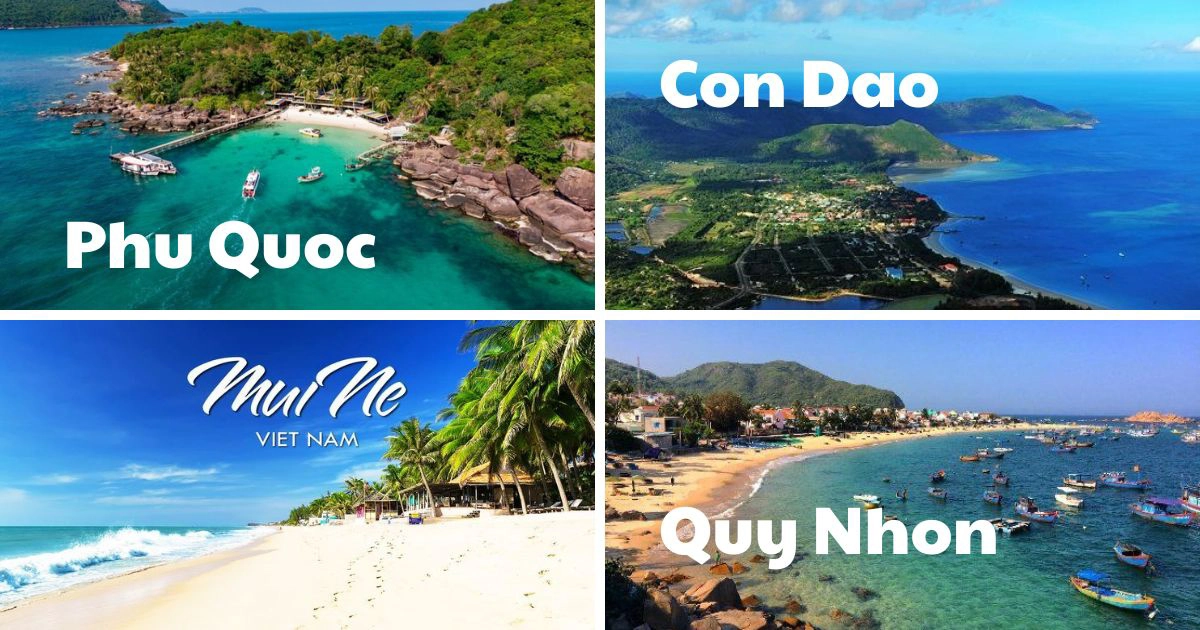
Best Time to Visit Vietnam Beaches by Region - Source: Pinterest
Beach weather in Vietnam is not one-size-fits-all. The country spans enough latitude and geography that the north and south can be experiencing opposite seasons at the same time. Vietnam’s beach weather varies heavily by region, so choosing the right destination for the right season can completely change your travel experience.
2.1. Southern Vietnam Beaches From November To April
The south follows a classic tropical two-season rhythm: a long, mostly sunny dry season from November through April, and a wetter period from May through October that brings heavier afternoon downpours and occasionally rough ocean conditions.
Phu Quoc remains Vietnam’s most popular island destination thanks to its accessible flights, wide range of resorts, and reliable dry-season weather between November and April. During the dry season, its west-facing Long Beach delivers calm, swimmable water and spectacular sunsets. Fishing villages, night markets, and pepper farms make days away from the beach just as rewarding. Sea conditions are most ideal from December to March, when rainfall is at its lowest and water visibility reaches its best.
Con Dao is quieter and less commercial than Phu Quoc, making it a better choice for travellers looking for peaceful beaches, diving spots, and a more secluded island atmosphere. This former prison island has transformed into one of Vietnam's most exclusive and ecologically rich destinations. It's diving season peaks between March and June, when water temperature and clarity are optimal, and sea turtle nesting activity adds an extraordinary layer to any visit.
Mui Ne is best known for kitesurfing and windsurfing, especially between November and April when strong coastal winds create ideal conditions for water sports. Consistent trade winds between November and April create near-perfect conditions for kitesurfing and windsurfing. The dramatic red and white sand dunes inland make for an almost surreal landscape that pairs well with a sunrise jeep tour before heading back to the beach.
2.2. Central and Northern Vietnam Beach Seasons
Central Vietnam operates on its own schedule, which catches many first-time visitors off guard. The region experiences its dry and sunny season from roughly February through August, with July and August being the busiest and hottest months. During this window, Da Nang and Hoi An are at their finest, long stretches of sand baking under reliable sunshine, warm ocean temperatures, and beach clubs packed with energy in the evenings.
Nha Trang lies slightly south of the central core and offers one of Vietnam's most developed coastal resort scenes. The water stays swimmable for most of the year, with January through August generally considered the most reliable period for calm conditions and good visibility for diving.
Quy Nhon has become increasingly popular among travellers looking for quieter beaches and a more local atmosphere compared to Da Nang or Nha Trang. Less developed and considerably quieter than Nha Trang, it has gained serious attention in recent years for its untouched beaches, fresh seafood, and proximity to Cham temple ruins. The best time to visit is March through September, before the autumn rains set in.
It is important to note that Central Vietnam is susceptible to typhoons between September and December. This period brings heavy rainfall, flooding in low-lying areas like Hoi An, and rough sea conditions. Travellers planning trips between October and November should monitor weather updates closely and consider flexible booking options.
In the North, Ha Long Bay and Cat Ba Island are most enjoyable from April through October. Outside this window, cooler temperatures and lower cloud cover can limit the dramatic scenery somewhat, though many travellers find the misty winter atmosphere equally atmospheric for photography. Summer months from May to August bring warm water and blue skies, the ideal conditions for overnight bay cruises and kayaking through hidden lagoons. Co To Island, a quieter and less-visited alternative, is best reached between May and September, when ferry services run more frequently, and sea conditions allow for comfortable crossings.
>> Read more: Day Tour | Explore Ha Long Bay with 5-Star Sky Cruise Ha Long | Joytime
3. Top Beach Destinations For Different Travel Styles

Nha Trang sits near a cluster of offshore islands with accessible dive sites - Source: Pinterest



Vietnam's coastline is long enough that different travellers can find their perfect version of a beach holiday without ever visiting the same stretch of sand.
Couples looking for romance and seclusion gravitate toward Phu Quoc's north beaches, quieter coves away from the main resort strip, with enough sunset bars and fine dining options to keep evenings interesting. Con Dao offers an even more intimate escape for those willing to travel further.
Families tend to do well in Da Nang, where the beaches are wide, gently sloping, and safe for children. The My Khe coastline here stretches for miles, with calm surf in the summer months and a strong infrastructure of hotels, restaurants, and day trip options to Marble Mountain and Hoi An.
Divers and snorkelers should prioritize Nha Trang and Con Dao. Nha Trang sits near a cluster of offshore islands with accessible dive sites and a large network of dive operators catering to all skill levels. Con Dao offers more pristine reef environments for those comfortable with less infrastructure.
Adventure seekers belong in Mui Ne or Ha Long Bay. Mui Ne delivers water sports, dune exploration, and a laid-back surf culture. Ha Long Bay delivers kayaking, cliff jumping from cruise decks, and the kind of natural scenery that makes every hour on the water feel like exploration.
Solo travellers and budget backpackers often land in Nha Trang or Quy Nhon, where guesthouses, hostels, and local seafood restaurants keep costs manageable without sacrificing beach quality. Nha Trang's Tran Phu Boulevard has a lively night scene, while Quy Nhon offers peaceful evenings along the bay.
>> Read more: Private Car Phu Quoc Services for Easy Island Travel | Joytime
4. Essential Tips For Planning A Vietnam Beach Vacation

Essential Tips for Planning a Vietnam Beach Vacation - Source: Pinterest
Once you've chosen the right season, a few practical travel habits can help ensure a smoother and more enjoyable beach vacation in Vietnam..
-
Plan your region before your dates: Many travellers make the mistake of booking flights to a single city without checking whether that region's beaches are in season. Vietnam's north and south can have completely different weather in the same month; always confirm the regional forecast before locking in bookings.
-
Book beachfront accommodation early for peak months, December to February in the South, June to August in Central Vietnam. Resorts in Phu Quoc and Da Nang in particular fill months in advance during these windows, and last-minute bookings often mean settling for a second-choice property at a higher rate.
-
Pack right for beach travel in Vietnam: Lightweight, quick-dry clothing is essential. High-SPF sun protection is non-negotiable, especially on the open water. A light rain jacket covers you for unexpected showers, even during the dry season. Reef-safe sunscreen is increasingly expected at eco-sensitive dive sites.
-
Allow buffer days around island trips: Ferry and speedboat services to islands like Con Dao and Cat Ba can be cancelled or delayed due to weather, even during the dry season. Building a day or two of flexibility into your itinerary prevents a missed ferry from derailing an entire trip.
-
Combine beaches with culture: Vietnam's coastal cities are almost all close to significant cultural or historical sites. Da Nang sits 30 minutes from Hoi An's ancient town and less than two hours from Hue's imperial citadel. Nha Trang is a short ride from Po Nagar Cham towers. Phu Quoc has its own prison museum and fish sauce factory tours. Many of Vietnam’s best beach destinations are also close to historical sites, local markets, and cultural attractions, making it easy to combine relaxation with sightseeing.
If you are searching for the best time to visit Vietnam beaches, choosing the right season and region makes a major difference in your travel experience. From tropical islands in the South to sunny Central coastlines and scenic northern bays, Vietnam offers beach adventures throughout the year. Explore more coastal travel guides, island escapes, and seasonal vacation ideas with Joytime Travel Agency for a more relaxing and unforgettable Vietnam journey.
|
Joytime Travel Agency - Travel JOY, TIMEless Vietnam Safe, Seamless, Satisfying, Sustainable Follow us for travel tips, local insights, and exclusive offers:
|

Danish Nguyen
Danish Nguyen is a renowned travel blogger in Vietnam with over 5 years of experience sharing unique travel experiences. With a passion for exploring new places, Danish captures incredible moments and provides readers with valuable tips to discover the beauty of his homeland.