








Where To Go In Vietnam First Time: Complete Travel Guide
Vietnam surprises almost every first-time visitor because it offers far more diversity than most people expect. With its 1,600-kilometer stretch from north to south, deciding where to go in Vietnam first time is the most important step in planning your trip. This guide will help you understand the three main travel regions and choose the most practical itinerary with confidence.
1. Where to go in Vietnam first time: Overview of Vietnam Travel Routes
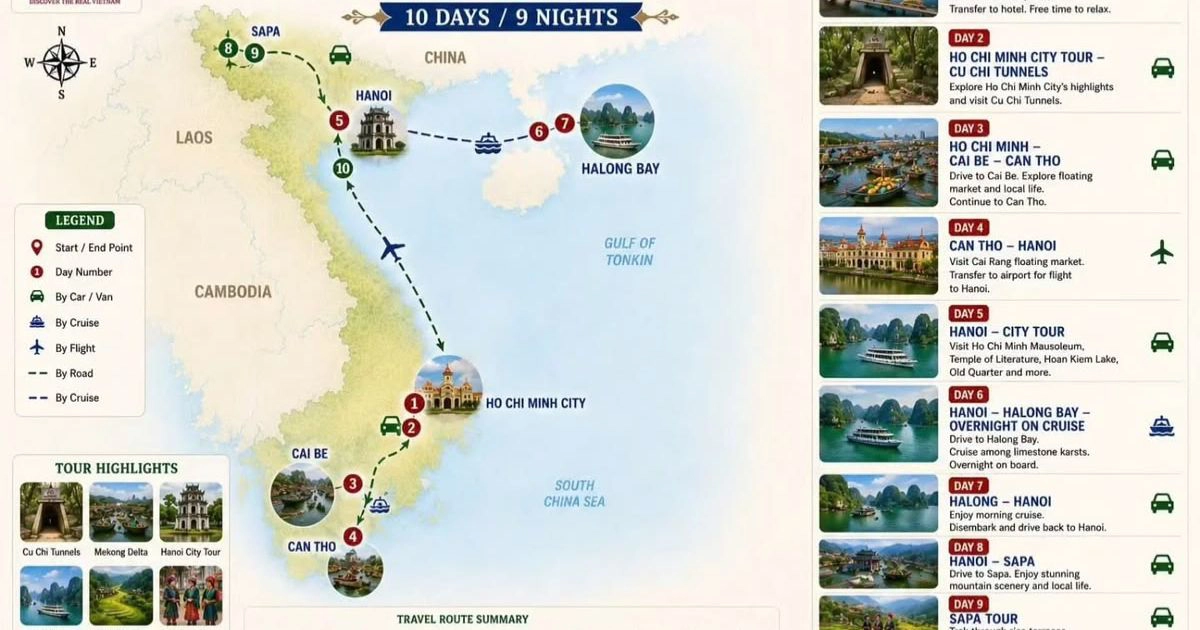
Vietnam travel map north central south overview - Source: Pinterest
Unlike many destinations where travelers can move in any direction, Vietnam is best explored in a clear north-to-south (or south-to-north) route due to its long, narrow geography. This natural travel flow allows you to experience the country in a logical sequence, making it especially ideal for first-time visitors.
Vietnam is typically divided into three distinct regions, each offering a completely different travel experience. Northern Vietnam is known for its rich culture, historic old quarters, dramatic mountain landscapes, and a diverse culinary scene found nowhere else in Southeast Asia. Central Vietnam serves as the country’s cultural and historical core, home to imperial cities, UNESCO heritage towns, and some of the most scenic coastal stretches. Meanwhile, Southern Vietnam delivers a more dynamic atmosphere with bustling urban life, lively floating markets, and warm tropical islands that can be enjoyed year-round.
Following a one-direction itinerary helps minimize unnecessary travel time, reduces transportation costs, and creates a smoother progression between regions. For this reason, many first-time travelers choose to fly into Hanoi in the north and depart from Ho Chi Minh City in the south, or the reverse, to make the most of their journey.
>> Read more: Day Tour | Exploring Vung Tau Departure from Ho Chi Minh City | Joytime
2. Northern Vietnam – Culture, History & Natural Wonders
For many travelers, the north is where Vietnam makes its strongest first impression. The food is bolder, the history is older, and the landscapes are more dramatic than anywhere else in the country.
2.1. Hanoi – Cultural Heart of Vietnam
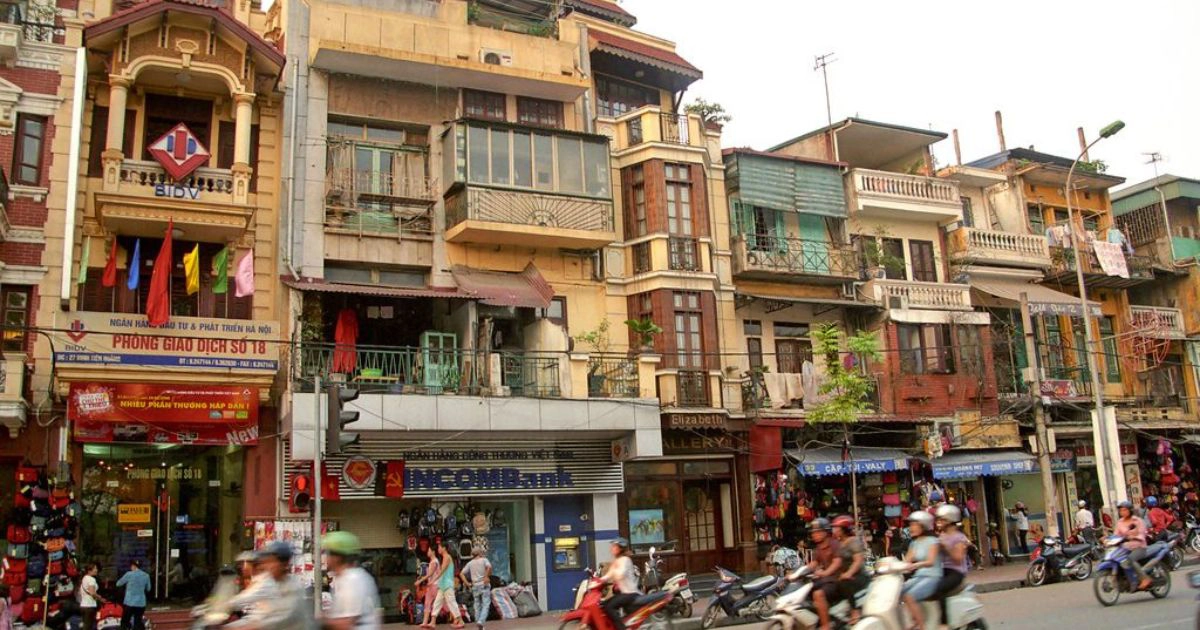
Hanoi Old Quarter Street View, Vietnam Travel - Source: Pinterest
Hanoi is the perfect starting point for exploring Northern Vietnam, combining centuries of history with a vibrant modern lifestyle. The capital is home to iconic landmarks, traditional neighborhoods, fascinating museums, and one of the country's most celebrated food scenes, making it well worth spending at least two days before continuing your journey.
The Old Quarter is the city's most famous district, where narrow streets, colonial architecture, local markets, and traditional shops create an authentic glimpse into daily life. Just a short walk away, Hoan Kiem Lake and Ngoc Son Temple provide a peaceful escape in the heart of the city and are especially beautiful in the early morning.
History and culture enthusiasts should visit the Temple of Literature, Vietnam's first university, and the Ho Chi Minh Mausoleum Complex, which includes the Presidential Palace, Ho Chi Minh's Stilt House, and the One Pillar Pagoda. These landmarks offer valuable insight into the country's educational and political history.
For those interested in arts and history, the Vietnam Museum of Ethnology and the Vietnam National Museum of History showcase the country's diverse ethnic cultures and historical development. Watching a traditional water puppet show is another memorable experience that reflects Northern Vietnam's unique cultural heritage.
Hanoi is equally famous for its local cuisine. Visitors can sample authentic pho, bun cha, cha ca, banh mi, and the city's signature egg coffee at family-run restaurants, street vendors, and hidden cafés throughout the Old Quarter.
Beyond sightseeing, Hanoi also serves as the main gateway to many of Northern Vietnam's top destinations. From the capital, travelers can easily continue to Ninh Binh, Ha Long Bay, Sapa, or Ha Giang, making Hanoi an ideal base for exploring the region.
2.2. Halong Bay – UNESCO Natural Heritage
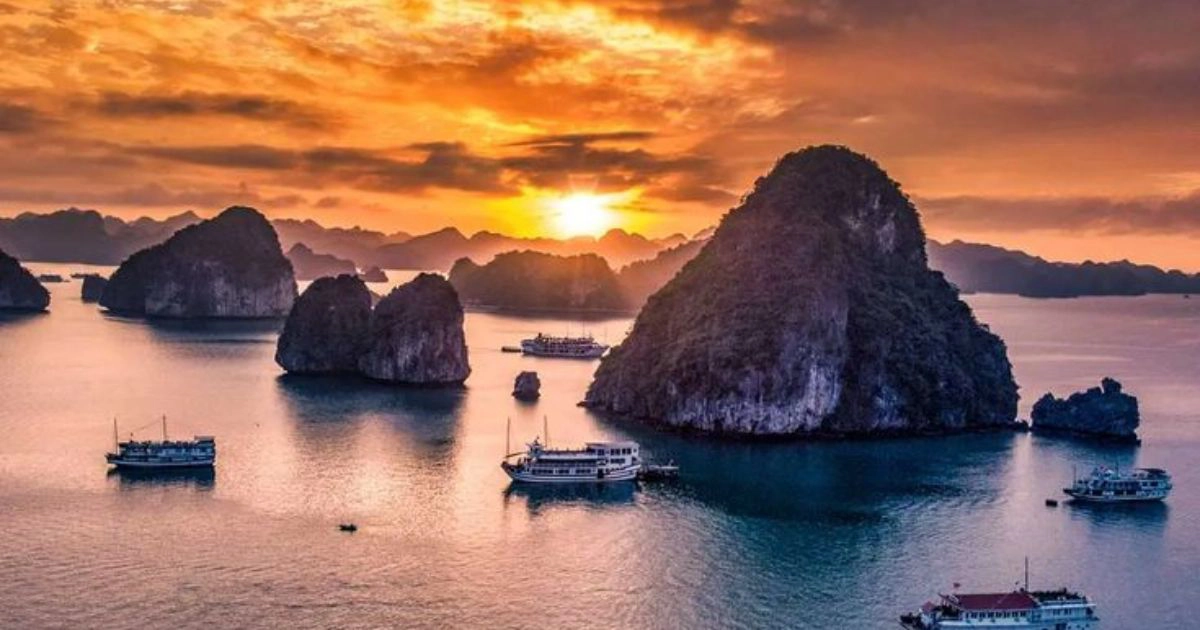
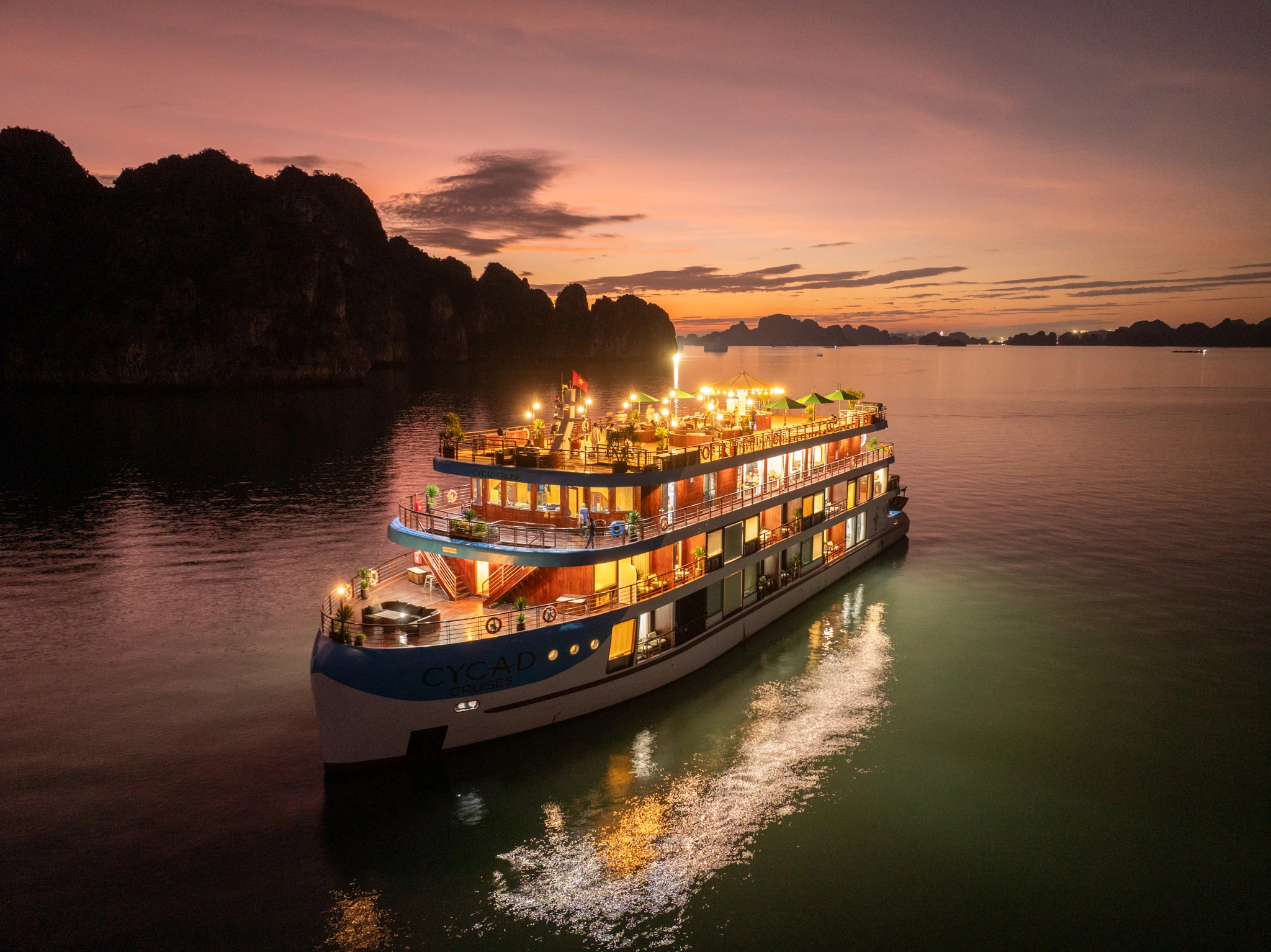
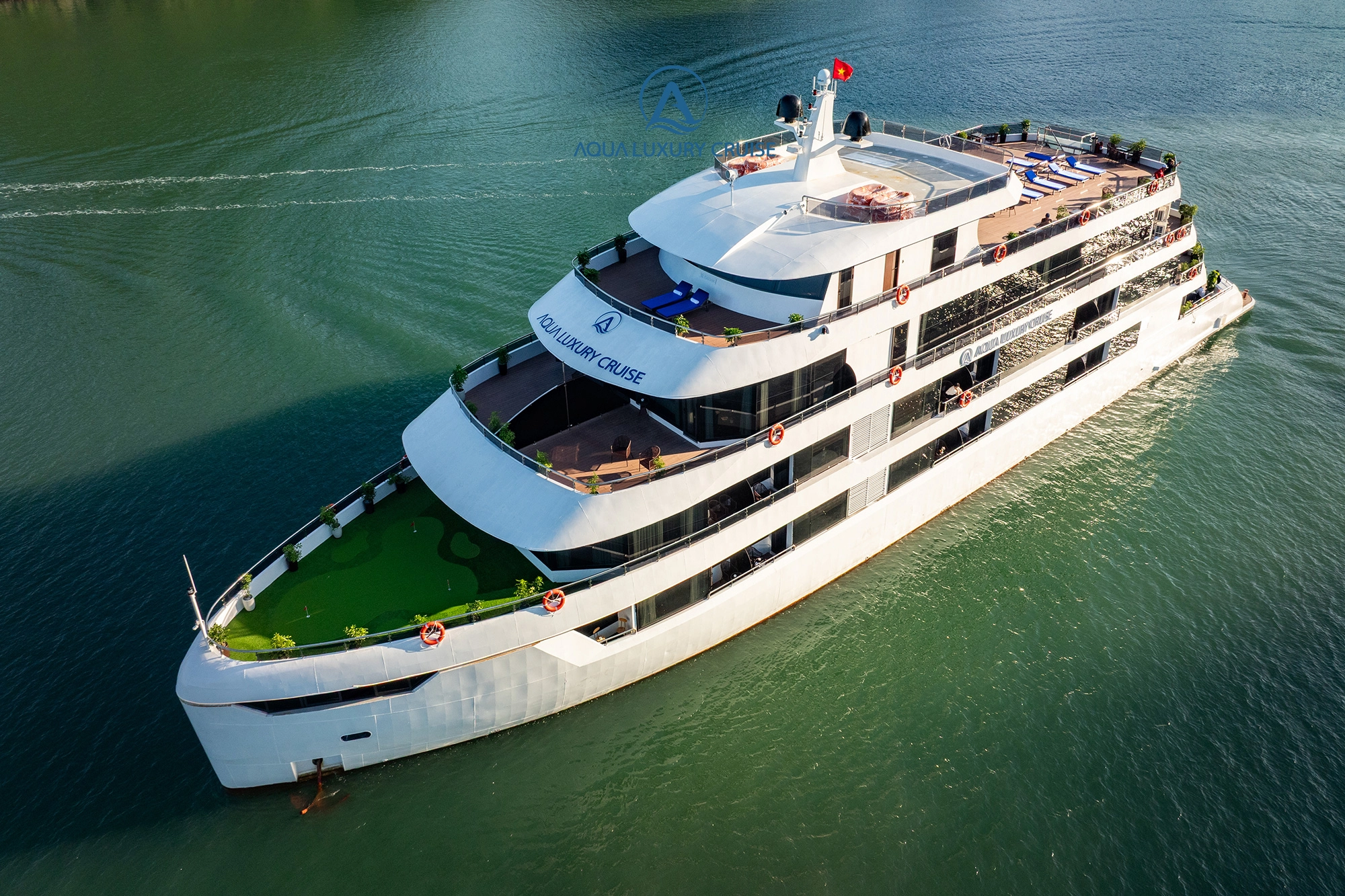
Halong Bay limestone islands sunset cruise view - Source: Pinterest
Recognized as a UNESCO World Heritage Site, Halong Bay is one of Vietnam's most spectacular natural destinations. Famous for its thousands of limestone islands rising from emerald waters, the bay offers far more than scenic cruises, with a wide variety of outdoor activities and cultural experiences.
An overnight cruise remains the most popular way to explore Halong Bay, allowing visitors to admire the dramatic seascape, enjoy fresh seafood, watch the sunset, and wake up to peaceful sunrise views over the bay. Many cruises also include kayaking, cooking classes, and squid fishing in the evening.
Adventure seekers can kayak through Luon Cave or Dark and Bright Cave, where hidden lagoons and towering limestone cliffs create some of the bay's most memorable scenery. These quiet waterways provide a completely different perspective from larger cruise boats.
Ti Top Island is one of Halong Bay's best-known attractions, offering a sandy beach for swimming and a short hike to a panoramic viewpoint overlooking the surrounding islands. For travelers interested in local culture, Cua Van Floating Fishing Village provides insight into the traditional lifestyle of communities that have lived on the water for generations.
Visitors with additional time can explore Sung Sot Cave, one of the largest and most impressive limestone caves in the bay, or choose a cruise to nearby Lan Ha Bay for a quieter experience with equally stunning landscapes and fewer crowds.
Whether you join a day trip or spend one or two nights on the water, Halong Bay combines breathtaking scenery, outdoor adventures, and unique cultural experiences, making it one of the highlights of any Northern Vietnam itinerary.
2.3. Ninh Binh – “Halong Bay on Land”
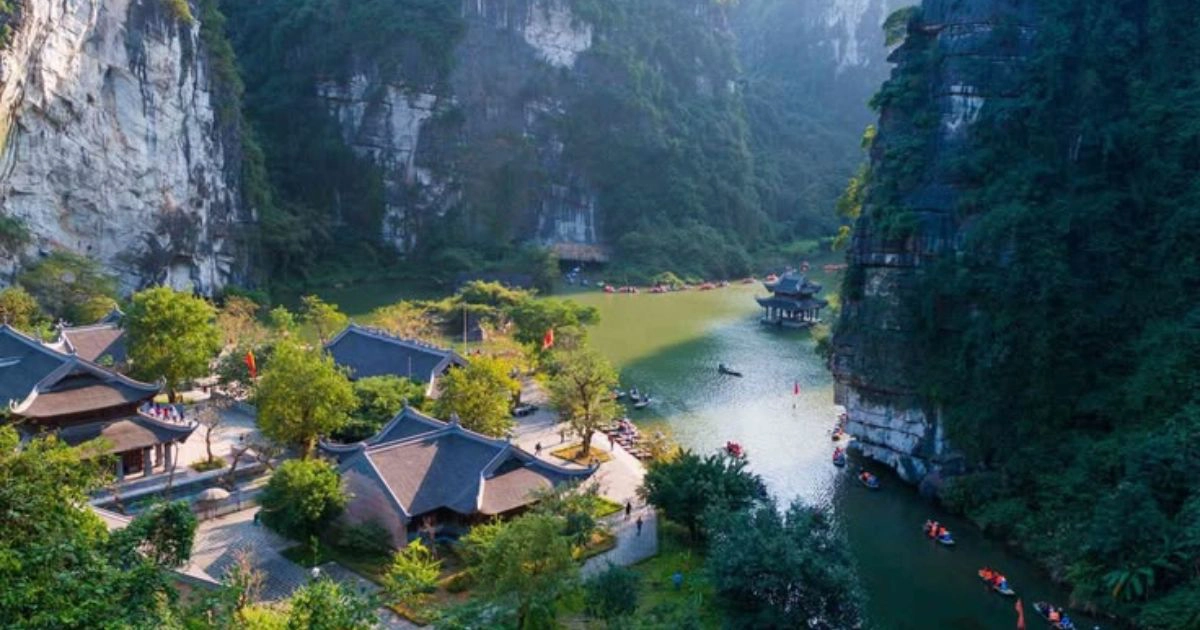
Trang An Ninh River Boat Cave Landscape - Source: Pinterest
Often referred to as "Halong Bay on Land," Ninh Binh is one of Northern Vietnam's most spectacular destinations. Located around two hours from Hanoi, the province combines dramatic limestone mountains, peaceful rivers, ancient temples, and historic landmarks, making it an excellent choice for both day trips and overnight stays.
Trang An Scenic Landscape is Ninh Binh's most famous attraction and a UNESCO World Heritage Site. Visitors can enjoy a traditional boat ride through winding rivers, limestone caves, and picturesque valleys while admiring one of Vietnam's most breathtaking natural landscapes.
Tam Coc offers another beautiful river journey surrounded by rice fields and towering karst mountains. The area is also ideal for cycling through the countryside, where quiet village roads provide a relaxing way to experience local life.
Hang Mua is one of the province's best viewpoints. After climbing nearly 500 stone steps, visitors are rewarded with panoramic views of the Tam Coc valley, making it a favorite destination for photography enthusiasts.
Bai Dinh Pagoda is the largest Buddhist complex in Vietnam and one of the country's most important spiritual sites. The vast complex features impressive temples, giant Buddha statues, peaceful courtyards, and hundreds of stone Arhat statues.
History lovers should not miss Hoa Lu Ancient Capital, the former capital of Vietnam during the 10th century. Ancient temples dedicated to the Dinh and Le dynasties provide fascinating insight into the country's early history.
Bich Dong Pagoda is another highlight, built into a limestone mountain and surrounded by peaceful scenery. Its three interconnected temples offer both cultural significance and beautiful views over the surrounding countryside.
Nature enthusiasts can visit Van Long Nature Reserve, a tranquil wetland famous for its limestone cliffs, rich biodiversity, and opportunities to spot the endangered Delacour's langur. The reserve provides a quieter alternative to the province's more popular attractions.
Beyond sightseeing, Ninh Binh is also known for its local cuisine. Regional specialties such as mountain goat, crispy rice (com chay), and traditional rice wine are popular dishes that visitors should try during their stay.
Whether you choose a full-day excursion or spend the night exploring at a slower pace, Ninh Binh offers an impressive combination of natural beauty, cultural heritage, spiritual landmarks, and authentic local experiences, making it one of the highlights of any Northern Vietnam itinerary.
2.4. Sapa – Mountain Trekking Experience
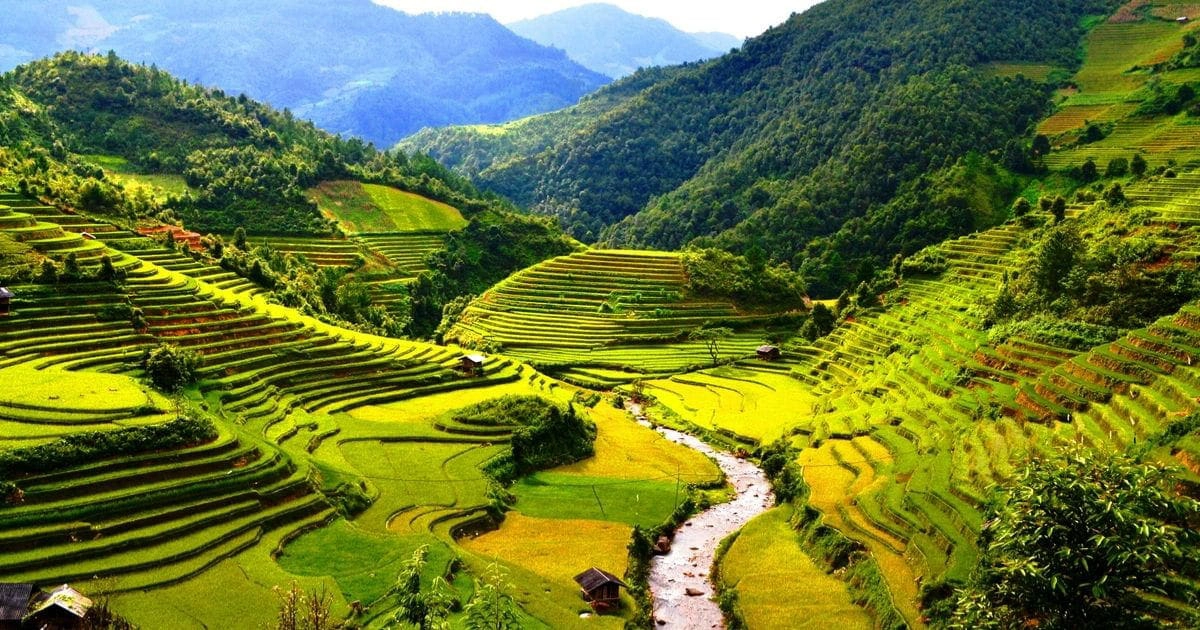
Sapa rice terraces, mountain trekking, village view - Source: Pinterest
Nestled in the Hoang Lien Son Mountain Range, Sapa is one of Northern Vietnam's most breathtaking destinations, renowned for its spectacular mountain scenery, terraced rice fields, and rich ethnic culture. Whether you are seeking outdoor adventure or cultural experiences, Sapa offers plenty to explore throughout the year.
Fansipan Mountain, known as the "Roof of Indochina," is Sapa's most iconic attraction. Visitors can reach the summit by cable car or challenge themselves with a guided trekking adventure while enjoying panoramic views of the surrounding mountains.
The Muong Hoa Valley is another highlight, featuring endless rice terraces, peaceful streams, and traditional villages. Trekking through villages such as Cat Cat, Lao Chai, Ta Van, and Ta Phin allows travelers to experience the daily life and unique customs of the H'Mong, Red Dao, and Giay ethnic communities.
Nature lovers can also visit Silver Waterfall and Love Waterfall, two scenic attractions surrounded by lush forests and mountain landscapes. Nearby O Quy Ho Pass, one of Vietnam's "Four Great Mountain Passes," offers spectacular viewpoints that are especially beautiful at sunrise and sunset.
Sapa town itself is worth exploring, with its charming stone church, lively local market, mountain cafés, and restaurants serving regional specialties. Visitors should also try local dishes such as salmon hotpot, grilled pork, black chicken, sticky rice, and colorful hill-tribe cuisine.
The best time to visit Sapa is from March to May for pleasant weather and green landscapes or from September to November, when the rice terraces turn brilliant shades of gold before harvest. No matter the season, Sapa remains one of Vietnam's most unforgettable destinations for nature, culture, and adventure.
>> Read more: Best Time to Visit Vietnam December: Weather & Travel Guide | Joytime
3. Central Vietnam – Heritage Cities and Coastal Beauty
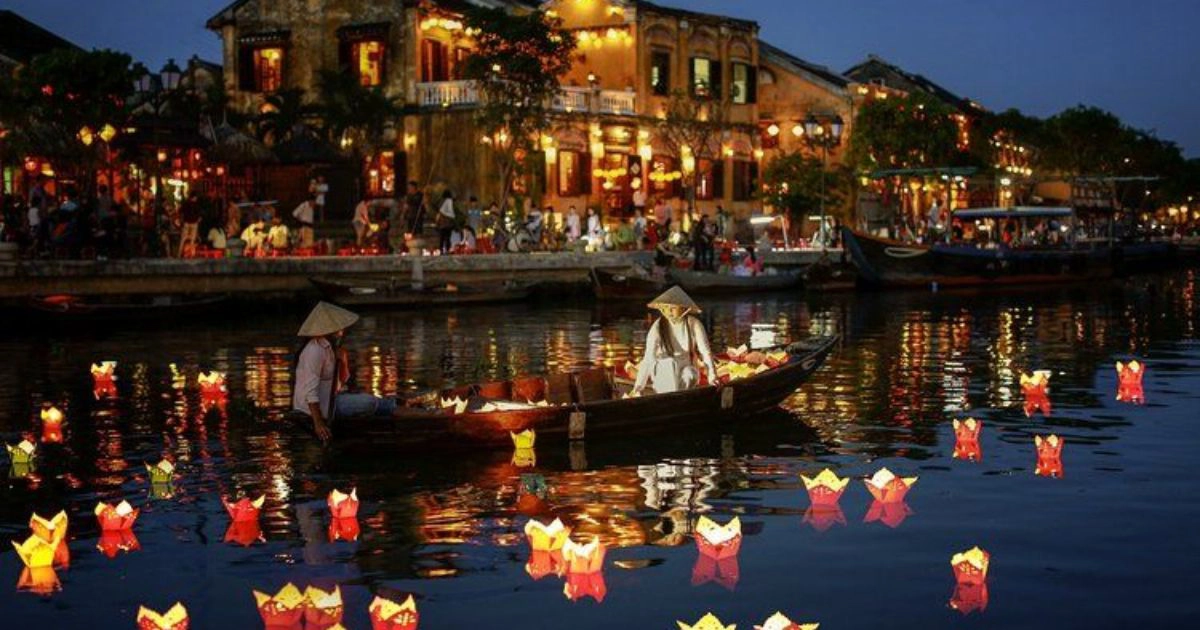
Hoi An ancient town lantern night river Vietnam - Source: Pinterest
Central Vietnam combines ancient heritage, stunning coastlines, and a relaxed atmosphere that sets it apart from the country's bustling north and south. From UNESCO World Heritage Sites to world-class beaches and mountain passes, the region offers an excellent balance of culture, history, and leisure for every type of traveler.
3.1. Hoi An – Ancient Town with Timeless Charm
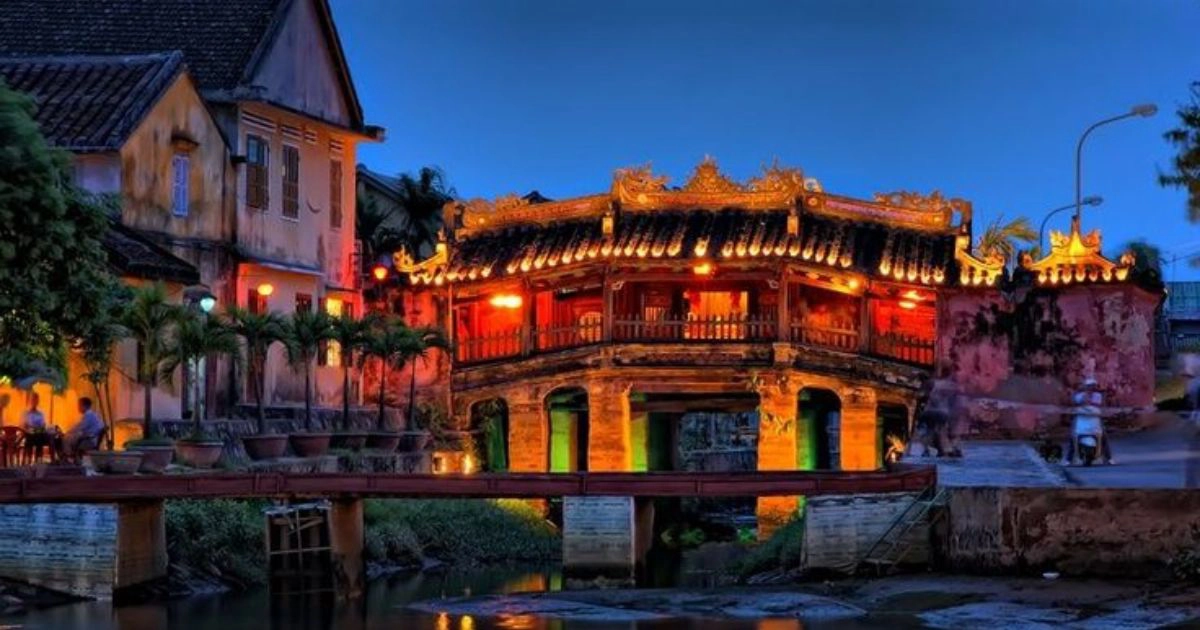
Hoi an japanese covered bridge at sunset
Hoi An is one of Vietnam's most enchanting destinations, celebrated for its remarkably preserved Ancient Town and laid-back riverside atmosphere. Walking through its lantern-lined streets, visitors can admire centuries-old merchant houses, the iconic Japanese Covered Bridge, traditional Chinese Assembly Halls, and colorful riverside cafés that showcase the town's multicultural trading history.
Beyond the historic center, Hoi An offers plenty of memorable experiences. Relax at An Bang Beach, cycle through Tra Que Vegetable Village, take a basket boat tour in the Bay Mau Coconut Forest, or join a Vietnamese cooking class using fresh local ingredients. The town is also famous for its talented tailors, where custom-made clothing can be completed within a few days.
Food is another highlight of Hoi An. Signature dishes such as Cao Lau, White Rose Dumplings, Mi Quang, and Hoi An Chicken Rice reflect flavors found nowhere else in Vietnam, making the town a favorite destination for food lovers.
3.2. Hue – Imperial History of Vietnam
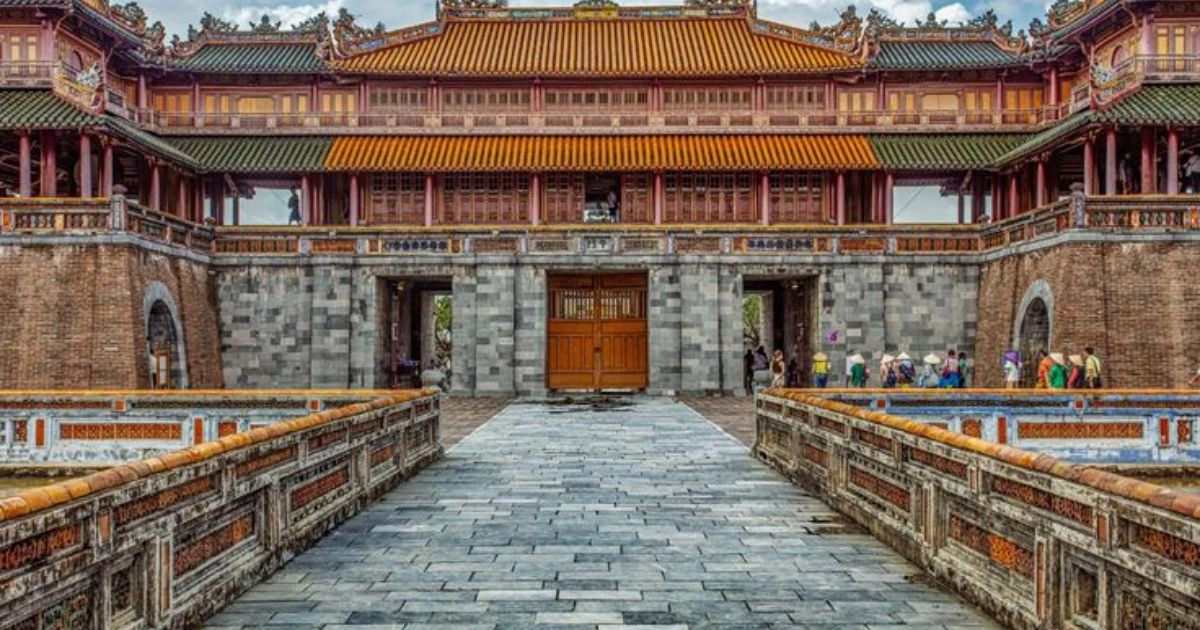
Hue imperial city ngo mon gate vietnam
As the former imperial capital of the Nguyen Dynasty, Hue preserves some of Vietnam's most important historical and cultural landmarks. The Imperial City remains the centerpiece, featuring ancient palaces, royal gates, temples, and courtyards that illustrate the country's royal heritage.
Outside the citadel, visitors can explore the magnificent royal tombs of Minh Mang, Tu Duc, and Khai Dinh, each showcasing a distinctive architectural style. Thien Mu Pagoda, overlooking the Perfume River, is another iconic landmark and one of Vietnam's oldest Buddhist temples. A dragon boat cruise along the Perfume River offers a relaxing way to connect several attractions in a single journey.
Hue is equally renowned for its sophisticated cuisine. Local specialties such as Bun Bo Hue, Banh Khoai, Banh Beo, and Nem Lui reflect recipes that originated from the imperial court and remain among the city's greatest attractions.
3.3. Da Nang – Modern Coastal City
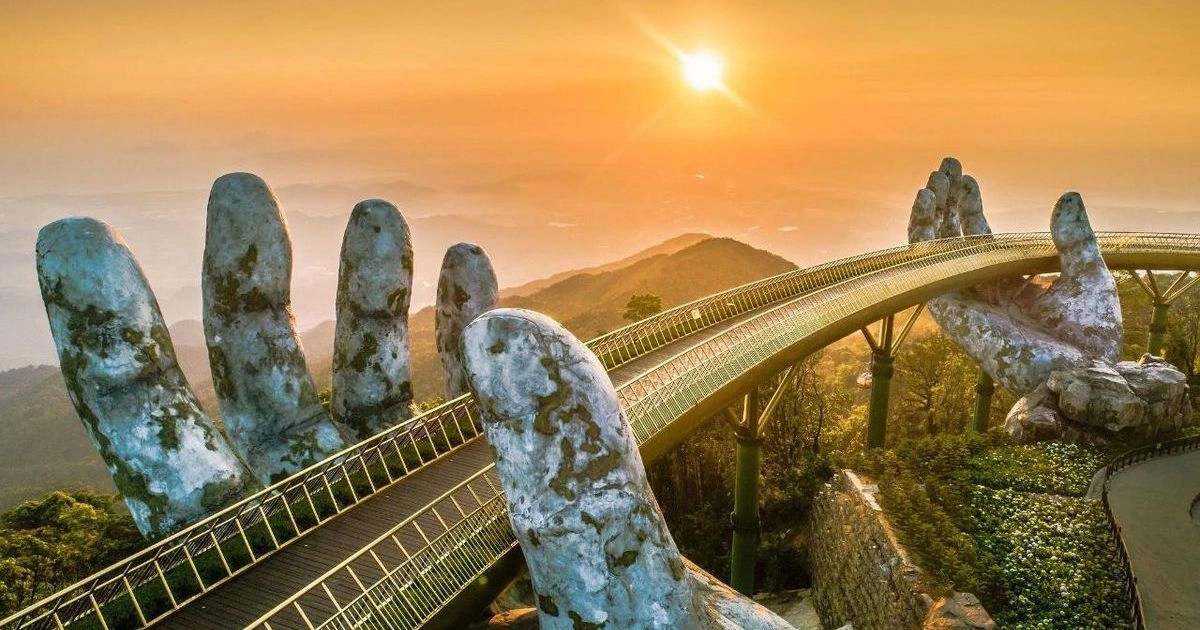
Golden bridge ba na hills da nang vietnam
Da Nang is Central Vietnam's largest modern city and an ideal base for exploring the region. Known for its clean streets, beautiful coastline, and convenient transportation, the city combines urban comfort with impressive natural attractions.
My Khe Beach is one of Vietnam's most famous beaches, offering soft sand and clear water for swimming and water sports. Just outside the city, the Marble Mountains feature caves, Buddhist temples, and scenic viewpoints carved into limestone hills. Visitors can also explore Son Tra Peninsula, home to Linh Ung Pagoda and the towering Lady Buddha statue overlooking the coastline.
For panoramic mountain scenery, Ba Na Hills is one of Da Nang's signature attractions. Visitors can ride one of the world's longest cable cars to the summit, walk across the famous Golden Bridge supported by giant stone hands, and enjoy cooler temperatures in the mountain resort.
Da Nang is also famous for its vibrant riverside skyline. Every weekend, the Dragon Bridge hosts an impressive fire and water show, while the Han River promenade is lined with cafés, restaurants, and scenic walking paths. Thanks to its central location, Da Nang provides easy access to both Hoi An and Hue, making it the perfect hub for discovering Central Vietnam.
>> Read more: Best Time To Visit Vietnam Beaches: Weather & Coastal Guide | Joytime
4. Southern Vietnam – Modern Life & River Culture
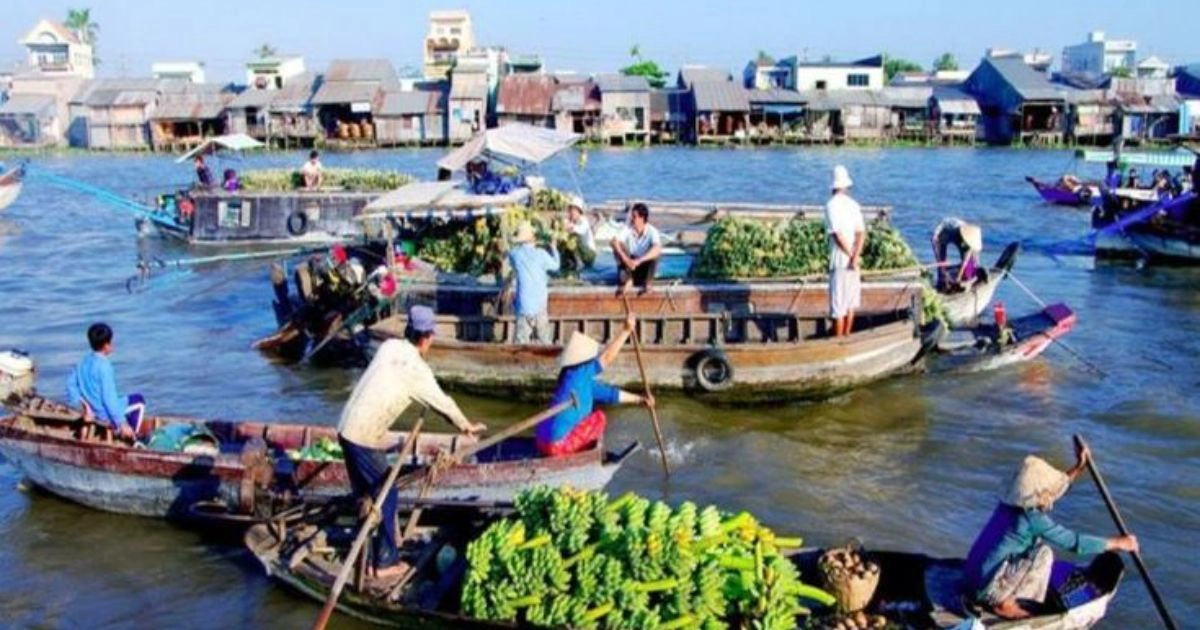
Mekong Delta floating market boat Vietnam life - Source: Pinterest
Southern Vietnam offers a completely different travel experience from the country's northern and central regions. Here, vibrant metropolitan life blends seamlessly with peaceful river landscapes, allowing visitors to experience both the modern energy of Ho Chi Minh City and the traditional lifestyle of the Mekong Delta.
4.1. Ho Chi Minh City (Saigon)
Ho Chi Minh City, commonly known as Saigon, is Vietnam's largest economic hub and one of Southeast Asia's most dynamic cities. Skyscrapers, historic landmarks, bustling markets, and lively cafés create an exciting atmosphere that appeals to first-time visitors and returning travelers alike.
Begin your exploration at the War Remnants Museum, where exhibitions provide valuable insight into Vietnam's modern history. Continue to the Reunification Palace, a landmark that preserves the country's political heritage, before admiring the French colonial architecture of the Central Post Office and Notre Dame Cathedral.
For shopping, Ben Thanh Market is the city's best-known destination, offering local handicrafts, souvenirs, and regional specialties. In the evening, head to a rooftop bar or café in District 1 to enjoy panoramic views of the city skyline while experiencing Ho Chi Minh City's vibrant nightlife.
4.2. Cu Chi Tunnels
Located approximately 70 kilometers from downtown Ho Chi Minh City, the Cu Chi Tunnels are one of Vietnam's most significant historical attractions. This extensive underground network served as a strategic base during the Vietnam War, allowing soldiers to live, communicate, and transport supplies beneath the surface.
Today, visitors can explore preserved tunnel sections, view wartime exhibits, and learn about the ingenious engineering behind the complex. Morning tours are recommended to avoid high temperatures and large crowds.
4.3. Mekong Delta
The Mekong Delta is one of Vietnam's most distinctive regions, where an intricate network of rivers, canals, and fertile farmland shapes everyday life. Often referred to as the country's "rice bowl," the area is famous for floating markets, fruit orchards, and traditional riverside communities.
Cai Rang Floating Market in Can Tho and Cai Be Floating Market are among the region's most popular attractions. Visiting early in the morning offers the opportunity to watch local traders exchange fresh produce directly from their boats.
Beyond the floating markets, travelers can explore coconut villages, tropical fruit gardens, traditional workshops, and peaceful canals by boat or bicycle, providing an authentic glimpse into local life.
4.4. Can Tho
As the largest city in the Mekong Delta, Can Tho serves as an excellent base for exploring southern Vietnam's river culture. The city combines modern facilities with easy access to nearby floating markets, orchard villages, and countryside attractions.
Ninh Kieu Wharf is a popular riverside destination where visitors can enjoy local cuisine, evening walks, and river views. From Can Tho, boat tours to Cai Rang Floating Market, Phong Dien, and nearby fruit orchards can be easily arranged.
For a more authentic experience, consider staying at a riverside homestay, where local families welcome guests with traditional home-cooked meals and warm hospitality.
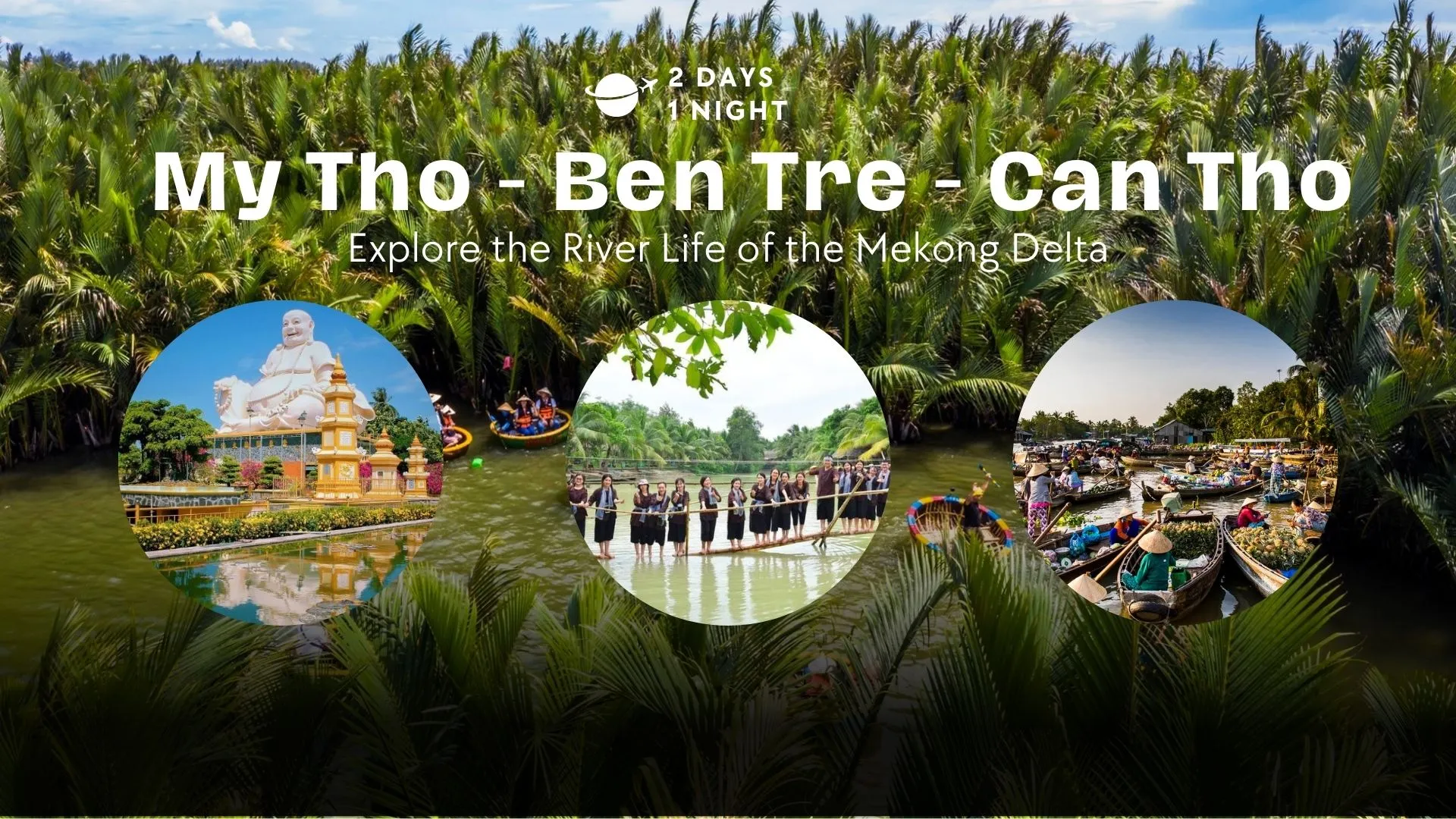
4.5. My Tho and Ben Tre
Located just a short drive from Ho Chi Minh City, My Tho and Ben Tre are ideal destinations for travelers looking to experience the Mekong Delta on a day trip.
My Tho serves as the gateway to the Tien River, where boat tours travel through narrow canals lined with lush coconut palms. Nearby Ben Tre is renowned for its coconut plantations and traditional handicraft villages, offering visitors the chance to observe local industries producing coconut candy, coconut oil, and handmade souvenirs.
Many tours also include rowing through peaceful waterways, sampling tropical fruits, and visiting family-run workshops, making the region an excellent introduction to the Mekong Delta's rural lifestyle.


4.6. Phu Quoc Island
If your schedule allows, extending your journey to Phu Quoc Island is highly recommended. Located in the Gulf of Thailand, Phu Quoc is Vietnam's largest island and is well known for its white-sand beaches, crystal-clear waters, and laid-back atmosphere.
Long Beach is the island's most popular destination for sunset views, while Sao Beach is famous for its soft white sand and calm turquoise water. Travelers can also explore fishing villages, pepper farms, and protected forests in the island's quieter northern region.
Beyond relaxing on the beach, visitors can tour traditional fish sauce factories, enjoy fresh seafood at Duong Dong Night Market, or join snorkeling and island-hopping excursions to discover the surrounding coral reefs. A stay of three to four days provides the perfect balance of relaxation, sightseeing, and outdoor activities.
>> Read more: Best Time to Visit Vietnam With Family: Weather & Travel Tips | Joytime
5. FAQ – First-Time Travel in Vietnam
5.1. How many days are enough for a first trip to Vietnam?
Seven to ten days is enough to cover the major highlights if you plan efficiently. Fourteen days allows for a more complete experience with less rushing between destinations.
5.2. What is the best route for first-time visitors?
A north-to-south route starting in Hanoi and ending in Ho Chi Minh City is the most logical and practical choice. It covers the widest range of experiences in the most efficient order.
5.3. Is Vietnam affordable for international travelers?
Vietnam remains one of the most affordable destinations in Southeast Asia. Budget travelers can manage comfortably on USD 30–50 per day, including accommodation, food, and local transport. Mid-range travelers spending USD 80–150 per day will have access to good hotels, private transport, and guided tours.
5.4. When is the best time to visit Vietnam?
Because Vietnam is so long, the answer varies by region. Generally speaking, February to April is a safe window for the entire country. Northern Vietnam is best from October to April, central Vietnam from February to August, and southern Vietnam from November to April. If you are visiting all three regions, January to March offers the most consistent weather nationwide.
Planning where to go in Vietnam first time becomes much easier when you understand the regional structure of the country. A North–Central–South route ensures a balanced experience of culture, nature, and modern life. Whether you choose a 7–10 day trip or a 14-day journey, Vietnam offers flexible itineraries for all travel styles. For a more personalized and well-organized experience, Joytime Travel Agency helps design tailored itineraries that match your preferences. It is a reliable option for first-time visitors who want a smooth and complete Vietnam journey.
Contact information:
|
Joytime Travel Agency - Travel JOY, TIMEless Vietnam Safe, Seamless, Satisfying, Sustainable Follow us for travel tips, local insights, and exclusive offers:
|

Danish Nguyen
Danish Nguyen is a renowned travel blogger in Vietnam with over 5 years of experience sharing unique travel experiences. With a passion for exploring new places, Danish captures incredible moments and provides readers with valuable tips to discover the beauty of his homeland.