









Vietnam Travel Itinerary 12 Days: A Realistic North-to-South Route
The main content of the article
- 1. The Classic North-to-South Vietnam Travel Itinerary (12 Days)
- 1.1. Days 1 - 3: Start in Hanoi and Explore Northern Culture
- 1.2. Days 4 - 5: Cruise Ha Long Bay and Travel to Central Vietnam
- 1.3. Day 6: Discover Hue Imperial City and Royal Tombs
- 1.4. Days 7 - 8: Travel Through Hai Van Pass, Hoi An, and Da Nang
- 1.5. Days 9 - 10: Fly to Ho Chi Minh City and Visit the Cu Chi Tunnels
- 1.6. Day 11: Take a Mekong Delta Day Trip
- 1.7. Day 12: Depart from Ho Chi Minh City
- 2. Practical Logistics for a 12-Day Trip
- 3. Frequently Asked Questions About Planning a 12-Day Vietnam Travel Itinerary
Vietnam travel itinerary 12 days is enough to experience the country’s most iconic highlights if you plan your route carefully. From Hanoi’s old streets and Ha Long Bay’s limestone scenery to Hue’s imperial charm, Hoi An’s lantern-lit nights, and the energy of Ho Chi Minh City, this guide gives you a realistic north-to-south itinerary with smart transport tips to help you make the most of every day.
1. The Classic North-to-South Vietnam Travel Itinerary (12 Days)
This 12-day route gives international visitors a balanced journey through Vietnam’s culture, landscapes, food, and major city highlights. Moving systematically from north to south minimizes transit time and keeps your daily schedule highly efficient.
1.1. Days 1 - 3: Start in Hanoi and Explore Northern Culture
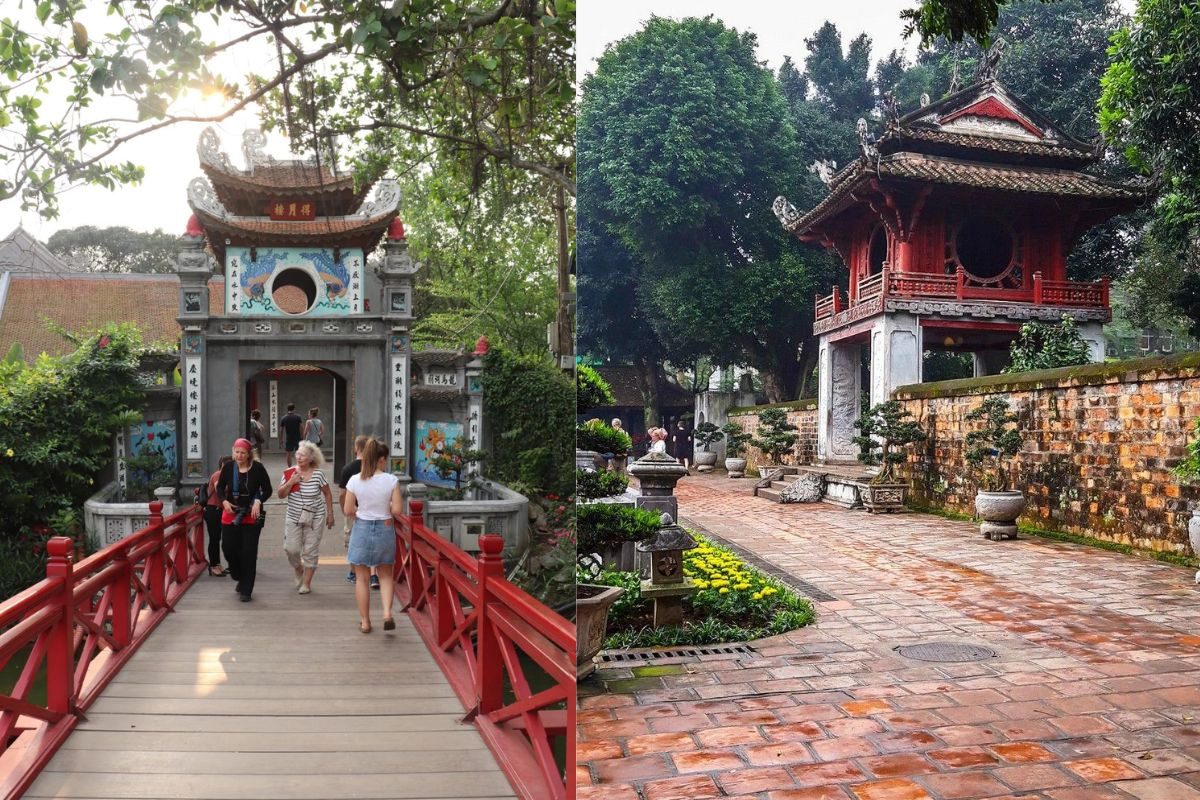
Hanoi Old Quarter introduces travelers to Vietnam’s northern culture - Source: Pinterest
Arriving in Hanoi gives you an immediate introduction to the country's fast-paced energy and rich history. Spend your first few days walking through the narrow, crowded alleys of the Old Quarter, visiting the Temple of Literature, and adjusting to the local time zone while sampling authentic northern dishes like pho and egg coffee. You can dedicate the second day to exploring key historical sites such as the Ho Chi Minh Mausoleum and the Hoa Lo Prison Relic, giving you a strong foundation in the nation's complex past.
For practical planning, Noi Bai International Airport sits about 45 minutes from the central Hoan Kiem district, so arranging a private transfer in advance helps avoid negotiation struggles after a long flight. Keep your schedule flexible on the first day to recover from jet lag, and consider booking a guided street food walking tour for your third evening to confidently navigate the overwhelming local food scene. Choosing accommodation near Hoan Kiem Lake ensures you remain within walking distance of weekend pedestrian zones and major cultural attractions.
>>> Read more: Hanoi Street Food Tour: A Full Guide to Local Eats in Hanoi
1.2. Days 4 - 5: Cruise Ha Long Bay and Travel to Central Vietnam

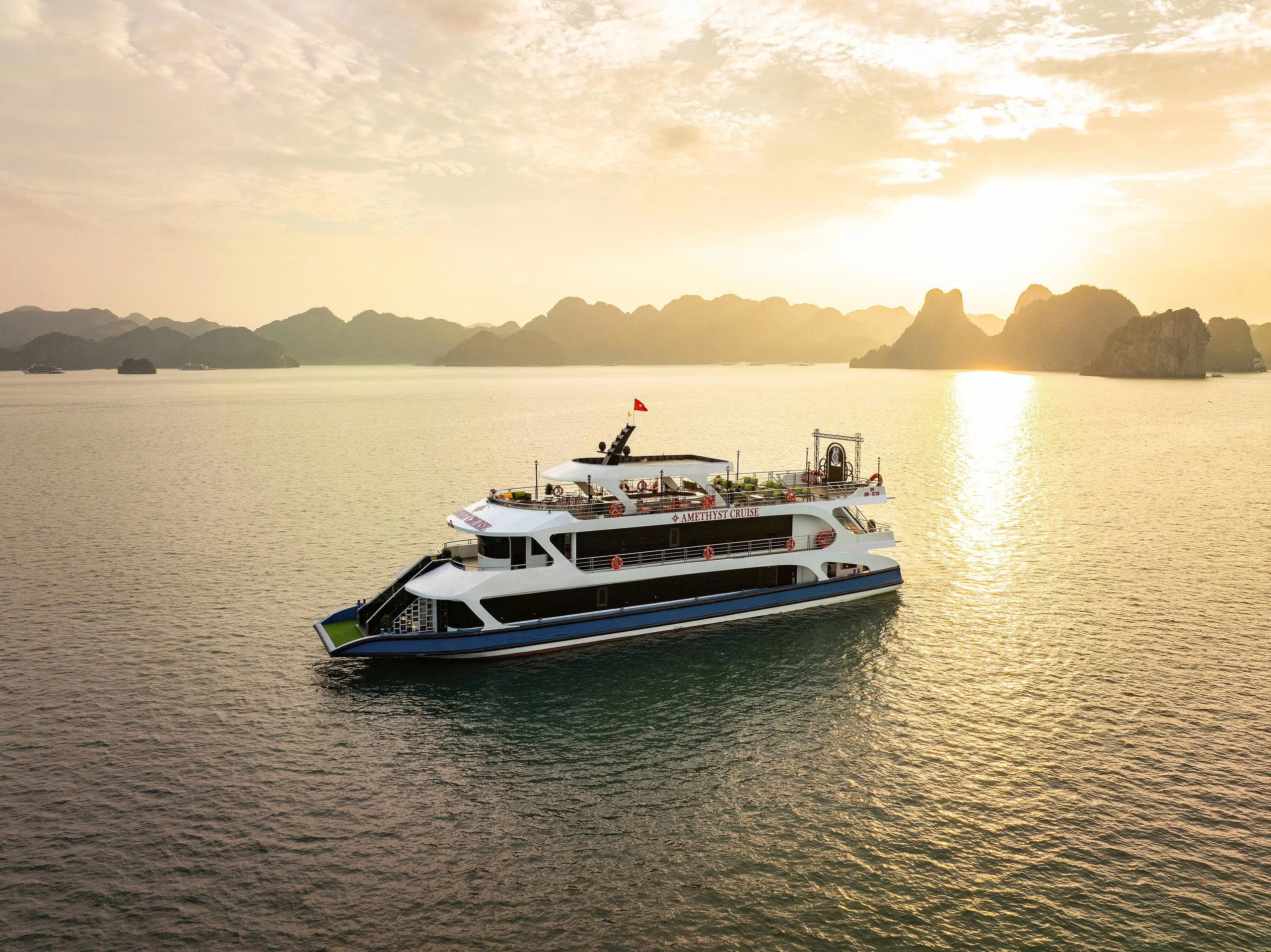
Ha Long Bay cruises reveal Vietnam’s limestone seascapes - Source: Vinpearl
Leaving the capital, a morning drive takes you to the coast for an overnight cruise among thousands of towering limestone karsts in Ha Long Bay. Spending a night on the water allows you to kayak through quiet lagoons, explore massive cave systems, and watch the sunrise over the emerald water before the day-tripper boats arrive. Most itineraries include a mix of guided excursions and downtime on the sundeck, offering a brief period of relaxation after the intense energy of Hanoi.
Most cruise packages include round-trip shuttle transportation from your Old Quarter hotel, which takes roughly two and a half hours each way via the modern expressway. On the afternoon of the fifth day, the shuttle will return you to Hanoi, where you should head straight to Noi Bai Airport for a short evening flight to Hue. Packing a small overnight bag for the cruise and leaving your heavy luggage securely stored at your Hanoi hotel makes this brief transit window much easier to manage.

1.3. Day 6: Discover Hue Imperial City and Royal Tombs
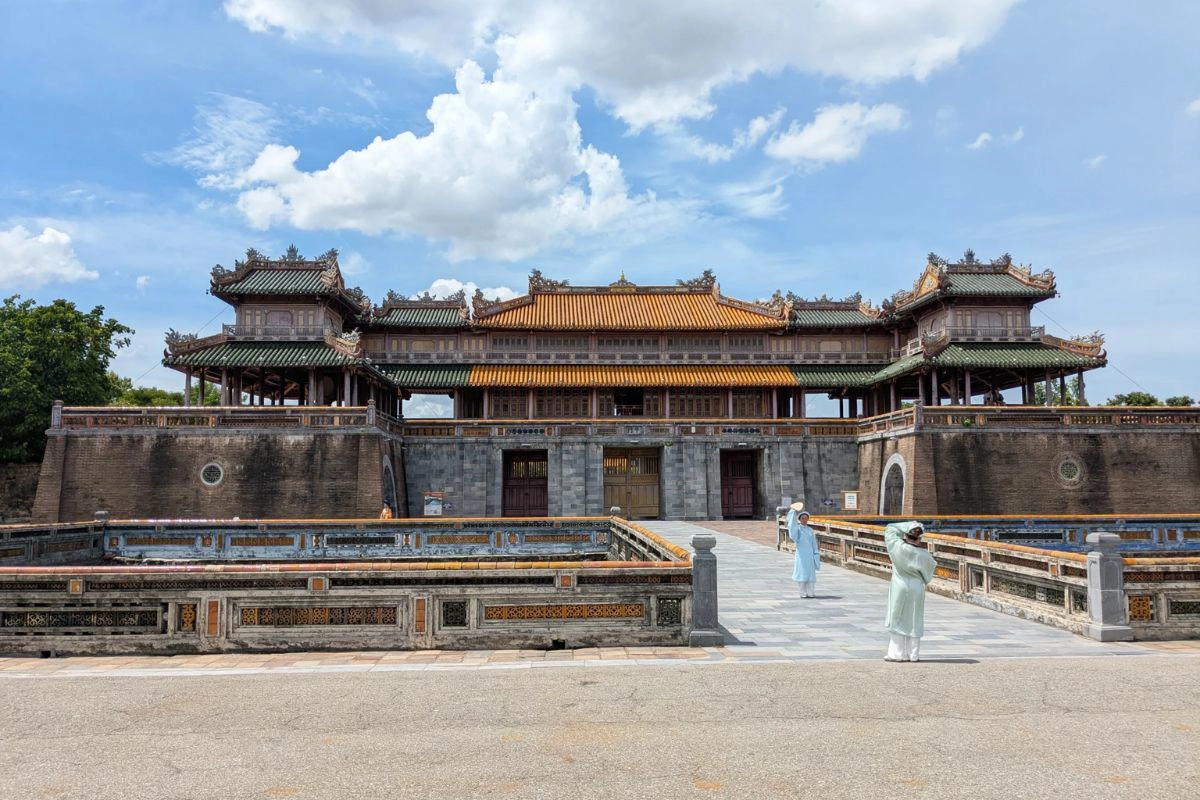
Hue Imperial City preserves Vietnam’s royal history - Source: Ahoy
Hue served as the former imperial capital of the Nguyen Dynasty, making it the most important destination for architecture and royal history enthusiasts. You will spend this full day exploring the massive Imperial Citadel along the Perfume River, admiring the restored palaces, temples, and defensive walls. Afterward, venture into the surrounding countryside to view the intricate designs of royal tombs, specifically prioritizing the elaborate resting places of Emperor Minh Mang and Emperor Khai Dinh.
Because the historical sites are spread out across the city and surrounding hills, hiring a private car with a driver for the day is the most efficient way to see everything on a tight schedule. Take time for a lunch break to try Bun Bo Hue, the city's famous spicy beef noodle soup, which features a richer and more robust flavor profile than northern pho. Purchasing a combination entrance ticket at your first stop will save you money and time as you move between the Citadel and the various tomb complexes.
1.4. Days 7 - 8: Travel Through Hai Van Pass, Hoi An, and Da Nang
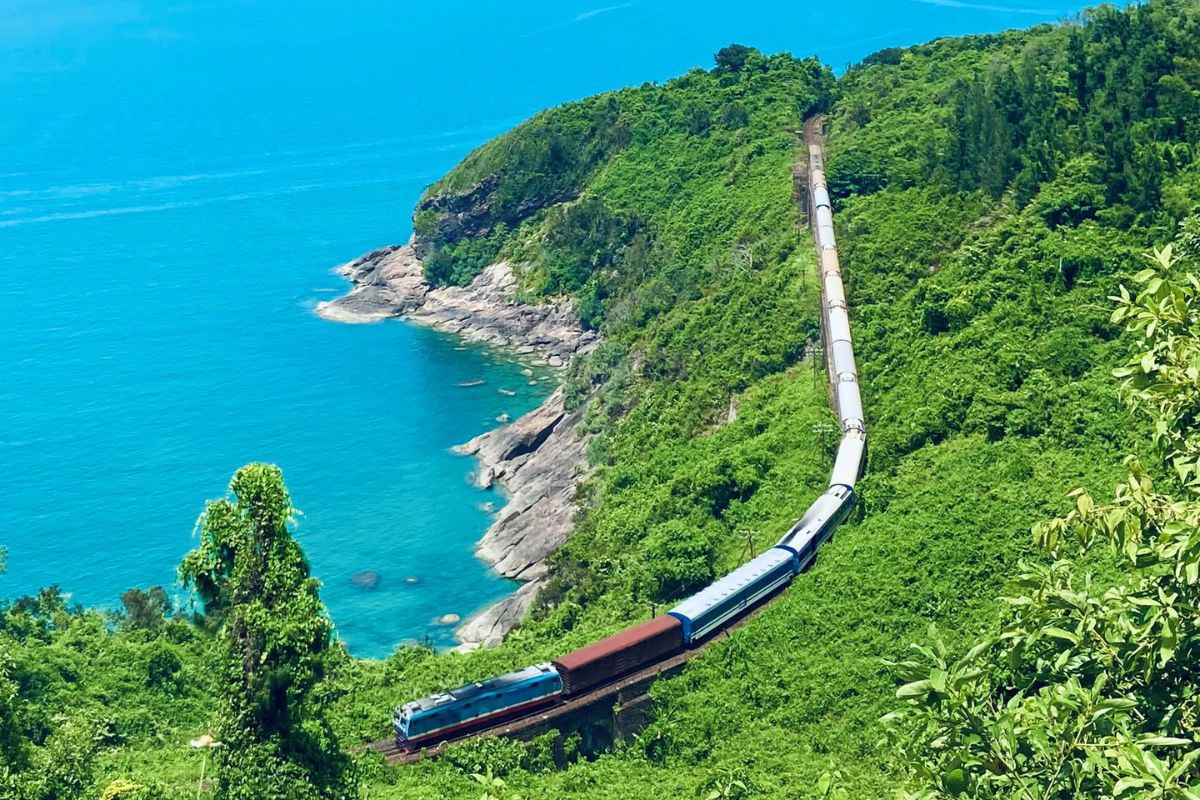
Hai Van Pass connects Hue with coastal Central Vietnam - Source: Pinterest
The journey from Hue to Hoi An crosses the famous Hai Van Pass, providing incredible coastal views over the ocean and heavily forested mountain peaks. Once you arrive in Hoi An, the next two days are yours to wander the yellow-walled Ancient Town, take a traditional wooden boat ride on the Thu Bon River, or get custom clothing made by highly skilled local tailors. You can also rent a bicycle to ride through the nearby rice paddies toward An Bang Beach for a quiet afternoon by the sea.
Booking a private transfer for the Hai Van Pass allows you to dictate the schedule, giving you the freedom to stop at scenic viewpoints and Lang Co Beach along the way. While in Hoi An, most areas inside the Ancient Town restrict motorized vehicles during specific afternoon and evening hours, making the streets highly walkable and much quieter than other major urban centers. If you decide to order custom suits or dresses, visit the tailor immediately upon arrival, as the shops require at least 24 to 48 hours to complete multiple fittings.
1.5. Days 9 - 10: Fly to Ho Chi Minh City and Visit the Cu Chi Tunnels
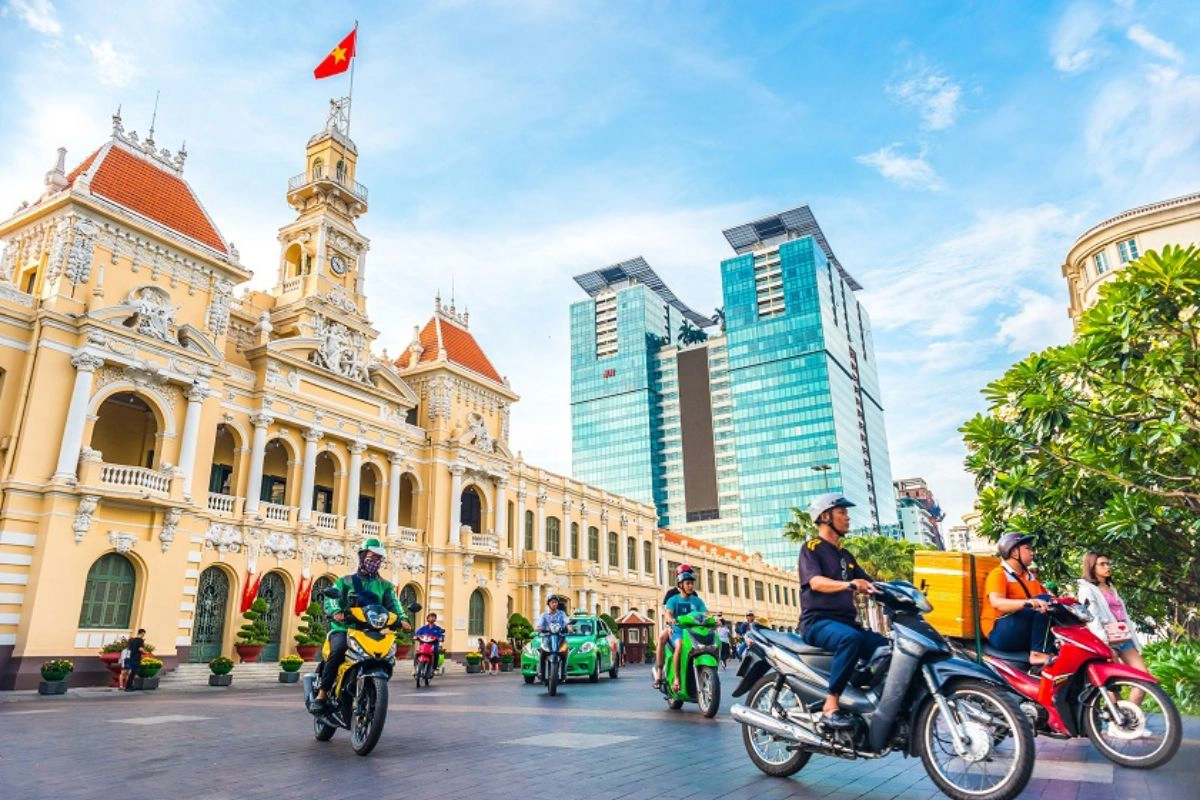
Ho Chi Minh City brings history and southern energy - Source: VinWonders
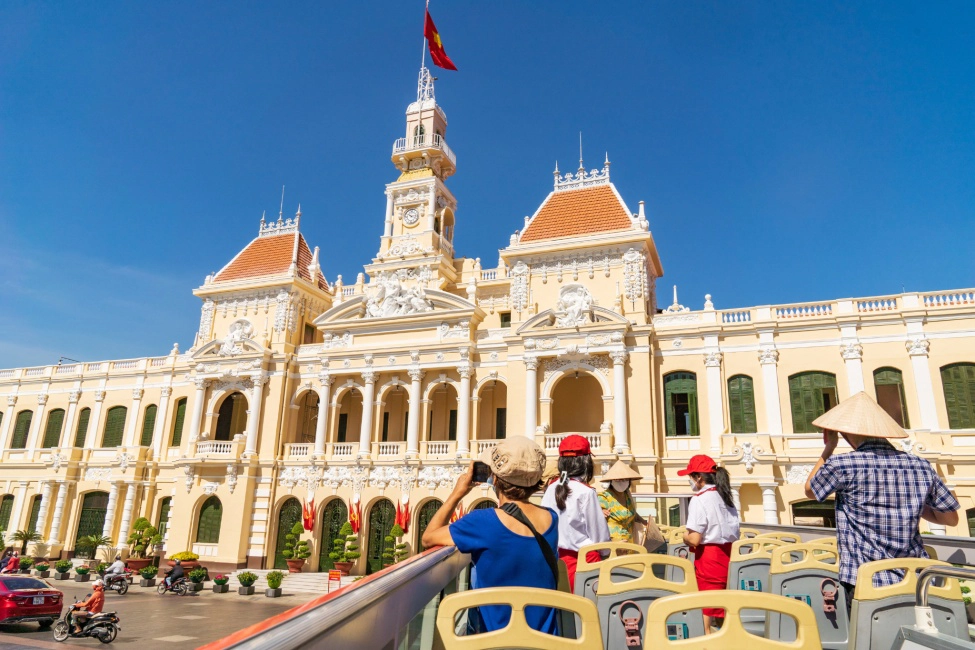
A short morning flight from Da Nang Airport brings you to Ho Chi Minh City, the bustling economic powerhouse of southern Vietnam. Spend your first afternoon visiting key downtown landmarks like the War Remnants Museum, the Independence Palace, and the French colonial-era Central Post Office. The following morning is best dedicated to crawling through the historic Cu Chi Tunnels, where you can learn about the complex underground network used by soldiers during the war.
Navigating Ho Chi Minh City requires dealing with heavy, unpredictable traffic, so using ride-hailing apps like Grab is the easiest and most transparent way to get around the different districts. When planning the Cu Chi Tunnels trip, booking a guided half-day tour ensures you understand the historical context and secures your transportation to the site, which sits nearly two hours outside the city limits. Returning to District 1 in the late afternoon leaves you plenty of time to explore local craft beer venues or dine at a rooftop restaurant.
1.6. Day 11: Take a Mekong Delta Day Trip
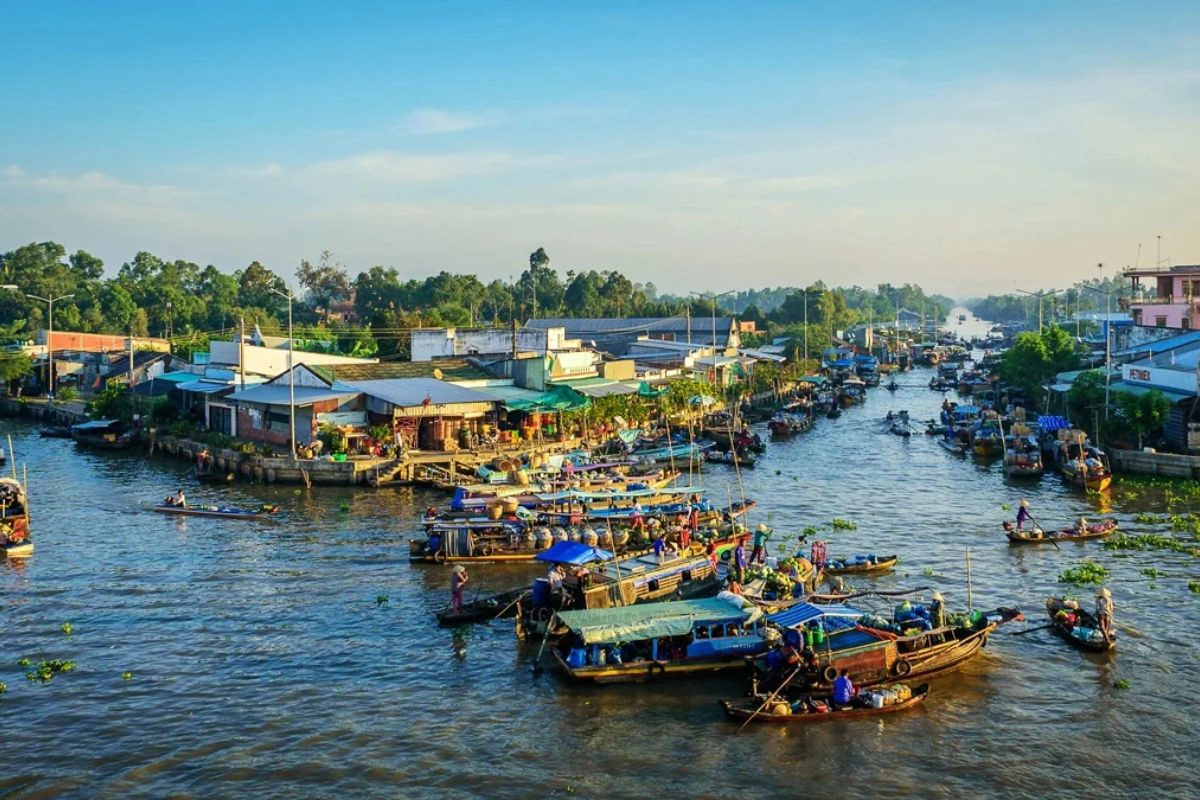
Mekong Delta boat trips reveal peaceful river life - Source: Vinpearl
No trip to the southern region is complete without navigating the complex waterways and agricultural hubs of the Mekong Delta. A typical day trip involves taking a motorized boat down the main river channels, switching to a traditional wooden sampan to glide through narrow nipa palm canals, and visiting local workshops. You will have the chance to see how regional specialties like coconut candy, popped rice, and rice paper are made using traditional methods.
The towns of My Tho and Ben Tre are the most accessible options for a single-day excursion starting from Ho Chi Minh City. While group bus tours are budget-friendly and easy to arrange at the last minute, upgrading to a private tour provides a much more personalized schedule. A private guide can help you avoid the largest crowds at popular stopover points, allowing you to enjoy a peaceful lunch featuring deep-fried elephant ear fish in a quieter riverside garden.
>>> Read more: Best Mekong Delta Tour: 1 Day Itinerary, River Life & Local Experiences
1.7. Day 12: Depart from Ho Chi Minh City
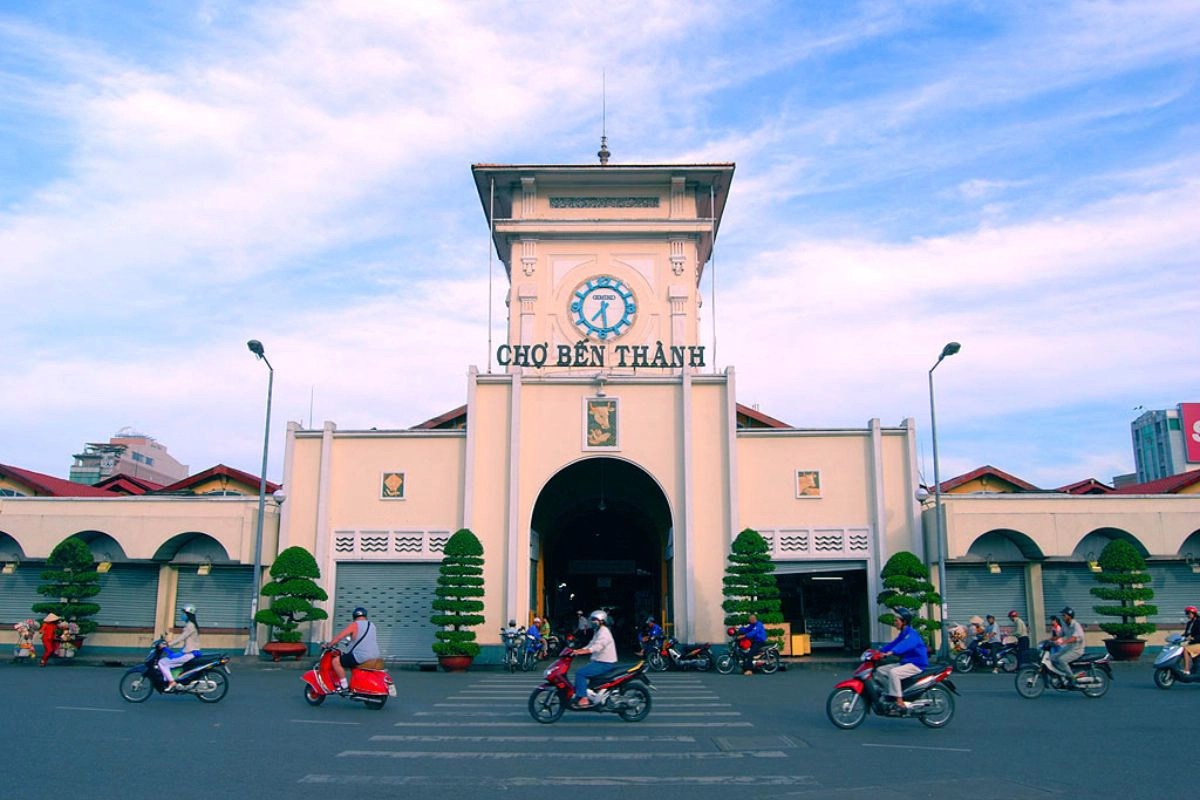
Ben Thanh Market is ideal for last-minute souvenirs - Source: Wikipedia
Your final day in Vietnam is ideal for picking up last-minute souvenirs, enjoying a leisurely breakfast, and securing one more authentic local coffee before heading home. Ben Thanh Market is a popular central spot for buying coffee beans, dried fruits, and local handicrafts, though you will need to negotiate prices confidently with the vendors. Alternatively, fixed-price local supermarkets offer an easier shopping experience for popular food items and snacks to pack in your suitcase.
Make sure to check your flight departure time carefully and factor in the intense city traffic when planning your trip to Tan Son Nhat International Airport. You should aim to leave your downtown hotel at least three hours before an international flight to comfortably handle check-in procedures, security checks, and immigration lines. If you have a late evening departure, ask your hotel to hold your luggage after checkout so you can continue exploring the city unburdened.
2. Practical Logistics for a 12-Day Trip
Managing transportation, budgets, and communication effectively will determine how smoothly your journey unfolds. Being prepared for local conditions helps eliminate unnecessary stress during transit days.
2.1. Essential Domestic Transport Tips
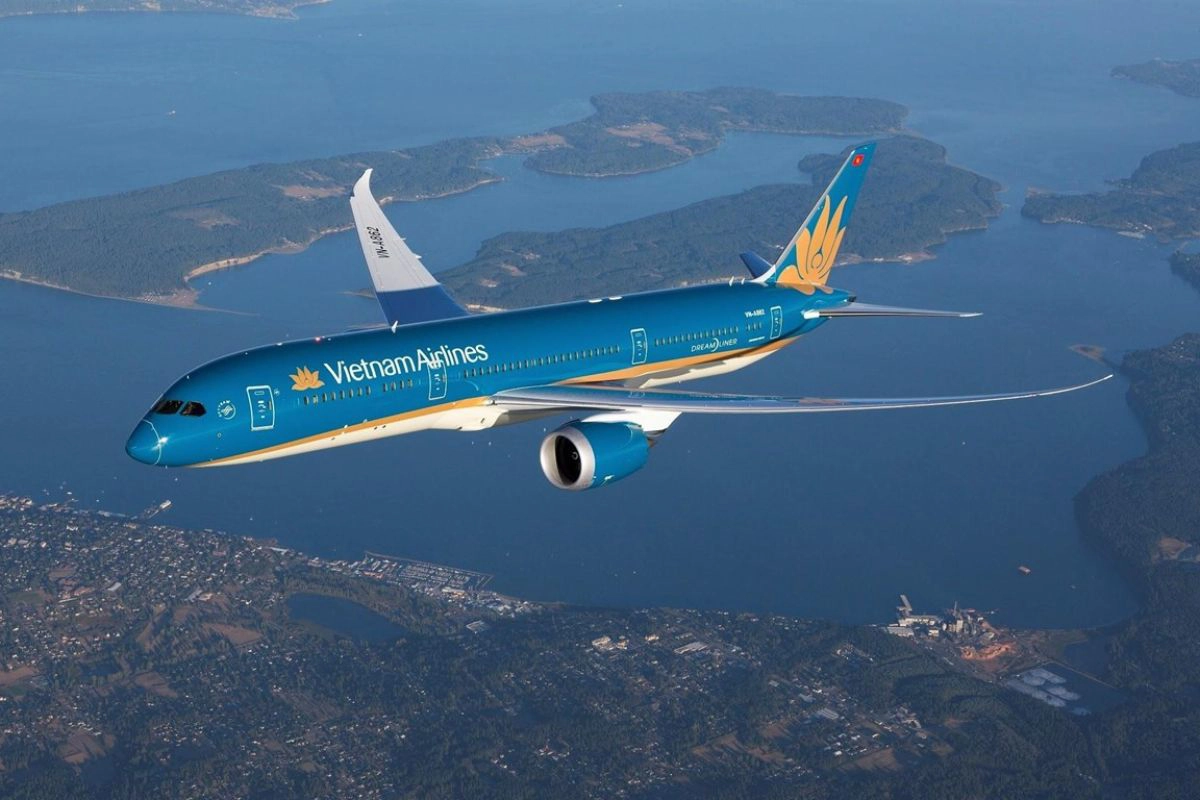
Domestic flights save valuable time on long Vietnam routes - Source: Vinpearl
When mapping out a country as geographically long as Vietnam, flying domestically is absolutely essential to maximize your highly limited vacation time. Vietnam Airlines and Vietjet Air operate frequent daily routes connecting major hubs like Hanoi, Da Nang, and Ho Chi Minh City. Utilizing these domestic flight paths turns what would otherwise be a grueling 16-hour train journey into a quick, comfortable 90-minute hop. Booking these flights a few weeks in advance ensures you secure the most convenient departure times for your schedule.
While sleeper trains and overnight buses remain incredibly popular among long-term backpackers, they are rarely practical for a tight 12-day trip where every daylight hour matters. If you choose to fly with budget carriers, you must pay close attention to strict baggage allowances during the initial booking process. Checking large suitcases almost always requires an additional fee, which is significantly cheaper to pay online rather than facing premium penalty charges at the airport check-in counter.
2.2. First Arrival Tips: Immigration, Currency Exchange, and Travel SIM Setup

Airport preparation helps your Vietnam trip start smoothly - Source:
Arriving at major international gateways like Noi Bai or Tan Son Nhat can initially feel overwhelming, so having all your documents organized is crucial for a smooth start. Most international travelers now enter the country using an e-visa, which you should print out beforehand and present alongside your physical passport at the immigration counters. Handing both physical documents directly to the immigration officer helps speed up processing times considerably after a long, tiring flight.
To make your initial arrival entirely stress-free, consider arranging an airport fast-track service and purchasing a local travel SIM card before you even leave home. Having immediate mobile internet access the moment you clear customs allows you to confidently bypass taxi touts and book a trusted ride-hailing car instantly. Additionally, exchanging a small amount of cash at the airport ensures you can immediately pay for initial expenses like highway toll fees, bottled water, or a quick snack.
3. Frequently Asked Questions About Planning a 12-Day Vietnam Travel Itinerary
Organizing a comprehensive 12 dayjourney from north to south requires careful preparation. Below are clear answers to the most common questions international travelers have regarding budgets, visa requirements, seasonal weather, and booking timelines to help you finalize your trip.
3.1. How much does a 12-day Vietnam trip usually cost?
A mid-range traveler should budget between $1,000 and $1,500 for a 12-day trip, excluding international flights. This comfortably covers three- or four-star hotels, essential domestic flights, a Ha Long Bay cruise, guided day tours, and excellent local meals. Budget backpackers can manage on $500 to $700, while luxury travelers should expect to spend upwards of $2,500. Keep in mind that while hotels and flights can easily be paid by credit card, you will still need to carry some local cash for street food, small markets, and tipping.
3.2. Do I need a visa for a 12-day trip to Vietnam?
Most international visitors require a visa, though citizens of certain countries in Europe and Asia currently benefit from short-stay exemptions. If you do not qualify, you must apply for a Vietnamese e-visa online before your departure. Always use the official government portal to secure your visa, and apply at least two weeks in advance to avoid unexpected processing delays. Ensure your passport is valid for at least six months beyond your arrival date, and remember to print a physical copy of your approved e-visa to present at immigration.
3.3. What is the best time of year for this 12-day Vietnam itinerary?
Spring (March to April) and autumn (September to November) offer the most comfortable and balanced weather for this complete north-to-south route. Traveling during these transitional months helps you avoid the extreme winter chill in the northern provinces and the heavy summer monsoon rains in the southern delta. Because you will still experience slight climate variations as you move from Hanoi down to Ho Chi Minh City, packing lightweight, breathable layers is the smartest approach for these seasons.
3.4. Should I book domestic flights and tours in advance for a 12-day Vietnam trip?
Yes, you should secure your domestic flights, overnight cruises, and popular day tours at least a few weeks before arrival to protect your tight itinerary. Booking early guarantees availability, secures better rates, and ensures you get convenient departure times. This advanced planning becomes absolutely critical if you travel around major national holidays like Tet. Leaving these major transit bookings to the last minute often results in awkward departure hours or sold-out routes that can easily derail your entire 12-day schedule.
Planning a Vietnam travel itinerary 12 days becomes much easier when you follow a clear north-to-south route and avoid unnecessary backtracking. With enough time for Hanoi, Ha Long Bay, Hue, Hoi An, Ho Chi Minh City, and the Mekong Delta, this itinerary gives you a balanced mix of culture, scenery, history, food, and local life. For support with building a realistic route, arranging reliable transportation, booking quality tours, securing airport fast-track services, or preparing a travel SIM card, contact Joytime: Vietnam Travel to create a smooth, comfortable, and well-planned Vietnam journey tailored to your needs.
|
Joytime Travel Agency - Travel JOY, TIMEless Vietnam Safe, Seamless, Satisfying, Sustainable Follow us for travel tips, local insights, and exclusive offers:
|

Danish Nguyen
Danish Nguyen is a renowned travel blogger in Vietnam with over 5 years of experience sharing unique travel experiences. With a passion for exploring new places, Danish captures incredible moments and provides readers with valuable tips to discover the beauty of his homeland.