









Banh Cuon Hanoi: Best Places to Try This Local Rice Roll Dish
Banh cuon Hanoi is one of the capital’s most delicate street food dishes, made with thin steamed rice rolls, a savory pork-and-wood-ear mushroom filling, crispy fried shallots, fresh herbs, and warm dipping sauce. This guide shows you where to find the best banh cuon in Hanoi, including Michelin-recognized shops, Old Quarter favorites and practical tips for first-time visitors.
1. What Makes Banh Cuon a Hanoi Culinary Icon?
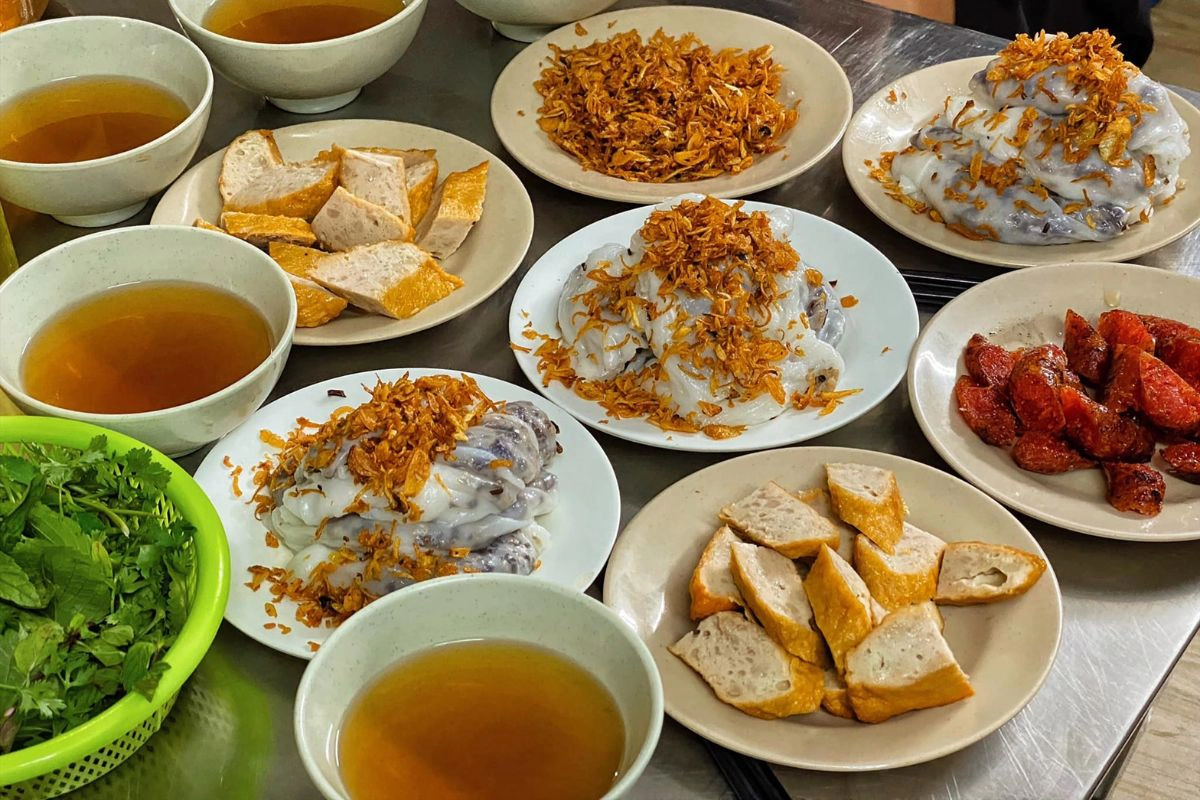
Fresh banh cuon with pork filling and fried shallots - Source: Bao Lao Dong
Banh cuon translates directly to "rolled cake," but this simple name hardly captures the complexity of the dish. The foundation is a fermented rice batter spread thinly over a cloth stretched across a pot of boiling water. Within seconds, the steam cooks the batter into a translucent, delicate sheet. The cook then uses a bamboo stick to carefully lift the sheet, filling it with a savory mixture of seasoned ground pork and finely chopped wood ear mushrooms before rolling it into a neat cylinder. A generous handful of crispy fried shallots is scattered on top to provide a crunch that contrasts perfectly with the soft rice rolls.
Locals primarily eat banh cuon for breakfast, valuing it for being warm, light, and deeply satisfying without feeling overly heavy. Unlike the robust beef broths of pho or the grilled meats of bun cha, banh cuon offers a more refined, subtle flavor profile. The magic truly happens when the warm rolls are submerged in nuoc cham, a balanced dipping sauce made from fish sauce, water, sugar, and a touch of vinegar or citrus. This combination of warm rice sheets, savory fillings, and sweet-and-salty broth creates a comforting morning ritual that has defined Hanoi mornings for generations.
>>> Read more: Street Food Hanoi Old Quarter Experience: Top Dishes You Must Try
2. Where to Find the Best Banh Cuon in Hanoi
From traditional street stalls to clean, modern restaurants, travelers in Hanoi have plenty of places to enjoy freshly steamed banh cuon. The following addresses stand out for their authentic flavors, convenient locations, and distinctive dining experiences.
2.1. Banh Cuon Thanh Van: Best Banh Cuon Hanoi Old Quarter
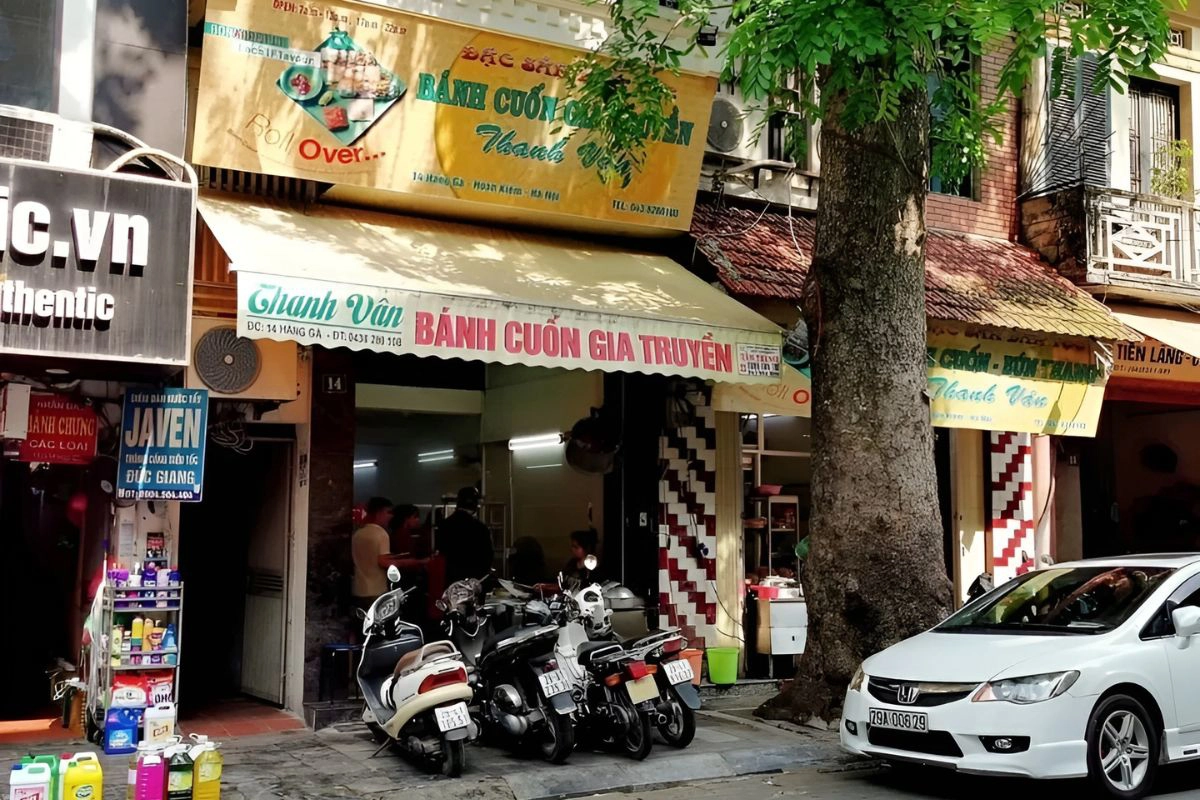
Steaming banh cuon sheets at Thanh Van in Old Quarter - Source: Pinterest
Banh Cuon Thanh Van is arguably one of the most famous places to enjoy this dish within Hanoi’s historic center. The cooks prepare the rice sheets at the front of the shop, allowing diners to watch the fascinating steaming process before they even sit down. For travelers searching for banh cuon Hanoi Michelin recommendations and other well-known local favorites, Thanh Van is a convenient stop in the Old Quarter.
Located at 12 – 14 Hang Ga Street, this eatery offers several variations of the classic recipe, including minced pork, chicken, and shrimp fillings. The atmosphere is always bustling, and you should expect to share a stainless-steel table with other customers during peak morning hours. Prices are slightly higher than at average street stalls, but the central location and consistent quality make it highly convenient for international travelers staying in the Old Quarter.

2.2. Banh Cuon Ba Xuan: A Michelin Guide Pick
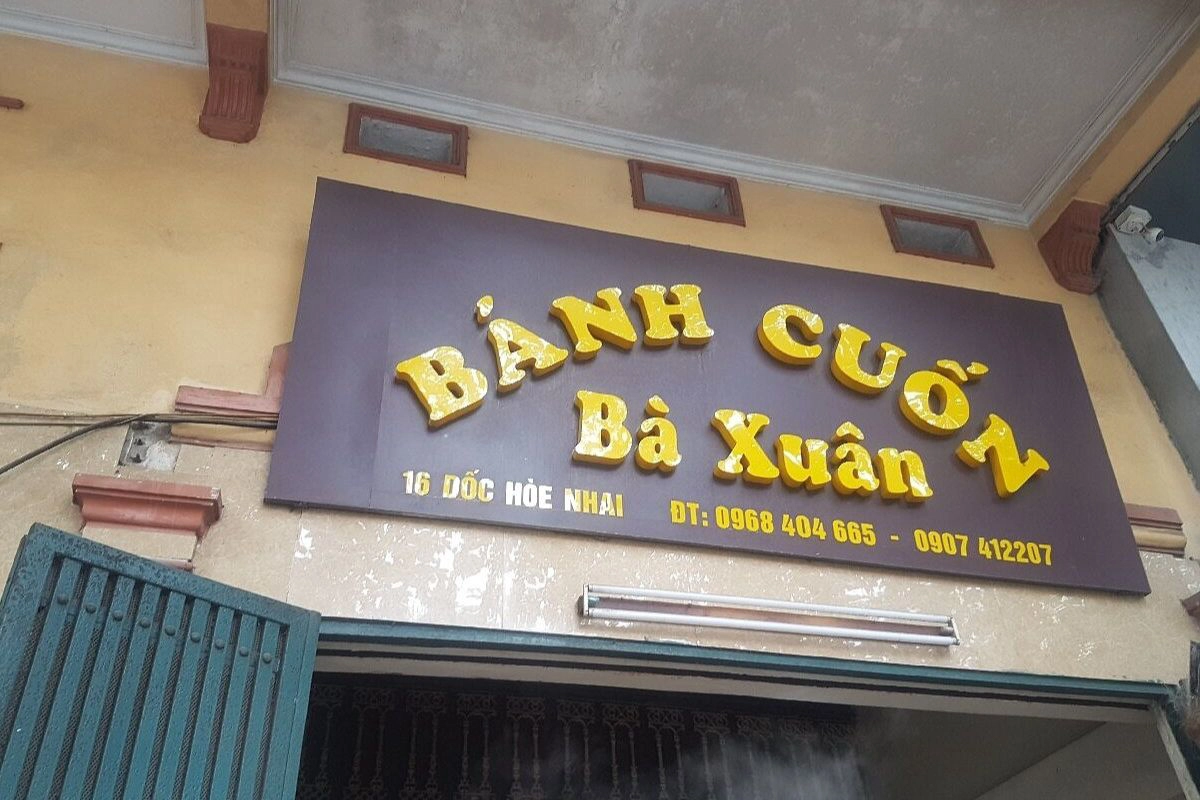
Paper-thin banh cuon served at Michelin-listed Ba Xuan Hanoi - Source: Tripadvisor
Earning a spot in the Michelin Guide for its dedication to traditional flavors, Banh Cuon Ba Xuan has drawn crowds long before receiving international recognition. The proprietor focuses heavily on the texture of the rice sheets, ensuring they remain paper-thin yet resilient enough to hold the generous pork and mushroom filling.
You will find this busy shop at 16 Doc Hoe Nhai, a street well-known among Hanoians for its dense concentration of food vendors. The seating spills out onto the sidewalk, providing a highly authentic local dining atmosphere. Because this spot is extremely popular with nearby residents, the best time to visit is before 8:30 AM to avoid long waits and guarantee that they do not run out of their signature side dishes.
2.3. Banh Cuon Ba Hoanh Hanoi: The Local Legend
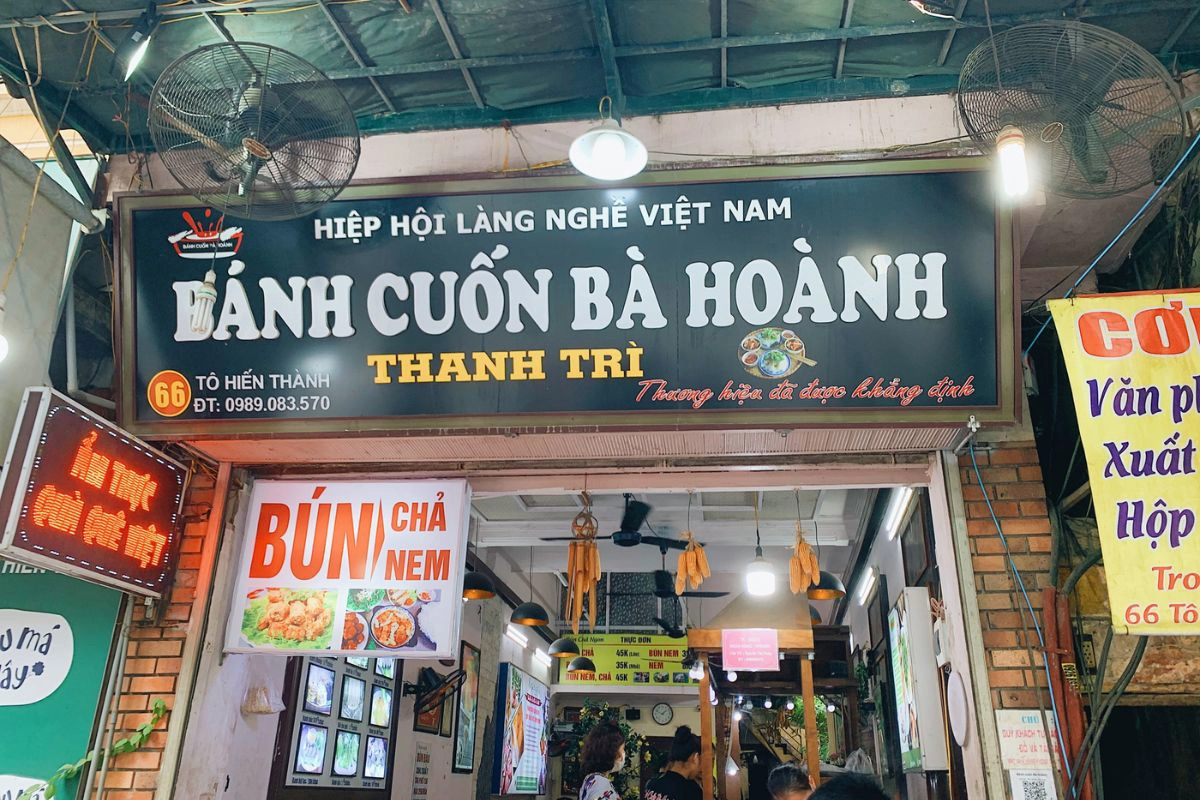
Plain Thanh Tri banh cuon with cha que at Ba Hoanh - Source: Kenh14
Banh cuon Ba Hoanh is an institution in the capital, famous for popularizing the "Thanh Tri" style of the dish. Unlike the standard version, Thanh Tri rice rolls are often served plain without any meat filling, allowing the pure flavor of the rice flour and the rich dipping sauce to take center stage.
Situated at 66 To Hien Thanh Street, this large restaurant processes hundreds of orders every morning. The signature way to enjoy the plain rice sheets here is with large slices of cha que (cinnamon pork pate) and a mountain of fresh cilantro. The venue is spacious compared to Old Quarter spots, making it a great option if you are traveling with a slightly larger group and need proper seating.
2.4. Banh Cuon Gia An: Best for Comfort and Hygiene
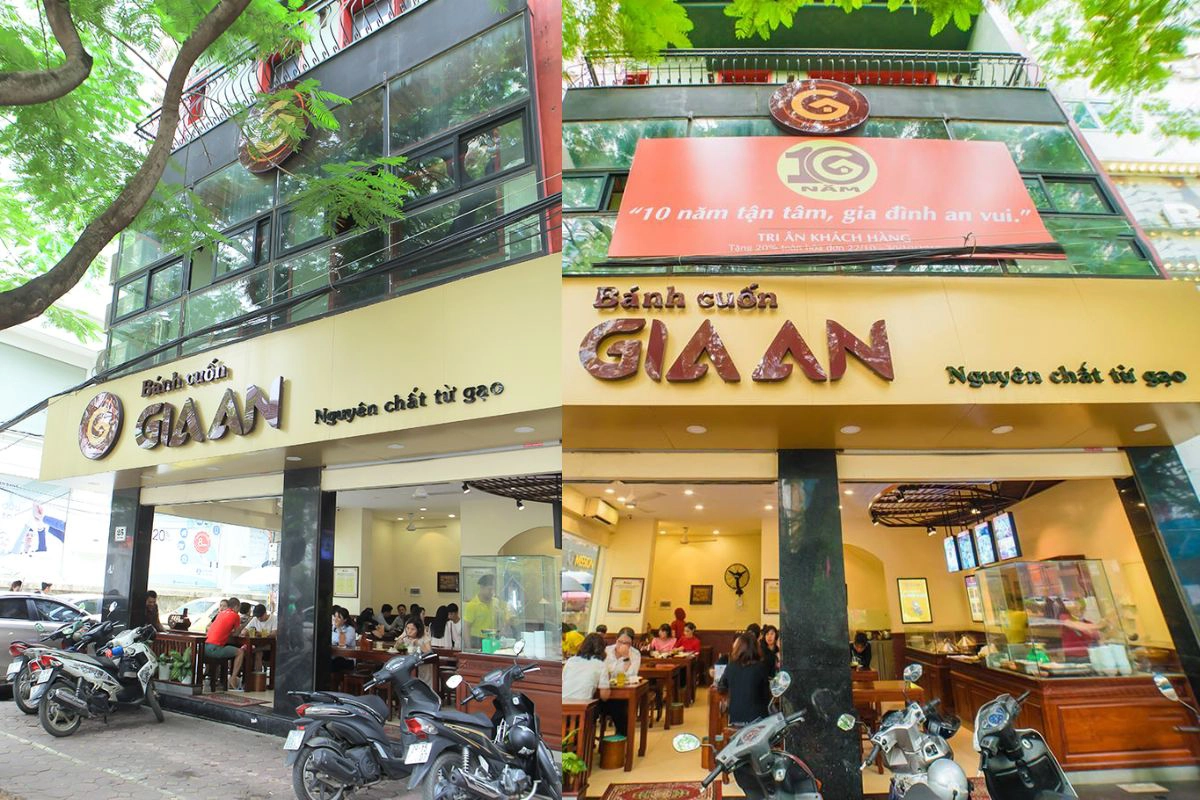
Clean dining space and banh cuon set at Gia An - Source: Meetup
For travelers who want to try authentic flavors but are hesitant about dining on crowded sidewalks, Banh Cuon Gia An provides the perfect middle ground. This well-established local chain focuses on standardized recipes, high hygiene standards, and clean, air-conditioned dining rooms.
Gia An operates multiple locations across Hanoi, making it easy to find one near your accommodation. Their menu is highly customizable, and the ingredients are clearly listed, which helps visitors order exactly what they want without a language barrier. While the atmosphere is more commercial than a traditional street stall, the quality of the food remains excellent and reliable.
2.5. Banh Cuon Phuong: A Traditional Family-Run Spot
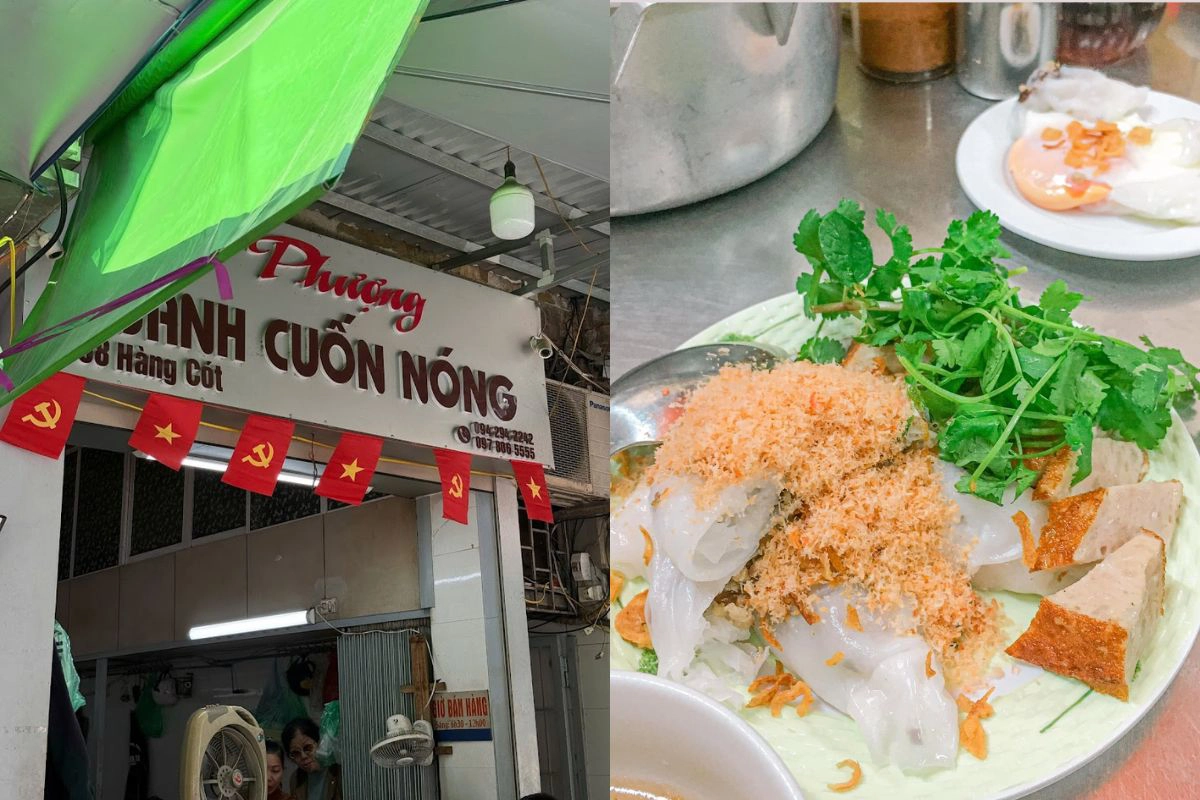
Steaming hot banh cuon at family-run Phuong on Hang Cot Street
For a deeply traditional take on this classic street food dish, Banh Cuon Phuong is a highly reliable choice located right in the historic center. The defining characteristic of this family-run establishment is temperature, as the cooks pride themselves on serving absolutely everything steaming hot. From the freshly made rice sheets and the savory meat filling to the warm dipping sauce and the accompanying pork sausage (cha), this spot ensures your meal is incredibly comforting on a cool Hanoi morning.
Diners should note that the rice wrappers here are intentionally made slightly thicker than at other famous stalls, a stylistic choice that perfectly holds the generous, highly seasoned pork and mushroom filling. The menu provides excellent variety, allowing you to order the traditional minced pork rolls or customize your plate by adding steamed eggs and extra slices of Vietnamese sausage. You can find this bustling local favorite at 68 Hang Cot Street in the Hoan Kiem District, making it an easy morning walk from most central accommodations.
>>> Read more: Cheap Food in Hanoi: 20+ Best Street Foods and Local Eats
3. How to Order and Eat Banh Cuon Like a Local
Knowing how to choose side dishes, season the dipping sauce, and use a few basic Vietnamese phrases will help you enjoy banh cuon the way locals do. These simple tips can also make ordering at busy street food stalls much easier.
3.1. Choosing Your Side Dishes
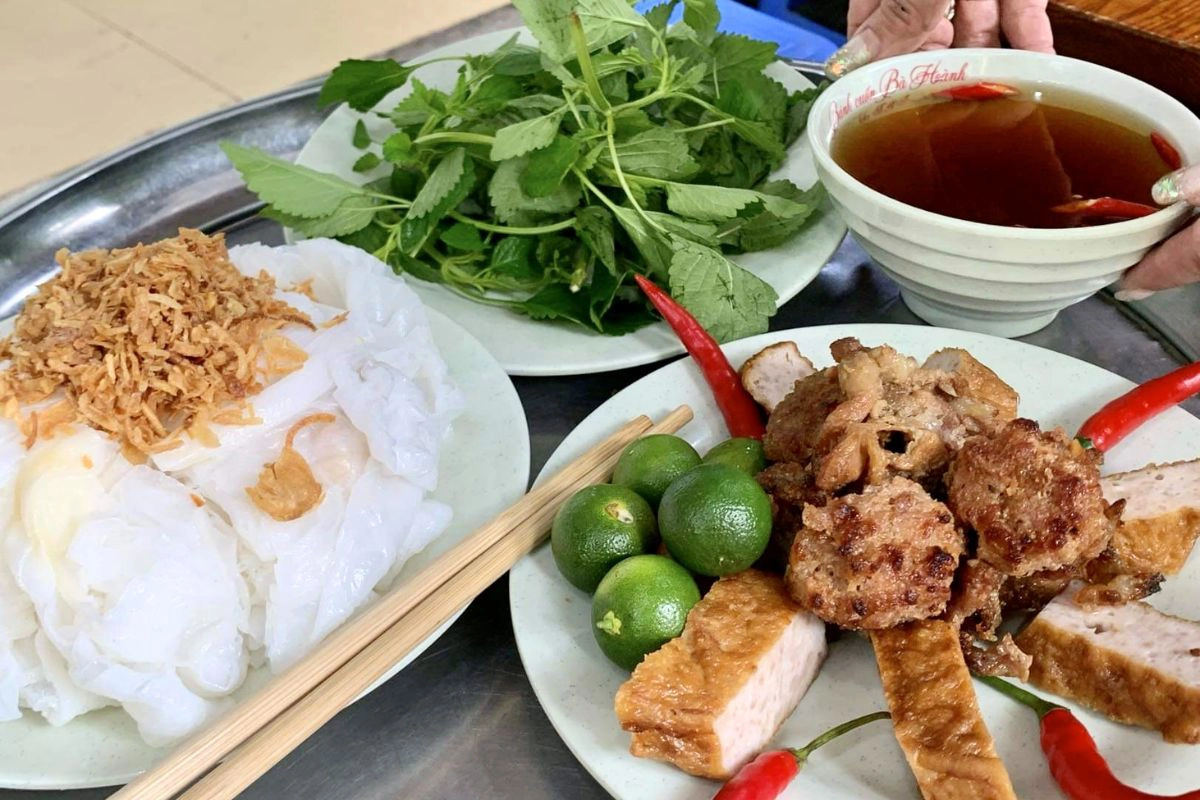
Banh cuon served with cha lua and grilled pork - Source: Bao Lao Dong
A standard plate of banh cuon is almost always accompanied by various Vietnamese cold cuts and grilled meats, which provide necessary protein and texture. The most common addition is cha lua (steamed pork roll) or cha que (cinnamon-scented pork pate), both of which are sliced thick and dropped straight into your dipping sauce.
When you sit down, the vendor will usually ask which sides you want, or simply bring a standard assortment if you do not specify. Keep in mind that these side dishes are typically charged per piece, so your final bill will depend on how many slices of sausage or skewers of grilled pork you consume.
3.2. Customizing the Dipping Sauce
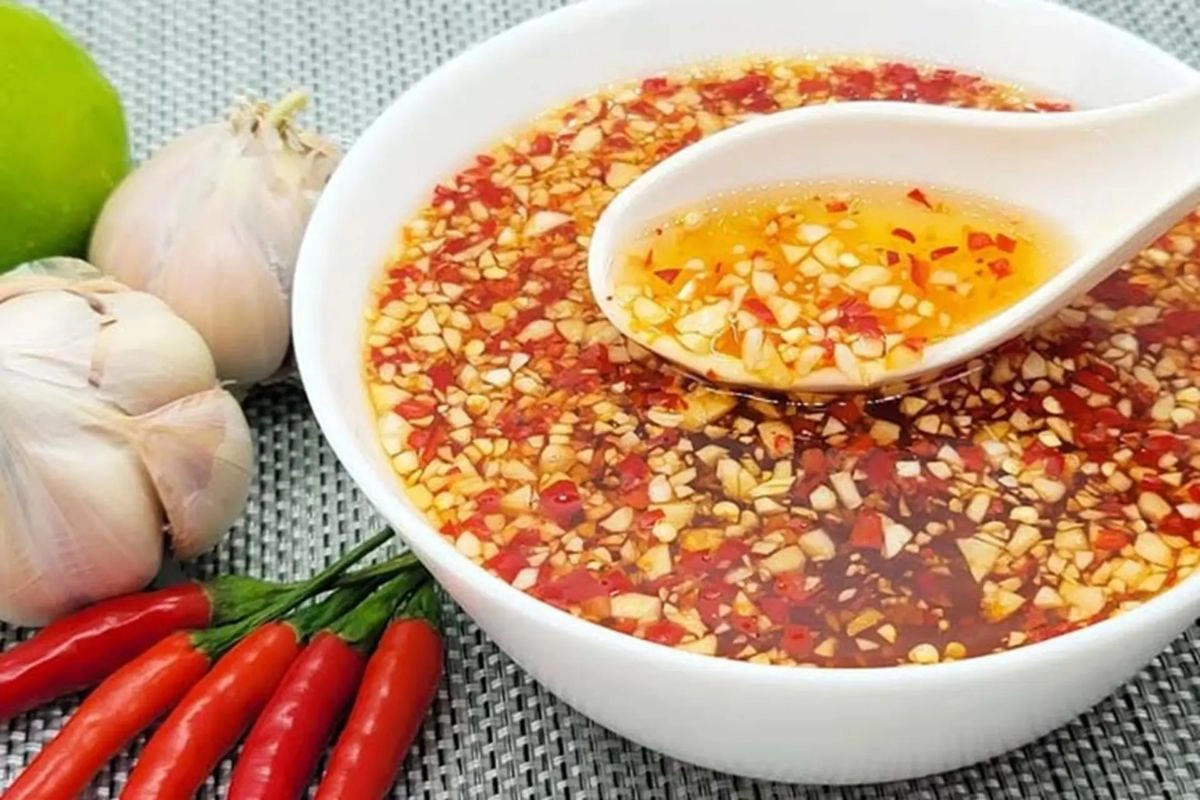
The warm fish sauce broth (nuoc cham) arrives at your table relatively mild, designed to appeal to a wide variety of palates. It is up to you to balance the flavors by utilizing the condiments placed in the center of the table.
Locals usually squeeze a wedge of fresh lime or kumquat into the bowl to add acidity, followed by a few slices of fresh red chili for heat. Many shops also provide a small jar of garlic vinegar; adding a spoonful of this sharply cuts through the richness of the fried shallots and pork filling, elevating the entire dish.
3.3. Useful Vietnamese Words When Ordering
Ordering banh cuon using simple Vietnamese phrases in Hanoi
Navigating a busy local breakfast spot is much easier when you know exactly what to ask for. English is not always spoken at older street food stalls, so memorizing a few basic terms will significantly improve your dining experience.
Use the phrase banh cuon nhan thit when you want the classic version filled with minced pork, or banh cuon chay if you prefer a vegetarian version. If you do not like fried shallots on top, simply say khong hanh, and remember to order an iced tea (tra da) to wash everything down like a true Hanoian.


4. FAQs About Banh Cuon Hanoi
4.1. Is banh cuon gluten-free?
The rice sheets themselves are made entirely from rice flour, tapioca starch, and water, making them naturally gluten-free. However, the dipping sauce and marinated meat fillings occasionally contain soy sauce or other cross-contaminants. Travelers with severe celiac disease should exercise caution, as street food environments share utensils and cooking surfaces.
4.2. Can vegetarians eat banh cuon in Hanoi?
Vegetarians can order banh cuon chay (plain rice sheets) or versions filled with mushrooms or vegetables. The main challenge is the dipping sauce, which is fundamentally based on fish sauce. You can politely ask the vendor for nuoc tuong (soy sauce) instead, though you will miss out on the traditional warm broth experience.
4.3. What is the difference between banh cuon and pho cuon?
While both feature rice elements and the word "cuon" (roll), they are entirely different dishes. Banh cuon consists of a wet, steamed batter cooked on the spot and served warm with a minced pork filling. Pho cuon uses pre-made, solid sheets of pho noodles rolled tightly around stir-fried beef and fresh lettuce, typically eaten cold or at room temperature as an appetizer.
4.4. How much does a plate of banh cuon cost in Hanoi?
A standard portion of banh cuon at a local street stall typically costs between 30,000 and 60,000 VND ($1.20 to $2.40 USD). The final price fluctuates based on the location of the restaurant and the number of extra meat side dishes (cha) you order. Michelin-recognized or air-conditioned venues may charge closer to 70,000 VND per person.
Exploring banh cuon Hanoi gives travelers a delicious introduction to the capital’s traditional breakfast culture, from freshly steamed rice rolls in the Old Quarter to Michelin-recognized local favorites. By knowing where to eat, which side dishes to choose and how to customize the dipping sauce, you can enjoy this delicate specialty with greater confidence. For help with food recommendations, itinerary planning, reliable transportation, local tours and personalized travel support, contact Joytime: Vietnam Travel to arrange a smooth and memorable Hanoi experience.
|
Joytime Travel Agency - Travel JOY, TIMEless Vietnam Safe, Seamless, Satisfying, Sustainable Follow us for travel tips, local insights, and exclusive offers:
|

Danish Nguyen
Danish Nguyen is a renowned travel blogger in Vietnam with over 5 years of experience sharing unique travel experiences. With a passion for exploring new places, Danish captures incredible moments and provides readers with valuable tips to discover the beauty of his homeland.