








Hang Ma Street Hanoi: Best Things to See, Buy & Travel Guide
The main content of the article
- 1. What to See and Do on Hang Ma Street Hanoi
- 2. Travel Guide to Hang Ma Street Hanoi
- 3. Why Hang Ma Street Is One of Hanoi's Most Unique Cultural Streets
- 4. Frequently Asked Questions (FAQ)
- 4.1. Is Hang Ma Street Worth Visiting Outside Festival Seasons?
- 4.2. What Is the Best Festival to Experience on Hang Ma Street?
- 4.3. Is Hang Ma Street Suitable for Families with Children?
- 4.4. Are Prices Negotiable When Shopping on Hang Ma Street?
- 4.5. Can I Visit Hang Ma Street with Other Old Quarter Attractions?
Hang Ma Street Hanoi is one of the Old Quarter's most vibrant attractions, famous for its colorful decorations, traditional craft shops, and seasonal festivals. During the Mid-Autumn Festival, Tet, and Christmas, the street transforms into a lively display of lanterns and festive ornaments, creating one of the city's most photogenic destinations. This guide covers everything you need to know before visiting Hang Ma Street Hanoi.
1. What to See and Do on Hang Ma Street Hanoi
Hang Ma Street Hanoi offers three distinct experiences depending on your interests: admiring the seasonal festival displays that transform the street during major holidays, shopping for handmade crafts and traditional decorations, and using it as a starting point to explore the surrounding Old Quarter attractions.
1.1. Admire the Colorful Festival Decorations
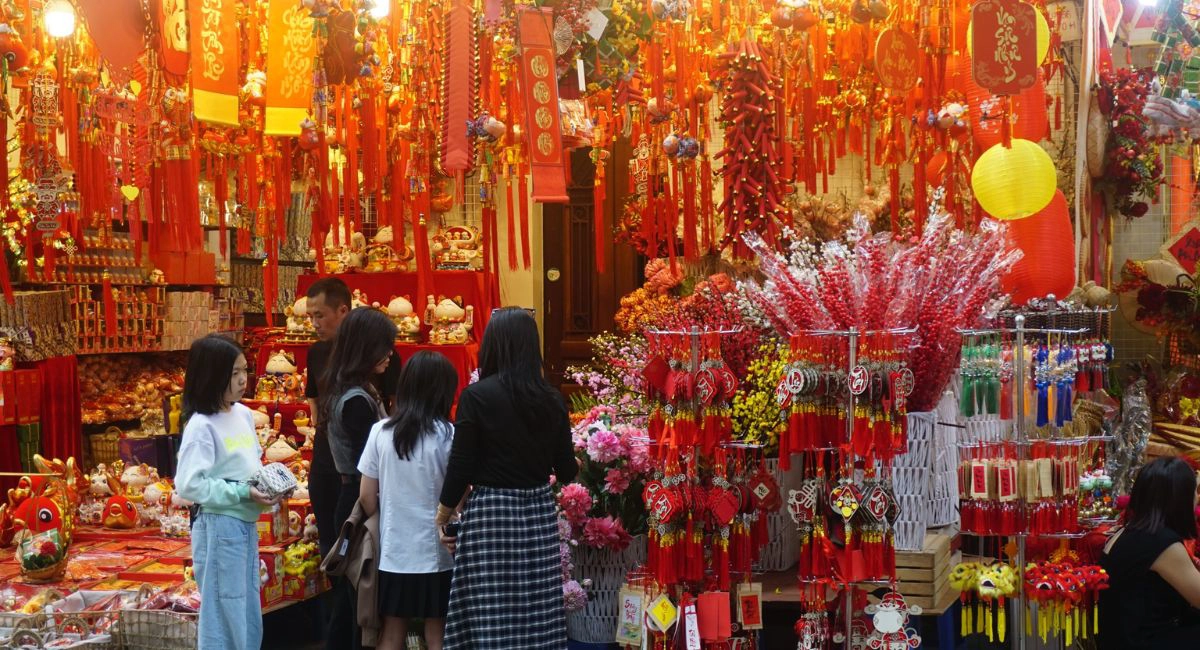
Hang Ma street Hanoi lantern festival
The best time to visit Hang Ma Street Hanoi depends on the type of experience you're looking for, but the Mid-Autumn Festival (Tết Trung Thu) is widely considered the most spectacular season. Usually held in September, the festival transforms the entire street into a vibrant display of handmade lanterns, colorful masks, lion dance costumes, and festive decorations. Families, photographers, and visitors gather to enjoy one of the most lively cultural celebrations in Hanoi, making this the street's busiest and most photogenic time of year.
Another popular season is Tet (Vietnamese Lunar New Year), which typically takes place in January or February. During the weeks leading up to the holiday, Hang Ma Street is filled with traditional decorations symbolizing luck, prosperity, and happiness. Red and gold ornaments, lucky money envelopes, peach blossom decorations, and paper offerings dominate the shopfronts as local families prepare for the country's biggest annual celebration. The festive atmosphere offers visitors an authentic glimpse into Vietnamese New Year traditions.
In December, Hang Ma Street takes on a different character as Christmas decorations begin to appear alongside traditional Vietnamese products. Christmas trees, LED lights, and festive ornaments create a unique blend of local and international influences. Even outside major festivals, the street remains an interesting destination where visitors can browse paper crafts, ceremonial items, and handcrafted decorations, making it a worthwhile stop throughout the year.
>> Read more: Best Month to Travel Vietnam for a Perfect Trip
1.2. Shop for Traditional Crafts and Souvenirs
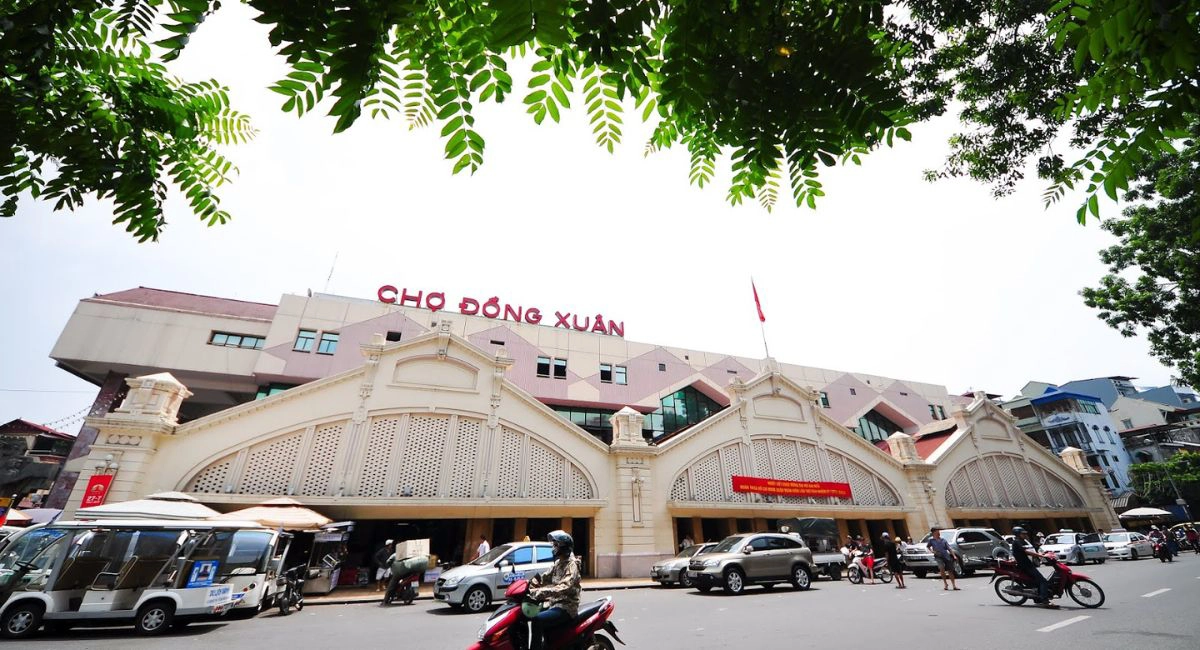
Dong xuan market hanoi souvenirs
Shopping is one of the highlights of visiting Hang Ma Street Hanoi, especially if you're looking for traditional decorations, handmade crafts, or seasonal festival items. Unlike many souvenir shops in tourist areas, the stores here primarily serve local customers, so you'll find a wider selection at more affordable prices. During major festivals, the street is filled with colorful displays, making it one of the best places in Hanoi to experience local shopping culture.
Popular items include handmade paper and silk lanterns, Mid-Autumn star lanterns, Tet decorations, lucky red envelopes, paper fans, and festive ornaments. Many shops also sell traditional paper votive offerings, including gold and silver paper, miniature houses, and symbolic items used in Vietnamese religious ceremonies. These products reflect the country's long-standing cultural traditions and make unique souvenirs or gifts.
For the best shopping experience, bring cash in small denominations and take time to compare prices between a few stores before making larger purchases. While small items usually have fixed prices, discounts may be available when buying in bulk. Even if you don't plan to shop, strolling along Hang Ma Street and browsing the vibrant displays is a memorable experience that offers a closer look at Hanoi's traditional craftsmanship and festive culture.
1.3. Explore Nearby Attractions
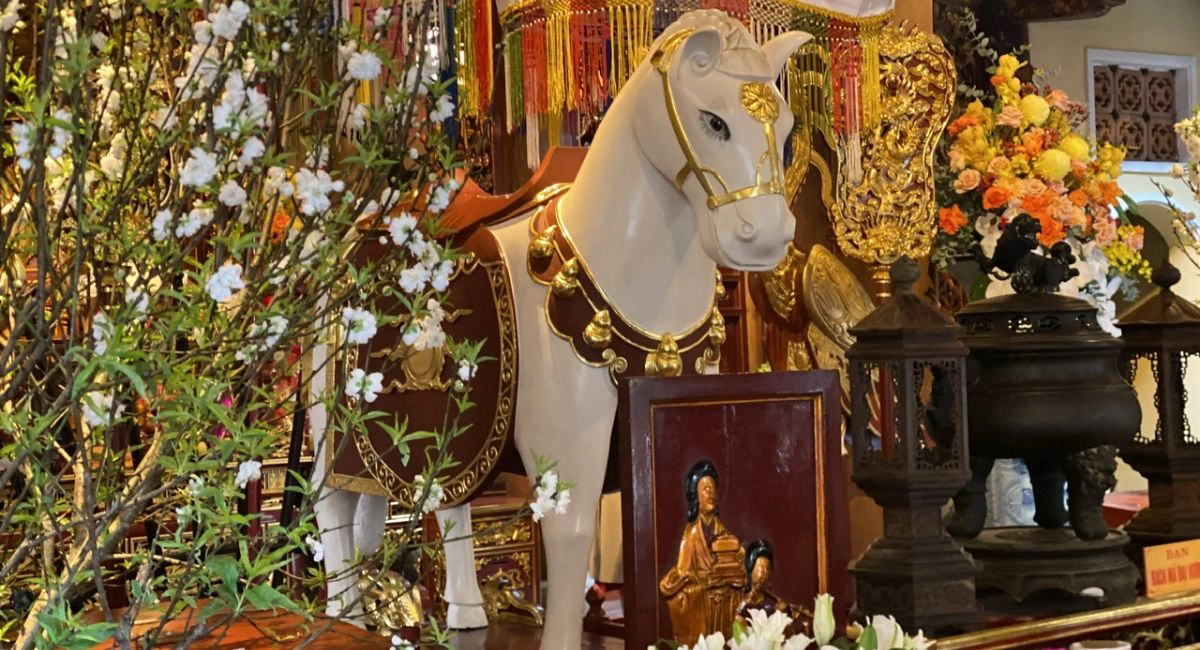
Bach ma temple hanoi old quarter
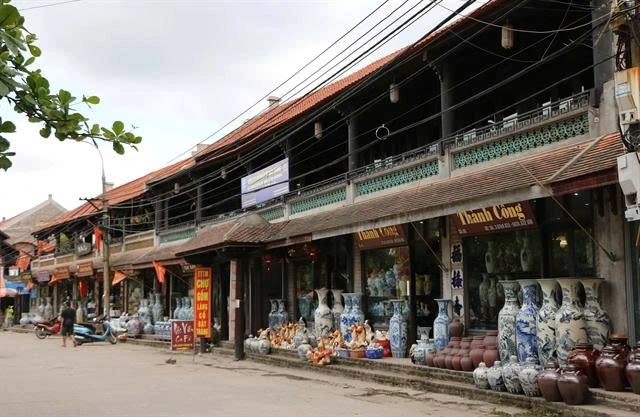
Hang Ma Street sits in the northwestern corner of the Old Quarter and connects naturally to Dong Xuan Market, Bach Ma Temple, Hoan Kiem Lake, and the Weekend Night Market, making it a perfect stop on a Hanoi walking tour.
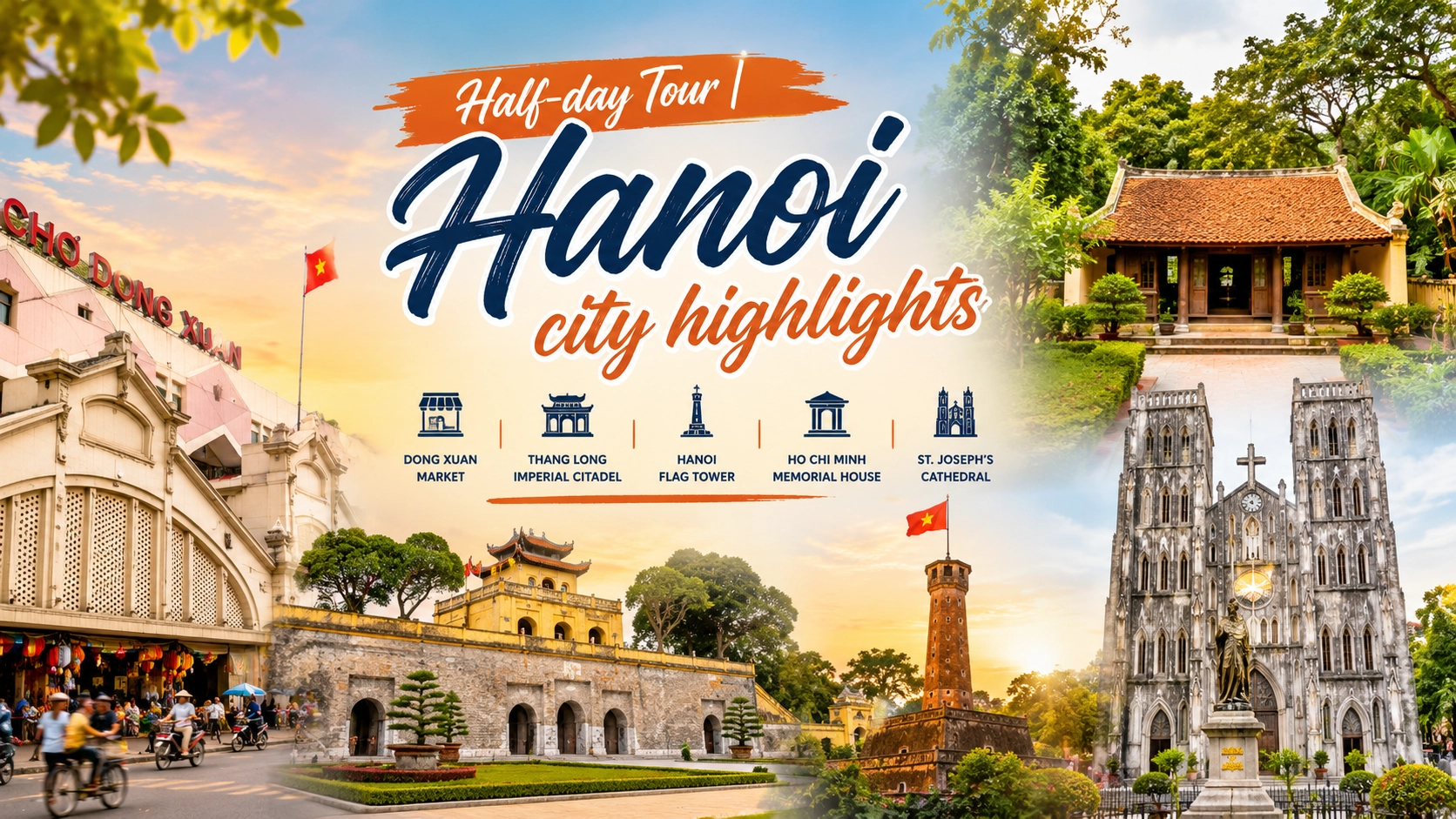
Dong Xuan Market, a five-minute walk northeast along Hang Chieu Street, is Hanoi's oldest and largest covered market, a three-floor structure selling wholesale clothing, household goods, and fresh produce, with street food stalls operating at ground level from early morning. It is liveliest between 7am and 10am and complements a Hang Ma visit perfectly as a morning pairing.
Bach Ma Temple (Temple of the White Horse), at the corner of Hang Buom Street two minutes from Hang Ma, is the oldest temple in the Old Quarter, founded in the 9th century and associated with the legend of a white horse that appeared to guide the building of Hanoi's original citadel walls. It is small, often overlooked, and genuinely atmospheric in a way that the more famous Ngoc Son Temple across the lake is not.
Hoan Kiem Lake is a 15-minute walk south through the Old Quarter streets, a pleasant walk in itself that passes through the densest and most interesting part of the 36-street neighborhood. The Weekend Night Market along Hang Dao and Dong Xuan runs Friday through Sunday evenings and begins just a few hundred meters from the southern end of Hang Ma.
>> Read more: Best Time to Visit Vietnam With Family: Weather & Travel Tips
2. Travel Guide to Hang Ma Street Hanoi
Hang Ma Street Hanoi runs between Hang Phen Street to the north and Hang Luoc Street to the south, in the northwestern section of the Old Quarter, a short, easily walkable lane that is most rewarding when visited with enough time to browse properly rather than pass through quickly.
2.1. Best Time to Visit Hang Ma Street
The absolute best time to visit Hang Ma Street is the two to three weeks before the Mid-Autumn Festival in September, when the street reaches its most spectacular visual peak, but the street is worth visiting in any season, with Tet (January - February) and Christmas (December) offering the next most impressive seasonal displays.
For photography specifically, the best hours are before 8am when the morning light is soft, the street is quiet, and the decorations can be photographed without crowds. Arriving after 9am on weekends during festival seasons means navigating dense foot traffic that makes both movement and photography considerably harder. Weekday mornings are noticeably calmer than weekends at any time of year.
Hang Ma street Hanoi opening hours follow the general Old Quarter pattern: most shops open between 8am and 9am and close between 9pm and 10pm daily. During the weeks immediately before major festivals, shops frequently extend to 11pm or later and begin opening by 7am to catch early buyers. There are no official closing days, and the street operates seven days a week throughout the year.
Outside festival seasons, Hang Ma retains its everyday character as a working paper goods and decoration street, making it one of the best places to discover authentic Vietnam local experiences beyond the city's major tourist attractions. The visual intensity is lower, but the browsing experience is more relaxed and the shopkeepers have more time to talk. For travelers who want to understand what the street actually is rather than just experience it at its most photogenic, a non-festival visit offers something the festival crowds cannot.
>> Read more: Hanoi Sightseeing Tours | Joytime Travel Agency
2.2. How to Get There
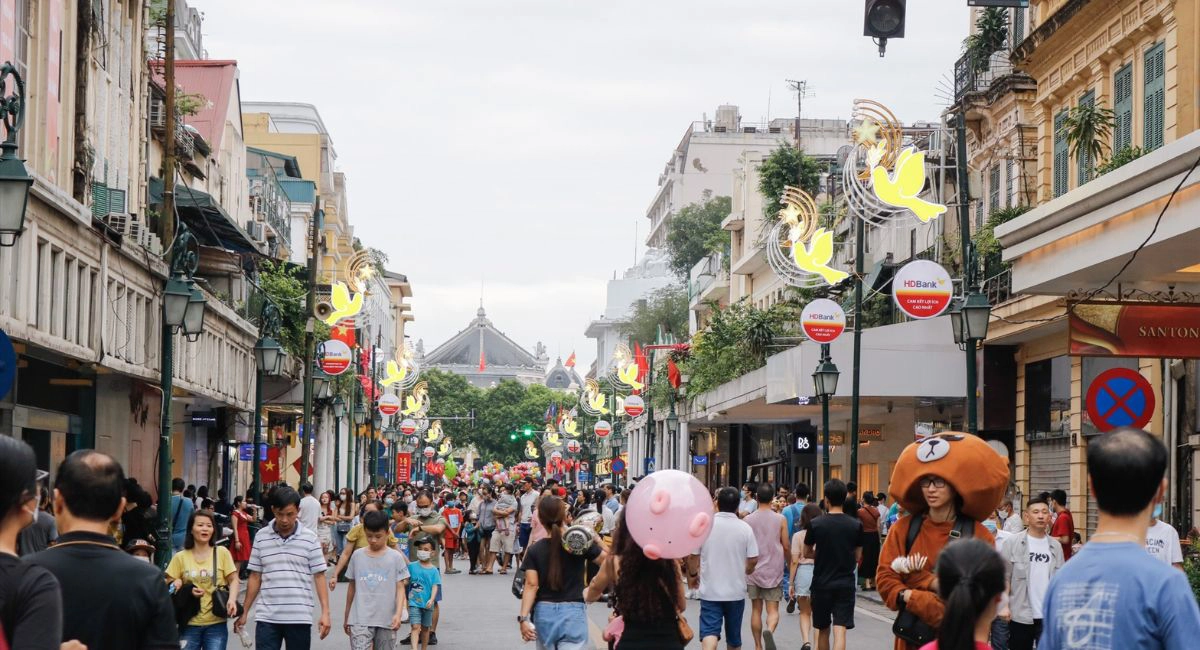
Hoan Kiem lake to Hang Ma street
Hang Ma Street Hanoi directions from Hoan Kiem Lake: walk north through the Old Quarter along Hang Dao Street, turn left onto Hang Luoc Street, and Hang Ma begins at the intersection, a walk of approximately 12–15 minutes from the lake's northern shore.
This walking route passes through several of the Old Quarter's most interesting commercial streets and is more rewarding than any motorized option for travelers with time. From the lake, head north on Hang Dao (known for its fabric and clothing shops), continue through Hang Non, and turn left on Hang Luoc to reach the southern entrance of Hang Ma.
For those arriving from further afield, from hotels in the French Quarter, Ba Dinh, or Tay Ho, Grab is the most practical option. Set Hang Ma Street, Hoan Kiem, Hanoi as your destination. The street itself is too narrow for car drop-off during busy periods, so drivers typically stop at the nearest intersection and you walk the final 100–200 meters. Hang Ma Hanoi is well-indexed on Google Maps and navigation apps, and the pin drops accurately at the street's southern entrance near Hang Luoc.
Public buses stop near Dong Xuan Market on routes 14, 23, and 36, a three-minute walk from Hang Ma's northern end. Bus travel makes most sense for visitors already familiar with Hanoi's bus system; for first-time visitors, Grab is simpler and more reliable.
Parking in the immediate area is limited, motorbikes can be left at supervised parking spots on Hang Chieu or Hang Khoai streets nearby (VND 5,000–10,000 per hour). Car parking in the Old Quarter is not recommended; use Grab and avoid the logistics entirely.
2.3. Useful Tips for Visitors
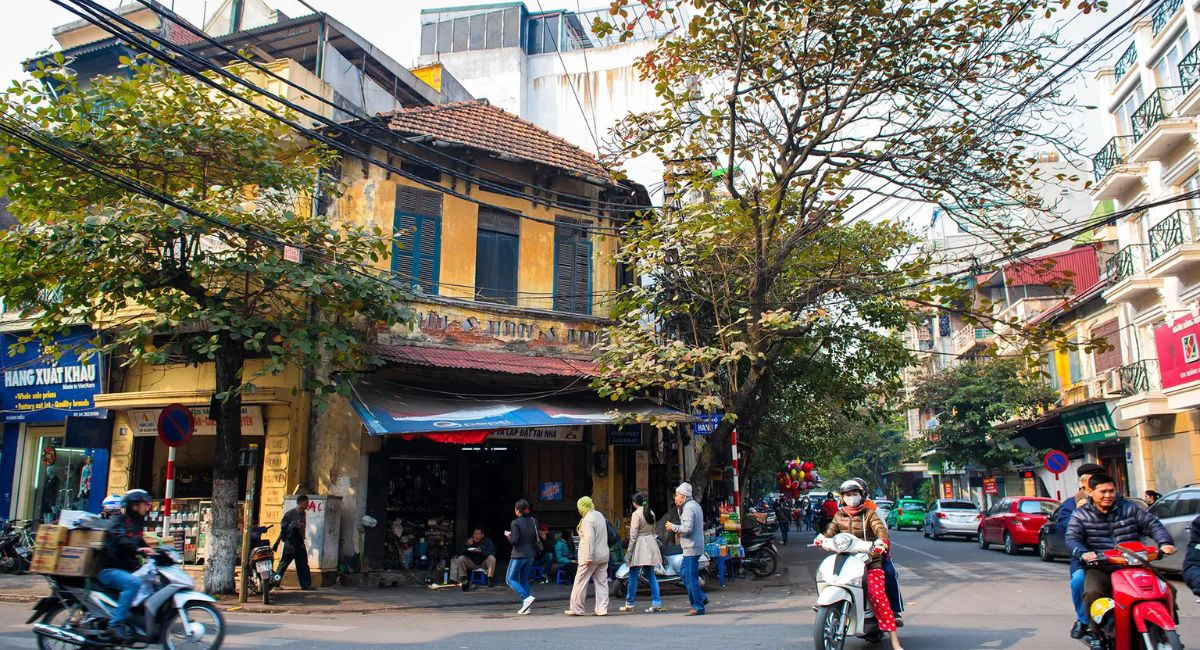
Hanoi old quarter walking street
Visit Hang Ma Street Hanoi early in the morning, preferably before 9:00 AM on weekdays or before 8:00 AM during festival seasons, to avoid large crowds and enjoy the best lighting for sightseeing and photography. Early visits also provide a more relaxed shopping experience before the street becomes busy.
Most shops offer reasonable prices, so heavy bargaining is unnecessary. If you're purchasing multiple items, it's acceptable to politely ask for a small discount, while comparing prices between a few stores can help you find the best deal. Since many vendors only accept cash, bring small denominations of Vietnamese Dong for convenient payments.
Photography is welcome throughout the street, especially during the Mid-Autumn Festival and Tet when colorful decorations fill the shopfronts. If you plan to photograph shop owners or the inside of a store, asking for permission is considered polite. For the best photos, visit in the soft morning light when the lanterns and festive displays create the most vibrant atmosphere.
>> Read more: Hanoi Street Food Tour: A Full Guide to Local Eats in Hanoi
3. Why Hang Ma Street Is One of Hanoi's Most Unique Cultural Streets
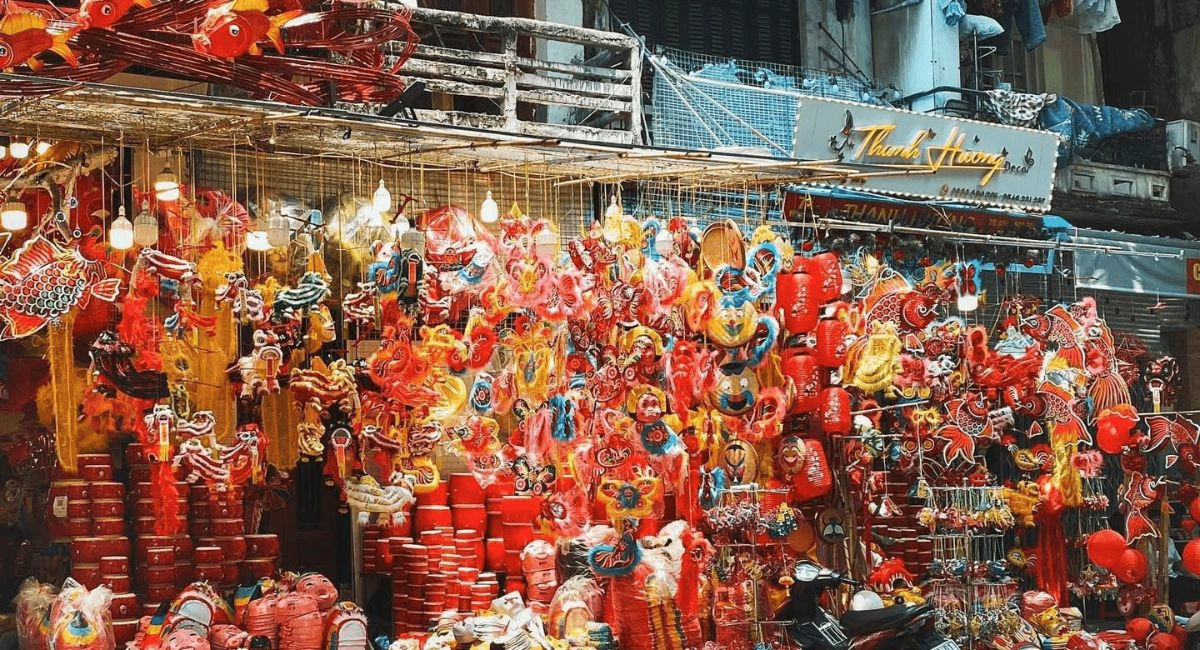
Hang ma street traditional paper shops
Hang Ma Street is uniquely significant in Hanoi's Old Quarter because it is one of the only streets in the 36-street network that has maintained its original trade, paper goods and votive offerings, in essentially unbroken form from the 15th century to the present day.
The name "Hang Ma" translates literally as "Votive Paper Street", a reference to the paper goods burned as offerings to ancestors and deities in Vietnamese spiritual practice. In the 15th century, when the Old Quarter's street system was organized around single-trade guilds, Hang Ma's merchants produced and sold the paper horses, paper money, and paper household goods burned at family altars and temple ceremonies. This tradition continues today: walk into any shop and alongside the lanterns and ornaments you will find the same votive paper goods that the street has sold for six centuries.
What distinguishes Hang Ma Hanoi from other Old Quarter streets is the way this ancient craft has evolved without losing its core identity. The paper goods and decorations sold here have expanded with the festival calendar, incorporating Christmas ornaments alongside Mid-Autumn lanterns, LED lights alongside traditional candles, while the essential character of the street as a place of festive preparation has remained constant. Local families still come here before every major celebration to buy what they need, just as their grandparents did, giving the street a living cultural significance that most tourist-facing streets in the Old Quarter have lost.
The visual spectacle of Hang Ma during festival seasons is the result of this accumulated tradition, not a manufactured attraction but the natural outcome of what happens when a craft tradition and a festival culture reinforce each other across centuries.
>> Read more: Day Tour | Discover Hanoi's Cultural & Historical Landmarks
4. Frequently Asked Questions (FAQ)
4.1. Is Hang Ma Street Worth Visiting Outside Festival Seasons?
Yes. Hang Ma Street Hanoi is worth visiting year-round. Outside festival seasons, the street is quieter, making it easier to browse local crafts, decorations, and souvenirs at a relaxed pace.
4.2. What Is the Best Festival to Experience on Hang Ma Street?
The Mid-Autumn Festival is the best time to visit, thanks to its colorful lantern displays and festive atmosphere. Tet (Lunar New Year) is another popular season, with vibrant decorations and traditional celebrations.
4.3. Is Hang Ma Street Suitable for Families with Children?
Yes. Hang Ma Street is family-friendly, especially during the Mid-Autumn Festival when children can enjoy lanterns, masks, and festive decorations. For a quieter visit, choose weekday mornings.
4.4. Are Prices Negotiable When Shopping on Hang Ma Street?
Yes, but only to a certain extent. Small discounts are often available for larger purchases, while prices on individual items are usually fixed. Comparing prices between shops is recommended.
4.5. Can I Visit Hang Ma Street with Other Old Quarter Attractions?
Yes. Hang Ma Street is within walking distance of Dong Xuan Market, Bach Ma Temple, Hoan Kiem Lake, and Ngoc Son Temple, making it easy to combine several attractions into one Old Quarter itinerary.
Hang Ma Street Hanoi is one of the best places to experience Hanoi's traditional culture, colorful festivals, and local shopping. Plan your visit with Joytime: Vietnam Travel for authentic walking tours and local experiences in the Old Quarter. Discover more unforgettable journeys across Hanoi and Northern Vietnam.
|
Joytime Travel Agency - Travel JOY, TIMEless Vietnam Safe, Seamless, Satisfying, Sustainable Follow us for travel tips, local insights, and exclusive offers:
|

Danish Nguyen
Danish Nguyen is a renowned travel blogger in Vietnam with over 5 years of experience sharing unique travel experiences. With a passion for exploring new places, Danish captures incredible moments and provides readers with valuable tips to discover the beauty of his homeland.