






Best Month to Travel Vietnam for a Perfect Trip
Choosing the best month to travel Vietnam can help you enjoy better weather, smoother itineraries, and more memorable experiences across the country. From the cool charm of the north to the sunny beaches of central Vietnam and the tropical south, each region has its own ideal travel season. To plan your trip with more confidence, let’s explore the best time to visit Vietnam with Joytime Travel.
1. What is the best month to travel Vietnam?
There is no single month that suits every trip to Vietnam, as each region has its own weather pattern and travel experience. However, in terms of ease of planning, March to April and October to November are often two of the most worthwhile periods to consider.
1.1. March to April is one of the easiest times to travel
March to April is suitable for travelers who want to prioritize beaches, islands, forests, and outdoor activities, as the weather during this period is often sunny with fewer prolonged rainy days. As a result, experiences such as swimming, taking boat trips, light trekking, sightseeing, or photography are easier to plan. Although daytime temperatures can be quite hot, stable sunshine also helps reduce the chance of sudden cancellations or major itinerary changes.
1.2. October to November offers pleasant weather for most itineraries
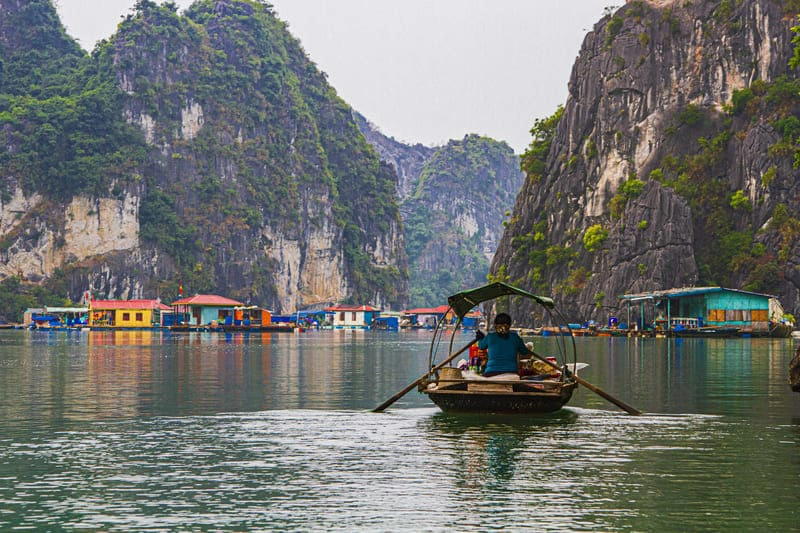
October to November offers pleasant weather for most itineraries - Source: Magnific
October to November is ideal for itineraries that involve frequent movement, as the weather is usually milder after the hot and humid period. With more comfortable conditions, travelers can walk around old towns, visit local markets, explore historical sites or enjoy street food without feeling too drained. This level of comfort makes multi-destination trips feel smoother, lighter and easier to enjoy.
>> Read more: When to Visit Sapa Vietnam: Best Time for Every Travel Style
2. The best month to travel Vietnam by region
The best month to visit Vietnam depends on the region you plan to explore. Since the north, central coast, and south offer different weather patterns and travel experiences, choosing by region will help you build a more practical itinerary.
2.1. Northern Vietnam is best visited in spring and autumn
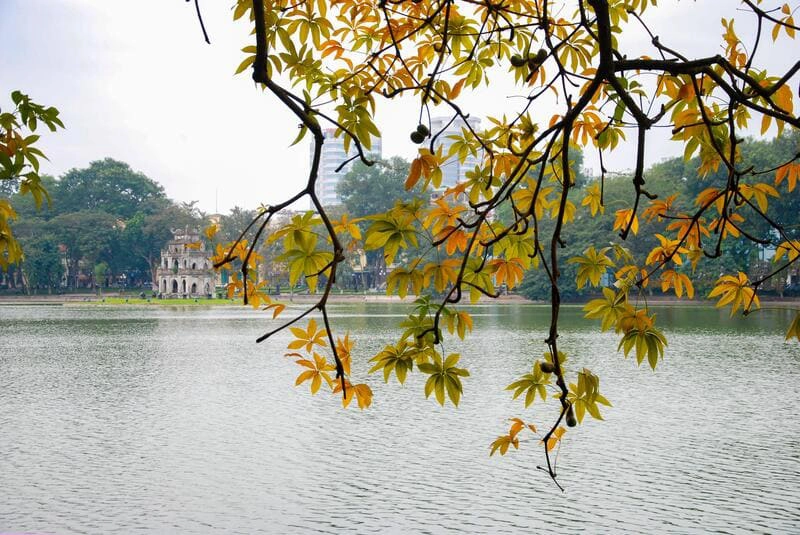
Northern Vietnam is best visited in spring and autumn - Source: Pixabay
Northern Vietnam is often best visited in spring and autumn, particularly from March to April and from September to November. Spring is suitable for travelers who want to experience Hanoi, Ninh Binh, Ha Long Bay, or traditional craft villages in a softer post-Tet atmosphere. During this period, the scenery becomes greener, while sightseeing feels more relaxed than during the busiest festival days.
Autumn, especially from September to November, is more suitable for trips focused on landscapes, photography, and highland exploration. This is when Northern Vietnam shows a clearer seasonal transition, creating a more distinctive experience in Ha Giang, Sa Pa, Mu Cang Chai, or along mountain routes. Beyond convenience, this period also allows travelers to feel the deeper, calmer, and more culturally rich side of the region.
>> Read more: Day Tour I Exploring Hanoi Capital | Joytime
2.2. Central Vietnam is best explored during the dry season

Central Vietnam is best explored during the dry season - Source: Pixabay
Central Vietnam is best explored during the dry season, which generally runs from February to August, depending on the destination. For many travelers, this period can be considered the best month to travel Vietnam if they want to balance culture, heritage, beaches, and outdoor sightseeing in one itinerary. From February to April, the region is well-suited for culture and heritage-focused itineraries, especially for travelers who want to visit Hue, Hoi An, or Da Nang while still having enough time for outdoor sightseeing. This period makes it easier to combine ancient towns, imperial sites, museums, and local cuisine.
From May to August, Central Vietnam becomes more suitable for beach holidays and longer coastal stays. Destinations such as Nha Trang, Quy Nhon, Phu Yen, and Da Nang are especially attractive for swimming, island tours, seafood experiences, or resort stays. However, as the sun can be quite strong, travelers should plan cultural visits in the morning and save the afternoon for the beach or rest.
2.3. Southern Vietnam is easiest to visit from December to April
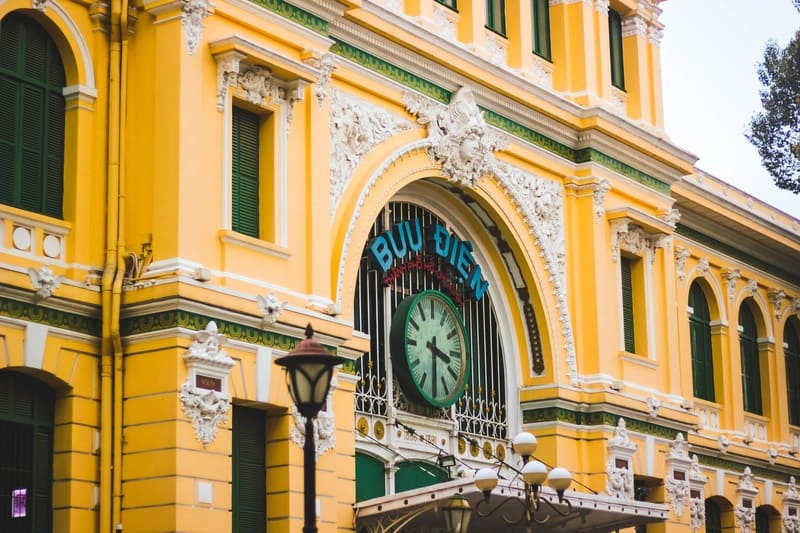
Southern Vietnam is easiest to visit from December to April - Source: Pixabay
Southern Vietnam is easiest to visit from December to April, as this period works well for city travel, river-based experiences, and short getaways. December to February is suitable for travelers who want to explore Ho Chi Minh City, enjoy food, shopping, architectural landmarks and nearby day trips. Travel services during this period are also relatively stable, making itineraries easier to arrange.
From March to April, Southern Vietnam can become hotter, but it remains a practical time to visit for travelers who need a flexible trip with fewer weather-related disruptions. This period is suitable for short itineraries, family trips, or a few days of relaxation. By arranging main activities in the early morning and late afternoon, travelers can still enjoy the journey comfortably.
3. Times to consider carefully before visiting Vietnam
Some periods in Vietnam are still suitable for travel, but travelers should check carefully before booking flights, hotels, and tours. By understanding the potential risks of each period, you can plan a more flexible itinerary.
3.1. The rainy season can affect your travel plans
The rainy season usually lasts from May to November, but its impact varies by region. Northern and Southern Vietnam often see short rain showers from May to September, while Central Vietnam tends to receive heavier rain from September to November. Since rain can slow down transportation or shorten outdoor activities, your itinerary should include some buffer time.
3.2. The typhoon season should be checked before booking
The typhoon season is typically monitored from June to November, especially if your itinerary includes the northern and central coastal areas. Even if this period includes the best month to travel Vietnam for certain destinations, travelers should still pay attention to weather conditions before finalizing their plans. When a typhoon or tropical depression occurs, flights, boats, sea tours and some mountain passes may be affected. Therefore, travelers should check the weather forecast and cancellation policies before booking fixed services.
3.3. The peak season is often more crowded and expensive
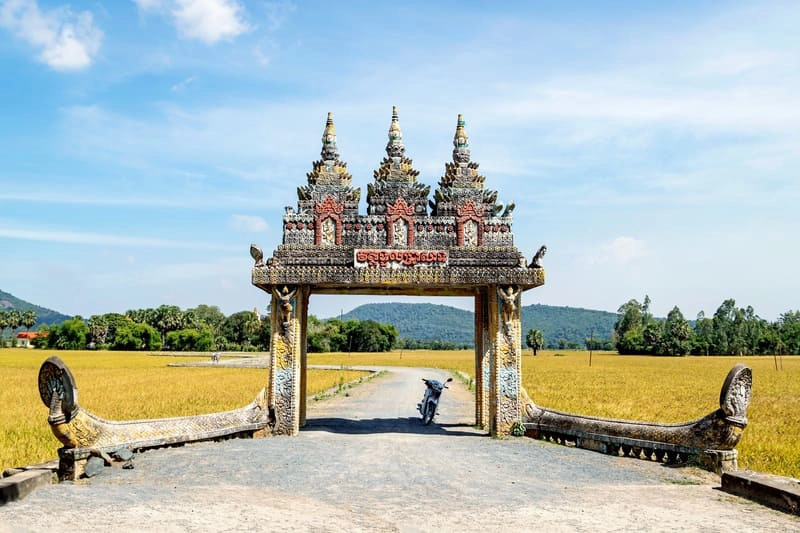
The peak season is often more crowded and expensive - Source: Pixabay
Peak travel periods often fall around Tet, the April 30 to May 1 holiday, the summer months from June to August, and late December. During these times, airports are busier, hotels fill up faster, popular tours are easier to sell out, and service prices may increase. If you travel during these periods, it is better to book early and avoid overly tight schedules.
4. How to choose the right month to visit Vietnam
Choosing the right month to travel Vietnam depends on how you want to travel. A first-time trip, a beach holiday, and a budget-friendly journey all need different timings to make the itinerary easier to manage.
4.1. First-time visitors should choose months with stable weather
For first-time visitors to Vietnam, stable weather makes the trip easier to manage because you are still getting used to the traffic, time zone, food, daily rhythm and distances between destinations. If the weather changes constantly, adjusting hotels, transfers, or day tours can become tiring. Therefore, it is better to choose months that are easier to plan around, visit fewer places, and spend enough time in each destination.
4.2. Beach lovers should prioritize sunny and dry months
For a beach trip, the right month should be chosen based on the actual beach experience, not only because a resort has a good deal. If the weather is cloudy, the sea is rough, or it rains often, travelers may not be able to swim, photos may look less appealing, and island tours may change their schedules. Before booking a resort, check the beach season, boat schedules, and whether the destination suits children or older travelers.
4.3. Budget travellers should avoid peak travel periods
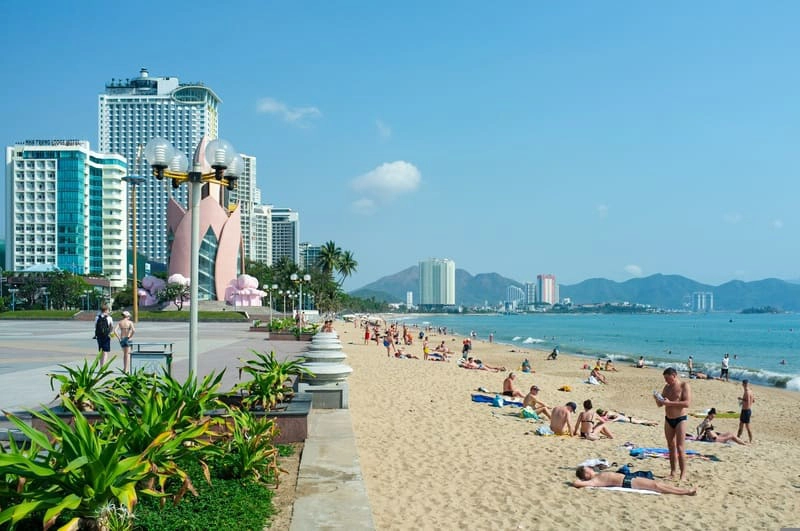
Budget travellers should avoid peak travel periods - Source: Pixabay
For budget travelers, the month you choose directly affects how much you pay for flights, hotels and domestic transport. When deciding on the best month to travel Vietnam, the issue is not only higher prices but also that better rooms sell out quickly, convenient flight times become limited, and group tours can fill up early. To optimize your budget, travel a few days away from major holidays, choose weekdays, and keep your itinerary flexible enough to catch better prices.
5. FAQs about the best month to travel Vietnam
1. What is the cheapest month to fly to Vietnam?
There is no fixed cheapest month for every route, but September, October, May, and June often bring lower fares because they sit outside major holiday peaks. For better prices, compare flights into Hanoi and Ho Chi Minh City, set alerts early, and avoid booking close to Tet or late December.
2. How many days do you need to travel around Vietnam?
For a first Vietnam trip, 10 to 14 days is a practical range. 10 days can cover 2 or 3 main stops without rushing too much, while two weeks gives you more room to combine the north, central coast, and south. A one-week trip is better for one region only.
To choose the best month to travel Vietnam, travelers should not simply look for one ideal month for the entire journey. Instead, it is important to consider the destination, regional weather patterns, and the type of experience you want. With the right timing, your trip will be easier to plan, less affected by unexpected changes, and more enjoyable from start to finish.
If you want an itinerary that matches your schedule, budget and travel style, Joytime is ready to offer personalized advice and support, helping make your Vietnam journey smoother, more thoughtful and truly memorable.
|
Joytime Travel Agency - Travel JOY, TIMEless Vietnam Safe, Seamless, Satisfying, Sustainable Follow us for travel tips, local insights, and exclusive offers:
|

Danish Nguyen
Danish Nguyen is a renowned travel blogger in Vietnam with over 5 years of experience sharing unique travel experiences. With a passion for exploring new places, Danish captures incredible moments and provides readers with valuable tips to discover the beauty of his homeland.