








When to Visit Sapa Vietnam: Best Time for Every Travel Style
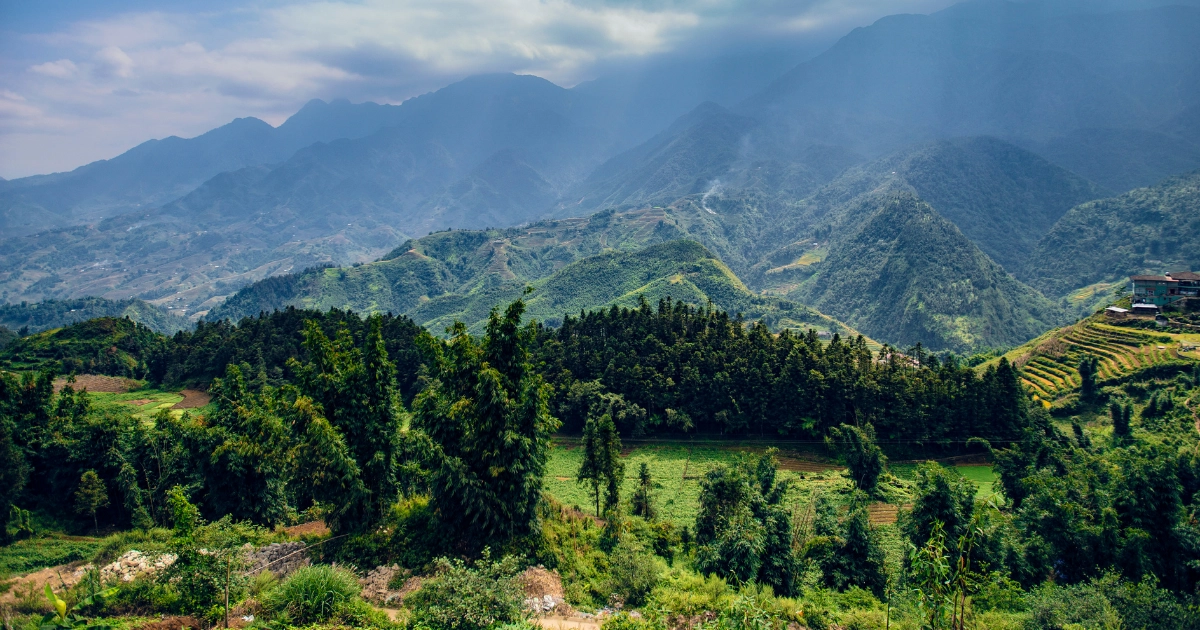
Sapa is a destination that transforms with the seasons, each bringing its own charm and travel experience: vibrant, lush green rice terraces in summer to misty or romantic landscapes in winter. If you are chasing ideal trekking weather, quieter budget-friendly months, or rich cultural encounters, the timing of your trip can shape everything. In this guide, you’ll discover the best time to visit Sapa, Vietnam based on your travel style, so you can plan the perfect journey.
|
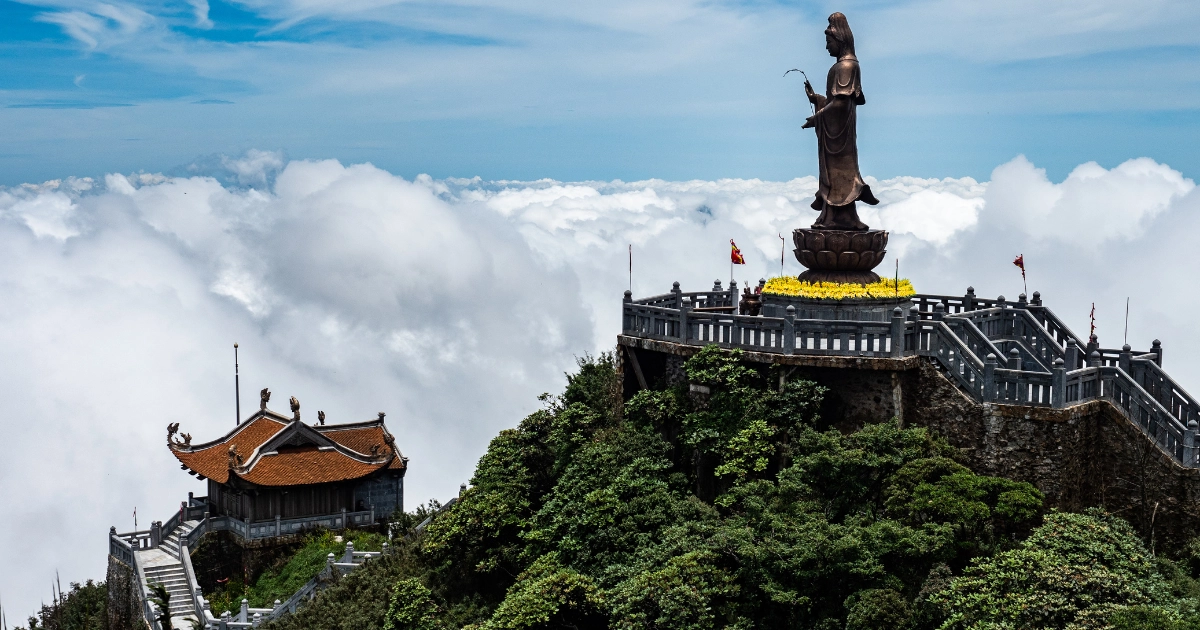
About Sapa, Vietnam Located in the Hoàng Liên Son mountain range in Lào Cai Province, Sapa sits at roughly 1,600 metres above sea level near the border with China. Known for its striking scenery of layered rice terraces, misty valleys, and Mount Fansipan (3,143 m), the highest peak in Vietnam, it stands out as one of the country’s most iconic destinations. Sapa is also home to a rich tapestry of ethnic minority groups, including the H’mông, Red Dao, and Tày communities. This blend of breathtaking landscapes and vibrant cultural traditions gives the region its unique character. As the scenery shifts noticeably throughout the year, choosing when to visit is just as important as planning what to do. Best overall time to visit: March to May and September to November. During these periods, you’ll enjoy mild weather, less rainfall, and Sapa at its most beautiful: spring brings blooming flowers and fresh greenery, while autumn showcases golden rice terraces during harvest season. |
1. When Is the Best Time to Visit Sapa, Vietnam?
When Is the Best Time to Visit Sapa, Vietnam?
Sapa’s climate is shaped by its high elevation and monsoon patterns, creating four distinct seasons that feel very different from lowland Vietnam. Each season offers a unique experience and understanding what each period brings will help you plan a trip that truly matches your travel style.
1.1 Spring (March to May): Best for Trekking, Flowers & Clear Skies
Spring is often considered the best overall time to visit Sapa. As winter fades, temperatures become pleasantly mild, skies clear, and the landscape comes alive with fresh greenery. Rice terraces are replanted, creating vibrant layers of emerald across the hillsides.
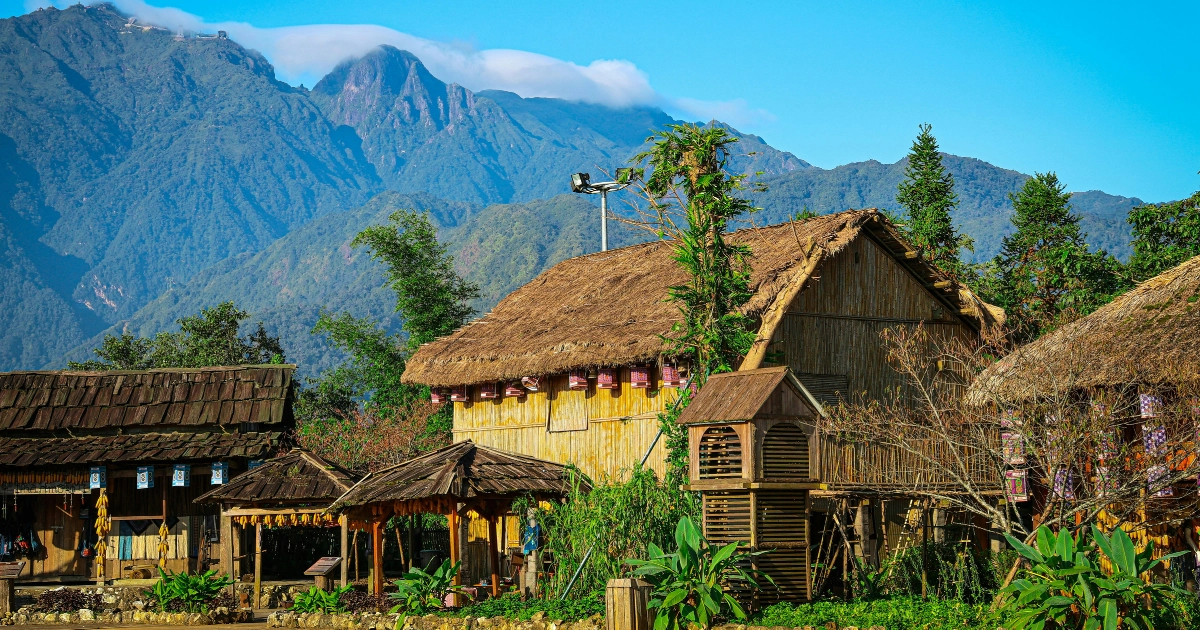
March and April are especially ideal for trekking. Trails are relatively dry, visibility is excellent, and early spring still brings delicate plum and peach blossoms. By May, humidity begins to rise as the rainy season approaches. If you're planning to hike Mount Fansipan or explore Muong Hoa Valley, early to mid-spring offers the most reliable conditions.
-
Season: Peak
-
Temperature: 12–22°C
-
Rainfall: Low to moderate
-
Crowds: Moderate to high
1.2 Summer (June to August): Lush Landscapes & Fewer Crowds
Summer marks Sapa’s monsoon season, with frequent heavy showers in July and August. Rain can make trails slippery, limit visibility, and occasionally disrupt travel plans.
However, this season has its own appeal. The scenery is at its most vibrant: rice fields are deep green, waterfalls are full, and the mountains take on a dramatic, misty atmosphere. With fewer tourists and lower prices, it’s a good time for budget travelers who don’t mind unpredictable weather. Just be sure to pack proper rain gear and consider avoiding longer treks unless guided.
-
Season: Low
-
Temperature: 18–28°C
-
Rainfall: High
-
Crowds: Lower
1.3 Autumn (September to November): Golden Rice Terraces at Their Best
Autumn is widely regarded as Sapa’s most beautiful season. As the rains retreat, the rice terraces turn from green to brilliant shades of gold, creating the region’s most iconic landscapes. The harvest period typically mid-September to early October is a short but spectacular window for photography and sightseeing.
Weather conditions are excellent, with cooler temperatures and clearer skies returning. Trekking becomes enjoyable again, especially in areas like Muong Hoa Valley, Lao Chai, and Ta Van. While September and early October can be busy, late October and November offer a quieter alternative with crisp air and fewer crowds.
-
Season: Best
-
Temperature: 13–22°C
-
Rainfall: Decreasing
-
Crowds: Moderate to high
1.4 Winter (December to February): Quiet, Misty & Atmospheric
Winter brings a completely different side of Sapa. Temperatures can drop significantly, especially at night, and fog often blankets the valleys. Colder periods such as January comes with frost and even occasional snowfall, which is a rare sight in Vietnam.
While visibility may be limited, winter offers solitude and a more local, authentic feel. Tourist numbers are low, and prices are at their most affordable. On clear mornings, the landscape can appear strikingly crisp and serene. If you’re prepared for the cold and enjoy quiet, atmospheric destinations, winter has its own unique charm.
-
Season: Off
-
Temperature: 3–15°C
-
Rainfall: Light drizzle
-
Crowds: Very low
2. Month-by-Month Weather & Conditions in Sapa
Month-by-Month Weather & Conditions in Sapa
Planning your trip by month can make a big difference in what you’ll experience in Sapa. Check the quick guide below to match your travel dates with typical weather conditions and the best activities for each time of year.
|
Month |
Avg Temp |
Rainfall |
Best for |
|
January |
4–13°C |
Low |
Snow spotting, budget travel |
|
February |
5–14°C |
Low |
Quiet walks, plum blossoms |
|
March |
10–18°C |
Low |
Trekking, Fansipan hikes |
|
April |
13–21°C |
Low |
Best trekking, photography |
|
May |
16–24°C |
Moderate |
Green terraces, sightseeing |
|
June |
19–27°C |
High |
Waterfalls, escaping the heat |
|
July |
20–28°C |
High |
Lush scenery, fewer crowds |
|
August |
20–27°C |
High |
Budget stays, dramatic skies |
|
September |
17–25°C |
Moderate |
Early harvest, trekking |
|
October |
14–22°C |
Low |
Peak harvest, photography |
|
November |
10–19°C |
Low |
Quiet trekking, village visits |
|
December |
5–14°C |
Low |
Cosy atmosphere, off-peak calm |
3. How to Choose the Best Time to Visit Sapa Based on Your Activities
How to Choose the Best Time to Visit Sapa Based on Your Activities
Each season brings its own advantages, whether you’re interested in trekking, photography, cultural immersion, or traveling on a budget. Here’s how to choose the best time based on your travel style and priorities.
3.1 Best Time for Harvest Season Photography
If your goal is to capture Sapa’s iconic landscapes, the golden rice season is unmatched. The golden rice season is short (just 2- 3 weeks) and timing can vary slightly each year depending on planting cycles and weather conditions.
-
Best time: Mid-September to early October
-
Light is soft and clear after the rainy season, making it ideal for sunrise and sunset photography
-
Popular viewpoints like Muong Hoa Valley, Lao Chai, and Ta Van are at their most photogenic
-
Expect more tourists and higher prices, so you need to book early
Note: This is the most competitive travel window in Sapa for photographers. If photography is your top priority, build your itinerary around this period and book several months in advance.
3.2 Best Time for Day Hiking & Village Treks
Trekking is one of the main reasons travelers come to Sapa, but trail conditions vary significantly throughout the year. Dry paths, clear skies, and mild temperatures make a huge difference in your experience.
-
Best time: March to April
-
Trails are dry and safer, with less risk of slipping compared to the rainy season
-
Visibility is excellent, offering panoramic views of valleys and mountains
-
Temperatures are comfortable for long hikes (not too hot or cold)
Note: Avoid peak monsoon months (July and August) unless you’re prepared for muddy, slippery trails.
3.3 Best Time to Trek Mount Fansipan
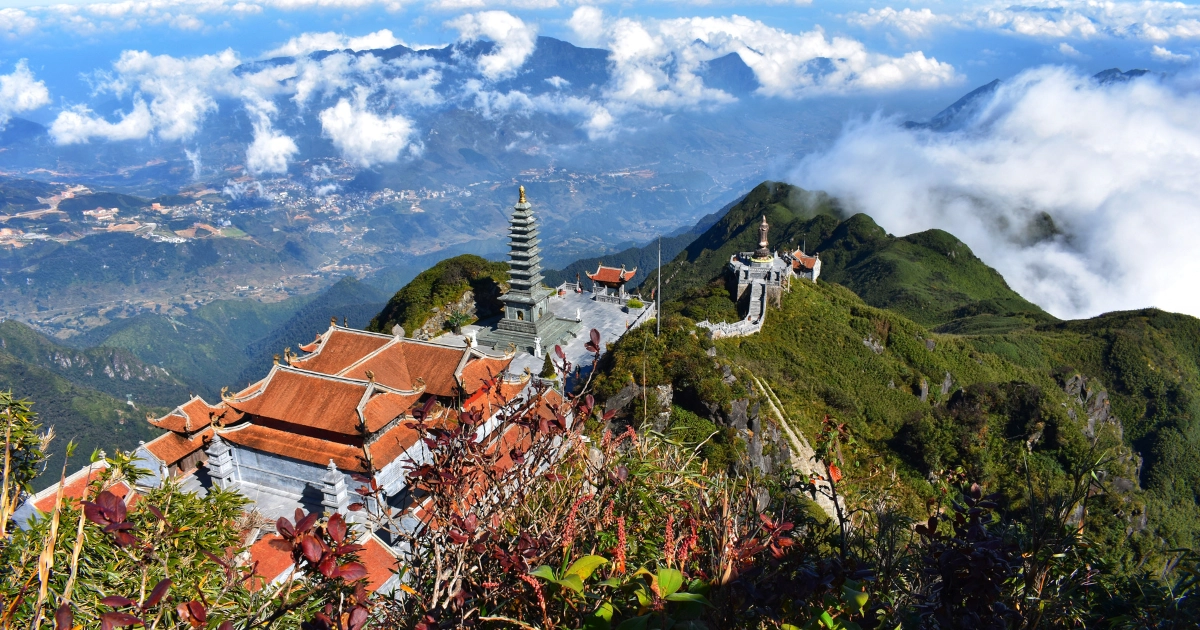
Reaching the summit of Tour Sapa Fansipan (3,143 m) is a highlight for adventure travelers, but weather plays a critical role in both safety and visibility.
-
Best time: March - April and September - October
-
Stable weather conditions improve safety for multi-day treks
-
Clear skies increase your chances of panoramic summit views
-
Cooler temperatures make the climb more manageable
Note: Winter treks are possible but can be extremely cold, foggy, and challenging.
3.4 Best Time for Cultural Village Experiences
Sapa’s cultural richness lies in its ethnic minority communities, including the H’mông, Red Dao, and Tày. While these villages can be visited year-round, timing affects how immersive your experience feels.
-
Best time: November, February, and March
-
Fewer tourists mean more authentic, less commercialized interactions
-
Daily life is easier to observe without peak-season crowds
-
Ideal for homestays, local markets, and cultural learning
Note: Avoid major holiday periods if you prefer a quieter, more personal experience.
3.5 Best Time for Snow & Frost
Snow in Vietnam is rare, but Sapa occasionally experiences cold snaps that bring frost or sometimes even snowfall at higher elevations.
-
Best time: December to February (peak chance in January)
-
Frost-covered terraces and icy landscapes create a unique, almost surreal atmosphere
-
Snowfall is unpredictable but most likely during the coldest weeks
Note: Temperatures can feel much colder due to humidity, so proper winter clothing is essential.
3.6 Best Time for Budget & Quiet Travel
If you’re looking to avoid crowds and save money, Sapa’s off-season offers excellent value and a more relaxed pace.
-
Best time: June to August and December to January
-
Lower accommodation and tour prices
-
Fewer tourists, quieter villages, and less crowded viewpoints
-
A slower, more local experience overall
Note: Summer offers lush scenery despite the rain, while winter provides peaceful, misty landscapes.
4. What to Pack for Sapa
What to Pack for Sapa
Sapa’s mountain climate can be unpredictable, temperatures often drop quickly after sunset and weather conditions can change within hours. So, packing thoughtfully will help you stay comfortable and prepared throughout your trip.
-
Layered clothing is essential. Even in summer, mornings and evenings can be cool at elevations above 1,500 metres. Bring light, breathable clothes for the day, along with a warm layer like a fleece or jacket for cooler times.
-
Waterproof gear is a must year-round. Sudden rain showers are common, particularly during the monsoon season. A waterproof jacket or poncho, along with a rain cover for your backpack, will keep you dry and comfortable.
-
Sturdy footwear makes a big difference. Trails in Sapa can be steep, muddy, and slippery. Waterproof trekking shoes or hiking boots with good grip are highly recommended, especially if you plan to hike.
-
Cold-weather items are important from October to March. Temperatures can drop significantly during this period, particularly at night. Pack gloves, a scarf, a warm hat, and thermal base layers to stay warm.
-
Sun protection is often overlooked. At higher altitudes, UV exposure is stronger even on cool or cloudy days. Bring SPF 50+ sunscreen, sunglasses, and a hat for daytime activities.
-
Insect repellent is useful for rural and trekking areas. When exploring valleys or staying in local villages, insects can be present, especially in warmer months.
-
A basic health kit is recommended. Include essentials like bandages, pain relief medication, and anything for headaches or altitude discomfort, as medical facilities may be limited in remote areas.
-
A comfortable daypack is essential for trekking. Choose one with a hip belt for better support, and make sure it can carry water, snacks, extra layers, and rain protection for longer hikes.
|
Plan your Sapa trip on your own. Why not? Joytime is Vietnam's dedicated agency for international travellers, offering local expertise, curated tours, and on-the-ground support across the country including Sapa's most sought-after experiences. From guided sunrise treks through Muong Hoa Valley to immersive village homestays with H'mông and Red Dào communities, Joytime connects you with Tour in Sapa including trekking day tours, Fansipan cable car packages, and multi-day northern Vietnam itineraries designed around the season you're travelling in, so your trip is timed perfectly, whatever month you choose. Beyond Sapa, Joytime's platform covers transportation, travel SIMs, tickets, and experiences across Vietnam from Hanoi's to Tour in Ha Long, and beyond. A team of passionate, experienced local guides is on hand to support you at every step of your journey. |
5. FAQs
1. Is April a good time to visit Sapa, Vietnam?
Yes. April is one of the best months to visit Sapa. Expect mild temperatures (13–21°C), low rainfall, clear views, and ideal trekking conditions.
2. When is the rainy season in Sapa, Vietnam?
The rainy season runs from June to August, with peak rainfall in July and August.
3. Is December a good time to visit Sapa, Vietnam?
Yes, December is great for avoiding crowds and saving money. Temperatures range from 5–14°C with misty conditions.
4. How do I get to Sapa, Vietnam?
From Hanoi, take an overnight train to Lào Cai (8 - 9 hours) plus a 45-minute transfer, or a direct bus/limousine van (5 - 6 hours). From Sapa town, use taxis and motorbikes to connect to nearby villages.
6. Final Thoughts
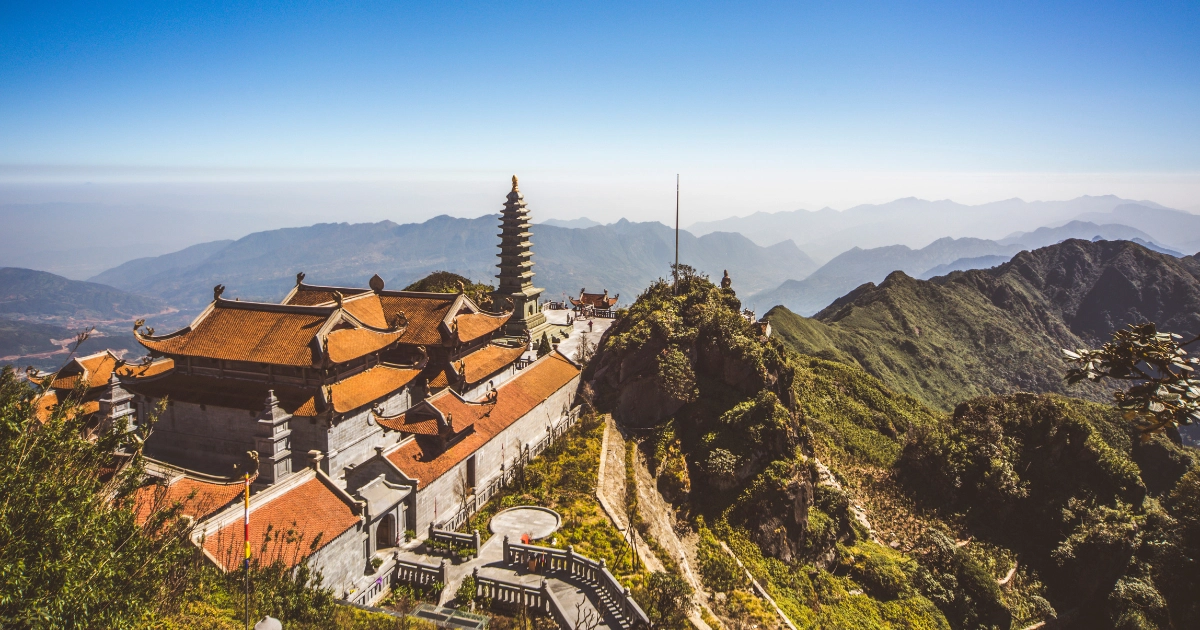
Sapa is a year-round destination, but the best time to visit ultimately depends on what you’re looking for. Maybe it’s trekking under clear spring skies, capturing golden rice terraces in autumn, or enjoying a quiet, misty escape in winter.
Each season brings its own beauty and challenges, so timing your trip thoughtfully can transform your entire experience. With Joytime, you can easily explore curated tours, local experiences, and flexible travel options to make the most of your Sapa journey whatever the season.
|
Joytime Travel Agency - Travel JOY, TIMEless Vietnam Safe, Seamless, Satisfying, Sustainable Follow us for travel tips, local insights, and exclusive offers:
|

Danish Nguyen
Danish Nguyen is a renowned travel blogger in Vietnam with over 5 years of experience sharing unique travel experiences. With a passion for exploring new places, Danish captures incredible moments and provides readers with valuable tips to discover the beauty of his homeland.