






Travel Vietnam Guide: Everything First-Time Visitors Need
Planning a trip to Vietnam for the first time involves more decisions than most travelers expect. The country stretches over 1,600 kilometers from north to south, passes through three distinct climate zones, and offers such a wide range of experiences, mountain trekking, bay cruises, ancient towns, city life, river deltas, that figuring out where to start can feel overwhelming. This travel vietnam guide is designed to cut through that complexity and give you a clear, practical foundation: what to know before you leave, how to move around once you arrive, and what to keep in mind throughout the journey.
1. Travel Vietnam Guide: Essential Facts Before You Go
Before booking flights or accommodation, understanding Vietnam's geography, climate, and entry requirements saves considerable time and prevents the most common planning mistakes. These are the three areas that affect your entire trip from day one.
1.1. Understanding Vietnam's Weather and Best Travel Seasons
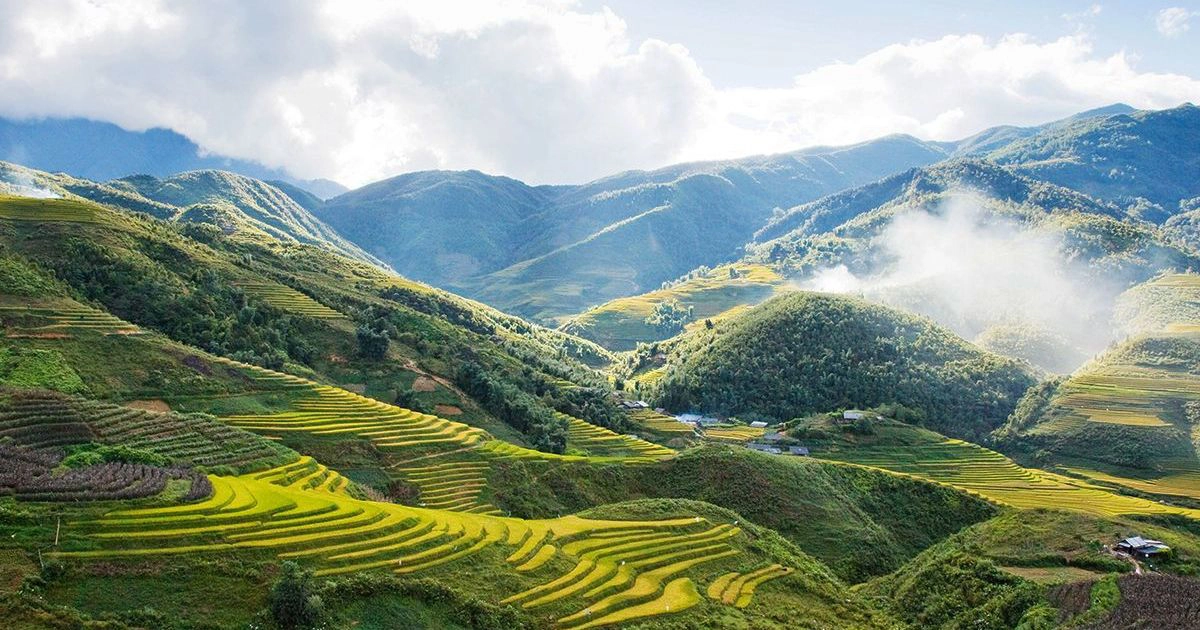
Sapa rice terraces during the best travel season - Source: Pinterest
The best time to visit Vietnam depends on the region you plan to explore, as the country's north, central, and south experience different weather patterns throughout the year. For most travelers, understanding these regional differences makes it easier to choose the right itinerary and pack appropriately.
Northern Vietnam, including Hanoi, Ha Long Bay, Sapa, and Ninh Binh, is most comfortable from October to April, when the weather is cooler and drier. Central Vietnam, covering Da Nang, Hoi An, and Hue, is best visited between February and July, while the south, including Ho Chi Minh City and the Mekong Delta, enjoys warm temperatures year-round with a dry season from November to April and short afternoon showers during the rainy months.
If you are planning a north-to-south journey, November to March generally offers the most pleasant weather across all three regions. Keep in mind that the Tet holiday, usually from late January to mid-February, is one of the busiest travel periods, so booking flights, trains, and accommodation well in advance is highly recommended.
>> Read more: Best Places To Visit On Vietnam Itineraries For First-Time Travelers | Joytime
1.2. Visa Requirements and Entry Preparation
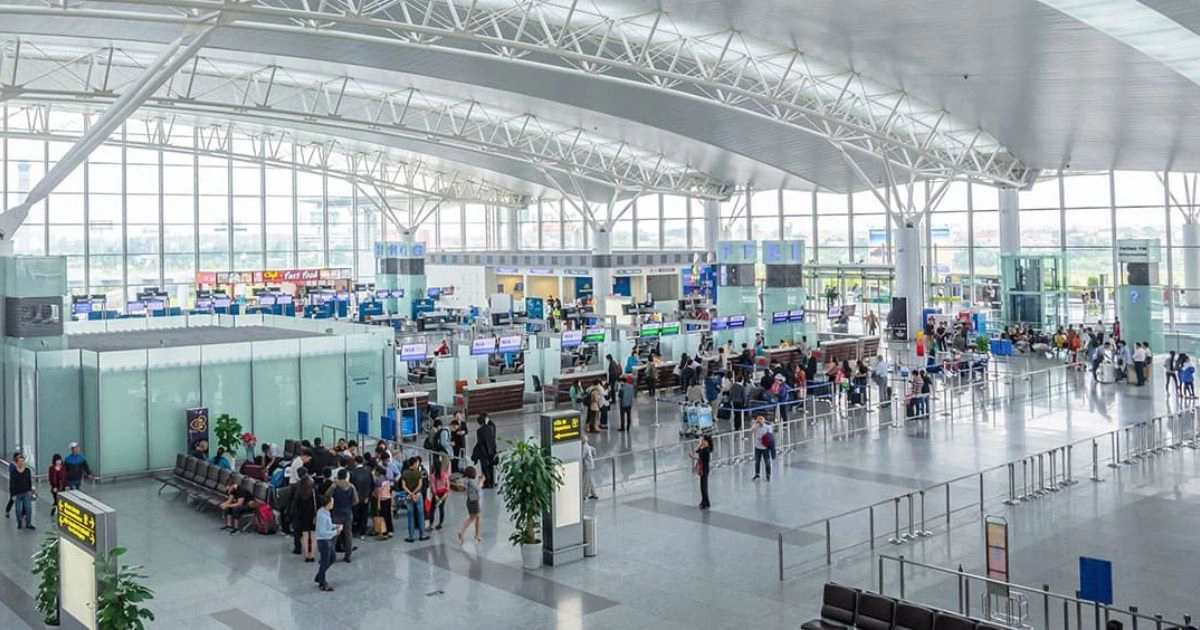
Vietnam e visa and passport at Noi Bai International Airport - Source: Pinterest
Most nationalities can enter Vietnam using an e-visa, which should be applied for through the official Vietnamese government portal at least five to seven business days before travel.
The e-visa costs USD 25, is valid for up to 90 days, and is available with single or multiple entry options. A small number of nationalities qualify for visa-free entry for stays of 14 to 45 days, check the current list before assuming your passport qualifies, as exemptions change periodically.
Your passport must be valid for at least six months beyond your intended entry date. Carry both a digital and printed copy of your visa approval, as some checkpoints and hotels request the physical document. Travel insurance is not required for entry but is strongly recommended, medical facilities in rural and mountainous areas have limited capacity, and medical evacuation costs without coverage can reach tens of thousands of dollars. If you plan to rent a motorbike, verify that your policy explicitly covers this, as many standard travel policies exclude it.
At the airport, immigration queues at Noi Bai (Hanoi) and Tan Son Nhat (Ho Chi Minh City) can be long during peak arrival times. Having your documents organized, visa confirmation, accommodation details for the first night, and onward travel proof, speeds the process considerably.
1.3. How Many Days Should You Spend in Vietnam?
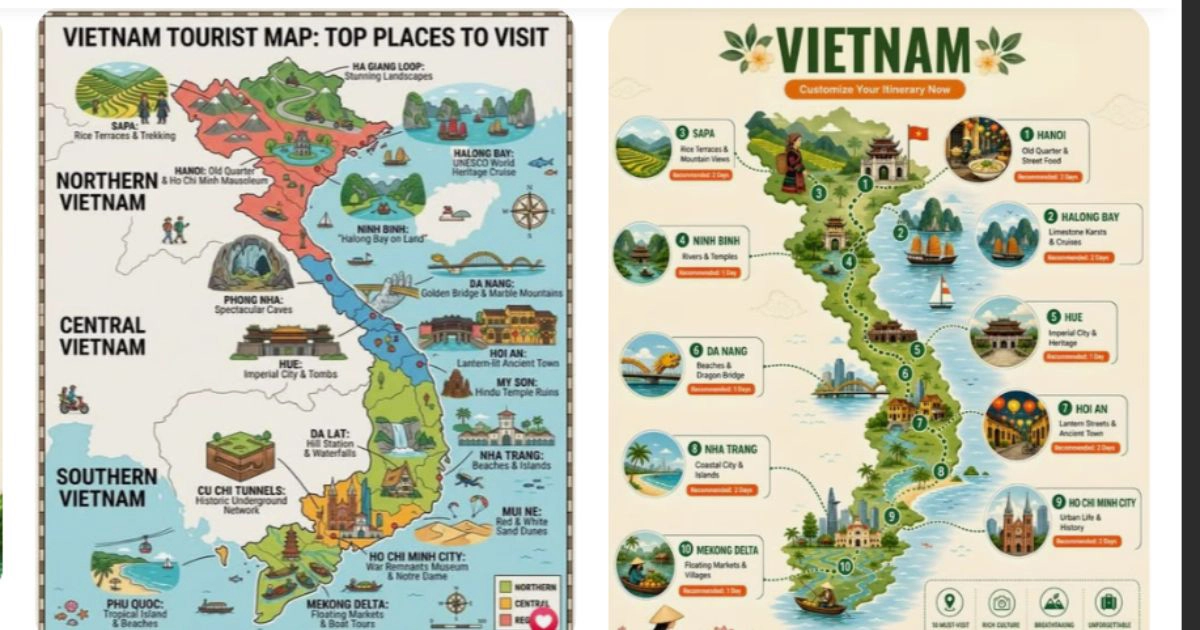
Vietnam travel itinerary from Hanoi to Ho Chi Minh City - Source: Pinterest
The right trip length depends on which regions you want to cover: seven days works for a single region, ten to fourteen days allows for two regions, and three weeks is the recommended minimum for a full north-to-south journey.
A 7-day trip is best focused on one region only. Spend it entirely in the north, Hanoi, Ninh Binh, and Ha Long Bay or entirely in the south between Ho Chi Minh City and the Mekong Delta. Trying to combine north and south in one week means spending too much of your time on flights and in transit.
A 10-day trip opens up two regions comfortably. A north-to-center route covering Hanoi, Ha Long Bay, and Hoi An is a popular choice, as is a center-to-south route taking in Da Nang, Hue, and Ho Chi Minh City.
A 14-day trip is where most first-time visitors find a good balance. It allows a north-to-south journey covering the main highlights without feeling rushed, including Hanoi, Ninh Binh, and Ha Long Bay before continuing to Hue, Hoi An, and Ho Chi Minh City, with an optional Mekong Delta extension.
Three weeks is the most rewarding length for a first visit. It gives you enough time to slow down, spend extra days where you want, take the scenic train routes, and make room for the unexpected stops that often become the most memorable parts of the trip.
>> Read more: Day Tour | Discover the Mysterious Beauty of Phong Nha Cave | Hue | Joytime
2. Planning Your Trip Across Vietnam
Vietnam's length and regional diversity make destination and transport planning the most important logistical decisions of the trip, getting these right shapes the entire experience.
2.1. Top Destinations for First-Time Visitors
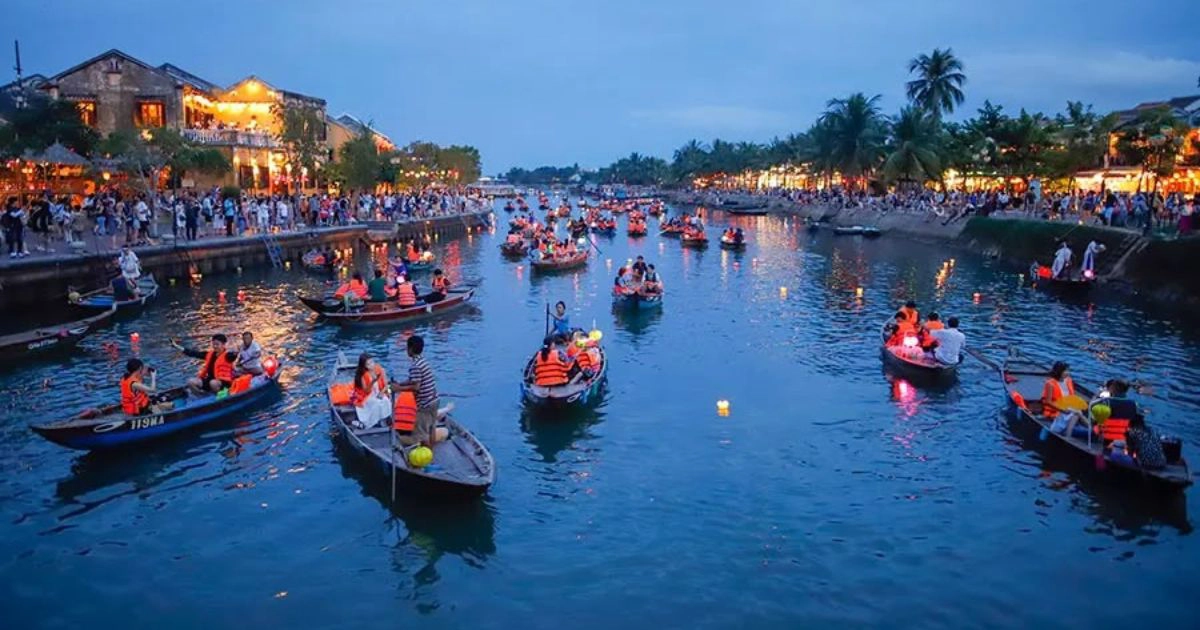
Hoi An Ancient Town one of Vietnam's top destinations - Source: Pinterest
Vietnam offers a remarkable variety of destinations across its northern, central, and southern regions. In the north, a Hanoi travel guide helps visitors discover the city's rich history, vibrant street food, and the bustling Old Quarter, while Ha Long Bay, Ninh Binh, and Sapa showcase breathtaking natural landscapes, limestone mountains, and scenic rice terraces.
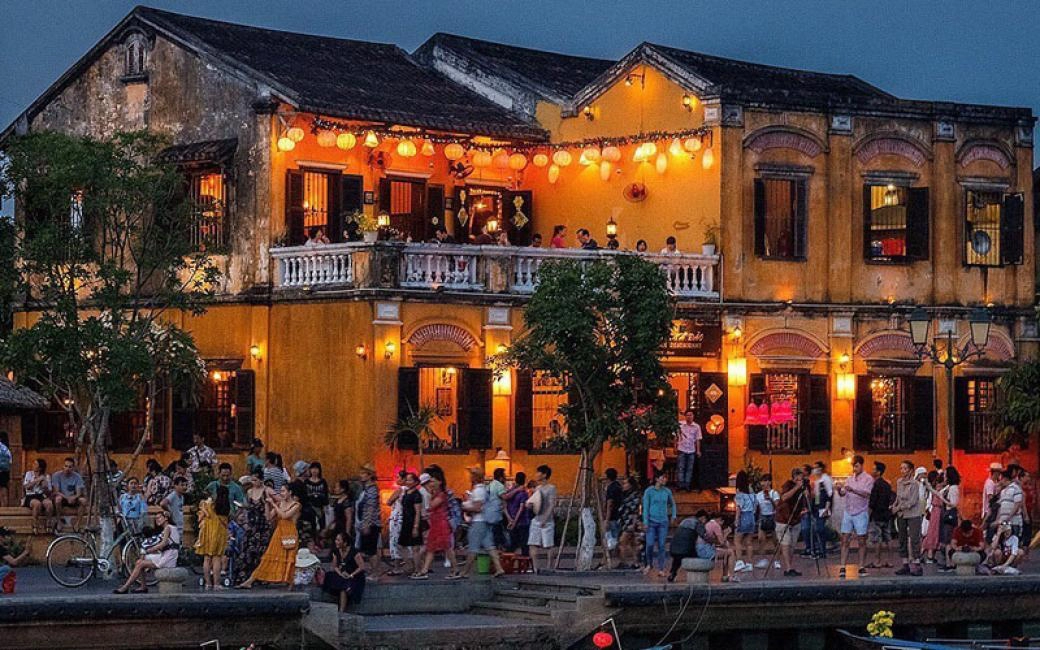
Central Vietnam combines cultural heritage with coastal beauty. Hue is home to the Imperial Citadel and royal landmarks, while Hoi An charms visitors with its UNESCO-listed Ancient Town, lantern-lit streets, and riverside atmosphere. Nearby Da Nang offers beautiful beaches, the Marble Mountains, and convenient access to both cities.
Southern Vietnam features a mix of modern city life and peaceful waterways. Ho Chi Minh City is known for its historical attractions, lively nightlife, and diverse food scene, while the Mekong Delta provides authentic local experiences through floating markets and riverside villages. For a relaxing beach escape, Phu Quoc Island is a popular destination with clear waters and white-sand beaches.


2.2. Transportation Options and Getting Around

Reunification Express train traveling across Vietnam - Source: Pinterest
Domestic flights are the fastest way to travel between Vietnam's major cities, with routes linking Hanoi, Da Nang, and Ho Chi Minh City in less than two hours. Airlines such as Vietnam Airlines, Bamboo Airways, and Vietjet operate frequent daily flights, and booking one to three weeks in advance usually secures the best fares, especially during peak travel seasons.
For a more scenic journey, the Reunification Express connects Hanoi, Hue, Da Nang, and Ho Chi Minh City by rail. Sleeper cabins provide a comfortable experience, while limousine buses offer an affordable and convenient option for shorter routes such as Hue to Hoi An, Hanoi to Ninh Binh, and Da Nang to Hoi An, often including hotel pickup.
Getting around cities is easy with Grab, which provides fixed fares for both motorbike taxis and private cars without the need to negotiate prices. Travelers seeking more independence can rent a motorbike to explore rural areas, but this is recommended only for experienced riders with a valid license and appropriate travel insurance.
2.3. Money, Payments, and Travel Budget
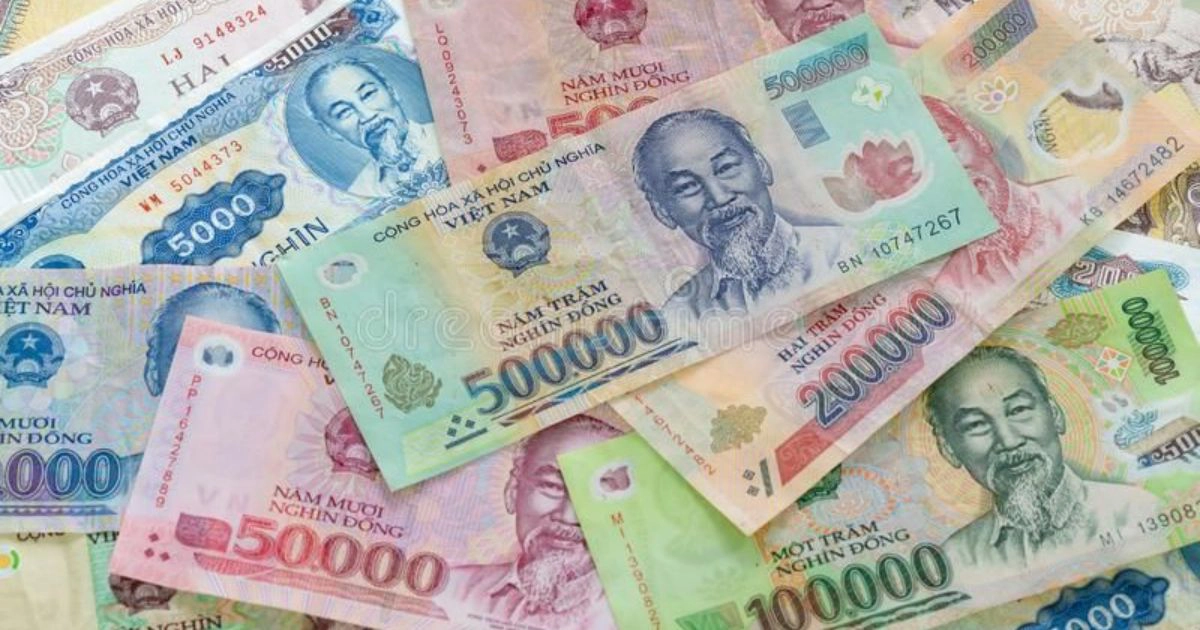
Vietnamese dong cash and travel budget planning - Source: Pinterest
Cash in Vietnamese Dong (VND) is essential throughout Vietnam, many local restaurants, markets, street food vendors, and rural guesthouses operate on a cash-only basis.
The exchange rate runs at roughly 25,000 VND per US dollar, which means you will regularly handle notes in the hundreds of thousands. ATMs are available across cities and tourist towns, with typical withdrawal limits between 2,000,000 and 5,000,000 VND per transaction. Inform your bank before traveling to prevent overseas transaction blocks on your card. For currency exchange, use bank branches or licensed counters at airports and hotels rather than street changers near tourist sites, who frequently short-change or apply hidden fees.
Daily budgets vary significantly by travel style. Budget travelers staying in guesthouses, eating street food, and using public transport can manage comfortably on USD 30–50 per day. Mid-range travelers spending on comfortable hotels, restaurant meals, and guided day tours typically spend USD 60–100 per day. Premium travelers adding private tours, boutique accommodation, and Ha Long Bay cruises should plan for USD 150 or more.
3. Important Travel Tips Many Visitors Overlook
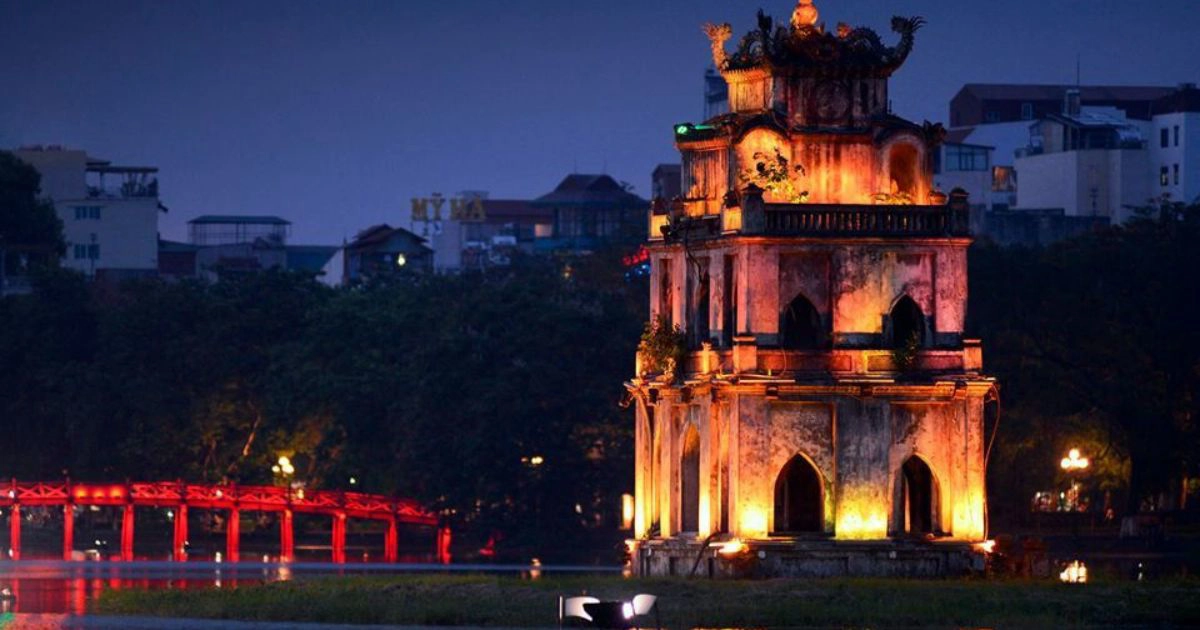
Hoan Kiem Lake and Hanoi Old Quarter travel essentials - Source: Pinterest
Many first-time visitors focus on where to go but overlook the practical details that make a trip easier. Keeping these simple travel tips in mind will help you avoid common problems and enjoy a smoother experience throughout Vietnam.
-
Buy a local SIM card or activate an eSIM: Viettel and Mobifone offer affordable 30-day data plans with reliable nationwide coverage.
-
Download Grab and Google Translate before you arrive: Grab provides fixed-price transportation, while Google Translate helps with menus, signs, and everyday communication.
-
Carry small denominations of Vietnamese Dong: Cash is still preferred at street food stalls, local markets, small shops, and many temples.
-
Pack for different weather conditions: Vietnam's climate varies by region, so bring lightweight clothing along with a light jacket and rain layer if traveling across the country.
-
Learn a few basic Vietnamese phrases: Simple expressions like Xin chào (hello), Cảm ơn (thank you), and Bao nhiêu tiền? (How much?) are appreciated by locals.
-
Respect local customs at religious sites: Wear clothing that covers your shoulders and knees, remove your shoes when required, and keep your voice low.
-
Drink bottled or filtered water only: This helps reduce the risk of stomach problems during your trip.
-
Stay alert to common tourist scams: Use Grab or licensed taxis, exchange money at authorized locations, and book tours through reputable operators.
-
Avoid planning every hour of your trip: Keeping some free time allows you to explore local cafés, try street food, and enjoy unexpected experiences that often become the most memorable parts of visiting Vietnam.
>> Read more: 9 Days Vietnam: How To Plan A Realistic, Stress-Free Itinerary | Joytime
sckjbkub íuiu.webp)
4. Frequently Asked Questions (FAQ)
4.1. Is Vietnam Suitable for Solo Travelers?
Yes. Vietnam is a popular destination for solo travelers thanks to its affordable transportation, wide range of accommodations, and well-developed tourist infrastructure. Staying aware of your surroundings and using trusted services like Grab helps ensure a safe and comfortable trip.
4.2. Can Tourists Use Digital Payments Without a Vietnamese Bank Account?
Yes, international credit cards are accepted at many hotels, restaurants, and shopping centers. However, carrying some Vietnamese Dong is still recommended, as local markets, small shops, and street food vendors often accept cash only.
4.3. What Should I Pack for a Multi-Region Vietnam Trip?
Pack lightweight clothing for warm weather, along with a light jacket if you plan to visit northern Vietnam or mountain areas such as Sapa. Comfortable walking shoes, a compact rain jacket, and basic travel essentials will cover most travel conditions.
4.4. Is English Commonly Spoken in Vietnam?
English is commonly spoken in major tourist destinations, hotels, and restaurants, making communication easy for most visitors. In rural areas, translation apps and a few basic Vietnamese phrases can help you interact more smoothly with locals.
4.5. Which Vietnamese Foods Should First-Time Visitors Try?
First-time visitors should try regional specialties such as phở and bún chả in Hanoi, bún bò Huế in Hue, cao lầu in Hoi An, and hủ tiếu or bánh xèo in Ho Chi Minh City. Sampling local dishes is one of the best ways to experience Vietnam's diverse culinary culture.
This travel vietnam guide gives you the foundation. What you do with it is up to you and the best parts of any Vietnam trip tend to happen in the moments that no guide can fully predict. For personalized itineraries, local expertise, and travel support tailored to your interests and timeline, explore what Joytime: Vietnam Travel has to offer before your journey begins.
|
Joytime Travel Agency - Travel JOY, TIMEless Vietnam Safe, Seamless, Satisfying, Sustainable Follow us for travel tips, local insights, and exclusive offers:
|

Danish Nguyen
Danish Nguyen is a renowned travel blogger in Vietnam with over 5 years of experience sharing unique travel experiences. With a passion for exploring new places, Danish captures incredible moments and provides readers with valuable tips to discover the beauty of his homeland.