









Vietnam Trip Cost: Average Budget & Travel Costs in Vietnam
The main content of the article
- 1. Understanding the Overall Vietnam Travel Budget Before You Go
- 2. Vietnam Trip Cost Breakdown by Essential Travel Category
- 2.1. Accommodation Costs in Vietnam: From Budget Dorm Beds to Beachfront Resorts
- 2.2. Food Costs in Vietnam: From Street Food to Local Restaurants
- 2.3. Transportation Costs in Vietnam: Flights, Trains, Buses, and Grab
- 2.4. Visa, Airport Fast-Track, and Connectivity Costs
- 2.5. Tour, Ticket, and Activity Costs in Vietnam
- 3. Vietnam Trip Cost Estimate by Group Size
- 4. Sample 14-Day Vietnam Trip Budget Estimate for First-Time Visitors
- 5. Practical Tips to Save Money While Traveling Around Vietnam
- 6. Frequently Asked Questions About Vietnam Travel Costs, Cash, Cards, and Tipping
- 6.1. How much does a trip to Vietnam cost for 7 days?
- 6.2. How much money should I bring to Vietnam for two weeks?
- 6.3. Is Vietnam cheap for tourists compared to other Southeast Asian countries?
- 6.4. Can I use credit cards in Vietnam, or should I carry cash?
- 6.5. What is the most expensive part of traveling in Vietnam?
How much does a Vietnam trip cost? It really depends on the sort of trip you have in mind. You can get by on hostel beds, street food, and public buses, or spend more on private rooms, domestic flights, and guided tours. Vietnam works for both ends of the budget, with plenty of choices in between. This guide looks at the main expenses you are likely to face, from accommodation and meals to transport and activities. The figures are not fixed, but they should give you a useful starting point before you begin booking.
1. Understanding the Overall Vietnam Travel Budget Before You Go
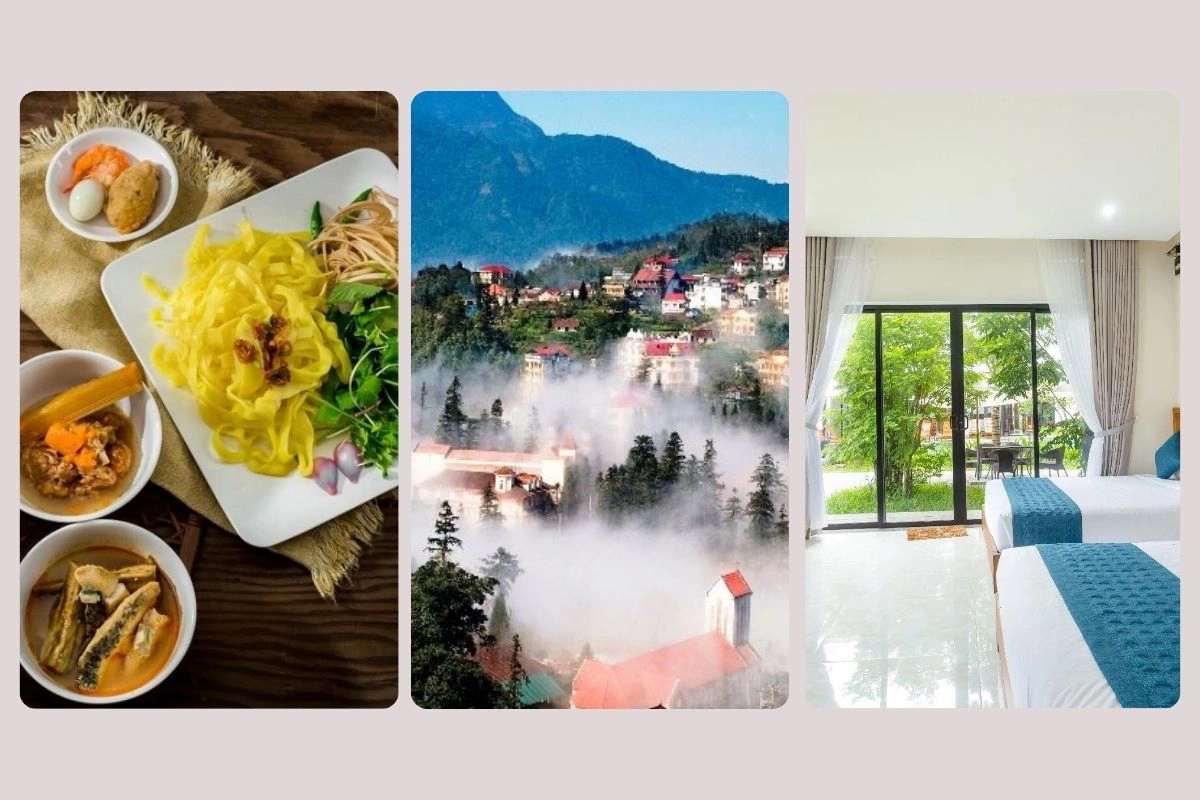
Local food, popular destinations, and comfortable stays shape your Vietnam travel budget
Start with the way you normally travel. A simple room and local meals will keep costs low, while frequent flights, private transfers, and higher-end hotels can raise your daily spending quite quickly.
-
Backpacker budget: $30 – $50 per day. This usually covers a dorm bed or basic homestay, street food, public transport, and a few inexpensive group tours. Set aside a little extra for days with long bus or train journeys.
-
Mid-range budget: $80 – $150 per day. This is enough for a comfortable private room, meals at both local and tourist-oriented restaurants, train travel or short flights, and several organized activities.
-
Luxury budget: $250 – $500+ per day. At this level, you can choose five-star hotels, beach resorts, private drivers, fine dining, and experiences such as an upscale overnight cruise in Ha Long Bay.
International flights, travel insurance, and visa fees are not included in these daily estimates. Destination also matters. Hanoi, Ho Chi Minh City, Da Nang, and Phu Quoc generally cost more than Hue, Ninh Binh, or smaller towns in the Mekong Delta.
2. Vietnam Trip Cost Breakdown by Essential Travel Category
Your total expenses will come down to a handful of everyday necessities and activities. Let’s look at the current going rates for rooms, meals, getting around, and booking local experiences.
2.1. Accommodation Costs in Vietnam: From Budget Dorm Beds to Beachfront Resorts
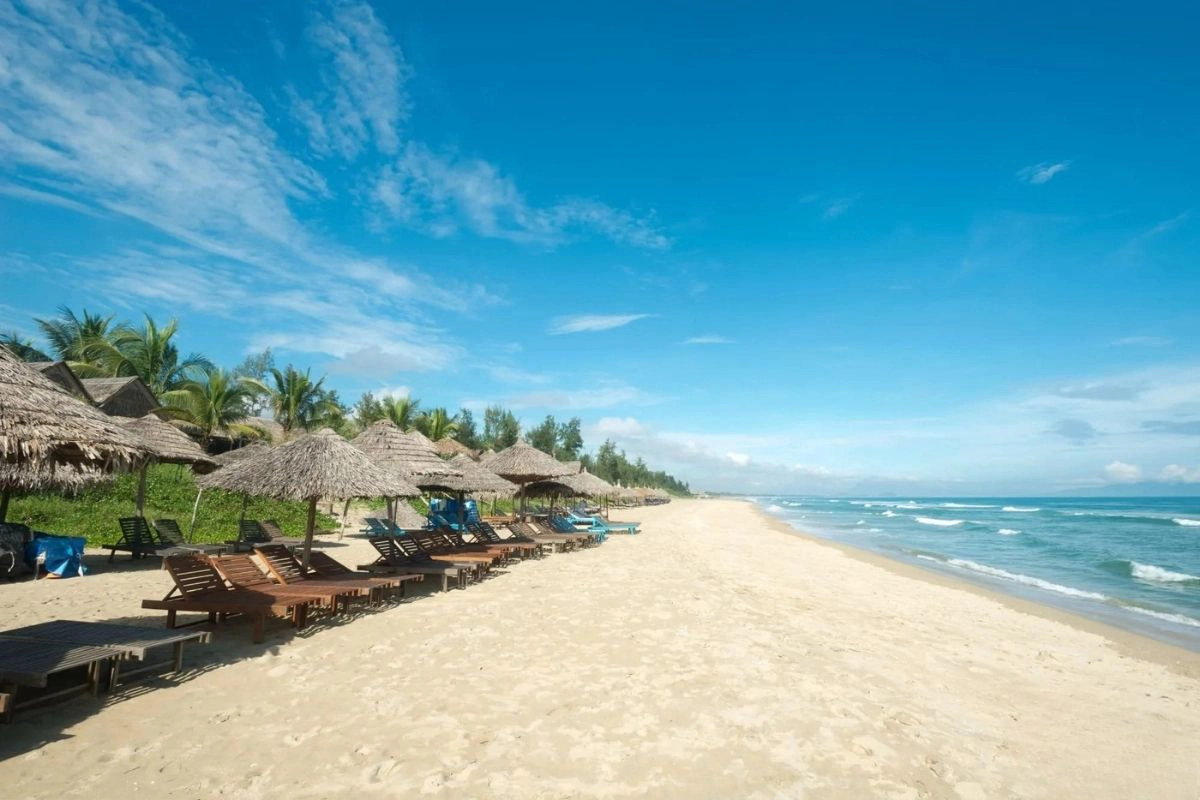
Vietnam offers everything from hostel beds to beachfront resorts
Finding a cheap place to sleep is incredibly easy here. A standard dorm bed usually runs about $6 to $15 per night in most cities, often including lockers, Wi-Fi, and a simple breakfast. Couples or anyone wanting a bit more privacy can easily find comfortable guesthouse rooms or homestays for $15 to $30.
If you have a slightly larger budget, mid-range hotels cost roughly $40 to $80 a night and typically feature air conditioning, daily housekeeping, breakfast, and a pool. True luxury starts around $150. Meanwhile, premium beachfront resorts in Da Nang, Phu Quoc, or Ha Long Bay frequently exceed $400 during the busiest travel months.
2.2. Food Costs in Vietnam: From Street Food to Local Restaurants
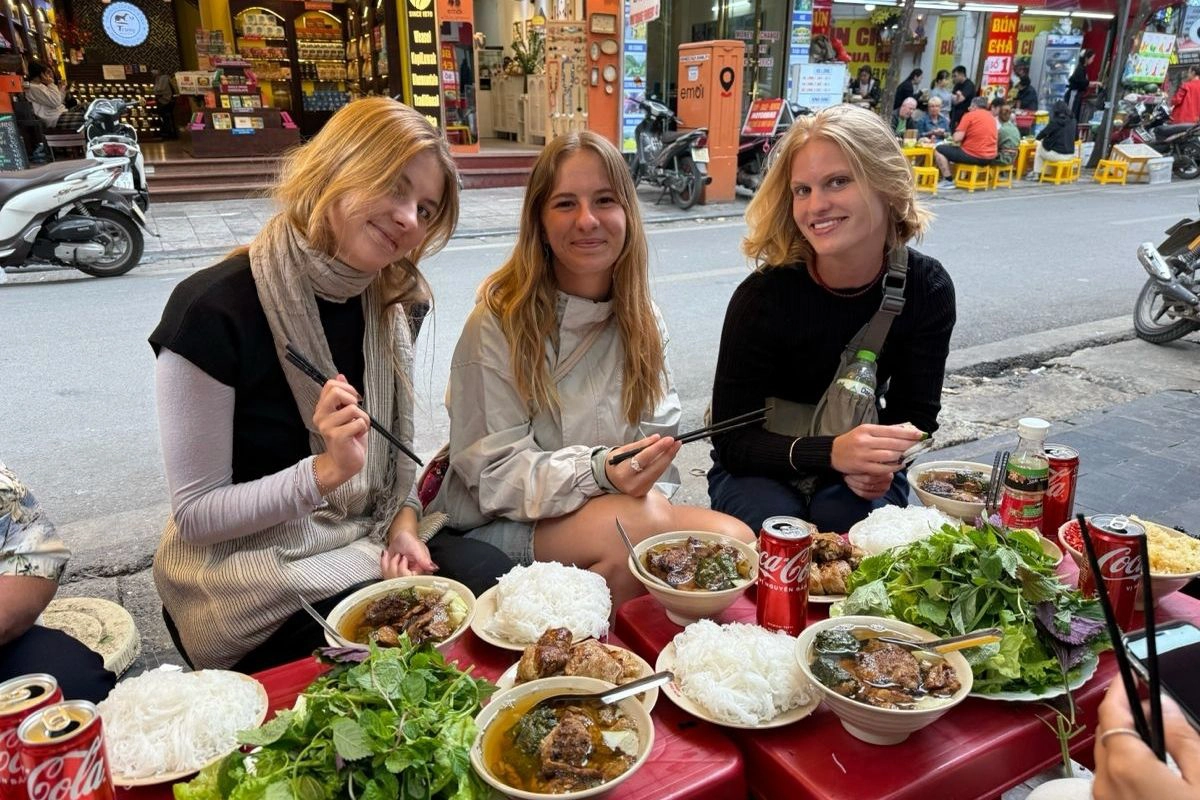
Street food keeps daily meal costs low across Vietnam - Source: Eva Gerdes
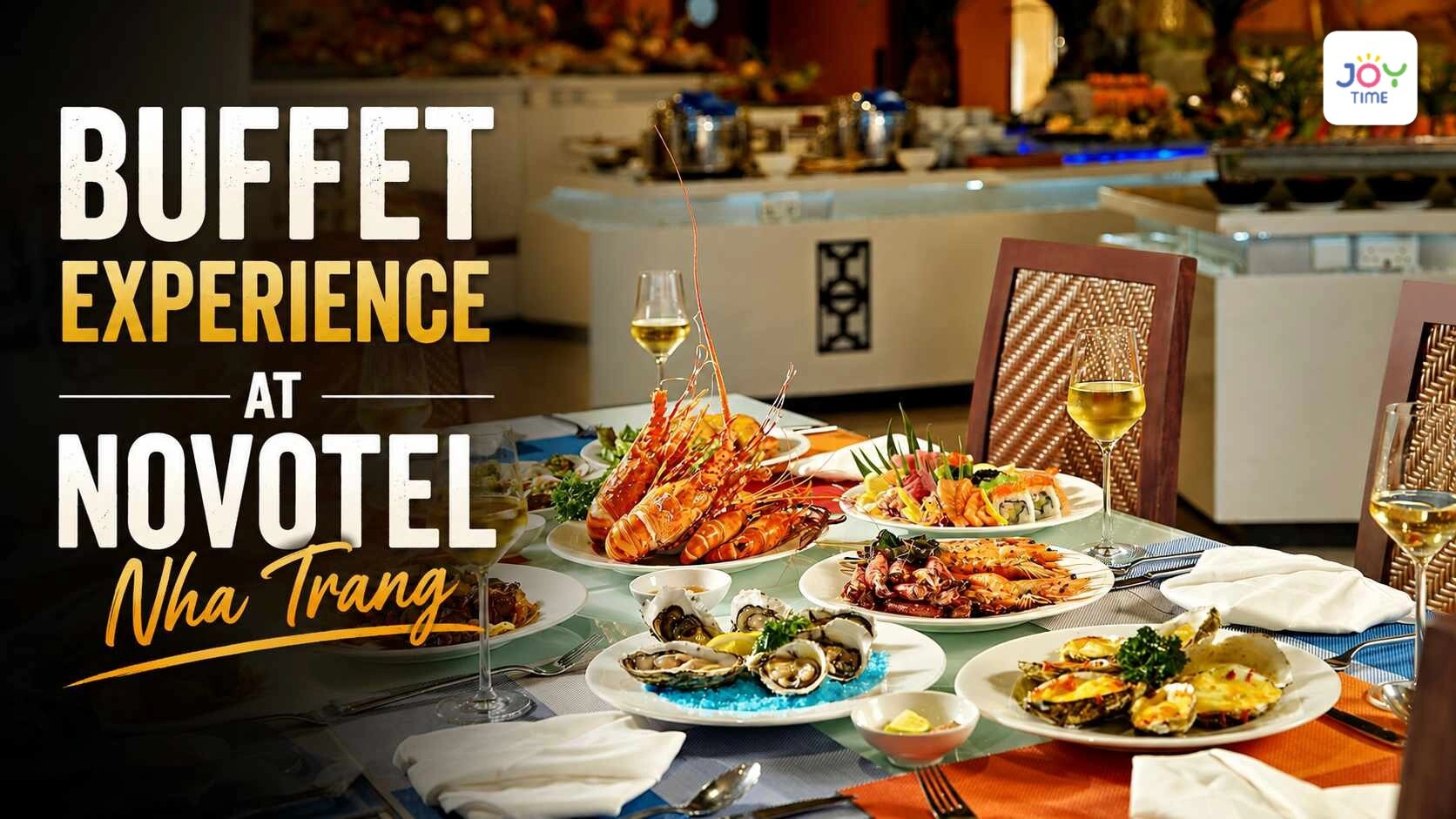
Eating well is genuinely one of the most affordable parts of visiting the country. You can grab a bowl of pho, a crispy banh mi, or a hearty plate of rice and pork at a street stall for just $1 to $2.50. Sitting down for a full meal at a casual local restaurant typically costs $4 to $8.
Dining in heavy tourist areas, hotels, or modern shopping centers will bump your bill to about $10 to $25 per person. Fine dining menus generally start near the $30 mark. Beverages remain incredibly cheap across the board, so expect to pay less than $1 for fresh juice, a glass of bia hoi, or a strong iced coffee.


2.3. Transportation Costs in Vietnam: Flights, Trains, Buses, and Grab

Flights, trains, buses, and Grab connect Vietnam’s major destinations
Vietnam is long and narrow, so transport can take up a noticeable part of your budget. A one-way domestic flight usually costs $40 – $100 and is often worth it when traveling between distant cities, especially if your schedule is tight.
Overnight trains are slower but more relaxed, with soft-sleeper berths generally priced at $35 – $60. Sleeper buses are cheaper at around $10 – $20 per trip. Within cities, Grab is convenient and easy to use, with motorbike rides often costing $1–$2 and short car journeys around $3 – $6.
2.4. Visa, Airport Fast-Track, and Connectivity Costs

Plan ahead for visa, airport, SIM, and eSIM expenses - Source: Bao Tuoi Tre
Visa and airport-related costs are easy to overlook when planning a trip. Many visitors apply for an e-visa before departure, with a standard single-entry application costing $25. Airport fast-track services usually cost around $20 – $35 per person and can be useful during busy arrival times
Mobile data is inexpensive and widely available. A tourist SIM card or eSIM usually costs $8 – $15, depending on the provider and data allowance. You can buy a physical SIM after landing or arrange an eSIM before departure so your phone is connected as soon as you arrive.
2.5. Tour, Ticket, and Activity Costs in Vietnam
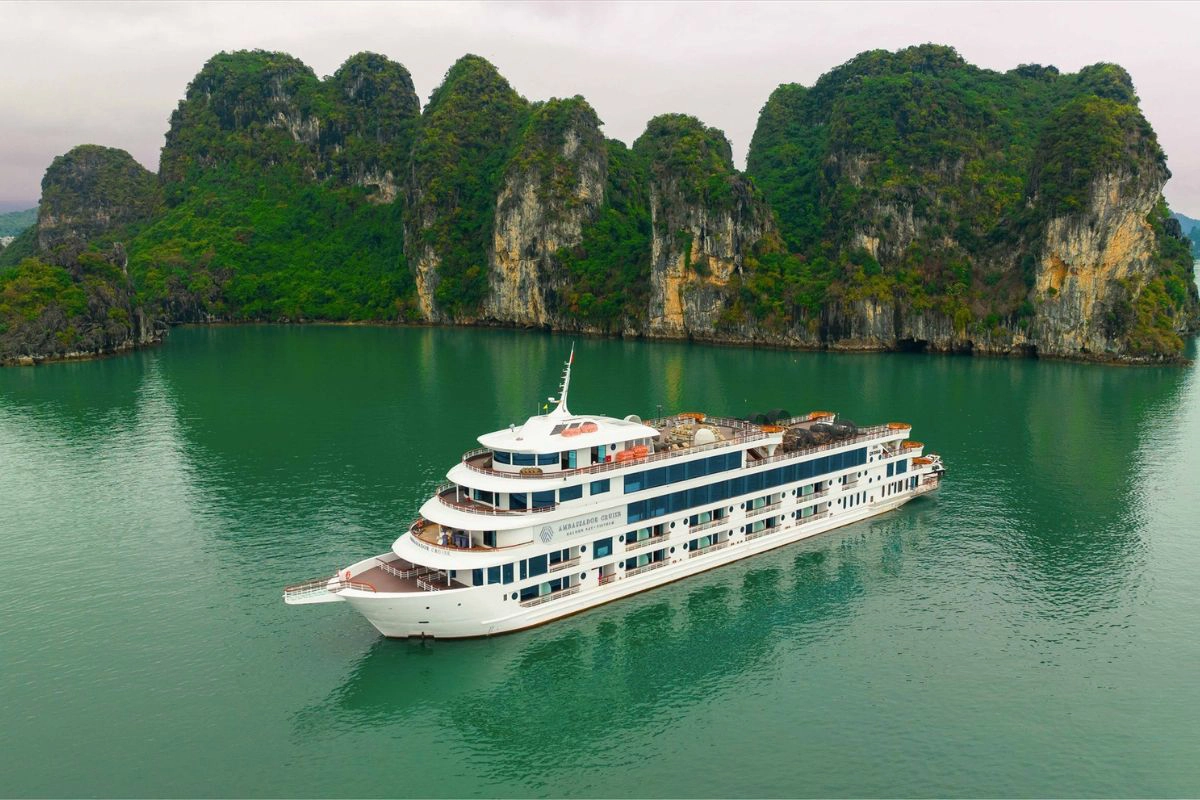
Tours range from low-cost attractions to luxury Ha Long Bay cruises - Source: Bao Lao Dong
Many museums, temples, and historical sites in Vietnam have low entrance fees, often around $2 – $5. Guided food walks, cooking classes, and half-day city tours usually cost $20 – $45 per person and are a good way to learn more about local culture.
Larger experiences require a bigger budget. An overnight Ha Long Bay cruise often starts at $150 – $250 per person, while luxury cruises can cost $400 or more. Shared group tours are usually the most economical choice because transport, tickets, meals, and guide fees are divided among more travelers.
3. Vietnam Trip Cost Estimate by Group Size
Calculating your budget by group size helps you understand how shared expenses like accommodation and private transport affect the final total.
3.1. How Much Does a Vietnam Trip Cost for One Person?

Solo travelers often pay more for rooms and local transport - Source: Pinterest
Travel Vietnam Solo generally face the highest per-person costs because they cannot split the price of a hotel room or a taxi ride. A mid-range solo traveler should budget approximately $1,200 to $1,800 for a two-week trip, excluding international airfare and travel insurance. This estimate comfortably covers private boutique hotel rooms, a mix of street food and restaurant meals, short domestic flights, and group day tours.
To reduce these costs, solo visitors can opt to stay in highly rated hostel dorms and rely entirely on overnight sleeper buses for intercity travel. Doing so drops the two-week total to roughly $600 to $800, making the country one of the best destinations in the world for budget-conscious independent travelers. Engaging in free walking tours and eating primarily at local street stalls will stretch this budget even further.
3.2. How Much Does a Vietnam Trip Cost for Two People?

Traveling as a pair makes shared costs easier to manage - Source: Anhlanhchanh
Couples or pairs of friends enjoy a significant financial advantage because they can split the cost of private rooms and ride-hailing services. A comfortable mid-range trip for two people typically costs between $2,000 and $2,800 total for 14 days, bringing the per-person cost down considerably compared to solo travel. This budget allows you to book spacious hotel rooms with double beds, enjoy nice dinners, and occasionally hire private car transfers.
If two people are traveling on a strict budget, they can often find private homestay rooms that cost the same or less than two separate beds in a hostel dorm. A budget couple can easily manage a two-week trip for a total of $1,200 to $1,500 by prioritizing street food and utilizing public transportation. Splitting the cost of local scooter rentals also provides an incredibly cheap way to explore coastal towns like Hoi An or Da Nang together.
3.3. How Much Does a Vietnam Trip Cost for Three People?
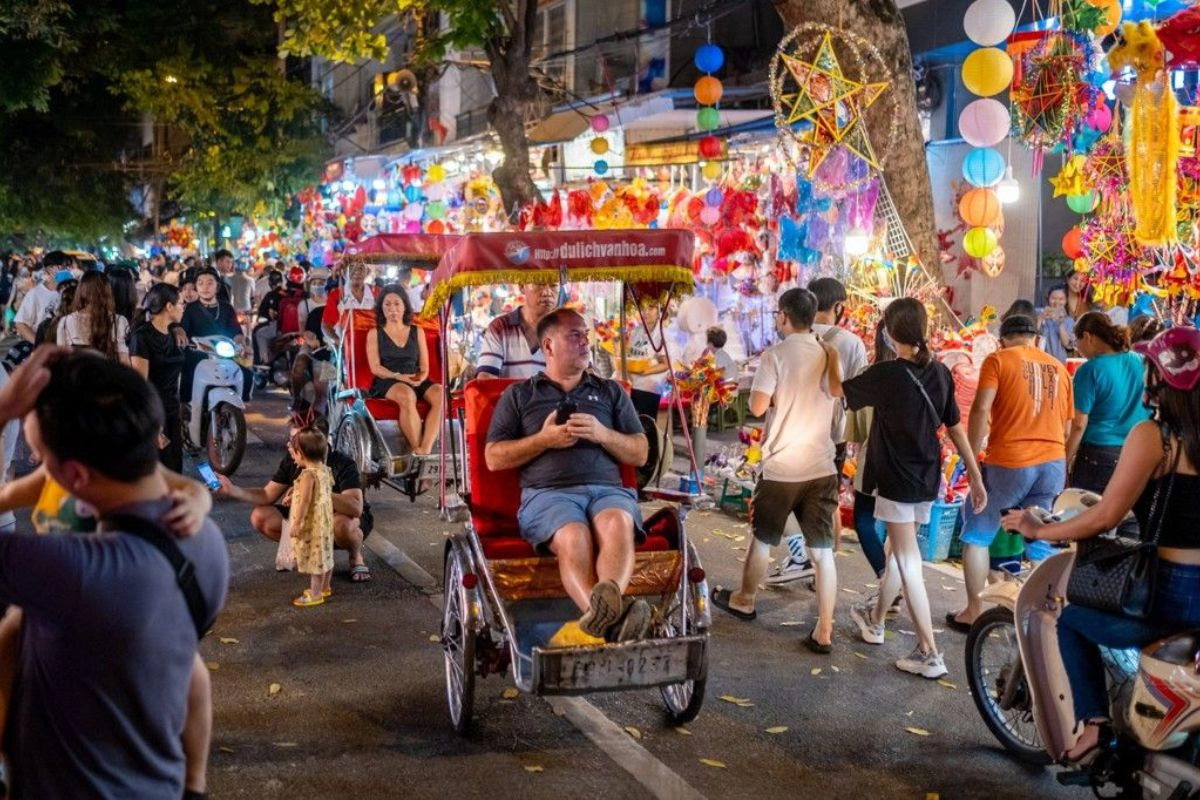
Three travelers can split private transfers and guided tour costs - Source: Daothiv
Traveling as a trio introduces slight logistical challenges but still offers excellent value if you plan carefully. Many mid-range hotels provide triple rooms or offer the option to add an extra rollaway bed to a standard double room for a small surcharge. A 14-day trip for three people traveling comfortably usually costs around $3,000 to $4,000 in total, covering decent hotels, reliable transport, and plenty of guided activities.
One minor drawback for groups of three is that standard Grab cars comfortably fit three passengers, but luggage space might require ordering a slightly more expensive larger vehicle. However, dividing the cost of a private airport transfer or a private day-tour guide three ways often makes these premium services cheaper than booking individual seats on a shared group bus. This dynamic makes small group travel incredibly cost-effective for customized itineraries.
sckjbkub íuiu.webp)

3.4. How Much Does a Vietnam Trip Cost for a Family or Group of Four?
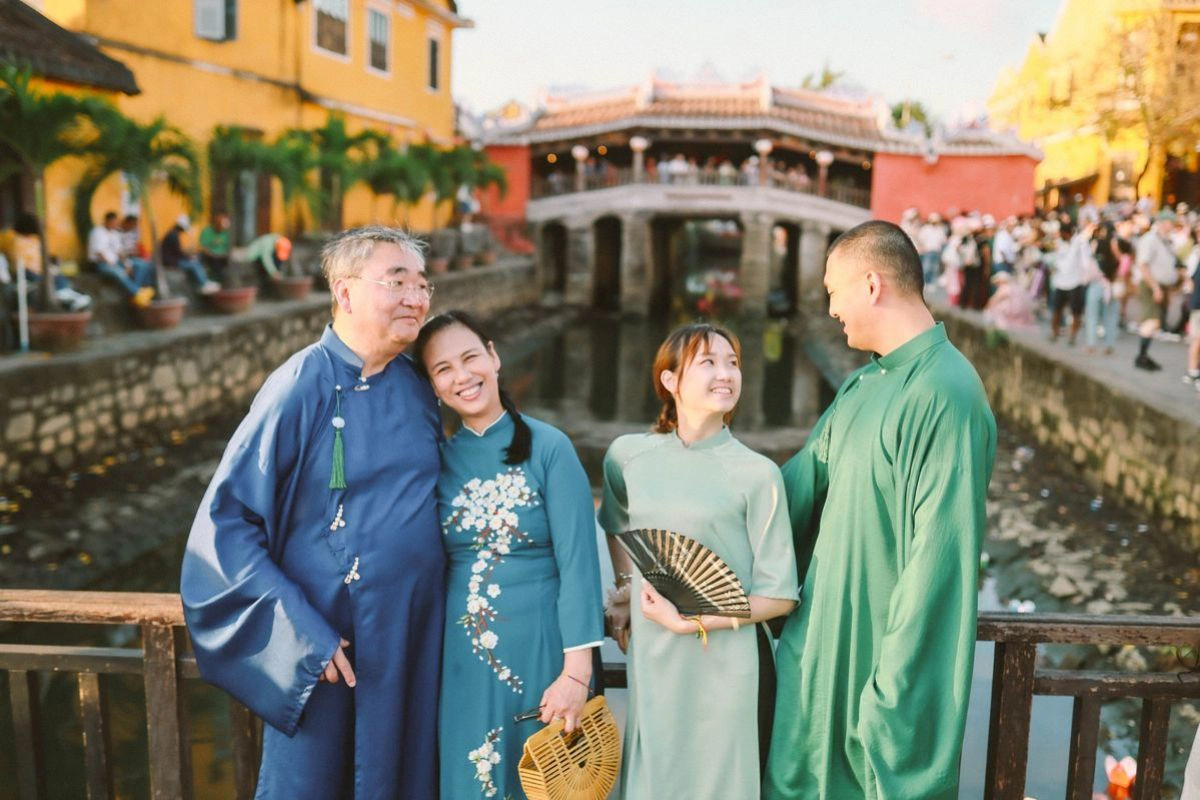
Families of four often save with private transport and larger rooms - Source: Pinterest
Families or groups of four gain the ultimate purchasing power when arranging private transportation and family suite accommodations. A two-week mid-range family vacation typically costs between $4,000 and $5,500, which provides comfortable family-sized hotel suites, child-friendly restaurant meals, and private minivans for regional travel. Families seeking luxury resorts with expansive pools and kids' clubs should expect this total to reach $7,000 or more.
When traveling with four people, hiring a private driver for day trips is frequently cheaper and much more convenient than purchasing four separate tickets for a commercial group tour. Booking interconnected hotel rooms or two-bedroom serviced apartments also helps keep accommodation costs reasonable while providing necessary space. Families can save further by alternating between expensive theme park days and free activities like visiting public beaches or city parks.
4. Sample 14-Day Vietnam Trip Budget Estimate for First-Time Visitors

A realistic two-week budget for Vietnam’s most popular first-time route
For a First-Time Visitors Need, mid-range experience, a 14-day itinerary usually includes Hanoi, Ha Long Bay, Hoi An, Da Nang, and Ho Chi Minh City. This route requires at least two domestic flights and includes one premium overnight activity. Below is a realistic per-person estimate for a comfortable two-week journey.
-
Accommodation (13 nights): $650 (averaging $50 per night for a private boutique hotel room)
-
Food and Drinks (14 days): $350 (averaging $25 per day for a mix of cafes, street food, and sit-down dinners)
-
Domestic Transportation: $200 (including two domestic flights and local Grab rides)
-
Tours and Activities: $300 (including a Ha Long Bay overnight cruise and several day tours)
-
Miscellaneous (Visa, SIM, Souvenirs): $100
Total Estimated Cost: $1,600 per person. This figure provides a highly comfortable vacation without strict penny-pinching, though it excludes your international airfare and travel insurance.
5. Practical Tips to Save Money While Traveling Around Vietnam
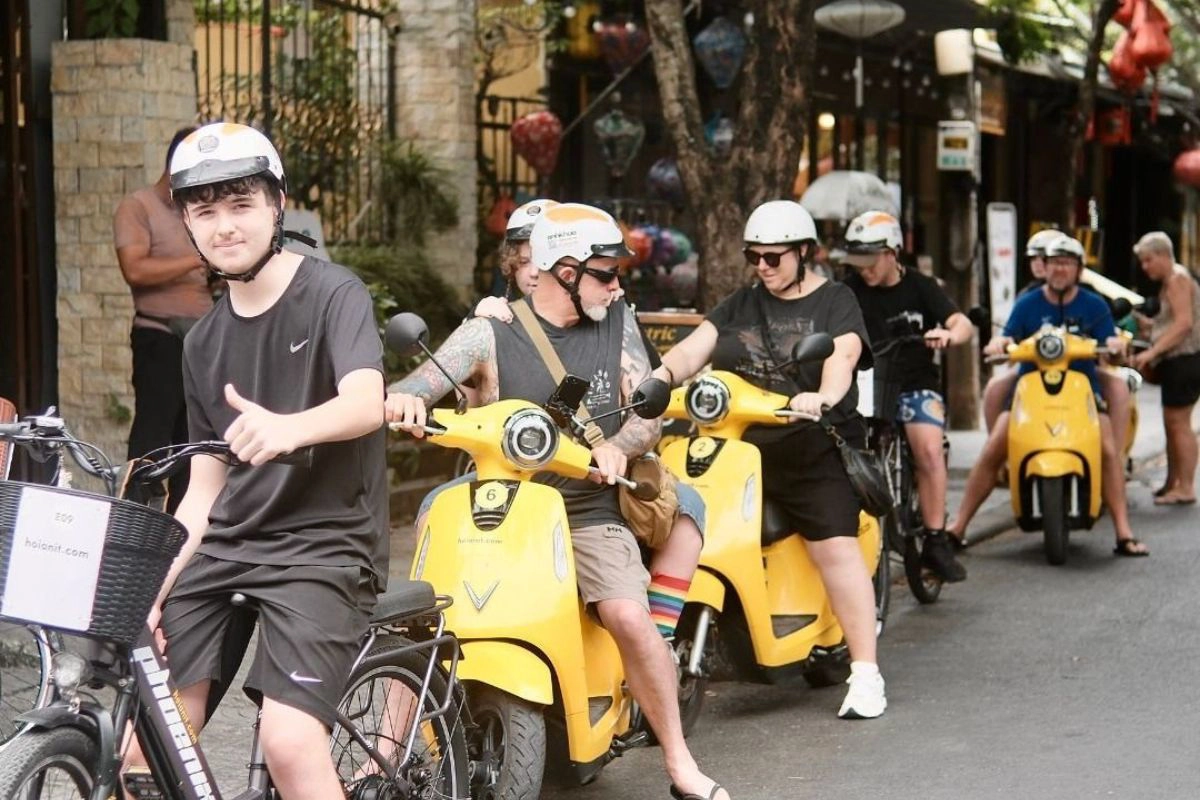
Simple travel habits can help your Vietnam budget go further - Source: Anh Khoa
Even if you have a comfortable budget, applying a few simple strategies can help you maximize your spending power during your trip. These practical habits allow you to redirect your money toward better experiences rather than wasting it on unnecessary travel logistics.
-
Use the Grab App: Never hail a taxi directly from the street unless absolutely necessary. The Grab ride-hailing app provides fixed prices upfront, eliminating the risk of rigged meters or language barriers.
-
Eat Where the Locals Eat: Restaurants with menus translated into multiple languages are usually priced purely for tourists. Look for crowded local spots with tiny plastic chairs, as these places almost always serve the most authentic and affordable meals.
-
Book Overnight Transport: Taking a sleeper train or sleeper bus between distant cities saves you the cost of a hotel room for the night. It also preserves your daylight hours for sightseeing instead of sitting in transit.
-
Negotiate at Markets: When shopping for souvenirs or clothing at local markets, polite haggling is expected. Start by offering roughly half the initial asking price and negotiate toward a fair middle ground with a smile.
-
Refill Your Water: Tap water is not safe to drink, and buying plastic bottles constantly adds up while harming the environment. Carry a reusable bottle and ask your hotel to refill it from their purified water dispensers each morning.
6. Frequently Asked Questions About Vietnam Travel Costs, Cash, Cards, and Tipping
6.1. How much does a trip to Vietnam cost for 7 days?
A mid-range traveler should budget between $600 and $800 for a one-week trip, covering nice hotels, domestic flights, and guided tours. Budget backpackers can easily manage a week for roughly $250 to $350 by staying in hostels and eating street food.
6.2. How much money should I bring to Vietnam for two weeks?
If you have already paid for your hotels, flights, and major tours online, bringing $300 to $500 in cash is usually sufficient for a two-week trip. This cash will cover daily meals, small taxi rides, street snacks, and tips, while larger purchases can be made with a credit card.
6.3. Is Vietnam cheap for tourists compared to other Southeast Asian countries?
Yes, it is consistently ranked as one of the most affordable destinations in Southeast Asia. Accommodation, local transportation, and street food are noticeably cheaper here than in neighboring countries like Thailand or Malaysia.
6.4. Can I use credit cards in Vietnam, or should I carry cash?
You should carry cash for street food stalls, small local shops, and rural areas. However, major hotels, upscale restaurants, and modern supermarkets in large cities widely accept Visa and Mastercard, often with a small processing fee.
6.5. What is the most expensive part of traveling in Vietnam?
International airfare is almost always the largest expense for travelers arriving from North America or Europe. Once inside the country, premium experiences like luxury Ha Long Bay cruises or five-star beachfront resorts in Phu Quoc represent the highest daily costs.
Calculating your Vietnam trip cost ultimately comes down to your travel style, itinerary, and preferred level of comfort. By planning for accommodation, food, transportation, activities, and unexpected expenses in advance, you can enjoy Vietnam without overspending or sacrificing memorable experiences. For support with building a suitable itinerary, arranging reliable transportation, booking quality tours, or securing airport fast-track services, contact Joytime: Vietnam Travel to create a smooth, comfortable, and budget-friendly journey tailored to your needs.
|
Joytime Travel Agency - Travel JOY, TIMEless Vietnam Safe, Seamless, Satisfying, Sustainable Follow us for travel tips, local insights, and exclusive offers:
|

Danish Nguyen
Danish Nguyen is a renowned travel blogger in Vietnam with over 5 years of experience sharing unique travel experiences. With a passion for exploring new places, Danish captures incredible moments and provides readers with valuable tips to discover the beauty of his homeland.