







Vietnam Travel Tips: Essential Advice For A Smooth Journey
Good preparation is what separates a stressful trip from a genuinely enjoyable one. Vietnam rewards travelers who arrive informed, knowing how to get a visa, when to visit, how to get around, and what not to do in a temple can make the difference between a frustrating experience and one you will talk about for years. These vietnam travel tips cover everything worth knowing before and during your journey, from the practical to the cultural, organized in the order you are likely to need them.
1. Vietnam Travel Tips For Planning Your Trip Before Arrival
The decisions you make before you land in Vietnam have more impact on your trip than most people expect. Visa timing, travel season, and budget planning are three areas where early attention pays off consistently.
1.1. Check Visa Requirements And Travel Documents
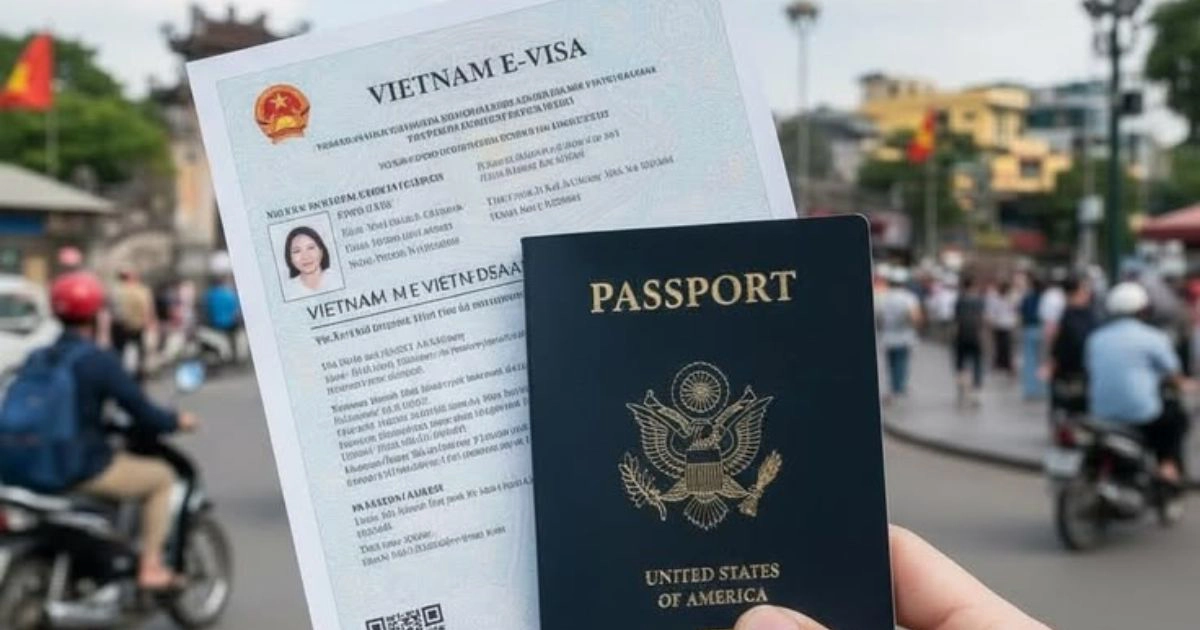
Vietnam e visa application passport and travel documents - Source: Pinterest
Most nationalities can enter Vietnam with an e-visa, which should be applied for at least five business days before travel. The official e-visa is available through the Vietnamese government portal, costs USD 25, and is valid for up to 90 days with single or multiple entry. Citizens of a small number of countries qualify for visa-free entry for stays of 14 to 45 days, check the current list before assuming you qualify.
Your passport must be valid for at least six months beyond your planned entry date, and you should carry both a printed and digital copy of your visa confirmation. Travel insurance is not mandatory to enter Vietnam, but it is strongly recommended: medical care in rural areas can be limited, and evacuation costs without coverage are significant. Check that your policy covers motorbike riding if you plan to rent one, as many standard policies exclude this.
1.2. Choose the Best Time to Visit Vietnam
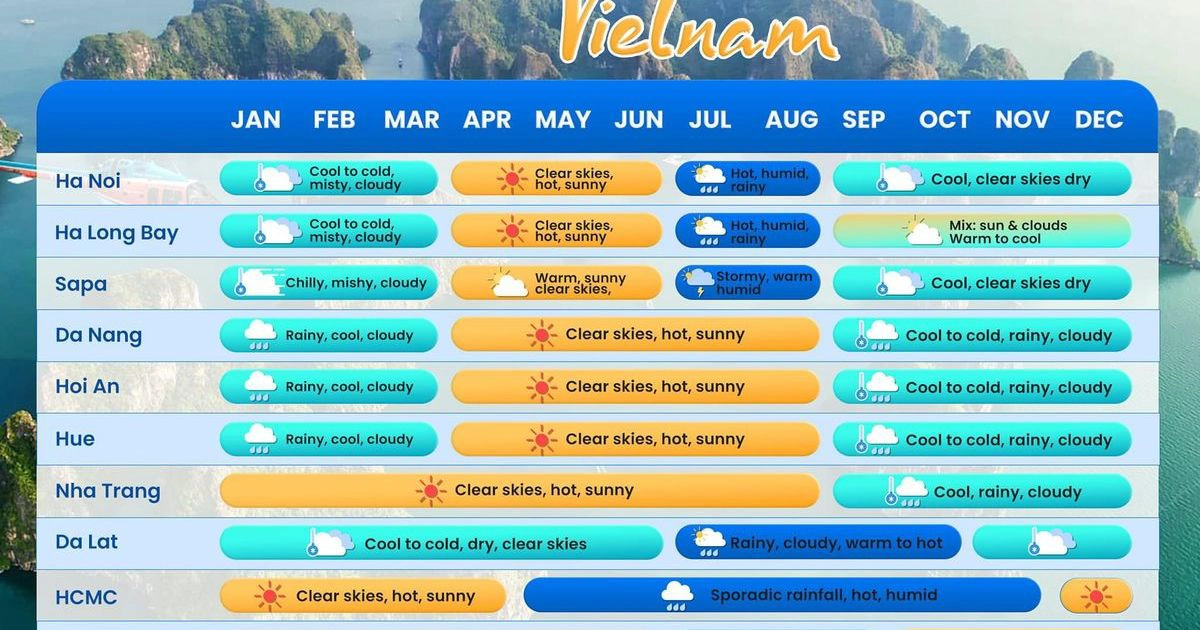
Best time to visit Vietnam by season and region - Source: Pinterest
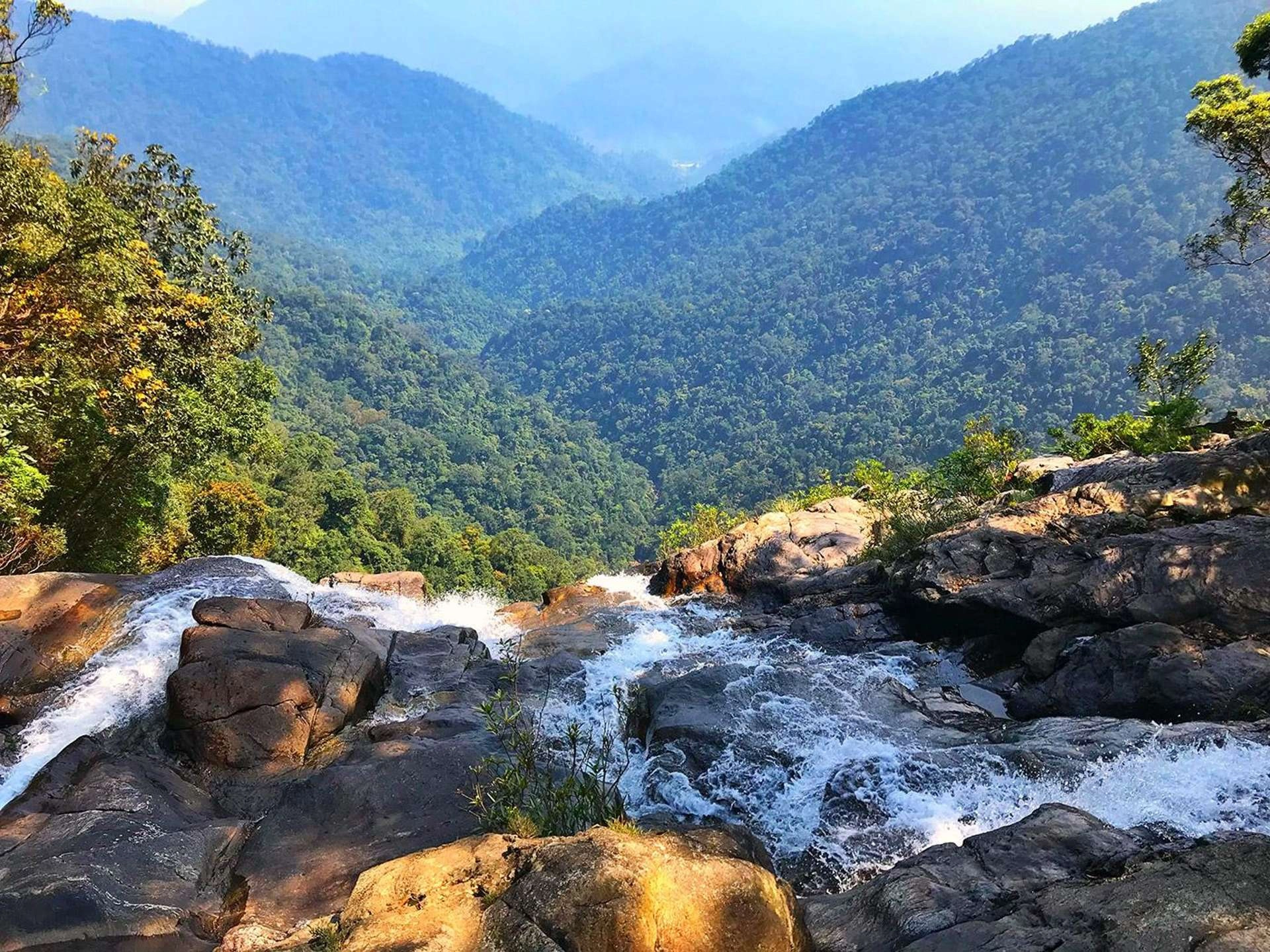
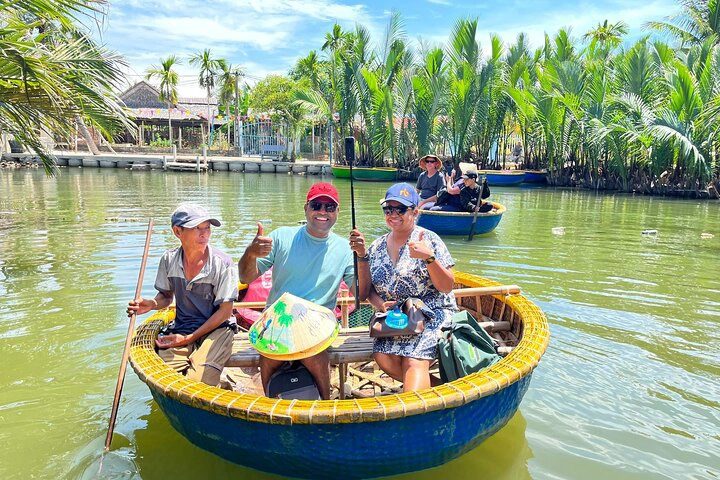
Vietnam's best time to visit depends entirely on which region you are heading to, since the country spans three distinct climate zones that experience different seasons simultaneously.
Northern Vietnam, including Hanoi, Sapa, and Ha Long Bay travel guide, is most comfortable from October to April, when temperatures are cooler and rainfall is lower. Summer months from May to August bring heat and humidity, with occasional typhoons affecting the northeast coast.
Central Vietnam around Hue and Hoi An is driest and warmest from February to July, making this the peak beach season. From October to January, the region receives heavy rainfall that can cause flooding in low-lying areas, including parts of Hoi An's Ancient Town.
Southern Vietnam, including Ho Chi Minh City and the Mekong Delta, is warm year-round with a clear dry season from November to April and a rainy season from May to October. Rain in the south typically arrives as short afternoon downpours rather than all-day grey skies, so the wet season is still entirely manageable.
For travelers doing a full north-to-south trip, November to March offers the most consistently pleasant conditions across all three regions.
>> Read more: Best Time to Visit Vietnam With Family: Weather & Travel Tips

1.3. Plan Your Budget and Payment Methods
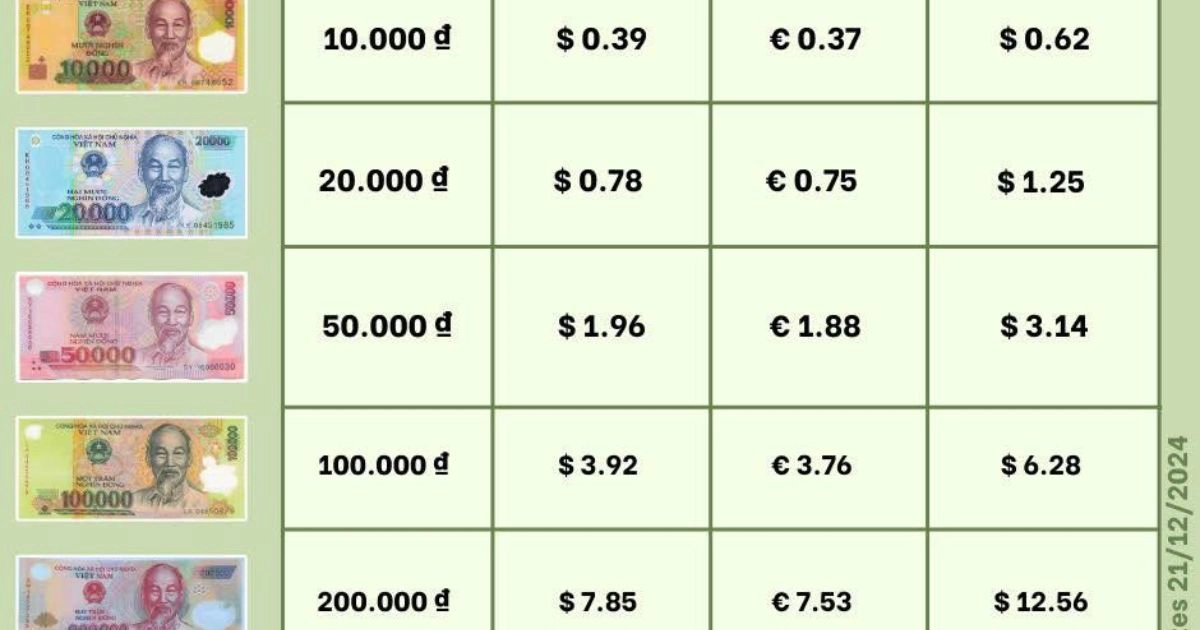
Vietnam travel budget Vietnamese dong cash and payment methods - Source: Pinterest
Cash remains essential throughout Vietnam, plan to carry Vietnamese Dong (VND) for markets, street food, rural areas, and smaller guesthouses, as many of these do not accept cards.
The Vietnamese Dong runs in large denominations. One US dollar is worth roughly 25,000 VND, so you will regularly handle notes in the hundreds of thousands. ATMs are widely available in cities and tourist towns, with withdrawal limits typically between 2,000,000 and 5,000,000 VND per transaction. Inform your bank before traveling to avoid international blocks on your card.
For currency exchange, use bank branches or licensed exchange counters at airports and hotels rather than street-side changers who may offer better-looking rates with hidden fees or short-changing. Avoid exchanging money at jewelry shops, which are common in tourist areas but operate without regulation.
Mid-range daily budgets run between USD 60–100 per person, covering comfortable accommodation, meals at local restaurants, transport, and one or two paid activities. Budget travelers can manage on USD 30–50 by using guesthouses, eating street food, and taking public buses. If you plan to include Vietnam itinerary highlights such as Ha Long Bay cruises, domestic flights, or private tours, budget an additional USD 100–200 per experience.
2. Essential Travel Experiences and Practical Tips in Vietnam
Once you have landed, the quality of your day-to-day travel experience depends on how well you navigate transportation, connectivity, local customs, and everyday logistics.
2.1. Getting Around Vietnam Efficiently
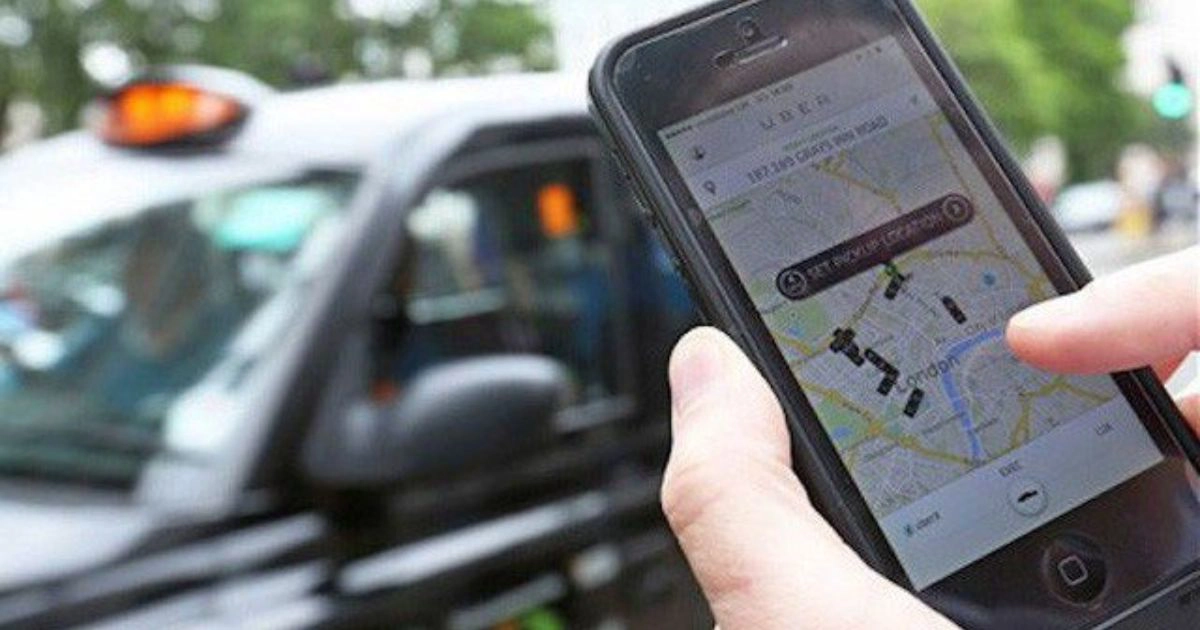
Transportation options for traveling across Vietnam - Source: Pinterest
For traveling between major cities, domestic flights are the most time-efficient option, routes between Hanoi, Da Nang, and Ho Chi Minh City take 1.5 to 2 hours and cost as little as USD 25 when booked in advance through Bamboo Airways, Vietnam Airlines, or Vietjet.
For travelers with more time, the Reunification Express train connecting Hanoi and Ho Chi Minh City via Da Nang and Hue is one of the most scenic rail journeys in Southeast Asia. Sleeper cabins with four berths are comfortable and reasonably priced; booking through the Vietnam Railways website or a reputable third-party platform at least a week in advance is recommended.
Limousine buses, shared minivans with reclining seats operating on fixed routes, are a reliable mid-range option for shorter legs like Hue to Hoi An or Ninh Binh to Hanoi. They are faster and more comfortable than standard coaches and typically offer door-to-hotel pickup.
Within cities, Grab is the most reliable and transparent way to book both motorbike taxis and private cars. The app shows fixed prices before you confirm, eliminating negotiation and fare confusion, particularly useful when arriving tired in an unfamiliar city. Metered taxis from Mai Linh (green) and Vinasun (white) are also reliable; avoid unmarked taxis, especially near airports and tourist sites.
Renting a motorbike to explore rural areas independently is popular and offers genuine freedom, but requires riding experience, a valid license, and real awareness of traffic conditions. Vietnamese roads, especially in cities, operate by different rules than most visitors are accustomed to. Traffic flows around you rather than stopping for you, and new riders often struggle with the first day or two before finding the rhythm.
- How To Get From Da Nang to Hue?
- How to Get to Halong Bay from Hanoi?
- How to get from Saigon to Nha Trang?
2.2. Stay Connected and Travel Safely
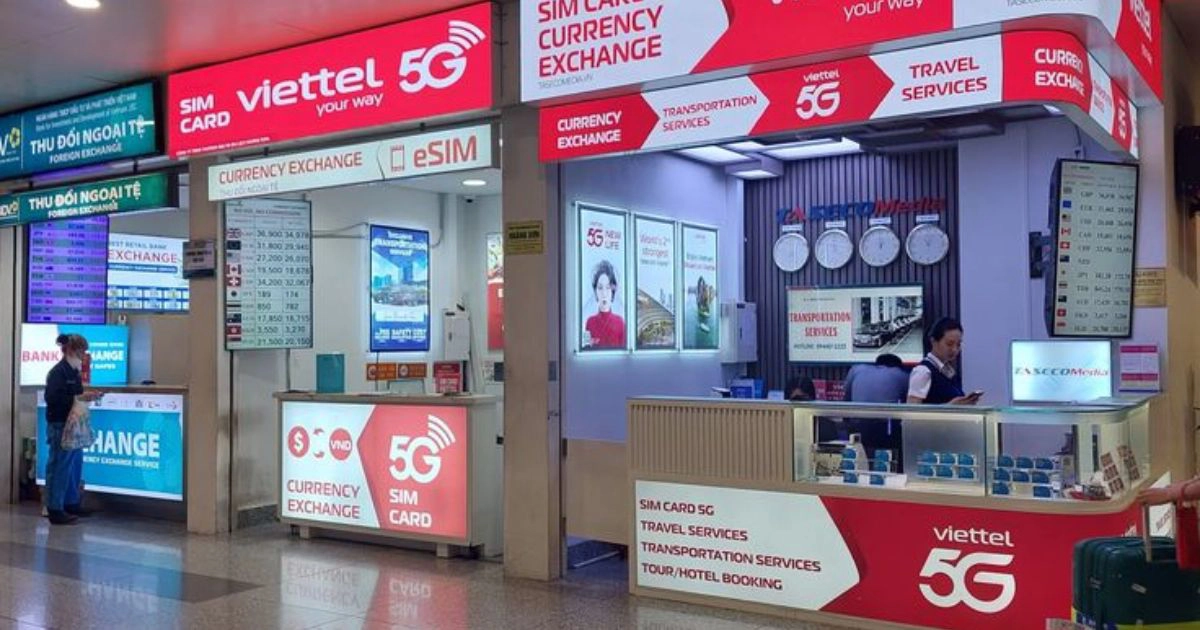
Vietnam local SIM card and travel safety tips - Source: Pinterest
Purchase a local Travel SIM card on arrival at the airport for immediate, affordable data coverage across the entire country. Viettel and Mobifone are the two most reliable networks, with strong coverage in cities and most rural areas including Sapa and the Mekong Delta. A 30-day package with generous daily data typically costs VND 100,000–200,000 (around USD 4–8). Alternatively, eSIM options from providers like Airalo or Holafly can be set up before departure and activated on landing.
Vietnam is generally a safe destination, but a few common situations are worth knowing in advance. Motorbike bag snatching occurs in Ho Chi Minh City and to a lesser extent in other cities, keep bags on your lap facing inward rather than over the shoulder closest to traffic, and use a crossbody bag when walking in busy areas. Be cautious of unsolicited help near airports and major tourist sites, particularly from people offering tours, taxis, or currency exchange.
If you need emergency assistance, the key numbers are: 113 (police), 114 (fire), 115 (ambulance). Your country's embassy in Hanoi or Ho Chi Minh City can assist with lost passports, legal issues, and other serious emergencies.
2.3. Respect Local Customs and Cultural Etiquette
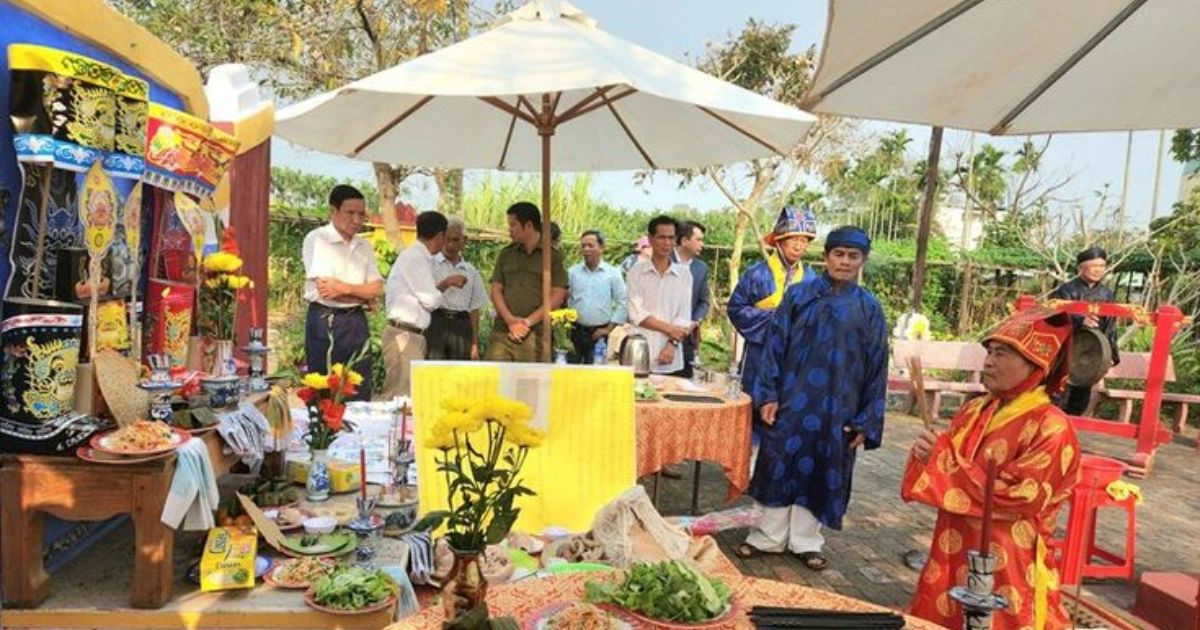
Visitors respecting local customs at a Vietnam temple - Source: Pinterest
Covering shoulders and knees before entering temples, pagodas, and communal houses is both a sign of respect and a practical requirement, many sites will turn you away or offer sarongs at the entrance if you are dressed inappropriately.
When visiting religious sites, remove shoes before entering the main hall, avoid turning your back to the altar, and keep voices low. Photography inside temple interiors is often restricted, look for signage or follow what locals are doing before pointing a camera. Always ask before photographing people, particularly ethnic minority communities in northern Vietnam, where unsolicited photography can feel invasive even when it is common practice among tourists.
Vietnamese greetings involve a slight bow rather than a handshake in traditional settings, though younger urban Vietnamese often shake hands comfortably. Tipping is not culturally expected in the same way as in Western countries, but is appreciated in restaurants, for tour guides, and for drivers on longer journeys, VND 20,000–50,000 per person is a reasonable amount. At street food stalls and local markets, tipping is unusual and not expected.
Bargaining is normal in markets and with tuk-tuk or cyclo drivers but not in supermarkets, established restaurants, or shops with fixed price tags. Approach negotiation with good humor rather than firmness, the goal is an agreed price both sides accept, not a win.
3. Common Mistakes Travelers Should Avoid
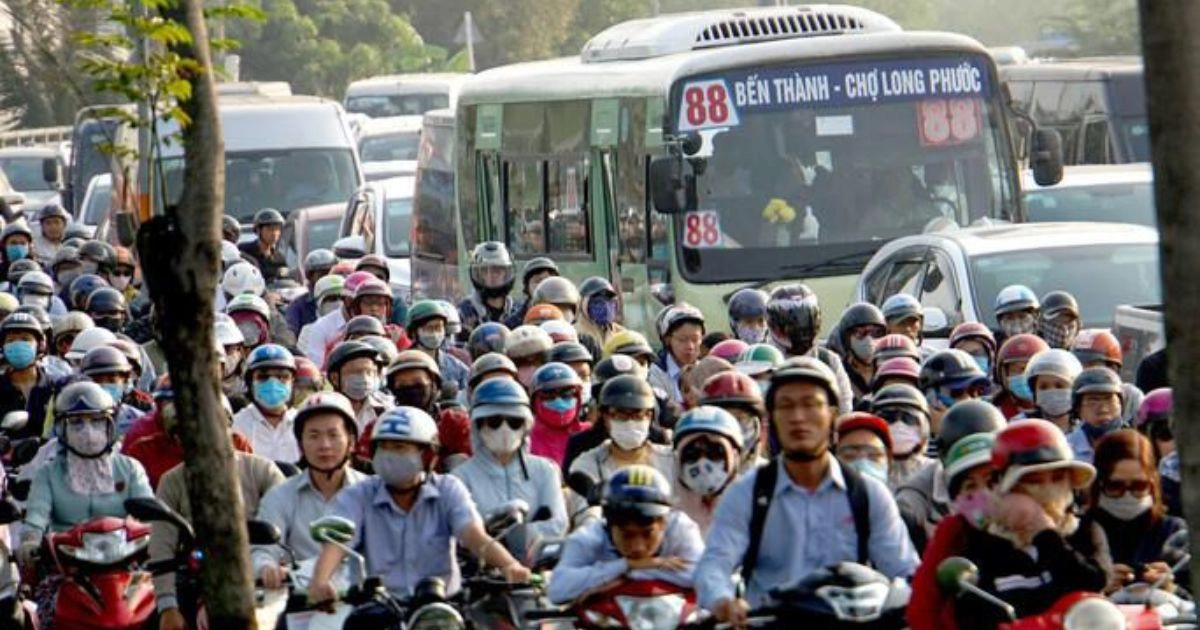
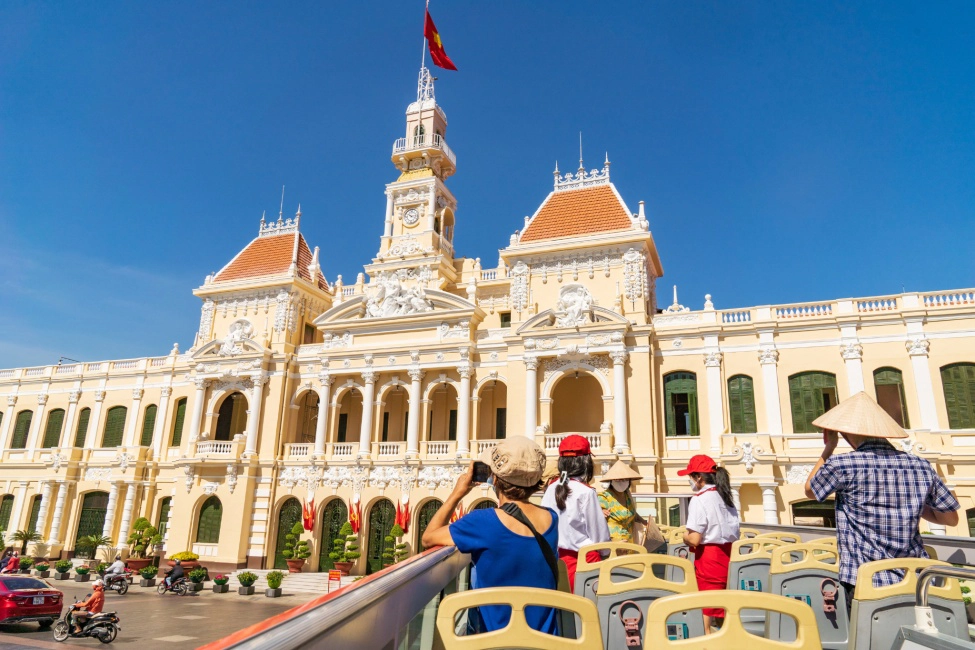
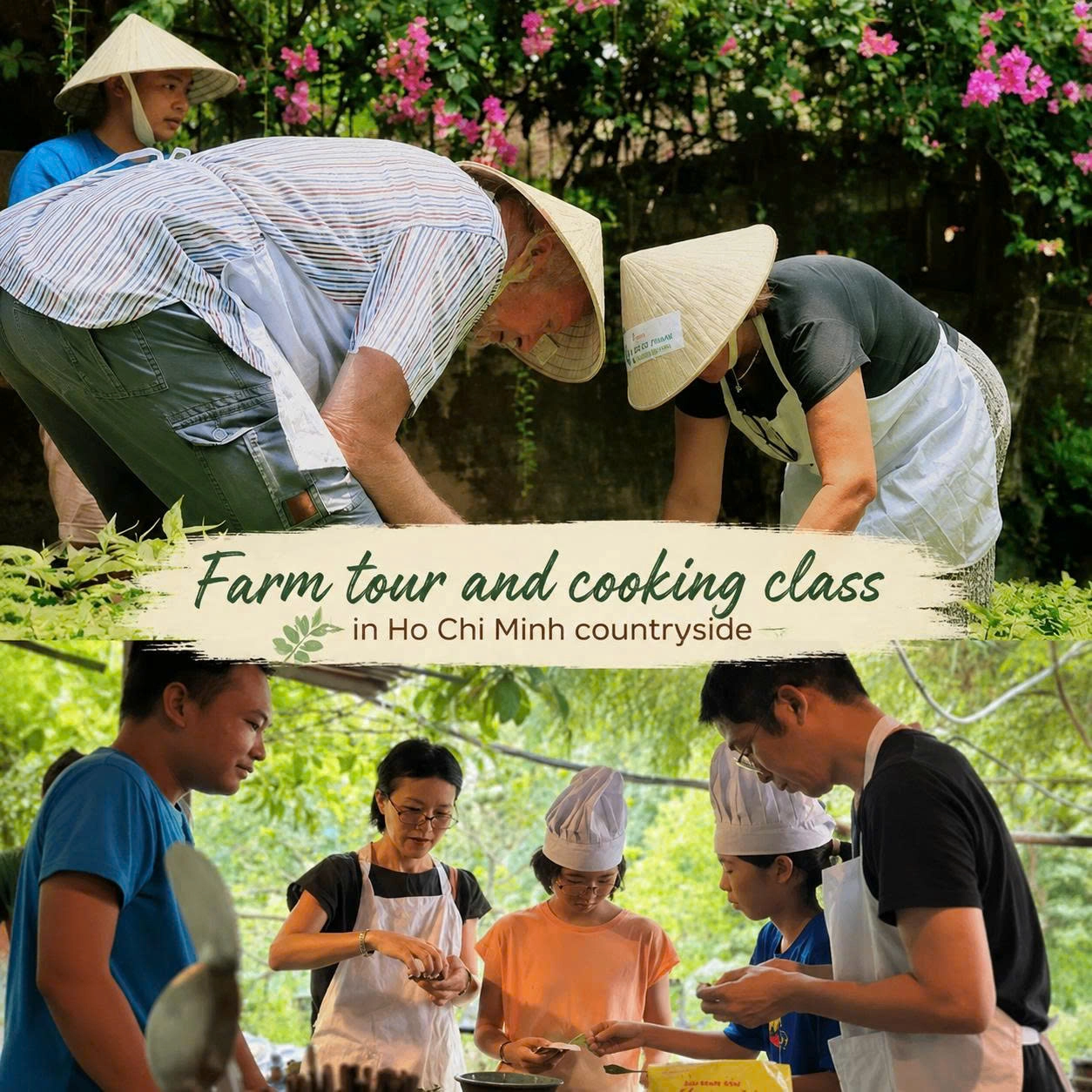
Travelers avoiding common mistakes when visiting Vietnam - Source: Pinterest
Many first-time visitors experience avoidable problems simply because they overlook a few practical details. Keeping these common mistakes in mind will help you enjoy a smoother, safer, and more comfortable trip across Vietnam.
-
Avoid rushing your itinerary: Vietnam is a long country, so limit the number of destinations and spend more time enjoying each place.
-
Check the weather by region: Northern, central, and southern Vietnam have different climates, so pack according to the areas you plan to visit.
-
Drink bottled or filtered water: Avoid tap water throughout your trip to reduce the risk of stomach problems.
-
Exchange money at official locations: Use banks, licensed exchange counters, or airports instead of unofficial currency exchangers.
-
Carry enough cash: Small restaurants, local markets, and rural areas often prefer cash payments over cards.
-
Cross streets calmly: Walk at a steady pace and avoid sudden movements, as traffic usually flows around pedestrians.
-
Book transport and tours early: Reserve flights, trains, cruises, and popular attractions in advance during peak travel seasons for better availability and prices.
>> Read more: 9 Days Vietnam: How To Plan A Realistic, Stress-Free Itinerary
4. Frequently Asked Questions (FAQ)
4.1. How Many Days Are Ideal for a First Trip to Vietnam?
Two to three weeks is the ideal length for a first trip to Vietnam, allowing enough time to explore the north, central, and south at a comfortable pace. If you only have one week, focus on a single region rather than trying to visit the entire country.
4.2. Is Vietnam Suitable for Solo Travelers?
Yes. Vietnam is one of Southeast Asia's most popular destinations for solo travelers thanks to its affordable costs, reliable transportation, and well-developed tourist infrastructure. Tourist areas are generally safe, though basic precautions should still be taken in busy cities.
4.3. Can Travelers Use International Driving Licenses in Vietnam?
Vietnam only recognizes International Driving Permits (IDPs) issued under the 1968 Vienna Convention. Before renting a motorbike or car, check whether your country's license is accepted, as riding without a valid license may affect both legality and travel insurance coverage.
4.4. What Local Apps Should Tourists Download Before Arriving?
Grab, Google Maps, and Google Translate are the most useful apps for getting around Vietnam. These apps make it easier to book transport, navigate cities, translate menus, and communicate during your trip.
These vietnam travel tips are a foundation, not a script. The best moments in Vietnam tend to happen outside the itinerary, in conversations at a roadside café, on a quiet back road between two temples, or at a floating market before the tour buses arrive. For personalized itineraries, transport bookings, and local tour experiences that help you find exactly those moments, explore what Joytime: Vietnam Travel has to offer before your journey begins.
|
Joytime Travel Agency - Travel JOY, TIMEless Vietnam Safe, Seamless, Satisfying, Sustainable Follow us for travel tips, local insights, and exclusive offers:
|

Danish Nguyen
Danish Nguyen is a renowned travel blogger in Vietnam with over 5 years of experience sharing unique travel experiences. With a passion for exploring new places, Danish captures incredible moments and provides readers with valuable tips to discover the beauty of his homeland.