









Best Time to Visit Vietnam September: Weather & Where to Go
If you are searching for the best time to visit Vietnam September, this month offers a balanced travel experience with cooler weather in the North, golden rice terraces, and fewer crowds after summer. Some regions may see rain, but with the right route, September still brings many rewarding moments. In this guide, Joytime Travel helps you plan where to go, what to expect, and how to travel smoothly.
1. Why is September the best time to visit Vietnam
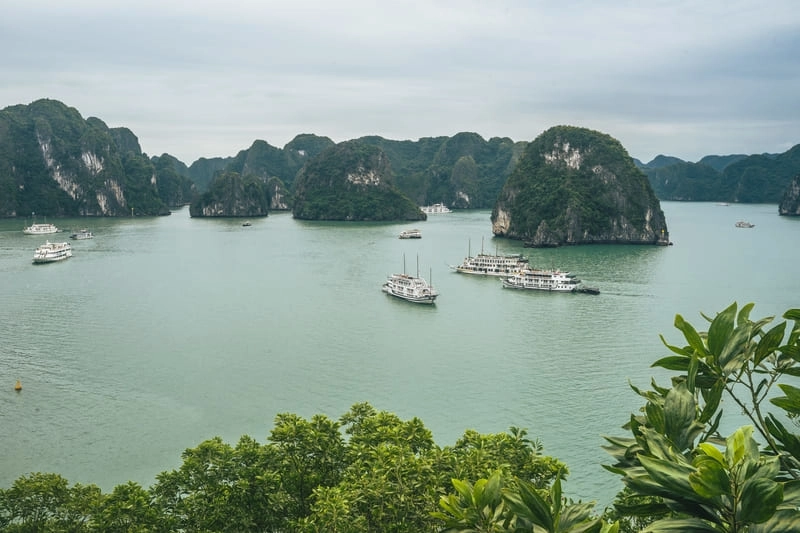
Why is September the best time to visit Vietnam - Source: Magnific
September is a great time to visit Vietnam for travelers who want a more relaxed trip after the busy summer season. It offers a good balance of seasonal scenery, outdoor experiences, and better control over travel costs.
Enjoy mild autumn weather in Northern Vietnam
September makes travel in Northern Vietnam more comfortable as the heat becomes less intense, especially when exploring Hanoi, Ninh Binh, or the northern mountains. Travelers can walk longer during the day, visit more places, and rely less on constant breaks from the heat or frequent transfers by car.
See the golden rice terraces in full beauty
The golden rice season in September gives travelers a clear reason to visit Vietnam beyond the usual city routes. For international visitors, this is a chance to see highland farming life, harvest scenes, and golden valleys that only appear for a short period each year.
Travel with fewer crowds after the summer rush
After the summer peak, many attractions feel less crowded than during the family holiday season. This is one reason why the best time to visit Vietnam September is often associated with a more comfortable travel pace for visitors who want fewer crowds and easier planning. Travelers can book services more easily, spend less time waiting for cars, boats, or check-in spots, and enjoy a more flexible, less tiring itinerary throughout the day.
Find better deals on flights and accommodations
September often gives travelers more options when booking flights, hotels, or tours, as demand usually slows down after summer. With the same budget, you may be able to choose better flight times, stay in a more convenient location, or upgrade your travel services instead of choosing only the cheapest option.
2. Vietnam weather in September: A tale of 3 regions
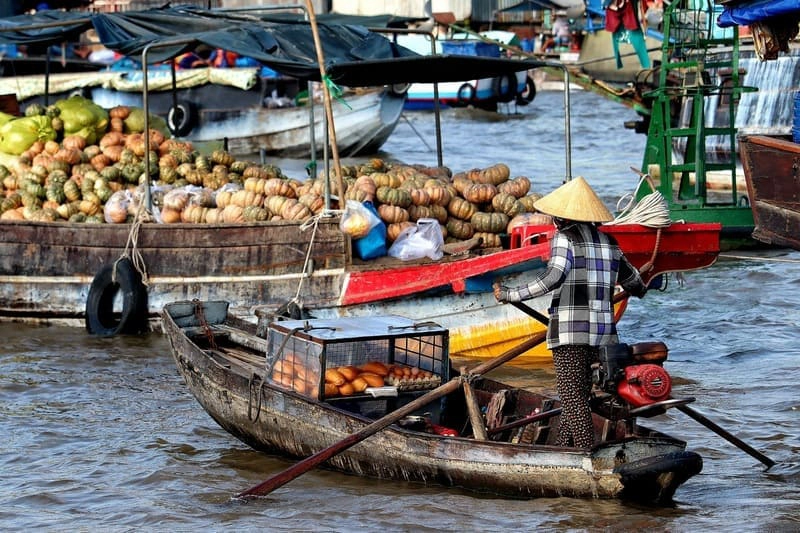
Vietnam weather in September: A tale of 3 regions - Source:Pixabay
Vietnam’s weather in September varies clearly from north to south, so travelers should understand each region before planning the route. This helps you choose the right travel order, outdoor timing, and backup options.
| Destination | Temp (high / low) | Rainfall | Rainy days | Storm risk | Verdict |
|---|---|---|---|---|---|
| Hanoi | 32°C / 25°C | ~250 mm | 13–15 | Moderate–High | Good, pack a flexible plan |
| Sapa / Mu Cang Chai | 22°C / 15°C | ~300–400 mm | 18–20 | Moderate | Best for golden rice terraces, mornings are clearer |
| Ha Long Bay | 31°C / 25°C | ~300 mm | 13–15 | High | Check typhoon forecasts, cruises may be cancelled |
| Hue | 31°C / 24°C | ~450 mm | 15–18 | Moderate–High | Rainy, plan indoor options |
| Da Nang / Hoi An | 32°C / 24°C | ~350 mm | 14–16 | Moderate | Fewer crowds, unstable sea, monitor weather daily |
| Da Lat | 24°C / 16°C | ~250 mm | 18–20 | Low | Cool and green, short afternoon showers |
| Ho Chi Minh City | 32°C / 25°C | ~330 mm | 18–20 | Low | Hot and humid, afternoon downpours |
| Mekong Delta | 32°C / 25°C | ~300 mm | 17–19 | Low | Green scenery and floating markets, start early |
| Phu Quoc | 31°C / 25°C | ~400–450 mm | 19–22 | Low | Low season, rough seas, not ideal for beaches |
2.1. Northern Vietnam weather in September
Northern Vietnam becomes more pleasant after the summer heat. However, weather conditions can still vary between lowland areas, midland provinces, and mountainous regions.
-
Cooler temperatures and lower humidity: September in Northern Vietnam usually feels less hot and humid, especially in the early morning and evening. Travelers should bring a light layer if the itinerary includes early departures, late returns, or higher-altitude areas.
-
Clearer skies and better mountain visibility: On days with less rain, visibility is often better in hilly and mountainous areas. Scenic viewpoints and outdoor sightseeing should be planned for the morning, as clouds and mist are more likely to build up later in the day.
-
Comfortable conditions for trekking and outdoor trips: For long walks or trekking in September, trail conditions matter more than temperature alone. After rain, dirt paths, stone steps, and slopes can be slippery, so good-grip shoes and a realistic pace are important.
2.2. Central Vietnam weather in September
Central Vietnam starts to become more unpredictable in September. Although the best time to visit Vietnam September can still apply to certain regions and travel styles, travelers should avoid building the whole itinerary around sunny weather or back-to-back outdoor activities.
-
Beginning of the rainy season: Rain can arrive unexpectedly during the day, so a Central Vietnam itinerary should leave room for changes. Instead of covering many far-apart places, travelers should group nearby activities into the same part of the day.
-
Occasional storms and tropical showers: Heavy rain, strong winds, or tropical low-pressure systems may disrupt sea transfers and coastal routes. Before booking services, travelers should check the change, cancellation, and refund policies carefully.
-
Quieter beaches and fewer tourists: September beaches are often less crowded than during the peak beach season, but sea conditions can also be less stable. Travelers should follow warnings about waves and currents, and choose accommodation with alternative facilities for rainy days.
2.3. Southern Vietnam weather in September
Southern Vietnam is still strongly influenced by the rainy season in September. Rain often comes in short bursts, so how you plan each day can decide whether the trip runs smoothly or gets interrupted.
-
Peak rainy season with short afternoon showers: Rain often falls in the afternoon or evening and can slow down traffic in urban areas. Travelers should schedule long-distance transfers, outdoor visits, and important travel connections earlier in the day.
-
Lush green landscapes across the countryside: Frequent rain makes rural areas look greener, but small roads, garden paths, and boat landings can become wet and slippery. Travelers should bring quick-dry clothes, water-resistant bags, and footwear that is easy to clean.
-
Vibrant floating markets and local river life: During the rainy season, river life follows the weather more noticeably. For water-based activities, travelers should start early, choose operators that provide life jackets, and ask about rescheduling options in case of heavy rain.
3. Where to go in Vietnam in September?
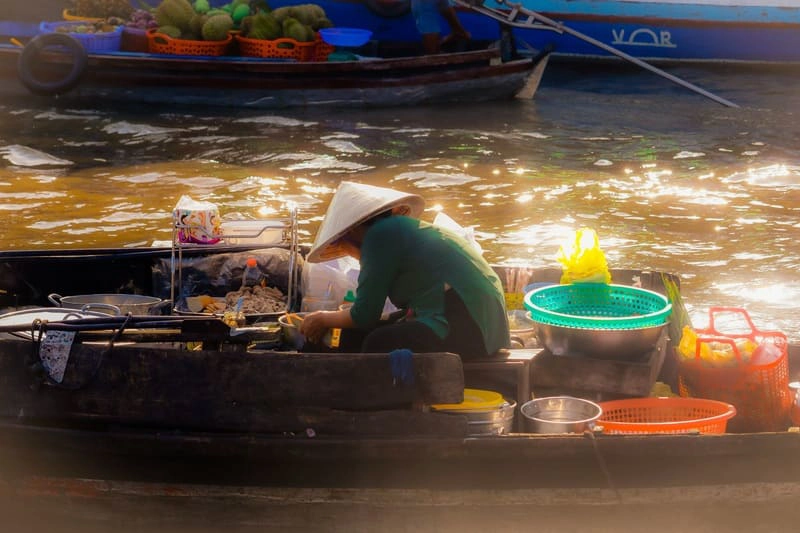
Where to go in Vietnam in September? - Source:Pixabay
September is a good time to choose destinations based on the kind of experience you want, rather than only following famous names. This is also why the best time to visit Vietnam September should be understood through different travel styles, not just one fixed route. Each place below suits a different type of traveler, from nature lovers and culture seekers to those interested in river life.
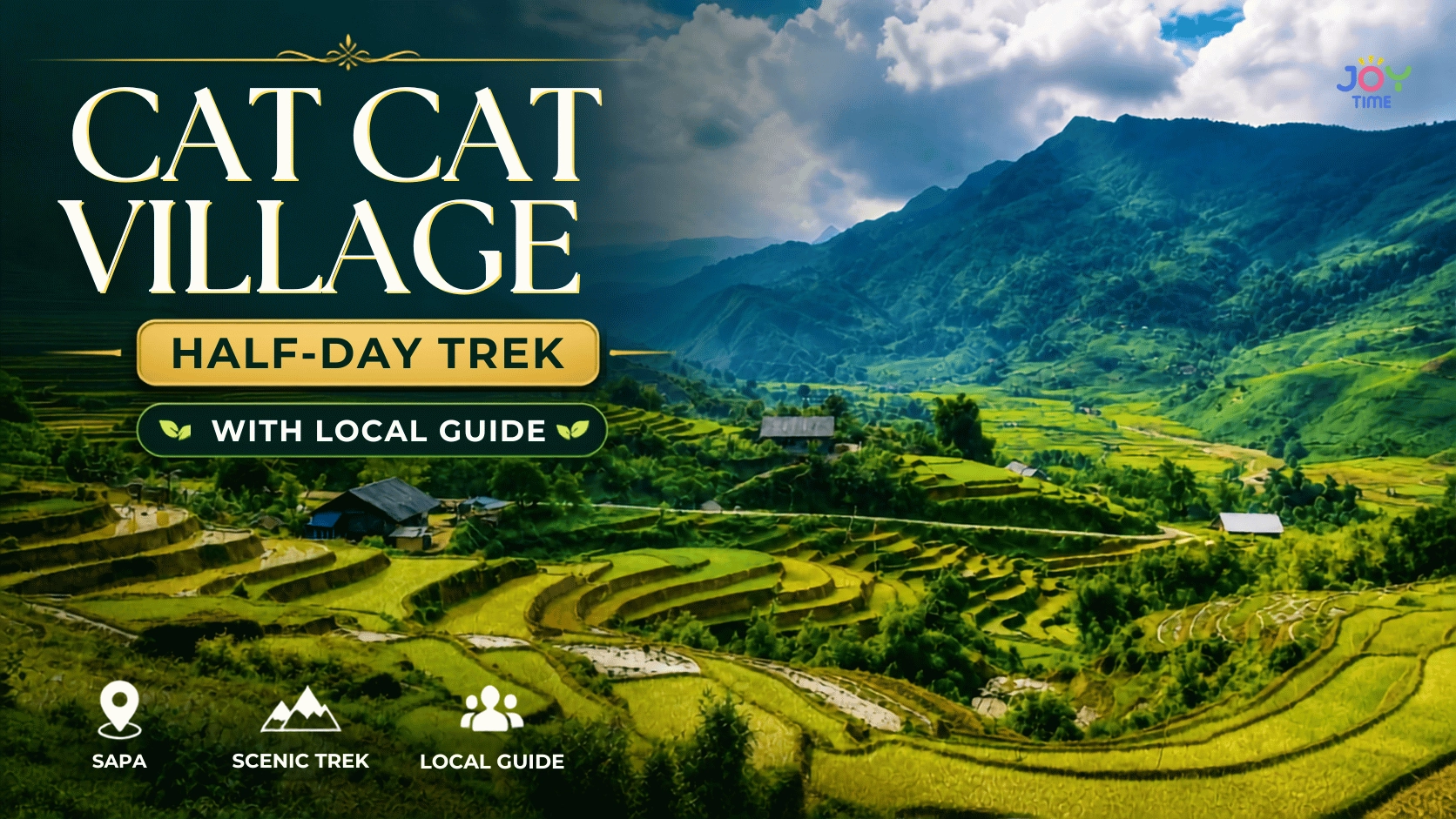
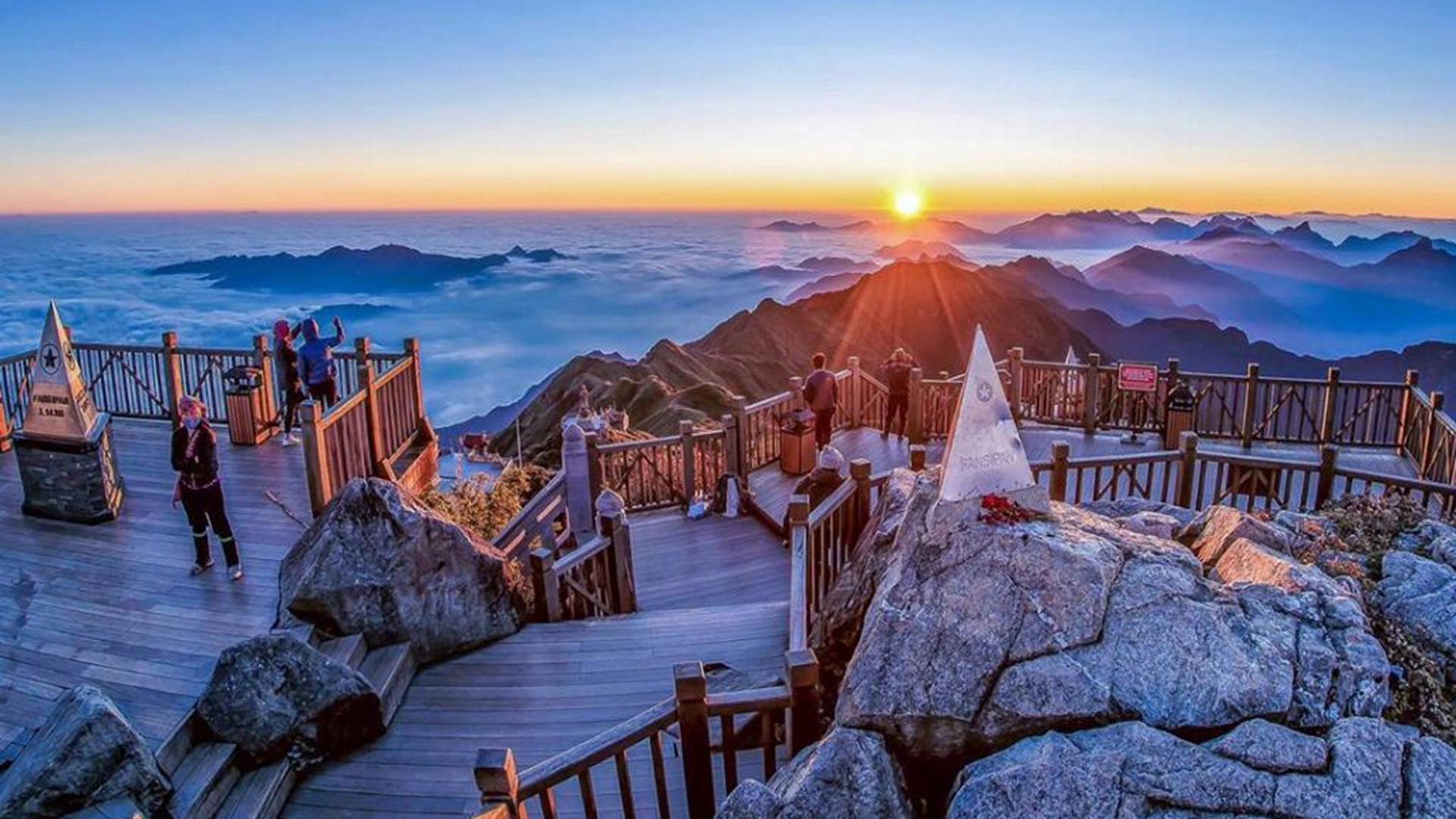
3.1. Sapa and Mu Cang Chai: Golden rice terrace season
Sapa and Mu Cang Chai are ideal for travelers who want to see Northern Vietnam’s mountains at their most characterful time of year. This is not only a scenic trip, but also a chance to observe the seasonal rhythm of highland communities.
-
Peak harvest season in Northern Vietnam: During harvest season, highland villages become more lively with local farmers working in the fields, drying rice, and preparing crops after harvest. Travelers can better understand local life instead of seeing the rice terraces only as photo spots.
-
Stunning terraced rice fields: The rice terraces in Sapa and Mu Cang Chai offer different visual experiences. Sapa is closely connected with villages and valleys, while Mu Cang Chai is known for wider terrace formations curving along the mountainsides. Choosing the right viewing route makes the experience more meaningful.
-
Ideal for trekking and photography: Travelers who enjoy trekking can choose routes passing through villages, suspension bridges, small streams, or terraced fields to see more layers of the landscape. For photography, include people, stilt houses, and harvest activities so the images feel more alive.

3.2. Hanoi: A romantic autumn stop in Vietnam
Hanoi in September is suitable for travelers who want to add a cultural stop to their Vietnam itinerary. The city offers a slower experience through food, old streets, lakes, and everyday local habits.
-
Cool weather and tree-lined autumn streets: Tree-lined streets, lakeside areas, and old alleyways create a distinctive atmosphere when walking around Hanoi. Travelers can spend half a day wandering slowly, stopping at small cafés, and observing local life instead of only visiting major landmarks.
-
“Hoa sua” fragrance season: The scent of hoa sua, or milk flowers, is closely associated with Hanoi’s autumn memories and is often more noticeable in the evening on certain streets. This is a distinctive local experience for travelers who enjoy sensing a city through sounds, scents, and everyday atmosphere.
-
Famous autumn street food and local specialties: Hanoi’s September food scene is worth exploring through seasonal specialties such as green rice flakes, sandworm omelet, ripe dracontomelon, and warm street snacks. Travelers should try them in local neighborhoods to experience the city’s everyday flavors more authentically.

3.3. Hoi An or Da Nang: Quieter Central Vietnam experience
Hoi An and Da Nang suit travelers looking for a well-balanced Central Vietnam stop without an overly packed schedule. The two destinations can combine relaxation, food, old-town charm, and coastal experiences in one trip.
-
Less crowded ancient streets and beaches: Hoi An in September often feels slower around the ancient town, especially in narrow alleys, old houses, tailor shops, and family-run eateries. Da Nang is a better fit for travelers who want to rest, enjoy seafood, and keep the itinerary light.
-
Suitable for flexible short stays: A short stay in Hoi An or Da Nang should focus on a few key experiences instead of trying to cover too many places. Travelers can spend one day in the ancient town and another on relaxation or eating, keeping the trip enjoyable rather than rushed.
-
Best visited with weather monitoring: When visiting Hoi An or Da Nang in September, travelers should prioritize adjustable experiences such as cooking classes, cafés, spa treatments, local markets, or riverside dinners. These options help the trip stay rewarding even when the weather changes.
3.4. Mekong Delta: Floating water season experience
The Mekong Delta in September is ideal for travelers who want to see a more everyday side of Vietnam, closely tied to rivers and agriculture. The experience is not flashy, but it feels local, warm, and deeply connected to daily life.
-
Rising river levels and floating markets: As water levels rise, rivers and canals become essential spaces for local communities. Floating markets are not only tourist stops, but also places where agricultural products, daily goods, and breakfast are exchanged directly on the water.
-
Authentic countryside experiences: Travelers can visit fruit gardens, ride small sampans, stop by local cake workshops, listen to traditional Southern folk music, or share a meal with a local family. These experiences suit those who want to understand Mekong Delta life beyond quick photo stops.
-
Beautiful seasonal river scenery: September river scenery is beautiful in a simple, intimate way, with nipa palms, small boats, orchards, and houses along the canals. This destination suits travelers who prefer slow travel and local observation over chasing famous check-in spots.
4. Suggested Vietnam in September itinerary
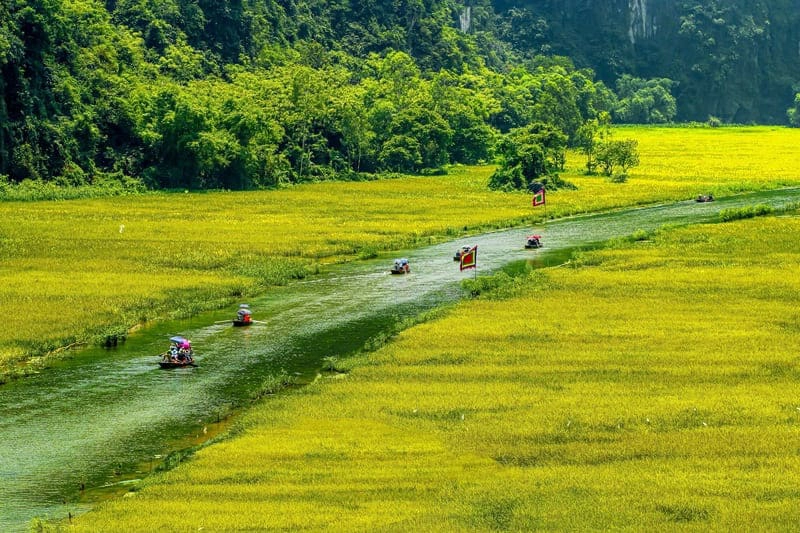
Suggested Vietnam in September itinerary - Source: Pixabay
A September itinerary should follow a practical travel route, avoid unnecessary backtracking, and leave enough rest time between long transfers. The 2 options below suit travelers who want to enjoy seasonal highlights without making the trip too exhausting.
4.1. 5-day Northern Vietnam autumn escape
Route: Hanoi – Sapa – Ha Long Bay (5 Days Vietnam)
Travelers can start in Hanoi to adjust to the pace of the trip, then continue to Sapa by overnight bus or limousine van. The final part should be spent in Ha Long Bay for a slower cruise experience, helping the itinerary feel less rushed. For those researching the best time to visit Vietnam September, this route offers a balanced way to experience northern culture, mountain scenery, and a relaxing coastal landscape in one short trip.
This itinerary works well for travelers who want two very different landscapes within a short trip. Sapa offers a highland experience, while Ha Long Bay adds a calmer day on the water to balance the journey.
In five days, travelers should choose light trekking, visit a few local villages, and avoid packing too many stops into Hanoi. The Ha Long Bay cruise should be treated as a restful part of the trip rather than another packed sightseeing day.
4.2. 7-day Vietnam September itinerary
Route: Hanoi – Ninh Binh – Sapa – Ho Chi Minh City – Mekong Delta (7 Days Vietnam Trip)
The itinerary should move from north to south to save flight time and reduce backtracking. Ninh Binh can be done as a day trip from Hanoi, before flying to Ho Chi Minh City for the Southern Vietnam leg.
With seven days, travelers have enough time to feel the contrast between old streets, natural scenery, a major city, and river life. Still, it is better to focus on key stops rather than adding too many destinations.
This route balances cultural sightseeing, mountain scenery, urban energy, and river-based experiences. Travelers should consider a private tour or a flexible itinerary if they want to manage the long transfers more comfortably.
5. Essential local tips for visiting Vietnam in September

Essential local tips for visiting Vietnam in September - Source: Pixabay
When visiting Vietnam in September, travelers should pack light, stay adaptable, and prepare for changing conditions between regions. The tips below can help make the trip smoother and reduce common travel inconveniences.
1. Pack lightweight rain gear
A thin raincoat, a foldable umbrella, and a small waterproof pouch are more practical than bulky rainwear. Keep them in your day bag, especially when walking around, visiting local markets, taking buses, or transferring between the airport and your hotel.
2. Bring a light jacket for the Northern mountain areas
If your itinerary includes Northern mountain areas, a light jacket will help you stay comfortable during cool evenings or early mornings. Choose something lightweight and easy to fold, so it does not take up too much space in your luggage.
3. Wear breathable clothing for humid days
Breathable, quick-dry clothing is more suitable for days with lots of movement. Travelers should avoid thick or tight outfits, as humidity can make them feel stuffy, uncomfortable, and inconvenient if unexpected rain occurs.
4. Keep your schedule flexible during rainy periods
A September itinerary should not be planned too tightly, especially when it involves flights, long-distance transfers, or pre-booked tours. Leaving small gaps between activities makes it easier to adjust the order of visits without affecting the whole plan.
5. Monitor weather forecasts when visiting Central Vietnam
If you visit Central Vietnam, check the weather forecast daily instead of only before departure. This helps you decide whether to keep, adjust, or shorten outdoor activities more proactively.
6. Consider Joytime Travel’s fast track service or private airport transfers
Joytime Travel’s fast track service or private airport transfers can make arrival, baggage collection, and the journey to your hotel smoother. This option is especially useful on rainy days, during busy landing hours, or when traveling with family or older guests.
Choosing the best time to visit Vietnam September gives travelers a well-balanced journey with seasonal landscapes, diverse regional experiences, and more flexible travel planning. From Northern mountain routes and cultural city stops to Central Vietnam short stays and Southern river life, September offers many ways to explore the country in depth.
For a smoother trip, contact Joytime Travel Agency for tailored itineraries, private transfers, fast track service, and practical local support throughout your Vietnam journey.
|
Joytime Travel Agency - Travel JOY, TIMEless Vietnam Safe, Seamless, Satisfying, Sustainable Follow us for travel tips, local insights, and exclusive offers:
|

Danish Nguyen
Danish Nguyen is a renowned travel blogger in Vietnam with over 5 years of experience sharing unique travel experiences. With a passion for exploring new places, Danish captures incredible moments and provides readers with valuable tips to discover the beauty of his homeland.