







Best Time to Visit Hanoi: When Should You Go?
Few cities in Southeast Asia give you a genuine choice of seasons the way Hanoi does. The Vietnamese capital sits far enough north that it experiences something close to four distinct seasons, not the softened tropical version where "cool" means 26°C, but real seasonal shifts that change what the city looks like, smells like, and feels like underfoot. Knowing which season suits you is the single most useful decision you can make before booking your trip. This guide to the best time to visit Hanoi breaks down each season honestly, tells you which months to choose and which to avoid, explains what to pack for each period, and helps you match your timing to what you actually want from the visit.
1. Best Time to Visit Hanoi by Season
The best time to visit Hanoi falls across four distinct windows, March (spring), May (early summer), October (autumn), and November (early winter), each offering comfortable temperatures, manageable rainfall, and seasonal experiences unique to that period of the year.
Hanoi's climate follows an East Asian four-season pattern rather than the wet-dry tropical cycle of southern Vietnam. This means the city has genuine spring flowers, summer thunderstorms, a golden autumn, and cool winter mornings, a range that makes seasonal timing genuinely matter.
>> Read more: Best Month to Travel Vietnam for a Perfect Trip
1.1. Spring: Visit in March for Blooming Flowers and Pleasant Weather
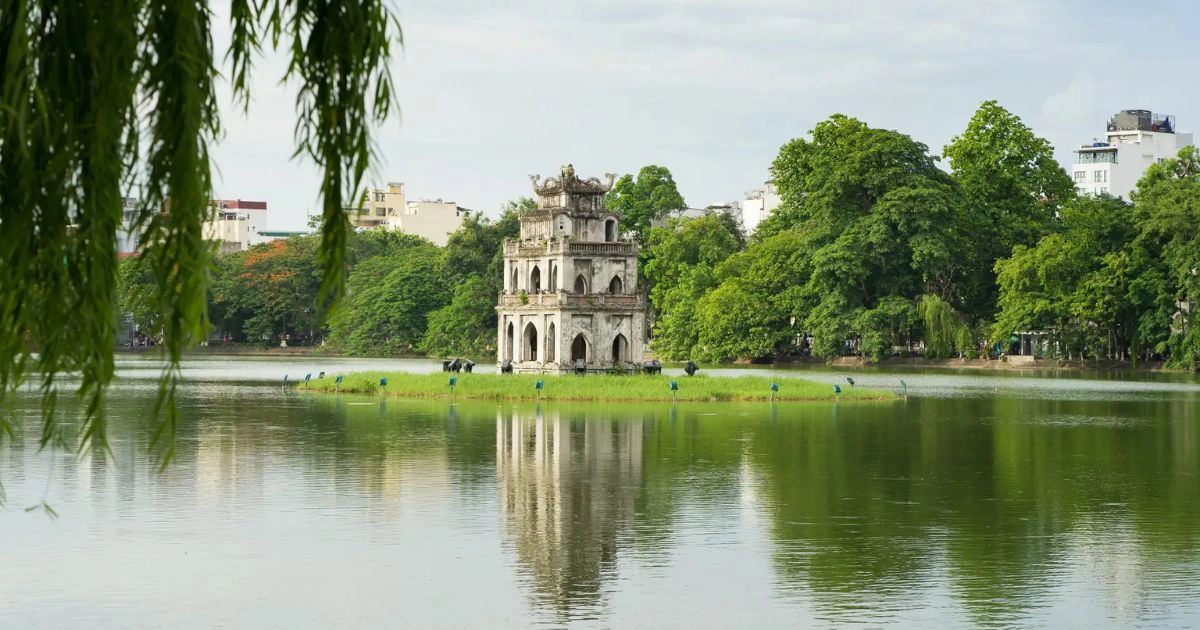
Hoan kiem lake spring march hanoi - Source: Pinterest
March is one of the best months to visit Hanoi, with temperatures of 18–23°C, low humidity, and comfortable weather for sightseeing, walking, and outdoor cafés. The city transitions from winter to spring, bringing brighter days and pleasant afternoons that are perfect for exploring the Old Quarter and Hoan Kiem Lake.
March is also flower season in Hanoi. Hoa sưa (milk flowers) bloom along streets such as Phan Dinh Phung, while hoa ban (white bauhinia) adds color to parks, flower markets, and city streets, creating one of the year's most beautiful urban landscapes.
The soft spring sunlight makes March one of the best months for photography, alongside October. Clear skies, fresh greenery, and blooming flowers provide ideal conditions for capturing Hanoi's lakes, tree-lined boulevards, and historic architecture.

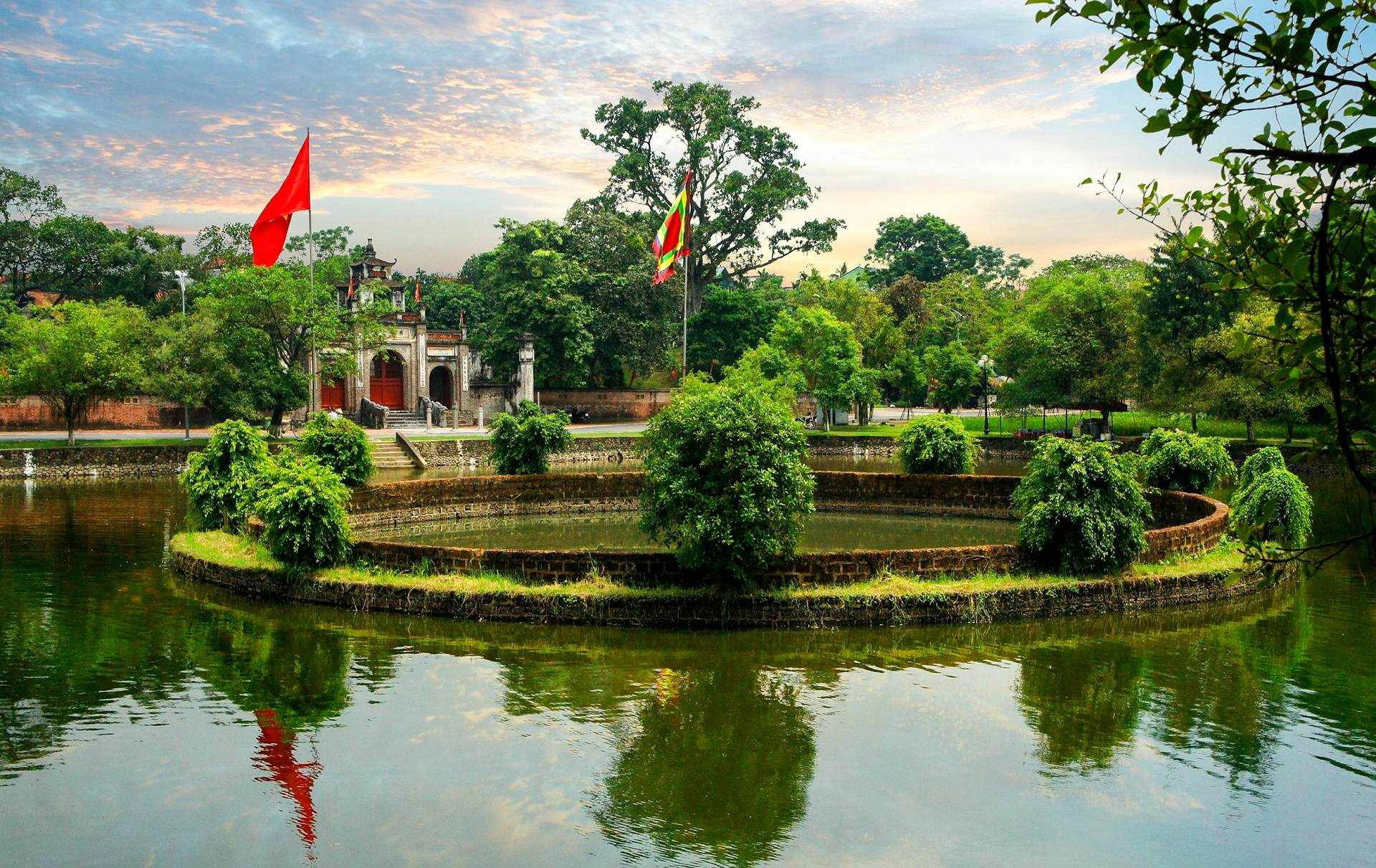
1.2. Summer: Visit in May Before the Peak Heat
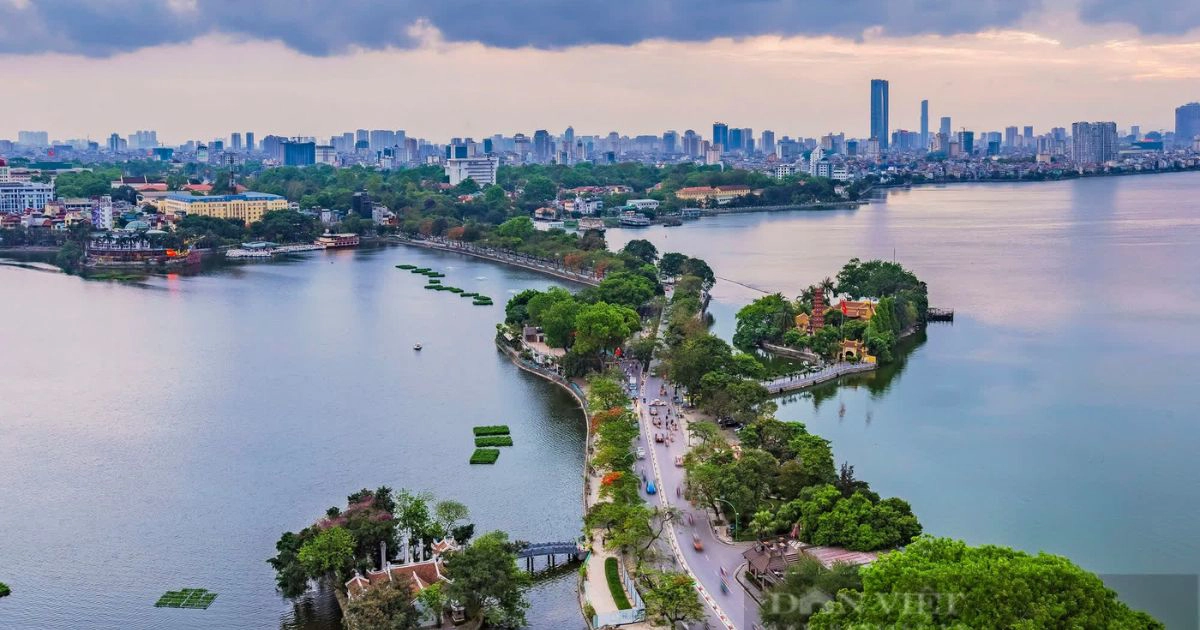
West lake sunset may hanoi - Source: Pinterest
May is the recommended month to visit Hanoi during summer. Temperatures of 27–32°C are warm but manageable, allowing you to enjoy the city before the heavier rainfall and extreme heat of June and July.
Hanoi's summer spans May through August, and the internal variation across those four months is significant. May still has clear days, occasional evening showers that refresh the air without disrupting full sightseeing days, and the seasonal flowers that mark early summer, purple crape myrtle (bằng lăng tím) blooming along Phan Dinh Phung and Hoang Dieu Streets, and the first red flamboyant trees (hoa phượng vĩ) beginning to appear by late May.
The West Lake neighborhood is at its most inviting for May evenings. Open-air lakeside restaurants catch the afternoon breeze, sunsets over the water are clear and unhurried, and the evening temperature after 6pm drops enough to make outdoor dining genuinely comfortable. If you are visiting Hanoi specifically to experience the city's café culture, the long afternoons at window seats, the iced coffee, the conversations that stretch past closing time, May provides the warmest version of that experience before summer's peak heat arrives.
1.3. Autumn: Visit in October for Hanoi's Best Weather
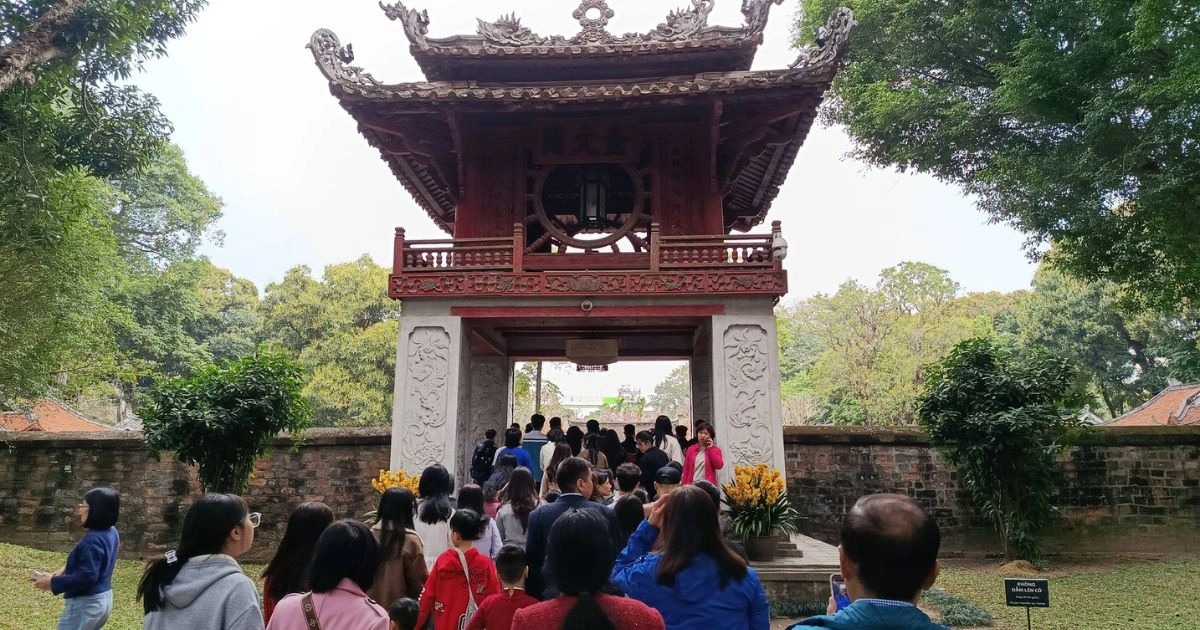
Temple of literature october hanoi - Source: Pinterest
October is widely considered the best month to visit Hanoi, with comfortable temperatures of 22–28°C, low humidity, clear blue skies, and ideal conditions for sightseeing. The pleasant weather and golden afternoon light make it perfect for exploring the Old Quarter, Hoan Kiem Lake, and the city's historic streets.
October is also one of the best times to experience Hanoi's seasonal culture and cuisine. Fresh cốm (young green rice) is available across the city, while the fragrant milk flowers (hoa sữa) bloom along many streets, creating the distinctive atmosphere that defines Hanoi in autumn.
As October is Hanoi's peak travel season, hotels, flights, and popular tours often book up quickly. If you're planning to visit during this month, reserve your accommodation and activities three to four weeks in advance to secure the best options.
1.4. Winter: Visit in November for Cool Weather Without the Coldest Days
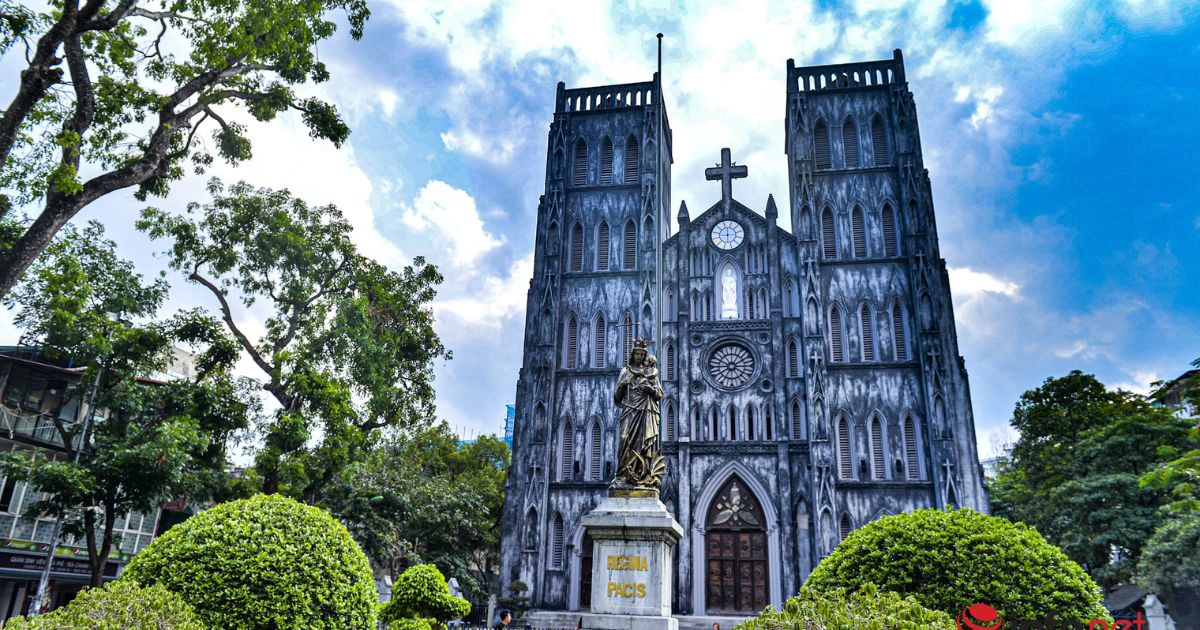
St joseph cathedral november hanoi - Source: Pinterest
November is one of the best months to enjoy Hanoi's early winter, with temperatures of 16–22°C, low rainfall, and cool, comfortable weather for sightseeing. Before the colder temperatures and winter drizzle arrive, it's an excellent time to explore the city's landmarks on foot.
November is also the season of cúc họa mi (white oxeye daisies), which appear at flower markets, cafés, and on street vendors' bicycles, adding a charming seasonal touch to Hanoi's streets.
The cooler weather is perfect for enjoying Hanoi's famous comfort foods. Warm dishes such as phở, bún bò Huế, lẩu bò, and bánh cuốn are especially enjoyable during this season, making November a great month for food lovers as well as sightseeing.
>> Read more: Best Time to Visit Vietnam With Family: Weather & Travel Tips | Joytime
2. When Should You Avoid Visiting Hanoi?
Two periods present the most significant challenges for Hanoi visitors: June and July bring peak heat and heavy rainfall that make outdoor sightseeing difficult, while late January through February combines cold drizzly weather with Tet holiday disruption that affects transport, restaurants, and attractions simultaneously.
2.1. June and July: Peak Summer Heat and Heavy Rain

Hoan Kiem Lake in rainy season - Source: Pinterest
June and July are the hardest months to visit Hanoi weather-wise, temperatures regularly exceed 35°C alongside high humidity, and afternoon thunderstorms occur almost daily, making the outdoor sightseeing that defines the best Hanoi experiences genuinely uncomfortable for most travelers.
This is not Hanoi's peak season for international visitors for good reason. The trade-off for difficult conditions is better hotel pricing and quieter attractions, if your dates are fixed and June or July is unavoidable, the practical response is to structure days with early morning sightseeing before 10am, midday rest in air-conditioned museums or cafés, and evening activities from 5pm onward when temperatures ease. The Vietnam Museum of Ethnology, Hoa Lo Prison Museum, and the covered interiors of Dong Xuan Market become the most sensible midday anchors during this period.
>> Read more: 7 Best Things To Do In Hanoi Old Quarter For An Unforgettable Visit | Joytime
2.2. Late January to February: Tet Holiday and Winter Drizzle
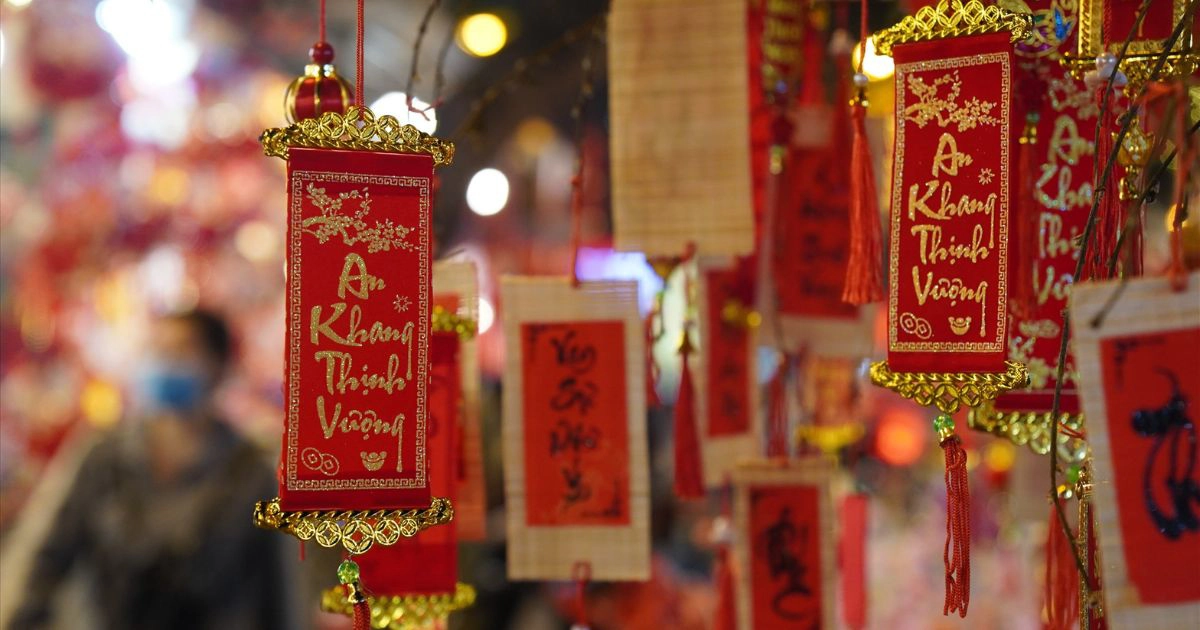
Hanoi Old Quarter during Tet holiday - Source: Pinterest
The Tet period (Vietnamese Lunar New Year, usually late January to mid-February) is the most disruptive time to visit Hanoi for practical travel, transport overloads, many local restaurants and shops close for days to two weeks, and the accompanying winter drizzle makes outdoor exploration cold and damp.
Understanding what peak season in hanoi means during Tet is important: it is a peak of domestic travel rather than international tourism, meaning the disruption is different from the pleasant busy-ness of October. Trains and buses fill weeks in advance as Vietnamese families travel home, prices for domestic transport spike, and the city empties out and then refills in the days around the holiday.
Travelers who visit specifically to experience Tet, arriving a week before the holiday to see the flower markets and decorated streets, can also combine the trip with a northern Vietnam itinerary after the celebrations.. But those expecting a fully operational city with easy restaurant access and open attractions will be disappointed without careful planning.
.webp)

3. What to Pack for Hanoi in Each Season
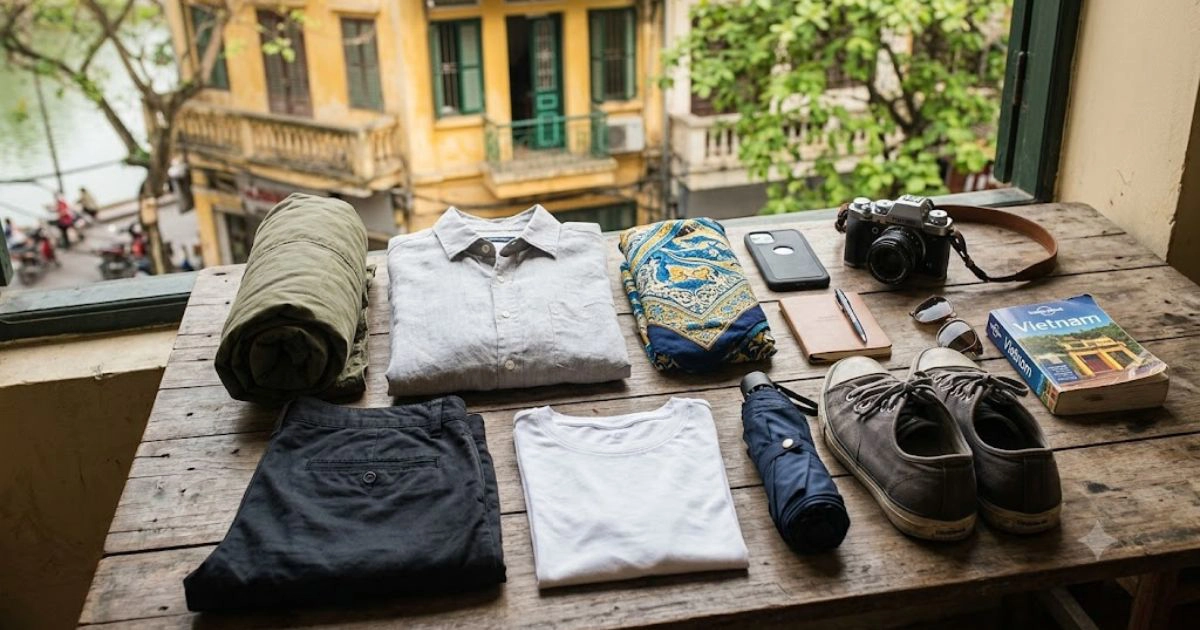
Travel essentials for visiting Hanoi - Source: Pinterest
Packing for Hanoi requires genuine seasonal awareness, the temperature range across the year spans from below 15°C in January to above 38°C in July, so what you bring should be determined entirely by when you are visiting rather than a standard Southeast Asia packing list.
3.1. What to Wear in Spring (March)
For March in Hanoi, pack light layers that handle the 18–23°C range, a thin jacket or long-sleeve layer for cool mornings, T-shirts for warm afternoons, and a small umbrella for the occasional shower that spring brings without warning.
Comfortable walking shoes are the most important practical item for spring Hanoi, the Old Quarter's uneven cobblestones and the lakeside paths reward footwear that can handle extended hours without fatigue. A camera or a phone with a good camera is worth prioritizing for March specifically: the milk flower season and the morning light make the city unusually photogenic during this window.
3.2. What to Pack for Summer (May)
May calls for lightweight, breathable clothing, linen or moisture-wicking fabrics work best, combined with sun protection essentials (sunglasses, sunscreen SPF 50+, and a wide-brim hat) and a compact umbrella for the afternoon showers that appear most evenings.
A reusable water bottle is more important in May than in any other month, staying hydrated during warm-weather sightseeing matters, and refill options at cafés and hotels are widely available. Sandals work well for most May activities, but keep a pair of closed shoes available for temple visits where open-toe footwear is occasionally restricted.
3.3. What to Wear in Autumn (October)
October's 22–28°C range is the most versatile of the year, pack a mix of light summer clothing for warm afternoons and a thin sweater or cardigan for cooler evenings, when temperatures in the second half of October can drop noticeably after sunset.
A light scarf is worth including for October mornings and evenings, it doubles as temple covering and adds warmth without bulk. Comfortable shoes designed for extended walking are essential; October's dry weather means the Old Quarter's streets are at their most walkable, and a well-planned day can cover considerable ground on foot. A camera is particularly worth packing for October, the autumn light in Hanoi is the best of the year for photography.
3.4. What to Pack for Winter (November)
November requires a proper light coat or thin jacket alongside long trousers and closed-toe shoes, the 16–22°C range feels colder than the numbers suggest when combined with Hanoi's characteristic late-year dampness and wind.
Layering is the right approach for November: a thermal base layer, a long-sleeve shirt, and a light outer jacket cover the full range of the month's temperatures without overpacking. Moisturizer and lip balm are worth adding for the dry air that accompanies November's cool weather. Waterproof or water-resistant footwear becomes useful in the second half of November as brief showers begin appearing more frequently ahead of December's drizzle season.
>> Read more: Day Tour I Exploring Hanoi Capital
4. How to Choose the Best Month for Your Travel Style
The best month to visit Hanoi varies by what you most want from the trip, October is the strongest all-round recommendation, but March, May, and November each offer specific advantages depending on your priorities.
For sightseeing, October and November provide the most comfortable conditions for the extended outdoor walking that Hanoi's landmarks require. A full day moving between the Ho Chi Minh complex, Temple of Literature, Imperial Citadel, and Hoan Kiem Lake is physically manageable in autumn's dry cool air in a way that August's heat does not permit.
For photography, March and October are the two peak months without question. Hanoi weather best time to visit for camera work is the golden afternoon light of October or the soft morning light of March, both produce images that the harsher summer sun and the grey winter drizzle cannot. Early morning visits to Hoan Kiem Lake in either month reward patience with genuinely beautiful light.
For food lovers, October and November are the definitive months. The seasonal foods of autumn, cốm, autumn flowers, hot street dishes that feel exactly right in cooler air, make this the richest window for culinary exploration. The best season for hanoi food travel is unambiguously autumn, with November a close second as the hot dishes of winter street food begin to appear.
For families with children, March and October offer the most manageable conditions, comfortable temperatures, low rain probability, and enough variety in attractions to satisfy different ages. October is busier and requires advance hotel booking; March is quieter and often better priced.
For budget travelers, May and September offer the best combination of reasonable hotel rates and acceptable weather. Best time to visit hanoi weather wise on a tight budget is May, the conditions are warm but manageable, prices are noticeably lower than October's premium period, and the city is lively and fully operational.
5. Frequently Asked Questions (FAQ)
5.1. How Many Days Should I Spend in Hanoi?
Three to five days is the ideal amount of time to explore Hanoi. Three days lets you visit the city's main attractions and enjoy its famous street food, while five days gives you enough time for a day trip to Ninh Binh or Ha Long Bay. If you're planning a longer northern Vietnam itinerary, one week is a convenient option.
5.2. What Should I Pack for Each Season?
Pack according to the season you visit. Bring light layers for spring, breathable clothing and sun protection for summer, a light jacket for autumn, and warmer clothing for winter. Comfortable walking shoes and a compact umbrella are useful throughout the year.
5.3. Can I Combine Hanoi with Other Destinations in Northern Vietnam?
Yes. Hanoi is the main gateway to northern Vietnam, making it easy to combine the city with Ha Long travel or a trip to Ninh Binh and Sapa. October and November are the best months to combine these destinations, thanks to cool weather, clear skies, and excellent sightseeing conditions across the region.
Best time to visit Hanoi is in March, May, October, and November, when the city offers its most pleasant weather and memorable seasonal experiences. No matter when you visit, planning around the season helps you enjoy Hanoi's culture, food, and attractions to the fullest. Plan your trip with Joytime: Vietnam Travel for authentic local experiences and expertly designed Vietnam tours.
|
Joytime Travel Agency - Travel JOY, TIMEless Vietnam Safe, Seamless, Satisfying, Sustainable Follow us for travel tips, local insights, and exclusive offers:
|

Danish Nguyen
Danish Nguyen is a renowned travel blogger in Vietnam with over 5 years of experience sharing unique travel experiences. With a passion for exploring new places, Danish captures incredible moments and provides readers with valuable tips to discover the beauty of his homeland.