









Christ of Vung Tau Photos: Best Views and Photography Spots
The Christ of Vung Tau is one of the most recognizable landmarks on Vietnam’s southern coast, standing above the city on Small Mountain. The statue, surrounding coastline, and long stairway create plenty of opportunities for memorable travel photos. From the Vung Tau Jesus Steps to panoramic viewpoints near the top, this guide from Joytime Vietnam Travel highlights the best angles and moments to capture the landmark.
1. Christ of Vung Tau: Overview and Visitor Information
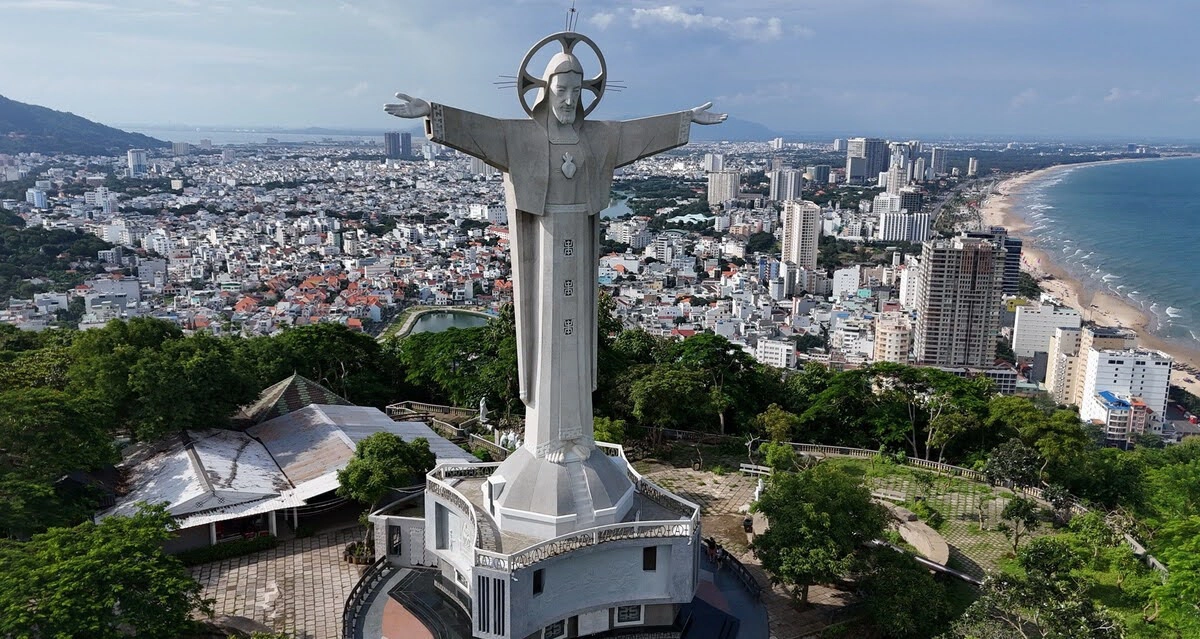
Christ of Vung Tau - Source: VietNamNet
The Christ of Vung Tau, officially known as the Christ the King Statue, stands on Small Mountain (Nui Nho or Tao Phung Mountain) overlooking the sea. The statue is about 32 meters high, with an arm span of approximately 18.4 meters, and sits at an elevation of around 170 meters above sea level. Inside the statue, a 133-step spiral staircase leads to the shoulder-level viewing area.
The climb is part of the experience. Visitors follow a stone staircase of about 811 steps from the entrance area to the base of the statue, with views becoming more open as you gain elevation. The route also passes religious features, including Stations of the Cross, so visitors should treat the site as both a tourist attraction and a place of worship. For photography, the climb itself is just as useful as the summit. The changing height gives you different perspectives of the statue, while the upper sections open toward the coastline and Vung Tau's urban landscape. Since the statue is a religious site, visitors should dress respectfully.

2. Best Photo Angles of the Christ of Vung Tau
2.1. Photos from the Lower Sections of the Jesus Steps
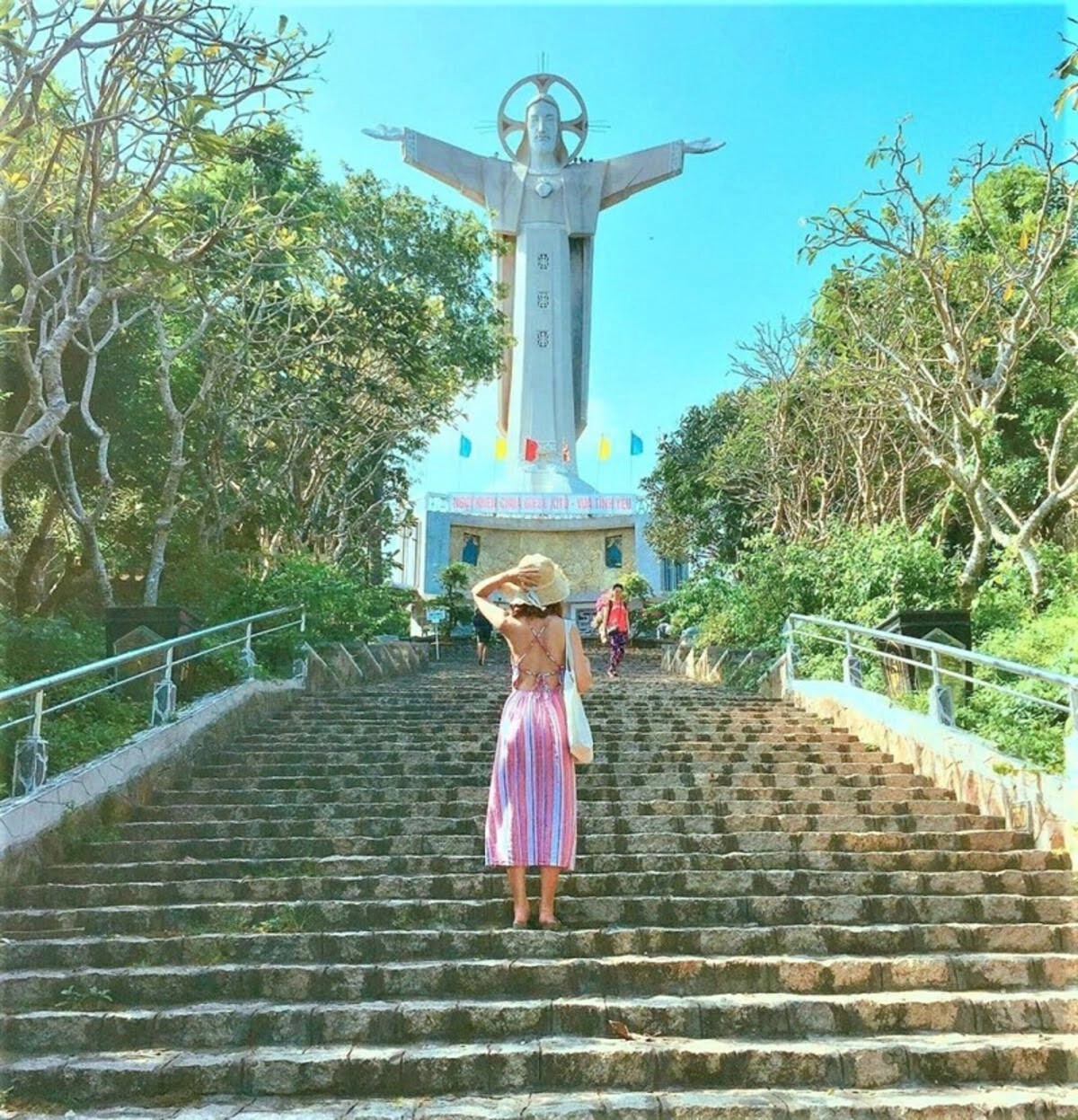
Photos of the Lower Jesus Steps - Source: Vinpearl
The lower part of the staircase is useful for capturing the scale of the climb. From here, the statue appears higher above you, which creates a strong vertical composition when you photograph upward. Try standing slightly to one side of the staircase instead of directly in the center. This allows the steps, trees, and statue to form layers within the frame. A person walking ahead can also give the photograph a sense of scale without making the image feel overly staged.
The lower sections are also practical for wider landscape shots because you can include more of the surrounding greenery and hillside. If the light is still soft in the morning, these areas can produce more balanced photos than the exposed upper sections.
2.2. Photos Along the New Stairway to the Statue
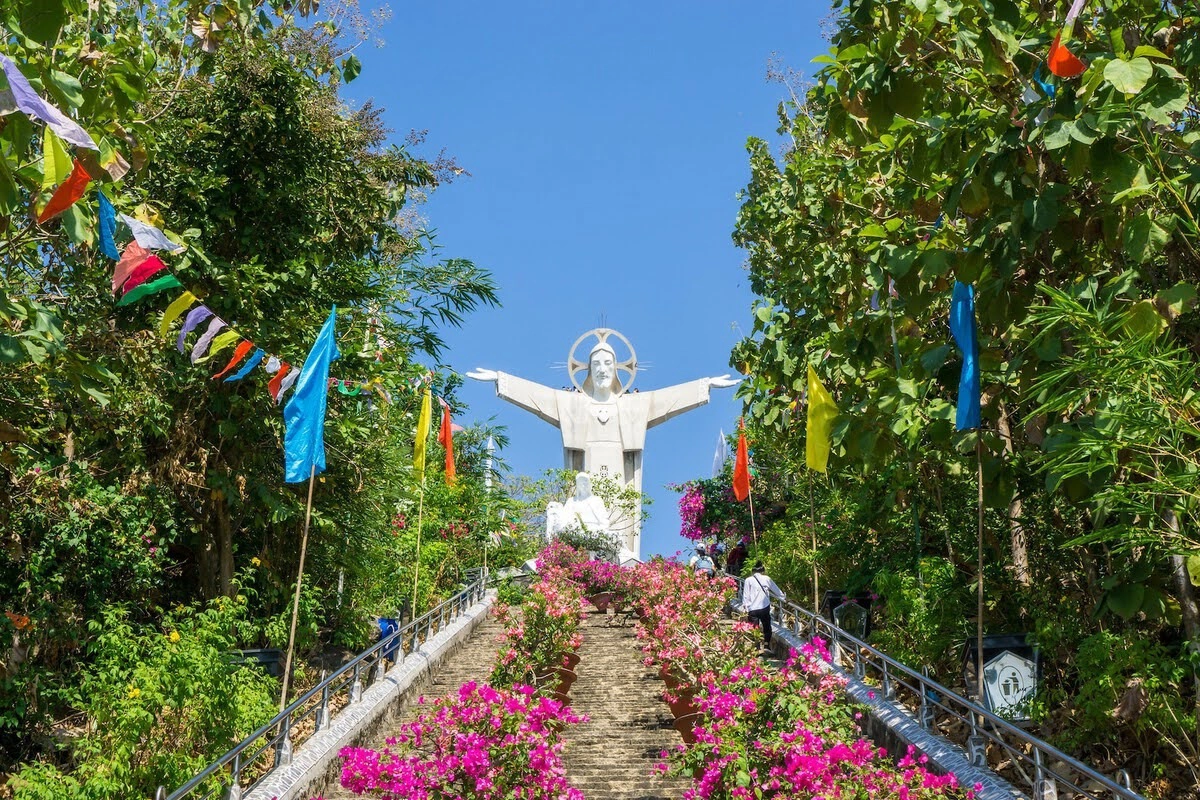
Photos of the New Stairway - Source: Uncover Vietnam
As you continue climbing the Vung Tau Jesus Steps, the perspective gradually changes. Sections of the staircase provide opportunities to photograph the statue partly framed by trees, especially when you look upward through the gaps in the vegetation.
Rather than photographing every section of the stairs, look for points where the staircase curves or changes direction. These natural bends create leading lines that guide the viewer's eye toward the statue. The climb also gives you opportunities for travel-style photographs rather than straightforward landmark shots. A photo showing the stairs in the foreground, the statue in the middle distance, and the blue sky or coastline behind it can communicate the whole experience of visiting the site.
2.3. Photos from the Stairway Near the Summit
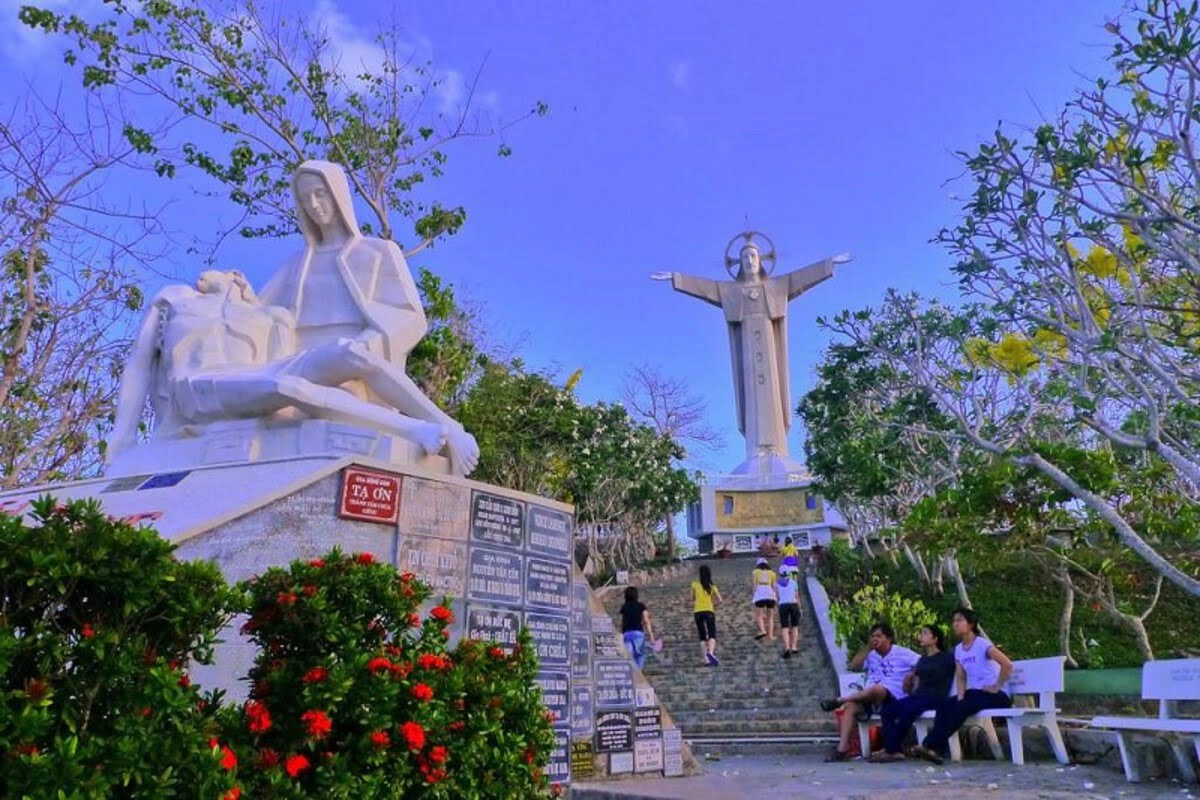
Photos from the Upper Stairway - Source: Vinpearl
The upper staircase is where the statue begins to feel much larger in the frame. Once you are close to the base, you can photograph architectural details that are difficult to see from lower down, including the texture of the concrete surface and the figure's outstretched arms. This is also a good place for a portrait with the statue behind you. Instead of standing directly in front of it, position yourself slightly to the side so that the full silhouette remains visible.
Keep in mind that the upper areas can become crowded. The staircase inside the statue is narrow, and the shoulder-level area has limited space. The tourism portal notes that the internal staircase has 133 steps and that the viewing area can accommodate up to 100 visitors at a time, so taking turns for photographs is important.
2.4. Wide-Angle Photos of the Statue and Coastline
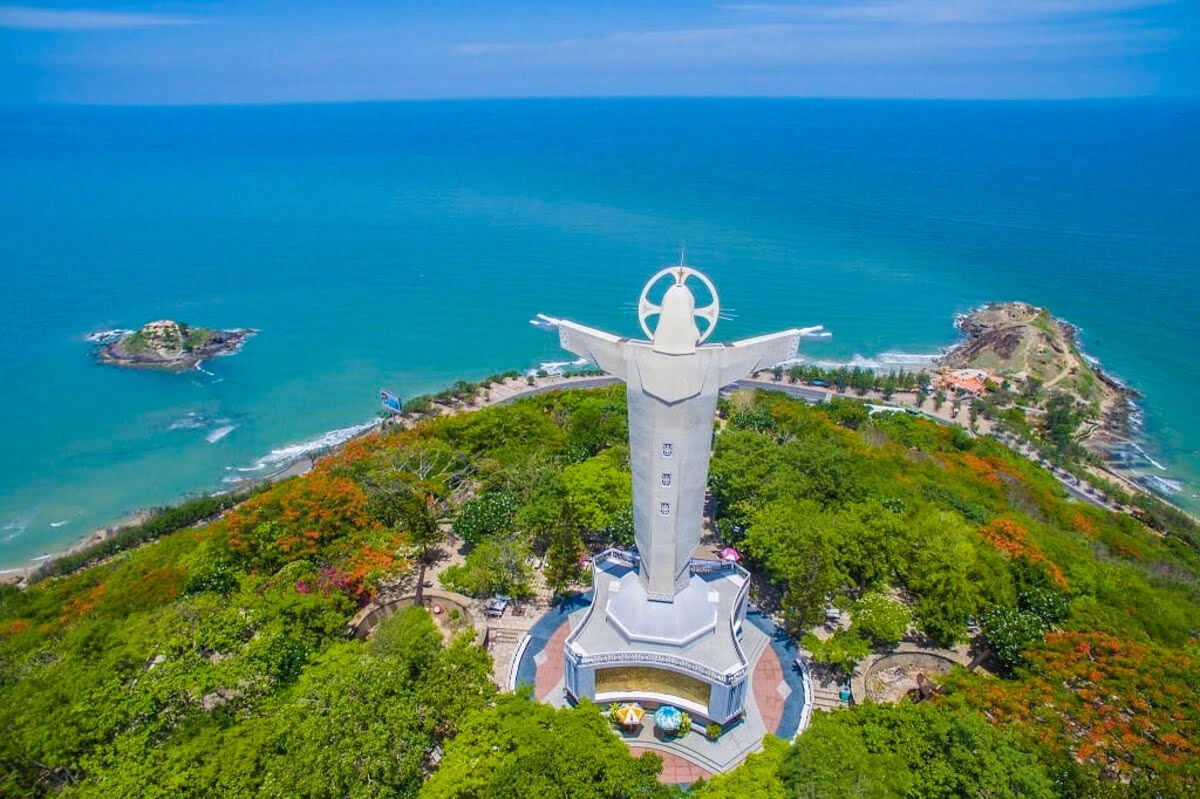
Wide Views of the Statue and Coast - Source: WinWonders
The higher sections provide some of the most expansive views of Vung Tau. Once you reach the upper viewing area, you can look out over the coastline, city, and surrounding sea. A wide-angle lens is useful if you want to include both the statue and the landscape, although you can also create a similar effect with a standard phone camera by stepping back where space allows. Panoramic shots work particularly well when the weather is clear and visibility is good.
For a more natural-looking travel photograph, avoid placing the statue directly in the center of every frame. Off-center compositions can leave room for the coastline or city below, making the image tell more of the story of where you are.
>>> Read more: Vung Tau Lighthouse: What to See and Know Before You Go
3. How to Get to the Christ of Vung Tau
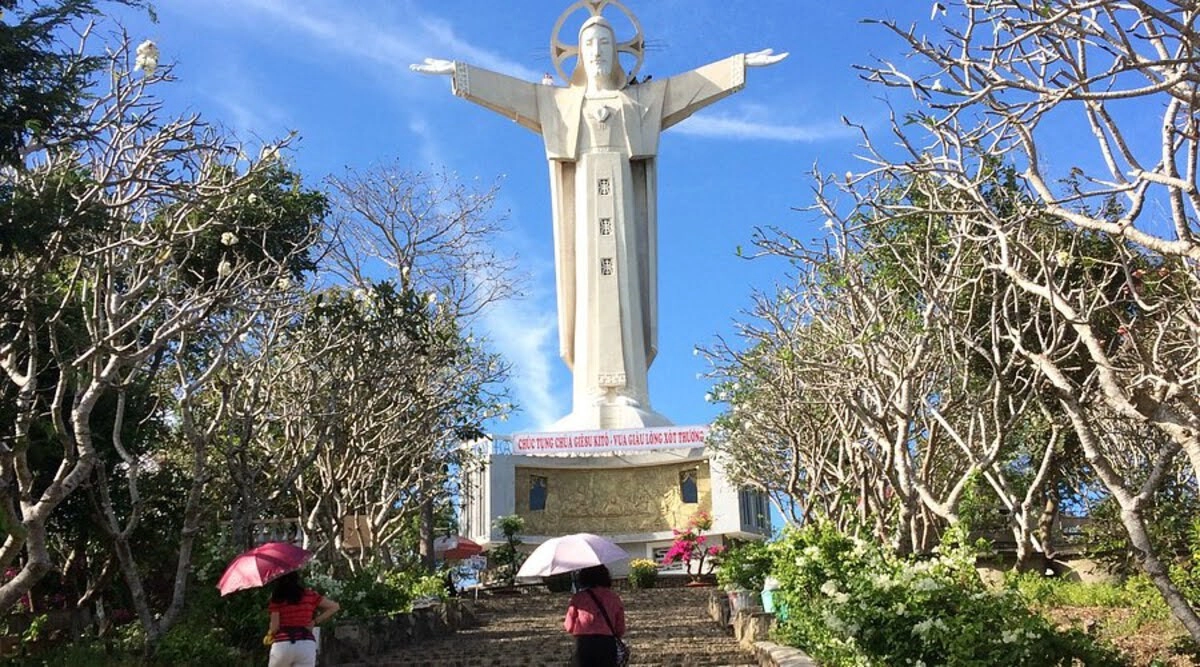
Ways to get to the Christ of Vung Tau - Source: Pinterest
3.1. Getting There From Vung Tau City Center
From central Vung Tau, you can reach the foot of Small Mountain by motorbike, taxi, ride-hailing service, or private car. The entrance area is close to the coastal roads around Ha Long and Thuy Van, making the site relatively easy to combine with other attractions around the city. A wider selection of local stops can be found through Vung Tau Tours, which is useful when combining the Christ statue with other places during the same day.
If you’re staying near Back Beach or the central beachfront area, the journey to the mountain is relatively short. The more important part to plan is the climb itself rather than the road distance. Allow extra time for the 811-step ascent, particularly if you are visiting in hot or humid weather.
3.2. Where to Start the Walk
The walking section begins from the entrance area at the foot of Small Mountain. From there, visitors follow the staircase up toward the statue. The route isn’t simply a straight staircase from street level to the monument. It winds through the hillside, with sections shaded by trees and several points where you can pause before continuing.
If photography is your main reason for visiting, avoid rushing through the first half of the climb. Some of the lower and middle sections offer useful angles that you will not get once you reach the statue itself.
3.3. Getting There by Motorbike, Taxi, or Car
A motorbike is convenient if you’re already exploring Vung Tau independently, while a taxi or ride-hailing service can be easier if you’re traveling with family or carrying camera equipment. For private cars, follow the road directions to the entrance area and check the available parking arrangements when you arrive. The final approach to the statue is on foot, so even visitors arriving by car will need to allow time for the staircase.
Because the statue is a religious site, it is worth choosing comfortable but respectful clothing before leaving your accommodation. This is especially important if you intend to enter the statue rather than only photograph it from the outside.

3.4. Parking and Access Tips
Parking arrangements can vary depending on where you arrive and how busy the site is. Rather than assuming that a particular parking area will always be available, follow signs and instructions from staff when you reach the entrance.
Wear shoes suitable for walking and stairs. The route is long enough that uncomfortable footwear can make the climb much harder, especially if you plan to continue up the spiral staircase inside the statue. It’s also useful to carry only the camera equipment you actually need. A lightweight camera or phone is much easier to handle on more than 800 steps than a heavy bag filled with unnecessary gear.
>>> Read more: Upside Down House Vung Tau: A Unique Photo Experience
4. Christ of Vung Tau Photos FAQs
4.1 Are There Any Restrictions on Entering the Statue?
As a religious site, the Christ of Vung Tau requires respectful dress, with shoulders and knees covered. If you’re taking Christ of Vung Tau photos, you can photograph the exterior and surrounding area freely, while access to the internal staircase and shoulder-level viewpoint follows site rules. Since the staircase is narrow, avoid blocking the passage and keep photo stops brief when it is busy.
4.2. Can You Bring a Tripod to the Christ of Vung Tau?
There is no reliable published rule banning ordinary tripods at the Christ of Vung Tau, but a large tripod can be difficult to manage. The route includes 800+ outdoor steps and a narrow 133-step spiral staircase inside the statue, with limited space at the viewing area. A phone or compact camera is usually more convenient. If you need a tripod, check with staff first and avoid setting it up in busy passages.
4.3. Are There Rest Areas Along the Way to the Statue?
Yes. There are places to stop and rest along the route, but the climb is still demanding, with around 811 steps to the statue and another 133 steps to the shoulder-level viewpoint. Bring water, especially on sunny days, and take breaks as needed. Early morning is usually more comfortable for the climb and offers softer light for photography.
Photographing the Christ of Vung Tau is as much about the journey upward as it is about reaching the statue itself. The changing views along the Vung Tau Jesus Steps, the surrounding greenery, and the coastline from higher sections give you plenty of ways to capture the landmark from different perspectives. Take your time with the climb, look beyond the most obvious viewpoints, and you may find that some of the best photos come from the steps rather than the summit.
For more places to photograph and things to experience around the city, visit Joytime: Vietnam Travel for more Vung Tau guides and travel ideas.
|
Joytime Travel Agency - Travel JOY, TIMEless Vietnam Safe, Seamless, Satisfying, Sustainable Follow us for travel tips, local insights, and exclusive offers:
|
Danish Nguyen
Danish Nguyen is a renowned travel blogger in Vietnam with over 5 years of experience sharing unique travel experiences. With a passion for exploring new places, Danish captures incredible moments and provides readers with valuable tips to discover the beauty of his homeland.