









Vung Tau Ferry Terminal: Routes, Tickets and Travel Guide
Vung Tau ferry terminal is an important departure point for travelers using ferry and high-speed boat services between Vung Tau, Can Gio, Ho Chi Minh City, and Con Dao. Because different routes may use different terminals, checking the correct departure point, schedule, and ticket information is essential before traveling. In this article by Joytime Vietnam Travel, you can find the key terminal locations, available ferry routes, ticket details, and practical boarding information for a smoother trip.
1. Vung Tau Ferry Terminal Locations
Vung Tau does not use one terminal for every sea route. The Can Gio vehicle ferry, Ho Chi Minh City high-speed ferry, and Con Dao high-speed service use different boarding points, so the terminal name on the ticket matters more than simply searching “Vung Tau ferry terminal” on a map.
1.1. Can Gio – Vung Tau Ferry Terminal
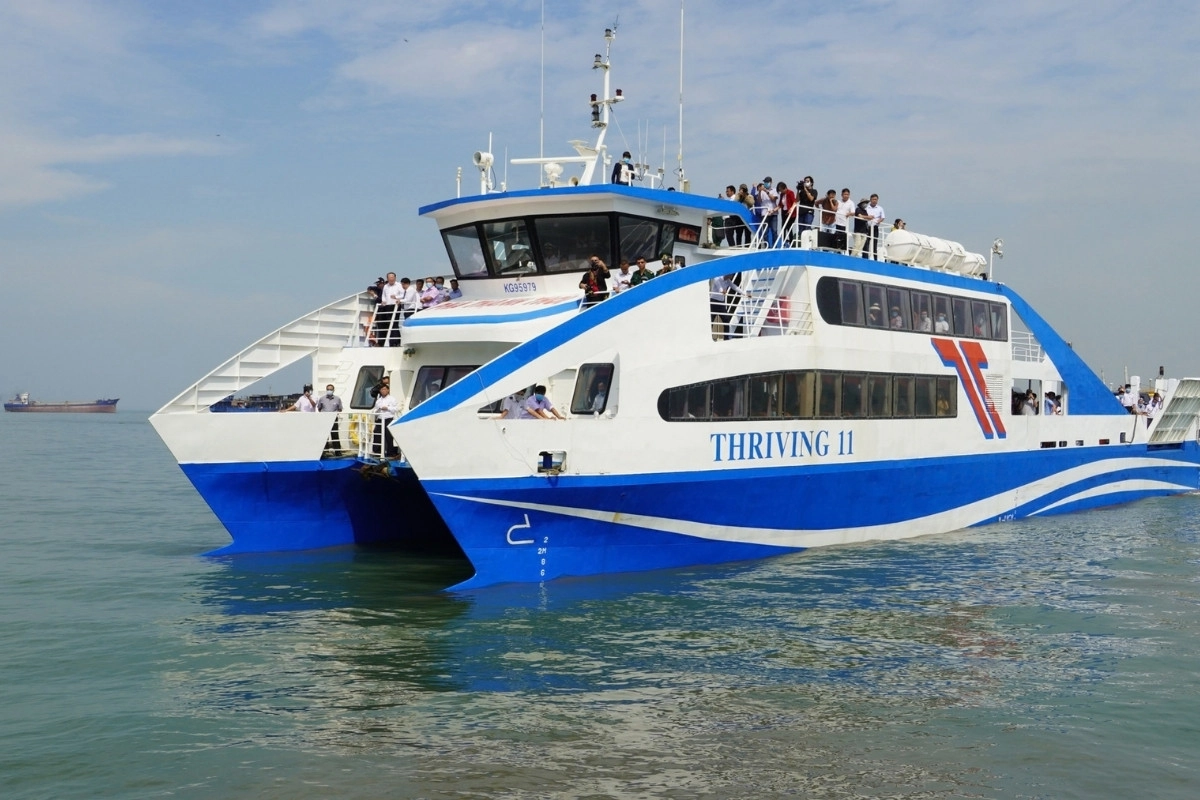
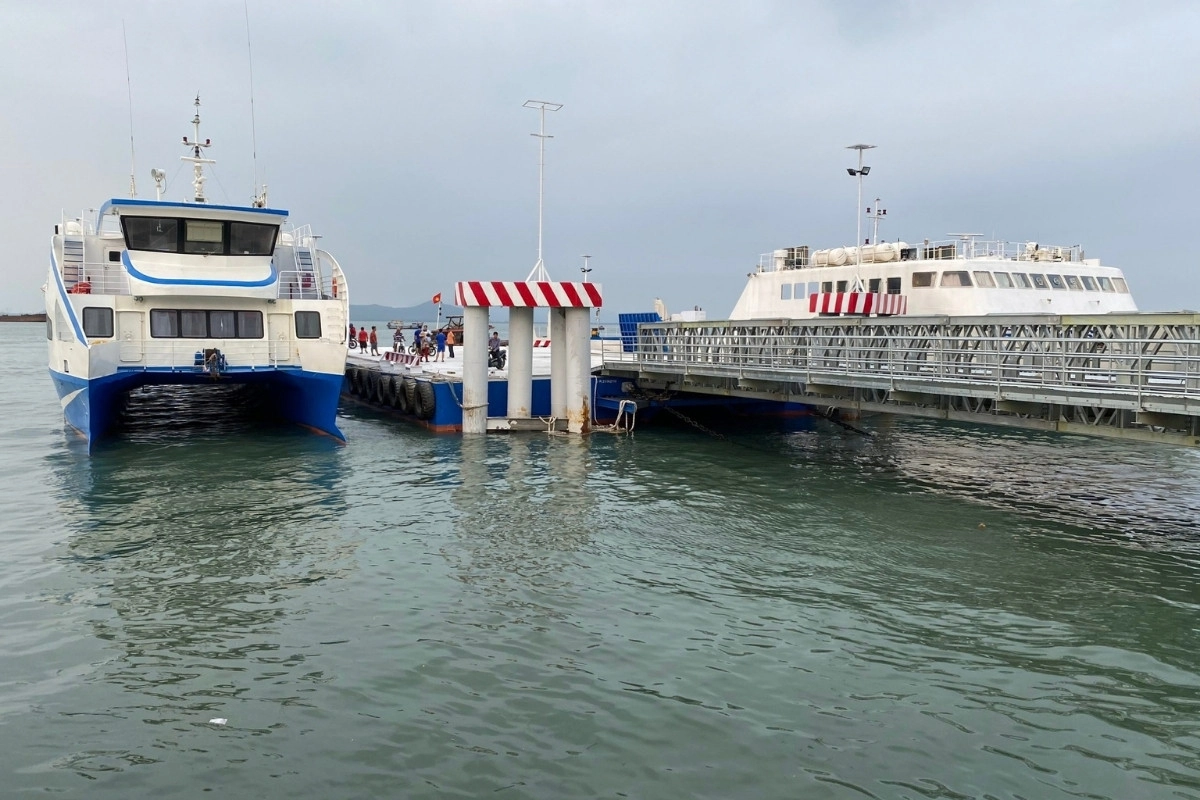
Vung Tau Can Gio ferry terminal - Source: Bich Ngoc
The Vung Tau end of the Can Gio ferry is at 127C Tran Phu Street, commonly known as Ben Pha Bien Vung Tau – Can Gio. It connects with Tac Suat Ferry Terminal in Can Gio and is designed for ferries carrying passengers and road vehicles.
Key location details:
- Vung Tau terminal: 127C Tran Phu Street, Vung Tau
- Can Gio terminal: Tac Suat Ferry Terminal, Can Gio
- Terminal type: Passenger and vehicle ferry terminal
- Suitable for: Travelers crossing with a motorbike, car, or as a walk-on passenger
This terminal should not be confused with the high-speed passenger piers farther along the Vung Tau waterfront. If your ticket is for the Can Gio ferry, navigate specifically to 127C Tran Phu rather than selecting a generic high-speed ferry terminal.
>> Explore more: Back Beach Vung Tau: A Guide to Vung Tau’s Popular Seaside Escape
1.2. Vung Tau High-Speed Ferry Terminal
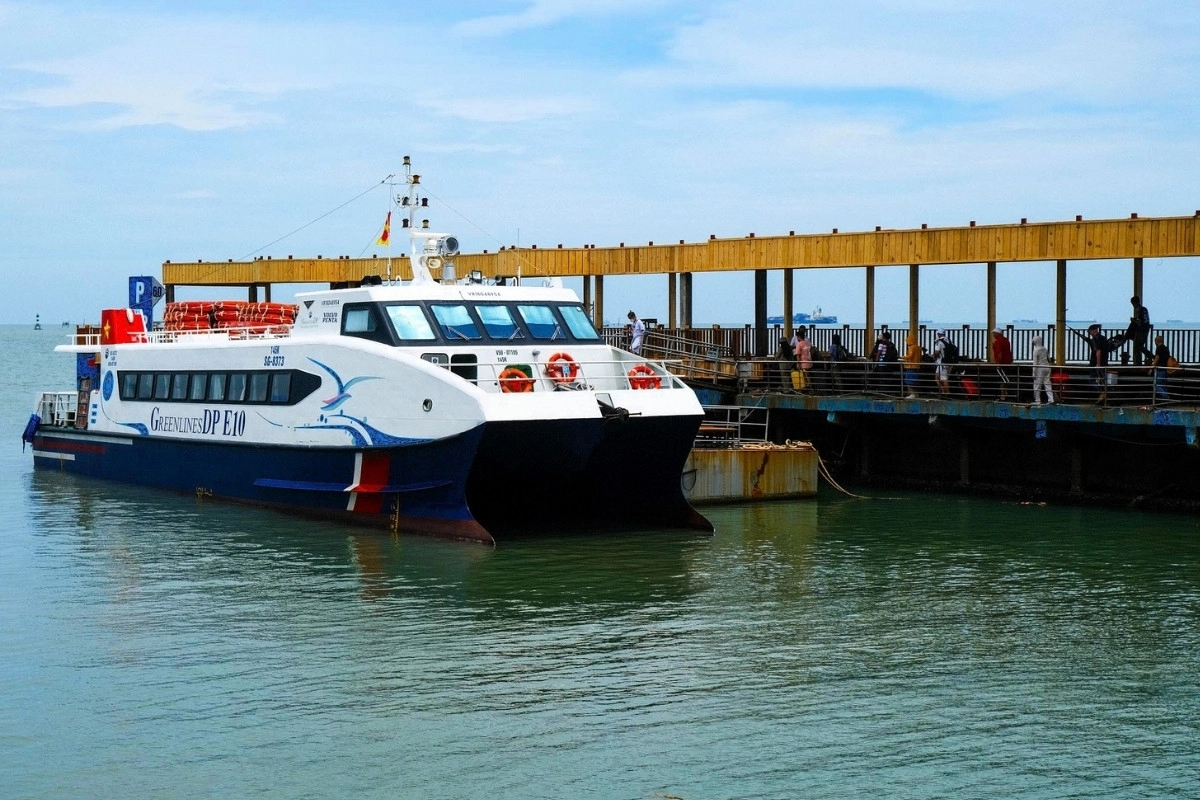
Main ferry piers in Vung Tau - Source: Vietnam Coracle
There is also no single high-speed terminal serving every Vung Tau route. The correct pier depends on the operator and destination, with two locations particularly important for travelers.
- Ho May Pier – 1A Tran Phu: Used by GreenlinesDP for the high-speed passenger service between Vung Tau and central Ho Chi Minh City. The pier is also called the Vung Tau High-Speed Ferry Terminal or Ho May Passenger Pier.
- Cau Da Port – 9 Ha Long Street: Used for the Vung Tau–Con Dao high-speed service operated with vessels such as Thang Long. This pier is separate from the GreenlinesDP terminal.
For this reason, travelers should check the exact pier printed on the ticket before leaving the hotel. Going to 1A Tran Phu for a Con Dao departure, or to 127C Tran Phu for a Ho Chi Minh City high-speed service, can put you at the wrong terminal even though all three locations are within Vung Tau.
>> >> Explore more: Best Restaurants in Vung Tau: Where to Eat on Your Trip
2. Ferry Routes from Vung Tau
From Vung Tau, ferry services cover three very different journeys: a short vehicle crossing to Can Gio, a high-speed passenger connection to central Ho Chi Minh City, and a longer offshore trip to Con Dao. The right route depends mainly on whether you are traveling with a vehicle or continuing as a foot passenger.
2.1. Vung Tau – Can Gio Ferry
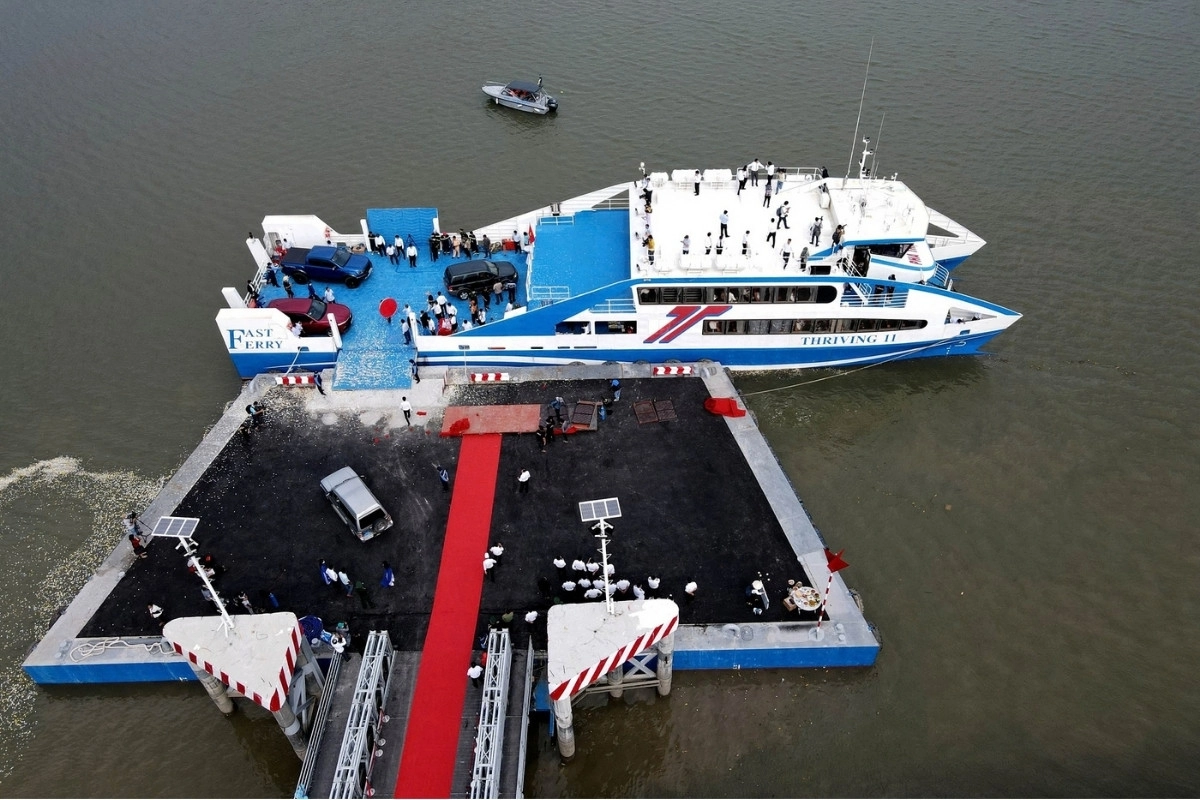
Vung Tau Can Gio ferry crossing - Source: Ngoc Duong
The Vung Tau – Can Gio ferry crosses roughly 15 km of coastal water and usually takes about 30–45 minutes. It is particularly useful for travelers heading toward Can Gio, southern Ho Chi Minh City, Long An, or Tien Giang without returning inland through the main highway network.
Unlike a passenger-only speedboat, this service can carry walk-on passengers, motorbikes, and cars. That makes it a practical choice for self-drive itineraries, as travelers can continue with the same vehicle after reaching Can Gio instead of arranging another transfer on the opposite side.
2.2. Vung Tau – Ho Chi Minh City High-Speed Ferry
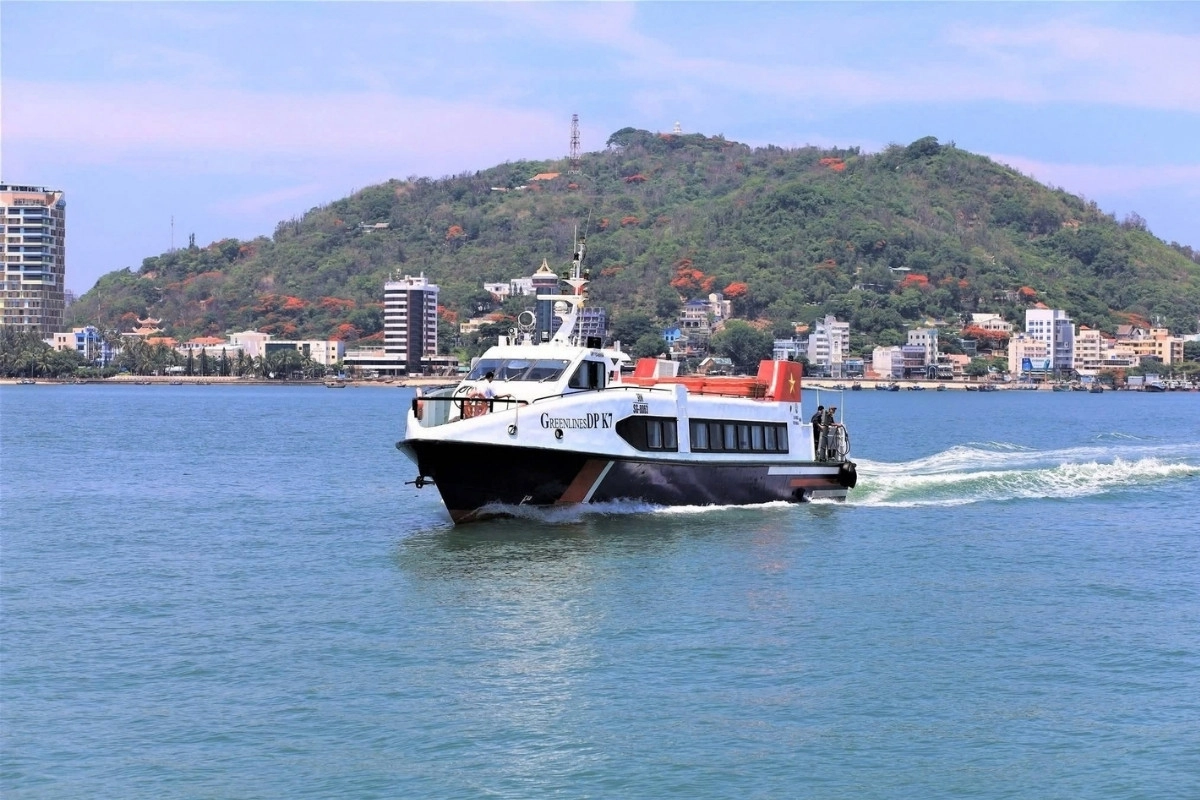
High-speed ferry to Ho Chi Minh City - Source: GreenlinesDP
The Vung Tau – Ho Chi Minh City high-speed ferry provides a direct waterway connection between the coastal city and central Ho Chi Minh City. GreenlinesDP operates the route using high-speed catamarans, with the journey generally taking around 90–120 minutes, depending on the specific service and operating conditions.
This route is designed mainly for passengers rather than travelers taking their own cars or motorbikes. It is especially convenient if your next stop is central Ho Chi Minh City, because the ferry avoids highway traffic and brings passengers directly into the inner-city riverfront area instead of an outlying bus station.
2.3. Vung Tau – Con Dao High-Speed Ferry
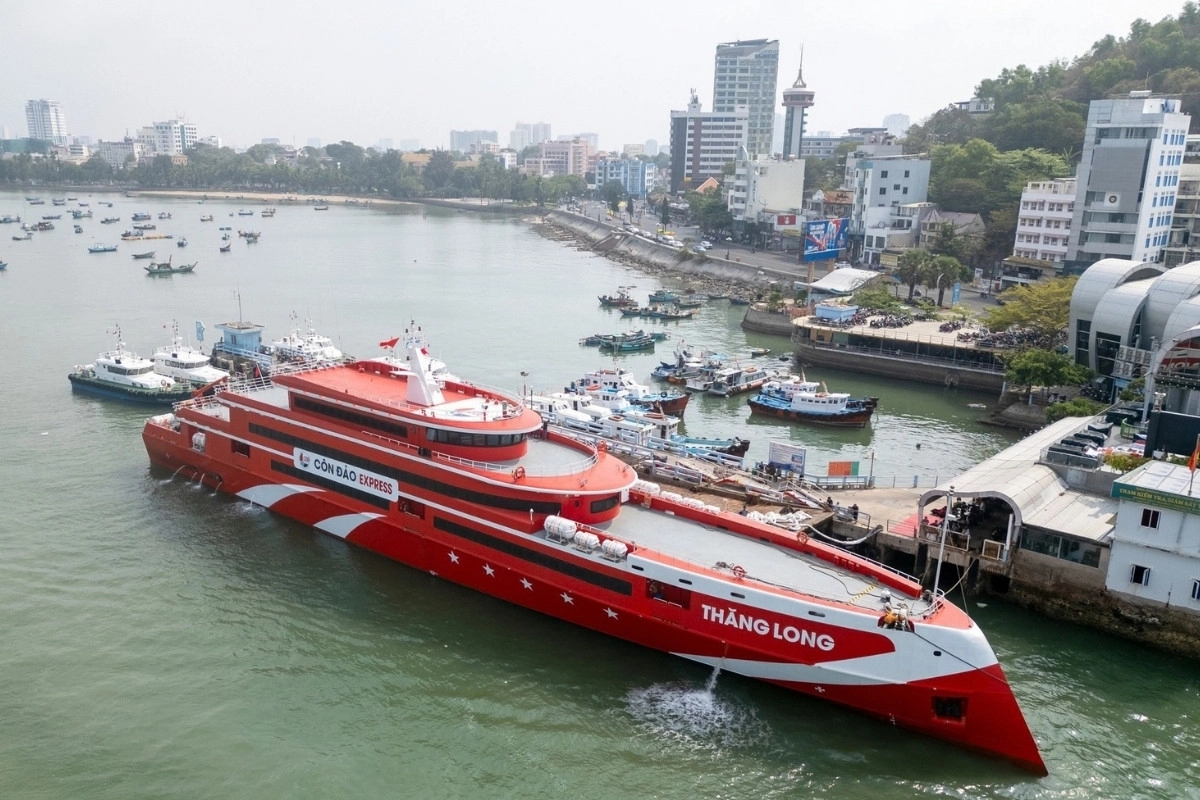
High-speed ferry to Con Dao - Source: GreenlinesDP
The Vung Tau – Con Dao route is a much longer sea crossing, taking approximately 240 minutes, or around four hours. Current services connect Vung Tau directly with Con Dao, allowing travelers to reach the island without first returning to Ho Chi Minh City or traveling farther south to another mainland port.
Because much of the journey crosses open sea rather than sheltered river channels, conditions can feel noticeably different from the Can Gio or Ho Chi Minh City routes. Travelers who are sensitive to motion should take this into account when choosing between ferry travel and flying to Con Dao. Service frequency can also vary, so the specific sailing date should be confirmed before building the rest of the itinerary.
>> Explore more: Banh Khot Vung Tau: A Local Specialty Worth Trying
3. Tickets, Schedules and Boarding at Vung Tau Ferry Terminal
Ticket rules vary between the vehicle ferry and high-speed passenger services. If your Vung Tau tour includes an onward ferry trip, check the sailing date, fare, and boarding conditions before fixing the rest of your itinerary.
3.1. Ferry Schedules and Ticket Prices
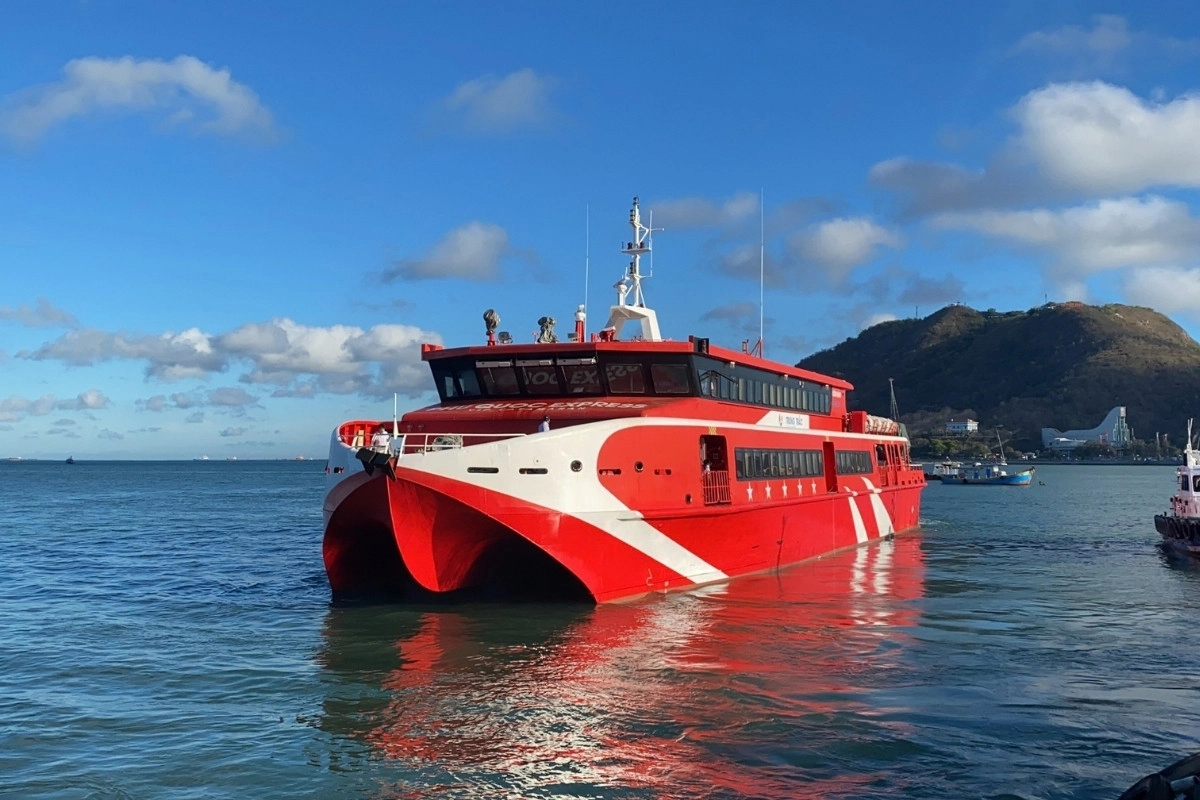
Vung Tau ferry schedules and fares - Source: Tau Cao toc Con Dao Express
Each route uses a different timetable and fare structure:
- Vung Tau – Can Gio: Ferries generally start from around 06:00 and run throughout the day, commonly at intervals of about 60 minutes. The passenger fare is 70,000 VND. Motorbikes or bicycles cost 50,000 VND, while vehicle fares start from 350,000 VND for a 4–9-seat car. Passenger tickets are charged separately from the vehicle fee.
- Vung Tau – Ho Chi Minh City: GreenlinesDP schedules vary by travel date. Through September 30, 2026, weekday fares are 320,000 VND for adults and 270,000 VND for children aged 6–11 or passengers aged 63+. Weekend fares are 350,000 VND and 300,000 VND, respectively. A new fare structure applies from October 1, 2026, so check the booking system before departure.
- Vung Tau – Con Dao: Departures commonly begin around 07:30, although the operating calendar varies by date and sea conditions. ECO tickets are approximately 790,000 VND from Monday to Thursday and 950,000 VND from Friday to Sunday and on holidays. VIP seats are generally 1,000,000–1,100,000 VND.
For high-speed services, rely on the departure time printed on your ticket rather than an older published timetable, especially for the Con Dao route.

3.2. Booking Tickets and Boarding Procedures
Booking Vung Tau ferry tickets - Source: Bao Tuoi Tre
The booking process depends on the type of service.
- Can Gio ferry: Tickets are normally purchased at the terminal. Travelers bringing a motorbike or car should join the appropriate vehicle queue before boarding.
- GreenlinesDP: Tickets can be booked online using the passenger’s full name, date of birth, contact details, and identification information.
- Phu Quoc Express: Online bookings require passenger details and payment before an electronic QR ticket is issued.
For high-speed boats, keep the e-ticket or QR code available on your phone and bring the same identification used when booking. International travelers should carry their passport and any relevant visa documents.
At the terminal, complete ticket verification first and then proceed to the waiting or boarding area as directed by staff. Identification should remain easy to access rather than packed inside large luggage.
3.3. Luggage, Motorbikes and Cars on Ferry Services
Vehicle and luggage rules - Source: Ve tau cao toc Viet Nam
Vehicle and luggage rules differ significantly between the three routes:
- Can Gio ferry: Accepts walk-on passengers, bicycles, motorbikes, cars, passenger vehicles, and some larger vehicles. The vehicle fare is charged separately.
- Ho Chi Minh City high-speed ferry: Operates primarily as a passenger service. Motorbikes and bicycles are not normally accepted, so travelers should carry only personal luggage.
- Con Dao high-speed ferry: Passengers generally receive around 15 kg of complimentary luggage allowance. Motorbikes can be transported on some sailings, but capacity is limited and should be arranged in advance.
If you plan to take a motorbike to Con Dao, declare it when booking rather than arriving at the terminal without prior confirmation. This helps avoid problems when motorcycle space on the vessel is already full.
>> Explore more: Vung Tau Surfing: Best Spots, Conditions and Local Tips
4. FAQs About Vung Tau Ferry Terminal
4.1. Is Parking Available at Vung Tau Ferry Terminals?
Parking availability depends on the terminal. The Can Gio–Vung Tau ferry terminal at 127C Tran Phu is set up for vehicles because cars and motorbikes can board the ferry directly. For high-speed passenger terminals, dedicated long-stay parking is not consistently published, so travelers should confirm parking locally or with the operator before leaving a vehicle behind.
4.2. How Early Should You Arrive Before Departure?
For most ferry and high-speed boat services, arriving 20–30 minutes before departure is a practical minimum. On weekends, holidays, or when traveling with a vehicle, allow extra time for ticket checks, ID verification, luggage handling, and boarding procedures.
4.3. Can Bad Weather Delay or Cancel Ferry Services?
Yes. Bad weather, strong winds, rough seas, or unsafe navigation conditions can cause ferry services to be delayed, rescheduled, or cancelled. If a sailing is cancelled, refund or rebooking arrangements depend on the operator and ticket conditions, so check the latest notice before departure.
The Vung Tau ferry terminal network gives travelers several practical ways to continue from the city to Can Gio, Ho Chi Minh City, or Con Dao. Because each route uses different terminals, schedules, fares, and boarding rules, checking the exact departure details in advance helps avoid unnecessary delays. With the right preparation, ferry travel can fit smoothly into a wider coastal itinerary. For help planning transport and local stops, contact Joytime: Vietnam Travel.
|
Joytime Travel Agency - Travel JOY, TIMEless Vietnam Safe, Seamless, Satisfying, Sustainable Follow us for travel tips, local insights, and exclusive offers:
|

Danish Nguyen
Danish Nguyen is a renowned travel blogger in Vietnam with over 5 years of experience sharing unique travel experiences. With a passion for exploring new places, Danish captures incredible moments and provides readers with valuable tips to discover the beauty of his homeland.