









Vung Tau Surfing: Best Spots, Conditions and Local Tips
Vung Tau surfing attracts both beginners and experienced surfers thanks to its accessible beaches and changing wave conditions throughout the year. Because swell, wind, and tide can directly affect each surf session, choosing the right beach and time is essential for a safer and more enjoyable experience. With Joytime Vietnam Travel, visitors can plan their surfing activities together with lessons, equipment rental, and other stops in Vung Tau more conveniently.
1. Where to Surf in Vung Tau
Vung Tau has several surf spots with different coastal settings. Back Beach is the main option, while Bai Dua, Saint Jacques Cape, and Hon Ba provide alternatives for more experienced surfers.
1.1. Back Beach for All-Level Surf Sessions
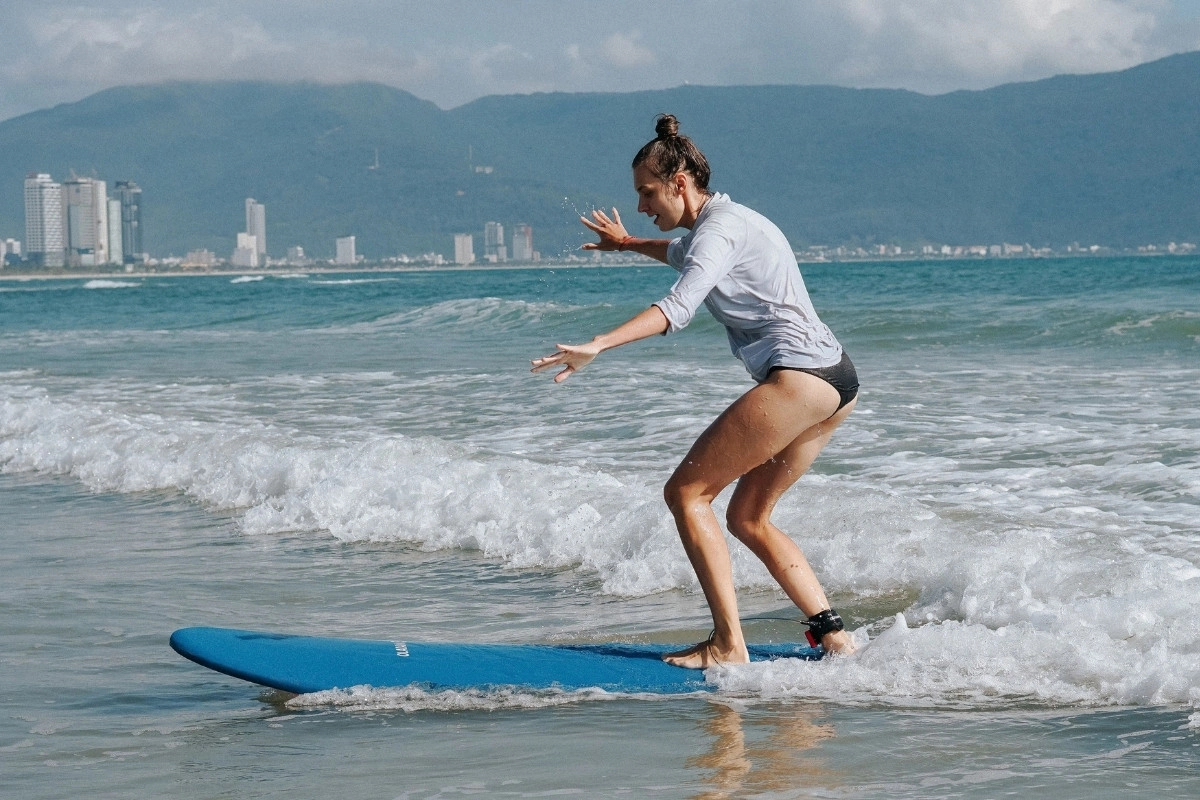
Surfing spots in Vung Tau - Source: Xuan Thong Tran
Back Beach, or Bai Sau, is the main surfing area in Vung Tau. The beach extends for roughly 3 kilometers along Thuy Van Street, giving surfers a long stretch of coastline instead of one fixed take-off area. Surfing is generally concentrated along sections where breaking waves form farther from the busy swimming zones.
For travelers staying around Thuy Van Street, this is also the most straightforward spot to reach because hotels, restaurants, and beach access points run along much of the shoreline. Its long open beach makes Back Beach the most practical starting point for visitors who want to surf without traveling outside central Vung Tau.
1.2. Bai Dua for More Sheltered Surf Sessions

Surfing at Bai Dua - Source: Joe Hsu
Bai Dua is a much smaller coastal area on Ha Long Street, positioned around the western-southern side of Nui Nho. Unlike Back Beach, it does not offer a long continuous stretch of sand. Instead, the surf area sits within a compact cove bordered by the rocky coastline of the peninsula.
Because of its smaller setting, Bai Dua works more as an alternative surf spot than Vung Tau’s main surfing beach. It is useful for surfers who already know the city’s coastline and want another option without leaving central Vung Tau, particularly when the open beachfront is not suitable for the type of session they want.
>> Explore more: Half-day tour | Trekking to Bay Canh island's Lighthouse & Snorkeling

1.3. Saint Jacques Cape and Hon Ba for Advanced Surfers
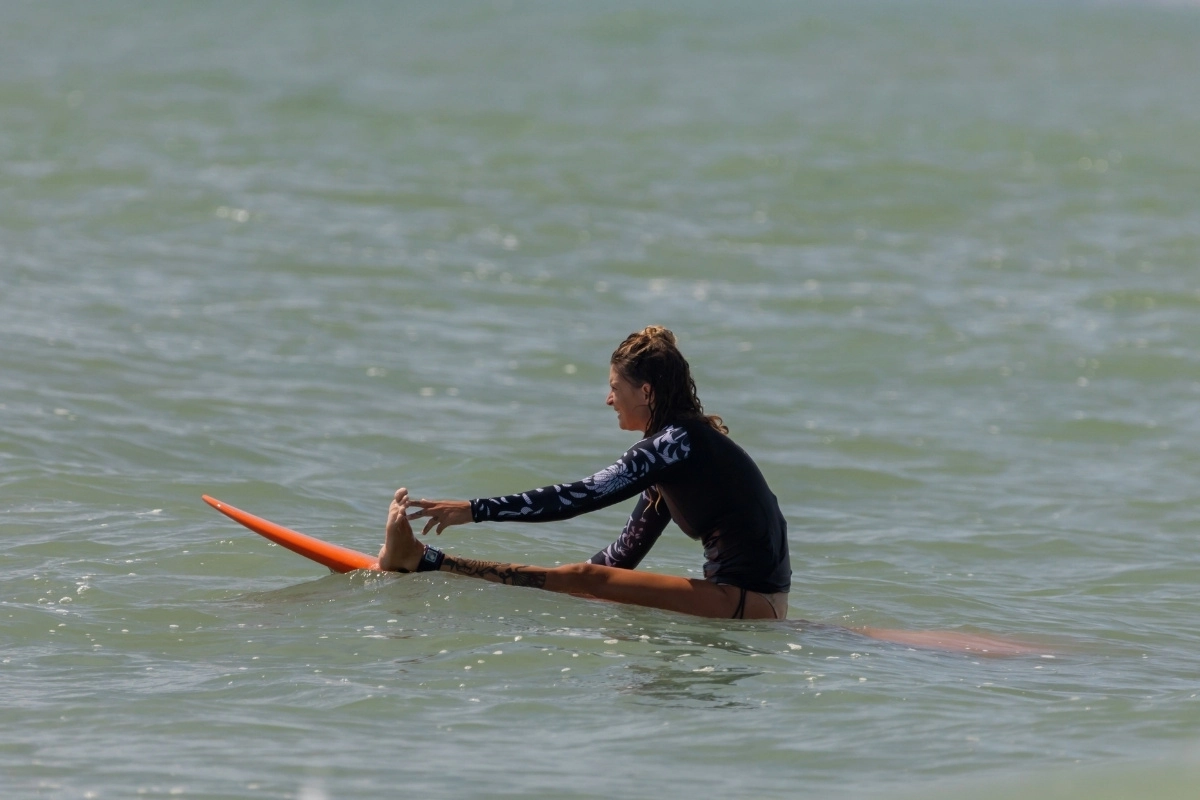
Surfing at Nghinh Phong Cape and Hon Ba - Soucre: Serg Alesenko
At the southern end of the peninsula, the coastline around Saint Jacques Cape, now commonly called Nghinh Phong Cape, and nearby Hon Ba forms a very different surf zone. Nghinh Phong projects into the sea at the end of Nui Nho, while Hon Ba lies just offshore from the Back Beach side of the cape.
Rather than a broad sandy beach, this area consists of rocky headland and reef-influenced sections, so surfers use specific breaks around the cape instead of spreading along a continuous shoreline. A documented surf break on the Nghinh Phong side is a right-breaking point with a sand-and-rock bottom, while the wider Saint Jacques–Hon Ba area is used mainly by experienced surfers.
>> Explore more: Vung Tau Lighthouse: What to See and Know Before You Go
2. Vung Tau Surfing Conditions
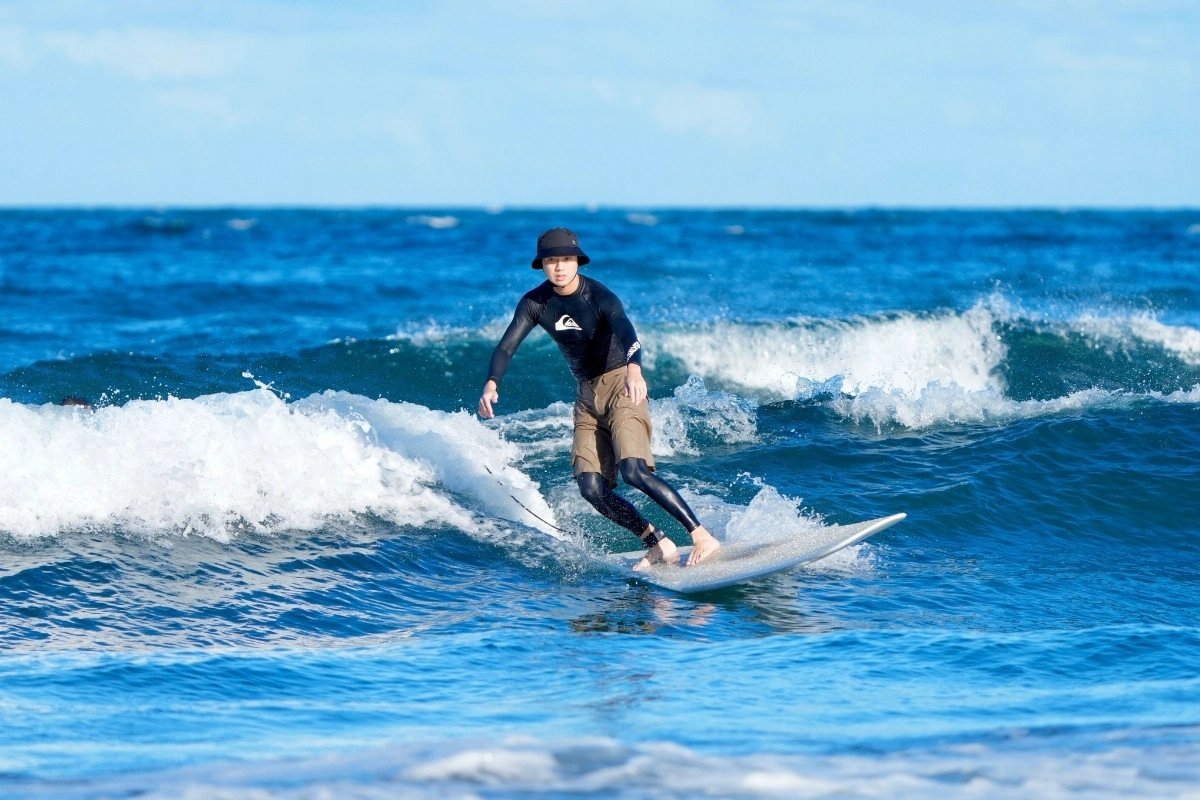
Best time for surfing in Vung Tau - Source: Joe Hsu
Surf quality in Vung Tau changes with the monsoon cycle, wind direction, swell, and tide. Checking these factors together is more useful than looking at wave height alone.
2.1. Seasonal Swell and Offshore Wind Patterns
Vung Tau receives stronger wave energy during the northeast monsoon from roughly October to April, while the southwest monsoon from May to September generally brings lower regional wave heights. At Back Beach, winter is therefore the more consistent surfing period, with November often producing the best combination of rideable swell and cleaner conditions.
For travelers combining Vung Tau with other destinations, understanding the best time to visit Vietnam with family can also help coordinate beach activities with the wider trip, especially when weather conditions vary between regions.
For Back Beach specifically, easterly swell is the preferred swell direction, while winds from the west are offshore and can help keep the wave face cleaner. Easterly or cross-onshore winds tend to make the surface rougher, so a larger swell does not automatically mean better surfing.
2.2. Reading Wave Height, Period and Tide Before Surfing
Before entering the water, check wave height, wave period, wind direction, and tide together. Wave height shows the size of the incoming swell, while period indicates the time between waves. At the same height, a swell with an 8-second period generally carries more organized energy than a short 5–6-second wind swell, which can feel weaker and choppier.
Vung Tau has a mixed semidiurnal tidal regime, with water levels typically rising and falling twice within a day and a tidal range that can reach around 3–4 meters. This means the shape and position of breaking waves can change noticeably between low and high tide.
For example, a forecast showing 0.7 m at 6 seconds should not be read the same way as 0.7 m at a longer period. Surfers should also check whether the swell is actually directed toward the beach and whether the wind is offshore, cross-shore, or onshore before deciding where and when to surf.
>>Explore more: Top 7+ Places to Visit in Vietnam Beaches for Your Holiday
3. Planning a Vung Tau Surf Session
A surf session can be easily included in a Vung Tau tour, especially when combined with nearby beaches and other coastal attractions. Before heading out, it is worth arranging lessons, equipment, and basic safety requirements in advance.
3.1. Surf Lessons and Board Rentals at Back Beach

Surf lessons and board rentals - Source: Alejandro JV
Beginners can book group, two-person, or private surf lessons, with many sessions lasting around two hours. Classes normally include an introduction on the beach followed by supervised practice in the water, and the surfboard is generally provided as part of the lesson.
Travelers who can already surf may rent a board separately instead of joining a class. It is better to reserve lessons or rentals in advance, particularly on weekends, and arrive about 15 minutes before the scheduled session to change clothes, collect equipment, and receive instructions.


3.2. Surf Gear for Vung Tau’s Warm Water
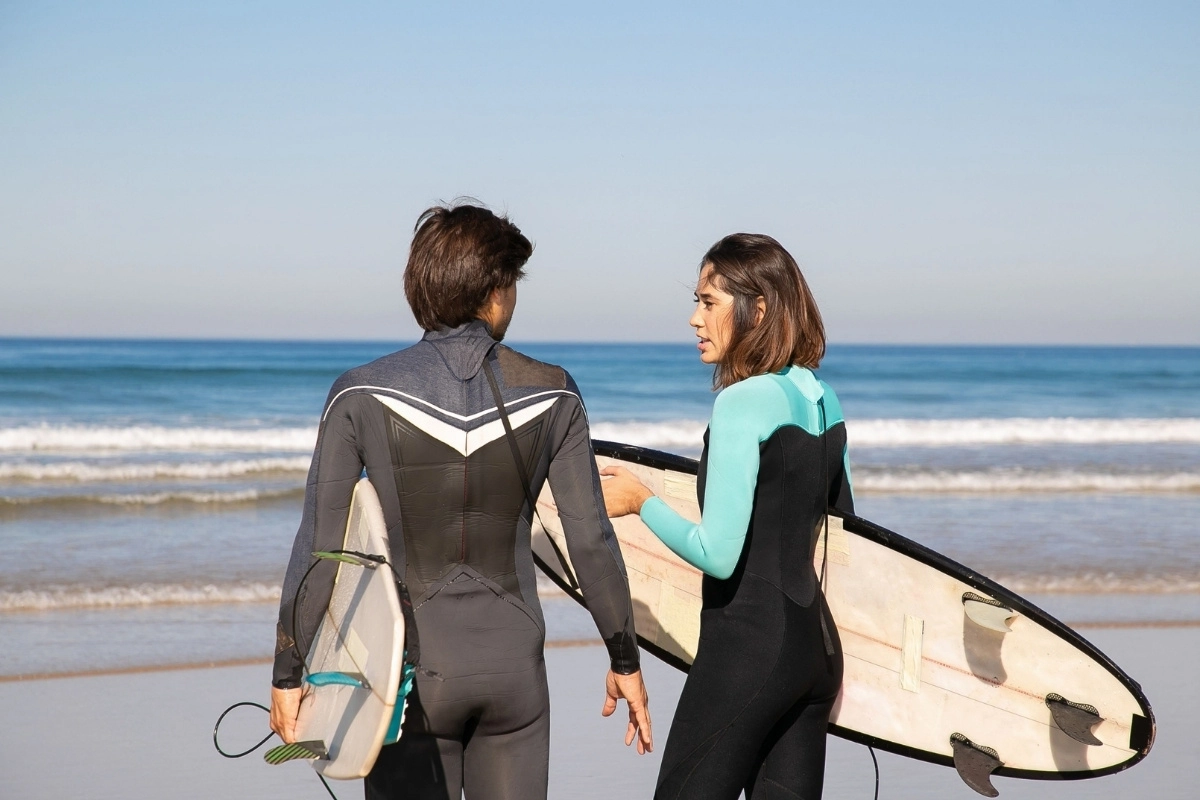
Vung Tau surfing essentials - Source: Kampus Production
Vung Tau’s warm seawater means a heavy wetsuit is generally unnecessary for recreational surfing. Light swimwear or boardshorts combined with a rash vest is usually more practical.
For a typical session, bring:
- Rash vest to reduce sun exposure and friction from the board.
- Secure swimwear or boardshorts suitable for paddling and repeated movement.
- Surf leash if it is not supplied with the rental board.
- Water-resistant sunscreen for the face, shoulders, and other exposed areas.
- Drinking water and a towel for after surfing.
- A dry bag or waterproof pouch for phones, keys, and small valuables.
If you are renting equipment, confirm what is included before arriving so you do not carry unnecessary gear.
3.3. Beginner Safety and Local Surf Guidance

Beginner surfing safety tips - Source: Guy Kawasaki
First-time surfers should enter the water with an instructor or experienced guide rather than practicing alone. Before starting, identify the designated surfing area and keep a safe distance from swimmers, other boards, rocks, and fixed structures.
Always attach the leash before entering the water and maintain enough space between yourself and other surfers when paddling or attempting a wave. Stop the session if you become tired, lose control of the board repeatedly, or are instructed to leave the water. Following local guidance is especially important because beach access and usable surfing areas can change during busy periods.
>> Explore more: Best Time to Visit Vietnam December: Weather & Travel Guide
4. FAQs About Vung Tau Surfing
4.1. Can Children Take Surf Lessons in Vung Tau?
Yes. Children can join beginner surf lessons with instructor supervision and suitable junior equipment. Parents should confirm the child’s swimming ability, age requirements, and sea conditions before booking.
4.2. Are English-Speaking Surf Instructors Available in Vung Tau?
Yes. English-speaking surf instructors are available in Vung Tau, especially around Back Beach, making lessons accessible for international visitors and first-time surfers.
4.3. How Much Does a Surf Lesson Cost in Vung Tau?
A 2-hour group surf lesson can cost around 980,000 VND per person. Private or small-group lessons are more expensive, while children’s sessions may start from approximately 750,000 VND. Prices can vary depending on lesson format and included equipment.
Vung Tau surfing offers an enjoyable way to experience the city’s coastline, with accessible surf spots, changing wave conditions, lesson options, and practical equipment rentals for different skill levels. Choosing the right beach, checking conditions, and preparing suitable gear can make each session safer and more comfortable. If you want to combine surfing with beaches, local attractions, and other activities, Joytime: Vietnam Travel can help you plan a convenient Vung Tau itinerary tailored to your trip.
|
Joytime Travel Agency - Travel JOY, TIMEless Vietnam Safe, Seamless, Satisfying, Sustainable Follow us for travel tips, local insights, and exclusive offers:
|

Danish Nguyen
Danish Nguyen is a renowned travel blogger in Vietnam with over 5 years of experience sharing unique travel experiences. With a passion for exploring new places, Danish captures incredible moments and provides readers with valuable tips to discover the beauty of his homeland.