









Where Is Hoi An Vietnam Located? How to Plan Your Perfect Central Vietnam Journey
Where is Hoi An Vietnam located, and why is it one of the country's most visited destinations? Famous for its lantern-filled streets, historic architecture, and peaceful riverside setting, Hoi An attracts millions of travelers each year. In this guide, you'll discover where Hoi An is, how to get there, and what makes this charming town so special.
1. Where is Hoi An Vietnam located?
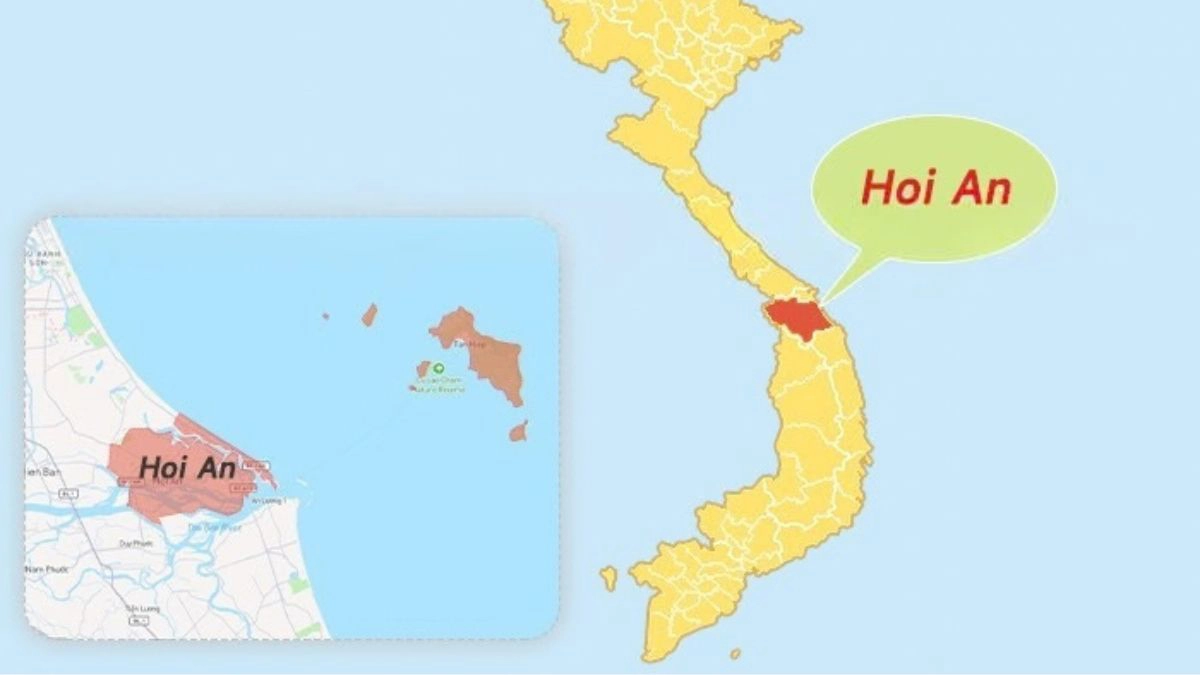
Where is Hoi An Vietnam located?
Hoi An is located in Quang Nam Province in Central Vietnam, along the lower section of the Thu Bon River and close to the East Sea. The town is about 30 km from Da Nang, making it easy to combine Hoi An with a trip to the city.
Its location along the river and coast also played an important role in Hoi An's history as a trading port. Today, the town covers a relatively small urban area, with its protected historic center-the Ancient Town-resting peacefully along the northern bank of the river. Because it is located in the narrow central waist of the country, the local geography features a beautiful combination of alluvial plains, winding river channels, sandy beaches, and rural islands.
>>> See more: Hoi An Vietnam Travel - Tours | Things to Do in Hoi An
2. How far is Hoi An from Da Nang and other nearby destinations?
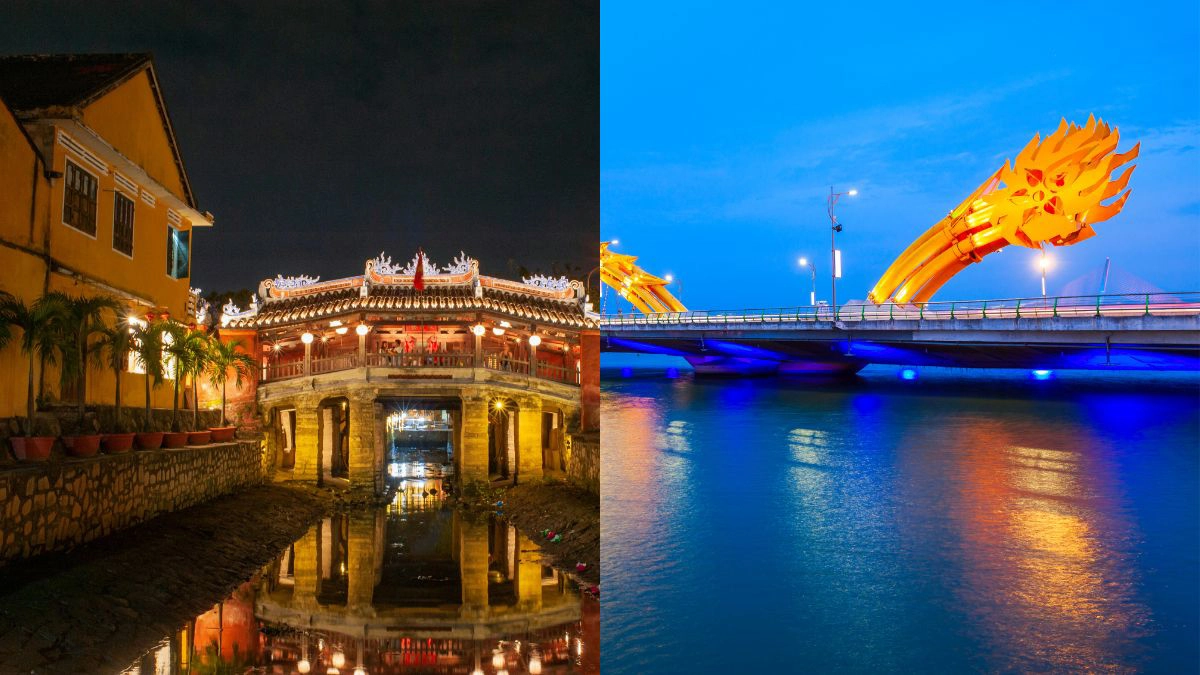
How far is Hoi An from Da Nang and other nearby destinations
One of the greatest advantages of Hoi An is its proximity to other major cultural and urban hubs in Central Vietnam, making it an incredibly convenient stop on a multi-city tour.
- From Da Nang City: Hoi An is located approximately 30 kilometers (about 18 miles) south of Da Nang, the largest modern economic hub in the region. This short distance means you can easily travel between the two cities in about 45 to 60 minutes by car.
- From Hue Imperial City: The former royal capital of Hue lies roughly 130 kilometers north of Hoi An. Travelers often journey between Hue and Hoi An via the famous Hai Van Pass, a spectacular coastal mountain road.
- From My Son Sanctuary: This historic cluster of abandoned Hindu temple ruins, built by the Champa Empire, is located about 40 kilometers west of Hoi An, making it a popular half-day excursion.
3. Why is Hoi An famous among international travelers?
Hoi An is famous for its well-preserved Ancient Town, historic architecture, traditional culture, and local cuisine. Recognized as a UNESCO World Heritage Site in 1999, the town was an important trading port from the 15th to the 19th centuries. Its architecture reflects influences from Chinese, Japanese, and European communities that traded and settled in the area.
Hoi An is also known for its pedestrian-friendly Ancient Town, where vehicle access is restricted during certain hours. In the evening, traditional lanterns are lit along the streets and waterways, creating one of the town's most recognizable features. Local dishes, tailor shops, craft workshops, and riverside activities add to the range of experiences available to visitors.


4. How to get to Hoi An Vietnam

How to get to Hoi An Vietnam
Hoi An does not have its own airport or railway station. Most travelers use Da Nang as their main gateway and then continue to Hoi An by taxi, private car, shuttle bus, or other local transport.
4.1. Traveling from Da Nang International Airport to Hoi An
Da Nang International Airport (DAD) is the nearest major airport to Hoi An. The airport has domestic and international flights, including connections from Hanoi, Ho Chi Minh City, and several major Asian cities. After arriving in Da Nang, travelers can reach Hoi An by several transport options. The journey usually takes around 45 minutes to 1 hour, depending on traffic and the chosen route.
4.2. Transportation options for tourists visiting Hoi An
Navigating the transit between Da Nang Airport and your accommodation in Hoi An is simple, with several reliable methods available depending on your travel style:
- Ride-Hailing Apps and Taxis: Standard meter taxis and applications like Grab operate extensively at the airport terminals. This option offers immediate, private door-to-door transit directly to your hotel lobby.
- Public Shuttle Buses: Travelers can take the Hai Van Bus from Da Nang International Airport to Hoi An. The service operates daily from 7:30 AM to 4:00 PM. Shared shuttle vans are also available from private operators, with schedules varying by provider.
- Motorbikes: Adventurous independent travelers can choose to rent a scooter at the airport or in Da Nang city, allowing them to enjoy a scenic ride down the coastal boulevard.
- Pre-Arranged Private Vehicles: The most comfortable and reliable choice, especially for families, couples, or those carrying large luggage items, is to organize a private vehicle transfer through a trusted local travel coordinator.
5. What to do in Hoi An for first-time visitors

What to do in Hoi An for first-time visitors
Hoi An has many places and activities that you can add to your itinerary. From historic buildings and local markets in the Ancient Town to beaches, countryside villages, and boat tours, visitors can choose different ways to explore the area.
5.1. Explore Hoi An Ancient Town and its historic buildings
The Japanese Covered Bridge (Chua Cau) is one of the most recognizable landmarks in Hoi An Ancient Town. Built in the early 17th century, the bridge features a covered wooden structure and a small shrine.
The Ancient Town is also home to historic houses such as the Tan Ky Old House and Phung Hung Old House. These buildings give visitors a closer look at the traditional architecture and history of Hoi An.
5.2. Visit An Bang Beach and Bay Mau Coconut Forest
Visitors can also explore natural attractions outside the Ancient Town.
- An Bang Beach: Located about 4 km from the Ancient Town, An Bang Beach has a sandy coastline, swimming areas, cafes, and seafood restaurants.
- Bay Mau Coconut Forest: Located in Cam Thanh, the coconut forest has waterways surrounded by nipa palms. Visitors can take a traditional basket boat through the canals and learn about local fishing practices.
5.3. Visit local markets and try Hoi An street food
Hoi An Central Market is a convenient place to see local trading activities and try regional food. The market sells fresh produce, spices, snacks, and souvenirs.
Hoi An is also known for its tailor shops. Visitors can have clothes made to their measurements, with the production time depending on the design, fabric, and tailor.
5.4. Explore Hoi An at night
Hoi An takes on a different atmosphere after sunset, when lanterns are lit throughout the Ancient Town. Visitors can walk along the riverside, explore the Hoi An Night Market, or take a boat ride on the Thu Bon River.
Lantern-making and lantern-floating activities are also available, although schedules and operating conditions can vary.
5.5. Join a cooking class or boat tour
Cooking classes are another way to learn about local food. Many tours include a market visit, followed by a cooking session where participants prepare traditional dishes with a local guide or chef. Visitors can also join boat tours around the waterways near Hoi An. Some tours combine boat rides with visits to local villages or other activities.
5.6. Experience countryside and cultural activities
To see the rural side of life, rent a bicycle and ride into the surrounding countryside. A short journey brings you to the Tra Que Vegetable Village, an organic farming community where farmers still use ancient agricultural methods, fertilizing their crops with natural seaweed gathered from the local lagoon. You can walk through the fragrant rows of Thai basil, mint, and coriander or even participate in a hands-on farming lesson to experience the daily rhythm of rural Vietnam.


6. Frequently asked questions about Hoi An
6.1. How many days do you need in Hoi An?
Most travelers can spend around 2 - 3 days in Hoi An to explore the Ancient Town, try local food, visit nearby attractions, and experience the town at night.
6.2. What is the best time to visit Hoi An?
The best time to visit Hoi An depends on your planned activities and weather preferences. Hoi An has a dry season and a rainy season, with different weather conditions throughout the year. The dry months can be more suitable for walking around the Ancient Town, visiting beaches, and joining outdoor activities. During the rainy season, travelers should check the weather forecast before planning boat tours or other outdoor activities.
6.3. How far is Hoi An from Da Nang Airport?
Da Nang International Airport is about 30 km from Hoi An. The journey usually takes around 45 minutes to 1 hour by car, depending on traffic and the route. Travelers can choose from taxis, ride-hailing services, private cars, and shuttle buses. Pre-arranged transfers can also be useful for travelers with large luggage or those arriving late.
6.4. Can you visit Hoi An and Da Nang on the same trip?
Yes. Hoi An and Da Nang are about 30 km apart, so travelers can include both destinations in the same Central Vietnam itinerary. Visitors can stay in Da Nang and take a day trip to Hoi An, or spend a few nights in each destination. The two places also offer different experiences, with Da Nang known for its beaches and urban attractions, while Hoi An is known for its Ancient Town, historic architecture, local food, and traditional crafts.
For travelers looking for a more convenient way to explore, Joytime provides customizable itineraries and private transfer services connecting Hoi An with Da Nang and Hue. With flexible travel options and local support designed around your pace, it becomes easier to enjoy the journey and focus on the experience. If you would like personalized recommendations or help planning your itinerary, feel free to contact Joytime for more information.
|
Joytime Travel Agency - Travel JOY, TIMEless Vietnam Safe, Seamless, Satisfying, Sustainable Follow us for travel tips, local insights, and exclusive offers:
|

Danish Nguyen
Danish Nguyen is a renowned travel blogger in Vietnam with over 5 years of experience sharing unique travel experiences. With a passion for exploring new places, Danish captures incredible moments and provides readers with valuable tips to discover the beauty of his homeland.