









Visiting Sapa Vietnam: Best Time, Stay & Travel Tips
Visiting Sapa Vietnam is a journey that takes you away from familiar daily rhythms and into the cool mountain landscapes of Northwest Vietnam, where terraced rice fields, peaceful villages, and local culture create a charm of their own. However, to make the trip truly fulfilling, you should plan the best time to go, how to get there, where to stay, and which experiences to choose. In this article, Joytime Travel will walk you through each of these points clearly and practically.
1. The best time to visit Sapa Vietnam
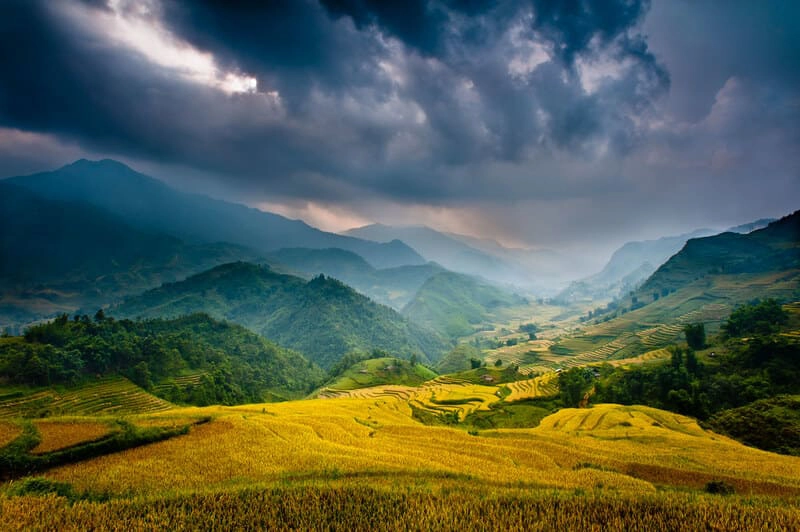
The best time to visit Sapa Vietnam - Source: Flickr
Sapa can be visited year-round, but each season offers a different travel experience. The three periods below are often considered the best times to visit because of their distinctive weather, scenery, and visibility.
1.1. Spring: March to May
From March to May, Sapa enters a more stable weather period after winter, with cool temperatures, comfortable humidity, and gradually lighter mist. This is a beautiful time for visiting Sapa Vietnam because the landscape starts to open up: the mountains turn greener, flowers bloom across some villages, and the sky is often brighter. April and May are especially pleasant, as the weather is no longer sharply cold and not yet heavily affected by summer rains.
1.2. Autumn: September to November
From September to November, Sapa enjoys cool weather, less rain than in summer, and better visibility after the heavy rainy season. This is one of the most scenic periods because it overlaps with the changing colors of the terraced rice fields, especially from mid-September to early October, when the rice turns golden in Muong Hoa, Lao Chai, and Ta Van.
1.3. Winter: December to February
From December to February, Sapa becomes noticeably cold, misty, and marked by a clear temperature difference between day and night. It is not the most colorful season, but it stands out for a different highland atmosphere: mountains fading into the mist, a quieter town, and a sharp sense of winter chill. During strong cold spells, higher areas such as Fansipan may sometimes see frost, making winter in Sapa a unique experience in northern Vietnam.
2. How to travel when visiting Sapa Vietnam
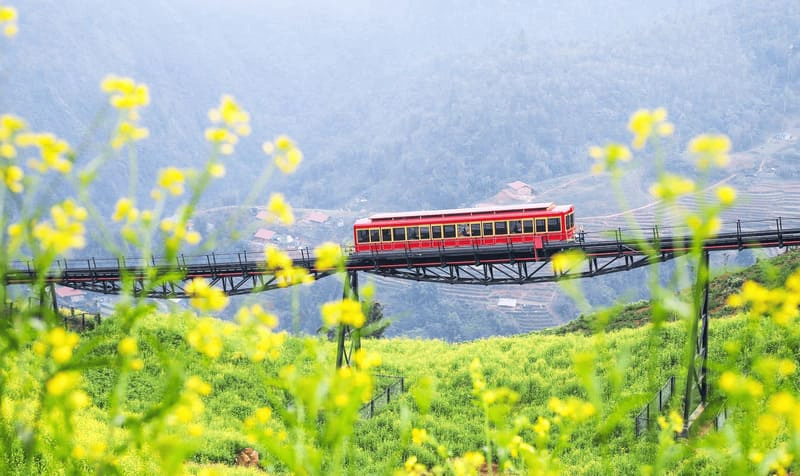
How to travel when visiting Sapa Vietnam - Source: VNPAY
From Hanoi to Sapa, the two most popular options are the overnight sleeper train and the luxury limousine van. The main differences come down to travel time, comfort, and whether you need to change transport along the way.
2.1. The Overnight Sleeper Train
The overnight sleeper train is a good option if you want to travel at night, sleep during the journey, and save your daytime hours for exploring Sapa.
Pros:
-
Saves daytime travel time, as the train usually runs overnight.
-
Less affected by winding mountain roads than cars or vans, making it more comfortable for travelers prone to motion sickness.
-
Offers more privacy if you book a 4-berth cabin or a higher-class sleeper cabin.
-
Provides a slower, more classic travel experience that feels closely associated with trips to Sapa.
Cons:
-
The train only goes to Lao Cai Station, so you still need a transfer to reach Sapa town.
-
The total journey often takes longer than traveling by limousine van.
-
Arrival is usually early in the morning, so you should plan where to store your luggage or whether early check-in is available.
-
Cabin quality can vary by operator, so it is important to check the cabin type carefully before booking.
2.2. Luxury Limousine Van
A luxury limousine van is a more convenient choice if you want to travel directly from Hanoi to Sapa without changing transport midway.
Pros:
-
Takes you directly to Sapa, with no need to transfer from train to shuttle bus.
-
Usually faster than the overnight sleeper train.
-
Offers wider reclining seats, suitable for short itineraries or travelers who want a simpler journey.
-
Provides multiple departure times during the day, making it easier to match your flight, hotel, or tour schedule.
Cons:
-
The road to Sapa includes many curves and mountain passes, which may cause motion sickness for some travelers.
-
Offers less privacy than the train, especially if you travel in a shared van.
-
Vehicle quality depends on the operator, pick-up point, and seat type you book.
-
Travel time may be longer on weekends or during peak travel seasons due to heavier traffic.
3. Where to stay in Sapa Vietnam
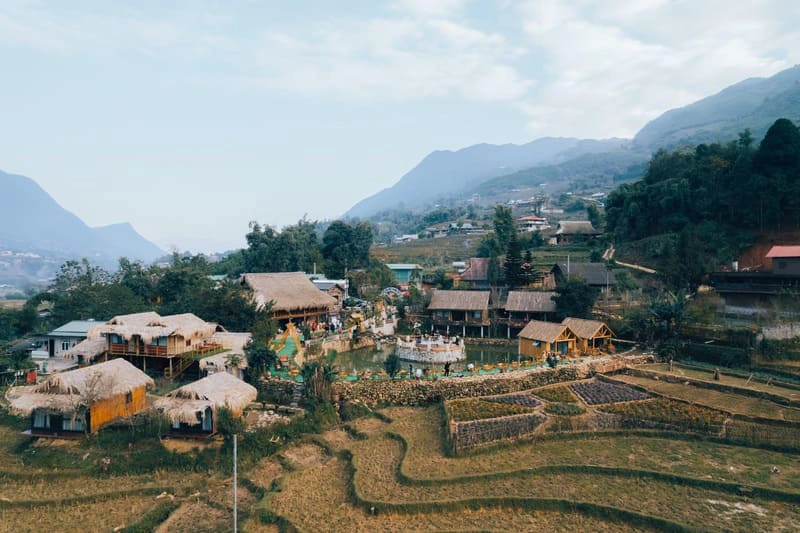
Where to stay in Sapa Vietnam - Source: CafeF
Where you stay in Sapa should depend on the pace of your trip, not just the room rate or the view. When visiting Sapa Vietnam, staying in the town center gives you better convenience, while valleys such as Ta Van and Lao Chai are more suitable for a slower stay closer to local life.
3.1. Staying in Sapa town center
Sapa Town Center has a strong advantage in connectivity, especially if your itinerary is packed or you only have a short stay. From this area, it is easier to arrange transport, find meals, shop for essentials, book day tours, or adjust your plans when the weather changes. When it rains, the mist gets thick, or you return late from sightseeing, staying in town helps reduce waiting time and the risks of traveling on mountain roads.
3.2. Experiencing a homestay in the valleys
Homestays in Ta Van or Lao Chai are ideal for travelers who want to see Sapa from a closer perspective, where the landscape is not just something to photograph but part of the place you stay. The biggest advantages are the quiet pace, open views, and the feeling of being away from the busy tourist area. Mornings in the valley are often especially rewarding, as you can experience clouds, terraced fields, and village life in the same setting.
4. Best things to do in Sapa Vietnam
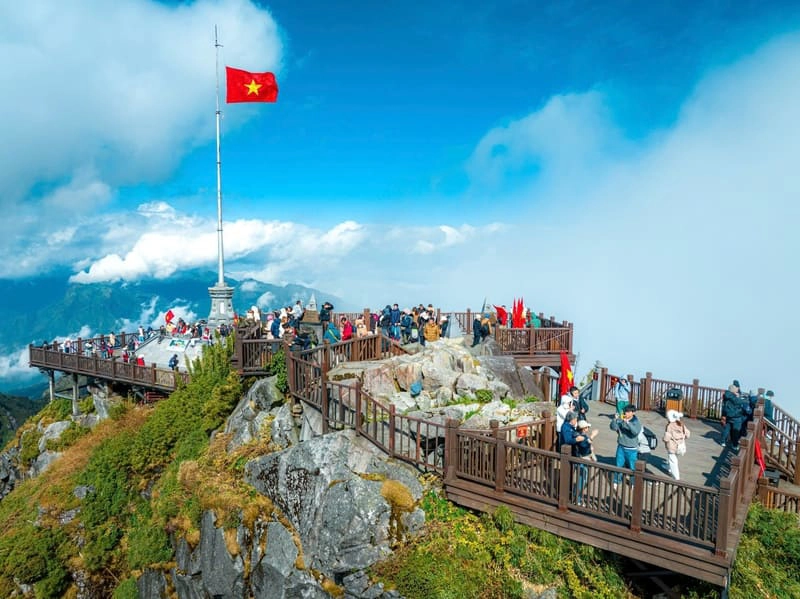
Best things to do in Sapa Vietnam - Source: Minh Tú
Sapa is not only appealing for its cool climate and mountain scenery but also for experiences closely tied to its highland terrain. Below are some of the most worthwhile activities to include in your itinerary.
4.1. Conquer Fansipan – The roof of Indochina
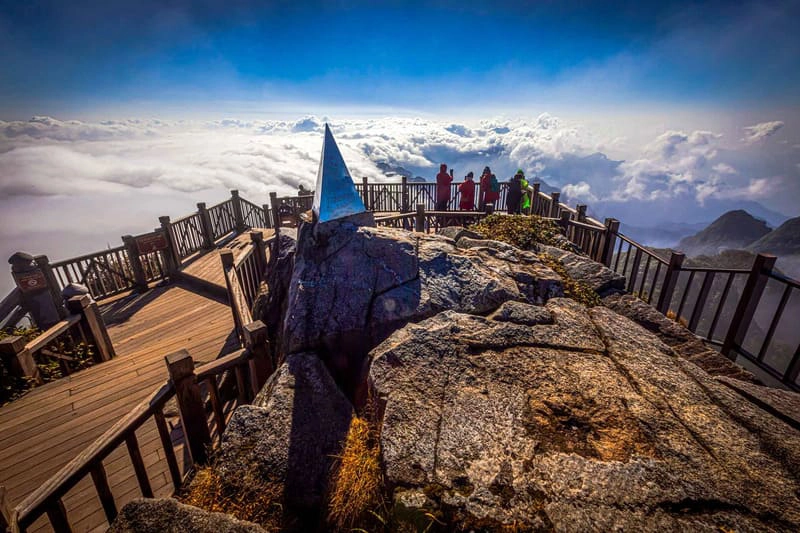
Fansipan is the biggest highlight for travelers who want to admire the Hoang Lien Son mountain range from 3,143 meters above sea level. You can take the cable car to save energy, then continue up the stone steps to reach the summit. On a clear day, the sea of clouds and layered mountains create a truly impressive view.
>> Read more: Tour Sapa Fansipan: Ultimate Guide to Conquering the Roof of Indochina
4.2. Trek through the iconic terraced fields
Trekking through the terraced fields is one of the clearest ways to experience Sapa’s distinctive landscape. The routes often pass along mountain slopes, narrow dirt paths, rice fields, and small villages scattered across the valleys. This experience is especially striking during the watering season or rice harvest season, when the shapes of the terraces appear more vivid and dramatic.
4.3. Try the traditional Red Dao herbal bath
The traditional Red Dao herbal bath is a signature wellness experience in Sapa, using forest herbs boiled in hot water. After a long day of walking or sightseeing, it helps relax the body, ease muscle fatigue, and keep you warm. For the best experience, choose a clean facility where the water is freshly prepared and private rooms are available.
5. Local travel tips for a seamless journey
Local travel tips for a seamless journey - Source: Tô Bá Hiếu
When visiting Sapa Vietnam, its mountain weather and village routes can change quickly, so a few practical preparations will help your trip feel smoother, safer, and more comfortable.
-
Dress in layers: Sapa’s weather can change quickly between morning, midday, and evening, especially when you travel to higher areas or visit local villages. Bring a light jacket, a thin warm layer, and shoes with good grip so you can handle mist, cold air, or damp paths more comfortably.
-
Check the weather before visiting Fansipan: The summit area can be cloudy, windy, or have poor visibility even when the town looks clear. If your schedule is flexible, choose a clear day to make the most of the mountain views and sea of clouds.
-
Carry small-denomination cash: Some homestays, local eateries, parking spots, or small shops in the villages may not accept card payments. Having small cash notes also makes it easier to buy snacks, drinks, or pay for minor local services.
-
Keep your itinerary manageable: Sapa has many steep roads, stone steps, and dirt paths, so avoid packing too many stops into one day. If you plan to trek, leave time to rest between sections and avoid starting too late, as it gets dark quickly and village paths can be harder to navigate.
>> Read more: Tour Day | Visit Cát Cát Village Half Day | Sapa
6. FAQs about visiting Sapa Vietnam
1. Do I need to book a guided tour to visit Sapa Vietnam?
Not always. You can explore Sapa town independently, but a guided tour is useful for village routes, cultural context, and harder-to-navigate trails. Local guides also help reduce confusion around directions, entrance points, and appropriate behavior when passing through ethnic minority communities.
2. How many days should I spend in Sapa?
For most travelers, 2 to 3 days is enough when visiting Sapa Vietnam without rushing. A 2-day trip works for main highlights, while 3 days gives you more time for a valley walk, Fansipan, local food, and a slower morning before returning to Hanoi.
3. Is Sapa suitable for first-time travelers to northern Vietnam?
Yes, Sapa is a good introduction to northern Vietnam because it combines accessible tourism services with mountain scenery and local culture. First-time visitors should plan transport, accommodation, and activities in advance, especially during weekends, holidays, or harvest season when demand can rise quickly.
Visiting Sapa Vietnam becomes more rewarding when you understand the best time to go, how to get there, where to stay, and which experiences best fit your itinerary. From terraced rice fields and highland villages to Fansipan and local culture, Sapa always has much to discover. For easier and more detailed trip planning, contact Joytime Travel Agency for support.
|
Joytime Travel Agency - Travel JOY, TIMEless Vietnam Safe, Seamless, Satisfying, Sustainable Follow us for travel tips, local insights, and exclusive offers:
|

Danish Nguyen
Danish Nguyen is a renowned travel blogger in Vietnam with over 5 years of experience sharing unique travel experiences. With a passion for exploring new places, Danish captures incredible moments and provides readers with valuable tips to discover the beauty of his homeland.