









Step Into the Wild North with a Ha Giang Trekking Tour
The Ha Giang trekking tour brings you closer to the untouched beauty of Hà Giang, where every trail offers not only limestone mountains, valleys, and villages, but also the distinctive rhythm of life in the highlands. Instead of simply stopping at familiar viewpoints, you can slowly walk along quiet paths and experience the journey with all your senses. Join Joytime Travel as we explore what to know before starting this adventure.
1. Who is a Ha Giang trekking tour suitable for?
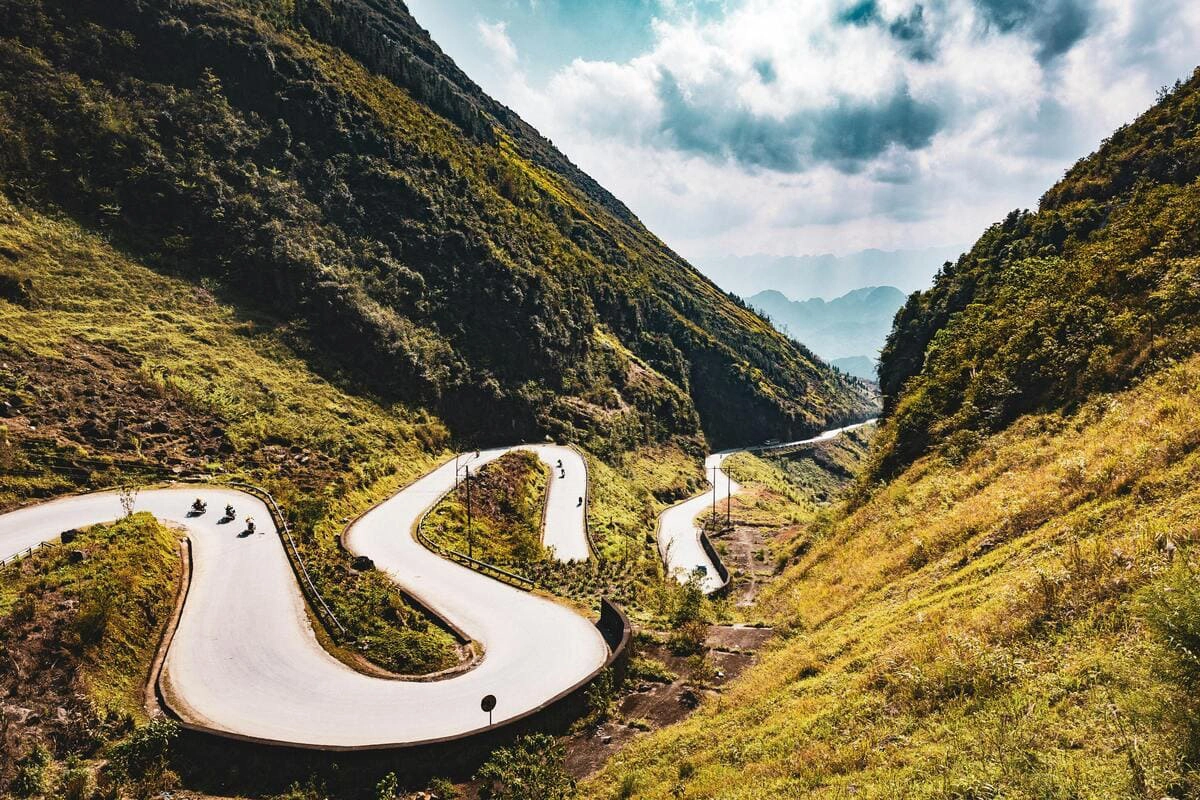
Who is a Ha Giang trekking tour suitable for? - Soure: Đức Trung Đào
The Ha Giang trekking tour is ideal for travelers who want to move beyond the usual sightseeing pace and experience Ha Giang step by step, through its mountain trails, winding routes, and ever-changing landscapes along the way.
1.1. Travelers who want a more active Ha Giang experience
This travel style is suitable for those who do not want to depend entirely on a fixed route of vehicle stops at scenic viewpoints. During the trek, travelers often walk along dirt paths, narrow trails beside fields, slopes leading into villages, or areas that tourist vehicles cannot easily reach. This makes the experience ideal for those who want to be truly involved in the journey, rather than simply viewing Ha Giang from a vehicle.
1.2. Nature lovers and outdoor travelers
The Ha Giang trekking tour is suitable for travelers who are comfortable walking for several hours, enjoy open landscapes, and can adapt to changing outdoor conditions. Some sections may involve strong sun, mountain fog, slippery paths after rain, or small rocky slopes, so basic stamina and shoes with good grip are important. This is not a professional mountaineering tour, but it still requires travelers to be physically prepared.
1.3. Travelers looking for a deeper connection
Trekking is suitable for travelers who want to observe local life from a closer perspective. While walking through villages, visitors may see how local people farm, raise livestock, dry agricultural products, repair their homes, or travel along mountain paths in daily life. These details add more depth to the journey, especially for travelers who enjoy local culture and slow travel experiences.
2. Best routes for a Ha Giang trekking tour
Each trekking area in Ha Giang offers a different type of terrain, so travelers should choose their route based on the scenery they want to experience, their walking ability, and the actual travel time required.
2.1. Dong Van and Ma Pi Leng area
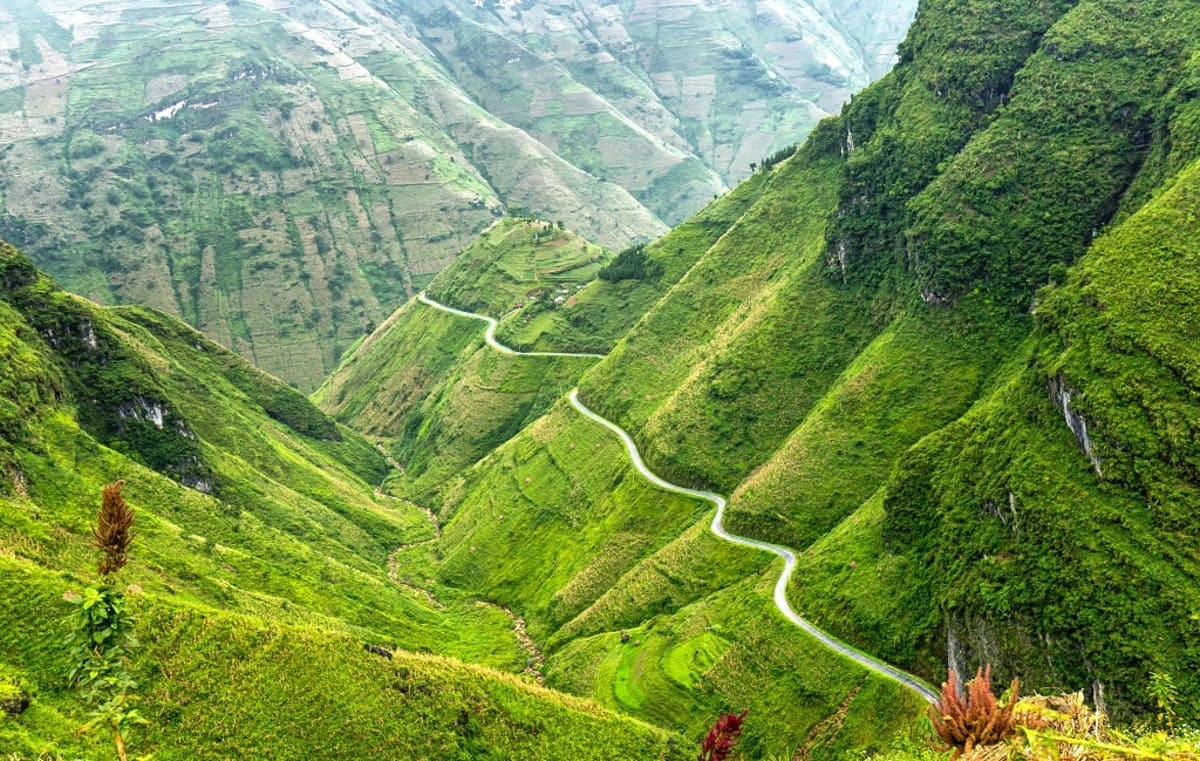
Dong Van and Ma Pi Leng area - Source: Cục Du lịch Quốc gia Việt Nam
Dong Van and Ma Pi Leng are located in northeastern Ha Giang, making this area a standout choice for travelers who want to trek through Ha Giang’s signature limestone mountain terrain. The most impressive parts of this route are the sections overlooking Tu San Canyon, the Nho Que River, and steep rocky slopes. It is suitable for travelers who want to experience Ha Giang at its most dramatic, rugged, and powerful.
2.2. Quan Ba and Nam Dam village
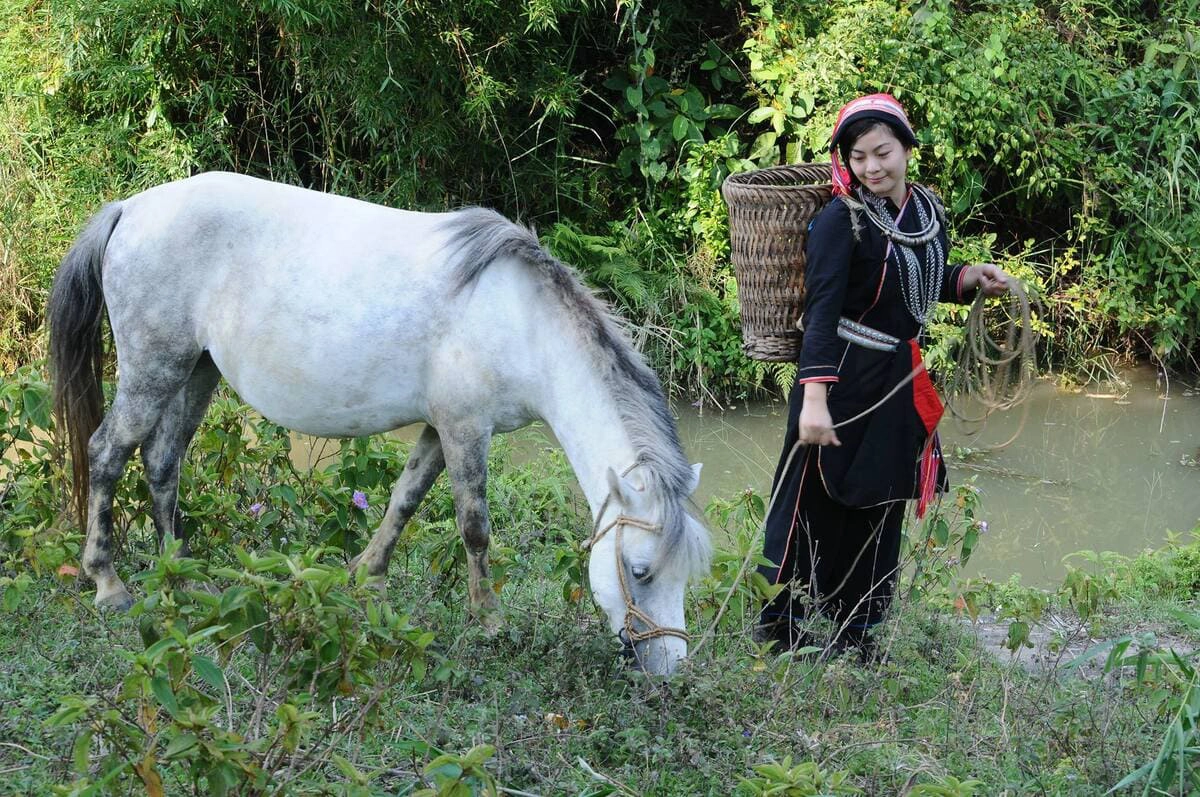
Quan Ba and Nam Dam village - Source: Báo Đầu tư online
Quan Ba lies on the route from Ha Giang City to Dong Van, making it a practical trekking stop for travelers who want a gentler start before reaching the higher mountain areas. Nam Dam village, located near Tam Son town, offers trails through farmland, rammed-earth houses, and the daily living spaces of the Dao community. This route is worth choosing because it is not too physically demanding, yet still gives travelers a clear sense of how village life is shaped by the highland terrain.
2.3. Meo Vac and Du Gia trails
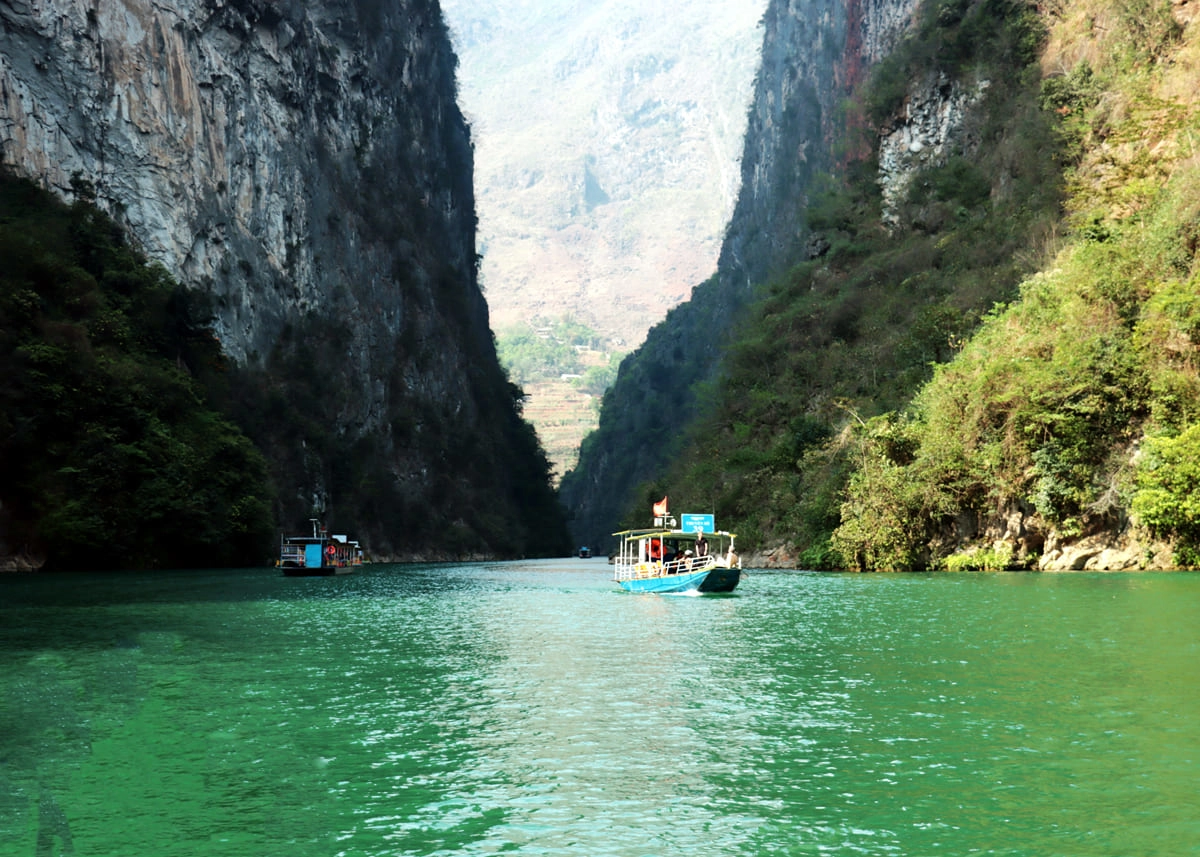
Meo Vac and Du Gia trails - Source: Báo Tuyên Quang online
Meo Vac and Du Gia are suitable for travelers who want to go deeper into Ha Giang after visiting well-known areas such as Dong Van or Ma Pi Leng. Meo Vac features rocky mountains, valleys, and villages tucked between mountain slopes, while Du Gia offers a softer landscape with streams, forests, and a peaceful village atmosphere. This route is appealing because the scenery changes clearly along the way, making the trekking experience more varied and less repetitive.
2.4. Hoang Su Phi rice terrace trails
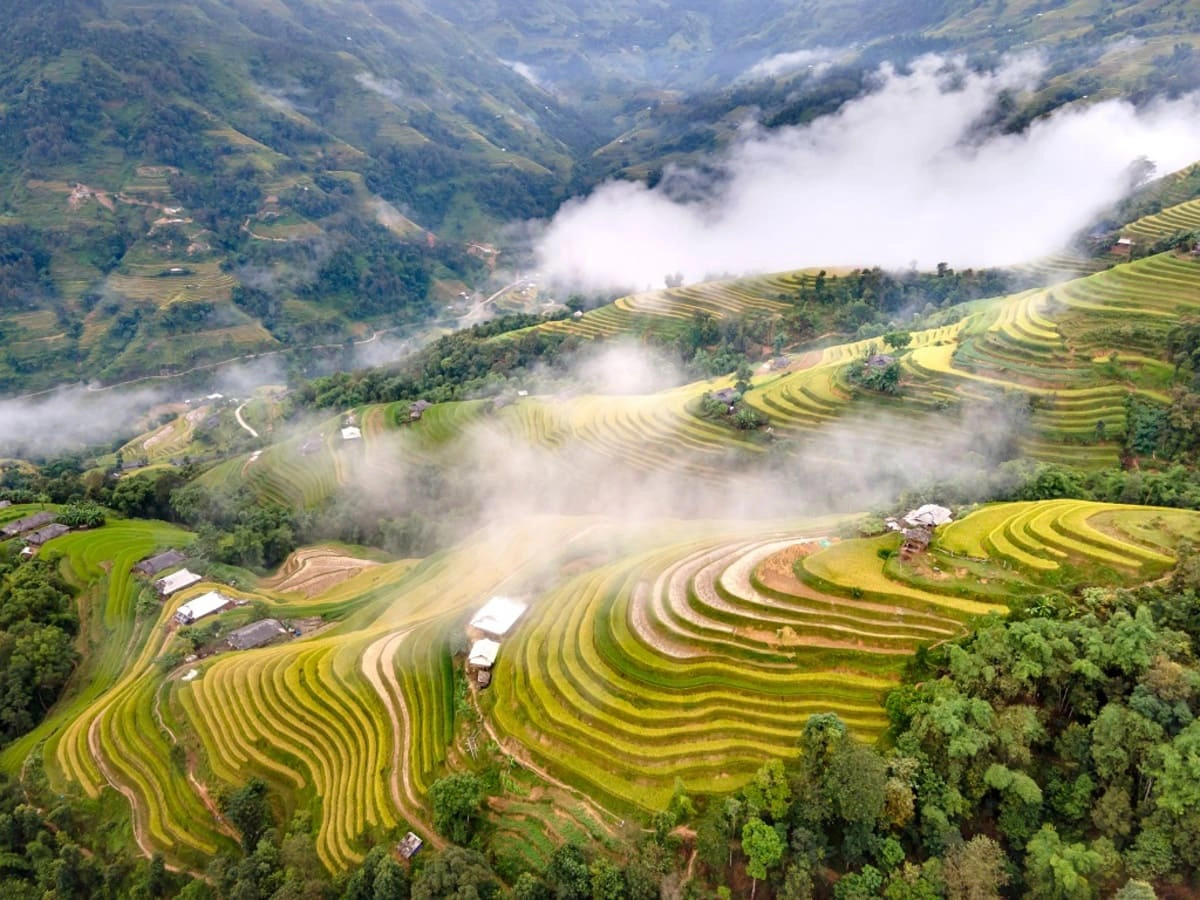
Hoang Su Phi rice terrace trails - Source: Tạp chí Điện tử Thiên nhiên và Môi trường
Hoang Su Phi is located in western Ha Giang, away from the more familiar Dong Van and Ma Pi Leng route, making it suitable for travelers who want a quieter trekking direction. The main highlight of this area is its terraced rice fields stretching along the mountain slopes, especially during the watering season and the rice harvest season. With dirt slopes and remote villages along the way, this route is ideal for travelers who enjoy nature, seasonal landscapes, and the agricultural rhythm of highland life.
>> Read more: 4D3N Tour | Explore Ha Giang by Motorbike Departs from Hanoi | Ha Giang
3. What to prepare before joining a Ha Giang trekking tour?
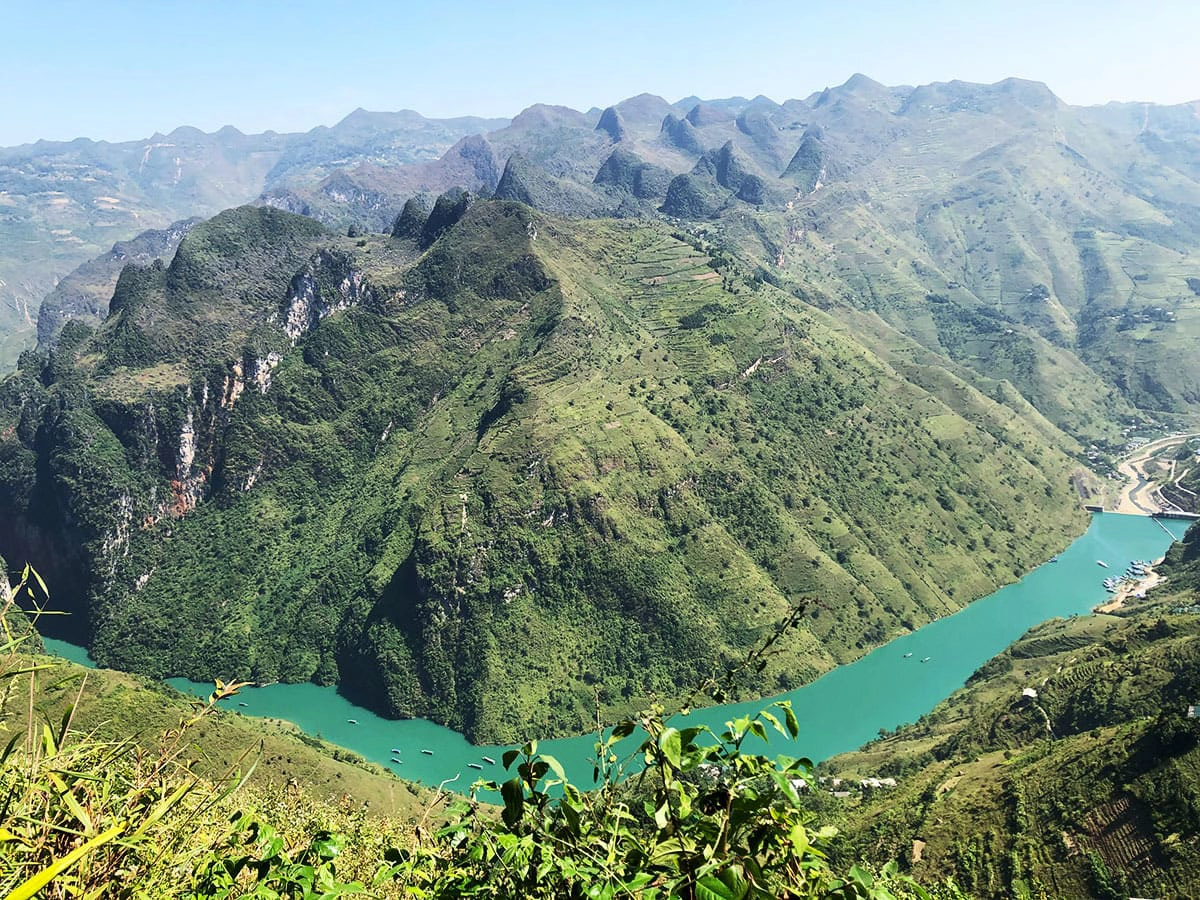
What to prepare before joining a Ha Giang trekking tour? - Source: Cục Du lịch Quốc gia Việt Nam
A trekking trip in Ha Giang requires more than a scenic itinerary. Travelers also need to prepare properly for the weather, terrain, and actual walking demands of each route.
3.1. Best time for trekking in Ha Giang
The easiest time for trekking is usually the dry season, from around October to April, when trails are less muddy and mountain visibility is more stable. Travelers who want to see terraced rice fields can choose the rice season in Hoang Su Phi, which is usually at its best around September.
The buckwheat flower season from October to November is also suitable, although some areas may be more crowded. The rainy season from May to August requires more caution because dirt paths can become slippery, streams may rise, and fog can reduce visibility.
3.2. Essential items to pack for trekking
Travelers should pack light, practical items that are suitable for real trekking conditions. The most important items include:
-
Trekking shoes or sports shoes with good grip: Suitable for red dirt paths, small rocks, terraced field slopes, and damp trails.
-
Light raincoat: More practical than an umbrella because your hands should stay free when walking uphill or downhill.
-
Light jacket: Useful in highland areas, where temperatures can drop quickly in the early morning or late afternoon.
-
Drinking water and snacks: Help maintain energy on long walking sections, especially when the route has few shops.
-
Personal medicine: Bring medicine for stomach discomfort, motion sickness, allergies, and any medication you currently use.
-
Sunscreen and a hat: Helpful on open trail sections with little shade.
-
Small backpack with fitted shoulder straps: Keeps your belongings stable and reduces shoulder fatigue during long walks.
3.3. Fitness level and trail safety
Travelers do not need the fitness level of professional mountain climbers, but they should be able to walk continuously for several hours and handle uphill and downhill sections. Beginners should choose shorter routes with moderate elevation, clear rest stops, and avoid itineraries that cover too many villages in one day.
For trails far from main villages, a local guide is very important because they know which sections become slippery after rain, where to rest, which turns are easy to miss, and when to turn back if the weather gets worse.
3.4. Choose the right tour operator
When choosing a Ha Giang trekking tour operator, travelers should ask about the details that directly affect walking difficulty, safety, and the overall experience during the day.
-
Ask how many hours you will walk each day: A reliable tour should not only say “village trekking”, but also explain how many hours of walking are expected, whether there are rest stops, and which sections involve longer uphill climbs. This helps beginners avoid choosing a route that is too demanding.
-
Check whether the route is clearly described: Travelers should prioritize tours that specify the starting point, ending point, villages along the way, and main terrain types, such as dirt paths, rocky trails, rice terraces, or narrow mountain paths. If the itinerary only says “explore Ha Giang nature”, it is hard to judge the real quality of the tour.
-
Confirm who will guide the trek: For trekking in Ha Giang, the guide should know the local terrain, not just provide commentary. A good guide understands which sections become slippery after rain, where travelers can rest, and which areas should be avoided after dark or in thick fog.
-
Ask how the tour handles bad weather: Travelers should check whether the operator can change the route, shorten the trek, arrange vehicle pickup, or adjust the itinerary in case of heavy rain, slippery trails, or tired travelers. This is important because mountain weather can ch
If you want to choose a tour that matches your fitness level, travel time, and preferred experience, Joytime Travel Agency can recommend a suitable trekking route to make your Ha Giang journey safer and easier to enjoy.
>> Read more: Ha Giang Loop Tour from Hanoi - Explore Northern Vietnam
4. FAQs about Ha Giang trekking tour
1. Is a Ha Giang trekking tour too difficult for first-time visitors?
Not necessarily. First-time visitors can join a Ha Giang trekking tour if they choose short, moderate routes with a local guide. The main challenge is uneven terrain, uphill sections, and changing weather, so basic fitness and proper shoes are important.
2. How many days should I spend on a Ha Giang trekking tour?
A 2-day tour is suitable for light trekking near villages, while 3 to 4 days allows you to explore deeper trails, remote valleys, and homestays. If you want a more complete experience, 3 days is usually a practical choice.
3. What is the difference between a Ha Giang trekking tour and a Ha Giang Loop tour?
A Ha Giang trekking tour focuses on walking through trails, villages, fields, and mountain paths. A Ha Giang Loop tour mainly uses motorbikes or cars to cover longer distances between major viewpoints, mountain passes, towns, and scenic roads.
The Ha Giang trekking tour is ideal for travelers who want to experience Ha Giang at a slower pace, through mountain trails, local villages, and layered highland landscapes. By choosing the right trekking route, preparing properly, and traveling with a guide who knows the local terrain, the journey becomes safer, more practical, and more memorable.
To start planning your trip, contact Joytime Travel Agency for support with itinerary planning, tour booking, and arranging the most suitable Ha Giang travel experience.
|
Joytime Travel Agency - Travel JOY, TIMEless Vietnam Safe, Seamless, Satisfying, Sustainable Follow us for travel tips, local insights, and exclusive offers:
|

Danish Nguyen
Danish Nguyen is a renowned travel blogger in Vietnam with over 5 years of experience sharing unique travel experiences. With a passion for exploring new places, Danish captures incredible moments and provides readers with valuable tips to discover the beauty of his homeland.