









Vietnam Travel Sapa: Ultimate Guide to Attractions, Food & Travel Tips
Planning your Vietnam travel Sapa adventure? Joytime Travel Agency brings you the ultimate guide to exploring the misty mountain town of Sapa. From conquering Fansipan and trekking through terraced rice fields to discovering local cuisine and cultural villages, this guide covers everything you need for an unforgettable Sapa journey.
1. Best Time to Visit Sapa for Your Vietnam Travel Sapa Journey
Sapa changes its natural coat beautifully throughout the year, offering dramatically distinct seasonal views.
1.1. Spring (March – May)
During spring, Sapa transforms into a vibrant mountain paradise with blooming peach and plum flowers dressing up the hillsides. Temperatures stay mild and comfortable, generally ranging between 10°C and 20°C.
This is an exceptional window for outdoor trekking and exploring deep mountain valleys. Visitors traveling around April and May can witness the unique "watering season," when terraced fields are flooded with water, reflecting the open sky like giant mirrors.
1.2. Autumn (September – November)
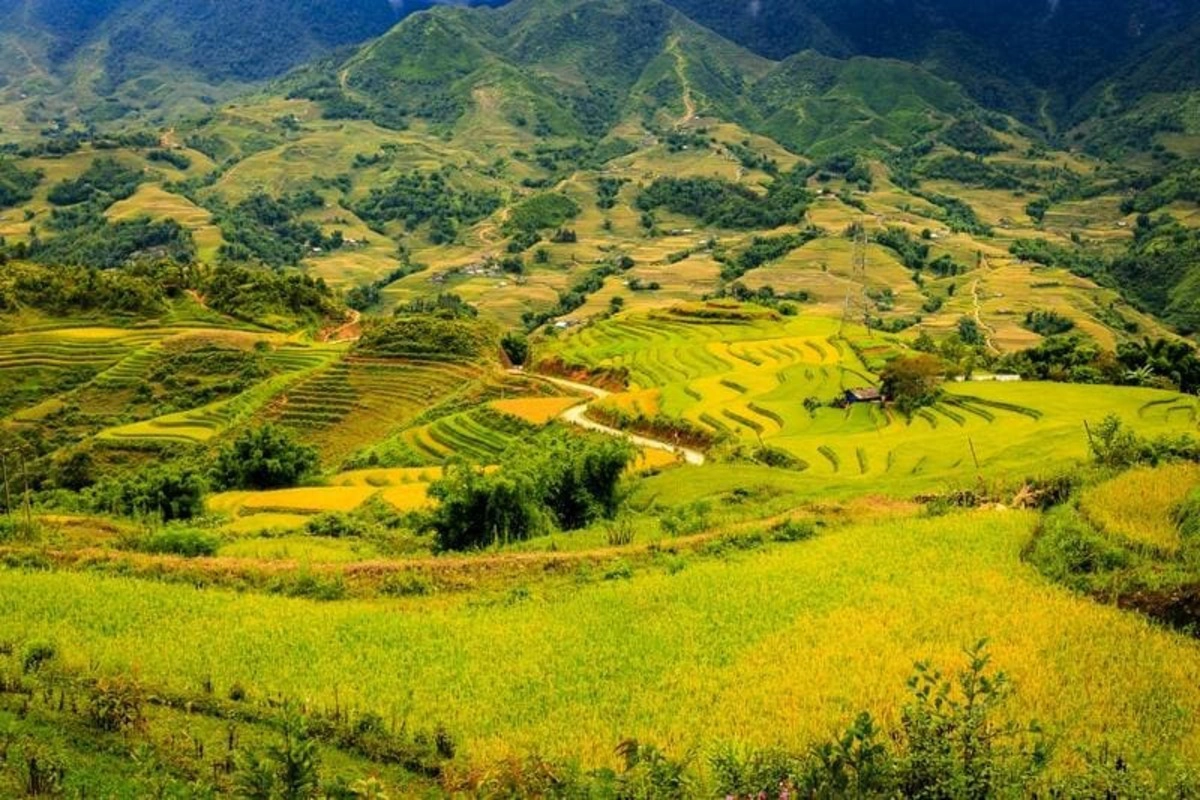
Autumn (September – November) - Source: pexels
Autumn stands out as the legendary golden harvest season, drawing travelers from all over the globe to witness Sapa at its most majestic. From mid-September to early October, the massive terraced fields turn into a sea of brilliant yellow rice.
The weather during autumn is incredibly pleasant, sitting comfortably between 15°C and 20°C with clear skies and minimal rainfall. This dry, stable climate provides the absolute best conditions of the year for panoramic landscape photography and multi-day village trekking tours.
1.3. Winter (December – February)
Winter brings a mystical, frosty atmosphere to Sapa, turning the entire town into a sea of thick rolling fog. Temperatures drop sharply, averaging between 0°C and 10°C, and occasionally plunging low enough to bring rare, beautiful snowfalls along the higher mountain peaks.
The winter landscape is quiet, crisp, and beautifully frozen. It offers a cozy setting for travelers who want to experience the vibrant local nightlife, gather around open fires, and indulge in hot, steaming mountain dishes.
>> Read more: 2D1N Tour I Explore Sapa I Departure from Hanoi
2. How to Get to Sapa
Navigating your route from Hanoi to the northern highlands is straightforward, with multiple transportation methods catering to different travel styles, budgets, and schedules. Depending on your travel priorities, you can choose between these four distinct and reliable transit options to reach the mountains:
2.1. By Night Train
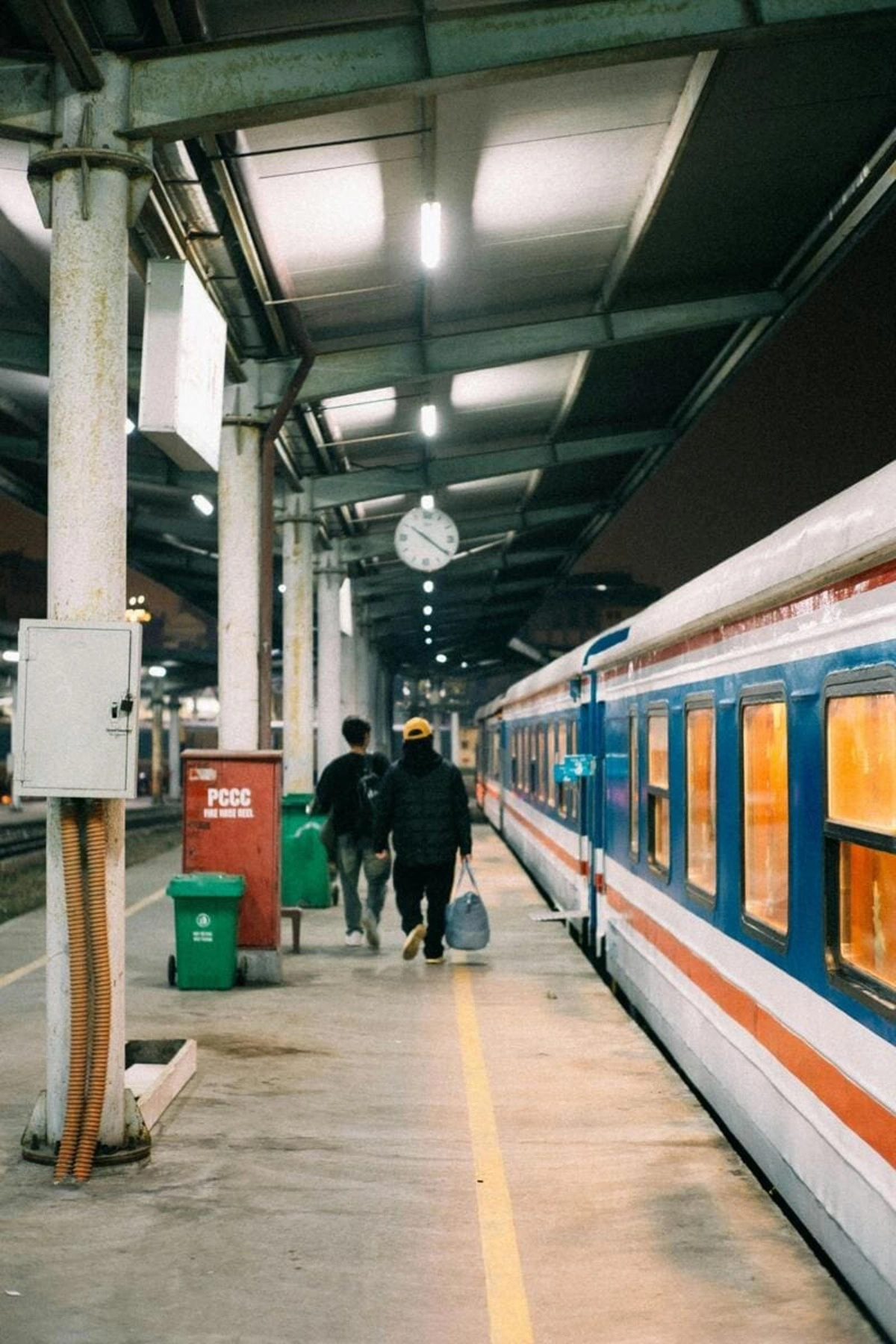
By Night Train - Source: pexels
Traveling by an overnight train from Hanoi to Lao Cai remains a highly popular and romantic choice for international tourists. The train journey takes about 8 to 9 hours, typically departing Hanoi between 21:30 and 22:00.
Upon arriving at the Lao Cai border station, you will take a quick 1-hour shuttle bus or taxi ride up the winding mountain roads to reach Sapa town center. Ticket prices range from 250,000 VND to 1,800,000 VND, depending on whether you choose a standard cabin or a luxury sleeper cabin provided by premium operators like Sapaly, Victoria, or Chapa.
2.2. By Sleeper Bus
For budget-conscious travelers seeking a direct and fast route, the modern sleeper bus is an exceptionally convenient choice. Thanks to the highway, travel time from Hanoi directly to Sapa has been cut down to just about 5 hours.
Highly reputable bus operators like Sapa Express, Green Bus, and Inter Bus Lines offer ticket prices ranging between 180,000 VND and 500,000 VND. Booking a night bus departure around 22:00 allows you to rest comfortably and wake up in Sapa town early the next morning, ready to explore.
2.3. By Plane
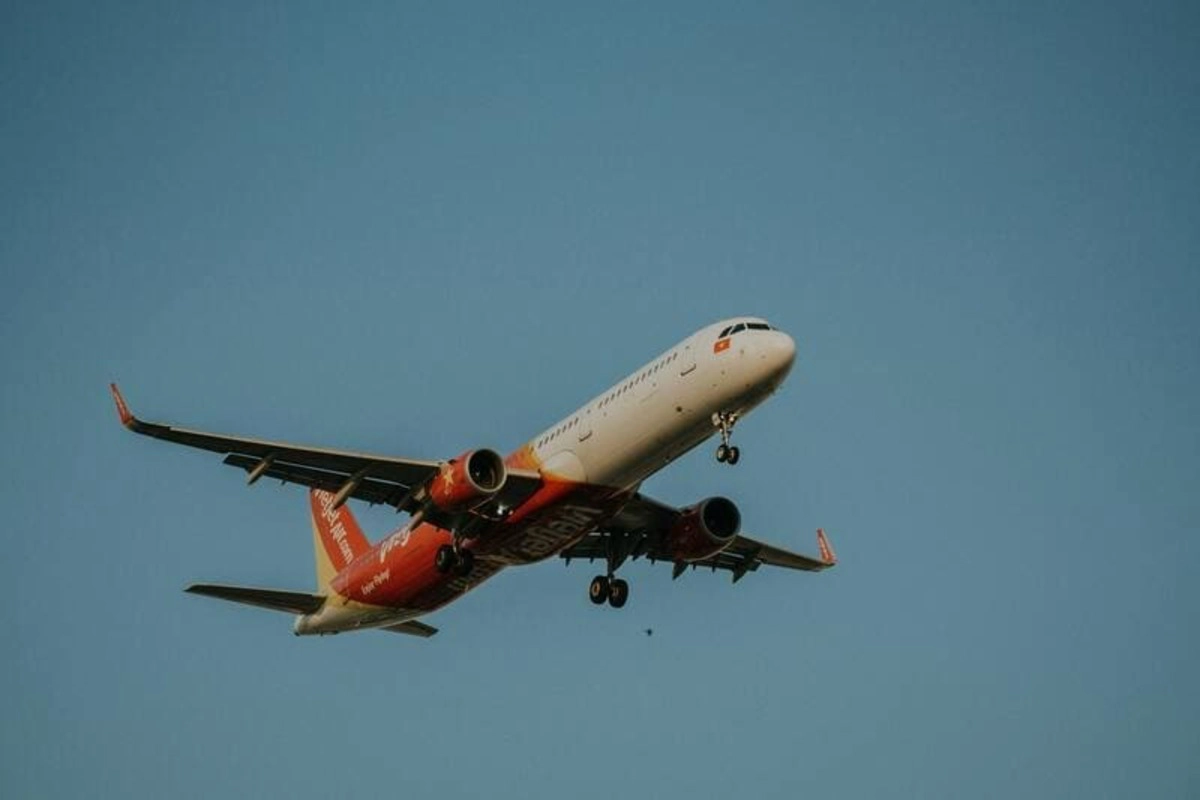
By Plane - Source: pexels
Travelers coming from southern Vietnam or international destinations can fly straight into Hanoi's Noi Bai International Airport or Dien Bien Phu Airport. From there, you can easily book a direct connecting sleeper bus or a private limousine van up to Sapa.
Domestic flights from Ho Chi Minh City to Hanoi are frequent and highly affordable, with one-way ticket prices generally fluctuating between 600,000 VND and 1,700,000 VND depending on how early you book your seats.
2.4. By Private Transfers or Motorbike
If you are traveling in a group or with family and value maximum privacy and comfort, hiring a private car or taxi is a great option. A private 4-seat car transfer averages around 2,200,000 VND per day, while direct point-to-point private taxis cost between 2,540,000 VND and 4,280,000 VND.
For experienced, adventurous riders looking to master the mountain hairpins independently, local motorbike rentals are incredibly cheap, costing a mere 80,000 VND to 130,000 VND per day.
>> Read more: How To Get To Sapa Vietnam: Best Routes, Costs & Travel Tips
3. Top Attractions You Cannot Miss During Your Vietnam Travel Sapa Adventure
Sapa is packed with breathtaking natural wonders and historic ethnic settlements that showcase the unique geographical beauty of the Hoang Lien Son mountain range. No vietnam travel sapa itinerary is complete without checking off these iconic attractions.
3.1. Fansipan Peak
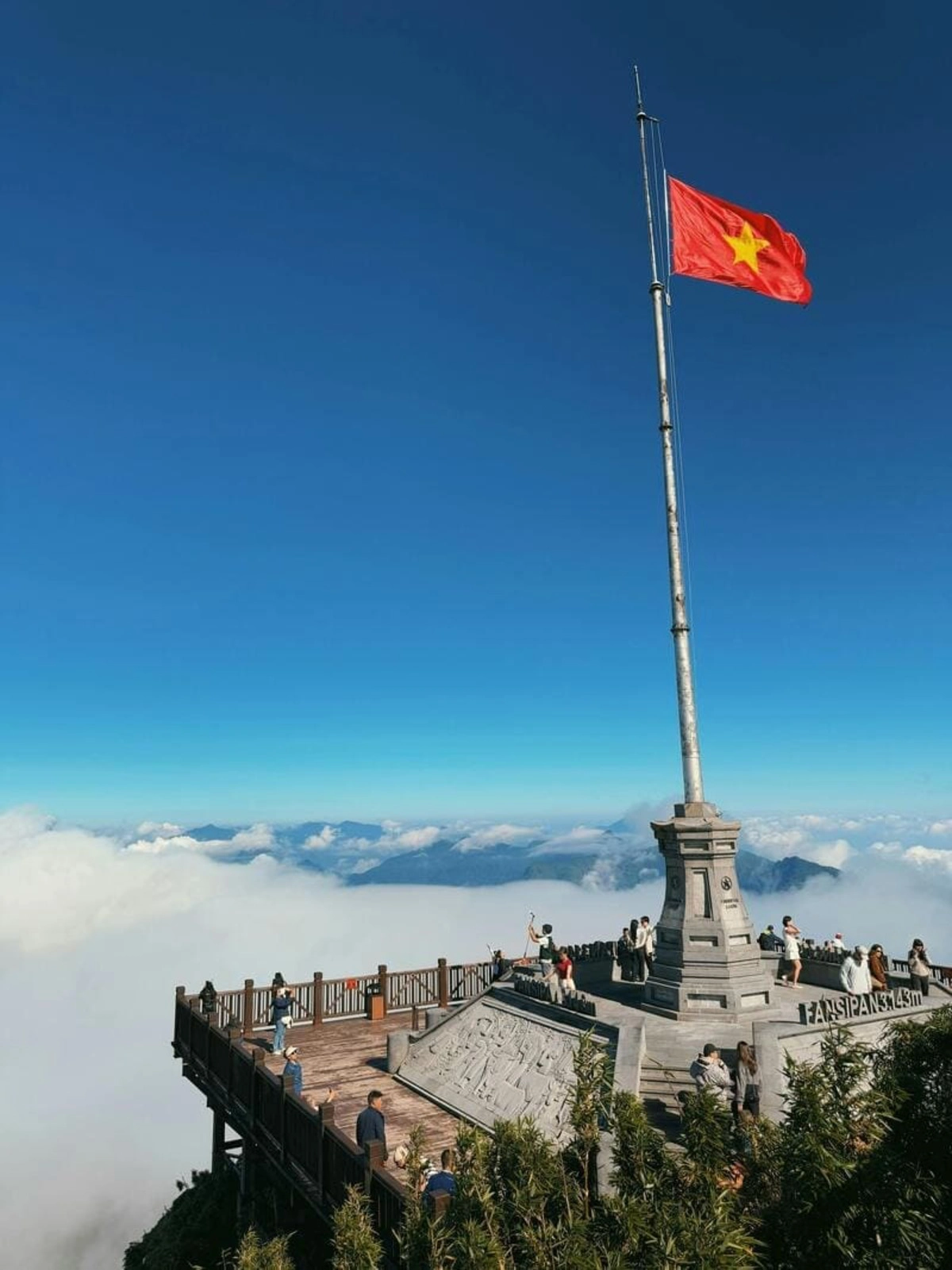
Fansipan Peak - Source: pexels
Known proudly as the "Roof of Indochina," Fansipan Peak stands at a soaring altitude of 3,147 meters. Instead of embarking on a strenuous multi-day trek, visitors can easily ascend the summit using a world-record-breaking cable car system in just 15 to 20 minutes.
After stepping off the cable car, you can climb the remaining 600 stone steps or take a small funicular train to reach the absolute peak, where a magnificent sea of rolling clouds awaits. Standard adult cable car tickets are priced at approximately 800,000 VND per person.
3.2. Cat Cat Village
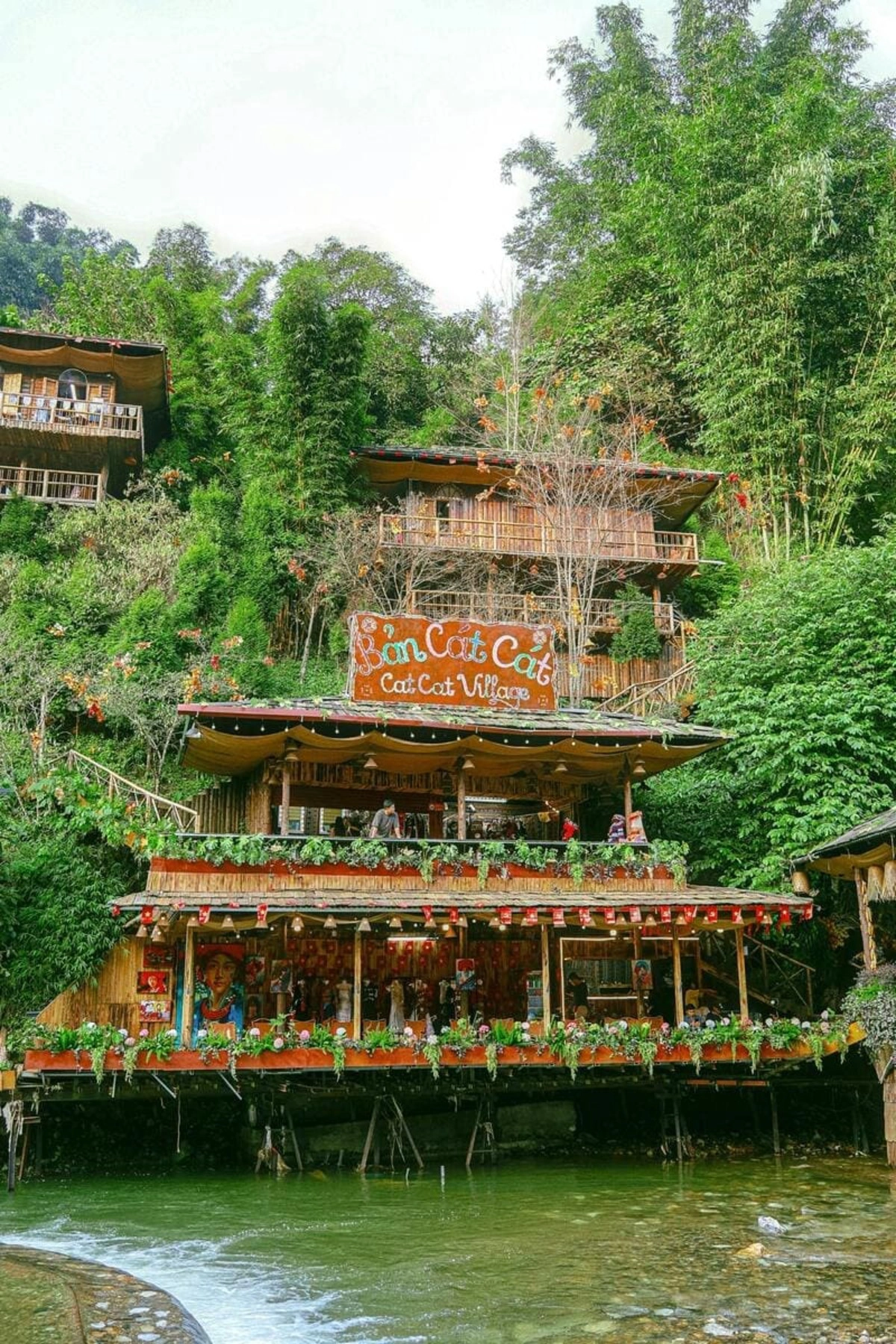
Cat Cat Village - Source: pexels
Nestled deep inside a scenic valley just a short walk from Sapa town, Cat Cat Village is an ancient settlement of the Black Hmong community. The village features a spectacular landscape filled with traditional wooden homes, massive bamboo water wheels, and the rushing Cat Cat Waterfall.
To enjoy the peaceful atmosphere and avoid the heavy midday tourist crowds, it is highly recommended to visit early in the morning. The mandatory village entrance fee is 150,000 VND for adults and 70,000 VND for children.
3.3. Muong Hoa Valley
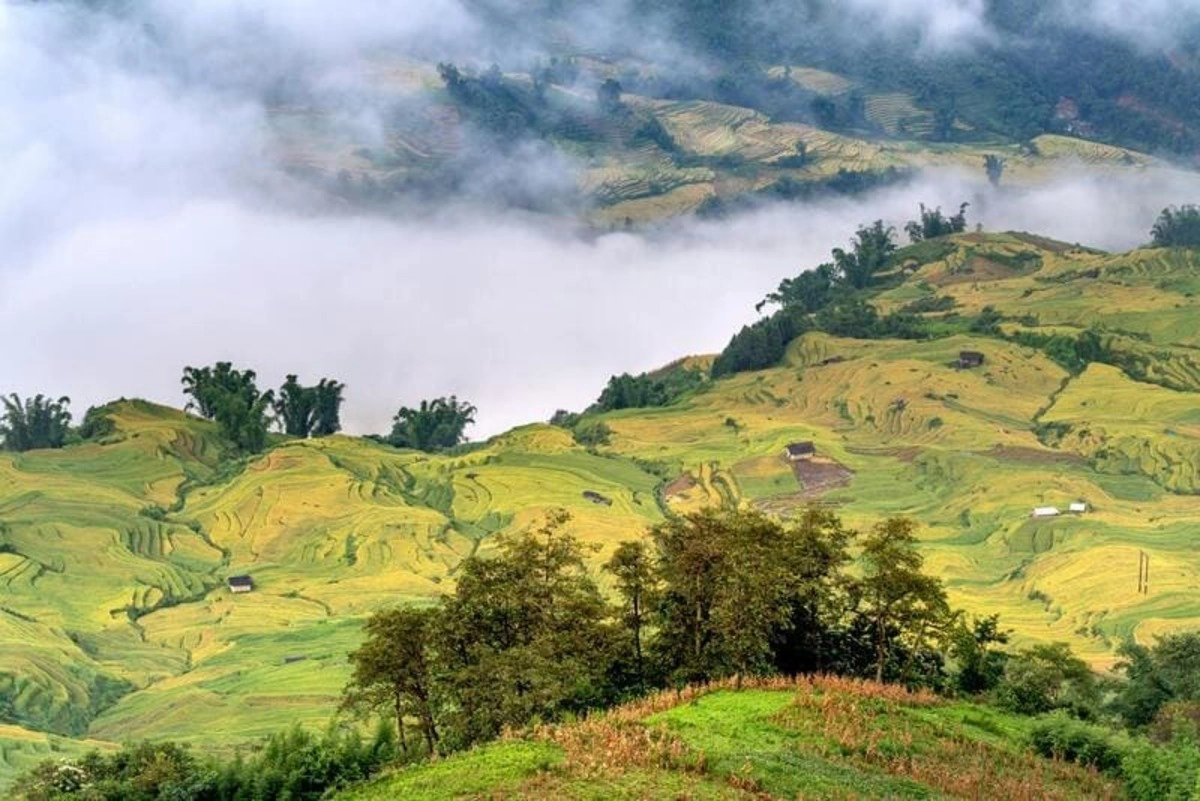
Muong Hoa Valley - Source: pexels
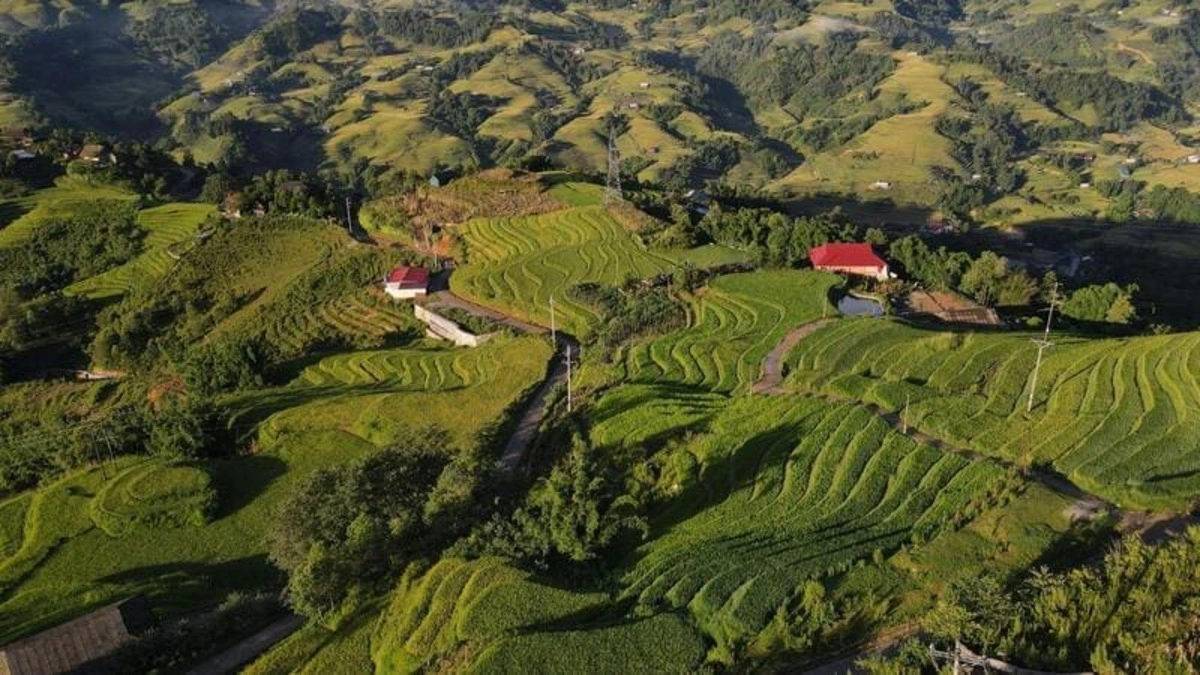
Muong Hoa Valley is a sprawling, breathtaking region famous for having some of the most dramatic terraced rice fields in Southeast Asia. The valley is bisected by a beautiful 15-kilometer stream and features a mysterious ancient rock field adorned with unique, centuries-old carvings.
This vast valley serves as the homeland for several distinct ethnic minority groups, including the Hmong, Dao, Tay, and Giay communities. Entrance fees to explore the main paths of the valley range from 150,000 VND to 200,000 VND.
3.4. Ta Van & Lao Chai Villages
Perched beautifully along the steep slopes of the Muong Hoa Valley, Lao Chai and Ta Van villages offer a peaceful escape into rural mountain life. Here, traditional stilt houses sit quietly amidst endless rice fields and roaming water buffaloes.
Visiting these villages provides a genuine glimpse into the preserved traditions of the Black Hmong and Giay people. Entrance tickets to access the Lao Chai and Ta Van village areas are highly affordable, priced at 75,000 VND for adults and 50,000 VND for children.
3.5. Silver Waterfall & Love Waterfall
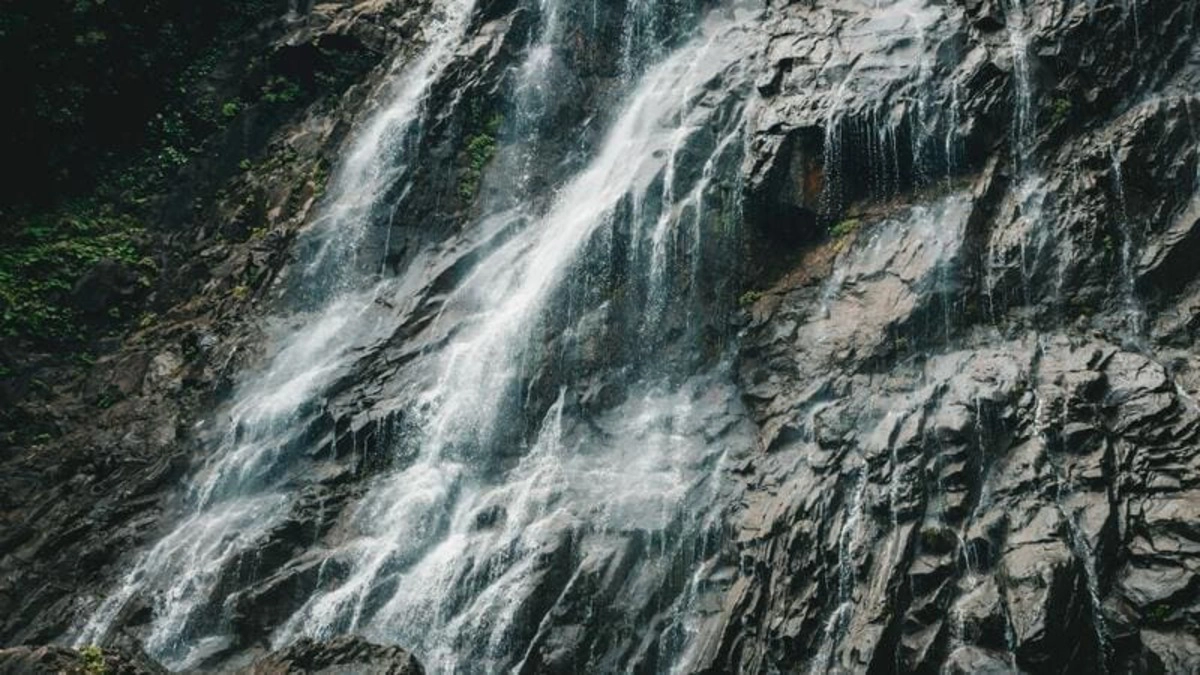
Silver Waterfall & Love Waterfall - Source: pexels
Silver Waterfall (Thao Bac) is a stunning natural wonder that cascades down from a height of over 200 meters, sending white foam crashing against the rocks right next to the highway. The entry fee to climb its scenic viewing bridge is a nominal 20,000 VND per person.
For a complete nature day trip, you can easily combine your visit to Silver Waterfall with a trek out to the nearby Love Waterfall, a serene spot tucked deep inside the lush green canopy of the national park.
>> Read more: Entrance Ticket to O Quy Ho Heaven Gate I Sapa
4. Must-Try Culinary Experiences in Sapa
The distinct highland climate and rich ethnic diversity have combined to create an incredibly unique culinary culture in Sapa, utilizing fresh mountain herbs and traditional cooking styles. When the sun goes down and the temperature drops, here are the three signature mountain food experiences you absolutely must try:
4.1. Thang Co (Horse Hotpot)
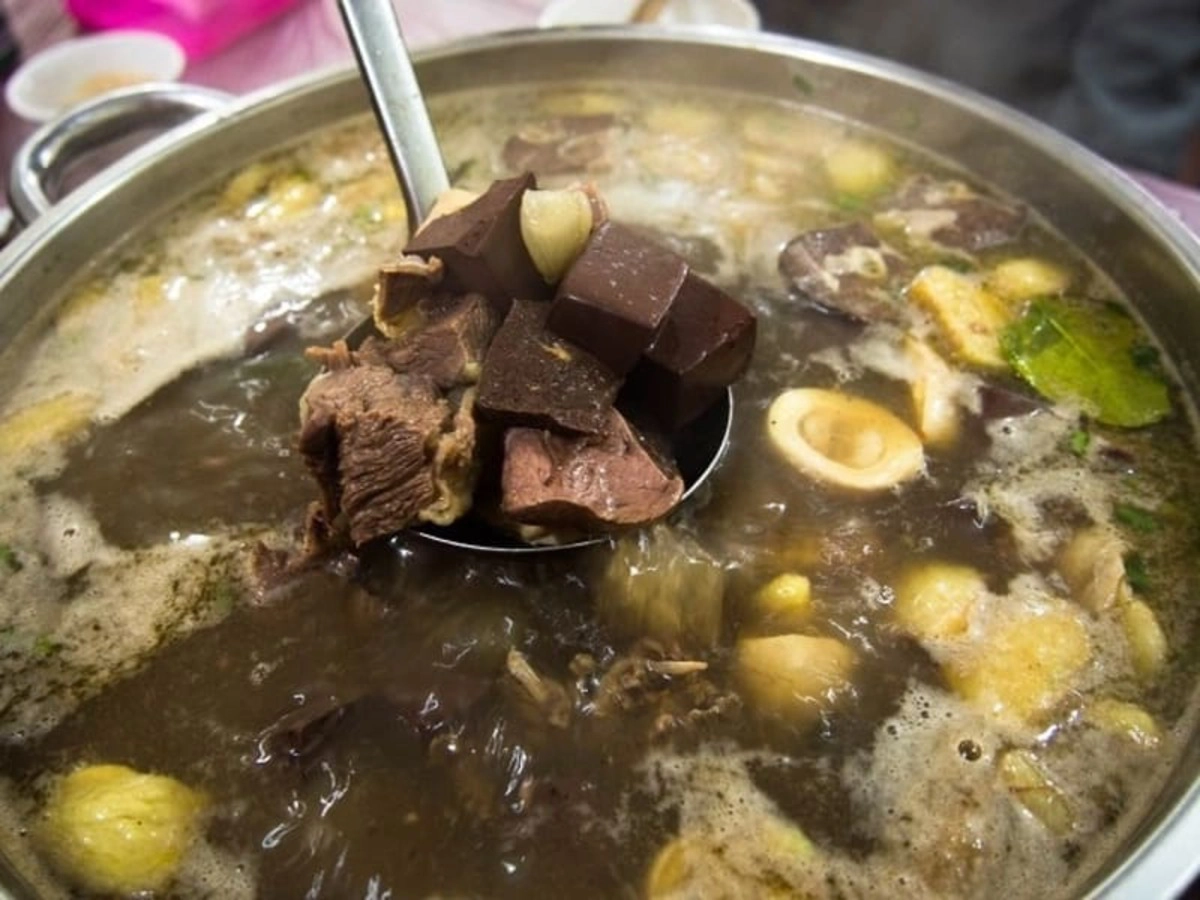
Thang Co (Horse Hotpot) - Source: e.vnexpress.net
Thang Co is a highly traditional, signature stew originally perfected by the Hmong people, made by simmering horse meat alongside an aromatic blend of nearly 12 local mountain spices, including cardamom, star anise, and lemongrass.
While it features a very distinct, robust aroma that may surprise first-time international visitors, trying Thang Co at a local homestay in Ta Van village or during a vibrant weekend ethnic market is a deeply authentic cultural experience.
4.2. Salmon Hotpot (Lau Ca Hoi)
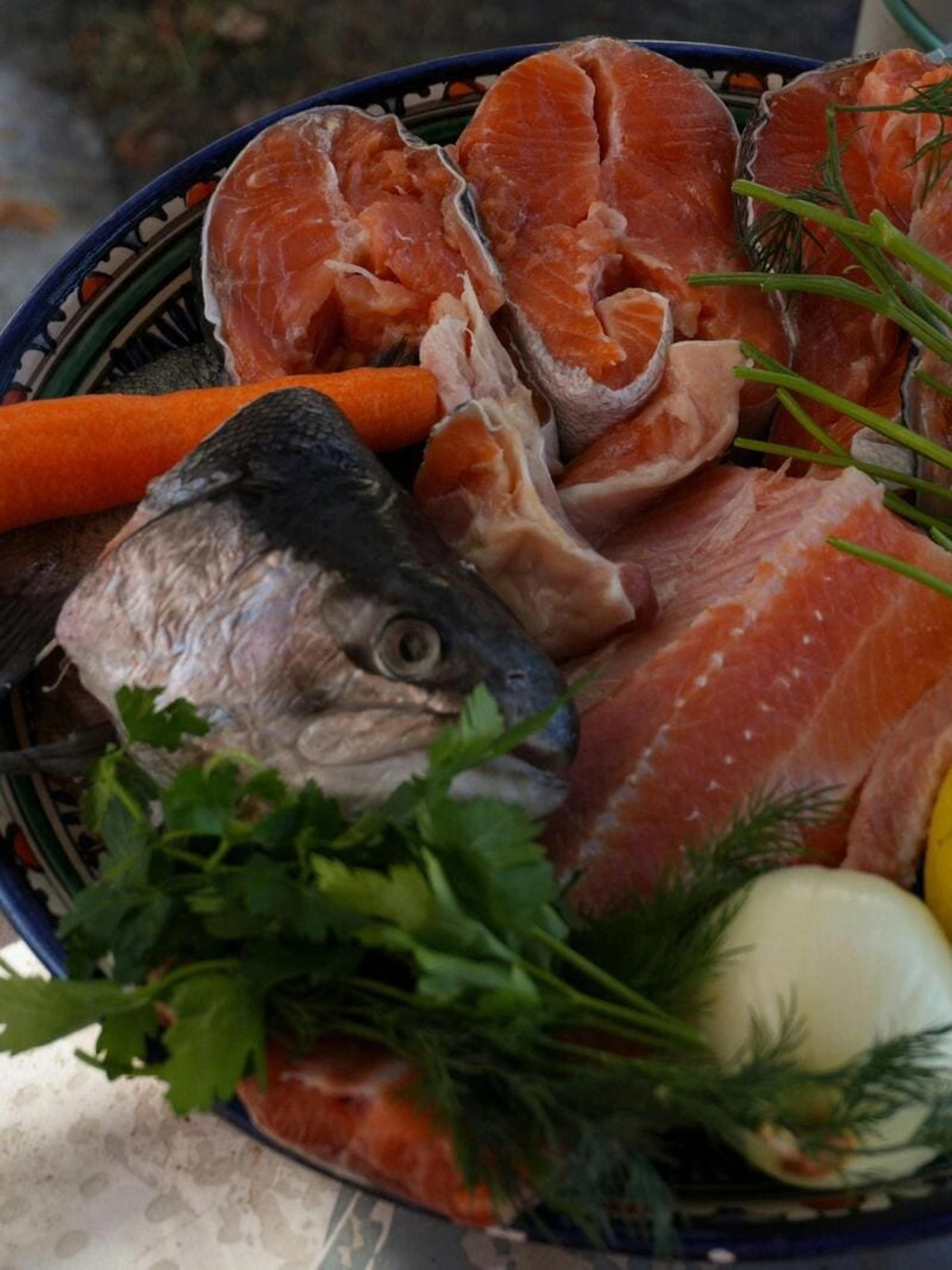
Salmon Hotpot (Lau Ca Hoi) - Source: pexels
Taking full advantage of Sapa's cool mountain streams and chilly alpine climate, local farmers have successfully raised premium-quality cold-water salmon right in the highlands. Sapa salmon is celebrated for being incredibly lean, firm, and vibrant pink.
A bubbling pot of Salmon Hotpot served with a sour, savory broth, fresh mushrooms, and an abundance of wild, hand-picked mountain vegetables is the absolute ultimate comfort food to indulge in during a cold, misty Sapa evening.
4.3. Sapa Barbecue (Do Nuong)
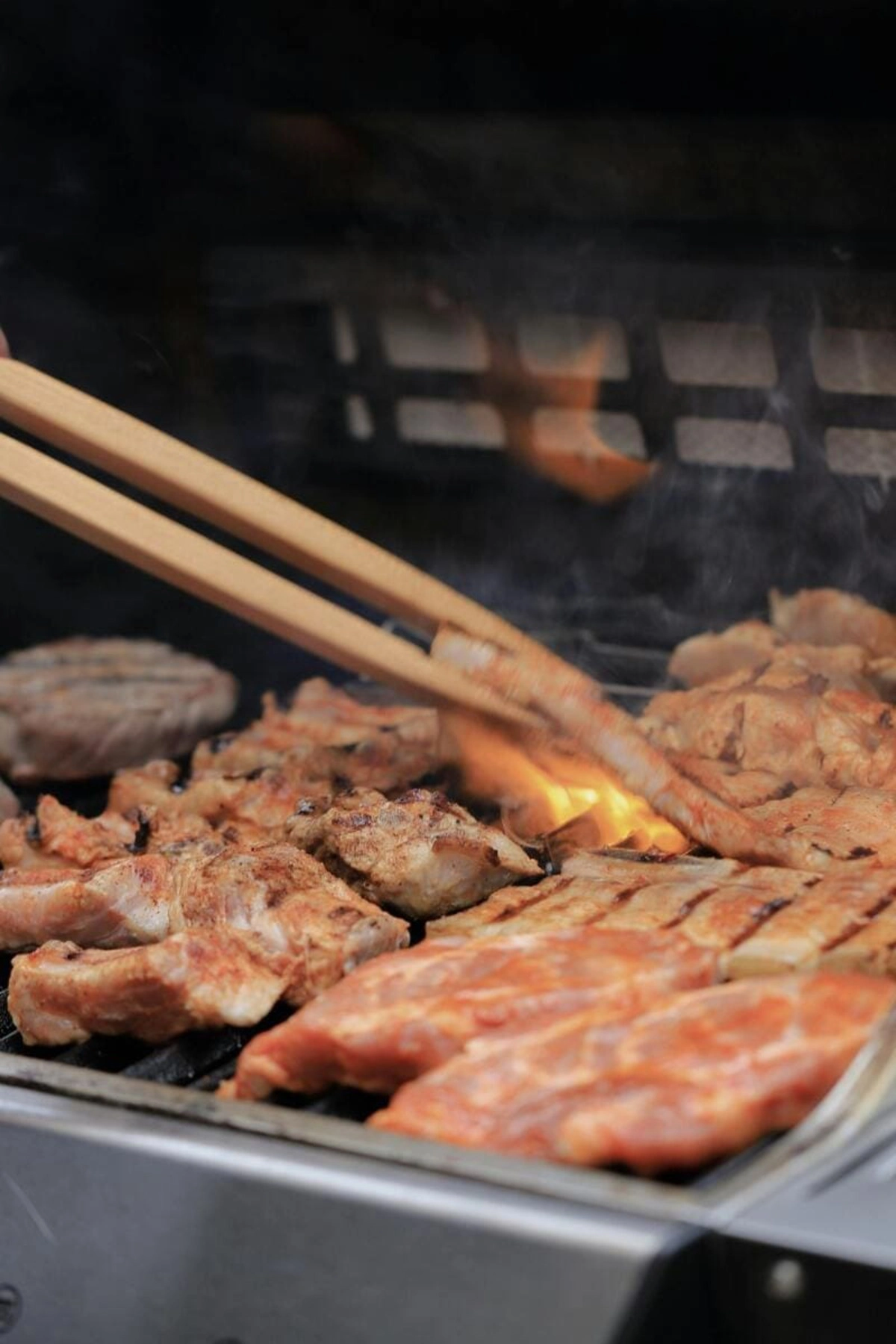
Sapa Barbecue (Do Nuong) - Source: pexels
As night falls and the mountain chill sets in, Sapa’s street food stalls come alive with smoky barbecue grates. Vendors display an endless variety of skewers, ranging from rolled beef filled with local mustard greens and wild boar skewers to grilled stream fish, mushrooms, and sweet potatoes.
Pairing a plate of hot, freshly grilled skewers with a small cup of local corn wine or rice wine is a classic, cozy way to spend your evening interacting with locals in the town square.
5. Sapa Travel Cost and Budgeting
Sapa is a highly accommodating destination that seamlessly fits into any traveler's financial plan. Proper budgeting allows you to enjoy premium mountain views without overspending. To help you plan your travel funds effectively, here is a transparent look at accommodation rates, ticket fees, and average daily financial estimates:
5.1. Accommodation Rates
Sapa offers an incredibly wide spectrum of lodging styles. Budget-conscious backpackers can easily find social, clean hostel dorm beds and simple village homestays starting from around 20 USD per night.
For mid-range travelers, comfortable boutique hotels with mountain-facing balconies average between 40 USD and 80 USD. If you are seeking ultimate relaxation, Sapa boasts world-class luxury eco-resorts and 5-star mountain lodges that range from 150 USD to over 300 USD per night.
5.2. Transportation & Tickets
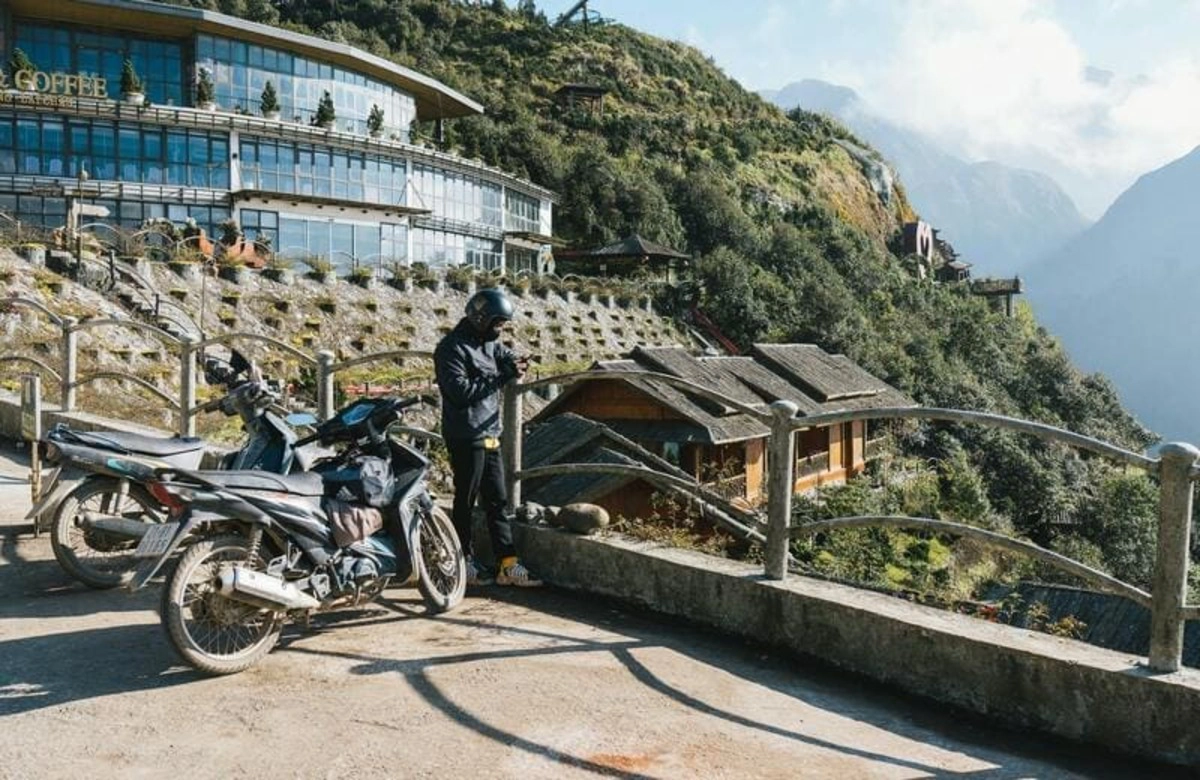
Transportation & Tickets - Source: pexels
To prevent any unexpected surprises during your vietnam travel sapa journey, it helps to keep mandatory ticket costs in mind. The Fansipan cable car ticket sits at 800,000 VND, while village entrance fees range from 75,000 VND (Lao Chai/Ta Van) to 150,000 VND (Cat Cat).
Renting a reliable semi-automatic or automatic motorbike from a town agency will run between 80,000 VND and 130,000 VND per day, excluding fuel costs.
5.3. Estimated Daily Spending
-
Budget Tier (25 – 35 USD / day): Covers a cozy hostel bed or village homestay, indulging in local street food or market skewers, utilizing public shuttle buses, and exploring villages on foot.
-
Mid-Range Tier (60 – 100 USD / day): Covers a private 3-star boutique hotel room, dining at nice sit-down salmon restaurants, renting a daily motorbike with fuel, and purchasing a Fansipan cable car ticket.
6. Essential Sapa Travel Tips
Essential Sapa Travel Tips - Source: pexels
To ensure your mountain journey remains smooth, safe, and culturally respectful, it is highly beneficial to keep a set of practical travel rules in mind.
-
Pack Smart Using the Layering Strategy: Sapa's mountain weather can change completely within a single hour. Pack quick-dry clothing, a warm fleece jacket, a reliable raincoat, and sturdy, non-slip hiking boots or water-resistant shoes to handle steep, muddy valley trails safely.
-
Dress Respectfully at Cultural Sites: When entering ethnic villages, sacred temples, or local family homes, always dress modestly by covering your shoulders and knees, and remember to remove your shoes before stepping inside a traditional house.
-
Always Ask for Permission Before Taking Photos: Be courteous and obtain explicit permission before photographing local ethnic minority individuals, their children, their private handicraft workshops, or the interiors of their homes.
-
Book Accommodations Well in Advance: During peak travel months (March to May and September to November) or national holidays, premium hotels and night trains sell out weeks ahead. Secure your trip bookings early with Joytime Travel Agency to lock in the best competitive rates.
Embarking on a Vietnam travel Sapa journey is an extraordinary opportunity to experience the dramatic harmony between Vietnam's breathtaking mountain landscapes and its rich ethnic heritage. Whether you are conquering Fansipan or discovering peaceful villages in Sapa, every moment promises unforgettable memories and authentic cultural connections.
Plan your perfect highland adventure with Joytime Travel Agency for a seamless and inspiring mountain getaway.
|
Joytime Travel Agency - Travel JOY, TIMEless Vietnam Safe, Seamless, Satisfying, Sustainable Follow us for travel tips, local insights, and exclusive offers:
|

Danish Nguyen
Danish Nguyen is a renowned travel blogger in Vietnam with over 5 years of experience sharing unique travel experiences. With a passion for exploring new places, Danish captures incredible moments and provides readers with valuable tips to discover the beauty of his homeland.