









Ha Giang Motorbike Loop Tour: The Ultimate Guide for Adventure Seekers
A Ha Giang motorbike loop tour is one of the most thrilling adventures in Northern Vietnam, taking travelers through dramatic mountain passes, ethnic villages, and breathtaking landscapes. From conquering the legendary Ma Pi Leng Pass to cruising along the emerald Nho Que River, this guide covers everything you need to know about routes, weather, costs, safety tips, and unforgettable cultural experiences for the perfect Ha Giang journey.
1. The Best Time to Visit Ha Giang
The climate in Ha Giang is divided into two distinct periods: a hot, humid rainy season and a crisp, dry season. Navigating the mountain passes during heavy rainfall increases road hazards significantly due to slick asphalt and reduced visibility.
1.1. January, February, and March
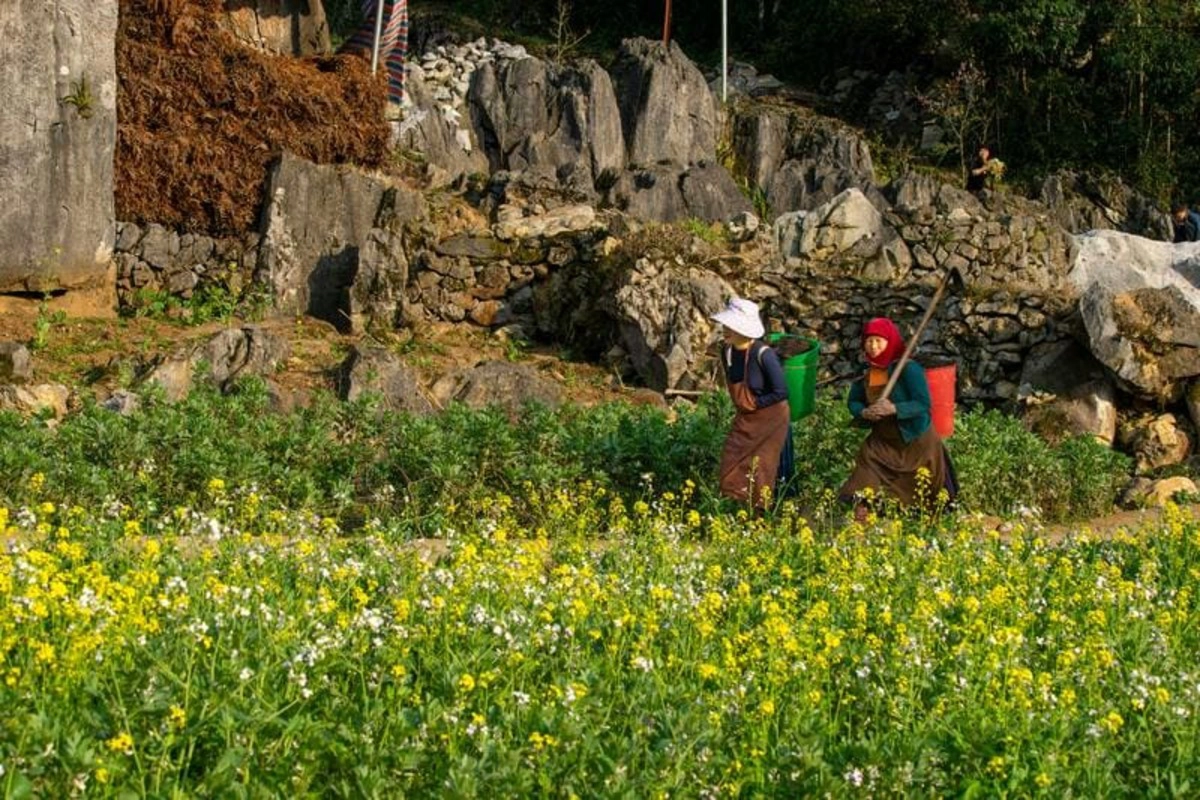
January, February, and March - Source: pexels
This early part of the year represents the heart of the dry season, featuring minimal rainfall along the trails. January brings a deep winter chill to the mountains, leaving the roads beautifully quiet but requiring riders to pack heavy clothing and quality thermal layers.
Travelers should carefully plan around the lunar New Year (Tet Holiday), as most local businesses, mechanics, and homestays close down completely. February sees a steady rise in tourist volume as spring blossoms begin to blanket the hillsides, while March follows with incredibly pleasant temperatures and ideal weather for outdoor exploration.
1.2. April and May
April introduces a lovely transition window, treating motorcycle riders to bright blue skies, minimal precipitation, and excellent panoramic views over the winding passes. As the calendar moves into May, the weather begins to shift noticeably with rising temperatures and occasional early-season showers signaling the approach of the summer monsoon.
1.3. June, July, and August
This three-month block stands out as the absolute hottest and wettest phase of the entire year. Heavy monsoon downpours saturate the mountainsides, making June, July, and August an unsafe and highly unfavorable time to ride a motorcycle around the loop. Slick mud, frequent rockfalls, and waterlogged trails make navigation through the remote passes incredibly challenging.
1.4. September, October, November, and December
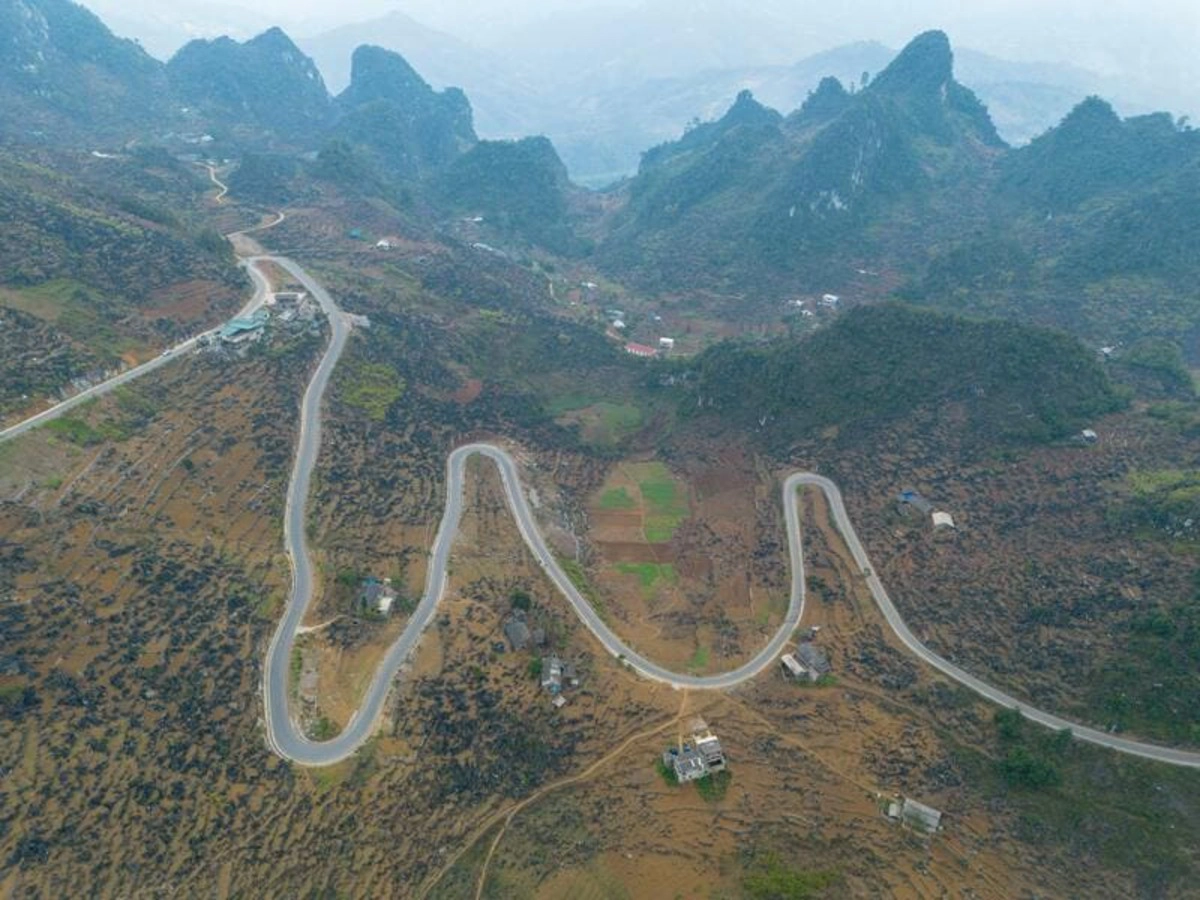
September, October, November, and December - Source: pexels
Late September to early October showcases the legendary golden harvest season, transforming the terraced valleys into a vibrant display of bright yellow rice. October is widely considered the absolute best month of the year to visit Ha Giang, offering flawless weather conditions, comfortable breezes, and stunning autumn landscapes. November continues to provide excellent riding conditions with crisp air, while December welcomes back the freezing winter temperatures and deep mountain mists.
>>> Read more: 4D3N Tour I Explore Ha Giang by Motorbike Departs from Hanoi I Ha Giang
2. Top Highlights on the Ha Giang Loop
The 300-kilometer loop contains some of the most dramatic geological formations and deep river canyons anywhere in Southeast Asia. Before strapping on your helmet, make sure these four legendary geographical highlights are added to your riding itinerary.
2.1. Ma Pi Leng Pass
Widely crowned as the king of mountain passes in Vietnam, Ma Pi Leng is a breathtaking stretch of road carved directly into the edge of towering limestone cliffs. The most spectacular segment of the entire loop lies along the 30km mountain highway connecting Dong Van to Meo Vac, which takes about an hour to navigate. The drop-offs are steep and dramatic, offering continuous panoramic viewpoints where you will want to park your bike safely and pull out your camera.
2.2. Nho Que River Boat Trip
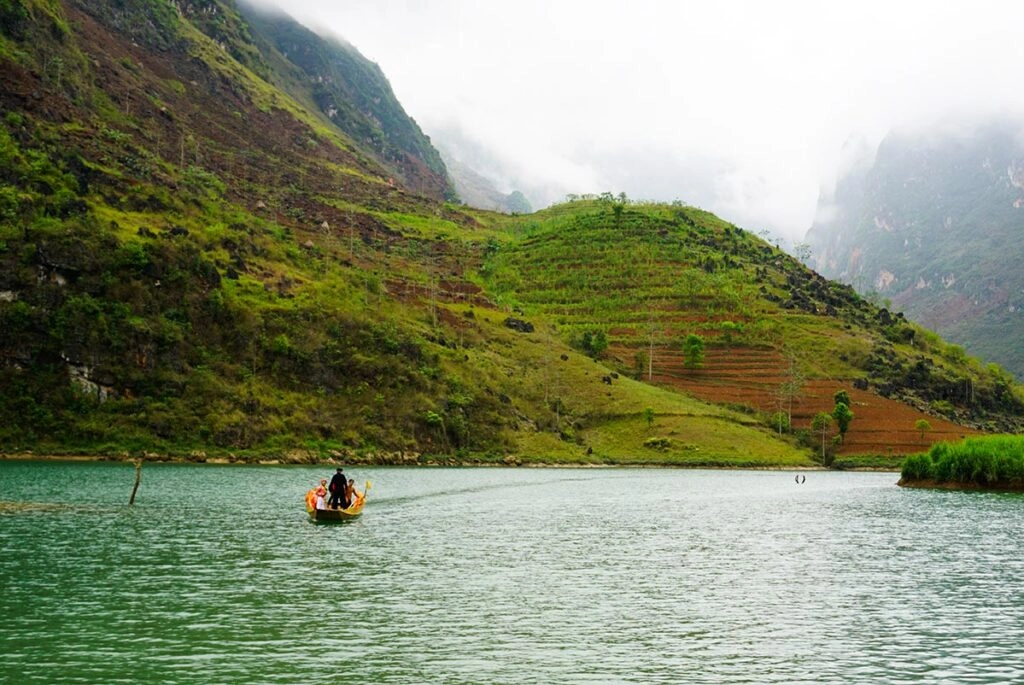
Nho Que River Boat Trip - Source: localhagiang
Flowing far below the sheer rock walls of the Ma Pi Leng Pass is the beautiful, emerald-green Nho Que River. The boat launch point is located within easy riding distance from Dong Van district town. Riders can navigate down the steep valley roads to the water's edge, step onto a small local boat, and cruise straight through the jaw-dropping depths of the Tu San Canyon for spectacular low-angle photos.
2.3. Dong Van Karst Plateau Geopark
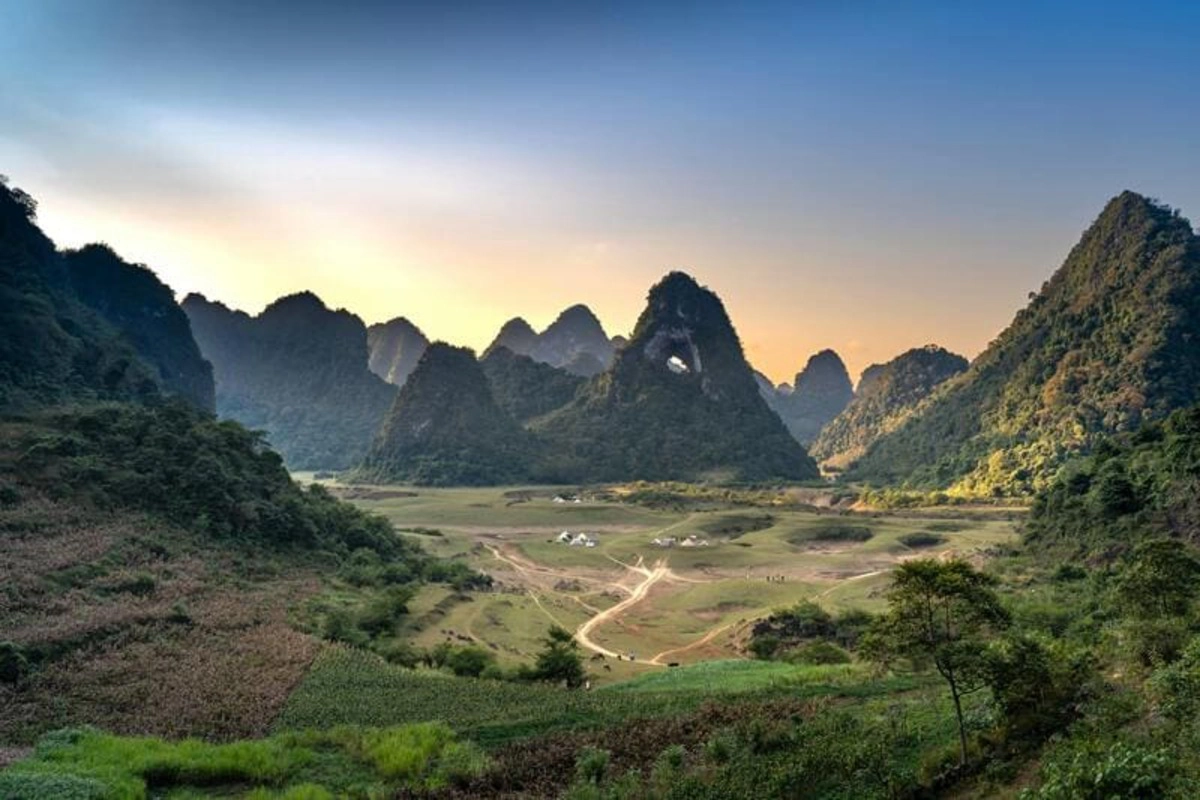
Dong Van Karst Plateau Geopark - Source: pexels
This sprawling, UNESCO-protected limestone region serves as the premier overnight base for travelers riding the northern loop. From the historic streets of Dong Van town, you can embark on a fantastic 16-kilometer detour heading directly north, which takes about 30 to 45 minutes of riding. This detour leads to the sacred Lung Cu Flag Tower, where climbing the 800 stone steps to the summit rewards you with an eagle-eye view over the border between Vietnam and China.
2.4. Du Gia Village
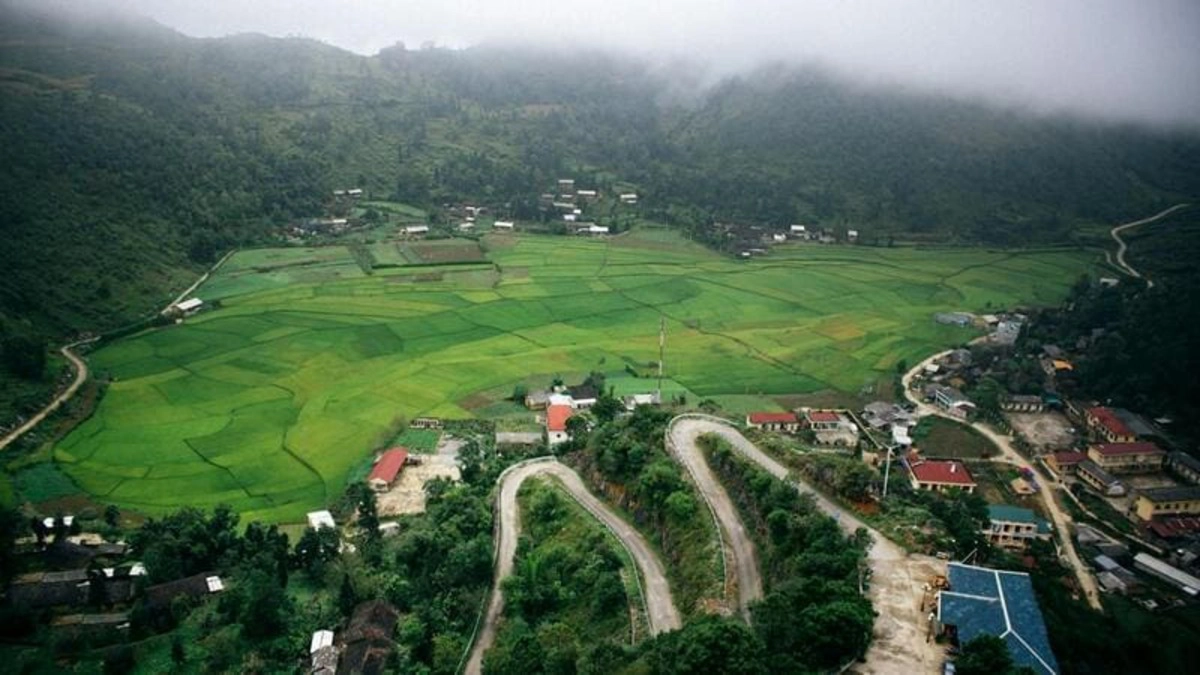
Du Gia Village - Source: pexels
Tucked away inside the protected boundaries of the Du Gia National Park, this serene valley offers a deeply authentic, rustic, and peaceful escape from the main highway. While the natural scenery and welcoming local homestays are exceptional, riders must use extreme caution as the access roads branching off from Meo Vac contain rough, unpaved sections that become highly challenging to navigate during rainy weather.
3. Recommended Ha Giang Motorbike Loop Tour Packages
To navigate the loop safely while managing your daily riding energy, it helps to follow a structured distance and time framework. Depending on your holiday schedule, you can choose between these two highly reliable multi-day route breakdowns.
3.1. The 3-Day Classic Ha Giang Loop Tour
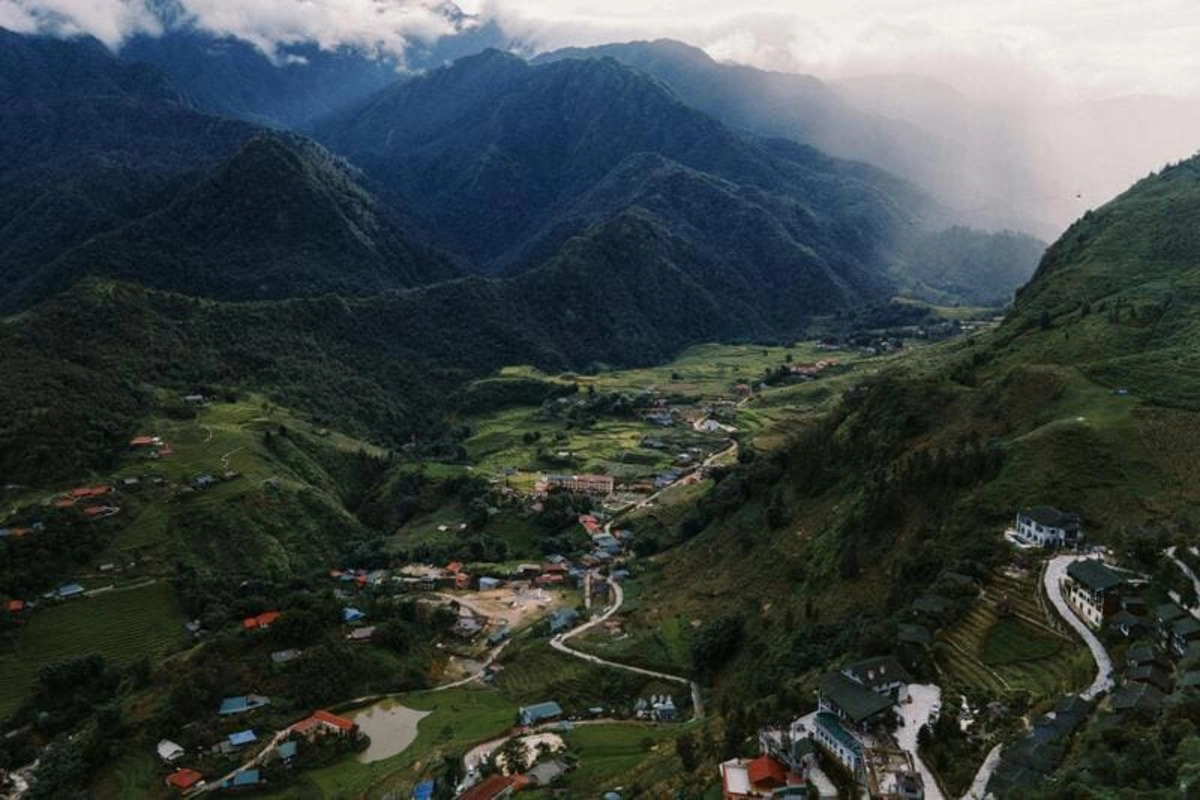
The 3-Day Classic Ha Giang Loop Tour - Source: pexels
This fast-paced itinerary packs the core geographical gems of the rocky plateau into a tight three-day window. Before hitting the starter button, review the detailed daily breakdown for this classic 3-day route:
-
Day 1: Ha Giang City – Quan Ba – Yen Minh – Dong Van (Approx. 150km): Start early from Ha Giang City to cover the initial 100km leg to Yen Minh town, which takes roughly 3 hours of steady riding. Grab lunch, then take the 1.5-hour, 50km mountain stretch up to Dong Van to explore the historic town.
-
Day 2: Dong Van – Ma Pi Leng Pass – Nho Que River – Du Gia Village (Approx. 100km): Wake up early to ride the epic 30km pass over to Meo Vac, which takes about an hour. Descend to the Nho Que River for a boat ride, then take the 70km, 3-hour leg down to Du Gia village for a traditional dinner.
-
Day 3: Du Gia Waterfall – Thai An – Ha Giang City (Approx. 100km): Enjoy a morning dip at the waterfall, then embark on the final 116km, 3.5-hour journey following the main, well-paved highway safely back to Ha Giang City.
3.2. The 4-Day Ultimate Ha Giang Loop Tour

The 4-Day Ultimate Ha Giang Loop Tour - Source: pexels
Adding a fourth day reduces your daily saddle time, allowing for deeper village exploration and an easier, safer riding pace. Before setting off on your journey, examine the expanded daily route breakdown for this ultimate 4-day loop:
-
Day 1: Ha Giang City – Quan Ba – Yen Minh – Dong Van (Approx. 150km): Complete the initial 150km leg across the Bac Sum Pass and through Yen Minh, settling into Dong Van town before nightfall.
-
Day 2: Dong Van – Lung Cu Flag Tower – Ma Pi Leng Pass – Meo Vac Town (Approx. 110km): Take the morning 16km side-trip up to the Lung Cu border flag tower, then spend your afternoon cruising slowly across the glorious Ma Pi Leng Pass to stay overnight in Meo Vac.
-
Day 3: Meo Vac – Nho Que River – Mau Due – Du Gia Village (Approx. 90km): Enjoy a stress-free morning boat cruise on the emerald river waters, then take a scenic ride through the terraced landscape of Mau Due into the peaceful Du Gia valley.
-
Day 4: Du Gia Waterfall – Lung Tam Village – Lung Khuy Cave – Ha Giang City (Approx. 110km): Visit the local waterfalls, explore traditional textile workshops on the way back, and arrive safely in Ha Giang City by mid-afternoon.
>>> Read more: 3D2N Tour I Explore Ha Giang by Motorbike Departs from Ha Noi I Ha Giang
4. Essential Riding Gear and Protective Equipment
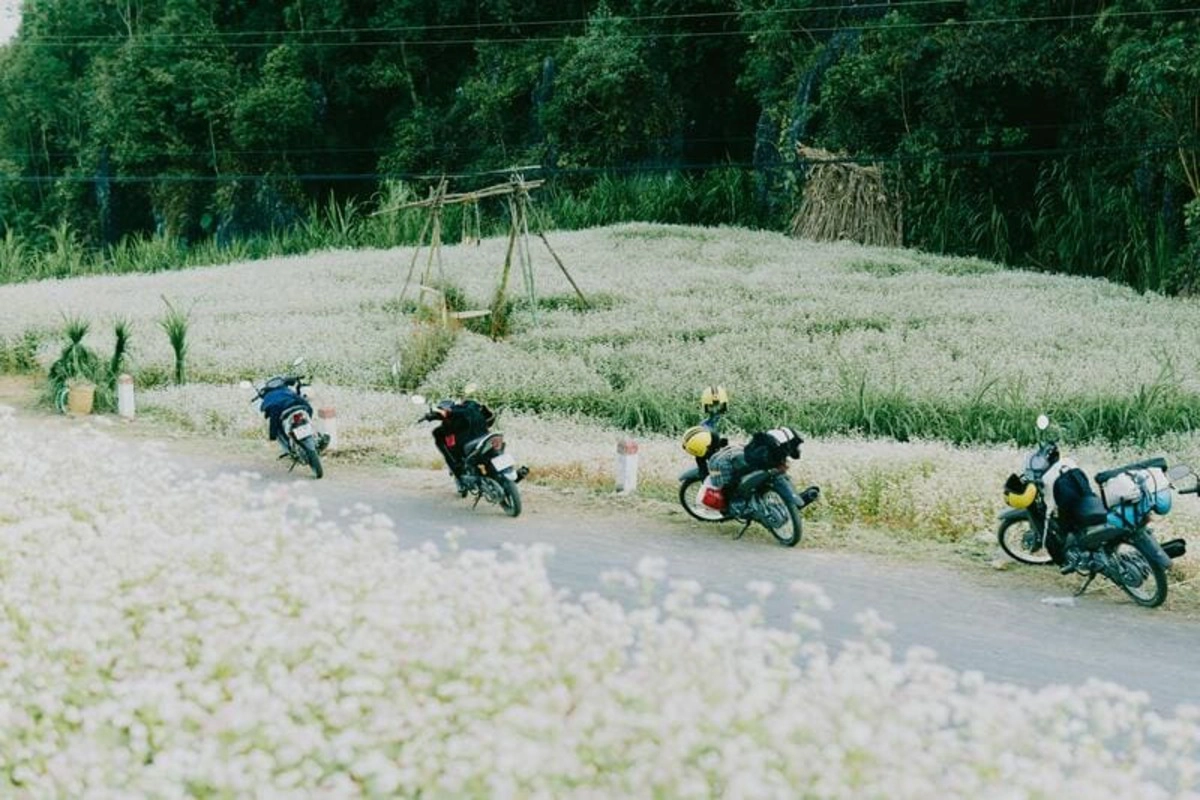
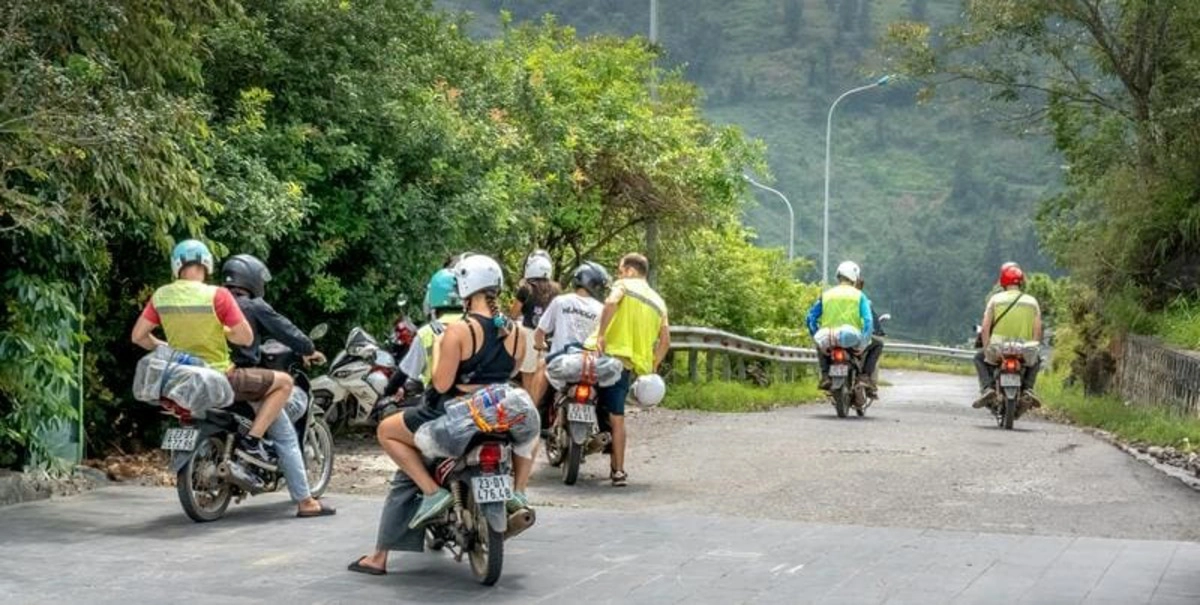
Essential Riding Gear and Protective Equipment - Source: pexels
The rough, gravel-strewn surfaces and sharp switchbacks of the far north demand proper safety preparation. Packing the right protective armor guarantees you are ready to handle sudden weather drops and road hazards. Before packing your travel bags, make sure your gear list matches this essential protective checklist:
-
Helmets: A high-quality, full-face helmet delivers the maximum level of safety for your head. However, open-face helmets featuring a clear, pull-down visor are far more common among local rental companies as they offer reliable protection against flying gravel, wind, and sudden showers. Always verify a snug fit and secure the chin straps tightly.
-
Footwear: Wear sturdy, high-traction hiking boots or premium sneakers that can handle loose gravel and rocky surfaces. Never wear loose flip-flops, sandals, or casual slides, as they offer zero protection and slip easily on rough terrain. Dedicated, professional motorcycle boots remain the absolute best choice if you have them available.
-
Jackets: During the freezing winter months, it is critical to wear a heavy, windproof outer jacket paired with a down thermal inner layer to maintain body heat. For the warmer spring and summer months, a lightweight, highly breathable jacket is perfectly sufficient to guard against sunburn.
-
Pants: Stretchy, comfortable hiking pants fitted with large storage pockets are highly recommended to protect your legs from flying loose rocks, road debris, and mud splatters. During freezing winter expeditions, always wear a pair of thermal leggings underneath your pants.
-
Gloves: Pack a pair of lightweight, breathable riding gloves for summer trips to maintain a solid grip, or opt for thick, insulated, waterproof winter gloves to keep your hands warm and responsive on cold mountain passes.
-
Armor and Protective Pads: Wearing high-impact elbow and knee guards is strongly recommended, especially if you choose to ride in shorts and T-shirts during warm days. These pads absorb the primary force of an impact if you happen to experience an accidental tip-over.
-
Rain Gear: This is a mandatory item to carry in your bike luggage all year round. A high-quality, two-piece rain suit consisting of separate jacket and pants provides exceptional waterproofing while doubling as a fantastic windbreaker in winter. For quick summer showers, a cheap plastic poncho is acceptable.
>> Read more: 4D3N Tour I Explore Ha Giang by Motorbike Departs from Ha Noi I Ha Giang
5. Essential Travel Tips for Ha Giang in October
Essential Travel Tips for Ha Giang in October - Source: pexels
October represents an extraordinary window to experience the northern frontier at its absolute visual peak. The autumn harvest brings out the most spectacular, vibrant golden shades across the endless terraced rice fields. Before booking your tickets, keep these important seasonal guidelines in mind to enjoy a flawless autumn vacation:
-
Embrace the Golden Landscape: Take advantage of the exceptionally dry, clear autumn days to schedule longer daytime rides and catch the sunset over the deep valleys.
-
Secure Mountain Lodging Early: Because October is the peak travel month for landscape photography enthusiasts following the rice harvest, ensure you reserve your mountain homestays and bike rentals weeks in advance.
>> Read more: Ha Giang Travel Guide from A to Z
6. Frequently Asked Questions (FAQs)
To help clear up any logistical confusion before your departure, here are the direct answers to the most common questions asked by adventure riders.
6.1. How do I pay for my Ha Giang loop tour Vietnam?
When traveling the loop, cash is absolute king. While you can easily locate automated teller machines (ATMs) within the major district towns like Dong Van or Meo Vac, these machines frequently experience technical errors, run out of currency, or reject international cards.
6.2. How many days should we spend on the Ha Giang loop trip?
The entire loop is traditionally completed within 3 to 5 days, depending entirely on your personal riding speed, weather conditions, and how many side detours you choose to explore. A 3-day itinerary covers the essential main highway highlights, while a 4 or 5-day trip allows for a far more relaxed pace with plenty of time for cultural village interaction.
6.3. What should I do if I have an accident on the road?
You must contact your motorbike rental agency immediately to report the situation. If you experience a minor, isolated slide on gravel without any third parties involved, the rental agency will guide you to the nearest local mechanic shop to replace any broken levers or mirrors.
In the event of a collision involving another vehicle or local property, call your rental agency right away so their Vietnamese-speaking staff can negotiate a fair financial settlement on the spot. Avoid involving the local traffic police unless absolutely necessary, as you may incur additional mediator fees.
A Ha Giang adventure is more than just a road trip, it is an unforgettable journey through breathtaking mountain passes, ethnic cultures, and hidden northern landscapes. From the legendary Ma Pi Leng Pass to peaceful local villages, every ha giang motorbike loop tour promises thrilling experiences and lifelong memories. Travel safely, prepare carefully, and let Joytime Travel Agency guide you through the ultimate motorbike adventure in Northern Vietnam.
|
Joytime Travel Agency - Travel JOY, TIMEless Vietnam Safe, Seamless, Satisfying, Sustainable Follow us for travel tips, local insights, and exclusive offers:
|

Danish Nguyen
Danish Nguyen is a renowned travel blogger in Vietnam with over 5 years of experience sharing unique travel experiences. With a passion for exploring new places, Danish captures incredible moments and provides readers with valuable tips to discover the beauty of his homeland.