








Travel Vietnam January: Weather, Best Places & Tips 2027
Planning to travel Vietnam January? It is a great month to go, as long as you pick the right region. The north is cool and often misty, the centre is mild with occasional showers, and the south is hot, dry and sunny. Add the build-up to Tet (Lunar New Year), and January gives you a very different Vietnam from the rest of the year.
In this guide, our team at Joytime covers the weather by region, the best places to visit in Vietnam in January, sample itineraries, and how to plan around Tet 2027 so your trip runs smoothly.
1. Why Travel Vietnam in January?

Vietnam’s natural scenery in January - Source: Vinwonders
January sits in the dry season for most of southern and highland Vietnam, and it is a cool, comfortable month for sightseeing in much of the country. It is also the start of the festive season before Tet, so cities feel lively and colourful. The main trade-off is that the weather is not the same everywhere, which is why choosing the right destination matters.
1.1. Weather Differs a Lot by Region
Northern Vietnam is at its coolest in January. Expect mild-to-chilly days, grey skies and light drizzle in Hanoi, and genuinely cold, foggy weather in mountain areas such as Sapa. Central Vietnam is mild and can still be showery, while the south and Phu Quoc are warm, dry and sunny. This is why the same trip can need both a jacket and swimwear.
1.2. A Comfortable Season for Sightseeing and Outdoor Activities
Cooler temperatures make walking tours, cycling, boat rides and trekking much more pleasant than in the hot months. Food tours and long days exploring old towns are easier when you are not fighting the heat, especially in Hanoi, Ninh Binh and Hue.
1.3. Seasonal Scenery and a Festive Atmosphere
The north offers misty mountains and quiet valleys, the centre has lantern-lit old towns, and the south has sunny beaches and calm seas. In the weeks before Tet you will also see flower markets, peach blossom and kumquat trees, and street decorations, particularly in Hanoi.
1.4. January Is the Lead-Up to Tet 2027
Tet (Vietnamese Lunar New Year) falls around 6 February 2027, so January 2027 is the build-up period. This is a lovely time to see preparations and local traditions, but it also affects prices, transport and opening hours in the last weeks of the month. See the Tet planning section below for practical advice.
2. Vietnam January Weather by Region
Use this table to match your route to the weather. Figures are approximate long-term averages, so always check the forecast a few days before you travel.
| Destination | Typical temperature | What to expect | Best for |
|---|---|---|---|
| Hanoi | ~14–20°C | Cool, often overcast, light drizzle possible | Food, culture, Tet atmosphere |
| Sapa | ~5–14°C (colder in cold snaps) | Cold, foggy; frost is possible | Mountain scenery, village treks (if prepared) |
| Ninh Binh | ~14–20°C | Cool and often hazy or misty | Boat tours, countryside |
| Hue | ~19–23°C | Mild and damp, drizzle likely | Imperial sites, cuisine |
| Da Nang & Hoi An | ~19–25°C | Mild, occasional showers, cool sea | Old town, food, cycling |
| Da Lat | ~14–24°C | Dry, sunny days, cold nights | Cool-weather escape, cafes, nature |
| Ho Chi Minh City | ~23–33°C | Hot, dry, sunny | City life, food, day trips |
| Phu Quoc | ~24–31°C | Dry season, calm seas | Beaches, snorkeling, island hopping |
In short, if beach weather is your priority, head south. If you want culture and cooler days, the north and centre are excellent, provided you pack layers and accept some grey skies.
3. Best Places to Visit in Vietnam in January
Here are the destinations that work best in January, with honest notes on what the weather is really like.
3.1. Hanoi

Hanoi Old Quarter - Source: Vinpearl
Hanoi is at its coolest in January. Days are usually mild and can be grey or drizzly, which suits walking the Old Quarter, sipping egg coffee, and eating hot bowls of pho and bun cha. Visit Hoan Kiem Lake, the Temple of Literature and the local markets. Closer to Tet, look out for flower markets and peach blossom and kumquat trees around the city.
>> Read more: How to Get from Hanoi to Sapa in 6+ Most Convenient Ways!
3.2. Sapa

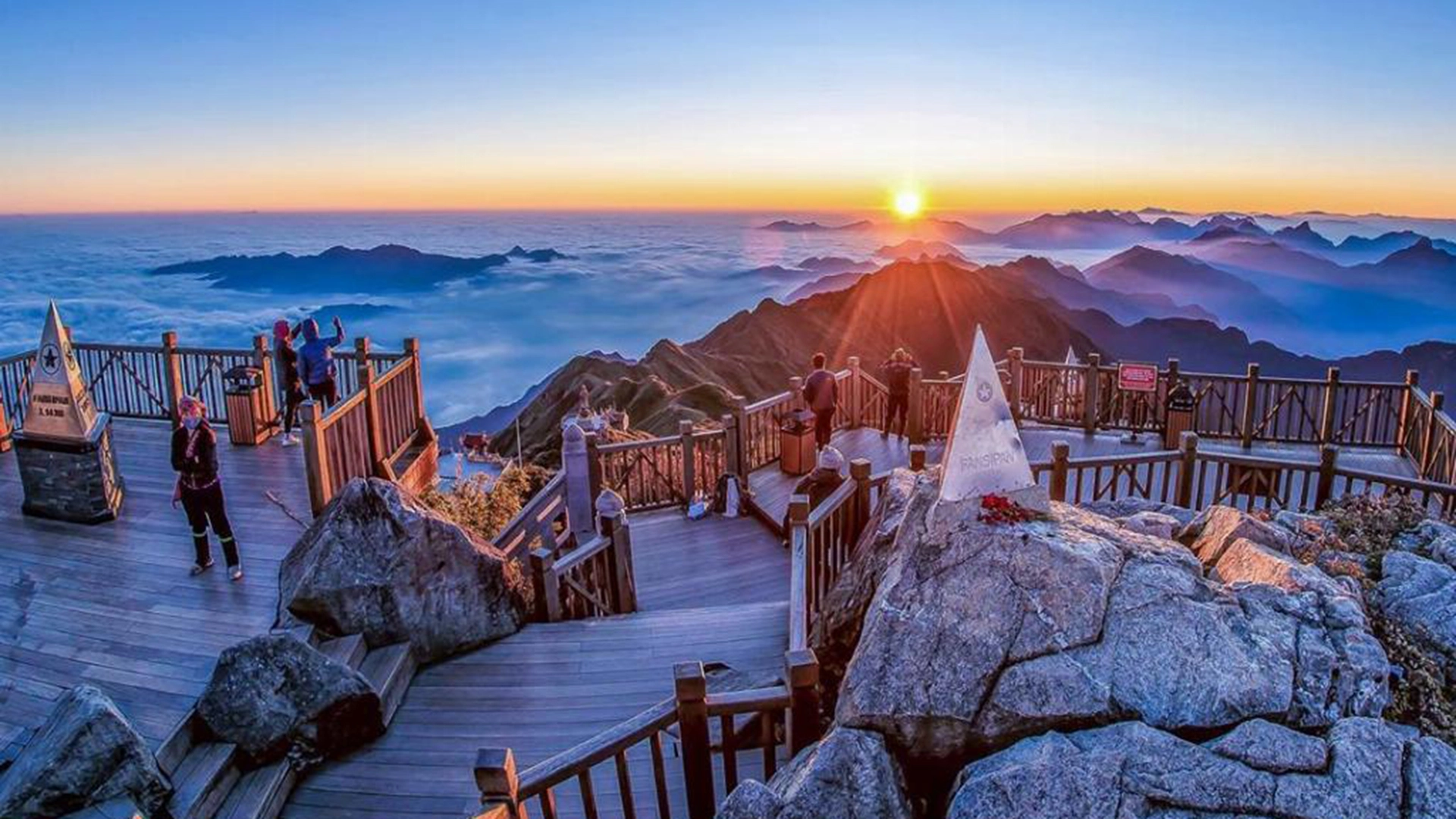
Sapa’s misty mountains in January - Source: Venus
.webp)
Sapa is cold and foggy in January, sometimes close to freezing at night, and frost is possible on higher ground. That is exactly what makes it atmospheric, with cloud-covered mountains and quiet villages, but views can disappear behind mist. Bring proper warm layers, waterproof shoes and a flexible schedule. If you want to trek to ethnic minority villages, allow an extra day in case weather changes your plans.
3.3. Ninh Binh

Trang An, Ninh Binh - Source: Vietnam Airlines
Ninh Binh has a similar climate to Hanoi: cool, sometimes hazy, and comfortable for outdoor activities. A rowing-boat tour through Trang An and a visit to Tam Coc and the ancient temples are easy to enjoy at this temperature. It is also an easy 2-hour trip from Hanoi, so it fits neatly into a northern itinerary.
>> Read more: What to Do in Ninh Binh at Night: Best Things After Dark
3.4. Hue
Hue is mild and often damp in January, so plan indoor-friendly stops alongside outdoor ones. The Imperial Citadel, royal tombs and the Perfume River are all still worth visiting, and Hue’s food, including bun bo Hue, is especially satisfying on a cool, drizzly day. Carry a light rain jacket.
3.5. Hoi An and Da Nang

Hoi An Ancient Town - Source: Vinwonders
Hoi An is mild and comfortable for strolling the lantern-lit Ancient Town, cycling through rice fields and tailor shopping. Showers are still possible in January and the sea is cooler than in summer, so treat it as a culture-and-food destination rather than a swimming one. Da Nang works as a convenient base for the Marble Mountains, Ba Na Hills and My Son.
>> Read more: How Many Days in Hoi An Are Enough for a Perfect Trip?
3.6. Da Lat
Da Lat is one of the best cool-weather picks in January: dry, with sunny days and cold nights. It suits travelers who want fresh mountain air, pine forests, flower gardens and cafes without the fog and cold of the far north. Pack a light jacket for the evenings.
3.7. Phu Quoc Island

Phu Quoc Island - Source: Vietnam Online


Phu Quoc is in its dry season in January, with warm weather, calm seas and clear water, which makes it Vietnam’s most reliable beach choice this month. Snorkeling, island-hopping boat trips and sunset views are all at their best. Book early if you are travelling in the weeks around Tet.
3.8. Ho Chi Minh City and the South
Ho Chi Minh City is hot, dry and sunny, so it is a good start or finish for a trip. Explore the markets, war-history sites and street food, and take day trips to the Mekong Delta or Cu Chi Tunnels. Mui Ne also has dry, breezy weather, which makes it popular for kitesurfing.
Worth knowing: Ha Long Bay is often foggy and cool in January, so views can be limited. Nha Trang can be cloudy with showers. If a guaranteed beach week is the goal, choose Phu Quoc.
4. Best Experiences for January Travel in Vietnam

Experiences in Vietnam in January - Source: Vinpearl
January suits a wide range of activities, from food and culture to trekking and beaches. If you want ideas, browse our tours and sightseeing experiences in Vietnam for options across every region.
-
Cultural heritage: Visit the ancient town of Hoi An, the imperial sites of Hue and the temples of Hanoi, or head to northern villages for a look at local traditions. Cooler weather makes long days of walking far more comfortable.
-
Local cuisine: Hot pho in Hanoi, bun bo in Hue, cao lau in Hoi An and tropical fruit in the south all taste better on a cool day. Street food tours and market visits are a highlight in every region.
-
Nature and outdoor adventures: Trek around Sapa and Ha Giang if you are prepared for the cold, take a boat trip in Ninh Binh, or explore the pine hills around Da Lat.
-
Southern beaches: Phu Quoc and Mui Ne offer dry, warm weather for swimming, snorkeling, island tours and seafood dinners by the water.
-
Pre-Tet atmosphere: Visit a flower market, see peach blossom and kumquat trees, and watch cities decorate for the new year.
5. Sample Itineraries for Vietnam in January
These routes follow the weather, keeping the cold north short and finishing in the warm south. Adjust them to your dates and to how close you are to Tet.
5.1. 7 Days: North to Central
-
Days 1–3: Hanoi, including the Old Quarter, food tour and a day trip to Ninh Binh.
-
Days 4–7: Fly to Da Nang, then Hoi An for the Ancient Town and cooking or cycling experiences.
5.2. 10 Days: North, Centre and Beach
-
Days 1–3: Hanoi and Ninh Binh.
-
Days 4–6: Da Nang and Hoi An (add Hue if you like history).
-
Days 7–10: Fly to Phu Quoc for beaches, snorkeling and island hopping.
5.3. 14 Days: Vietnam from North to South
-
Days 1–3: Hanoi and Ninh Binh.
-
Days 4–5: Sapa (dress warmly and allow for fog).
-
Days 6–9: Hue, Da Nang and Hoi An.
-
Days 10–11: Da Lat or Ho Chi Minh City.
-
Days 12–14: Phu Quoc to relax before flying home.
6. Planning Around Tet 2027
Tet falls around 6 February 2027, so the last two weeks of January are the busiest domestic travel period, with many Vietnamese people returning to their home towns. Check the official public holiday dates before you finalize plans.
-
Book early: Flights, trains and hotels in popular areas sell out earlier than usual, and prices rise near the holiday. Booking hotels, transport and tours ahead helps you secure better rates.
-
Expect closures: Around the holiday itself, many restaurants, shops and some attractions close or shorten their hours, especially outside major tourist areas.
-
Consider early January: The first half of the month is usually calmer and cheaper than the pre-Tet peak, while still offering some festive decorations.
-
Enjoy the atmosphere: Flower markets and street decorations are a highlight, especially in Hanoi.
7. What to Pack for Vietnam in January

Packing for Vietnam in January - Source: Pixels
Because the climate varies so much, pack layers that work in both cool and hot weather.
-
For the north and mountains: Warm layers, a fleece or sweater, a windproof or waterproof jacket, and comfortable closed shoes. In Sapa and Ha Giang, add a hat, gloves and a scarf.
-
For the centre: A light rain jacket or compact umbrella and quick-drying clothes.
-
For the south and beaches: Breathable clothes, swimwear, sunscreen and sunglasses.
-
Everywhere: A power bank, a travel SIM or eSIM, and copies of your bookings.
8. FAQs About Travelling to Vietnam in January
8.1. Is January a Good Time to Visit Vietnam?
Yes, if you plan by region. January is dry and sunny in the south and Phu Quoc, and mild in the centre. The north is cool and often misty. It is also the lead-up to Tet, so book early and expect higher prices later in the month.
8.2. Is January Suitable for Beach Holidays in Vietnam?
Yes, in the south. Phu Quoc is in its dry season with calm, clear water, and Mui Ne is dry and breezy. Central beaches such as Da Nang have cooler water and occasional showers, and the north is too cold for swimming.

8.3. How Many Days Do I Need for a Vietnam January Trip?
A 10 to 14-day trip is ideal for covering the north, centre and south. With 7 days, focus on Hanoi, Ninh Binh and Hoi An, or choose one region. Avoid rushing between regions, especially if you are travelling close to Tet.
8.4. How Cold Is Vietnam in January?
Hanoi typically ranges from about 14 to 20°C, while Sapa can be around 5 to 14°C and colder in cold snaps. Ho Chi Minh City and Phu Quoc stay warm, roughly 23 to 33°C. Pack layers if your route crosses regions.
8.5. When Is Tet in 2027?
Tet, the Vietnamese Lunar New Year, falls around 6 February 2027. The busiest travel and highest prices usually come in the last one to two weeks of January and the days around the holiday. Check official holiday dates before booking.
8.6. Is Vietnam Crowded or Expensive in January?
Early January is generally calmer. Prices and crowds rise as Tet approaches, especially for domestic flights, trains and popular hotels. Booking early and travelling in the first half of the month can help you avoid the peak.
8.7. Where Should I Avoid in Vietnam in January?
Nothing is off-limits, but manage expectations. Sapa and Ha Long Bay can be foggy, so views may be limited, and central beaches can be showery with cool water. If you want guaranteed sunshine, focus on the south and Phu Quoc.
The best way to travel Vietnam January is to match your route to the weather: cool-weather culture in the north and centre, then sunshine and beaches in the south. Leave time to enjoy the pre-Tet atmosphere, and book early if your dates fall close to the holiday.
Ready to plan your trip? Explore tours, transport and experiences with Joytime Travel Agency and let our team help you build a January itinerary that fits your dates and travel style.
Weather figures are typical averages and may vary from year to year. Please check the forecast and current holiday schedules before you travel.
|
Joytime Travel Agency - Travel JOY, TIMEless Vietnam Safe, Seamless, Satisfying, Sustainable Follow us for travel tips, local insights, and exclusive offers:
|

Danish Nguyen
Danish Nguyen is a renowned travel blogger in Vietnam with over 5 years of experience sharing unique travel experiences. With a passion for exploring new places, Danish captures incredible moments and provides readers with valuable tips to discover the beauty of his homeland.