









Complete Hoi An Vietnam Travel Guide From A To Z
Nestled along the poetic Hoai River, Hoi An Vietnam is not only a UNESCO World Heritage Site but also a beautiful portrait of peace and timeless charm. This destination captivates travelers with its moss-covered yellow houses and shimmering lanterns that light up the town every night. Explore the complete travel guide below to prepare for a truly memorable journey back to this heritage-filled land.
1. Essential Things To Know Before Traveling To Hoi An Vietnam
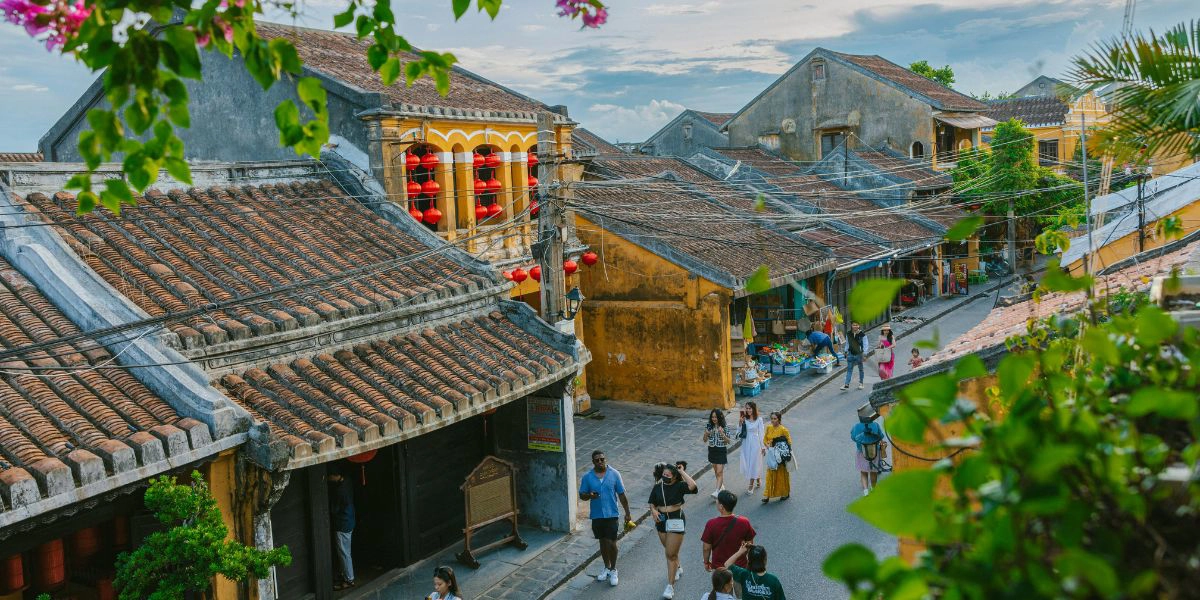
Hoi An in its most beautiful season - Source: HONG SON
To ensure a smooth trip and make the most of your time, understanding key information about the itinerary, weather, and accommodation areas is the most important step before departure.
1.1. How To Get To And Around The Ancient Town
Currently, Hoi An does not have an airport or a railway station. The nearest and most convenient transit point is Da Nang City, located about 30 km away.
From Da Nang, you can choose from the following transportation options to get to Hoi An:
-
Taxi or ride-hailing services such as Grab and Xanh SM: The travel time is around 45-50 minutes. The fare usually ranges from VND 250,000 to VND 350,000 per one-way trip, making it especially suitable for families or travelers with a lot of luggage.
-
Bus: Bus route No. 01 from Da Nang to Hoi An is the most budget-friendly option, with tickets costing around VND 20,000 per trip. However, the travel time is longer, usually around 70-80 minutes.
-
Shared car or shuttle bus: This option is often provided by travel agencies or hotels, with prices ranging from around VND 100,000 to VND 150,000 per person.
Once you arrive in the ancient town center, keep in mind that motorized vehicles are not allowed in the core area during certain fixed hours of the day. Therefore, the best way to explore is on foot or by renting a bicycle, which usually costs around VND 30,000 to VND 50,000 per day. You can also take a cyclo from the main streets for a relaxing ride over short distances.
1.2. Best Time To Visit Hoi An Vietnam
Hoi An’s weather reflects the typical climate of central Vietnam, with two distinct seasons that directly affect visitors’ travel plans:
-
Dry season from February to August: This is the safest and most convenient period for outdoor activities, thanks to dry weather and little rainfall. From February to April, the temperature is also pleasantly cool and mild.
-
Rainy season from September to January: This period sees frequent and scattered rainfall, with occasional localized flooding, especially in October and November. Travelers should closely monitor the weather forecast if visiting during this time.
In particular, if your schedule is flexible, you should visit Hoi An on the full moon day, which falls on the 14th day of each lunar month. This is a beautiful time when the ancient town minimizes the use of electric lights, illuminates the streets with lanterns, and hosts various traditional cultural activities.
1.3. Where To Stay Based On Your Travel Needs
Choosing where to stay in Hoi An should depend on the main purpose of your trip. No matter which area you choose, it is best to book your accommodation 2 to 4 weeks in advance if you are traveling during the summer peak season or long public holidays.
There are two main accommodation areas to consider:
-
Ancient town center: This area is very convenient for walking around at any time without spending extra time on transportation. It is ideal for travelers who want to enjoy the ancient town late at night. Accommodation here mainly includes old-house-style homestays and charming small boutique hotels.
-
Beach area such as An Bang and Cua Dai: Located about 4 to 5 km from the town center, this area offers a more open, peaceful atmosphere. It is a true resort paradise, perfect for combining beach activities with a quiet escape from the crowds. This area is home to many large resorts and villas with private pools.
>> Read more: Hoi An Vietnam Beach Resort: Honest Review & Travel Tips
2. Top Attractions And Must-Try Experiences In Hoi An Vietnam
Hoi An is not only known for its peaceful street corners, but also for its rich architectural heritage and distinctive cultural activities. Below are historic stops that every traveler should not miss.
2.1. Admire The Iconic Architecture Of The Japanese Covered Bridge
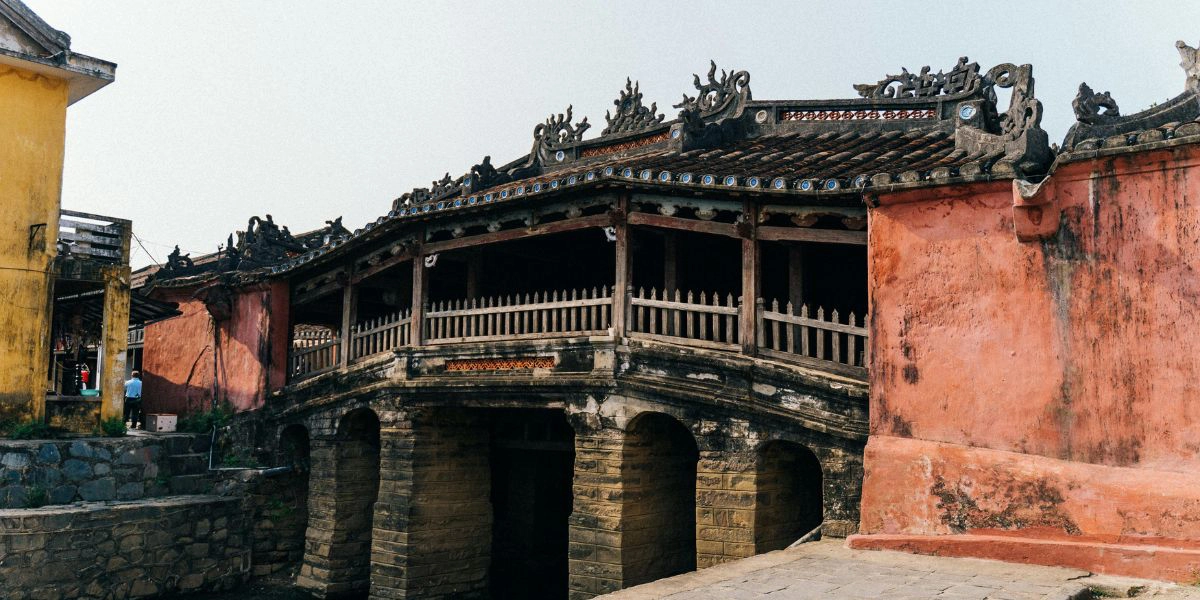
Japanese Bridge in Hoi An - Source: Anna Tarazevich
The Japanese Bridge, also known as Lai Vien Kieu, was built by Japanese merchants in the 17th century. The structure reflects a blend of Vietnamese and Japanese architecture, featuring curved yin-yang tiled roofs and a sturdy stone pillar system. Despite its Vietnamese name, it does not worship Buddha inside. Instead, it is dedicated to Bac De Tran Vu, a deity associated with flood control and the wish for favorable weather and peaceful conditions for the trading port.
Practical information to know:
-
The Japanese Bridge is located at the intersection of Nguyen Thi Minh Khai Street and Tran Phu Street, connecting the two sides of a small canal that flows into the Hoai River.
-
To enter and visit the relic, travelers are required to have a ticket. This site is included in the general Hoi An ancient town sightseeing ticket, which costs VND 80,000 for Vietnamese visitors and VND 120,000 for international visitors.
-
To capture the full architecture without crowds in the frame, you should arrive before 7:00 AM. Standing on the parallel wooden bridge and pointing your camera toward the relic will help you capture the entire structure beautifully reflected on the water.
>> Read more: Hoi An Travel Guide: Explore the Charm of Vietnam’s Ancient Town
2.2. Explore Century-Old Assembly Halls And Ancient Houses
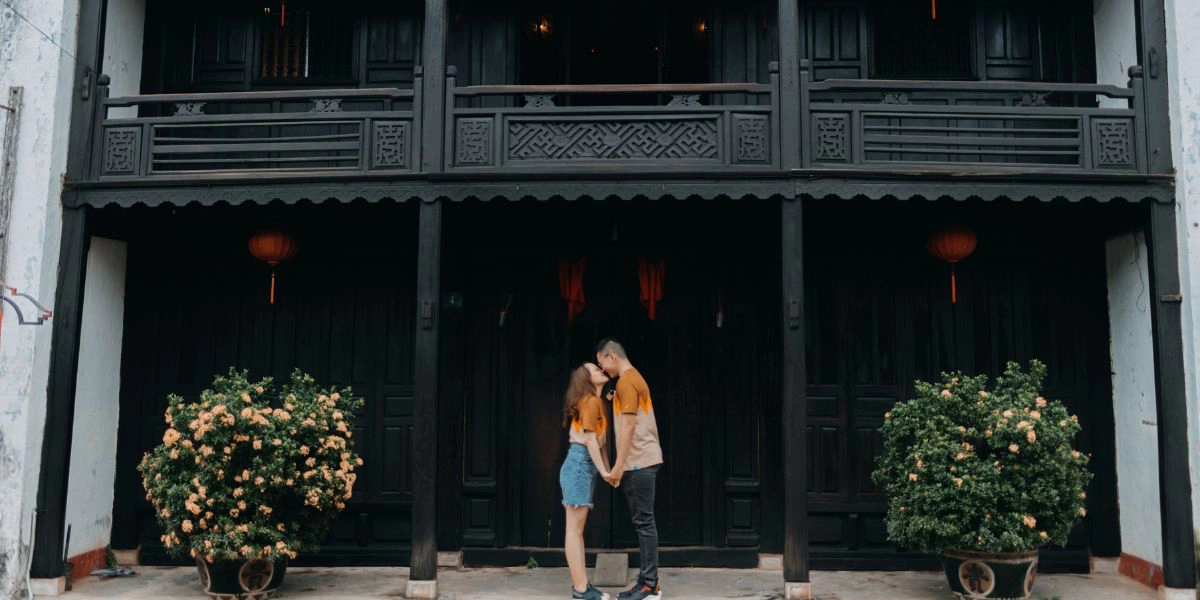
Phung Hung Old House in Hoi An - Source: Tran Long
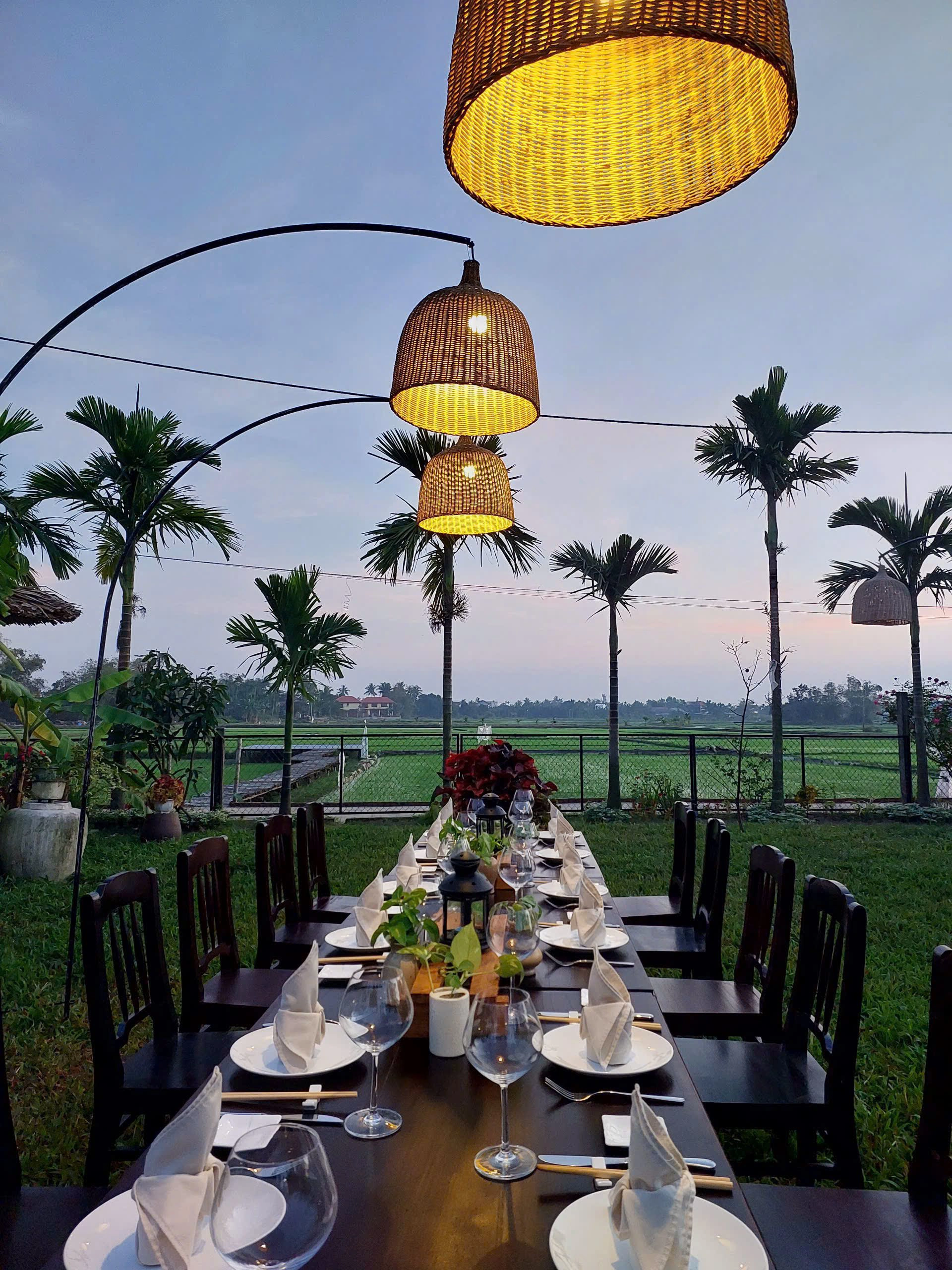
The old houses and assembly halls are the clearest reminders of Hoi An’s prosperous trading port era. They allow visitors to admire exquisite hand-carved wooden details and the town’s distinctive “tube house” structure. Instead of trying to visit too many places, you only need to choose 2 to 3 of the most representative sites.
The most worthwhile places to visit:
-
Tan Ky Old House at 101 Nguyen Thai Hoc Street: This more than 200-year-old house still preserves its original tube-shaped structure. Its highlight is the wooden beam system carved with “tuy ba” wave patterns, combined with a traditional mortise-and-tenon technique that does not use nails. Although the house has no windows, its enclosed “thien tinh” skylight system allows natural light to enter while keeping the air perfectly ventilated.
-
Fujian Assembly Hall at 46 Tran Phu Street: This is the largest religious architectural complex in the ancient town, dedicated to Thien Hau Holy Mother. The site stands out with its majestic three-entrance gate and main worship hall decorated with intricate ceramic relief patterns. On the ceiling, dozens of giant spiral incense coils burn continuously for up to 30 days. This is where visitors write their prayers for peace on red silk ribbons.
-
Phung Hung Old House at 4 Nguyen Thi Minh Khai Street: This house is known for its “four-sea” roof architecture, blending Vietnamese, Japanese, and Chinese influences. The ironwood mezzanine features a clever trapdoor design on the floor, along with a pulley system used to lift goods to a higher level for storage whenever the Hoai River floods the ground floor.
2.3. Take A Boat Ride And Release Lanterns On The Hoai River
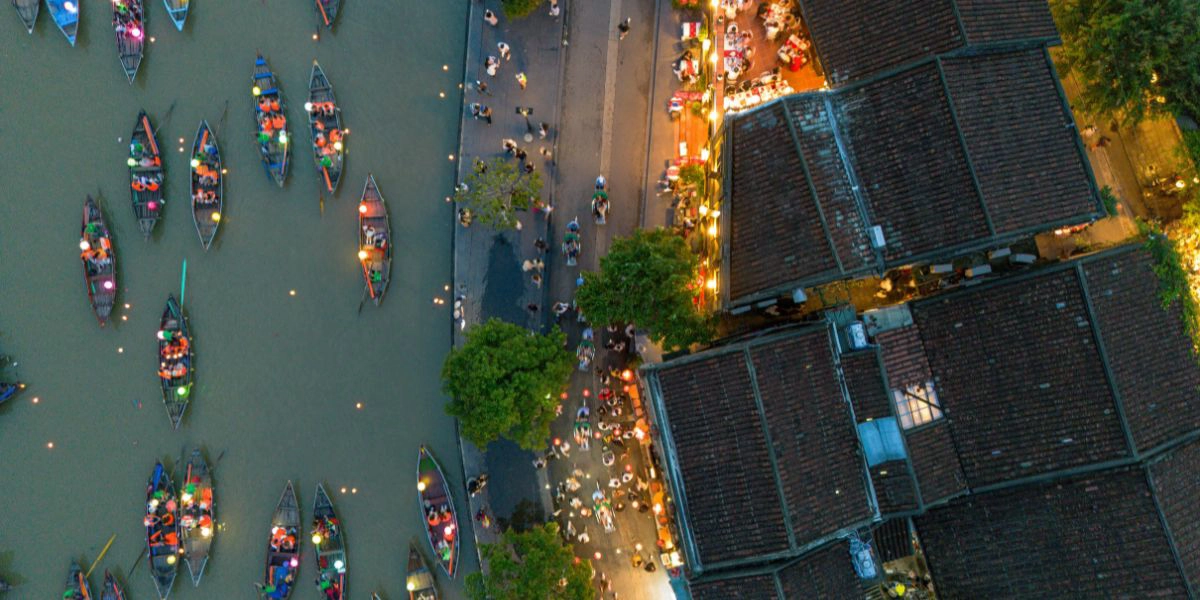
Hoi An lantern boat ride - Source: Vietnam Hidden Light

From 5:30 PM, motorized vehicles are restricted on Bach Dang Street and Chau Thuong Van Street along the riverside, giving the space over to the glow of lanterns. Taking a wooden boat along the river is the most authentic way to admire the illuminated architecture on both banks, completely away from the bustle of the pedestrian streets above.
Experience and service costs:
-
Boat rental price: The fixed listed price set by the management board is VND 150,000 for a boat carrying 1-3 people and VND 200,000 for a boat carrying 4-5 people, for a 20-minute river ride. Travelers should buy tickets directly at the official riverside counter to avoid being approached by touts.
-
Cost and meaning of floating lanterns: Paper candle lanterns are sold for around VND 10,000 to VND 15,000 each. According to local beliefs, each lantern released onto the Hoai River carries a prayer for peace and helps let go of worries.
-
Ideal photography time from 5:30 PM to 6:15 PM: This is the “blue hour” moment, when the sun has just set and the sky turns deep blue, creating a beautiful contrast with the golden lantern lights. It is the best time to take sharp portrait photos on the boat without using flash and without image noise.
>> Read more: What to See in Hoi An Vietnam: Top Attractions and Highlights
3. Must-Try Food Guide In Hoi An Vietnam
Quang Nam cuisine is the final piece that completes your trip. The region’s historic cultural exchange is reflected not only in its architecture, but also in its incredibly diverse food scene, ranging from hearty local dishes to distinctive street snacks.
3.1. Taste Authentic Cao Lau And Mi Quang
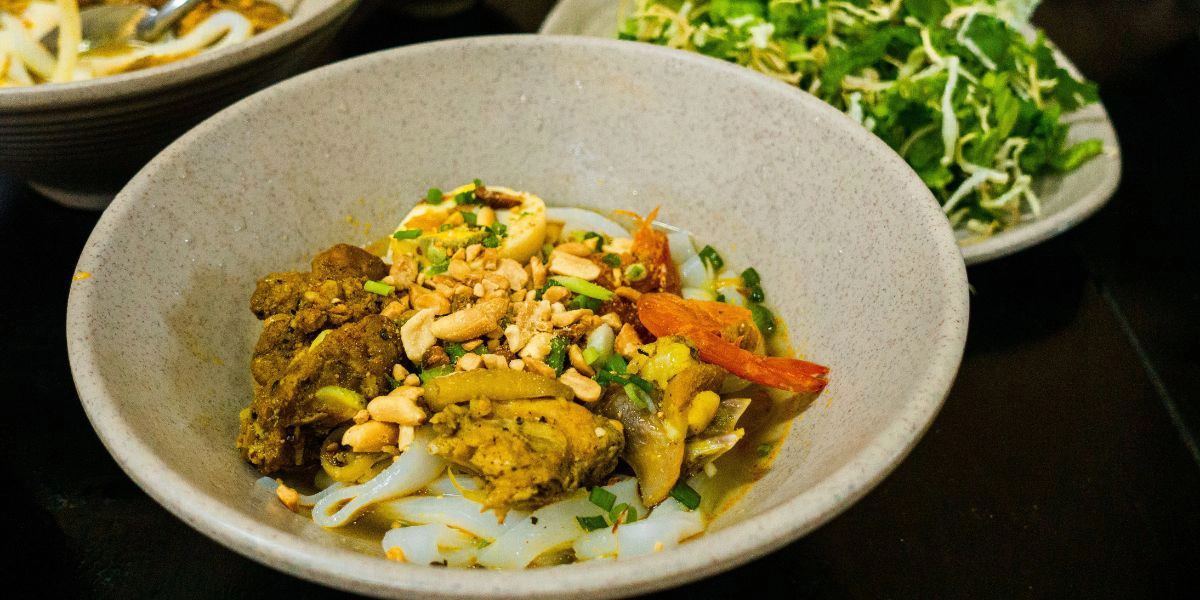
The rich flavor of Mi Quang - Source: LUC PH@M
Cao Lau and Mi Quang are two famous noodle dishes that define Hoi An’s culinary identity. What makes Cao Lau unique is its opaque yellow noodles, traditionally made with ash from firewood sourced from Cham Island and soaked in water from the ancient Ba Le Well. Meanwhile, Mi Quang attracts visitors with its rich, concentrated broth, lightly poured over wide-cut noodles and served with crispy grilled rice crackers.
Local-favorite places to try:
-
Cao Lau Thanh at 26 Thai Phien Street: A long-standing casual eatery known for its tender, flavorful char siu pork and rustic atmosphere. Prices are around VND 35,000 to VND 40,000 per bowl.
-
Mi Quang Ong Hai at 6A Truong Minh Luong Street: Famous for its rich, savory broth, soft yet chewy noodles, and generous toppings such as shrimp, pork, and quail eggs. Prices are around VND 40,000 per bowl.
3.2. Try Internationally Famous Banh Mi Shops
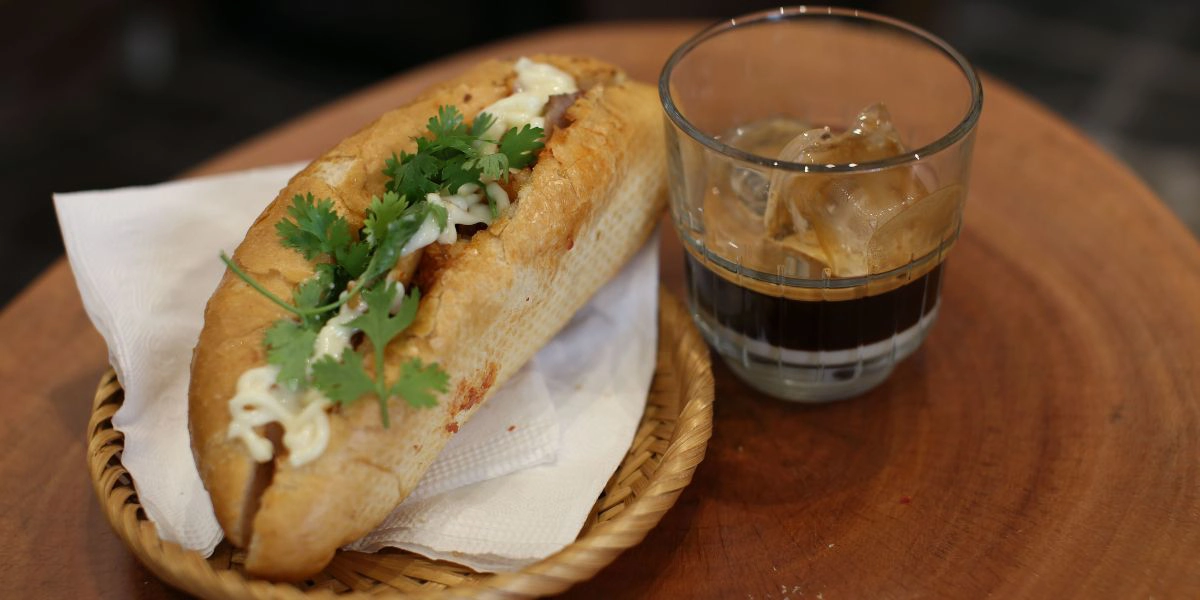
The iconic taste of Hoi An banh mi - Source: Minh Nguyen
Hoi An banh mi has a completely different texture compared to versions from other regions: the bread has a thin, crispy, airy crust and pointed ends. The soul of this dish lies in the combination of dozens of ingredients inside, from rich pate, char siu pork, and Vietnamese pork sausage to flavorful house-made sauces.
Two famous banh mi brands you should definitely try:
-
Banh Mi Phuong at 2B Phan Chau Trinh Street: This shop was once praised by the late world-renowned chef Anthony Bourdain. Its menu is extremely diverse, with more than 20 different fillings. The highlight is its signature sauce, which brings all the flavors together perfectly. Prices range from VND 30,000 to VND 40,000 per loaf.
-
Banh Mi Madam Khanh at 115 Tran Cao Van Street: International travelers often call it “The Banh Mi Queen.” The banh mi here has a strong traditional character, featuring ultra-smooth, rich pate and well-marinated grilled meat. Prices range from VND 30,000 to VND 35,000 per loaf.
3.3. Discover Local Street Snacks And Signature Drinks
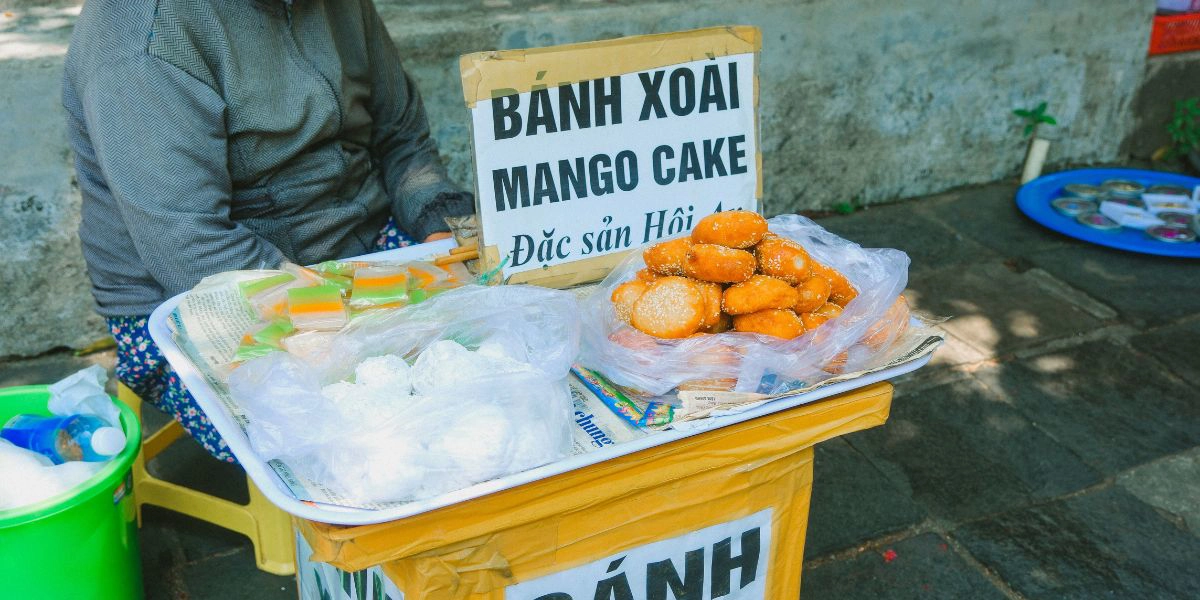
Sweet mango cake in Hoi An - Source: Toan Do Cong
After hours of walking around, Hoi An’s world of street snacks and refreshing drinks makes the perfect stop to recharge. Most of these light bites are very affordable and can easily be found at street vendors or small roadside food stalls.
Iconic snacks and drinks to try:
-
Mot herbal drink at 150 Tran Phu Street: A refreshing drink made from herbs such as lemongrass, lemon, licorice, and monk fruit, offering a light sweet and sour taste. Each cup is beautifully decorated with a stylized lotus petal. Price: VND 18,000 per cup.
-
Banh dap with stir-fried baby clams: An interesting combination of crispy grilled rice paper cracked over soft steamed rice sheets, served with spicy stir-fried baby clams and dipped in rich fermented fish sauce. The best place to try this dish is the Con Hen area, across Cam Nam Bridge.
-
Street sweets: Mango cake, steamed layer cake, sweet corn soup, tofu pudding, and other desserts are light, gently sweet treats. They usually cost only VND 10,000 to VND 15,000 per serving and are commonly sold by street vendors along the pedestrian streets around the Hoai River.
>> Read more: Day Tour | Hoi An Evening Street Food and Entertainment Walking Tour
From the timeworn charm of its architectural heritage to the rich flavors of Quang Nam cuisine, Hoi An always knows how to create unforgettable memories. These wonderful experiences will surely add more depth to your Hoi An Vietnam travel journey. To enjoy every moment with ease without having to plan the itinerary yourself, contact Joytime Travel Agency and book your tour today!
|
Joytime Travel Agency - Travel JOY, TIMEless Vietnam Safe, Seamless, Satisfying, Sustainable Follow us for travel tips, local insights, and exclusive offers:
|

Danish Nguyen
Danish Nguyen is a renowned travel blogger in Vietnam with over 5 years of experience sharing unique travel experiences. With a passion for exploring new places, Danish captures incredible moments and provides readers with valuable tips to discover the beauty of his homeland.