








3 Weeks Travel Vietnam: Ultimate North to South Guide
3 weeks travel Vietnam is widely considered the ideal timeframe to explore the country's diverse regions without rushing between destinations. From northern mountain landscapes and historic cities to central heritage towns and the waterways of the south, each stop offers a distinct cultural and scenic experience. This itinerary follows a practical north-to-south route, helping travelers enjoy Vietnam's highlights while maintaining a comfortable pace throughout the journey.
1. Why Three Weeks Is the Perfect Time to Explore Vietnam
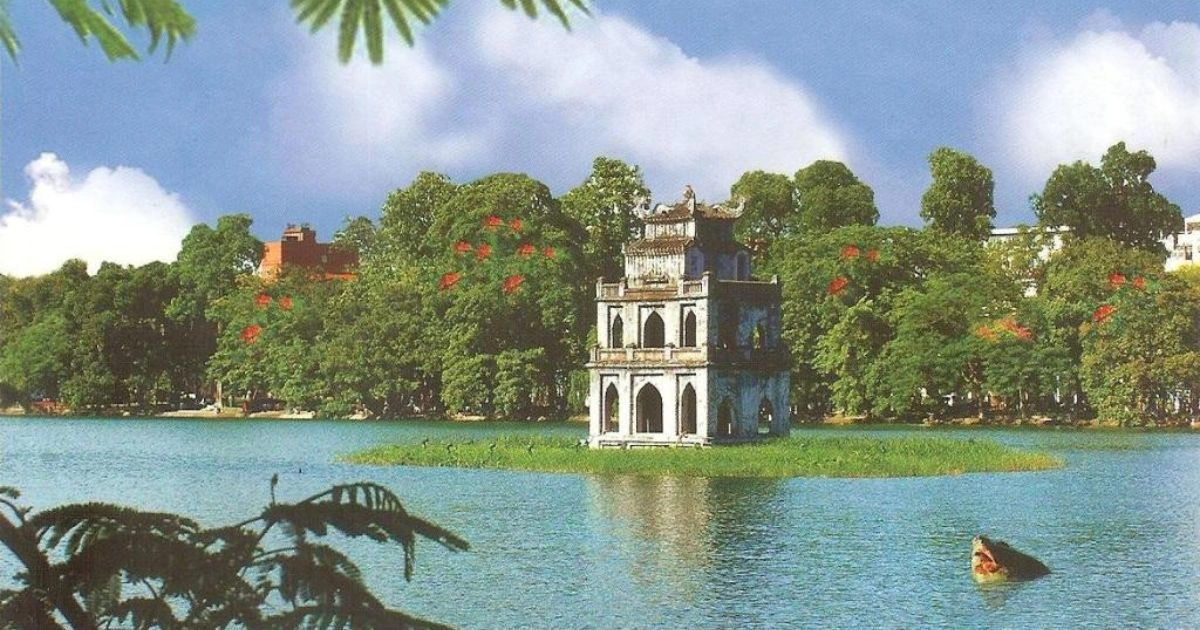
Hoan Kiem lake hanoi vietnam morning view - Source: Pinterest
Three weeks is widely considered the ideal amount of time to explore Vietnam. A 21-day itinerary allows travelers to experience the country's three distinct regions without rushing, from the mountains and cultural landmarks of the north to the heritage destinations of central Vietnam and the vibrant cities and waterways of the south. Following a north-to-south route also creates a smooth travel experience, with changing landscapes, climates, and local cultures along the way.
Choosing the right travel season can make the journey even more enjoyable. October to December generally offers favorable weather across most regions, making it a popular period for a 3-week travel itinerary. In terms of budget, travelers can expect to spend around USD 30–50 per day on a budget trip, USD 60–100 for a mid-range experience, or USD 120+ per day for greater comfort and premium services.
>> Read more: Best Month to Travel Vietnam for a Perfect Trip | Joytime
2. 3 Weeks Travel Vietnam Itinerary – Week 1 in Northern Vietnam
Northern Vietnam introduces travelers to dramatic mountain scenery, centuries-old history, and some of the country's most iconic destinations. The first week focuses on cultural immersion and natural wonders.
2.1. Days 1–2: Discover Hanoi’s Historic Charm
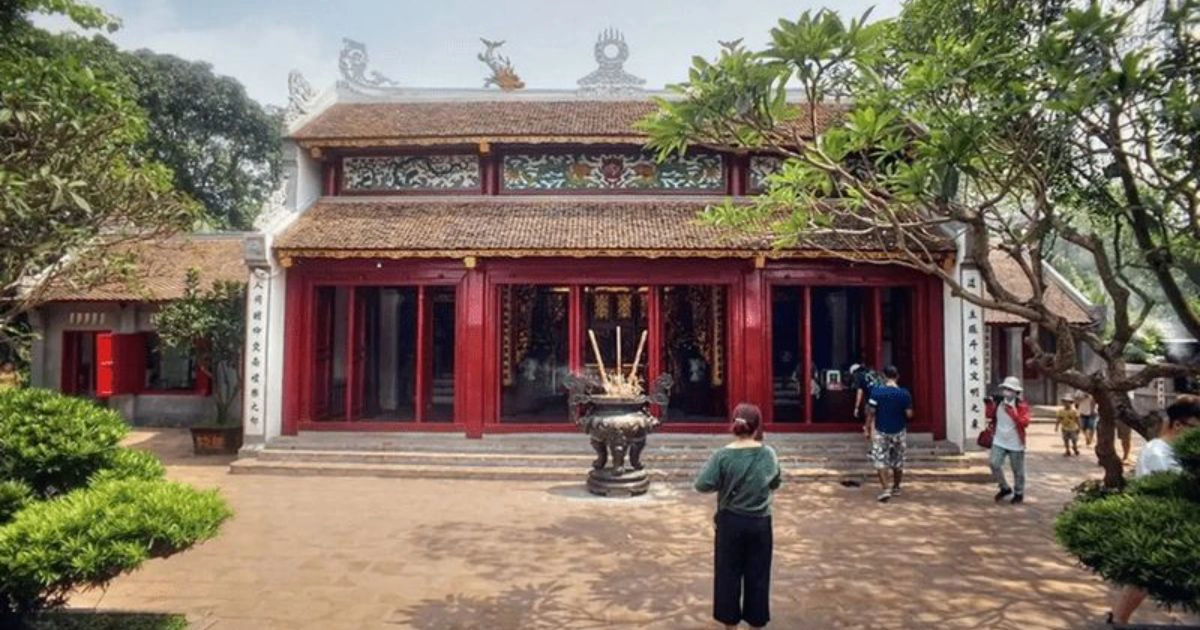
Ngoc Son Temple, Hanoi - Source: Pinterest
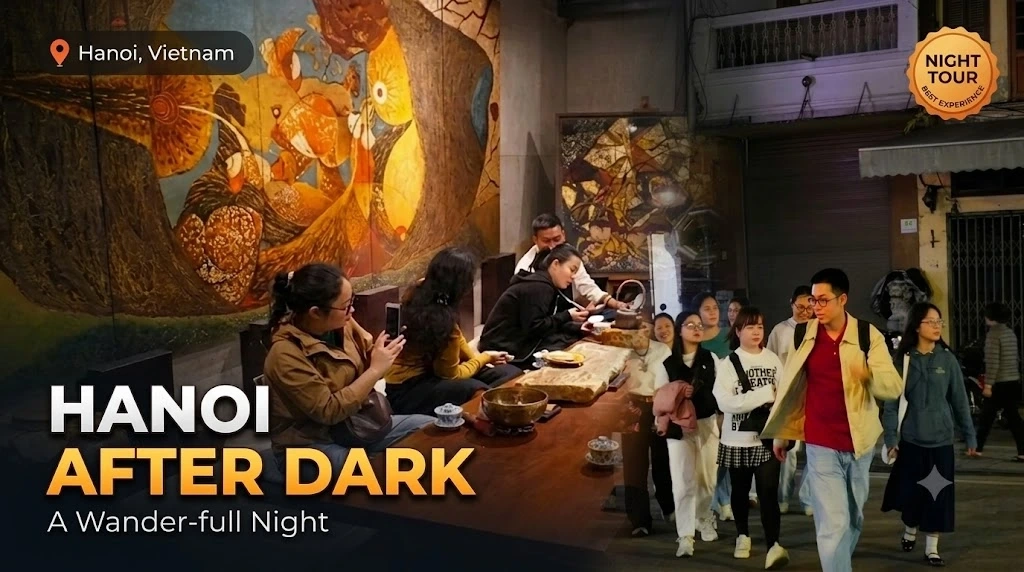
Hanoi is the ideal starting point for any journey through Vietnam. As the country's capital, it combines centuries of history, rich cultural traditions, and a vibrant street-life atmosphere that immediately captures visitors' attention. Spending two days here allows enough time to explore the city's most iconic landmarks while experiencing everyday local life.
Begin your morning at Hoan Kiem Lake, one of Hanoi's most recognizable attractions. The peaceful setting contrasts beautifully with the surrounding urban energy, while Ngoc Son Temple and its famous red bridge add a distinctive cultural touch. From the lake, continue into the Old Quarter, where narrow streets, historic architecture, and bustling markets showcase the city's unique character.
Another highlight is the Temple of Literature, Vietnam's first national university and one of the country's most important historical sites. Its traditional courtyards and well-preserved architecture provide valuable insight into Vietnam's educational and cultural heritage. Between sightseeing stops, take time to sample local specialties such as pho, bun cha, banh mi, and cha ca. No visit to Hanoi is complete without trying egg coffee, a signature drink that has become a favorite among international travelers.

2.2. Days 3–5: Sapa or Ninh Binh Adventure
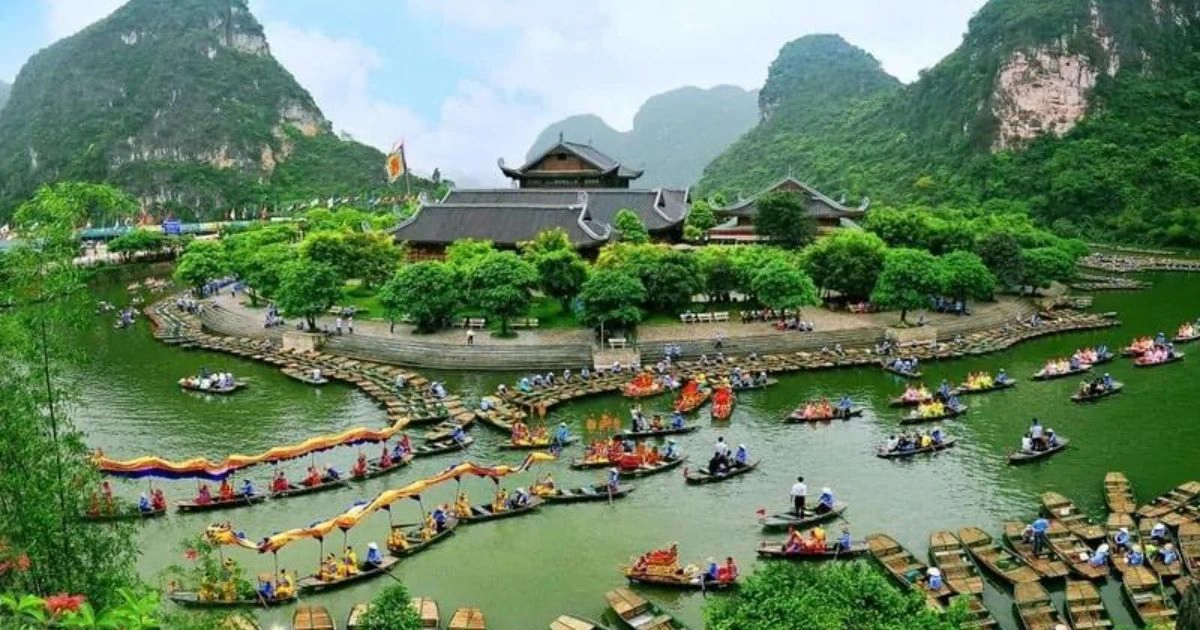
Trang An scenic landscape complex, Ninh Binh, Vietnam - Source: Pinterest
After exploring Hanoi, travelers can choose between two of Northern Vietnam's most rewarding destinations. Both offer stunning scenery, but each delivers a very different experience.
Sapa is the preferred option for those seeking mountain landscapes and outdoor adventure. Located in the far north, the region is famous for its terraced rice fields, cool climate, and ethnic minority communities. Guided treks through local villages provide an opportunity to learn about traditional lifestyles while enjoying some of Vietnam's most spectacular scenery. The landscapes are particularly impressive during the rice-growing season, although Sapa remains attractive throughout the year thanks to its fresh mountain atmosphere.
For travelers looking for shorter travel times, Ninh Binh is an excellent alternative. Known for dramatic limestone formations and peaceful countryside views, the area is often considered one of Vietnam's most beautiful natural destinations. A boat tour through Trang An takes visitors past caves, rivers, and ancient temples, while the climb to Hang Mua Viewpoint rewards travelers with panoramic views over the surrounding landscape. The combination of nature, culture, and accessibility makes Ninh Binh a popular choice for many first-time visitors.
2.3. Days 6–7: Ha Long Bay or Lan Ha Bay Cruise
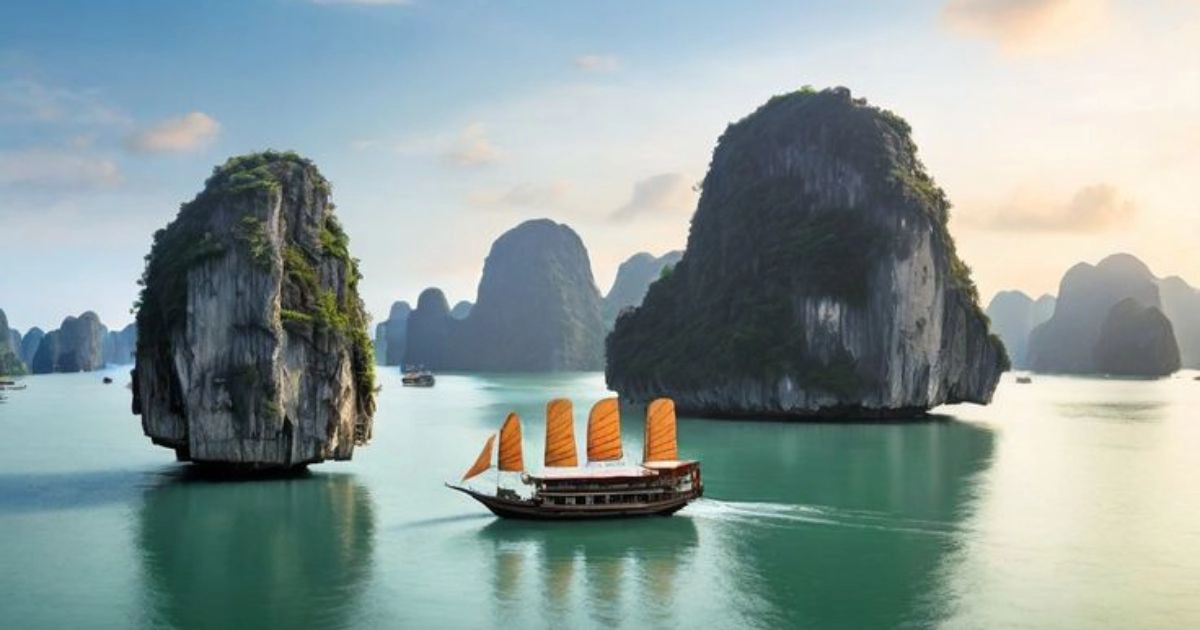
Ha Long Bay limestone islands cruise in Vietnam - Source: Pinterest
The final part of Week 1 focuses on one of Vietnam's most famous natural wonders. A cruise through Ha Long Bay or nearby Lan Ha Bay offers a completely different perspective of the country and serves as one of the highlights of a three-week itinerary.
Ha Long Bay is renowned for its thousands of limestone islands rising dramatically from emerald waters. Most visitors choose an overnight cruise, which typically includes kayaking, cave exploration, swimming opportunities, and scenic sunset views. Spending a night on the bay allows travelers to appreciate the landscape beyond the daytime crowds.
Those seeking a quieter experience may prefer Lan Ha Bay, located south of Ha Long Bay near Cat Ba Island. The scenery is equally impressive, but the atmosphere is generally more peaceful and less commercialized. Many travelers appreciate the lower number of boats and the opportunity to enjoy a more relaxed cruise experience. Regardless of which destination you choose, booking a reputable operator and reserving in advance will help ensure a smoother and more enjoyable trip before continuing south for the next stage of your Vietnam adventure.
>> Read more: Ha Long Sightseeing Tours | Joytime Travel Agency | Joytime
3. Week 2 – Imperial Heritage and Coastal Beauty
Central Vietnam offers a slower pace and a deeper connection to the country's royal history. This region combines ancient architecture, coastal scenery, and unique local traditions.
3.1. Days 8–9: Explore Hue’s Imperial Legacy
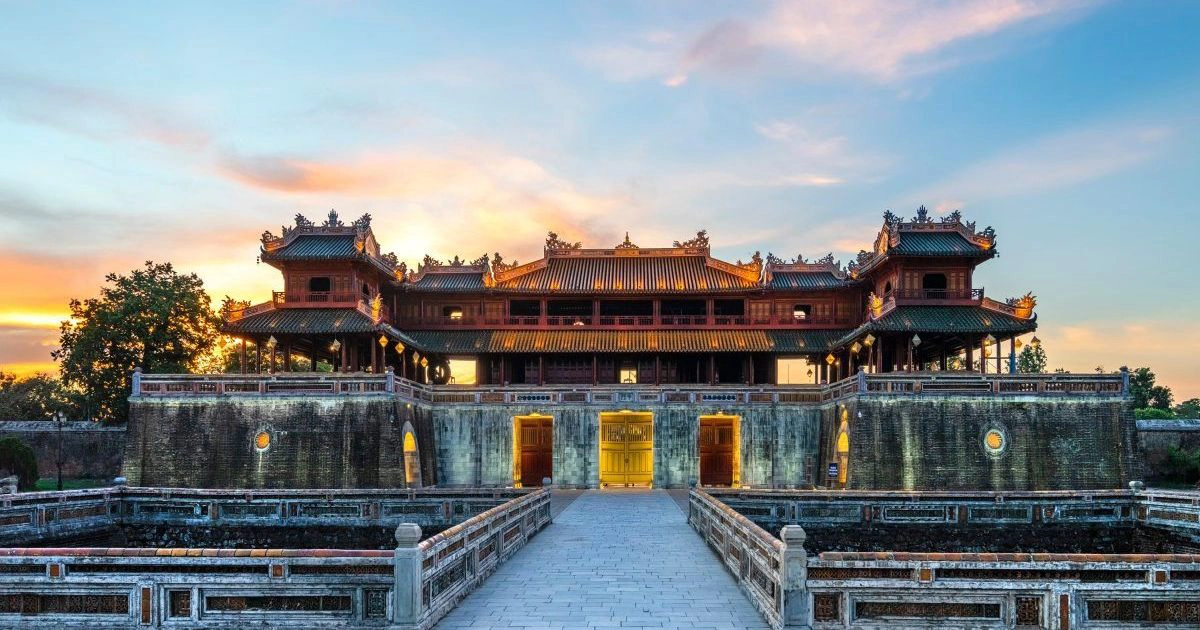
Hue Imperial City Citadel Historical Complex, Vietnam - Source: Pinterest
Hue was the political and cultural center of Vietnam during the Nguyen Dynasty, leaving behind a remarkable collection of royal architecture and historical landmarks. Spending two days here allows travelers to explore the country's imperial past while enjoying a slower pace than many other major destinations.
The city's most important attraction is the Imperial City, a vast complex surrounded by fortified walls and moats. Inside, visitors can discover palaces, temples, ceremonial courtyards, and restored royal buildings that once served as the heart of Vietnam's last feudal dynasty. The Forbidden Purple City, located within the citadel, remains one of the most fascinating areas and continues to undergo preservation work.
Beyond the city center, several royal tombs are scattered along the Perfume River. Each reflects a unique architectural style and provides insight into the lives of different Nguyen emperors. Minh Mang Tomb is known for its balanced design and peaceful surroundings, while Tu Duc Tomb blends harmoniously with nature. Khai Dinh Tomb stands out for its elaborate decoration and combination of Vietnamese and European influences. Exploring these sites offers a deeper understanding of Hue's historical significance.
Hue is also widely regarded as one of Vietnam's top culinary destinations. Local dishes are famous for their refined preparation and bold flavors. Popular specialties include bun bo Hue, a flavorful beef noodle soup, along with banh khoai and banh beo, two traditional dishes commonly found throughout the city's markets and family-run restaurants.
>> Read more: Best Time to Visit Vietnam With Family: Weather & Travel Tips | Joytime
3.2. Days 10–13: Experience the Magic of Hoi An
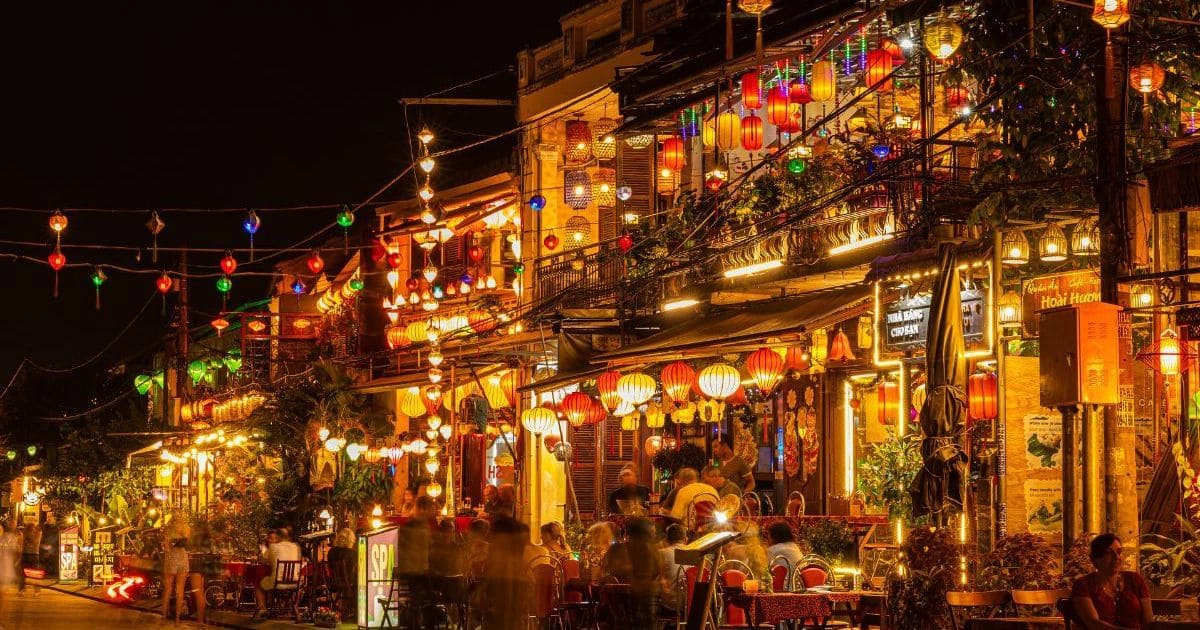
Hoi An ancient town lantern street at night - Source: Pinterest
After Hue, continue south toward Hoi An, one of Vietnam's most beloved destinations. The journey itself is a memorable experience, especially when traveling along the Hai Van Pass, a coastal mountain road renowned for panoramic views of the sea, lush hillsides, and dramatic landscapes.
Hoi An Ancient Town is recognized as a UNESCO World Heritage Site and remains one of the best-preserved trading ports in Southeast Asia. Walking through its narrow streets reveals centuries-old merchant houses, traditional temples, historic assembly halls, and charming riverside cafés. The town's distinctive yellow buildings and lantern-lined pathways create a unique atmosphere that attracts visitors from around the world.
Evenings in Hoi An are particularly memorable. As colorful lanterns illuminate the streets and the riverside, the historic center transforms into one of Vietnam's most picturesque destinations. The relaxed environment encourages visitors to slow down and enjoy the town's timeless character.
A four-day stay provides plenty of opportunities to explore beyond the main attractions. Many travelers visit local tailor shops to have custom clothing made within a short timeframe. Cooking classes offer hands-on introductions to regional cuisine, while cycling routes lead through rice fields and traditional villages surrounding the town. For those seeking relaxation, An Bang Beach provides a peaceful escape with soft sand, fresh seafood, and a more laid-back atmosphere than nearby urban beaches.
Early mornings are equally rewarding. Before the crowds arrive, the quiet streets, soft sunlight, and riverside scenery reveal a different side of Hoi An, making it an ideal time for photography and leisurely exploration.
4. Week 3 – Southern Vietnam and Mekong Delta Discovery
The final stage of the journey introduces travelers to a completely different side of Vietnam. After exploring historic cities, mountain landscapes, and heritage towns, Southern Vietnam delivers a blend of modern urban life and peaceful river scenery. The contrast between Ho Chi Minh City and the Mekong Delta creates a well-balanced conclusion to a three-week itinerary.
4.1. Days 14–16: Ho Chi Minh City highlights
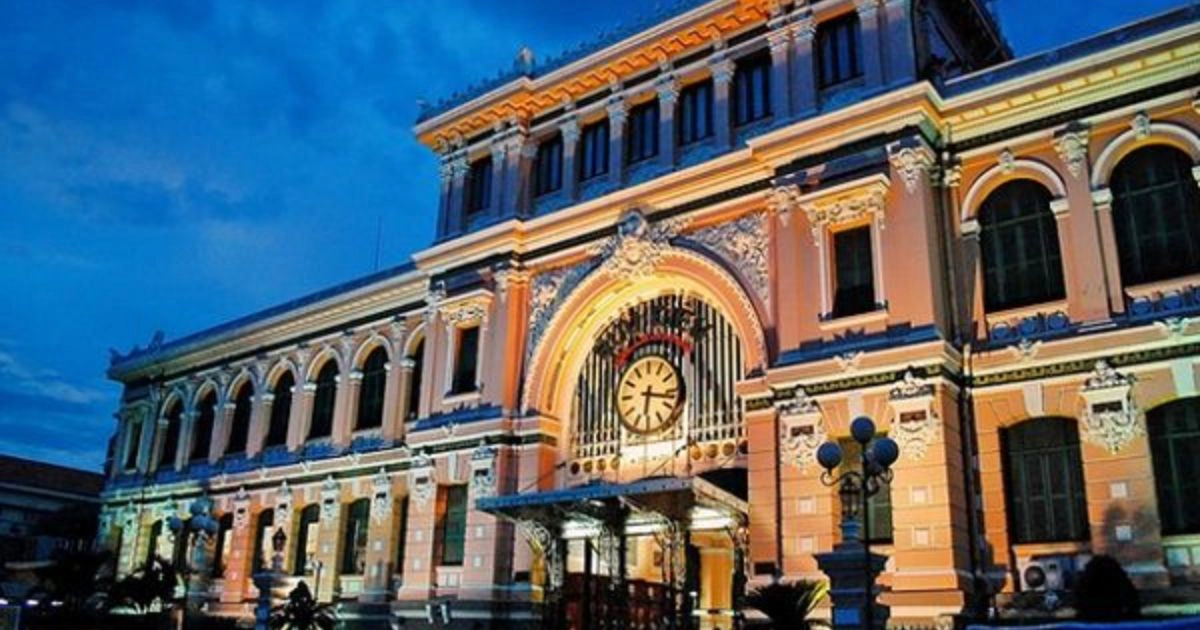
Saigon Notre Dame Cathedral and the central post office - Source: Pinterest
Ho Chi Minh City is Vietnam's largest and most dynamic metropolis. The city's fast-paced atmosphere, modern skyline, and endless flow of motorbikes create an energy unlike anywhere else in the country. Spending several days here allows visitors to experience both its historical landmarks and contemporary lifestyle.
One of the most important attractions is the War Remnants Museum, which provides valuable insight into Vietnam's modern history through photographs, exhibits, and preserved military equipment. Nearby, visitors can explore several colonial-era landmarks, including Notre Dame Cathedral and the Central Post Office, two iconic examples of French architectural influence in the city center.
For shopping and local food experiences, Ben Thanh Market remains one of the most popular destinations. The surrounding streets are filled with cafés, restaurants, and vendors selling everything from souvenirs to regional specialties. In the evening, rooftop bars and observation decks offer impressive views of the illuminated skyline.
A visit to the Cu Chi Tunnels is highly recommended for travelers interested in history. Located outside the city, this extensive underground network played a significant role during the Vietnam War. Guided tours allow visitors to learn about daily life within the tunnels and gain a deeper understanding of the country's past.
>> Read more: How To Travel From Ho Chi Minh To Da Lat Safely | Joytime
4.2. Days 17–19: Mekong Delta Experience
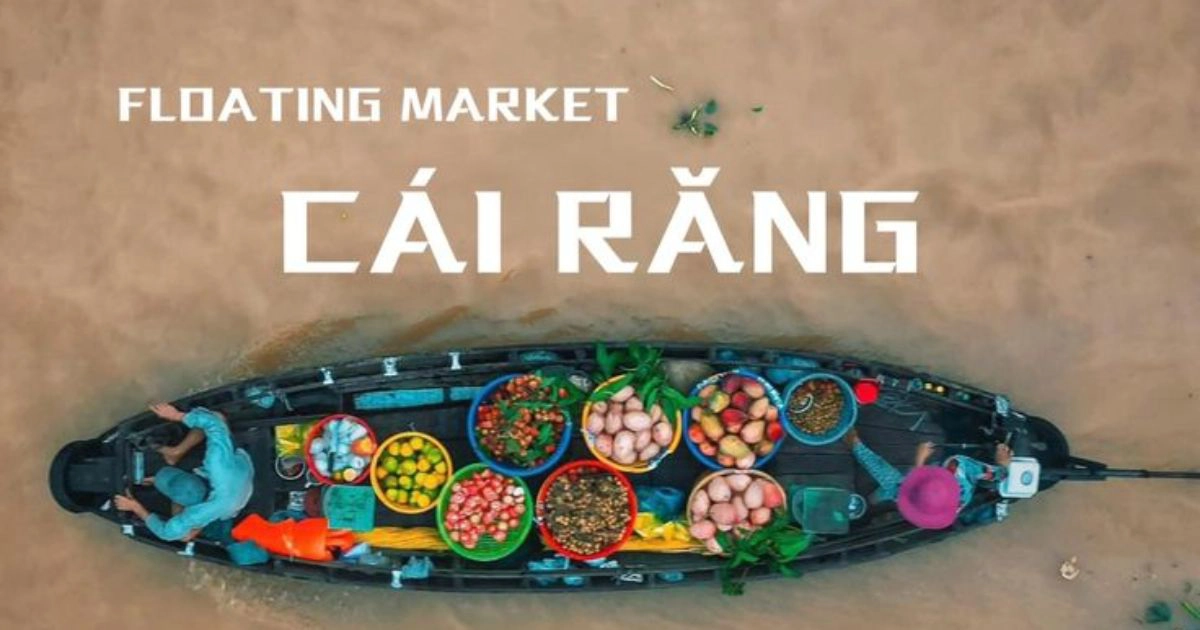
Cai Rang floating market can tho vietnam - Source: Pinterest
Leaving the city behind, travelers enter the Mekong Delta, one of Vietnam's most fertile and culturally distinctive regions. Formed by countless waterways and agricultural communities, the delta offers a slower pace of life and a closer connection to local traditions.
The region is best known for its floating markets, where vendors trade fresh produce directly from boats. Cai Rang Floating Market is among the most famous and is particularly lively during the early morning hours. Staying overnight in the area makes it easier to experience the market at its busiest and most authentic.
Beyond the waterways, the Mekong Delta offers opportunities to explore small villages, fruit orchards, and traditional craft workshops. Boat trips through narrow canals reveal a quieter side of southern Vietnam, while cycling routes provide access to rural communities surrounded by rice fields and coconut groves.
Many visitors choose to stay in riverside homestays, where local families welcome guests and share regional dishes prepared with fresh ingredients. These experiences offer a meaningful glimpse into everyday life and create some of the most memorable moments of the entire journey.
4.3. Days 20–21: Final Days and Departure
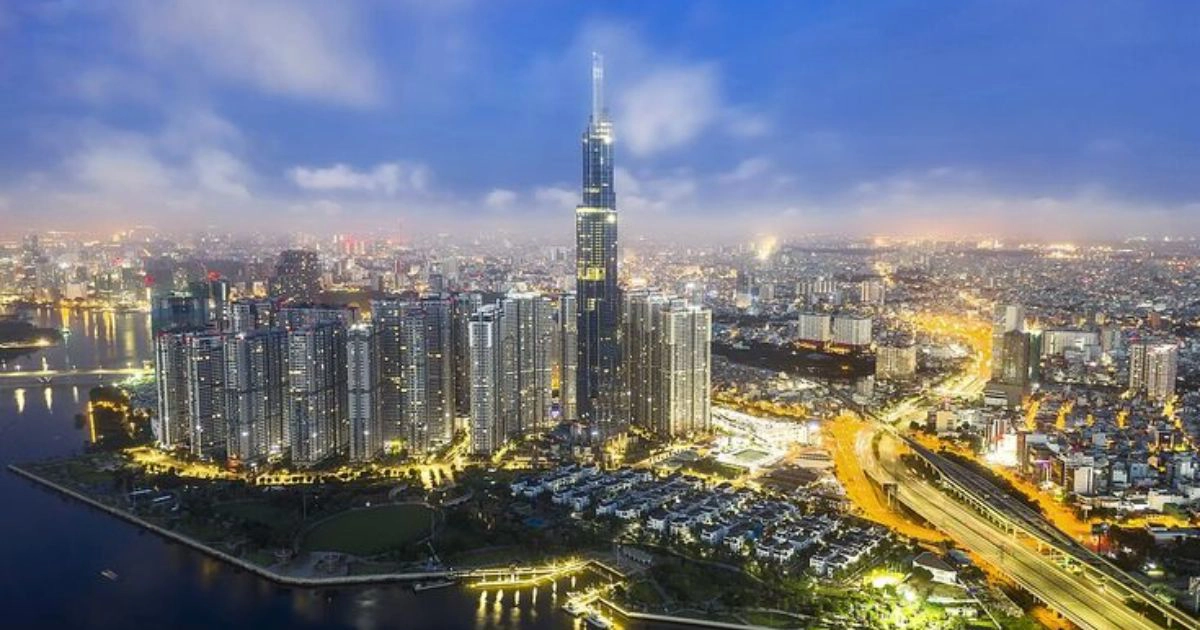
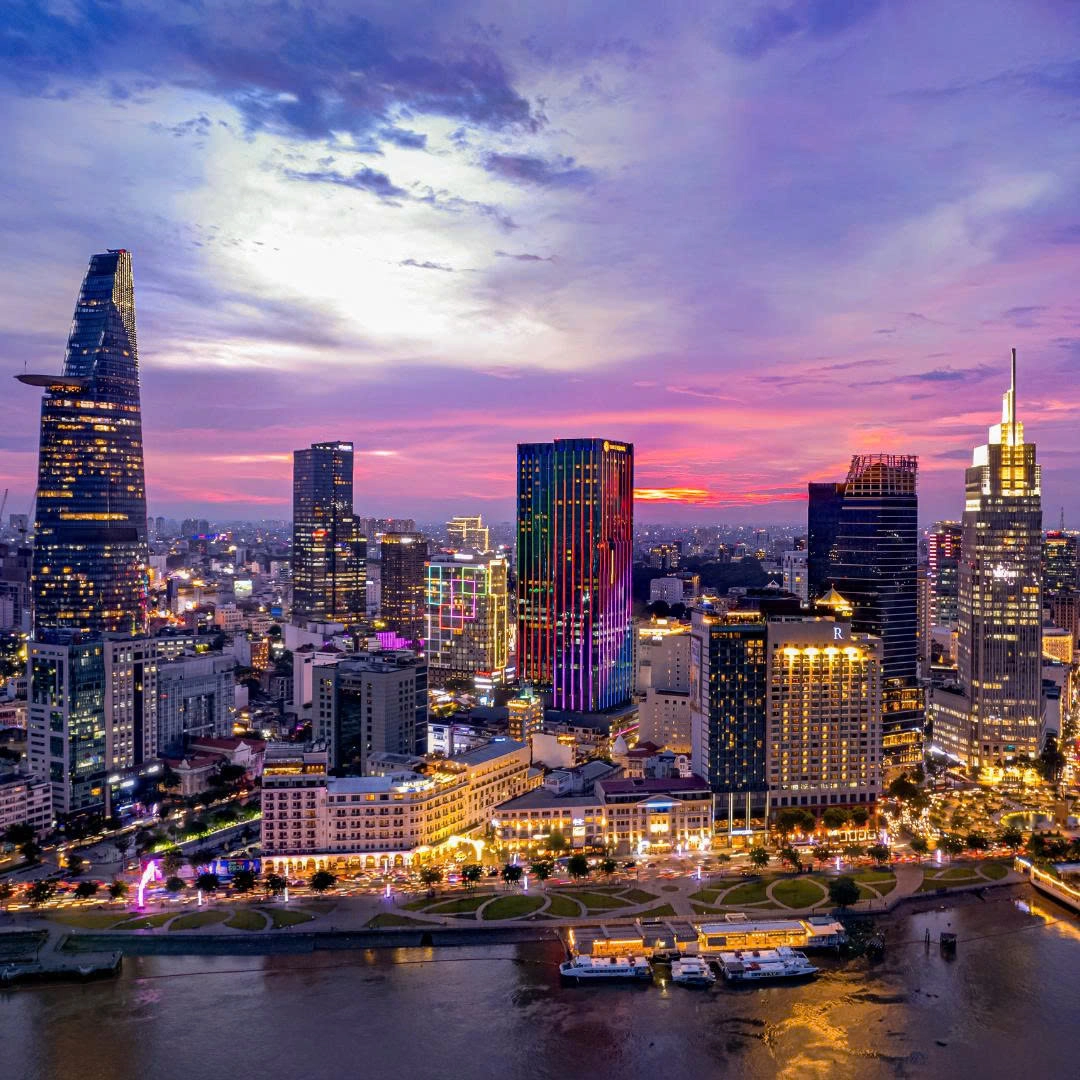
Bitexco Financial Tower skyline Ho Chi Minh City - Source: Pinterest
The final days of the itinerary are intentionally relaxed, giving travelers time to revisit favorite locations and enjoy the city at a slower pace. Returning to Ho Chi Minh City provides an opportunity for last-minute sightseeing, shopping, or dining before departure.
Popular areas such as Dong Khoi Street and Ben Thanh Market offer a wide selection of gifts, handicrafts, and local products to bring home. Travelers can also spend their remaining time exploring cafés, museums, or neighborhoods they may have missed earlier in the trip.
For a memorable conclusion, consider enjoying a rooftop dinner or evening drink overlooking the city skyline. Watching the lights of Ho Chi Minh City from above is a fitting way to reflect on three weeks of unforgettable experiences across Vietnam before beginning the journey home.

5. Essential Tips for a Smooth Vietnam Journey
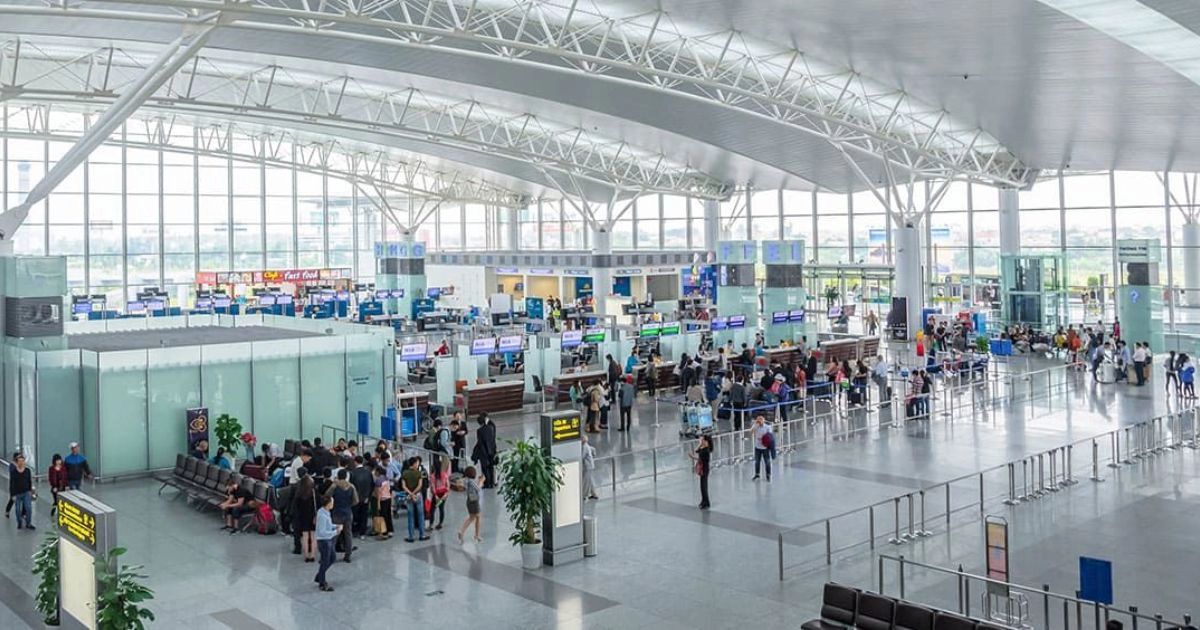
Noi Bai International Airport departure terminal Vietnam - Source: Pinterest
Before starting your adventure, it is helpful to understand a few practical aspects of traveling in Vietnam. These tips can help you save time, avoid common issues, and enjoy a smoother experience throughout your trip.
-
Transportation: Domestic flights are the fastest option for long-distance routes such as Hanoi to Da Nang or Ho Chi Minh City. Booking tickets a few weeks in advance often helps travelers secure better prices and more flexible schedules.
-
Local Transportation: Grab is widely used across Vietnam and provides a convenient way to book motorbike taxis or private cars. The app displays prices upfront, making travel easier and more transparent.
-
Visa Requirements: Many international visitors can apply for a Vietnam e-visa before arrival. Checking entry requirements early helps avoid unexpected delays when planning your trip.
-
Currency and Payments: The Vietnamese Dong (VND) is used nationwide, and cash is still important for smaller purchases. Although cards are accepted in many hotels and restaurants, local markets often prefer cash payments.
-
SIM Cards and Internet: Buying a local SIM card at the airport is an affordable way to stay connected. Major providers offer reliable coverage across cities, beaches, and most rural destinations.
-
Packing Essentials: Lightweight clothing works well for most regions due to Vietnam's warm climate. Travelers visiting mountain areas should also pack a light jacket for cooler temperatures.
-
Safety Tips: Vietnam is generally considered a safe destination for tourists. Keeping valuables secure and using trusted transportation services can help ensure a hassle-free trip.
-
Money-Saving Advice: Street food, local cafés, and public transportation offer excellent value for travelers. Choosing locally owned accommodations and restaurants can also help reduce daily expenses.
-
Best Apps to Download: Useful travel apps include Grab for transportation, Google Maps for navigation, and Google Translate for communication. Having these tools ready before arrival can make daily travel much easier.
-
Respect Local Culture: Dress appropriately when visiting temples and religious sites. Learning a few basic Vietnamese phrases is also a simple way to show respect and connect with local people.
3 weeks travel vietnam offers the perfect balance of culture, history, nature, and modern city life. From Hanoi’s bustling streets and Sapa’s mountain landscapes to Hoi An’s heritage charm and the Mekong Delta’s peaceful waterways, every region brings a unique experience. This carefully planned route helps travelers maximize their time while discovering Vietnam’s most iconic destinations. For a seamless travel experience, explore tours, transportation options, and local experiences with Joytime Travel Agency before starting your next adventure.
|
Joytime Travel Agency - Travel JOY, TIMEless Vietnam Safe, Seamless, Satisfying, Sustainable Follow us for travel tips, local insights, and exclusive offers:
|

Danish Nguyen
Danish Nguyen is a renowned travel blogger in Vietnam with over 5 years of experience sharing unique travel experiences. With a passion for exploring new places, Danish captures incredible moments and provides readers with valuable tips to discover the beauty of his homeland.