





Hanoi Tet: A Complete Guide to Lunar New Year in the Capital
Hanoi Tet offers a rare chance to experience Vietnam’s capital through family traditions, flower markets, temple visits, festive streets and a slower holiday rhythm. This guide helps you understand what Tet in Hanoi is like, where to go, what stays open, how to enjoy local events and what to prepare before your trip.
1. What to Expect During Tet in Hanoi
The atmosphere in the capital shifts dramatically as the lunar year comes to a close, moving from intense preparation to complete stillness before slowly waking up again.
1.1. The Pre-Tet Festive Rush
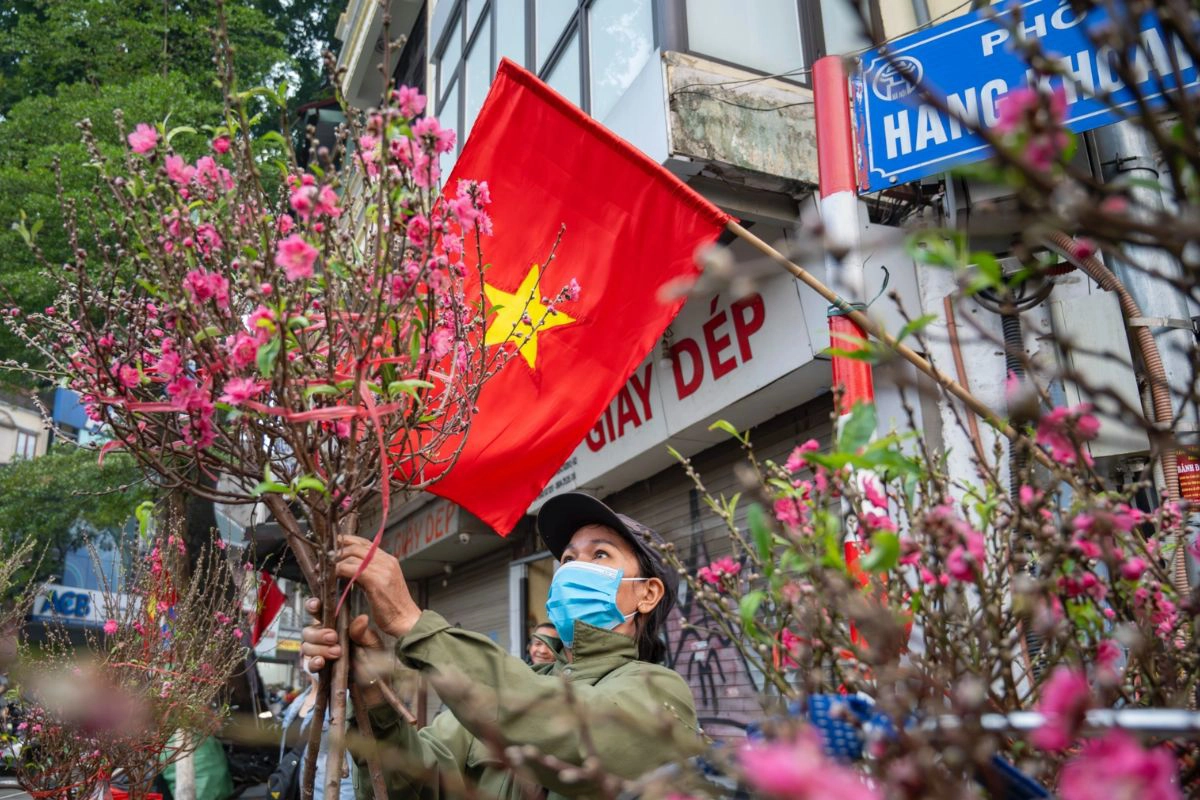
Locals prepare peach blossoms and decorations before Tet - Source: Dan Tri
In the two weeks leading up to the holiday, the streets become incredibly busy as locals prepare for the biggest celebration of the year. Traffic increases significantly while families rush to buy decorations, peach blossoms, kumquat trees, and traditional foods. You will notice motorbikes carrying massive trees down narrow alleys and street vendors selling red envelopes almost everywhere.
This period is an excellent time for photography and soaking in the local energy, but it requires patience when moving around. Traveling by taxi or ride-hailing app will take longer than usual due to the heavy traffic. If you plan to visit major attractions during these final days of the lunar year, start your day early to avoid the thickest crowds.
1.2. Holiday Closures and the Quiet City
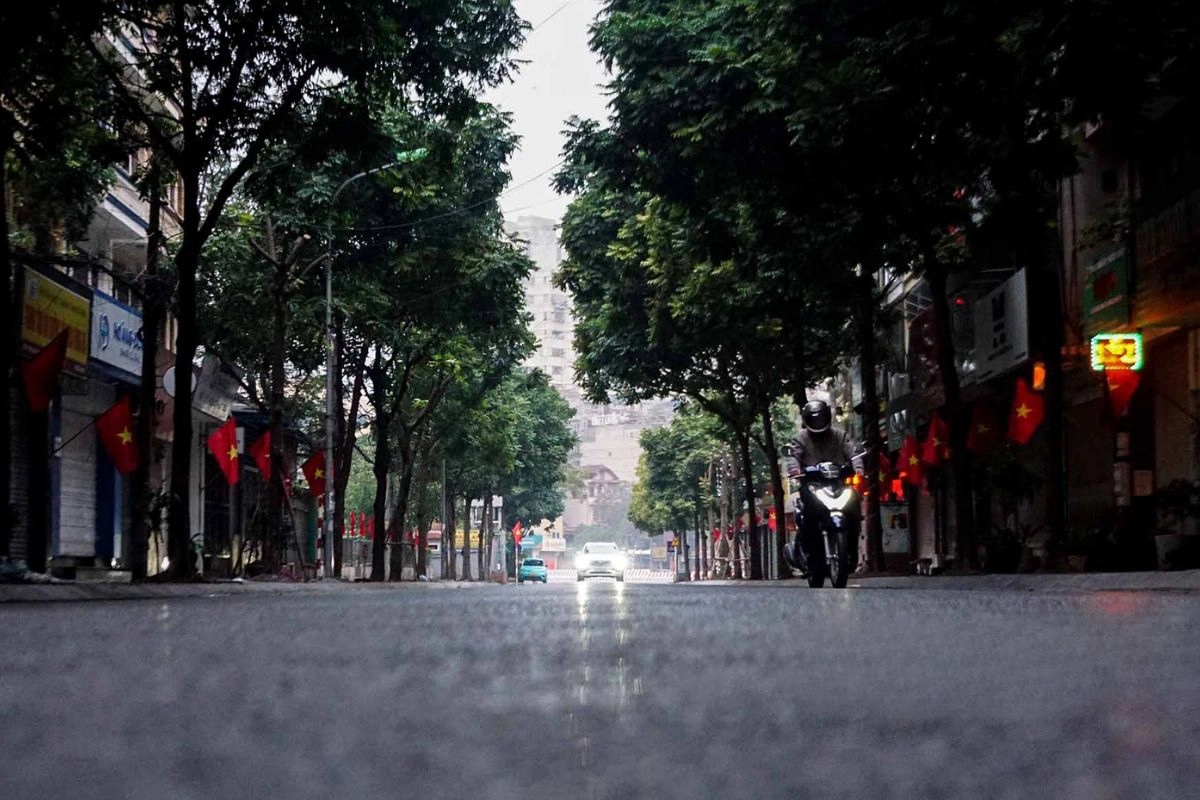
Hanoi streets become unusually quiet during early Tet days - Source: Lao Dong
As the final day of the lunar year arrives, the bustling energy suddenly disappears, leaving the capital unusually peaceful and quiet. Most businesses, local restaurants, markets, and tourist attractions close entirely for the first three days of the new year. Families stay inside to welcome the new year, honor their ancestors, and share private meals together.
This quiet period offers a completely different perspective of the normally chaotic city streets. You can easily walk across wide roads that are usually packed with scooters, and the air quality often improves temporarily. However, this also means you need to plan your meals carefully, as your dining options will largely be limited to international hotels, convenience stores, and a few specialized tourist spots.
>>> Read more: Hanoi Sightseeing Tours | Joytime Travel Agency
1.3. When Hanoi Becomes Lively Again After Tet
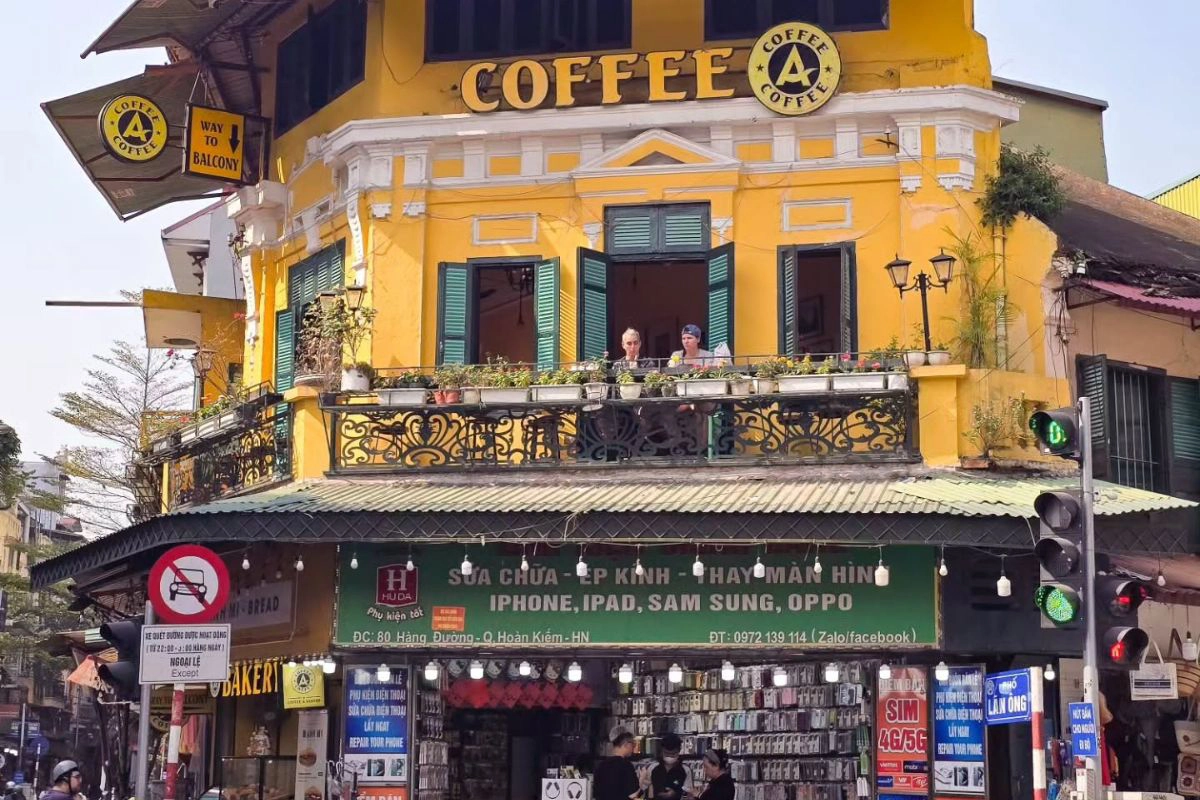
Cafes and streets slowly reopen after the Tet holiday - Source: My Meraki Moments
By the fourth and fifth days of the new year, the city gradually begins to wake up from its holiday rest. Cafes slowly reopen their doors, street food vendors return to the sidewalks, and the usual hum of daily life resumes. Locals start visiting pagodas and temples with their extended families, making these religious sites particularly busy.
This transition period is ideal for seeing how locals celebrate the final days of their holiday break. Tourist services, including museums and domestic flights, return to normal operation, allowing you to resume your regular sightseeing schedule. Expect popular spots around Hoan Kiem Lake to be very crowded with families taking new year photos in their traditional clothing.
2. Top Hanoi Tet Events and Festive Things to Do
While many standard tourist attractions close, the city offers unique cultural activities and public celebrations that only happen during this time of year.
2.1. Explore Flower Markets and Hang Ma Street
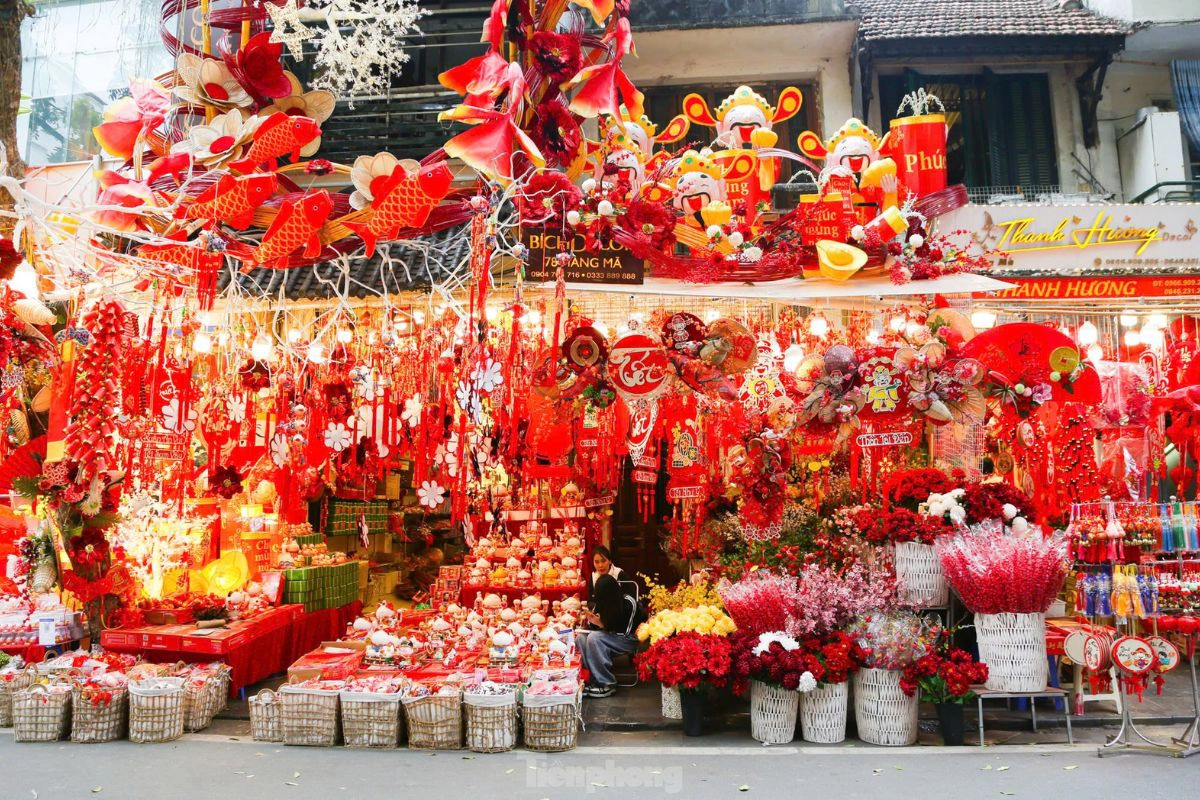
Hang Ma Street glows with red and gold Tet decorations - Source: Vietnam.vn
Visiting the traditional flower markets is a vital part of the local holiday experience in the weeks before the new year. The Quang Ba Flower Market in Tay Ho district operates around the clock, overflowing with bright peach blossoms and vibrant orchids. Hang Ma Street in the Old Quarter transforms into a bright red and gold corridor, selling paper offerings, lanterns, and festive decorations.
These locations offer some of the most vibrant visual experiences you can find during the festival season. Keep in mind that these markets are extremely crowded, so watch your belongings closely while walking through the tight spaces. The best time to visit Hang Ma is in the early evening when the lanterns light up, while Quang Ba is most fascinating in the early morning hours.
>>> Read more: Hanoi Old Quarter: A Journey Through the Ancient 36 Streets
2.2. Watch the New Year’s Eve Fireworks
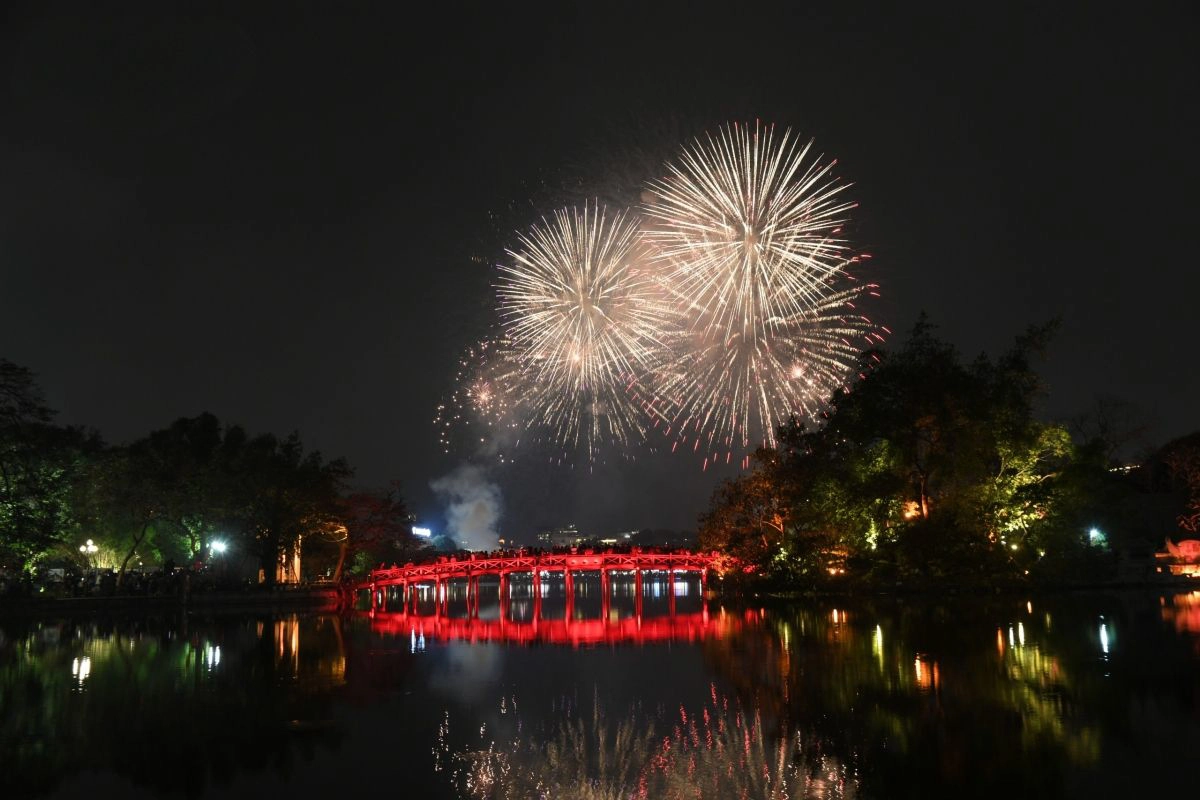
Fireworks light up Hanoi on Lunar New Year’s Eve - Source: VOV
The transition into the new lunar year is marked by spectacular firework displays organized by the city government. Hoan Kiem Lake serves as the most popular viewing spot, drawing massive crowds of locals who gather to count down the final seconds. Other major viewing locations often include West Lake, Thong Nhat Park, and the My Dinh National Stadium area.
Attending these outdoor celebrations is one of the most exciting Hanoi Tet events available to visitors. If you prefer to avoid the dense street crowds, book a table at a rooftop bar in the Old Quarter several weeks in advance. The street traffic immediately following the fireworks is usually completely stopped, so plan to walk back to your accommodation rather than taking a taxi.
2.3. Request Calligraphy at the Temple of Literature
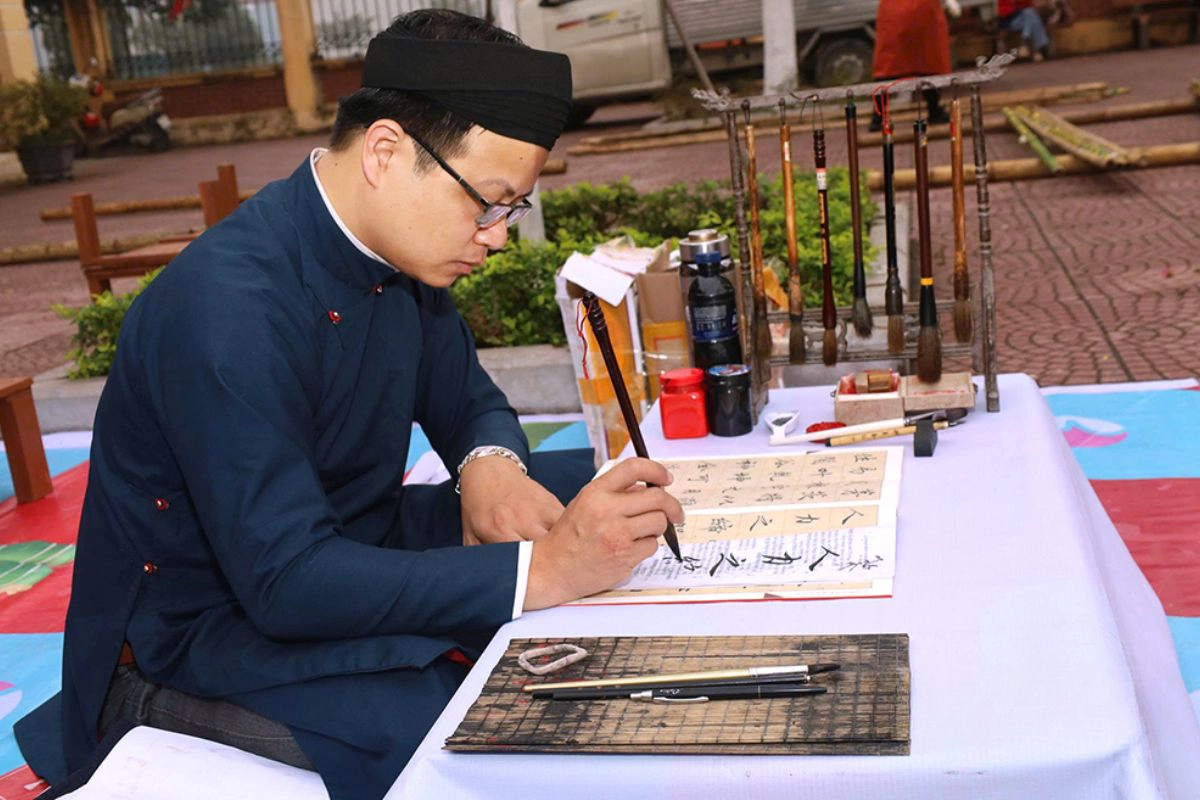
Calligraphy masters write lucky characters for the new year - Source: Ninh Binh
The Temple of Literature hosts a special calligraphy festival that has become an important cultural tradition for the local community. Calligraphers, dressed in traditional scholar robes, sit along the paths outside the temple to write lucky characters for visitors. Students and families line up to purchase these writings, hoping the specific words will bring them success, health, or prosperity in the coming months.
This activity provides a wonderful opportunity to observe an authentic intellectual tradition that remains highly respected today. You can request an English word to be translated and written in Vietnamese calligraphy, which makes an excellent personalized souvenir. The area gets particularly busy on the second and third days of the new year, so arriving right at the opening time will save you from long lines.
2.4. Visit Pagodas and Temples for Good Luck
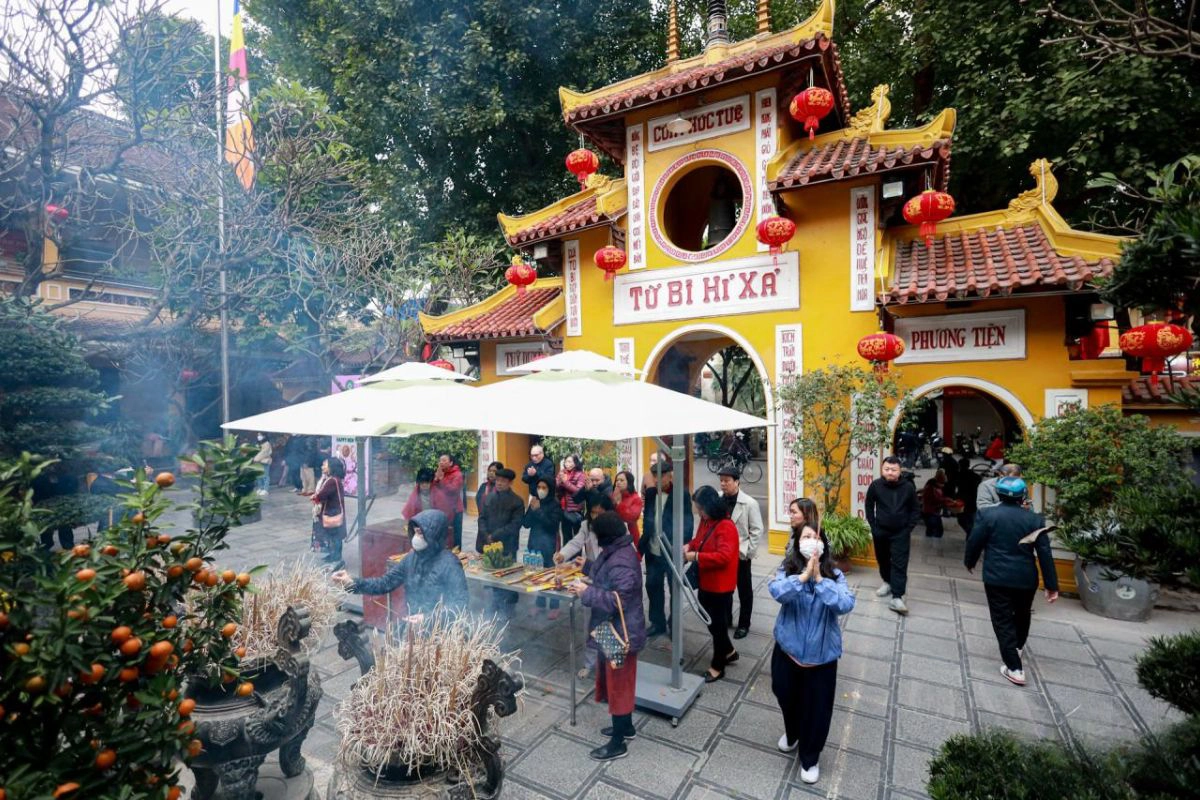
Families visit pagodas to pray for health and fortune - Source: Vietnam Net
Seeking blessings for the new year is a core spiritual practice for Vietnamese families across the country. Tran Quoc Pagoda on West Lake and Quan Su Pagoda in the city center draw thousands of worshippers who come to burn incense and leave offerings. The air fills with the thick scent of sandalwood while locals quietly pray for good health and fortune.
Observing these peaceful rituals helps you understand the deep spiritual side of the Tet festival Hanoi experience. If you decide to visit any religious site, dress respectfully by covering your shoulders and knees to show proper etiquette. You will need to leave your shoes outside the main worship halls, so wearing slip-on shoes will make your visit much more convenient.
2.5. Walk Around Hoan Kiem Lake and the Old Quarter
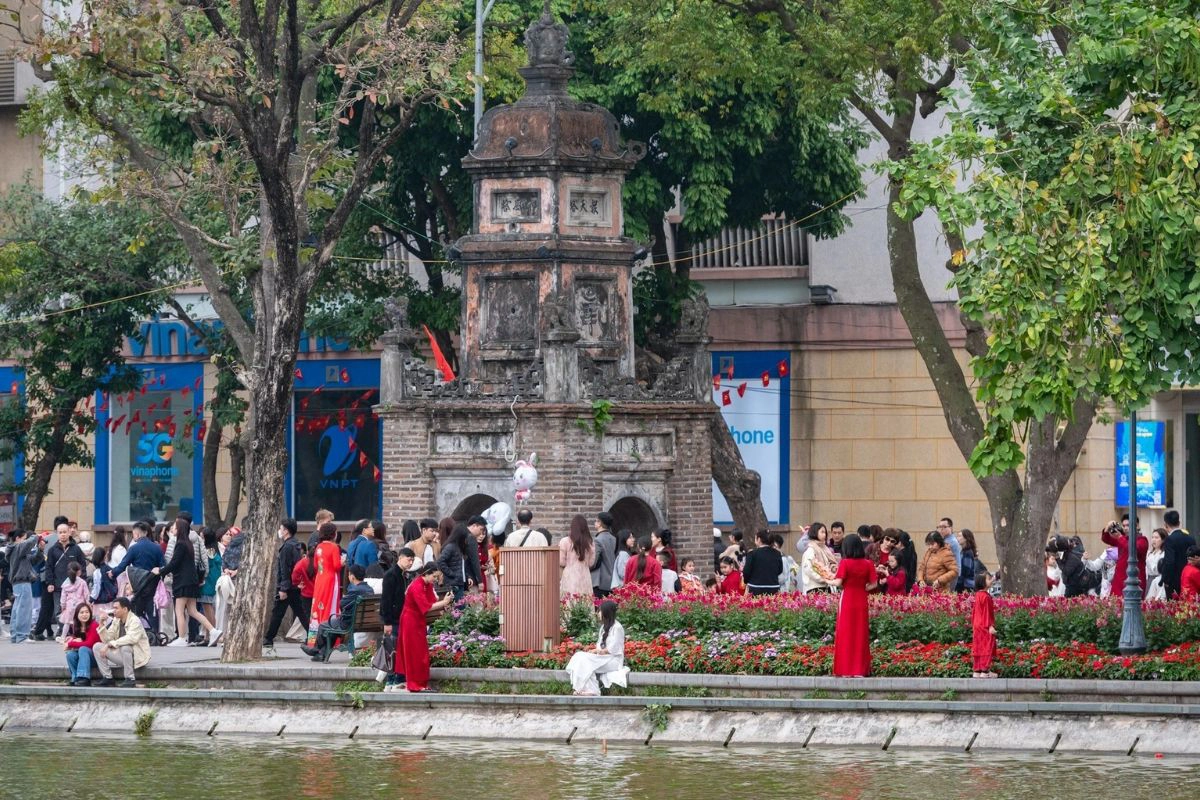
Families gather around Hoan Kiem Lake in festive clothing - Source: Dan Tri
The pedestrian zone around Hoan Kiem Lake becomes the primary gathering place for families celebrating the holiday. The streets are decorated with elaborate flower displays and large banners greeting the new spring season. Locals dress in their finest clothing, often wearing bright traditional garments, to take photographs against the backdrop of the red The Huc Bridge.
Spending an afternoon walking through this area gives you a front row seat to the holiday joy of the local people. You will frequently see traditional games being played, street musicians performing, and children showing off their new clothes. The pedestrian streets usually remain closed to vehicle traffic throughout the entire holiday weekend, making it perfectly safe for relaxed family walks.
3. What and Where to Eat During Tet in Hanoi
Finding a good meal requires a bit more planning during the lunar holiday, but it also gives you a chance to taste specialty dishes.
3.1. Must-Try Traditional Tet Foods
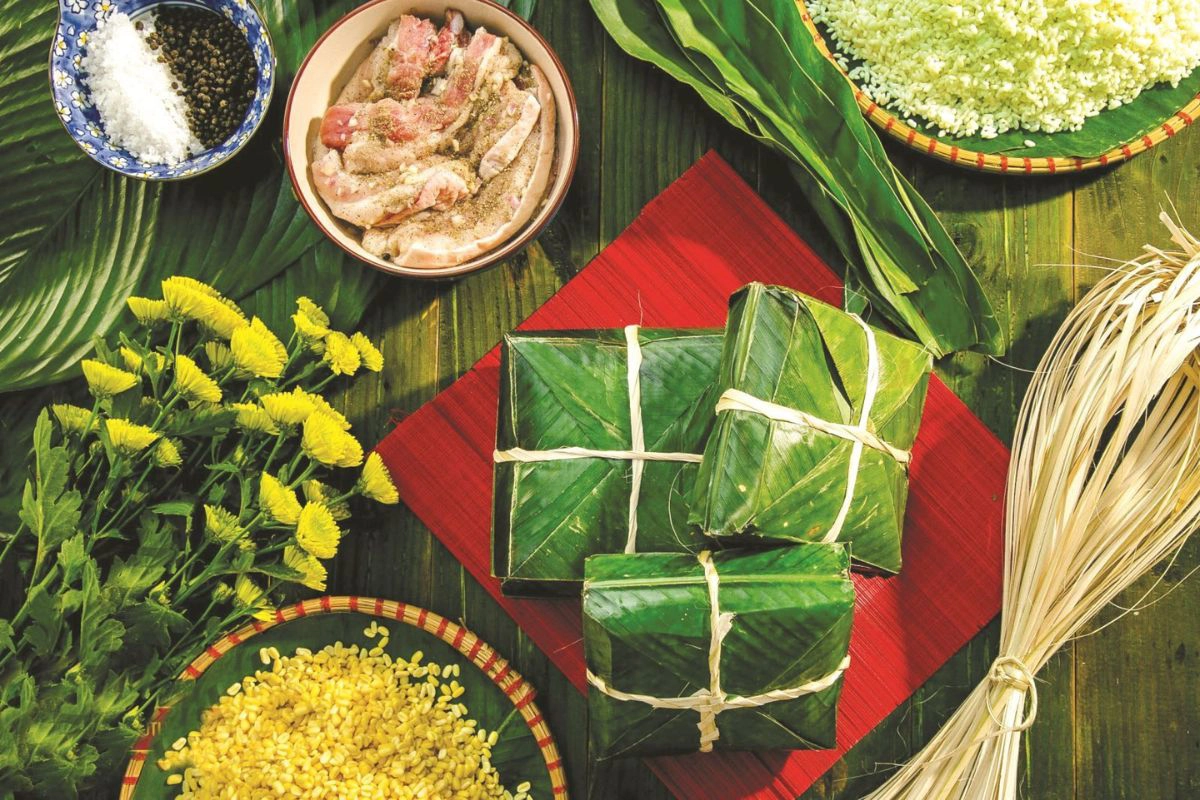
Banh Chung and festive dishes define Tet family meals - Source: aFamily
The local holiday menu is centered around rich, carefully prepared dishes that families share during their private gatherings. Banh Chung, a square cake made from sticky rice, mung beans, and fatty pork wrapped in green leaves, is the most iconic holiday food. You will also see boiled chicken, pickled onions, and various types of Vietnamese sausage served at almost every meal.
Tasting these traditional items is a crucial part of experiencing the true flavor of Tet in Hanoi. While these dishes are mostly prepared at home, you can find them sold in local markets during the final days before the holiday. Some upscale Vietnamese restaurants that stay open will also feature special holiday tasting menus that highlight these classic recipes.
3.2. Finding Open Restaurants During Tet
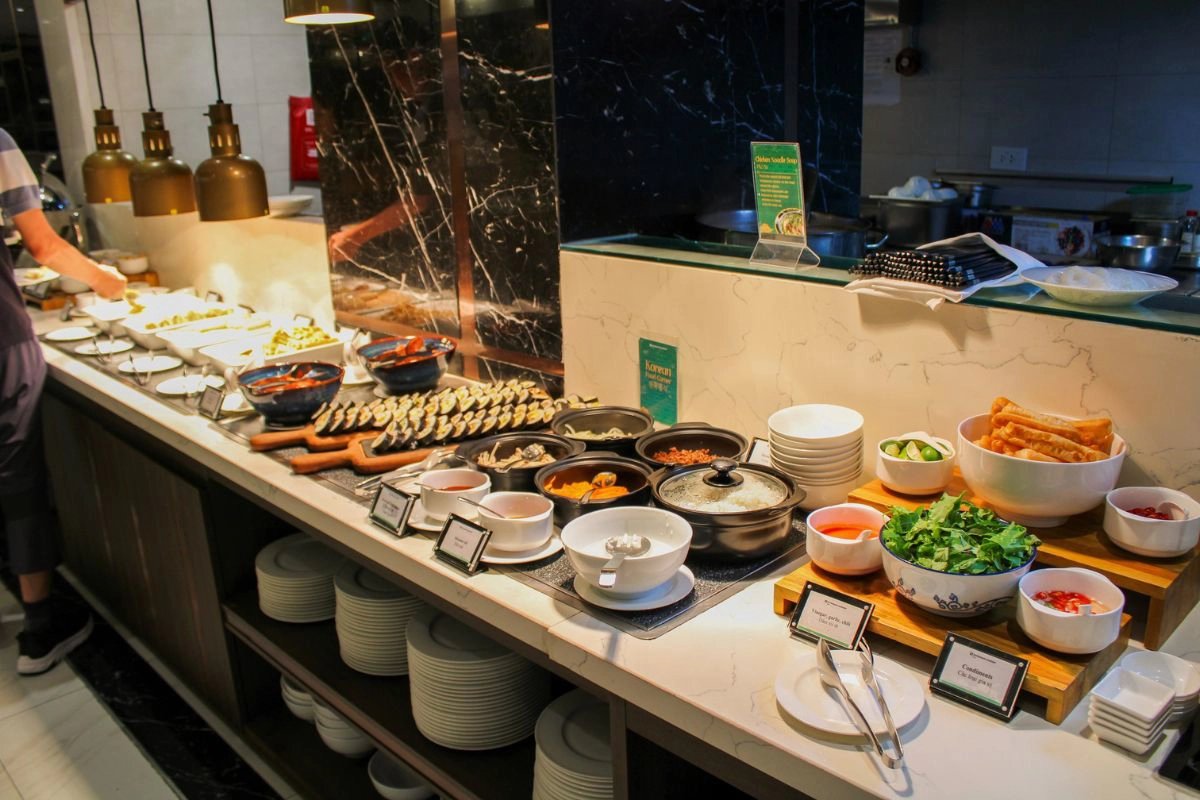
Hotel restaurants become useful dining options during Tet - Source: Wyndhamgardenhanoi
The biggest challenge for international visitors is finding reliable places to eat when small local businesses close their doors. Most popular street food stalls and family run noodle shops will completely shut down for three to five days. You will need to rely heavily on international hotel restaurants and larger restaurant chains that cater specifically to tourists and expatriates.
To ensure you do not go hungry, it is wise to research and save a list of restaurants that have confirmed their holiday hours. Many high end dining spots in the Tay Ho district or major hotels around the city center remain fully operational. Booking a table in advance is highly recommended because the few places that stay open often fill up quickly.

3.3. Cafes, Hotel Restaurants and Convenience Stores
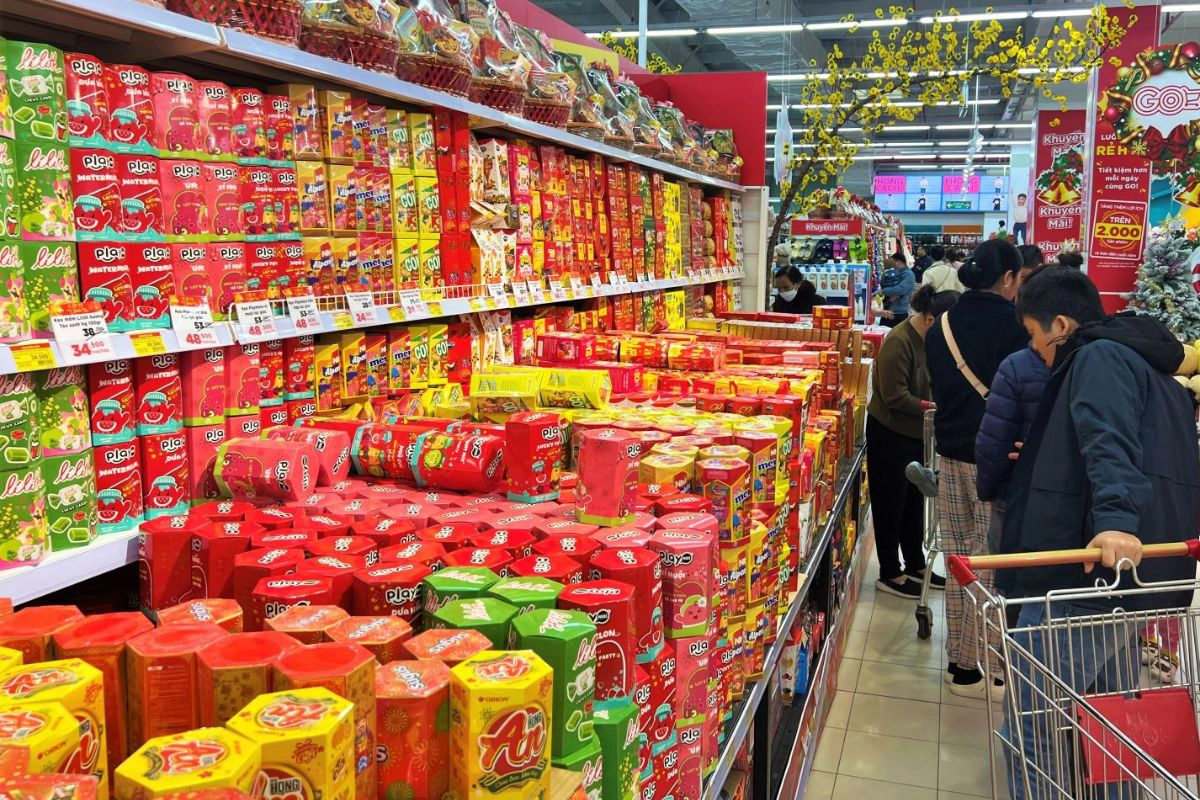
Open cafes and convenience stores help travelers during Tet - Source: BHT
Coffee culture remains strong even during the holiday, with several large cafe chains choosing to stay open to serve both locals and tourists. Hotel dining rooms become incredibly valuable resources, offering extensive buffets and à la carte menus throughout the quietest days. Convenience stores like Circle K also remain open 24 hours, providing a reliable backup for basic snacks, instant noodles, and drinks.
Using these options ensures you can maintain a comfortable dining schedule while exploring the quiet city. Be prepared for some cafes and restaurants to charge a small holiday service fee, which is a standard practice to compensate staff working during the break. Keep a small supply of bottled water and snacks in your hotel room just in case you prefer to relax indoors.
>>> Read more: Hanoi Street Food Tour: What to Eat and Where to Go
4. Essential Travel Tips for Visiting Hanoi During Tet
A successful trip during the lunar new year depends heavily on early preparation and setting the right expectations.
4.1. Book Transport and Accommodation Early
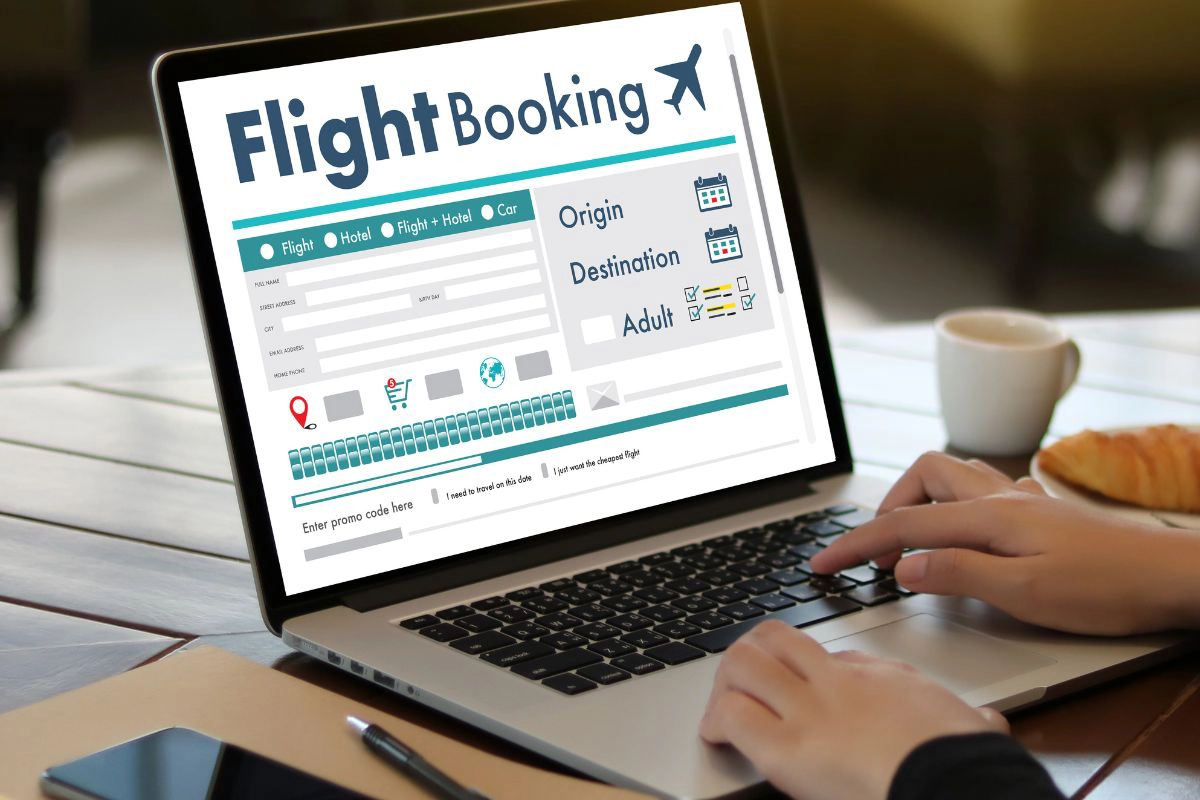
Early booking helps avoid Tet travel shortages and surcharges
The days leading up to and immediately following the new year are the busiest travel periods for domestic movement in Vietnam. Train tickets, domestic flights, and long distance buses often sell out completely weeks or even months in advance as locals return to their hometowns. Hotels in popular tourist districts also see high demand, particularly from regional travelers on holiday.
Securing your bookings well ahead of your arrival date is the most critical step in planning your trip. If you need help organizing airport transfers or securing reliable transportation to other cities like Ninh Binh or Halong Bay, Joytime can arrange reliable transport services to ensure you do not face last minute cancellations. Confirm all your reservations at least a week before your travel date.
>>> Read more: Hanoi to Halong Bay Tour: Complete Travel Guide
4.2. Prepare Cash and Expect Holiday Surcharges
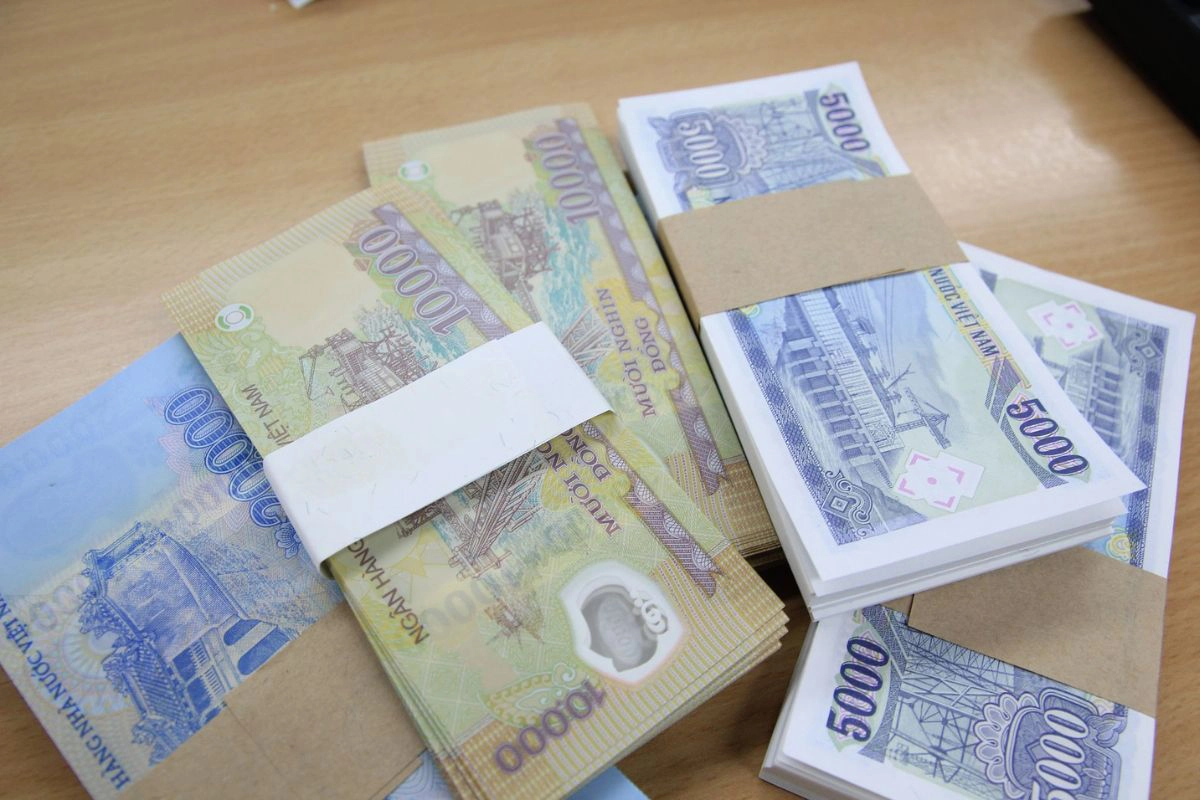
Small cash bills are useful during the Tet holiday - Source: LuatVietnam
While digital payments have become common, having physical currency is still absolutely necessary during the holiday period. Many small vendors who stay open will only accept cash, and ATMs can occasionally run out of bills due to high withdrawal volumes. Additionally, many service providers apply a small percentage increase to their normal rates during the public holiday.
Bring enough local currency to cover your daily expenses for at least three days to avoid running around looking for a working machine. The holiday surcharge is completely normal and legal, so you should factor this slight increase into your travel budget. Keep smaller bills handy for buying coffee, paying for taxi rides, or making small donations at pagodas.
4.3. Check Opening Hours Before Visiting Attractions
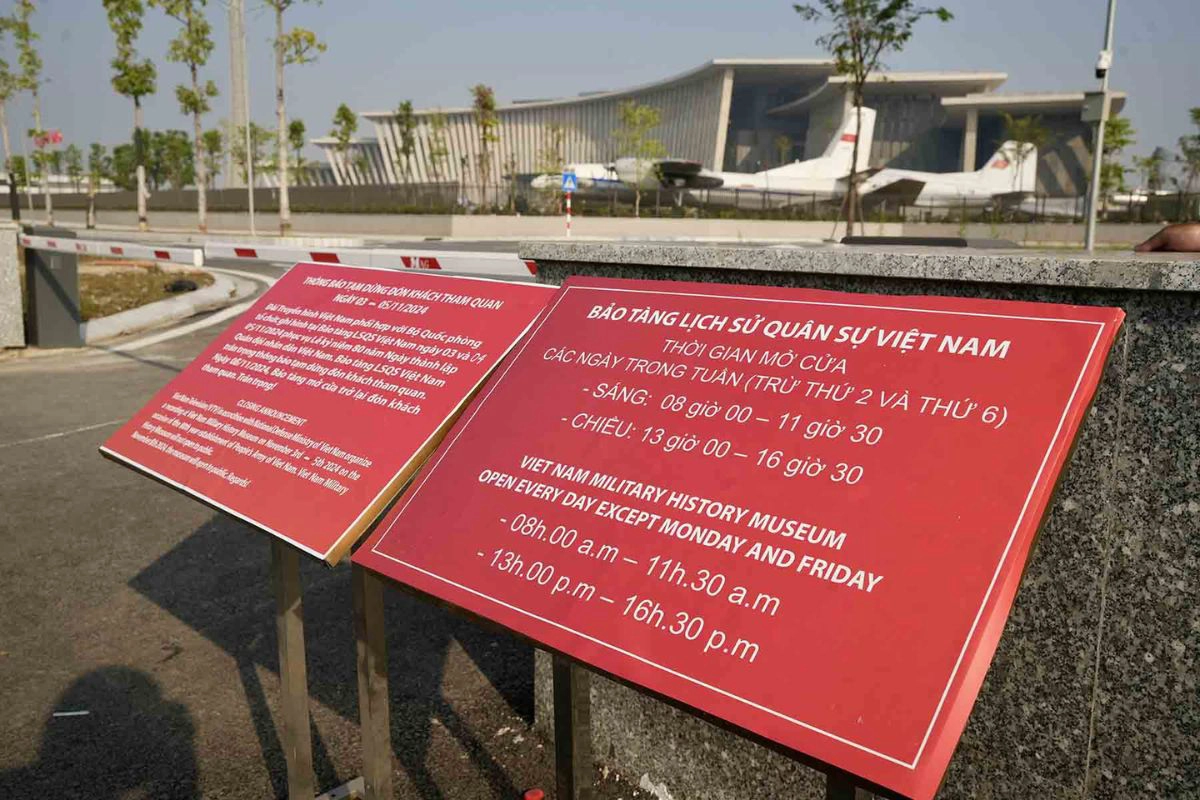
Attraction hours often change during Lunar New Year celebrations - Source: Bao Lao Dong
Cultural sites, museums, and historical landmarks operate on significantly altered schedules during the new year celebrations. Places like the Ho Chi Minh Mausoleum and various state run museums typically close entirely for several days. Even private businesses and art galleries will usually take a break to allow their staff to spend time with their families.
Verifying the exact opening dates on official websites or social media pages will save you from arriving at locked gates. Plan to focus your itinerary on outdoor spaces like lakes, parks, and walking streets during the core holiday dates. You can save indoor museums and historical tours for the later part of your trip when regular operations resume.
4.4. Keep Your Itinerary Flexible
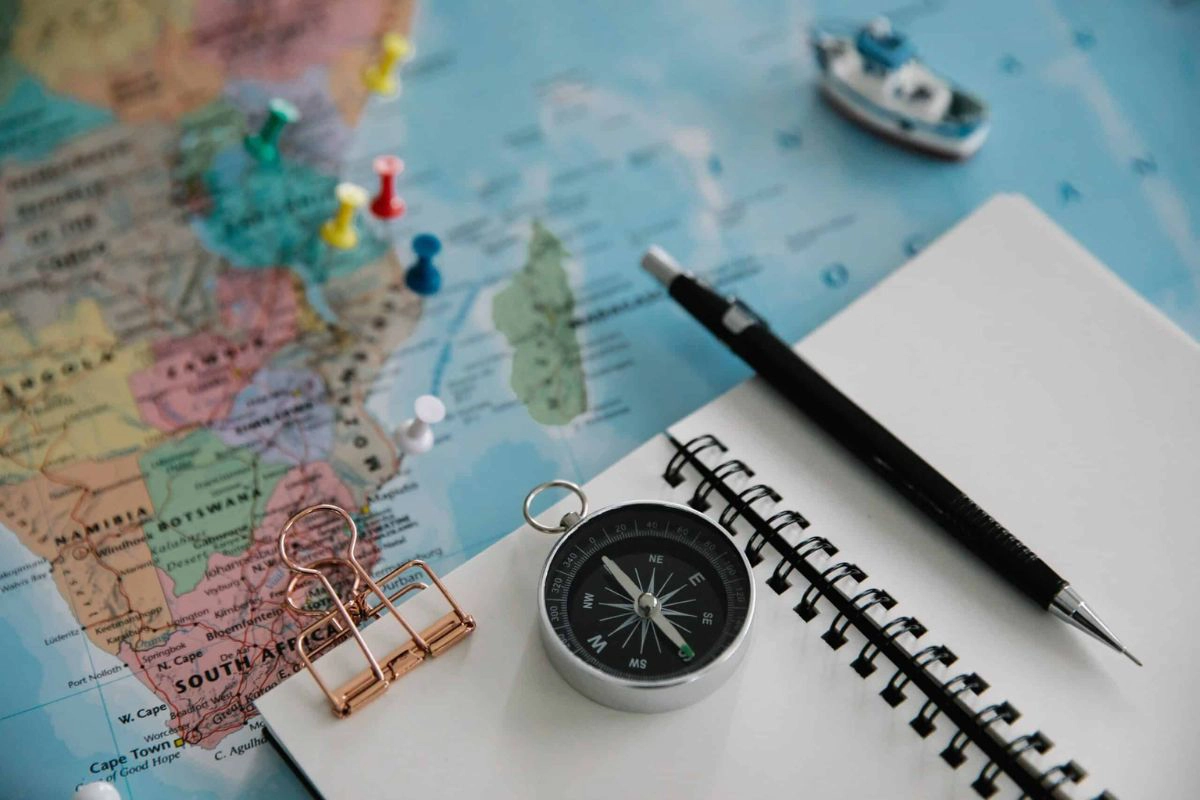
Flexible plans make Tet travel smoother and less stressful - Source: Explorer Lane
Traveling during the most important national holiday means unexpected changes are almost guaranteed to happen. A restaurant you planned to visit might suddenly decide to close, or a specific street might be blocked for a local neighborhood event. Traffic patterns also change drastically, moving from heavily congested to completely empty within a single day.
Approaching your daily schedule with patience and an open mind will make your experience much more enjoyable. If a planned activity falls through, use the free time to simply walk around the quiet neighborhoods and observe the local customs. Building extra time into your daily plan ensures that minor delays do not ruin your overall travel mood.
5. FAQs About Hanoi Tet
5.1. Is Tet a good time to visit Hanoi?
Yes, it is a wonderful time to visit if you want to experience Vietnamese culture and enjoy the rare quietness of the city streets. However, it requires more careful planning since many tourist services and local restaurants will be closed for a few days.
5.2. Are tours to Halong Bay operating during Tet?
Most reputable cruise companies in Halong Bay continue to operate throughout the holiday period, though they may have modified schedules or special holiday menus. It is crucial to book these tours far in advance, as domestic tourists often fill up the available cabins quickly.
5.3. Is the Old Quarter completely closed during Tet?
The Old Quarter does not completely shut down, but the vast majority of local shops and small food stalls will close for the first three days. Convenience stores, larger hotels, and a few cafes catering to tourists will remain open to provide essential services.
5.4. What is the weather like during Tet?
The weather in the capital during January or February is typically cool, humid, and frequently drizzly. Temperatures usually range between 15°C and 20°C (59°F to 68°F), so you should pack light layers and a waterproof jacket.
Experiencing Hanoi Tet gives travelers a rare chance to see the capital through both quiet family traditions and lively public celebrations. With the right preparation, from planning meals and checking opening hours to booking transport early, you can enjoy the festive atmosphere without being caught off guard by holiday closures. For help with itinerary planning, reliable transportation, local tours and travel support during the busy lunar new year period, contact Joytime: Vietnam Travel to arrange a smooth and memorable Hanoi journey.
|
Joytime Travel Agency - Travel JOY, TIMEless Vietnam Safe, Seamless, Satisfying, Sustainable Follow us for travel tips, local insights, and exclusive offers:
|
Danish Nguyen
Danish Nguyen is a renowned travel blogger in Vietnam with over 5 years of experience sharing unique travel experiences. With a passion for exploring new places, Danish captures incredible moments and provides readers with valuable tips to discover the beauty of his homeland.