









Best Time to Visit Ninh Binh: Weather, Rice Season and Travel Tips
The best time to visit Ninh Binh depends on whether you prefer comfortable weather, golden rice fields, blooming lotuses or quieter attractions. Spring and autumn are ideal for boat rides, cycling and outdoor sightseeing, while late May to early June offers the most striking rice scenery. This guide explains Ninh Binh’s seasonal weather, landscape highlights and practical tips for planning your trip.
1. When Is the Best Time to Visit Ninh Binh?

Golden rice fields make late May one of Ninh Binh’s highlights - Source: Pinterest
For scenery, late May to early June is one of the most distinctive periods. Rice fields beside the Ngo Dong River in Tam Coc turn from green to gold before harvest, while lotus flowers begin appearing around the same time. Vexere identifies the last week of May and first week of June as the main window for golden rice, although the exact appearance of the fields can vary slightly with local farming conditions.
For more comfortable weather, October and November are stronger choices. Temperatures are generally milder, humidity drops and rainfall becomes less frequent, making long days outdoors easier. Vietnam Airlines also recommends the September to November period for pleasant weather, while Vexere highlights October and November for hiking, cycling and clear views.
2. Ninh Binh Weather and Scenery by Season
Each season changes both the appearance of Ninh Binh and the way you should plan outdoor activities.
2.1. January to April: Mild Weather and Spring Festivals
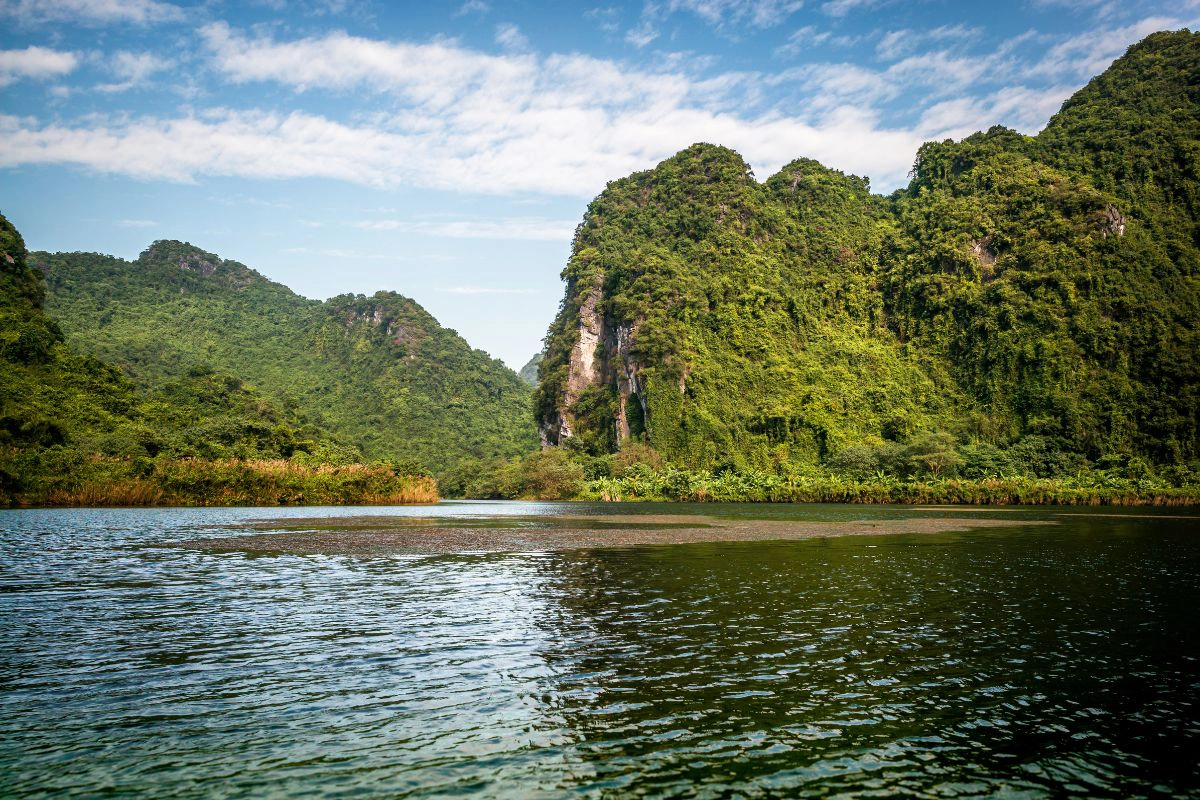
Spring brings mild weather, misty landscapes and lively festivals - Source: Pinterest
From January to April, Ninh Binh moves from cool winter conditions into warmer spring weather. Temperatures during much of spring are generally mild, and March is often one of the more comfortable months for walking, cycling and boat trips. Mist and light drizzle are common, particularly from late February into March, creating softer views across the limestone landscape.
This is also an important period for cultural and spiritual travel. Bai Dinh Pagoda, Hoa Lu and other religious sites attract many domestic visitors around Lunar New Year and the spring festival season. If you prefer quieter sightseeing, avoid the busiest period immediately after Tet and visit on weekdays where possible.
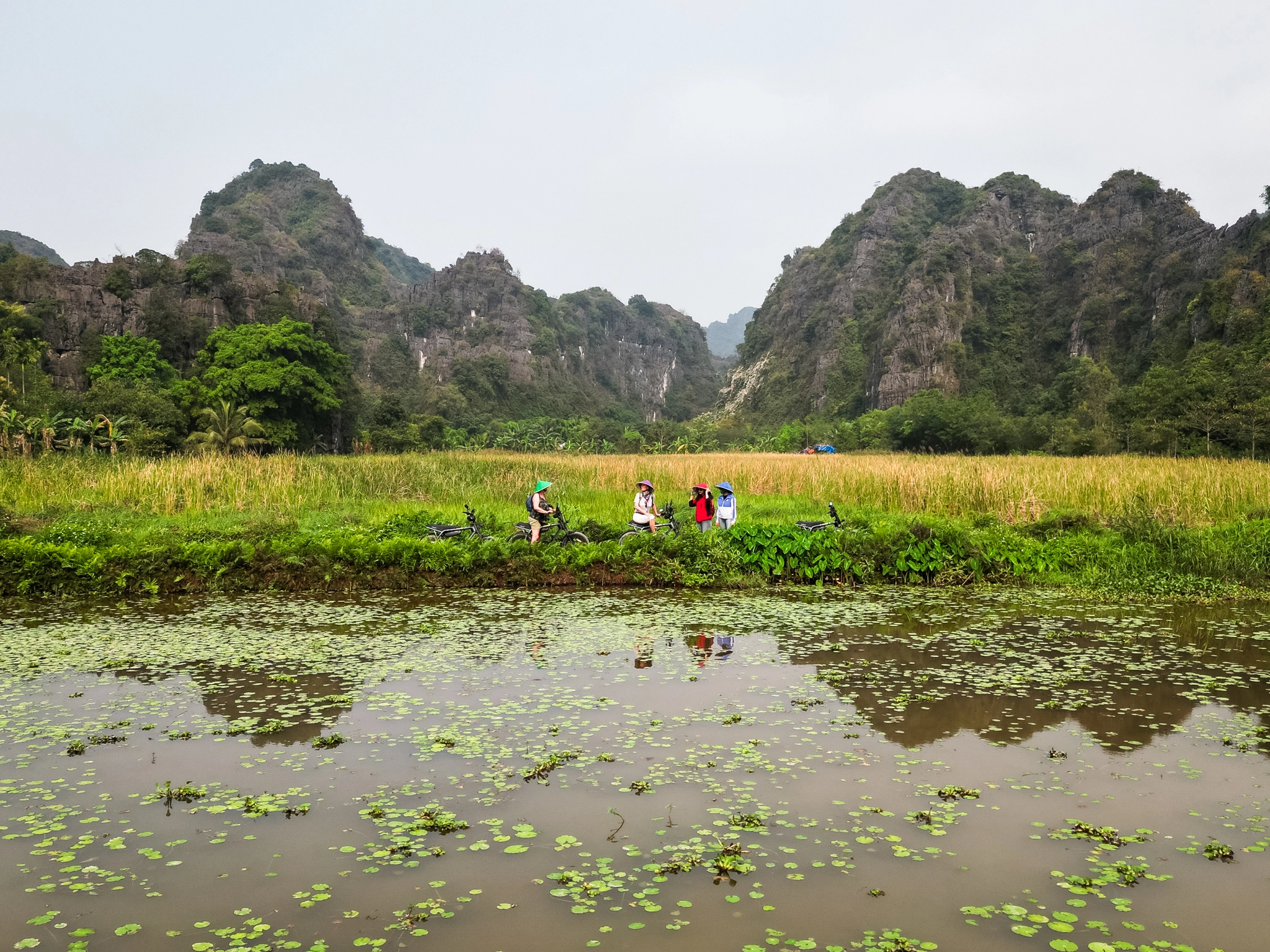


2.2. May to July: Golden Rice, Lotus Flowers and Summer Heat

Summer brings golden rice, lotus blooms and stronger heat - Source: Pinterest
Late May and early June bring some of Ninh Binh’s most photographed landscapes. The rice fields beside Tam Coc become golden before harvest, while lotus season usually begins in late May and reaches its strongest display in June. The lotus ponds around Hang Mua are particularly popular during this period.
The tradeoff is the heat. Summer temperatures can rise well above 30°C, with June among the hottest periods of the year. Plan boat trips and viewpoints early in the morning, carry drinking water and avoid scheduling the Hang Mua climb during the strongest midday sun. Short afternoon showers are also possible.
>>> Read more: Best time to visit Vietnam June: Where to go & what to expect
2.3. July to September: Hotter, Wetter and Less Predictable

Flexible planning helps travelers enjoy Ninh Binh more comfortably - Source: Pinterest
Rain becomes a more important consideration from July through September. Vietnam Airlines highlights late July and August as a particularly wet period, while Vexere recommends extra caution from July to September because heavy downpours and tropical weather systems can affect travel plans.
Ninh Binh remains green and attractive during these months, but travelers need a flexible schedule. Boat services, cycling routes and exposed viewpoints may become less convenient during heavy rain, while stone steps at places such as Hang Mua can become slippery. Check the local forecast before setting out and leave room to move outdoor activities to another time of day.
2.4. October to December: Cooler Days and Clearer Skies

Autumn offers cooler days and clearer views across Ninh Binh - Source: Pinterest
October and November are among the easiest months for active sightseeing. Vexere notes lower humidity and temperatures of roughly 20°C to 28°C during this period, while Vietnam Airlines describes September to November as generally pleasant, with temperatures around 25°C to 30°C. Conditions are well suited to cycling, walking and climbing viewpoints.
December becomes cooler, particularly in the morning and evening. Fog, cloud and occasional drizzle can reduce visibility, so it is less reliable for travelers whose main goal is bright landscape photography. However, cooler temperatures can still make temple visits and relaxed sightseeing comfortable.
3. Best Time to Visit Ninh Binh for Different Experiences
There is no single perfect month for every traveler, so choose your dates around the experience you value most.
3.1. Best Time for Golden Rice Fields in Tam Coc

Tam Coc turns golden around the late May harvest - Source: Pinterest
The most reliable period for golden rice in Tam Coc is usually late May to early June. Vexere identifies the last week of May and first week of June as the peak window, when ripe rice lines both sides of the Ngo Dong River shortly before harvest.
A Tam Coc boat trip is one of the easiest ways to see the fields because the route passes directly between the paddies and limestone cliffs. Go early in the morning for softer light and cooler temperatures, especially if you plan to combine the boat trip with Hang Mua later in the day.
3.2. Best Time for Lotus Season
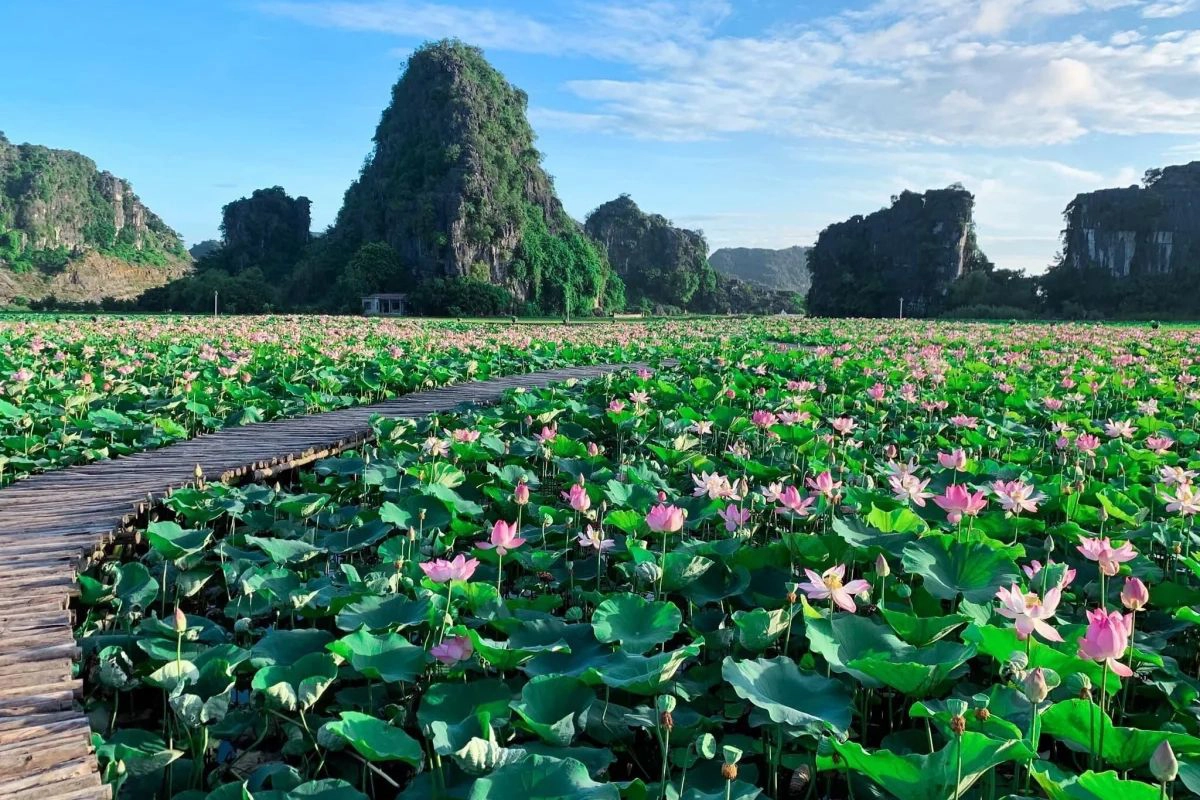
Lotus ponds around Hang Mua peak beautifully in June - Source: Pinterest
Lotus season generally begins in late May, reaches its peak in June and continues into the first half of July. Hang Mua is one of the best known locations, where a wooden walkway crosses a large lotus pond beneath the limestone mountain.
Early morning is the most practical time to visit. Vexere recommends arriving around 5:30 AM to 6:00 AM for open flowers and cooler conditions. This also lets you photograph the lotus pond before the strongest summer heat and larger daytime crowds arrive.
3.3. Best Time for Hiking and Cycling

Cool autumn weather suits cycling, hiking and boat trips - Source: Pinterest
For hiking and cycling, October and November offer some of the most comfortable conditions. Lower humidity, less intense heat and generally clearer skies make it easier to climb Hang Mua, cycle through the Tam Coc countryside or spend several hours exploring outdoor attractions.
March and April are also good alternatives if autumn does not fit your itinerary. Spring temperatures are milder than summer, although mist, drizzle and higher humidity can occur. Bring a light waterproof layer if you plan a full day outdoors.
3.4. Best Time for Festivals and Cultural Travel

Spring festivals bring a lively cultural atmosphere to Ninh Binh - Source: Pinterest
Travel from February through early spring if temples, festivals and local traditions are your priority. Bai Dinh Pagoda attracts large numbers of pilgrims after Lunar New Year, while Hoa Lu becomes an important cultural stop during the spring festival period.
The atmosphere can be lively, but popular spiritual sites are also much busier at this time. Visit early in the morning or outside the first weeks following Tet if you want more space for sightseeing and photography.
>>> Read more: What to See in Ninh Binh: Hidden Gems Beyond Tourist Traps
4. When to Consider Visiting Ninh Binh More Carefully
Some months are still worth visiting, but weather conditions mean you should build more flexibility into your itinerary.
4.1. Heavy Rain from Mid Summer to Early Autumn

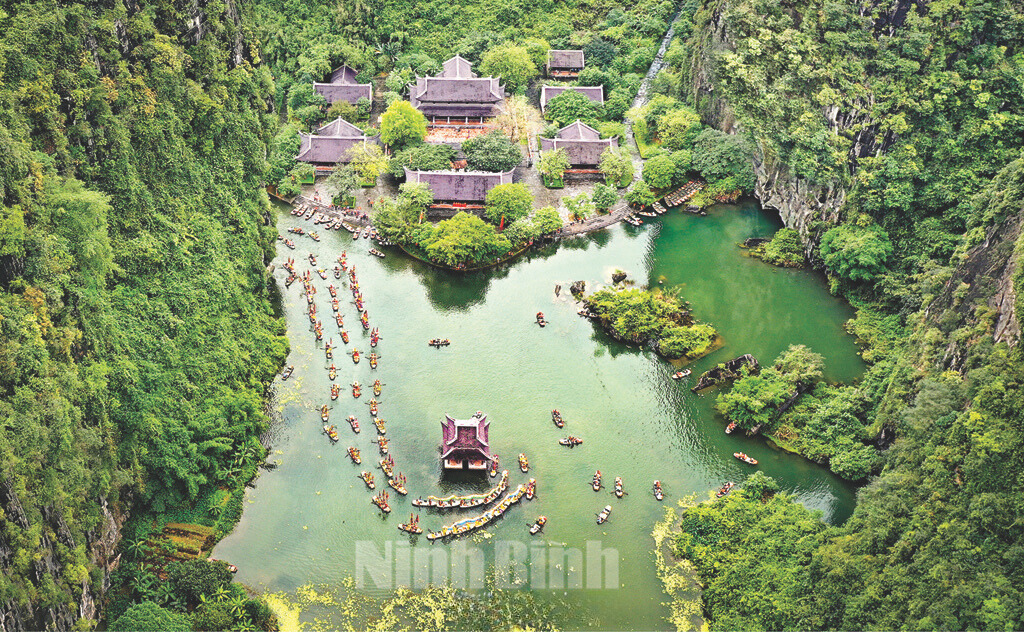
Rainy months require flexible plans for outdoor attractions - Source: Pinterest
July through September brings a greater chance of intense rain, with August often identified as one of the wettest periods. Rain does not necessarily last all day, but sudden downpours can make cycling, hiking and exposed viewpoints uncomfortable or unsafe.
If you travel during this period, avoid building a schedule that depends on several outdoor attractions on the same day. Keep temple visits or other sheltered activities as alternatives and check weather conditions before taking a boat trip or climbing Hang Mua.
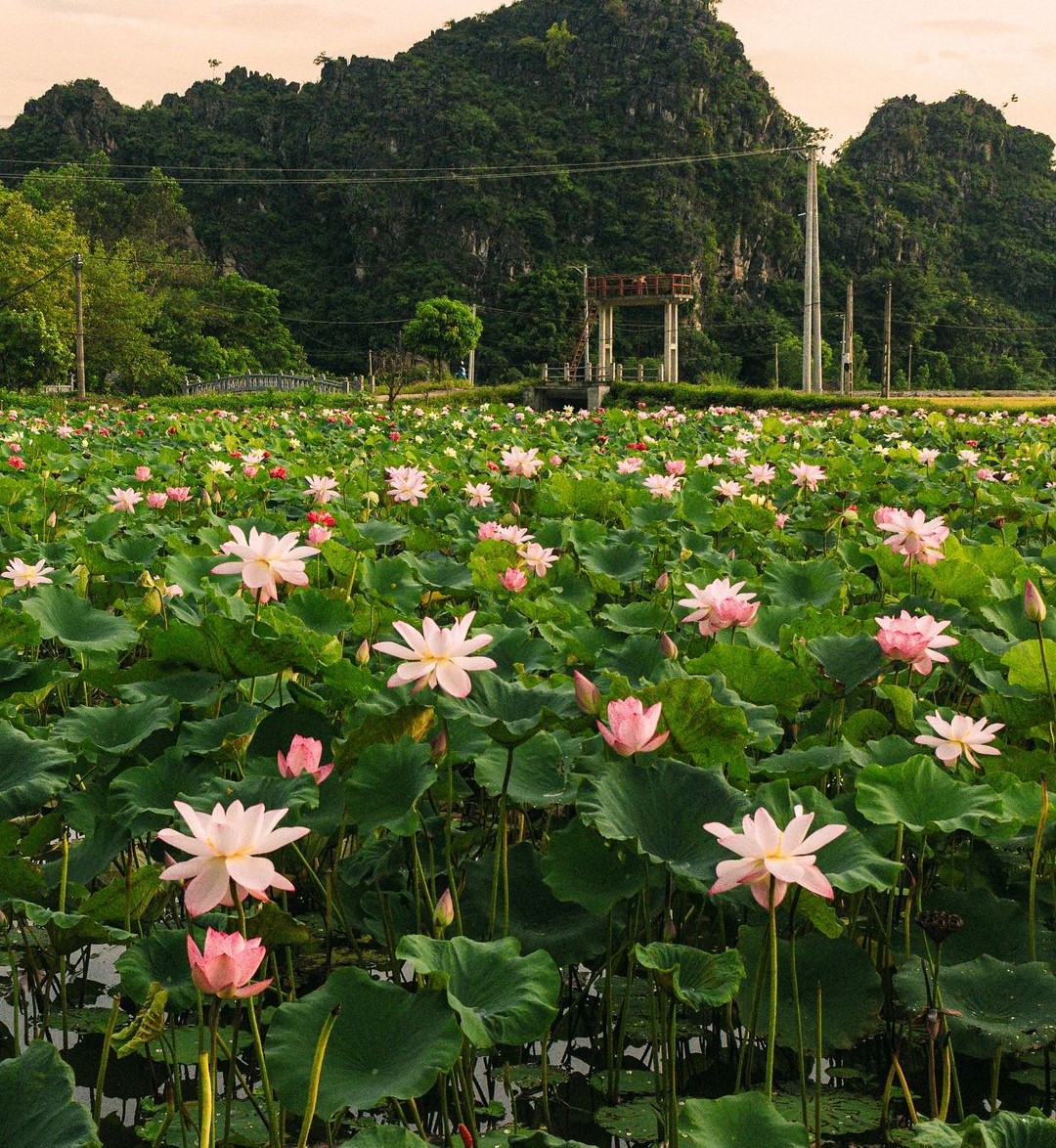

4.2. Cold and Misty Conditions in Winter
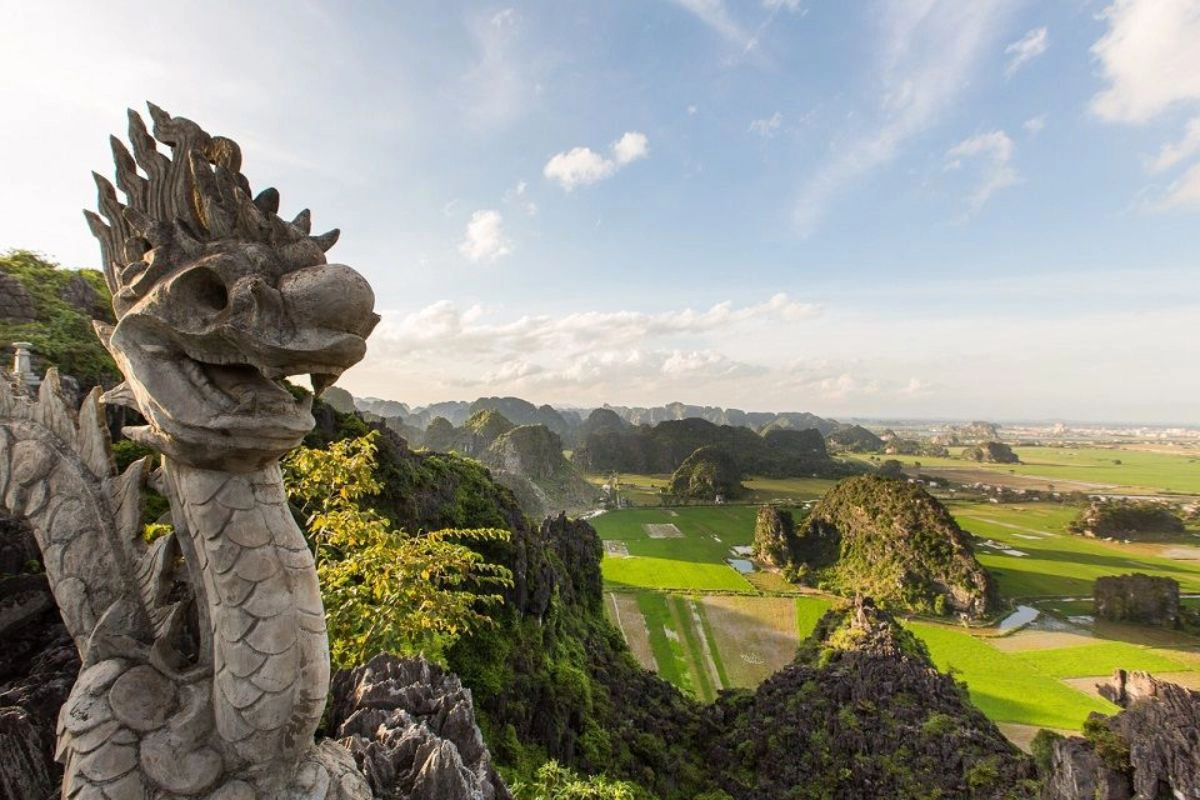
Winter mornings can be cool, misty and less colorful - Source: Pinterest
December and January are relatively dry but can feel cold, cloudy and misty. Vexere notes that temperatures may occasionally drop below 10°C, while Vietnam Airlines describes this period as less suitable for travelers looking for bright skies and colorful countryside scenery.
Winter still works for travelers who prefer fewer outdoor crowds and do not mind cooler weather. Pack layers for early mornings and evenings, and allow some flexibility for viewpoints because mist can temporarily hide the limestone landscape.
5. Frequently Asked Questions About the Best Time to Visit Ninh Binh Vietnam
5.1. What Is the Best Month to Visit Ninh Binh?
October is one of the best all round months because the summer heat has eased, humidity is lower and outdoor activities are more comfortable. If scenery is more important than mild temperatures, late May to early June is better for Tam Coc’s golden rice fields.
5.2. When Are the Rice Fields Golden in Ninh Binh?
The most famous golden rice season in Tam Coc usually occurs from late May to early June, with Vexere identifying the last week of May and first week of June as the strongest photography window. Harvest timing can vary slightly, so check recent local conditions if the rice fields are the main reason for your trip.
5.3. Is June a Good Time to Visit Ninh Binh?
Yes. June is excellent for rice and lotus scenery, but it is also one of the hottest times of year. Start outdoor activities early, rest during the midday heat and carry enough water, sunscreen and sun protection.
5.4. Is Ninh Binh Worth Visiting During the Rainy Season?
Yes, especially if you prefer lush green scenery and fewer visitors. However, heavy rain can temporarily affect boat trips, cycling and hiking, so a flexible itinerary is more important between July and September.
5.5. How Many Days Should You Spend in Ninh Binh?
Two days is a practical amount of time for most first time visitors because it allows you to divide major experiences between different days instead of rushing through Trang An or Tam Coc, Hoa Lu and Hang Mua in a single schedule. A longer stay also gives you more flexibility if rain affects one part of your itinerary.
The best time to visit Ninh Binh depends on the experience you want, from golden rice fields in late May and early June to cooler weather for cycling and hiking in October and November or lively spring festivals around historic temples. Whatever season you choose, checking the forecast and keeping your itinerary flexible will help you enjoy Ninh Binh more comfortably. If you prefer help with transportation, local tours and a personalized travel plan, contact Joytime: Vietnam Travel for a smoother and more convenient Ninh Binh journey.
|
Joytime Travel Agency - Travel JOY, TIMEless Vietnam Safe, Seamless, Satisfying, Sustainable Follow us for travel tips, local insights, and exclusive offers:
|

Danish Nguyen
Danish Nguyen is a renowned travel blogger in Vietnam with over 5 years of experience sharing unique travel experiences. With a passion for exploring new places, Danish captures incredible moments and provides readers with valuable tips to discover the beauty of his homeland.