









The Best Time to Visit Hoi An: Complete Weather and Season Guide
Choosing the best time to visit Hoi An helps you make the most of its lantern-lit streets, historic yellow buildings, and nearby beaches. While the town welcomes visitors year-round, seasonal weather can shape your sightseeing plans and outdoor experiences. This guide explores the best months to visit, what to expect during the dry and rainy seasons, and how to choose the right time for your travel style, with practical tips for a comfortable trip.
1. The Short Answer: When Is the Best Time to Visit Hoi An?

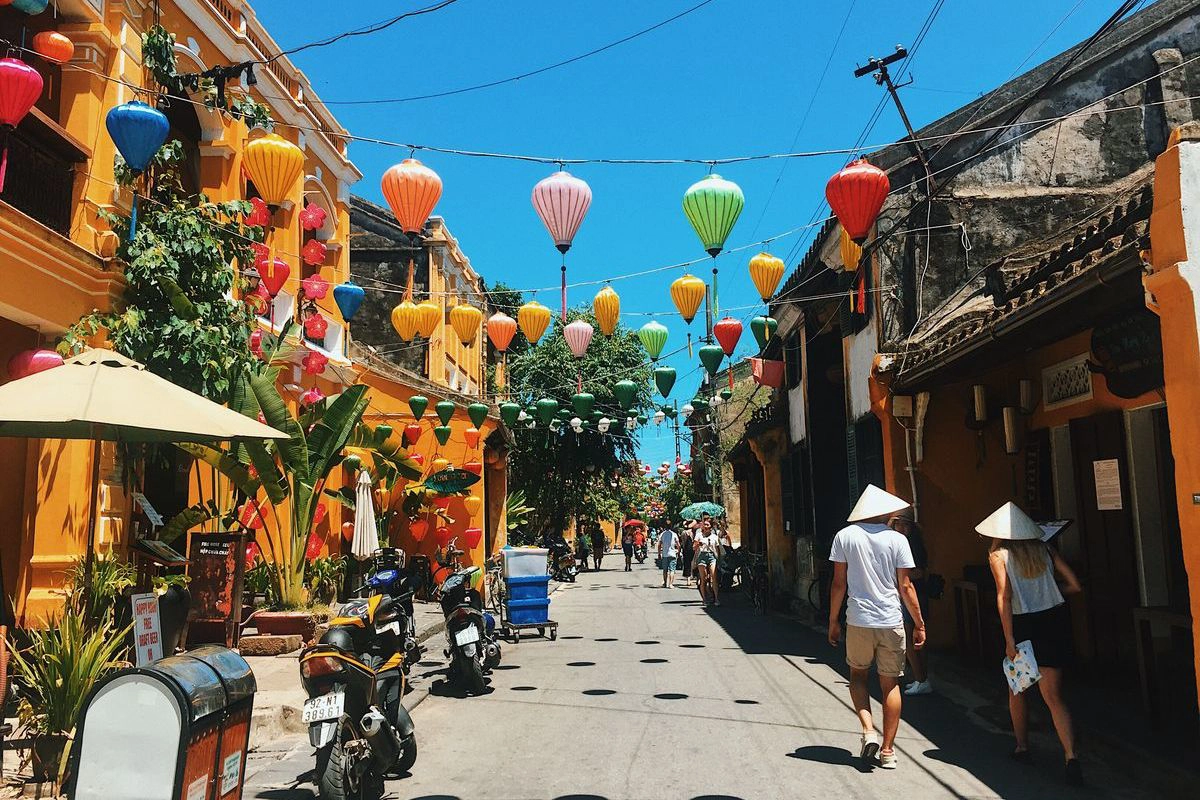
February to April offers pleasant weather for exploring Hoi An - Source: Pinterest
February to April is generally the best time to visit Hoi An, especially for your first trip. The weather is usually milder than in summer, with less rain than during the wetter months toward the end of the year. It is a lovely time to explore Hoi An’s top attractions, wander through the Ancient Town, cycle to Tra Que Vegetable Village, and linger over lunch in a courtyard café. March offers a particularly appealing balance, while February can still feel a little damp and April brings warmer afternoons.
If your idea of a holiday revolves around swimming and sandy shores, consider May to August. For festivals, plan around the lunar calendar rather than choosing a month alone. September and early December are worth checking for hotel offers if your dates are flexible, although rain may shape your plans. Travelers hoping to avoid flood-related disruption should be especially cautious about October and November.
|
Your travel style |
Best months to consider |
What to expect |
|
Sightseeing and countryside cycling |
February–April |
Milder days and generally less rain |
|
Beach days, snorkeling, and diving |
May–August |
Hot weather and favorable seasonal conditions for island trips |
|
Tet celebrations |
January or February |
Festive decorations, holiday crowds, and changing opening hours |
|
Mid-Autumn festivities |
September or October |
Lanterns and lion dances, with dates varying each year |
|
A flexible trip on a budget |
September or early December, outside holidays |
Potential room deals, with wetter weather to consider |
2. Understanding Hoi An’s Two Distinct Seasons
Hoi An has a tropical monsoon climate with two main seasons: a drier period from February to August and a wetter period from September to January. The change is gradual, so occasional showers appear in the dry season, while sunny breaks brighten the rainy months.
2.1. The Dry Season (February to August)
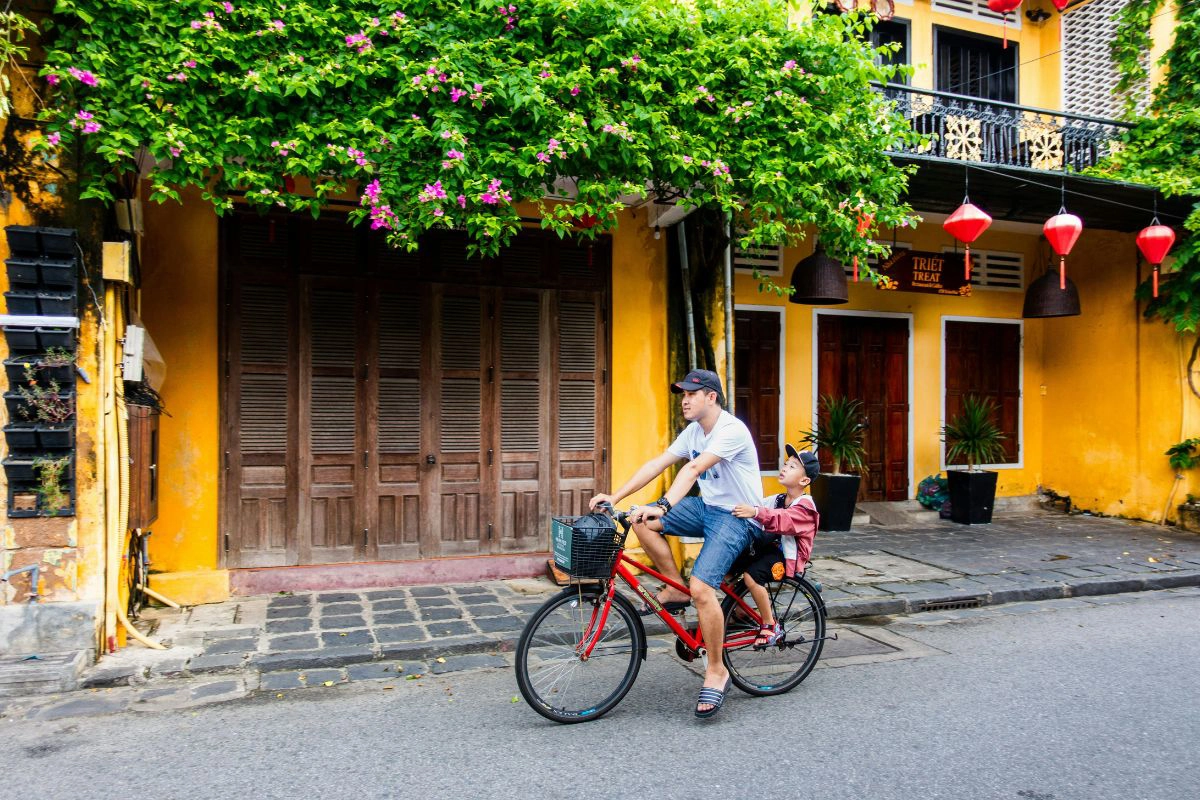
Sunny days invite countryside cycling and walks through Hoi An - Source: Pinterest
The early dry season is ideal for discovering Hoi An at a relaxed pace. From February to April, mornings suit walks past the Japanese Covered Bridge, visits to historic houses, and bicycle rides through the countryside. You can spend more time outdoors before the strongest summer heat arrives. As the days grow warmer, a morning of sightseeing followed by an afternoon at a café or hotel pool makes an easy daily rhythm.
From May to August, Hoi An becomes noticeably hotter, with summer temperatures reaching the mid-30s Celsius. Sunshine makes the coast especially inviting, but long walks around town can feel tiring by midday. Head to My Son Sanctuary or the surrounding villages early, take a break during the hottest hours, and return to the Ancient Town in the evening as its lanterns begin to glow. Pack light clothing and sun protection, along with a compact raincoat for passing showers.
>>> Read more: Hoi An Day Tour: Best One-Day Itineraries

2.2. The Rainy and Flood Season (September to January)

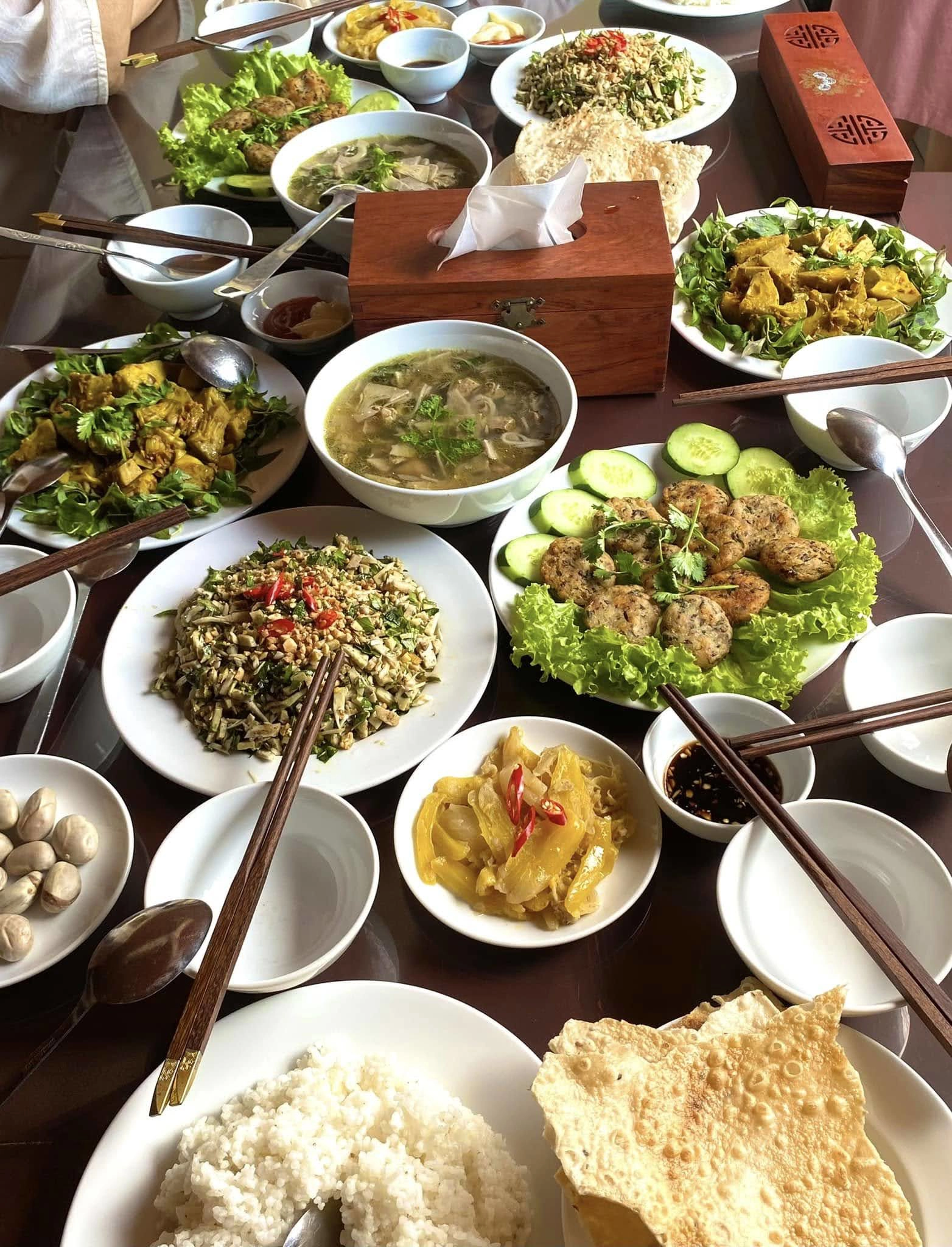
Heavy seasonal rains can flood Hoi An’s riverside streets - Source: Pinterest
Rain becomes more frequent from September, and October and November bring a greater concern for heavy downpours, storms, and flooding. Wet weather can continue into December and January, when cooler air also makes evenings feel different from the summer months. Rainfall varies from year to year: some days bring short showers and dry breaks, while others remain wet for much longer.
On an ordinary rainy day, Hoi An lends itself to slow afternoons over Vietnamese coffee, a tailoring appointment, or a sheltered cooking class. Flooding requires a different approach, as low-lying streets, riverside businesses, and transport routes may become inaccessible. Keep your itinerary flexible and check conditions with your accommodation before heading out. If flooding is forecast, adjusting your plans is more sensible than trying to fit in every stop.
3. Choosing the Best Time for Your Travel Style
The most enjoyable month for exploring heritage streets is not always the best month for diving. Start with the experiences you are most excited about, then choose a season that gives you the best chance to enjoy them.
3.1. Best Time for Beaches and Diving (May to August)

Summer brings inviting conditions for beach days and Cham Islands diving - Source: Pinterest
May to August is an excellent window for a beach-focused holiday in Hoi An. Spend the morning by the water at An Bang, settle into a shaded spot for lunch, and save your Ancient Town walk for later in the day. The summer heat suits travelers who enjoy warm coastal weather, especially those staying at Hoi An beach resorts with pools or easy beach access. Check beach flags before swimming, as waves and currents change even during the dry season.
These months also work well for snorkeling and diving around the Cham Islands, when underwater visibility is generally more favorable. An island excursion adds a different pace to your stay, with time on the water and a closer look at the marine environment. Book it early in your itinerary to leave room for rescheduling if sea conditions change. Before confirming, check what the trip includes and how the operator handles weather cancellations.
3.2. Best Time for Festivals and Culture (January to March & September)
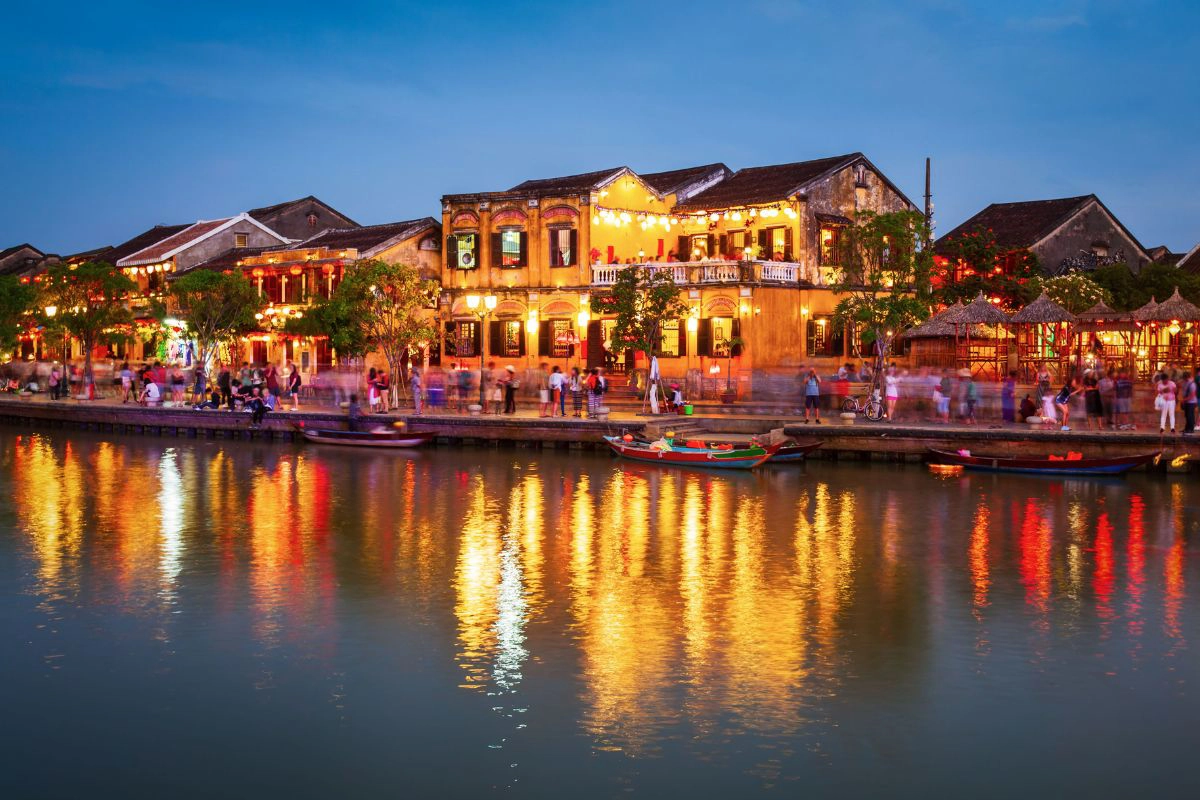
Traditional lanterns illuminate Hoi An during its vibrant cultural celebrations - Source: Pinterest
The beginning of the year brings a festive atmosphere as Hoi An prepares for Tet, Vietnam’s Lunar New Year. Falling in January or February, Tet fills the town with seasonal flowers, decorations, and family traditions. The first full moon of the lunar year adds another occasion for cultural celebrations in the weeks that follow. January to March is therefore a rewarding period for travelers interested in local customs, although some shops and restaurants change their hours during the holiday.
September is another appealing time for culture lovers thanks to the Mid-Autumn Festival, with its lanterns, mooncakes, and lion dances. The festival follows the lunar calendar and sometimes falls in October, so check the date for your travel year. Beyond these annual celebrations, the Hoi An Lantern Festival takes place on the 14th night of each lunar month. This gives you opportunities throughout the year to experience a special evening in the Ancient Town, with the drier months offering more comfortable conditions for strolling outside.
3.3. Best Time for Budget Travelers (September and December)
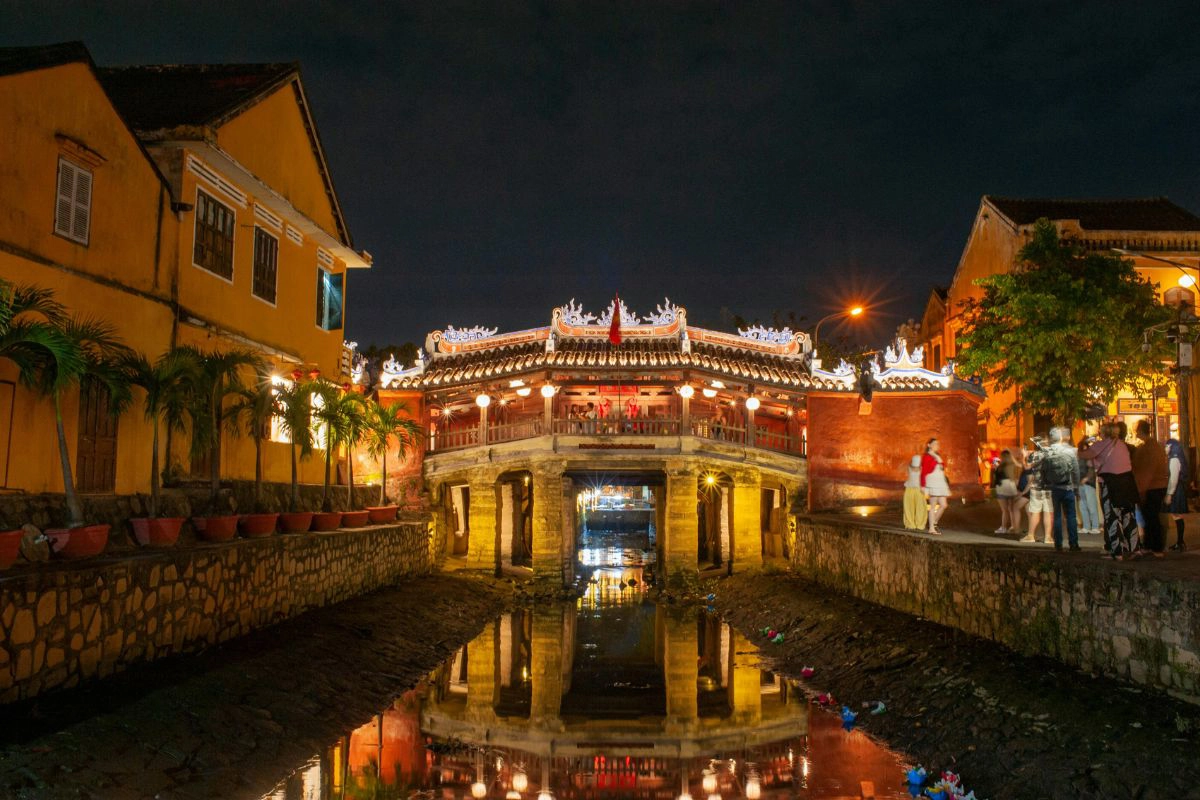
Flexible travel dates help visitors find affordable stays in Hoi An - Source: Pinterest
For travelers with flexible dates, September and early December are worth considering when searching for accommodation deals. Compare September stays outside the National Day holiday period and December stays before the Christmas and New Year rush. Prices vary between properties, so a small guesthouse, boutique hotel, and beach resort may offer very different value during the same week. Neither month guarantees the lowest rate, but both deserve a place in your search.
A rainy-season trip works best when you enjoy food, cafés, and hands-on activities as much as outdoor sightseeing. You can leave sunny intervals free for exploring and arrange sheltered experiences when rain moves in. Look for flexible hotel rates and avoid filling every day with prepaid excursions. A slightly higher room price with convenient access and a useful cancellation policy may save more than the cheapest nonrefundable offer.
>>> Read more: Best Places to Stay in Hoi An Vietnam



4. Essential Preparation Tips for Any Season
Pack sun protection and rain gear for Hoi An’s changing weather - Source: Pinterest
A few thoughtful additions to your suitcase will make exploring Hoi An more comfortable. For the dry season, pack breathable clothes, a sunhat, sunscreen, comfortable walking shoes, and a refillable water bottle. Bring swimwear for beach days and something that covers your shoulders and knees when visiting religious sites. During the wetter months, add a lightweight raincoat, quick-drying footwear with a good grip, and a waterproof pouch for your phone and travel documents. A light sweater is useful for cooler evenings around December and January.
Leave some breathing room in your schedule, especially when booking Hoi An tours and activities that include island trips or other outdoor experiences. Check the forecast before arrival and ask your hotel about local conditions when heavy rain is expected. If you are visiting in the wet season, ask about the property’s flood history and whether access roads are affected; an upstairs room alone does not guarantee easy access. Avoid walking or riding through floodwater, and follow local instructions when storms disrupt plans. Keeping one or two sheltered activities in mind makes it easier to adapt without losing the enjoyment of your trip.
5. Frequently Asked Questions About the Best Time to Visit Hoi An
5.1. Do tailor shops and restaurants close during the Hoi An floods?
Tailor shops and restaurants in flooded streets may close temporarily, while those in unaffected areas remain open. Reopening depends on water levels and cleanup. Contact businesses before visiting, and allow extra time for clothing fittings and collection if heavy rain affects your plans.
5.2. Can I travel to the Cham Islands in the rainy season?
Some trips operate during calm weather, but rough seas can cancel departures even when Hoi An itself sees little rain. Confirm conditions with your operator shortly before traveling and keep an alternative activity in mind. May to August generally offers better conditions for snorkeling and diving.
5.3. Does the Hoi An Lantern Festival still happen if it rains?
Celebrations may continue in light rain, although some outdoor activities can change. Heavy rain, strong winds, or flooding may disrupt performances and riverboat rides. Check local announcements or ask your hotel for updates before heading to the Ancient Town.
5.4. How far in advance should I book hotels for the peak season (February–April)?
Booking two to three months ahead is a useful target for securing your preferred hotel or room. For Tet and major holidays, consider three to six months ahead for more choice. Availability varies, so check your travel dates and choose flexible booking terms where possible.
Choosing the best time to visit Hoi An helps you make the most of its lantern-lit streets, cultural celebrations, and nearby beaches. Plan around your favorite activities and leave room for changing weather to enjoy a more relaxed stay. For help with tours, transfers, and a personalized itinerary, contact Joytime: Vietnam Travel. Our team can help you plan a memorable journey through Hoi An.
|
Joytime Travel Agency - Travel JOY, TIMEless Vietnam Safe, Seamless, Satisfying, Sustainable Follow us for travel tips, local insights, and exclusive offers:
|

Danish Nguyen
Danish Nguyen is a renowned travel blogger in Vietnam with over 5 years of experience sharing unique travel experiences. With a passion for exploring new places, Danish captures incredible moments and provides readers with valuable tips to discover the beauty of his homeland.