









Vung Tau Weather: Climate, Monthly Guide & Best Time to Visit
Vung Tau weather stays warm throughout the year, with the biggest changes coming from rainfall rather than temperature. The city has a distinct dry season and rainy season, which can affect beach days, sightseeing, and outdoor activities. This guide covers Vung Tau weather by season and month, helping travelers choose a suitable time to visit and plan around local conditions.
1. What Is Vung Tau Weather Like?
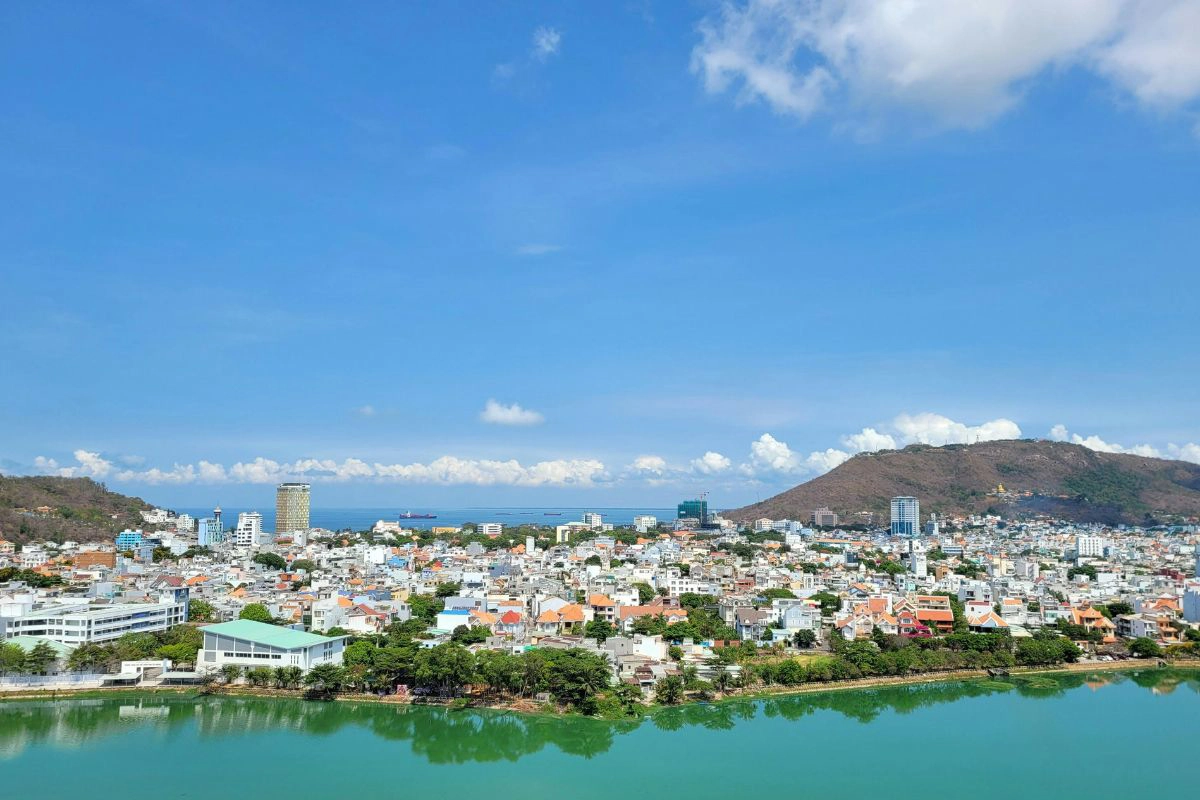
Warm tropical weather shapes Vung Tau throughout the year - Source: Pinterest
Vung Tau has a tropical monsoon climate influenced by its coastal position. Average temperatures generally stay around 25 - 29°C throughout the year, so the difference between warmer and cooler months is relatively small. Long-term climate records show only about a 2.7°C difference between the coolest and warmest monthly averages, making temperature less variable than rainfall.
For travelers searching for weather Vung Tau Vietnam or weather Vung Tau, rainfall is usually more important than major temperature changes, especially when comparing the city with other regional conditions covered in this travel Vietnam guide. The destination generally has two distinct periods: a drier season from November to April and a wetter season from May to October. This seasonal pattern influences beach conditions, sightseeing plans and other outdoor activities, while temperatures remain warm enough for travel throughout most of the year.
2. Vung Tau Weather by Season
The season you choose can noticeably change the rhythm of a Vung Tau trip. Dry-season travel offers more dependable conditions for beaches and sightseeing, while the rainy season requires a more flexible schedule but still provides plenty of opportunities to explore between showers.
2.1. Dry Season: November to April

Dry-season sunshine suits beach days and outdoor sightseeing - Source: Pinterest
The dry season usually extends from November through April, bringing lower rainfall, more sunshine and generally favorable conditions for outdoor activities. January through March are particularly dry according to long-term climate data, while April becomes warmer and begins to show the first signs of the transition toward wetter weather. Temperatures remain warm rather than cool, generally staying in the mid-to-upper 20s Celsius.
This period works well for swimming, coastal walks, sightseeing and Vung Tau tours that involve more time outdoors. Vietnam Tourism specifically highlights the dry season from November to April and notes that December and January tend to bring breezier, pleasant beach conditions. Visitors traveling during the hotter part of the season, especially March and April, may prefer outdoor activities in the morning or late afternoon to avoid stronger midday heat.
>>> Read more: Ho May Park Vung Tau: Tickets, Rides and Planning Guide
2.2. Rainy Season: May to October
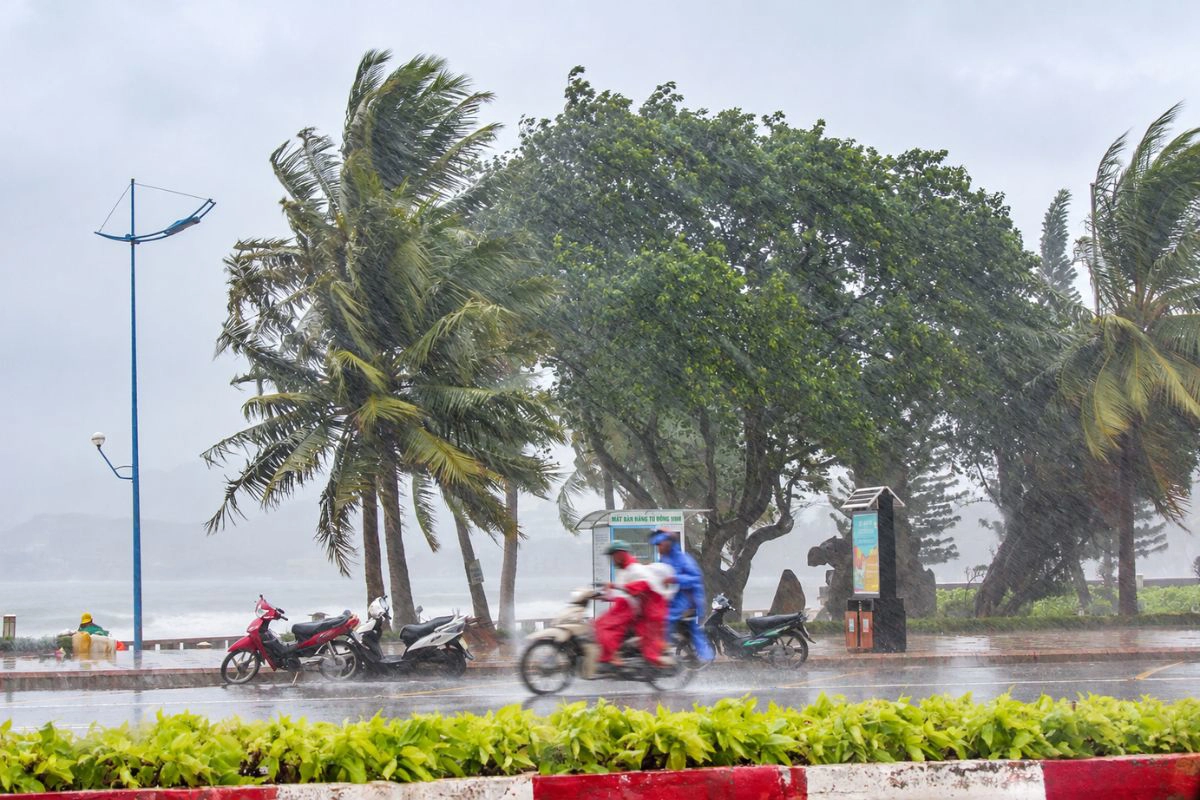
Rainy months bring higher humidity and frequent tropical showers - Source: Nguoi Lao Dong
From May to October, rainfall becomes more frequent and humidity rises. Showers can occur regularly, particularly during the afternoon or evening, although rain does not necessarily continue throughout the entire day. September and October are among the wettest months in the long-term climate record, while June through August also receive considerably more rainfall than the dry-season months.
Travel is still possible during this period, but flexibility becomes more important. Beach visits and outdoor sightseeing are easier when planned around short-term forecasts, with indoor attractions such as Upside Down House Vung Tau available as alternatives when thunderstorms develop. Travelers should also pay closer attention to strong winds, heavy rain and sea conditions before swimming or joining coastal activities.
3. Vung Tau Weather by Month
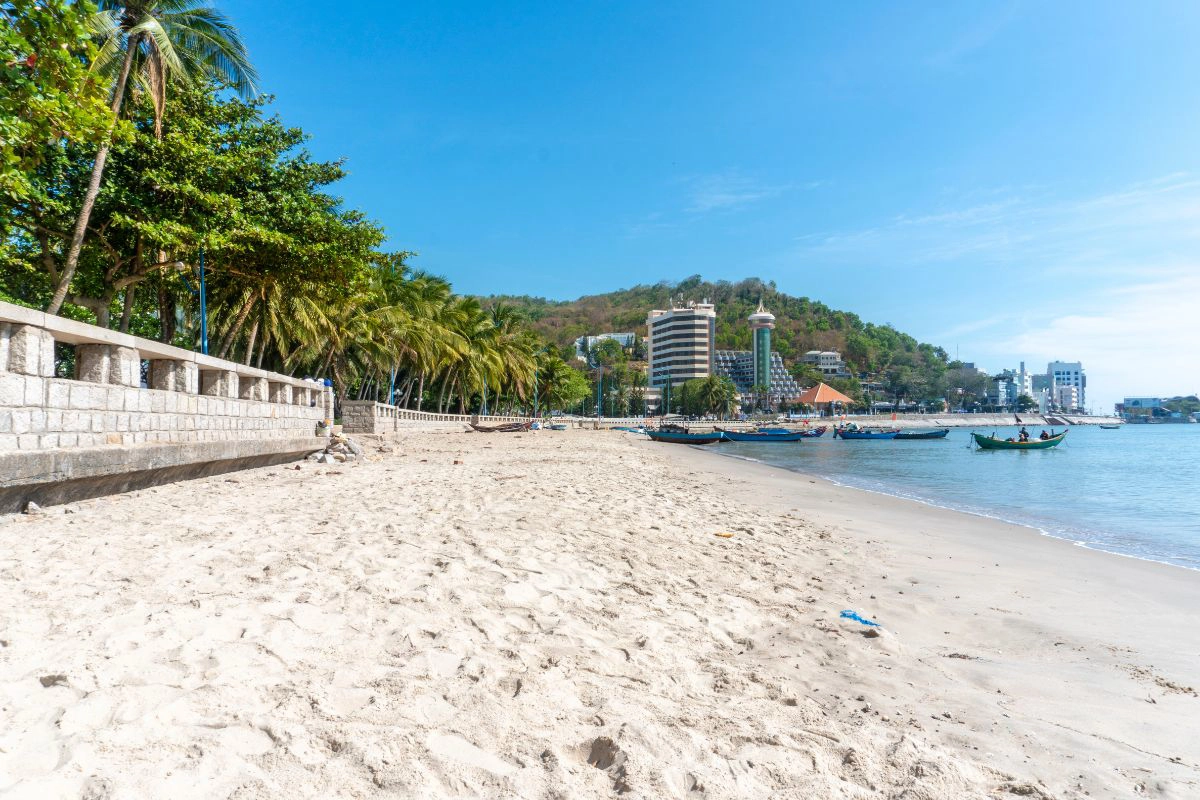
Monthly weather varies more in rainfall than in temperature - Source: Pinterest
Looking at Vung Tau weather by month makes the seasonal pattern especially clear. Temperatures remain warm all year, while monthly rainfall rises significantly from May and peaks around September and October. The figures below are approximate long-term climate averages, so actual conditions during a particular trip may differ.
|
Month |
Average temperature |
Average rainfall |
Rainy days |
Typical weather |
Travel conditions |
|
January |
25.6°C |
20 mm |
2 days |
Dry, sunny and relatively mild |
Very favorable for beaches and sightseeing |
|
February |
26.1°C |
5 mm |
1 day |
Very dry with plenty of sunshine |
Excellent for beach trips and outdoor activities |
|
March |
27.2°C |
15 mm |
2 days |
Sunny, dry and warmer |
Good for swimming and coastal sightseeing |
|
April |
28.3°C |
53 mm |
8 days |
Hot with occasional showers |
Good overall, though midday heat is stronger |
|
May |
28.0°C |
175 mm |
17 days |
Hot, humid and increasingly rainy |
Flexible plans are recommended |
|
June |
27.4°C |
196 mm |
19 days |
Humid with frequent showers |
Check the daily forecast before outdoor plans |
|
July |
27.0°C |
165 mm |
19 days |
Warm, often cloudy with regular rain |
Outdoor activities possible between showers |
|
August |
26.9°C |
170 mm |
19 days |
Humid with regular rainfall |
Keep sightseeing plans flexible |
|
September |
26.7°C |
216 mm |
19 days |
Very humid with frequent heavy showers |
Greater chance of weather disruption |
|
October |
26.6°C |
235 mm |
19 days |
Wet, humid and cloudy at times |
Rain planning becomes especially important |
|
November |
26.6°C |
131 mm |
10 days |
Rain gradually decreases |
Outdoor conditions begin improving |
|
December |
26.0°C |
59 mm |
5 days |
Drier, sunny and comfortable |
Very favorable for beaches and sightseeing |
These numbers represent climatological patterns rather than a Vung Tau weather forecast for a specific travel date. The underlying climate dataset uses long-term temperature, rainfall, humidity and rainy-day records, so travelers should use the table for seasonal planning and check a live forecast closer to departure.
>>> Read more: Vung Tau Lighthouse: What to See and Know Before You Go
4. Planning Your Trip Around Vung Tau Weather
Knowing the seasonal pattern helps with the broad timing of your trip, but short-term forecasts are equally important in a coastal destination. Rain, thunderstorms and wind can change outdoor conditions even during months that are usually favorable.
4.1. Best Time to Visit Vung Tau
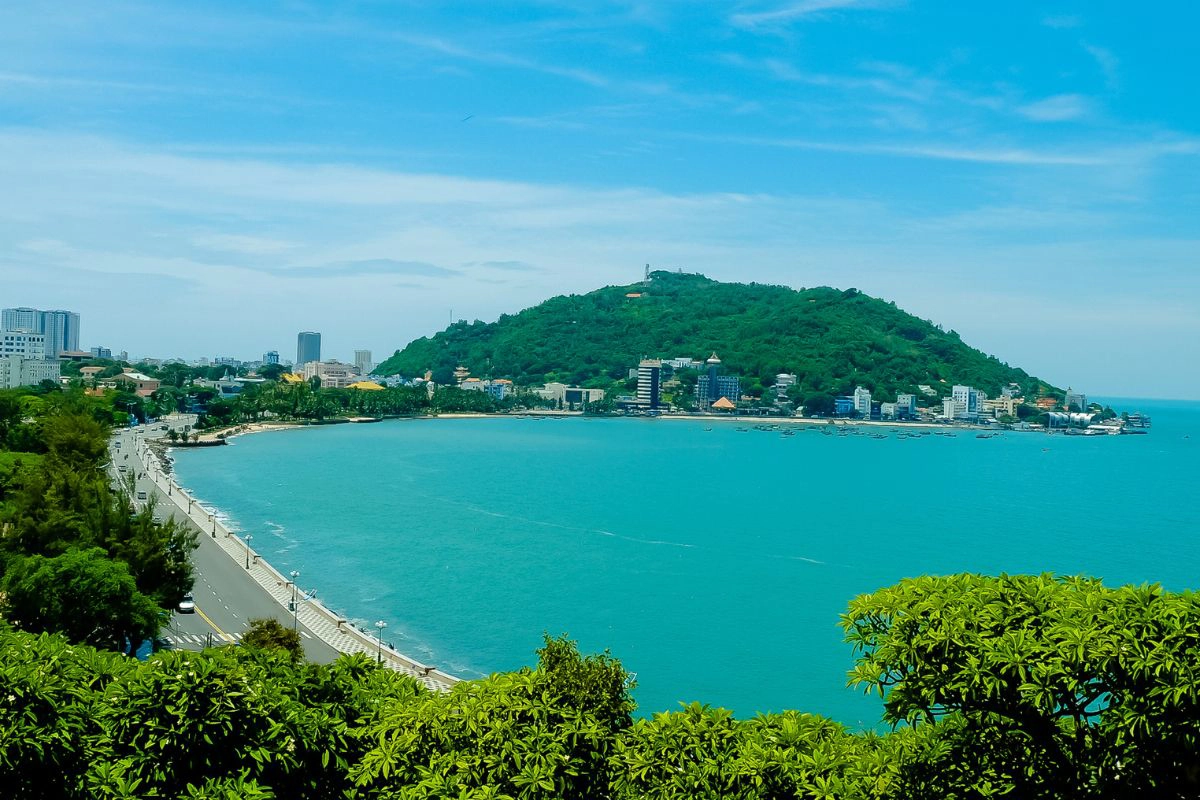
December to March usually offers reliable conditions for outdoor travel - Source: Pinterest
For travelers prioritizing beaches, sightseeing and outdoor activities, November to April is generally the most convenient period. Within that window, December through March offers a particularly useful combination of relatively low rainfall and warm temperatures. February is typically one of the driest months, while December and January tend to offer comfortable coastal conditions.
The rainy season should not automatically be ruled out. Temperatures remain warm, and showers may be separated by dry periods, so travelers with flexible schedules can still enjoy beaches and attractions. However, if swimming, outdoor photography or long sightseeing days are the main priorities, the dry season provides a higher likelihood of favorable conditions.
>>> Read more: Vung Tau Day Tour from Ho Chi Minh City: Itinerary and Sightseeing Stops
4.2. How to Check the Vung Tau Weather Forecast Before Your Trip
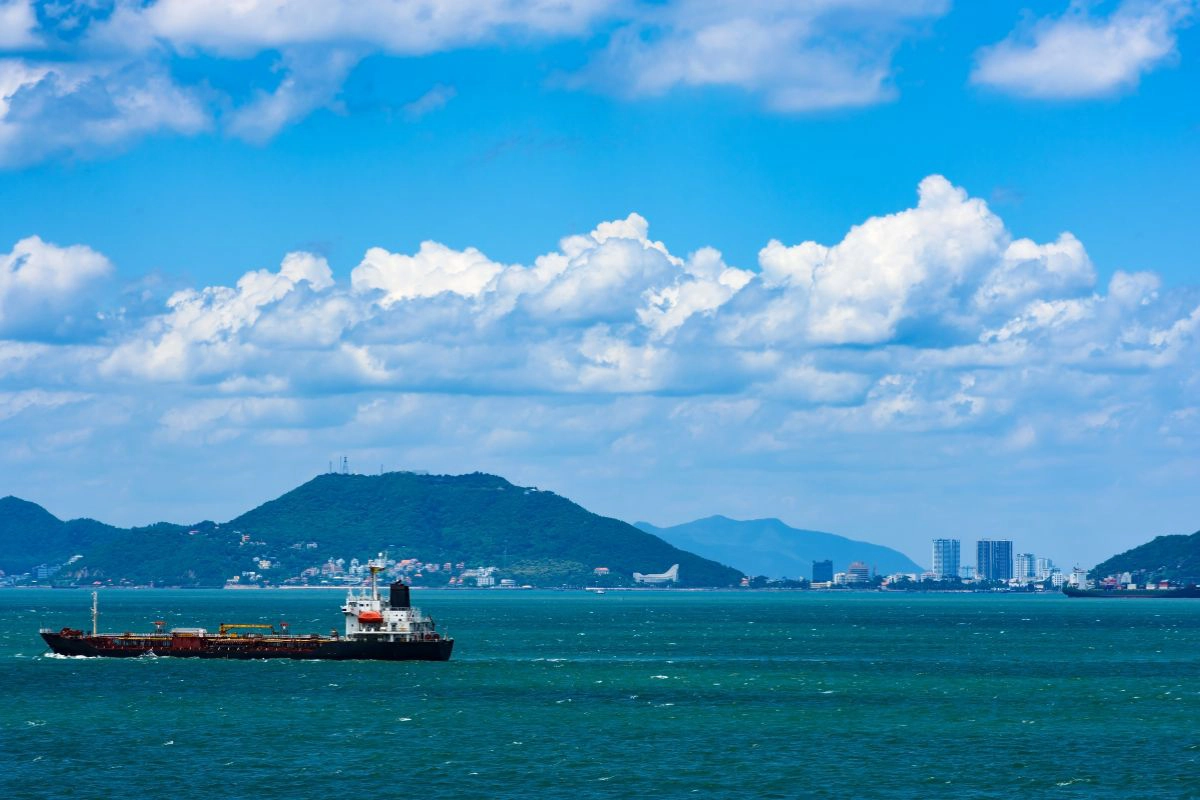
Check short-term forecasts again shortly before outdoor activities - Source: Pinterest
A monthly climate guide is useful for choosing travel dates, but the weather forecast Vung Tau visitors see before departure is more useful for planning individual days. Check an updated forecast around a week before your trip, then review it again one or two days beforehand. Pay attention not only to temperature but also to rain, thunderstorms, wind and expected sea conditions.
For a reliable Vung Tau weather forecast, travelers can consult Vietnam's National Center for Hydro-Meteorological Forecasting, which provides current observations and a multi-day forecast specifically for Vung Tau. Its current service includes temperature, rainfall, humidity, wind and approximately ten days of forecast information, making it particularly useful for adjusting beach and sightseeing plans close to departure.


5. FAQs About Vung Tau Weather
5.1. What is the hottest month in Vung Tau?
April is generally the hottest month in Vung Tau based on long-term averages, with a mean temperature of about 28.3°C and average daytime highs around 31.1°C. May is almost as warm, averaging about 28°C, but it is also considerably wetter as the rainy season becomes established.
5.2. Does it rain all day during the rainy season in Vung Tau?
Not usually. Rain becomes more frequent between May and October, but showers often occur in periods rather than continuously from morning to night. There can still be dry and sunny intervals suitable for sightseeing, although heavier or more persistent rain is possible, particularly around September and October. Travelers should therefore keep their schedule flexible and check the daily forecast rather than assuming a rainy day will be completely unusable.
5.3. Is Vung Tau warm enough for swimming all year?
Vung Tau remains warm throughout the year, with monthly average air temperatures generally between about 25.6°C and 28.3°C, so temperature alone rarely prevents swimming. However, whether it is suitable to enter the sea depends more on daily rainfall, wind, waves and local safety conditions. During periods of thunderstorms, strong winds or rough water, visitors should postpone swimming even if the air feels warm.
Understanding Vung Tau weather makes it easier to plan beach days, sightseeing and outdoor activities around the city’s dry and rainy seasons. Choose the drier months if sunshine is your priority, stay flexible during the wetter period, and always check the latest forecast before heading to the coast. For help with transportation and a personalized itinerary, contact Joytime: Vietnam Travel. Our team can help you plan a comfortable Vung Tau trip around the season and local weather conditions.
|
Joytime Travel Agency - Travel JOY, TIMEless Vietnam Safe, Seamless, Satisfying, Sustainable Follow us for travel tips, local insights, and exclusive offers:
|

Danish Nguyen
Danish Nguyen is a renowned travel blogger in Vietnam with over 5 years of experience sharing unique travel experiences. With a passion for exploring new places, Danish captures incredible moments and provides readers with valuable tips to discover the beauty of his homeland.