









What to See in Sapa Vietnam: Top Places and Local Experiences
Sapa is one of the most remarkable mountain destinations in northern Vietnam, attracting travelers with its terraced rice fields, ethnic villages, cool climate, and rich highland culture. If you are exploring what to see in Sapa Vietnam, join Joytime Travel to discover the best places to visit and experiences to try for a more complete journey through Sapa.
1. What to see in Sapa Vietnam for first-time visitors
For a first trip to Sapa, you should prioritize places that are close to the town center or have clear symbolic value. These attractions help you quickly understand the landscape, local rhythm, and distinctive mountain charm of this highland town.
1.1. Fansipan Mountain, the roof of Indochina
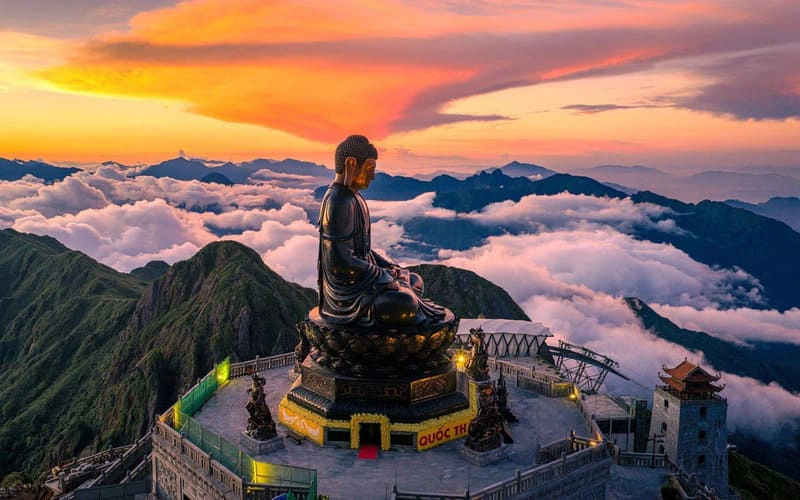
Fansipan Mountain, the roof of Indochina - Source: Báo Phụ Nữ Việt Nam
Fansipan lies in the Hoang Lien Son range, southwest of central Sapa, Lao Cai Province. Travelers usually reach it through Sun World Fansipan Legend on Nguyen Chi Thanh Street, about 3 km from the town center, then continue by mountain train and cable car above forests, valleys, and layered peaks.
A visit is most rewarding on a clear morning, when the northwest mountain views are more open. After the cable car, you can take the funicular or walk up the final steps to the summit marker. Bring a warm layer, wear shoes with a good grip, and check the forecast before going.
>> Read more: Sun World Fansipan Ticket | Sapa
1.2. Sapa Stone Church and the central square
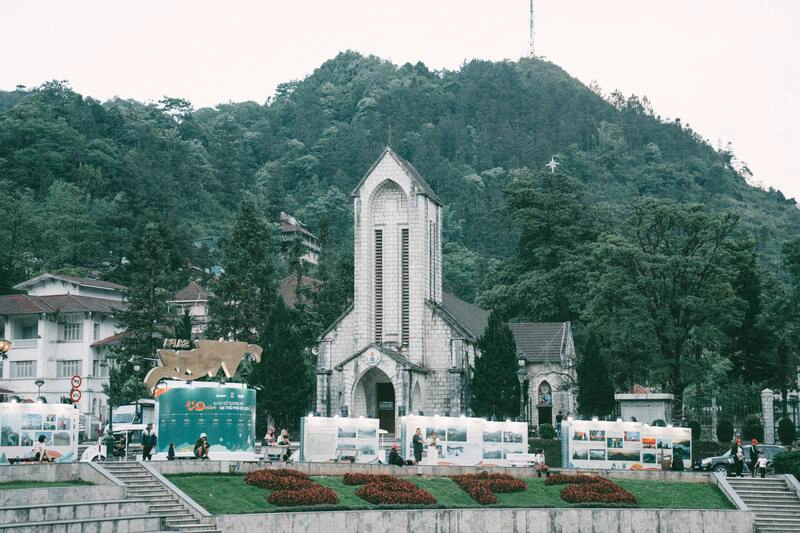
Sapa Stone Church and the central square - Source: Pexels
Sapa Stone Church stands in Ham Rong Ward, right in the heart of Sapa town, with the central square in front and many cafés, restaurants, and hotels nearby. Its stone architecture, open square and mountain-town setting make it one of the most familiar landmarks for visitors arriving in Sapa for the first time. For anyone researching what to see in Sapa Vietnam, this church is an easy and meaningful starting point because it reflects both the town’s history and its daily atmosphere.
The area around the church is best explored slowly, especially in the late afternoon or evening. You can take photos, walk around the square, try local snacks or watch the town become livelier as people gather after dark. Since it is close to many main streets, this stop is also convenient to combine with dinner or a short walk around town.
1.3. Ham Rong Mountain near the town center
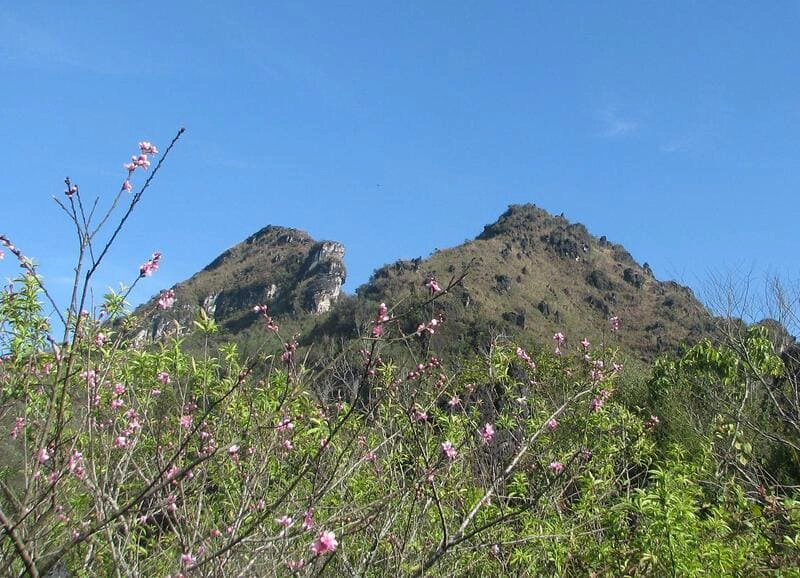
Ham Rong Mountain near the town center - Source: Wikipedia
Ham Rong Mountain sits just behind Sapa Stone Church, making it easy to reach on foot from the central square. The walking route follows stone steps through flower gardens, rock formations and small viewpoints before reaching higher spots that overlook the town and surrounding mountain scenery.
Ham Rong suits travelers who want a light walk without going far from central Sapa. On clear days, the viewpoints show rooftops, winding streets and distant valleys below. Visit in the morning or early afternoon, as rain can make the paths slippery and mist may limit visibility.
2. Valleys and ethnic villages that capture the beauty of Sapa
To see Sapa beyond the town center, you should spend time exploring its valleys and ethnic villages. These areas reveal terraced rice fields, traditional houses, mountain paths and a farming lifestyle that changes with the seasons.
2.1. Muong Hoa Valley and terraced rice fields
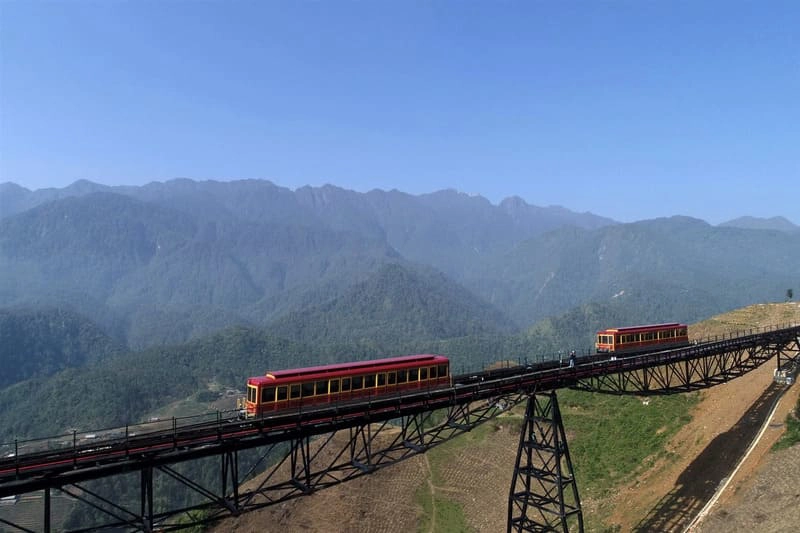
Muong Hoa Valley and terraced rice fields - Source: VOV
Muong Hoa Valley lies southeast of Sapa and stretches through villages such as Lao Chai, Ta Van, Hau Thao and Su Pan. Its scenery is defined by terraced rice fields along the mountainsides, Muong Hoa Stream running through the valley and small clusters of houses near the foothills. For travelers wondering what to see in Sapa Vietnam, Muong Hoa Valley is one of the most rewarding places to experience Sapa’s mountain landscapes, rural villages and rice terrace scenery in the same journey.
Muong Hoa is best visited according to the rice seasons. The watering season reflects the sky across the fields, the green rice season creates a fresh mountain landscape and the harvest season turns the valley golden. This area suits wide landscape photography and observing local farming life.
2.2. Cat Cat Village for an easy cultural stop
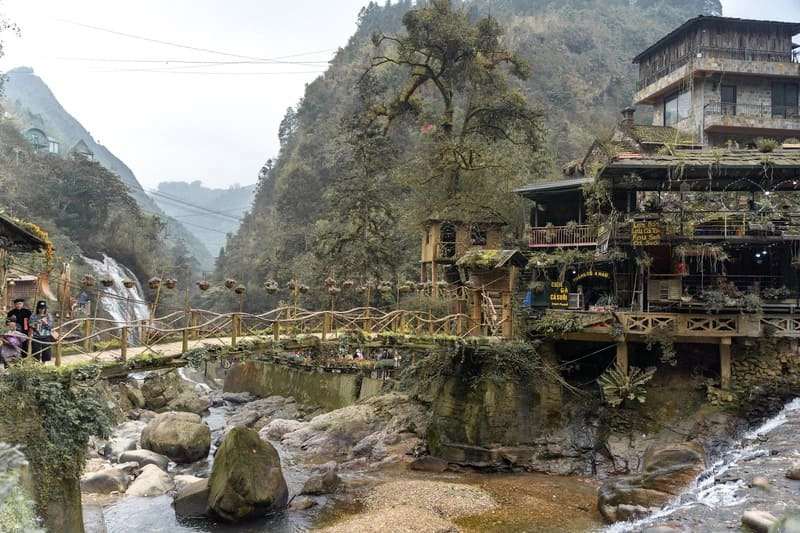
Cat Cat Village for an easy cultural stop - Source: Serena Blog
Cat Cat Village sits at the foot of the Hoang Lien Son range, not far from central Sapa, making it suitable for a short visit. The route into the village includes sloping paths, wooden houses, brocade stalls, stone-paved walkways, small streams and spaces introducing traditional H’Mong handicrafts.
Cat Cat is quite developed for tourism, so it works well for travelers who want a gentle introduction to village culture. You can see traditional clothing, weaving, recreated daily-life corners and streamside scenery. Visit early to avoid crowds, and ask about prices before renting costumes or buying souvenirs.
2.3. Lao Chai and Ta Van for trekking lovers
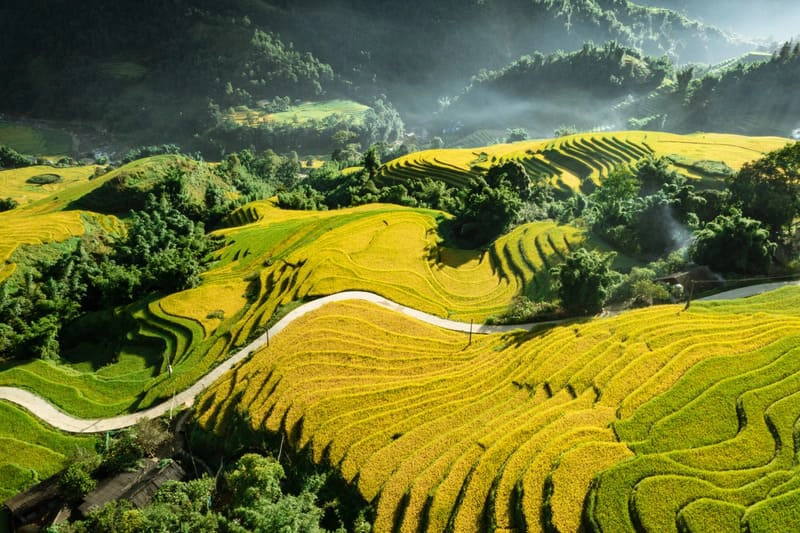
Lao Chai and Ta Van for trekking lovers - Source:Dương Quốc Hiếu
Lao Chai and Ta Van form a deeper walking route through Muong Hoa Valley. Lao Chai features wide terraced fields, dirt paths along the mountainside and H’Mong houses set among the rice terraces, giving travelers a clearer sense of the steep terrain and how villages follow the slopes.
Ta Van has a slower rhythm and is often chosen for lunch or an overnight homestay. The village is home to the Giay community, with low traditional houses, narrow paths and family-run eateries for trekkers. On rainy days, a local guide is helpful because dirt paths can be slippery and confusing.
>> Read more: 2D1N Tour | Explore Sapa and Stay At Ta Van Village | Overnight at Homestay Village
2.4. Ta Phin Village for a peaceful local experience
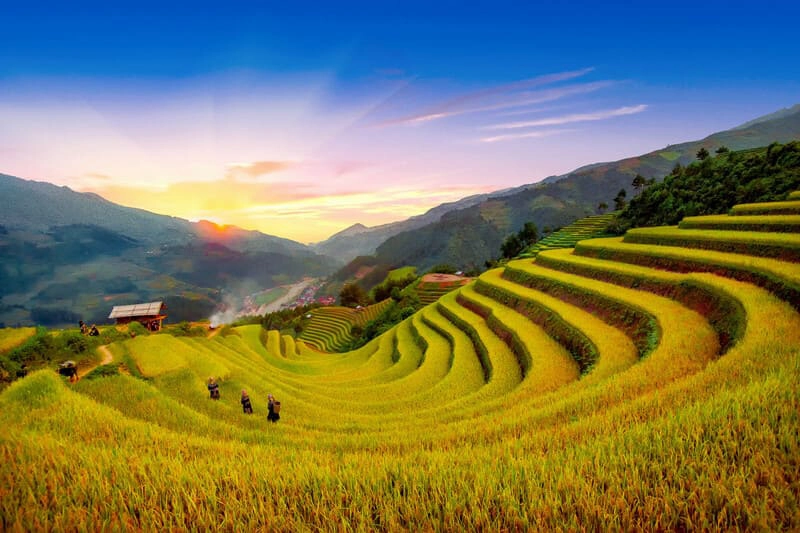
Ta Phin Village for a peaceful local experience - Source: Web Zalopay
Ta Phin Village is about 11–12 km from central Sapa and is quieter than many villages closer to town. The area has narrow village roads, farmland, home gardens and the daily life of the Red Dao people, often recognized through red clothing, headscarves and handmade embroidery. For travelers planning what to see in Sapa Vietnam, Ta Phin is a good choice if they want a more peaceful village experience beyond the busiest sightseeing routes.
Ta Phin suits travelers who want to slow down, talk with locals or try a Red Dao herbal bath. Many households offer herbal bathing services, brocade products and homestays. Before using any service, ask clearly about the price, bathing time and bathroom conditions to avoid inconvenience.
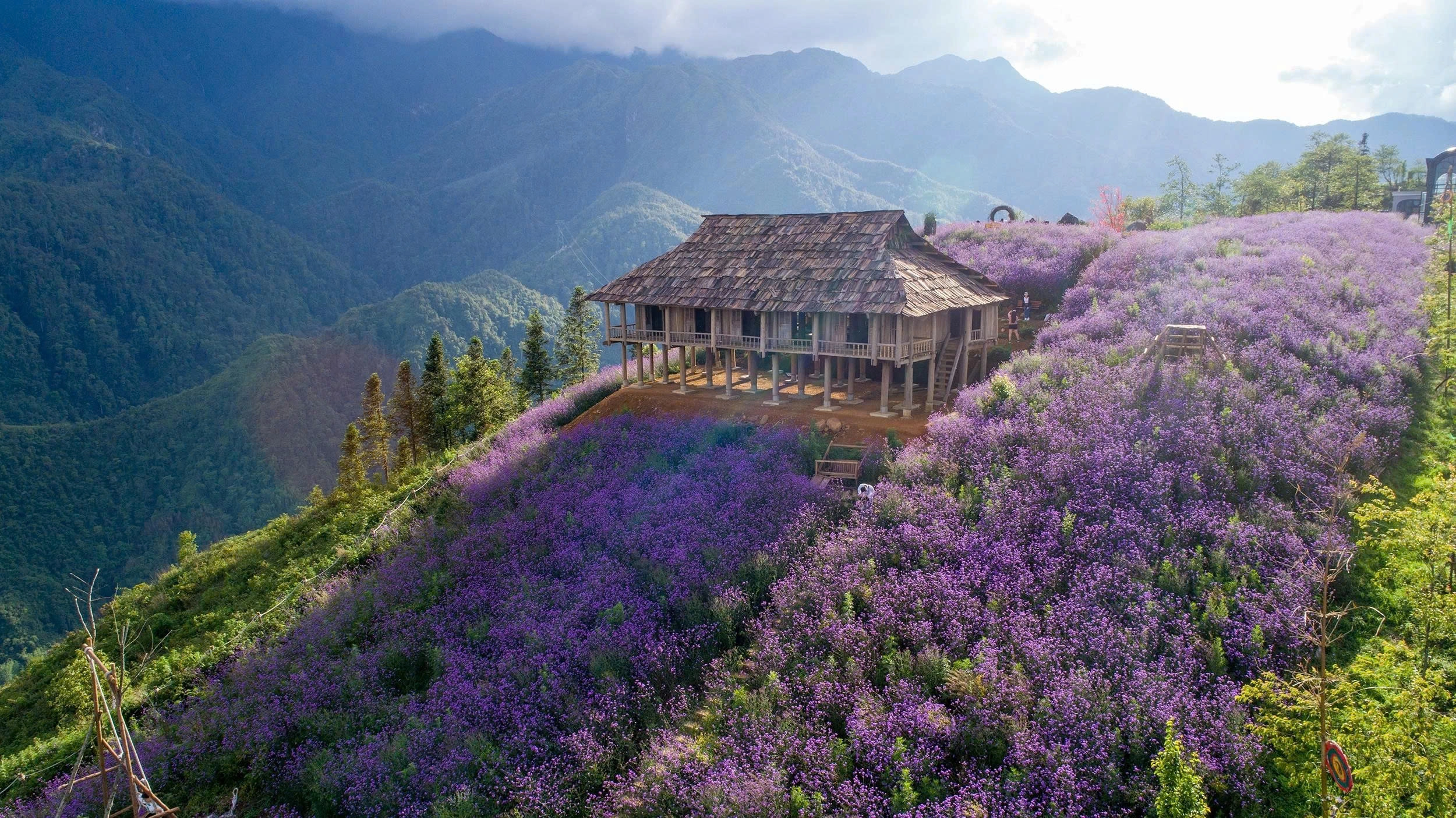
3. Scenic routes and stops outside central Sapa
Leaving central Sapa along National Highway 4D, the journey opens up to high mountain passes, roadside viewpoints and waterfalls on the route toward Lai Chau. This section is suitable for a half-day itinerary outside the town center.
3.1. O Quy Ho Pass and northwest mountain views
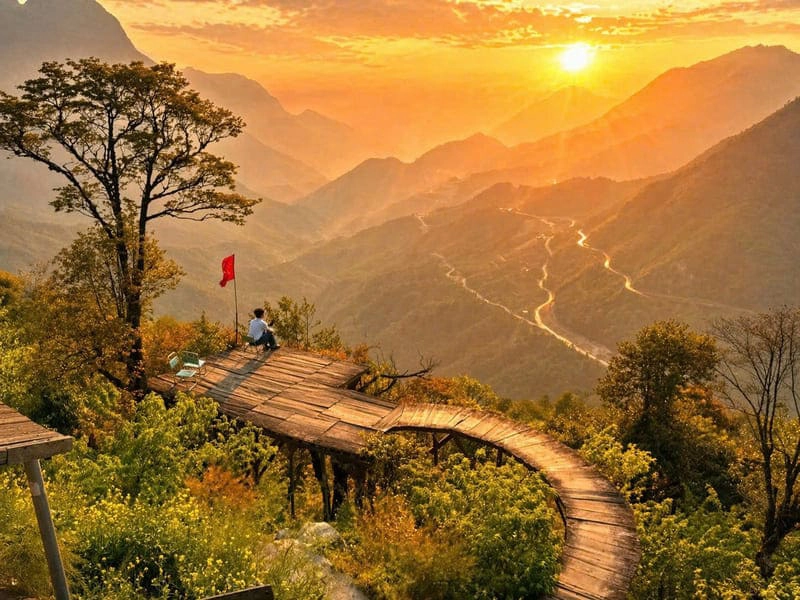
O Quy Ho Pass and northwest mountain views - Soure: Báo Tin tức và Dân tộc
O Quy Ho Pass lies on National Highway 4D, connecting the Sapa area of Lao Cai Province with Tam Duong District in Lai Chau Province. The pass is nearly 50 km long, with most of the route in Lai Chau and the remaining section in Sapa.
The highlight of O Quy Ho is the road journey, with high elevation, strong winds, long curves and viewpoints over the mountainsides. Go on a dry day, avoid thick fog or late afternoon, and check your motorbike’s brakes and lights before riding. Only stop where the roadside is wide enough.
3.2. Silver Waterfall on the mountain pass route
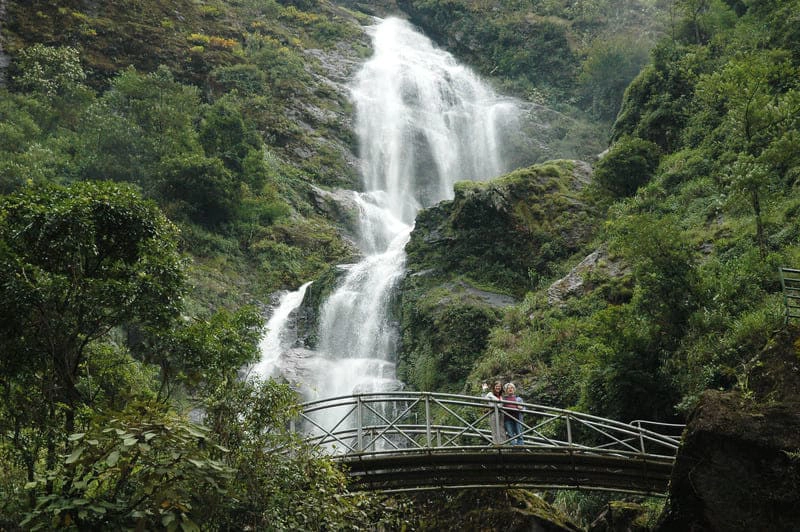
Silver Waterfall on the mountain pass route - Soure: Wikipedia
Silver Waterfall is located along National Highway 4D, about 12 km from central Sapa toward Lai Chau. It is a convenient short stop on the way to O Quy Ho Pass, with a stepped path leading from the entrance to the viewing point where water drops from the mountainside.
Silver Waterfall works best as a brief rest stop rather than a long visit. After rainfall, the water flow is usually stronger, but the stone steps may become wet. Wear shoes with good grip, bring a light jacket and walk carefully because mist from the waterfall can make the path slippery.
3.3. Love Waterfall and the Golden Stream area
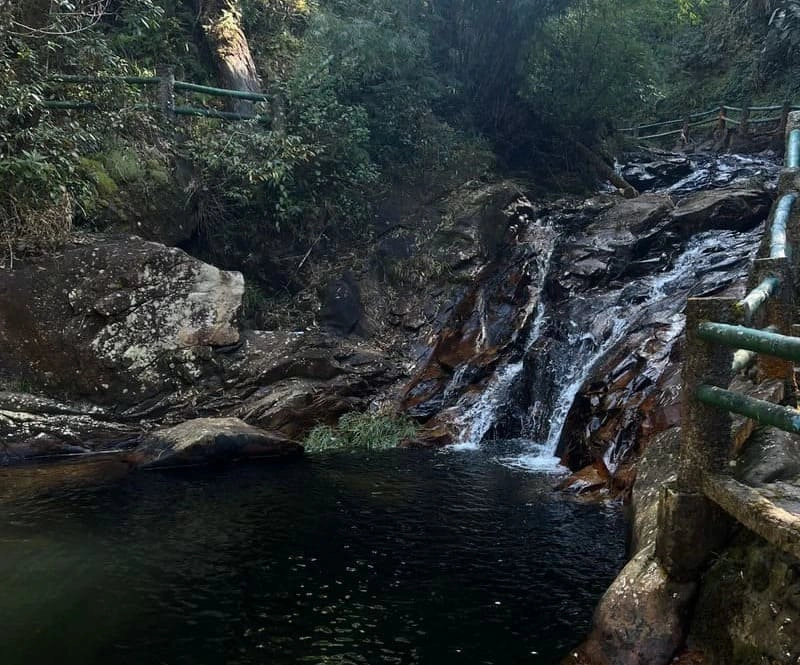
Love Waterfall and the Golden Stream area - Soure: VTV Online
Love Waterfall is located in the Tram Ton area, near Hoang Lien National Park, about 14–15 km from central Sapa. This stop requires an additional walk of about 1–1.5 km along a forest trail and the Golden Stream area before reaching the waterfall. For travelers searching what to see in Sapa Vietnam, Love Waterfall is a suitable option when they want to add a quieter natural attraction outside the town center.
Love Waterfall suits travelers who want a quieter nature stop outside central Sapa. Allow enough time to walk slowly, listen to the stream and enjoy the forest setting. Avoid visiting during heavy rain, wear comfortable shoes and bring drinking water, especially when traveling with children or older adults.
>> Read more: When to Visit Sapa Vietnam: Best Time for Every Travel Style
4. Meaningful experiences that add depth to a Sapa trip
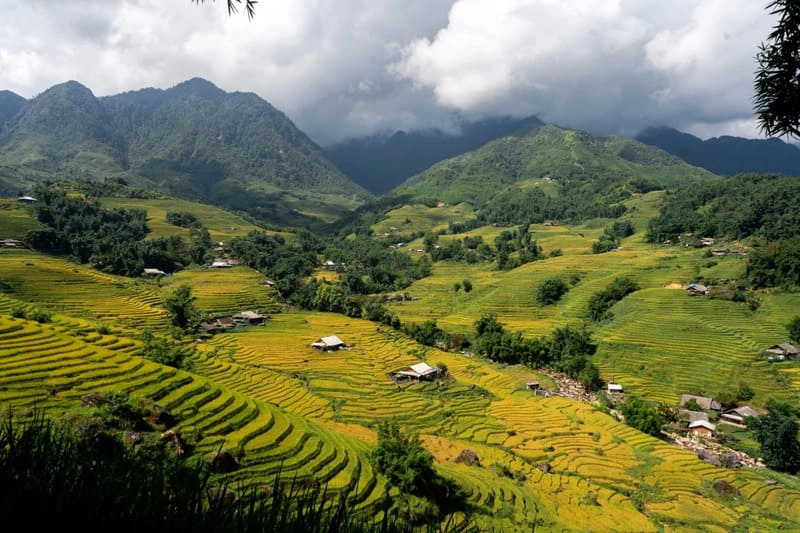
Meaningful experiences that add depth to a Sapa trip - Source: Nguyễn Chí Nam
Beyond sightseeing, Sapa becomes more memorable through experiences connected to food, markets, local stays and handmade products. For travelers exploring what to see in Sapa Vietnam, these cultural activities are just as important as famous landscapes because they help reveal how local communities live, interact and preserve their culture.
4.1. Highland markets and local daily life
Highland markets are best visited in the morning, when local trade is most active with vegetables, meat, fabrics, farming tools and daily household items. If you stay near the center, Sapa Market is a convenient place to observe local life. For larger weekly markets such as Bac Ha, you should plan separately because the travel time is longer.
4.2. Sapa cuisine through local mountain specialties
Sapa cuisine suits the cool mountain climate, so many dishes are served hot, grilled or shared in groups. Travelers can try salmon hotpot, sturgeon hotpot, grilled black chicken, bamboo-tube rice, chayote greens and “lon cap nach”, a local free-range pig specialty. When ordering, ask about portion size, spice level and cooking style to choose a meal that fits your group.
4.3. Homestay nights in the villages
A village homestay offers a different experience from a hotel, as the rooms are usually simpler and closer to family life. In the evening, travelers can share a meal with the host, have conversations and feel the quiet rhythm of the village after dark. Before booking, ask about the bathroom, warm bedding, meals and road access.
4.4. Handmade products and their cultural stories
Handmade products in Sapa often include embroidered bags, woven scarves, indigo-dyed fabrics, silver accessories and small souvenirs. Instead of choosing only by color, ask who made the item, how long it took and what the patterns mean. This makes the purchase more meaningful and helps reduce the risk of buying mass-produced goods presented as handmade.
When exploring what to see in Sapa Vietnam, you should plan more than just a list of famous attractions. A meaningful Sapa trip can include high mountains, valleys, ethnic villages, mountain pass routes and local experiences that reflect the unique character of Northwest Vietnam. For an itinerary that fits your time, interests and travel style, you can contact Joytime Travel Agency for further advice.
|
Joytime Travel Agency - Travel JOY, TIMEless Vietnam Safe, Seamless, Satisfying, Sustainable Follow us for travel tips, local insights, and exclusive offers:
|

Danish Nguyen
Danish Nguyen is a renowned travel blogger in Vietnam with over 5 years of experience sharing unique travel experiences. With a passion for exploring new places, Danish captures incredible moments and provides readers with valuable tips to discover the beauty of his homeland.