









Trekking Tour in Sapa: Best Routes, Homestays & Travel Tips
Planning a mountain adventure in Vietnam? Whether you are lacing up your boots for the first time or chasing your next big summit, a trekking tour in Sapa delivers some of the most rewarding experiences in all of Southeast Asia. From terraced rice fields draped in morning mist to remote ethnic villages where traditions have barely changed in centuries, Sapa is the kind of destination that stays with you long after the mud has dried off your hiking boots. And in this guide, we will share everything you need to know to plan your own Sapa adventure.
1. Why Sapa Is Vietnam’s Top Trekking Destination
Sapa sits at 1,500 meters above sea level in the Hoang Lien Son mountains, surrounded by rolling valleys, cascading rice terraces, and a trail network that can keep hikers busy for a week. What sets it apart from other trekking destinations is that every trail leads through living communities, ethnic villages where culture, food, and tradition are still very much part of daily life.
1.1. Stunning Rice Terraces and Mountain Views
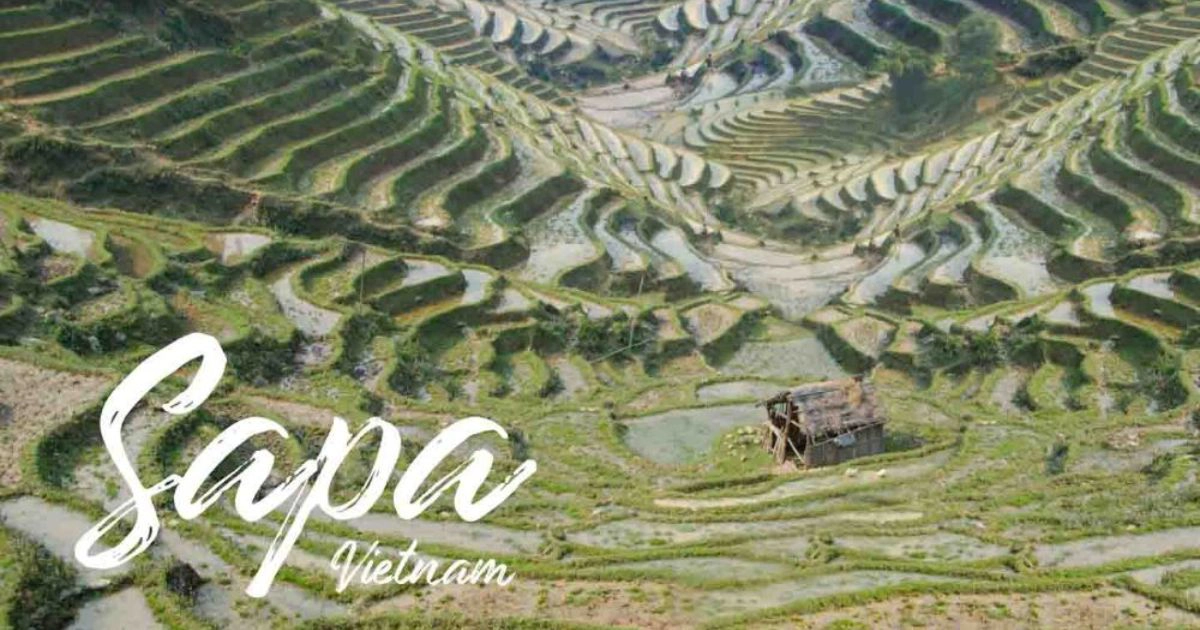
Stunning Rice Terraces and Mountain Views- Source: Pinterest
The landscapes around Sapa are genuinely jaw-dropping, and that is not an exaggeration. Muong Hoa Valley is the most famous viewpoint, a broad sweep of terraced fields that change color with the seasons, bright green in summer, gold and amber in autumn, flooded silver during planting season. Photographers come from across the world specifically for this valley.
Beyond Muong Hoa, the trails also pass suspension bridges strung over rushing rivers, bamboo groves, and ridgelines where you can see for miles on a clear day. The mist that rolls through in the early mornings adds an almost dreamlike quality to the experience, and on some days, you will literally walk through clouds.
|
Quick Sapa Landscape Highlights |
Best Season to Visit |
|
Muong Hoa Valley rice terraces |
September – October (golden harvest) |
|
Fansipan summit views |
March – May (clearest skies) |
|
Suspension bridges and river trails |
Year-round |
|
Misty morning ridge walks |
November – February |
1.2. Cultural Encounters With Ethnic Minority Villages
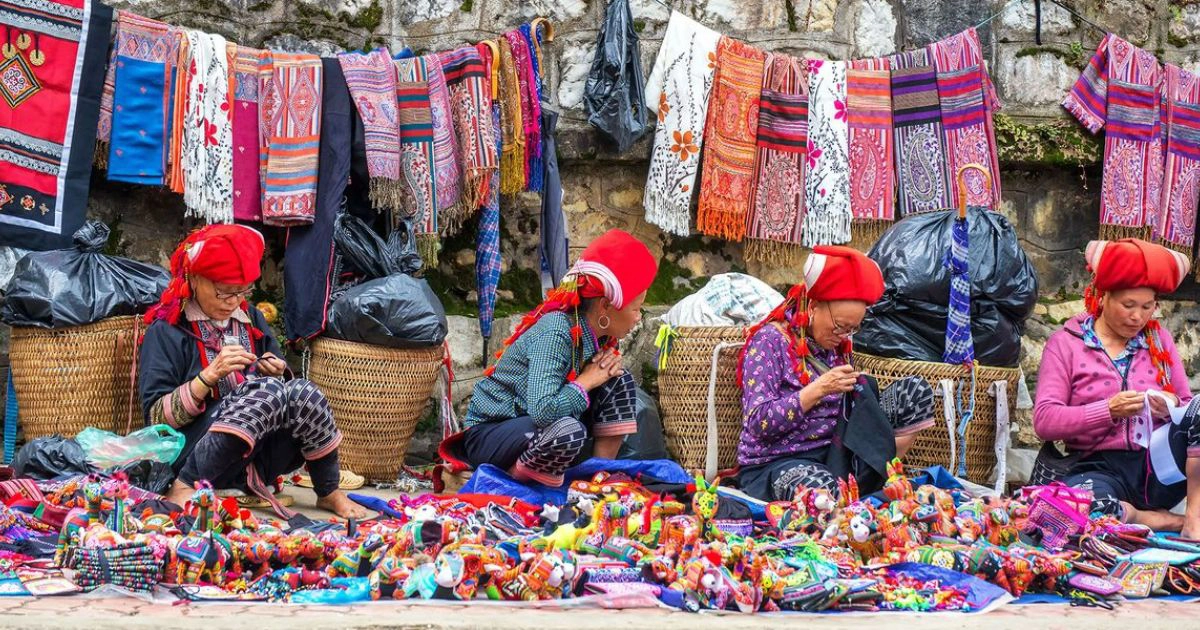
Cultural Encounters With Ethnic Minority Villages - Source: Pinterest
Sapa is home to several ethnic minority communities, and visiting their villages is a central part of any trekking tour in Sapa. The Black H'mong are the most visible group in town, identifiable by their indigo-dyed clothing and silver jewelry. In Lao Chai village, you can learn about their farming traditions, weaving techniques, and daily routines while walking the same paths they use every day.
The Red Dao community, concentrated around Ta Phin village, is known for its striking red headdresses and its traditional herbal medicine knowledge. Many Red Dao families offer herbal bath experiences using mixtures of mountain plants believed to relieve tired muscles and improve circulation, something your legs will genuinely appreciate after a full day of trekking.
In Ta Van village, the Giay people offer a quieter, more laid-back atmosphere. Homestays here are particularly well regarded, with hosts who cook fresh meals using vegetables from their gardens and serve locally brewed rice wine around a communal fire in the evenings.
>> Read more: When to Visit Sapa Vietnam: Best Time for Every Travel Style
2. Choosing the Right Trekking Tour in Sapa
Sapa offers trekking routes for beginners, casual hikers, and experienced adventurers. Travelers should select trails based on fitness level, available time, and preferred experiences.
2.1. Easy and Moderate Trails for Beginners
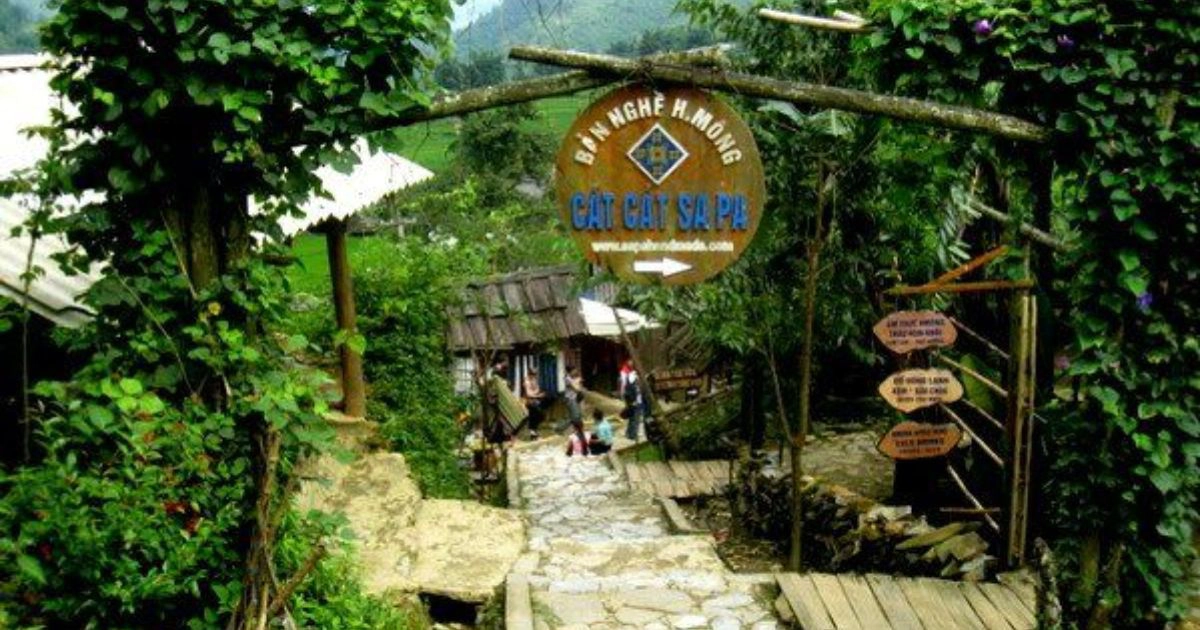
Easy and Moderate Trails for Beginners - Source: Pinterest
Not every visitor arrives with mountain boots and years of hiking experience, and that is absolutely fine. Sapa has excellent options for first-timers, families with children, and anyone who prefers a gentler pace.
Cat Cat Village is the classic introduction to Sapa trekking. A half-day walk from the town center, the trail descends through the village of the Black H'mong people, past a traditional waterfall and an old French-era hydroelectric station. The path is well-marked, the elevation gain is manageable, and the scenery is beautiful throughout. Most visitors complete the round trip in three to four hours at a comfortable pace.
Sin Chai Village offers a similar half-day experience with a slightly less touristy atmosphere. The trail winds through farming fields and past traditional wooden houses, giving visitors a genuine sense of daily rural life without the crowds that sometimes build up on the Cat Cat route.
For those with a full day, the Muong Hoa Valley loop is the ideal moderate trek. Stretching around 12 to 14 kilometers depending on the exact route, this trail passes through Lao Chai and Ta Van villages, crosses suspension bridges, and follows the river for long, scenic stretches. A local guide makes this route significantly more rewarding; they know which family to stop at for fresh sugarcane juice, which detours lead to the best viewpoints, and can translate conversations with villagers along the way.
2.2. Challenging Mountain Treks for Experienced Hiker
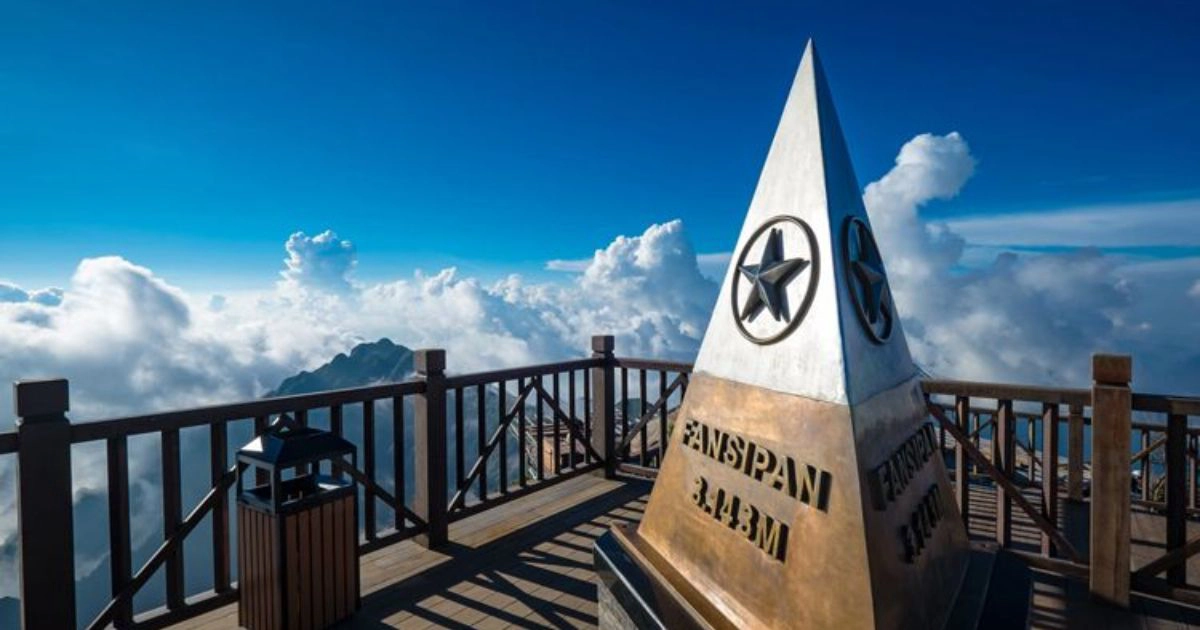
Challenging Mountain Treks for Experienced Hikers - Source: Pinterest
For experienced hikers seeking a tougher adventure, Sapa offers some of the most demanding mountain trails in Vietnam. Steep climbs, rugged terrain, and rapidly changing weather make these treks both physically challenging and deeply rewarding. For example:
-
Fansipan is the headline act: At 3,143 meters, it is the highest peak in Vietnam, Laos, and Cambodia combined, earning it the nickname "the Roof of Indochina." The traditional two-to-three-day trek to the summit involves steep, rocky terrain, significant elevation gain, and the very real possibility of cold, wet conditions near the top. Proper hiking boots, layered warm clothing, and a reliable guide are non-negotiable for this route. The reward, on a clear day, is a panoramic view that stretches into China and covers the entire Hoang Lien Son range. A cable car also runs to the summit for those who prefer it, but the hiking route remains a genuine rite of passage for serious trekkers.
-
Beyond Fansipan, multi-day treks to Bach Moc Luong Tu (Vietnam's second-highest peak) and the remote valleys beyond Ta Van attract experienced hikers looking to go off the beaten path entirely. These routes involve camping or very basic accommodation and should only be attempted with experienced local guides.
>> Read more: Sapa Sightseeing Tours | Joytime Travel Agency | Joytime
3. Homestay Experiences and Local Tour Operators
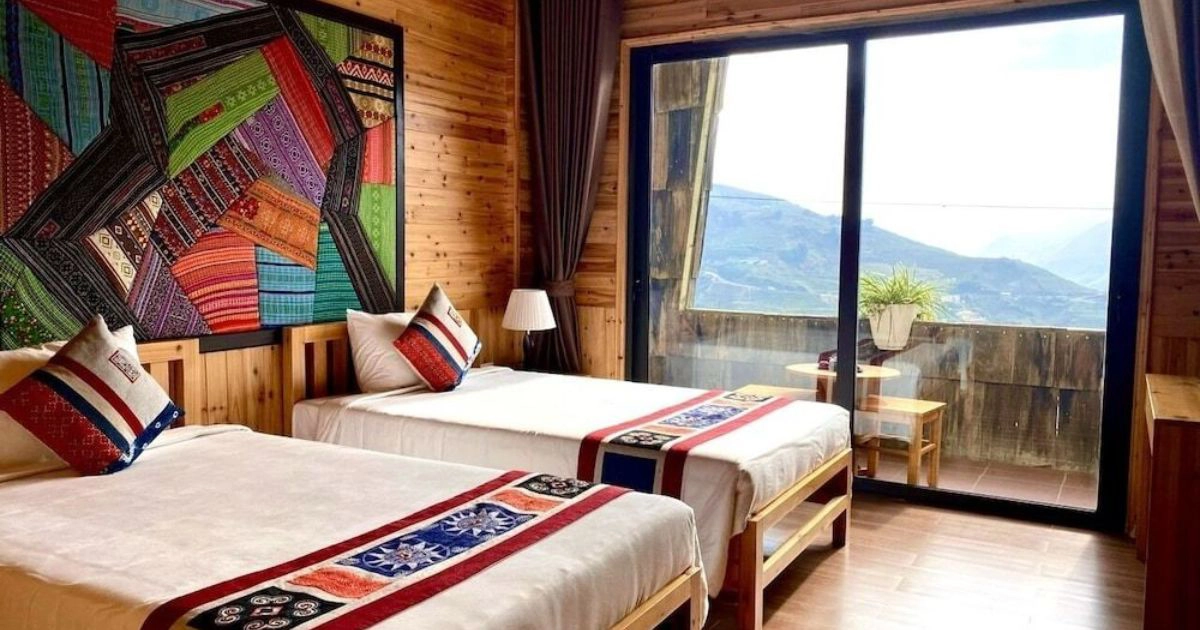
Homestay Experiences and Local Tour Operators - Source: Pinterest
Staying in a village homestay adds a completely different dimension to any trekking tour in Sapa, one that a guesthouse in town simply cannot replicate. Most are run by ethnic minority families in traditional wooden stilt houses, where guests share meals, swap stories, and wake up to mountain views from a wooden porch. A few experiences that make homestays in Sapa particularly special:
-
Herbal baths prepared by Red Dao hosts using recipes passed down through generations, perfect for tired legs after a long trail day.
-
Shared family dinners where hosts often include local rice wine, which tastes something like a mild sake, and pairs well with conversation.
-
Morning routines, waking before sunrise to watch the valley fill with mist from a wooden porch, are genuinely one of the most peaceful experiences Sapa has to offer.
-
Local craft demonstrations, where hosts show how traditional weaving patterns are made by hand, stitch by stitch.
When it comes to choosing a tour operator for your trekking tour in Sapa, local companies consistently outperform large international booking platforms. Guides who grew up in the area bring a depth of cultural knowledge and personal connection that simply cannot be replicated. Well-regarded options include Sapa Sisters (a women-led trekking cooperative run by H'mong guides), Sapa Original Trek for Fansipan expeditions, and Trekking Tour Sapa for customizable cultural journeys across the valley.
>> Read more: 2D1N Tour | Explore Sapa | Departure from Hanoi | Joytime
4. Essential Travel Tips Before Trekking in Sapa
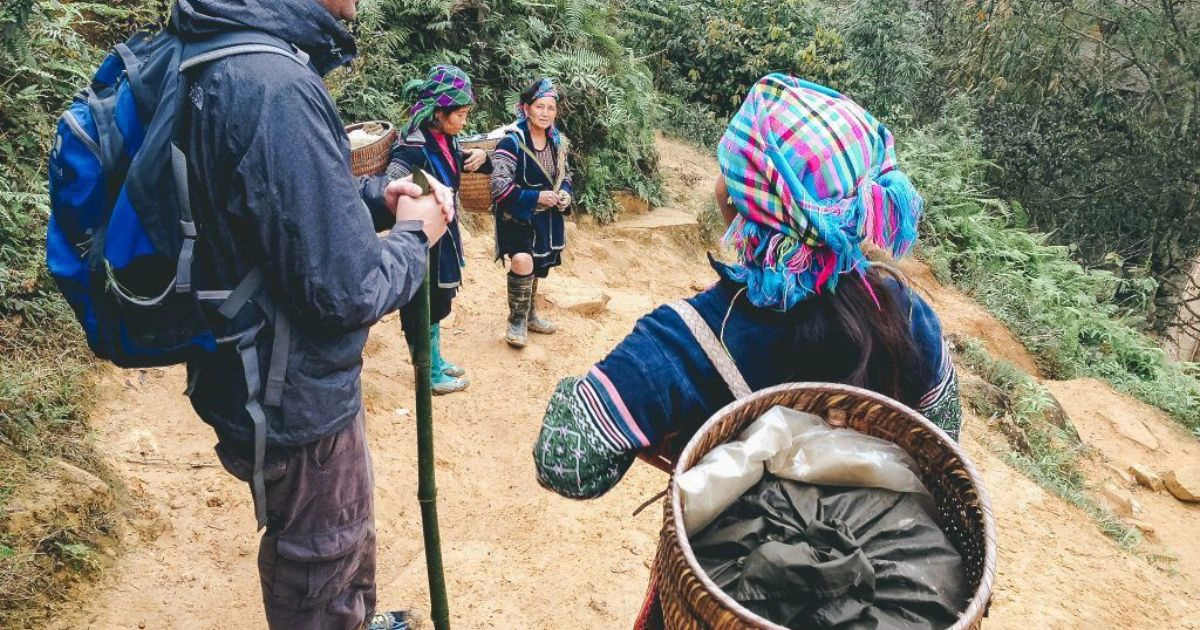
Essential Travel Tips Before Trekking in Sapa - Source: Pinterest
Mountain conditions in Sapa change fast, and a little preparation goes a long way. Here is what experienced trekkers consistently recommend before hitting the trails:
-
Best trekking season: March to May offers cool weather, clearer skies, and fresh green rice terraces across the valleys. Trails are usually drier and safer, making trekking more comfortable for both beginners and experienced hikers.
-
Golden rice terraces: September and October are famous for Sapa’s stunning harvest scenery, when the rice fields turn bright gold and amber. The cooler weather and clear skies also create perfect conditions for photography.
-
Rainy trekking season: From June to August, heavy rain can make mountain trails muddy, slippery, and more difficult to hike. On the other hand, the landscape becomes incredibly green and peaceful with fewer tourists around.
-
Waterproof hiking boots: Strong-grip hiking boots are important because many Sapa trails are steep, rocky, and muddy in every season. Proper footwear helps improve balance and reduces the risk of slipping during long treks.
-
Layered clothing: Temperatures in Sapa can change quickly between warm valleys and cold mountain ridges throughout the day. Wearing layers allows trekkers to stay comfortable in changing weather conditions.
-
Rain and sun protection: Rain ponchos are useful because mountain weather can change suddenly without warning. Sunscreen and insect repellent are also important for protecting against strong sunlight and mosquitoes on forested trails.
-
Carry small cash: Small amounts of Vietnamese Dong are useful for buying handicrafts, snacks, and traditional herbal baths in local villages. Many small stalls and family businesses do not accept cards or digital payments.
If you are searching for the perfect trekking tour in Sapa, this destination offers unforgettable mountain scenery, authentic village experiences, and trekking routes for every skill level. From peaceful rice terrace walks to challenging Fansipan expeditions, Sapa delivers a unique mix of adventure and cultural discovery. Explore more trekking guides, local experiences, homestay options, and Vietnam travel inspiration with Joytime Travel Agency for a more memorable journey.
|
Joytime Travel Agency - Travel JOY, TIMEless Vietnam Safe, Seamless, Satisfying, Sustainable Follow us for travel tips, local insights, and exclusive offers:
|

Danish Nguyen
Danish Nguyen is a renowned travel blogger in Vietnam with over 5 years of experience sharing unique travel experiences. With a passion for exploring new places, Danish captures incredible moments and provides readers with valuable tips to discover the beauty of his homeland.