









Ha Giang & Sapa Itinerary: Route, Best Time & 5-7 Day Plan
If you want an exceptional experience in the mountains, combining Ha Giang and Sapa in one trip brings together natural wonders, cultural immersion and exciting road travel experiences. With such a trip to Northern Vietnam, you can explore famous landmarks, such as Ha Giang Loop, or Sapa rice terraces. Let Joytime Tours introduce you to Vietnamese mountains, colorful markets, and fascinating cultural phenomena.
1. Why combine Ha Giang and Sapa in one trip

Why combine Ha Giang and Sapa in one trip - Source: Ha Giang Cheers Tours
A trip to Ha Giang and Sapa is one of the best ways to discover the breathtaking beauty and cultural richness of Northern Vietnam. Combining dramatic mountain landscapes, scenic road trips, and authentic local experiences, this journey offers travelers an unforgettable adventure through some of Vietnam’s most spectacular destinations.
1.1. Experience Vietnam’s most spectacular mountain landscapes
One of the biggest highlights of a Ha Giang and Sapa trip is the incredible mountain scenery. Travelers can admire majestic mountain passes, deep valleys, winding roads, and endless rice terraces stretching across the hillsides. From the dramatic limestone mountains of Ha Giang to the iconic terraced fields of Sapa, every destination offers breathtaking panoramic viewpoints and unforgettable natural beauty.
The peaceful mountain atmosphere and fresh air make this journey ideal for travelers who want to escape busy cities and reconnect with nature. Along the route, visitors can stop at scenic viewpoints to enjoy sunrise and sunset over Northern Vietnam’s stunning highlands.
1.2. Discover authentic ethnic minority cultures
Combining both regions also provides a unique opportunity to explore the rich cultures of Northern Vietnam’s ethnic minority communities. Travelers can visit traditional villages belonging to the Hmong, Dao, Tay, and Lo Lo people while learning about local customs, handmade crafts, and daily mountain life.
Colorful local markets are another cultural highlight of the journey. These markets are filled with traditional clothing, local food, fresh produce, and handmade textiles created by ethnic communities. Staying in local homestays also allows travelers to experience authentic hospitality and enjoy homemade traditional meals surrounded by peaceful mountain scenery.
1.3. Adventure-filled road trip experiences
For adventure lovers, Ha Giang and Sapa offer some of Vietnam’s most exciting road trip experiences. The famous Ha Giang Loop is known for its winding mountain roads, breathtaking canyon views, and thrilling driving routes through remote highlands.
In Sapa, travelers can continue the adventure by trekking through scenic valleys, rice terraces, and ethnic villages hidden among the mountains. Whether exploring by motorbike, private car, or guided trekking tour, the combination of adventure and natural beauty makes the journey truly unforgettable.
1.4. Perfect for photography and nature lovers
Ha Giang and Sapa are a dream destination for photographers and nature enthusiasts. The landscapes constantly change throughout the seasons, from lush green rice terraces in summer to golden harvest fields in autumn and misty mountain scenery in winter.
Travelers can capture stunning photos of cloud-covered mountains, deep valleys, dramatic passes, and peaceful villages surrounded by nature. Sunrise and sunset are especially magical in Northern Vietnam, creating spectacular lighting across the mountains and rice fields that attract photographers from around the world.
>> Read more: Sapa Sightseeing Tours | Joytime Travel Agency
2. Weather in Ha Giang and Sapa
Both Ha Giang and Sapa sit in the northern mountains, so they are noticeably cooler than Hanoi and the lowlands. Knowing how each region changes through the year helps you choose the right months for your trip.
2.1. Ha Giang weather overview

Ha Giang weather overview - Source: Vietnam Online
Days in Ha Giang are usually pleasant and sunny, while evenings turn cool. Spring brings blooming flowers and green valleys, summer offers lush rice terraces, autumn turns the mountains golden during harvest season, and winter brings misty, chilly mornings.
2.2. Sapa weather overview

Sapa weather overview - Source: VOV
Sapa is cooler than most of Vietnam all year round, and mist can roll across the valleys within minutes. Expect green rice terraces in summer, golden fields in autumn, cold and foggy days in winter, and flowers in spring. Read when to visit Sapa for more detail on each season.
3. Top places to visit in Ha Giang & Sapa
A trip across both regions takes you from dramatic mountain passes and a UNESCO geopark in Ha Giang to the rice terraces and ethnic villages of Sapa. These are the highlights most travelers include:
3.1. Ma Pi Leng Pass – Vietnam’s Most Spectacular Mountain Pass
Ma Pi Leng is the most famous stretch of the Ha Giang Loop, a road cut into limestone cliffs high above the Nho Que River. It is popular with motorbike travelers and photographers, and the viewpoints are especially beautiful at sunrise and sunset when clouds drift through the canyon.
3.2. Dong Van Karst Plateau

Dong Van Karst Plateau - Source: Bao tin tuc
The Dong Van Karst Plateau is a UNESCO Global Geopark known for its rugged limestone landscapes. It is also home to several ethnic minority communities, so you can combine the scenery with village visits and colorful local markets.
3.3. Lung Cu Flag Tower

Lung Cu Flag Tower - Source: Vinpearl
Lung Cu Flag Tower stands near the northernmost point of Vietnam. Standing on Dragon Mountain, it offers wide views over valleys, villages and the surrounding ranges, and it is one of the most symbolic stops on the Ha Giang Loop.
3.4. Fansipan Mountain
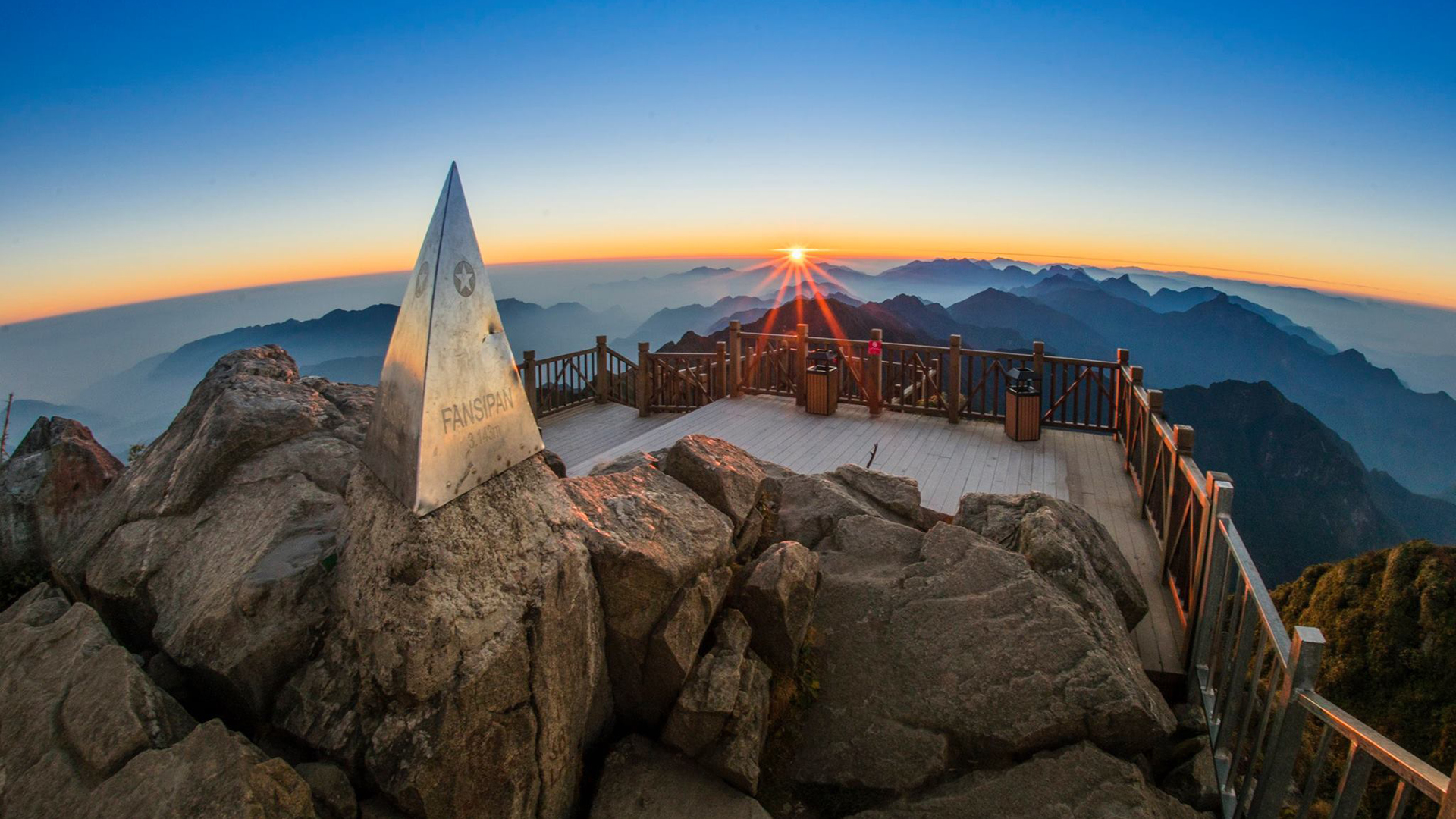
Fansipan, often called the “Roof of Indochina,” rises to over 3,100 meters above sea level. Most visitors take the cable car above clouds, forests and valleys, then explore the temples and giant Buddha statues near the summit.
3.5. Muong Hoa Valley
Muong Hoa Valley is Sapa’s best-known stretch of terraced rice fields. Trekking trails cross small streams and pass traditional villages, and the valley turns bright green or golden depending on the season.
3.6. Cat Cat Village

Cat Cat Village - Source: Avian Experiences
Cat Cat is a Hmong village just outside Sapa town. Narrow paths lead past wooden houses, a waterfall and handicraft shops, making it an easy first stop on arrival in Sapa.
4. How to travel between Ha Giang and Sapa
Ha Giang and Sapa are only about 130 km apart in a straight line, but the road distance is roughly 220–250 km through Lao Cai, so the transfer takes most of a day. You do not need to go back to Hanoi in between. These are the main options:
| Option | Travel time | Typical cost | Good to know |
|---|---|---|---|
| Direct bus or limousine van | About 6–7 hours | From around 290,000 VND per person | Several departures a day, mostly in the morning, plus some evening sleeper buses |
| Private car | About 6 hours | From around 3,300,000 VND per car | Most comfortable for families and small groups, with flexible stops |
| Motorbike | About 8 hours | Rental and fuel only | Steep passes and changing weather, so only for experienced riders |
| Back via Hanoi | Two overnight or day bus journeys | Two separate tickets | Rarely worth it unless you also want to spend time in Hanoi |
Times and fares are typical published figures and change with the operator and season. Confirm the schedule before you travel.
5. Sample Ha Giang and Sapa itinerary (5–7 days)
The most practical plan is to do the Ha Giang Loop first, then transfer to Sapa and finish the trip there. Here is a 6-day version you can shorten or extend:
| Day | Route | Highlights |
|---|---|---|
| Night 0 | Hanoi – Ha Giang | Overnight sleeper bus, arriving in Ha Giang City early in the morning |
| Day 1 | Ha Giang – Yen Minh – Lung Cu – Dong Van | Heaven Gate, Bac Sum Pass, Tham Ma Pass, Hmong King Palace, Lung Cu Flag Tower |
| Day 2 | Dong Van – Ma Pi Leng – Dong Van | Ma Pi Leng Pass, Nho Que River |
| Day 3 | Dong Van – Meo Vac – Du Gia | Meo Vac, Du Gia Waterfall and village |
| Day 4 | Du Gia – Quan Ba – Ha Giang – Sapa | Lung Tam weaving village, then transfer to Sapa |
| Day 5 | Sapa | Cat Cat Village, Sapa town, Muong Hoa Valley |
| Day 6 | Sapa – Hanoi | Fansipan cable car in the morning, return to Hanoi in the afternoon |
Days 1–4 follow the route of Joytime’s 4-day Ha Giang Loop tour by motorbike with a local easy rider, which lists Sapa among its drop-off points, so ask for a Sapa drop-off when you book. If you prefer a car or a different schedule, compare the 4D3N Ha Giang Loop tour or the shorter Ha Giang Loop tour to Dong Van, Meo Vac and the Nho Que River, or browse all Ha Giang tours.
For the Sapa part, the 2-day Sapa, Cat Cat and Fansipan tour covers the main sights. With only 5 days, do a 3-day loop and spend 1–2 days in Sapa. With 7 days, add a full-day trek through Muong Hoa Valley with a night in a village homestay.

6. Essential travel tips for Ha Giang and Sapa

Essential travel tips for Ha Giang and Sapa - Source: Sapa Nomad
Preparing carefully for a trip to Ha Giang and Sapa will help travelers enjoy a smoother, safer, and more comfortable mountain adventure. Because the journey includes mountainous regions, changing weather, and outdoor activities, proper planning is important.
6.1. Prepare for mountain weather
Weather in Northern Vietnam’s mountains can change quickly, especially in Ha Giang and Sapa. Even during warm months, mornings and evenings may feel cool.
Travelers heading to Ha Giang and Sapa should bring jackets, layered clothing, and light rain protection to stay comfortable throughout the trip. During winter, temperatures can become quite cold in higher mountain areas.
6.2. Choose the right transportation
Transportation plays an important role in the overall experience of a trip to Ha Giang and Sapa. Adventure travelers often choose motorbike tours to fully enjoy the scenic mountain roads and panoramic viewpoints.
For families, couples, or travelers seeking more comfort, private cars and guided tours are excellent options. Easy Rider experiences are also popular for visitors who want to explore the Ha Giang Loop safely with experienced local drivers.
6.3. Bring comfortable trekking shoes
Many attractions in Ha Giang and Sapa involve walking, trekking, or exploring mountain villages. Comfortable trekking shoes are highly recommended, especially for visiting rice terraces, valleys, and mountain viewpoints.
During the rainy season, some trekking routes can become slippery, so proper footwear helps travelers move safely and comfortably throughout the journey.
6.4. Book tours and accommodation early
Peak travel seasons in Northern Vietnam, especially September and October, attract many domestic and international travelers. Hotels, homestays, and guided tours can become fully booked quickly during these months.
To enjoy the best experience in Ha Giang and Sapa, travelers should reserve transportation, accommodation, and tours in advance to secure the best options and prices.
>> Read more: How to Get from Hanoi to Sapa in 6+ Most Convenient Ways!
7. FAQs about visiting Ha Giang and Sapa
7.1. How many days do you need for Ha Giang and Sapa?
A 5–7 day itinerary is ideal for a complete Ha Giang and Sapa trip. This allows enough time to explore the Ha Giang Loop, visit scenic mountain destinations, and enjoy trekking and cultural experiences in Sapa.
7.2. Is the Ha Giang loop difficult?
Some mountain roads on the Ha Giang Loop can be challenging because of steep curves and high passes. If you are not a confident rider, hire a local easy rider to drive the motorbike for you, or travel the loop by car or jeep instead.
7.3. When is the best time to see rice terraces?
September and early October are considered the best months to visit Ha Giang and Sapa if you want to see the famous golden rice terraces during harvest season.
7.4. Is a Ha Giang and Sapa trip suitable for families?
Yes. Many Ha Giang and Sapa itineraries are suitable for families and groups. Private transportation, comfortable hotels, and flexible itineraries make the journey enjoyable for travelers of different ages.
Without a doubt, a trip to Ha Giang and Sapa is one of the most rewarding ways to experience the natural and cultural beauty of Northern Vietnam. From winding mountain roads and breathtaking rice terraces to authentic ethnic villages and peaceful highland landscapes, every moment of the journey offers something unique and unforgettable. Whether you are seeking adventure, stunning photography spots, or meaningful local experiences, Ha Giang and Sapa deliver an incredible escape into Vietnam’s mountain heartland.
Don't just visit Northern Vietnam - conquer it. Partner with Joytime Travel Agency to turn your Ha Giang and Sapa dream into an epic mountain reality. From high-adrenaline scenic routes to cozy, traditional homestays and expert-guided treks, we handle the logistics so you can focus on making memories that last a lifetime.
|
Joytime Travel Agency - Travel JOY, TIMEless Vietnam Safe, Seamless, Satisfying, Sustainable Follow us for travel tips, local insights, and exclusive offers:
|

Danish Nguyen
Danish Nguyen is a renowned travel blogger in Vietnam with over 5 years of experience sharing unique travel experiences. With a passion for exploring new places, Danish captures incredible moments and provides readers with valuable tips to discover the beauty of his homeland.