








What to Do in Quang Binh: Top Caves, Beaches & Adventure Experiences
What to do in Quang Binh is a question worth asking before you finalize any Vietnam itinerary, because this narrow coastal province consistently surprises travelers who arrive expecting little and leave wanting more. Tucked between jungle-covered limestone mountains and a quiet stretch of the South China Sea, Quang Binh holds some of the most extraordinary natural wonders on the planet, including the world's largest cave, underground rivers, and beaches that have not yet been overrun by crowds. Whether you are chasing a once-in-a-lifetime cave expedition or simply need a few days somewhere genuinely off the beaten path, this province delivers in ways that are hard to put into words and even harder to forget.
1. Explore The Famous Cave Systems In Quang Binh
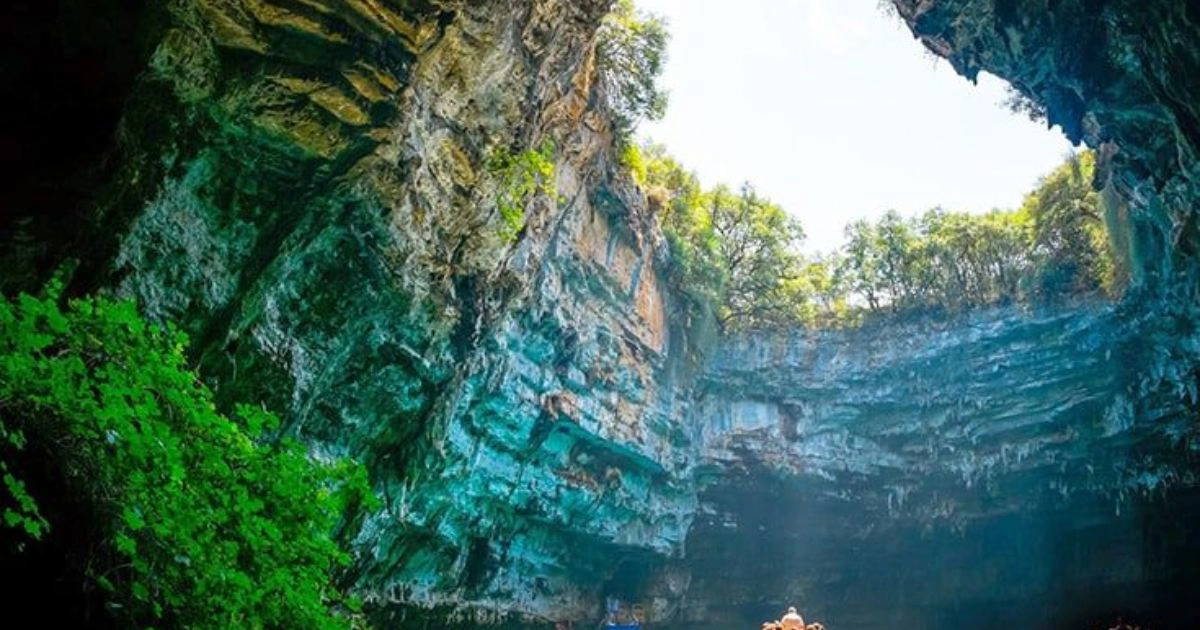
Phong Nha - Ke Bang National Park is a World Heritage Site - Source: Pinterest
Phong Nha – Ke Bang National Park is the undisputed heart of Quang Binh's appeal. Designated as a UNESCO World Heritage Site, this ancient karst landscape shelters hundreds of cave systems carved by underground rivers over millions of years. Some are accessible to casual visitors on a half-day tour; others require weeks of preparation and a serious level of fitness. Whatever your style, the underground world here has something extraordinary waiting.
1.1. Visit Paradise Cave And Phong Nha Cave
For first-time visitors to the region, Paradise Cave (Thien Duong Cave) and Phong Nha Cave are the perfect introduction to what makes this destination so special. Paradise Cave stretches for over 31 kilometers underground, making it one of the longest dry caves in Asia. A well-maintained wooden walkway guides visitors through roughly one kilometer of the accessible section, where cathedral-sized chambers are filled with towering stalactites and stalagmites in shapes that seem almost deliberately artistic. The lighting inside is tasteful and minimal, just enough to reveal the formations without turning the experience into a theme park. Even with crowds during peak season, the sheer scale of the cave quickly swallows the noise and leaves visitors in stunned silence.
Phong Nha Cave offers a completely different experience. Here, visitors board traditional wooden boats and glide along an underground river into the cave's dark interior. Stalactites hang close to the water's surface in places, and the sound of the river echoing off limestone walls creates an atmosphere that feels ancient and a little mysterious. The journey covers around 1.5 kilometers into the cave before returning to daylight, and the scenic boat ride along the Son River to reach the cave entrance is itself a reason to slow down and enjoy.
The best time to visit both caves is from February to August, when water levels are lower, and access is clearest. Avoid the September to November rainy season, during which caves may close due to flooding.
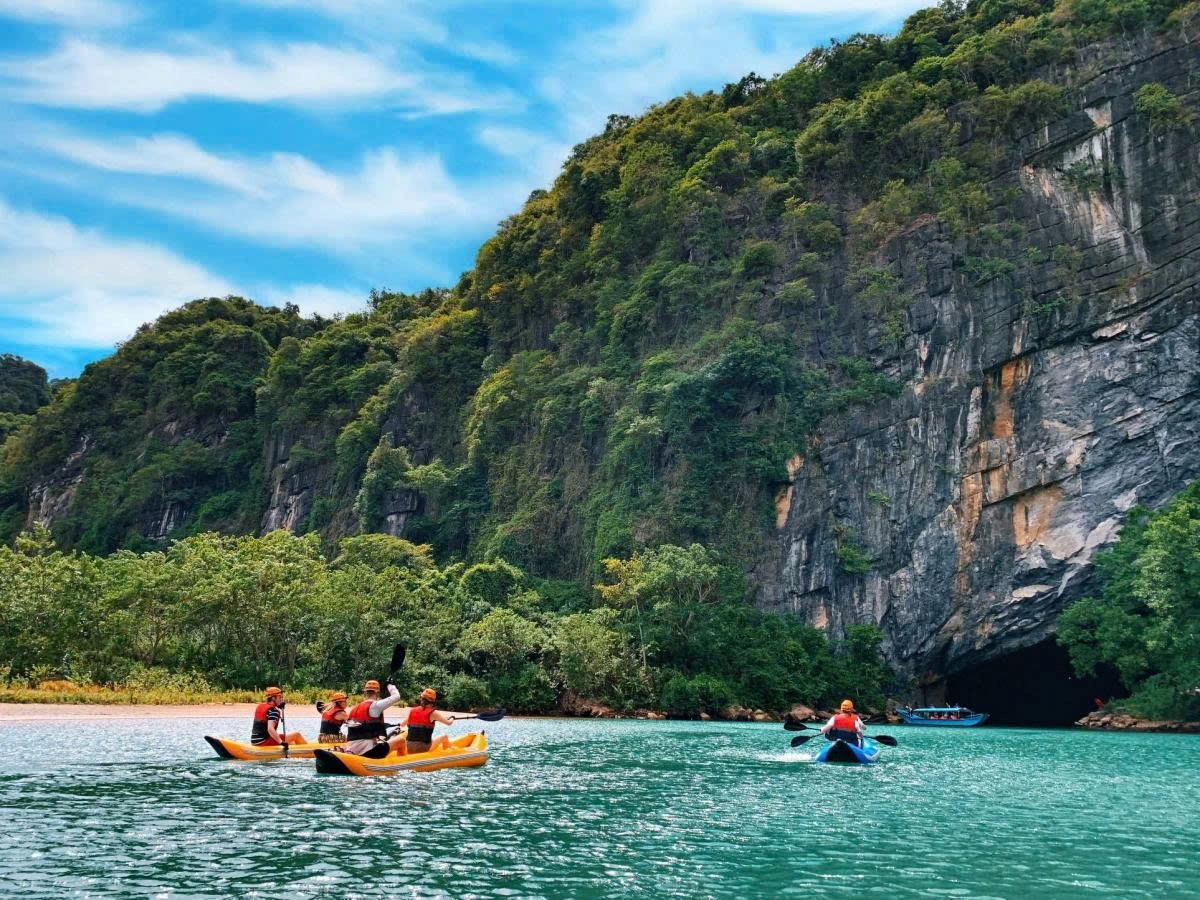

1.2. Experience Adventure Tours In Son Doong And Tu Lan
Son Doong Cave is not just the world's largest cave; it is a separate ecosystem. Inside its chambers, there are jungles, rivers, clouds, and a skylight large enough to land a helicopter. Discovered in 1991 and first fully explored in 2009, Son Doong only opened to tourism in 2013, and access remains strictly controlled to protect its fragile environment.
The Son Doong expedition runs for four days and five nights through jungle terrain, river crossings, and the cave itself. Groups are limited to a small number of participants per trip, guided by a team from Oxalis Adventure, the sole licensed operator. The experience includes camping inside the cave on underground sandbars, waking to bioluminescent moss and towering stalagmites, and emerging through the Garden of Edam, a collapsed section of the cave ceiling where sunlight pours in, and a secondary jungle has grown. Booking opens months in advance and sells out quickly, so planning at least six to twelve months ahead is strongly recommended.
For travelers who want a similar sense of jungle-and-cave adventure at a more accessible price point and fitness level, the Tu Lan Cave system and Hang En are outstanding alternatives. Hang En, the world's third-largest cave, is reachable on a two-day trek through ethnic minority villages and river valleys. Participants swim through cave entrances and camp overnight on sandy beaches inside the cave, watching the sun rise through the enormous cave mouth each morning. Tu Lan combines kayaking, swimming, and trekking across multiple cave systems over two to four days.
Physical fitness matters for all of these tours. Guides will be clear about requirements during the booking process, and travelers should take those recommendations seriously. Good hiking shoes, a dry bag, and genuine enthusiasm for getting wet and muddy are all essential.
>> Read more: Best Time to Visit Vietnam With Family: Weather & Travel Tips | Joytime
2. Enjoy Outdoor Activities And Nature Adventures
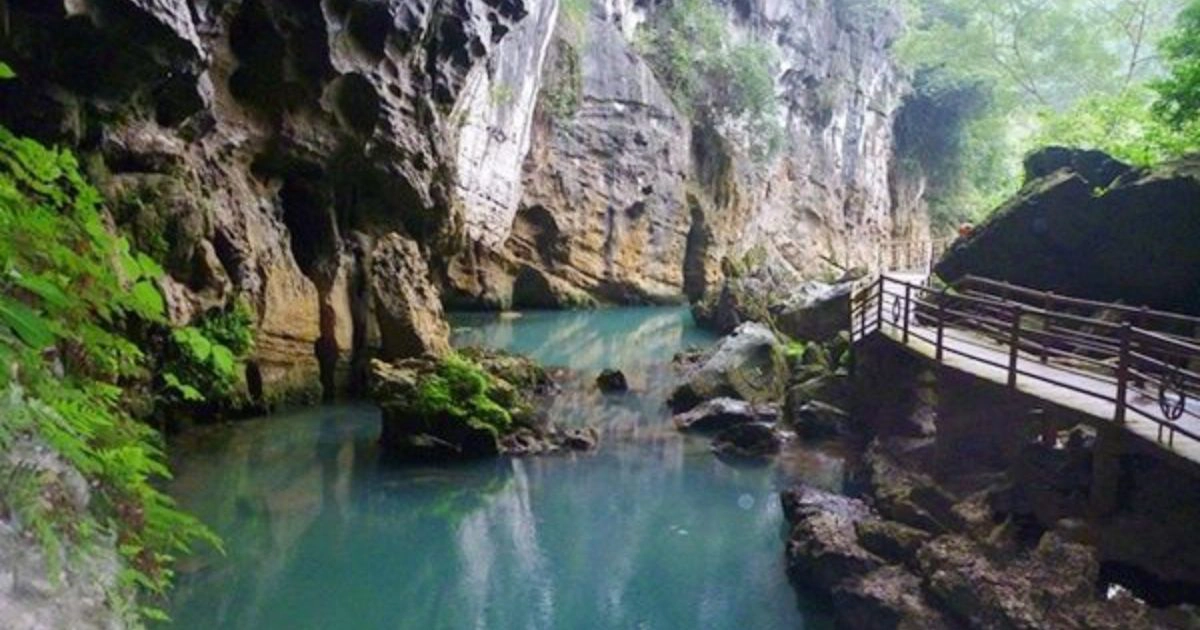
Dark Cave on the Chay River - Source: Pinterest
Quang Binh's appeal goes well beyond what lies underground. The forests, rivers, and hills surrounding Phong Nha offer a full range of eco-adventure activities suited to families, couples, and groups looking for an active holiday without necessarily committing to a multi-day expedition.
2.1. Try Zipline, Kayaking, And Mud Bath Experiences
Dark Cave (Hang Toi) on the Chay River is one of the most fun outdoor activity hubs in Vietnam. The experience combines several activities in one location, making it ideal for groups who want variety without complicated logistics.
The zipline across the turquoise Chay River is the opening act, launching visitors from a platform in the trees directly into the water below. From there, swimmers make their way to the cave entrance, where the real adventure begins. Inside Dark Cave, the ground gives way to a natural mud pool where visitors wade, float, and cover themselves in mineral-rich clay. The mud bath is genuinely enjoyable, more primal than luxurious, which is exactly the right mood for a jungle cave. After rinsing off in the river, kayaking and paddleboarding on the Chay River round out the afternoon.
Safety standards have improved significantly at this site in recent years, with life jackets provided and guides stationed at key points. Children of appropriate age and non-swimmers can participate in most activities with proper supervision.
2.2. Relax At Mooc Spring And Ozo Treetop Park
Not every day in Quang Binh needs to be high-intensity. Mooc Spring (Suoi Mooc), located inside Phong Nha – Ke Bang National Park, is one of the most peaceful places in the region. Crystal-clear spring water flows through a forested valley, feeding a series of natural swimming pools connected by a suspension bridge trail through the trees. The water temperature is refreshing even in summer, and the surrounding forest feels genuinely untouched.
Ozo Park offers something different: a network of elevated walkways, rope bridges, and treetop challenge courses built into the jungle canopy. It is a hit with families and younger travelers who want physical engagement without the intensity of a caving expedition. The views over the forest from the higher platforms are genuinely lovely, and the atmosphere is playful rather than competitive. Both locations work well as half-day additions to a Phong Nha itinerary, ideally combined with a morning cave visit or an afternoon on the river.
>> Read more: Best Time to Visit Vietnam October: Weather, Destinations & Detailed Guide | Joytime
3. Discover Beaches And Coastal Attractions
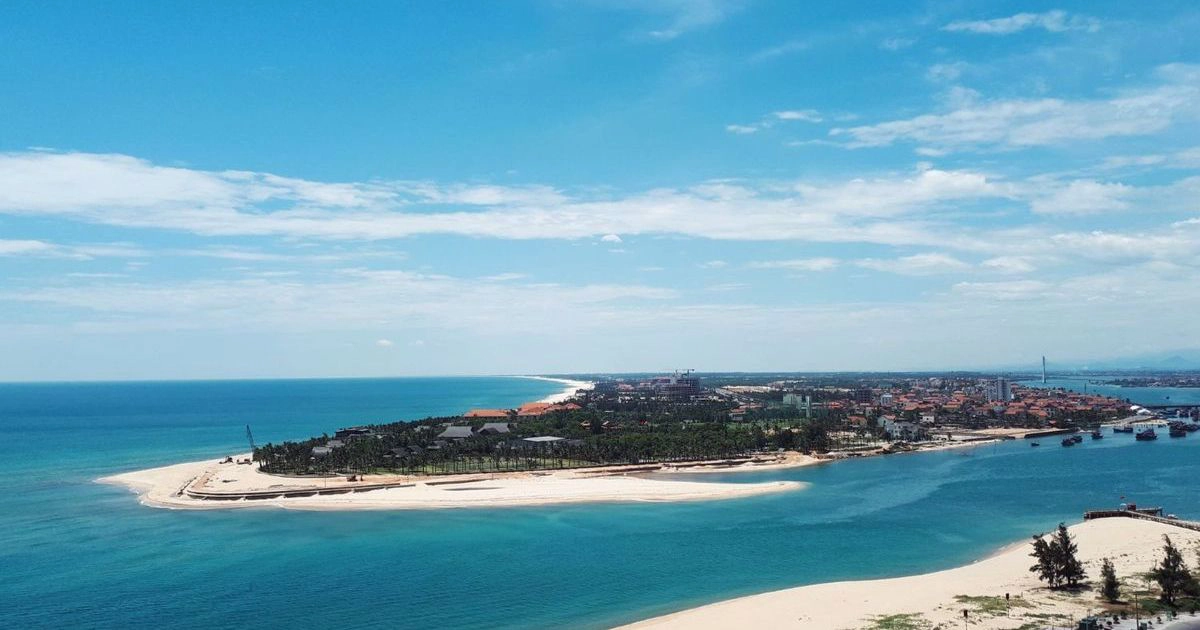
Nhat Le Beach in Dong Hoi City - Source: Pinterest
The cave network gets most of the attention, but Quang Binh's coastline deserves its own afternoon, or several. The province sits along a stretch of the South China Sea with beaches that are far less crowded than those in Da Nang or Phu Quoc, and a coastal character that still feels rooted in local life rather than tourism infrastructure.
-
Nhat Le Beach in Dong Hoi city is the most accessible option for travelers staying in the provincial capital. The beach is long, wide, and well-suited for early morning walks when local fishermen bring their boats in and vendors set up fresh seafood along the promenade. Sunrises here are spectacular and almost entirely unwitnessed by other tourists.
-
Bao Ninh Beach, just across the Nhat Le River from Dong Hoi's center, offers a quieter atmosphere and a more relaxed pace. The peninsula setting means calmer water on one side and open ocean on the other, giving visitors options depending on conditions and preferences.
-
Quang Phu Sand Dunes, a short drive north of Dong Hoi, are a surprise for travelers who do not expect to find miniature desert landscapes in this part of Vietnam. Sandboarding down the dunes is a popular late-afternoon activity, especially when the light turns golden just before sunset.
-
Da Nhay Beach, further from the provincial center, rewards the extra travel time with dramatic coastal rock formations and an almost completely undeveloped shoreline. It is the kind of beach that feels like a personal discovery even when it is on every top-ten list.
Note: The best season for beach activities runs from April to August, coinciding with the dry season on the central coast.
>> Read more: Best Time to Visit Vietnam August: Beaches, Weather & Travel Guide | Joytime
4. Experience Local Culture And Quang Binh Cuisine
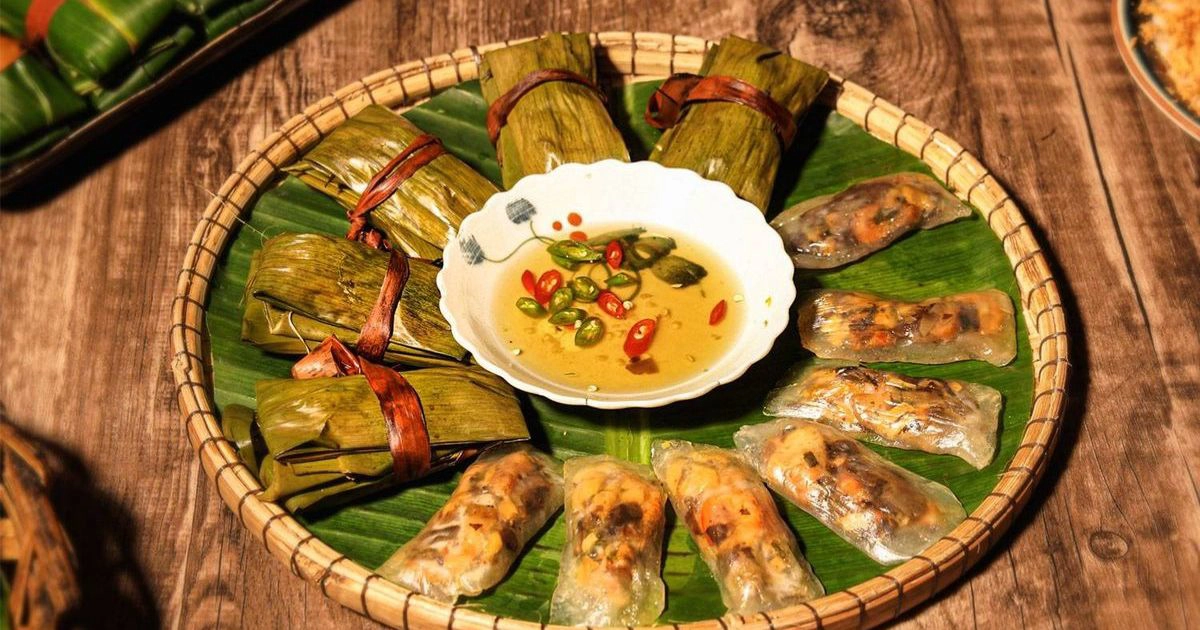
Banh bot loc, a translucent steamed dumpling filled with shrimp and pork - Source: Pinterest
A trip to Quang Binh that skips the local culture and food is a trip that only tells half the story. The province has a layered history shaped by geography, war, and a resilient local identity, and the best way to understand it is to slow down and pay attention to the details.
-
Dong Hoi, the provincial capital, carries visible traces of the Vietnam War alongside its present-day personality as a laid-back coastal city. Tam Toa Church, partially destroyed by US bombing during the war and left in a state of deliberate ruin as a memorial, stands as one of the most quietly powerful historical sites in central Vietnam. Quang Binh Quan, the ancient stone gate that once marked the boundary between historical Vietnamese territories, is worth a short visit for context on the region's strategic and cultural significance.
-
For something more immersive, The Duck Stop in the countryside near Phong Nha has become a beloved gathering point for travelers and locals alike. Run by a welcoming local family, it offers simple rural hospitality, freshly cooked meals, cold beer, and an atmosphere that feels like accidentally stumbling into someone's home, because, essentially, you have.
-
Quang Binh's food culture is centered on honest, intensely flavored dishes made from local ingredients. Chao canh, a thick rice porridge with pork and local herbs, is the breakfast dish most closely associated with the province and is worth seeking out at a local market early in the morning. Banh bot loc, translucent steamed dumplings filled with shrimp and pork, appear on nearly every menu and are best eaten hot with a generous dip of fish sauce and chili.
-
Seafood is a constant along Truong Phap Street in Dong Hoi, where grilled fish, clams, and crab are cooked to order at open-air restaurants from early evening onward. Prices are honest, portions are generous, and the atmosphere, plastic chairs, fluorescent lights, and the smell of charcoal, is exactly right.
-
When eating at smaller local spots, stick to cooked food, avoid ice from uncertain sources, and carry a small stock of antacids just in case. Most travelers have no issues at all, but a little caution lets you eat more adventurously overall.
>> Read more: Best Time To Visit Vietnam Beaches: Weather & Coastal Guide | Joytime
5. Useful Travel Tips For Visiting Quang Binh
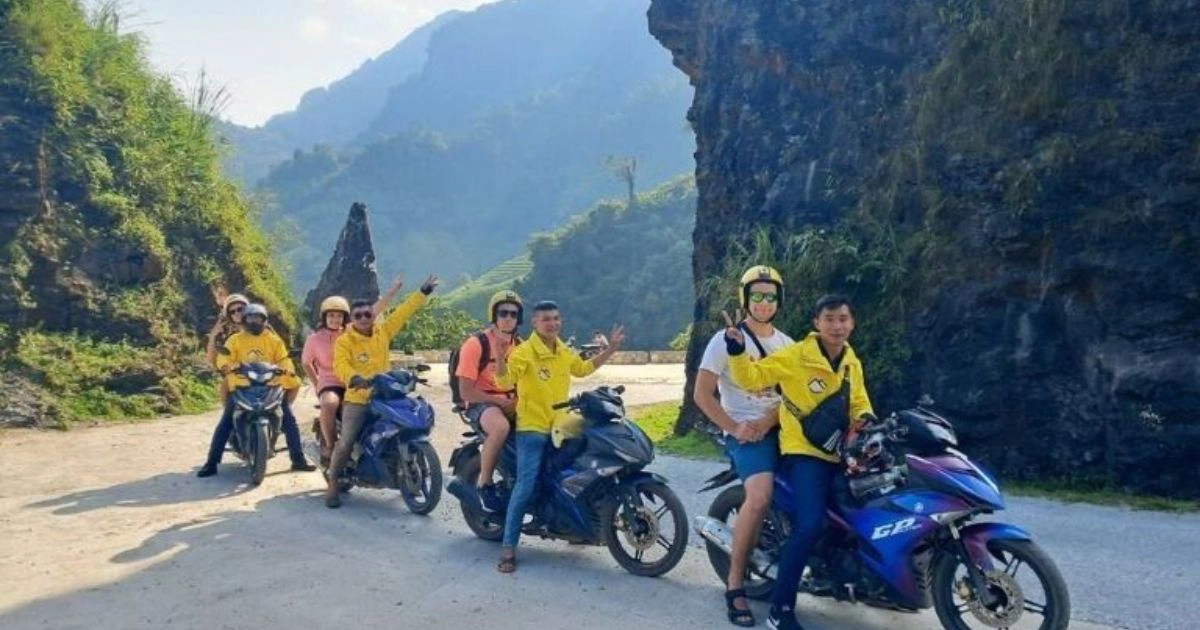
Useful Travel Tips For Visiting Quang Binh - Source: Pinterest
Planning ahead helps travelers maximize their experience while avoiding weather-related issues during the trip.
-
Best time to visit: February to August is the most reliable window, offering the best combination of cave access and beach weather. Avoid September through November, when heavy rainfall and flooding can close key attractions across the province.
-
How long to stay: Three to four days allows a comfortable mix of caves, outdoor activities, and the coast. Five or more days are needed for multi-day expedition tours like Hang En or Tu Lan.
-
Getting there: Dong Hoi Airport receives daily flights from Hanoi (about one hour) and Ho Chi Minh City (about one hour and forty minutes) with Vietnam Airlines, Bamboo Airways, and VietJet. The Reunification Express train also stops at Dong Hoi, offering a scenic and budget-friendly alternative from either end of the country.
-
Transportation within the province: Most visitors base themselves in Dong Hoi city or Phong Nha village, about 50 kilometers apart. Motorbike rental is the most practical option for independent travelers, while tour operators in Phong Nha typically include transfers in their activity packages.
-
What to pack: Bring lightweight hiking shoes, a dry bag, insect repellent, a headlamp, and quick-dry clothing for cave and jungle days. Add sun protection for coastal activities; most operators supply helmets and life jackets, but confirm in advance.
-
Budget expectations: Day tours for Paradise Cave and Phong Nha Cave typically run USD 10–30 per person, while two-day adventures like Hang En cost USD 150–300. Mid-range accommodation in Phong Nha village runs USD 20–50 per night, and budget travelers can manage around USD 40–60 per day outside of expedition costs.
If you are searching for exciting nature adventures in Vietnam, learning what to do in Quang Binh opens the door to some of the country’s most unforgettable experiences. From legendary caves and jungle trekking to beautiful beaches and authentic local cuisine, Quang Binh delivers the perfect balance between adventure and relaxation. Explore more travel inspiration and unique Vietnam experiences with Joytime Travel Agency.
|
Joytime Travel Agency - Travel JOY, TIMEless Vietnam Safe, Seamless, Satisfying, Sustainable Follow us for travel tips, local insights, and exclusive offers:
|

Danish Nguyen
Danish Nguyen is a renowned travel blogger in Vietnam with over 5 years of experience sharing unique travel experiences. With a passion for exploring new places, Danish captures incredible moments and provides readers with valuable tips to discover the beauty of his homeland.


.webp)

.webp)