








Hanoi Interesting Facts: History, Culture, Food and Local Life
The main content of the article
- 1. 15 Fascinating Things You May Not Know About Hanoi
- 1.1. Hanoi Means “Inside the Rivers”
- 1.2. Hanoi Was Once Called Thang Long, Meaning “Rising Dragon”
- 1.3. The Imperial Citadel of Thang Long Was a Political Center for Almost 13 Centuries
- 1.4. Hanoi’s Old Quarter Developed from 36 Traditional Craft Streets
- 1.5. Hoan Kiem Lake Takes Its Name from the Legend of the Returned Sword
- 1.6. The Temple of Literature Became Vietnam’s First National University in 1076
- 1.7. Water Puppetry Began in the Rice Fields of the Red River Delta
- 1.8. Hanoi’s Narrow Tube Houses Reflect the City’s Historic Urban Design
- 1.9. Long Bien Bridge Was Designed by Daydé & Pillé, Not Gustave Eiffel
- 1.10. A Four Kilometer Ceramic Mosaic Runs Along Hanoi’s Red River Dyke
- 1.11. Egg Coffee Was Created in Hanoi
- 1.12. Hanoi Has Its Own Distinctive Culinary Identity
- 1.13. Bia Hoi Is an Important Part of Hanoi’s Sidewalk Culture
- 1.14. Hanoi’s Lakes Shape the City’s Daily Life and Landscape
- 1.15. Hanoi Is Both a UNESCO Creative City of Design and a City for Peace
- 2. How to Experience These Hanoi Interesting Facts During Your Trip
- 3. Practical Tips for Exploring Hanoi
- 4. Frequently Asked Questions About Hanoi
These Hanoi interesting facts reveal a capital shaped by more than 1,000 years of history, distinctive architecture, traditional food and lively street culture. From the legend behind Hoan Kiem Lake and the origins of egg coffee to narrow tube houses and historic craft streets, each fact offers a new perspective on the city. You will also find practical tips for experiencing these highlights during your trip.
1. 15 Fascinating Things You May Not Know About Hanoi
Learning about the city before you arrive helps you understand the local culture and appreciate the daily life happening around you.
1.1. Hanoi Means “Inside the Rivers”
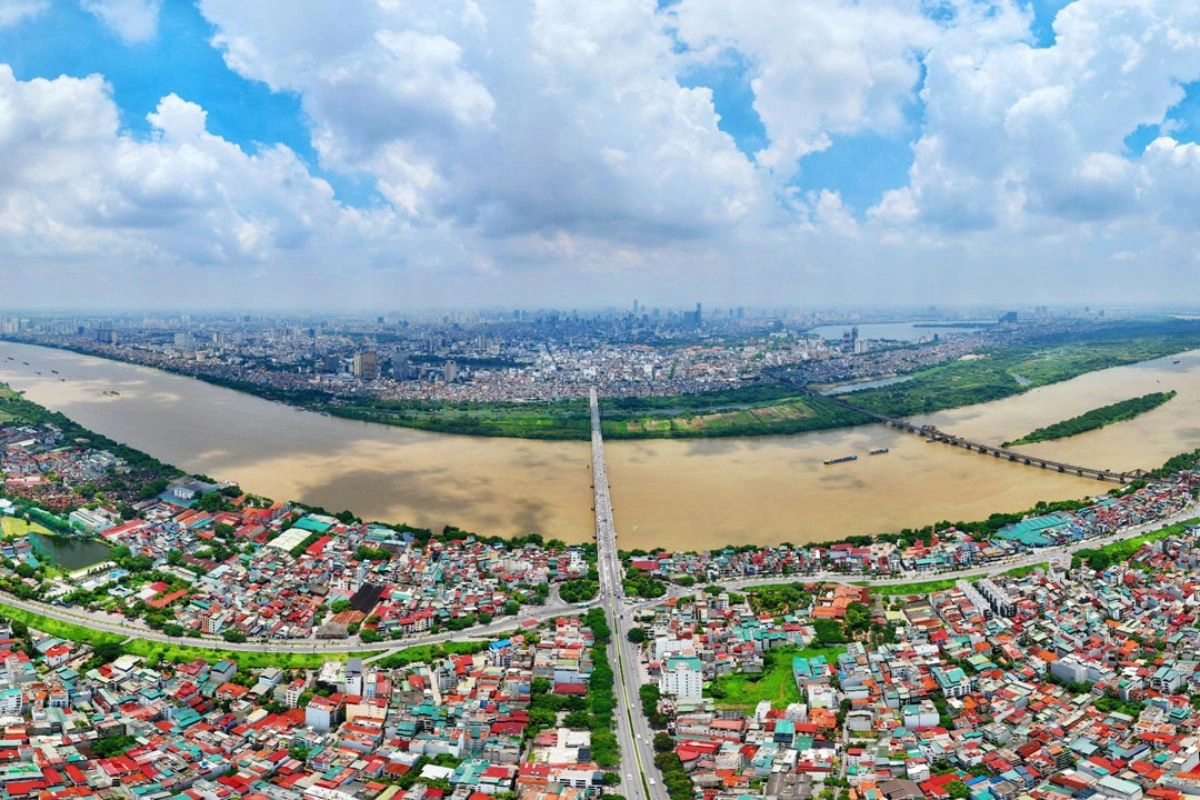
The Red River flowing through the city landscape - Source: VinWonders
The name Hanoi literally translates to "city inside rivers" or "hinterland between the rivers" in Sino-Vietnamese. This title perfectly describes the geographical location of the capital, which is embraced by the Red River and its various tributaries.
The city officially received this name in 1831 during the Nguyen Dynasty under Emperor Minh Mang. Before adopting its current name, the capital went through several different titles that reflected its evolving political and cultural significance over the centuries.
1.2. Hanoi Was Once Called Thang Long, Meaning “Rising Dragon”
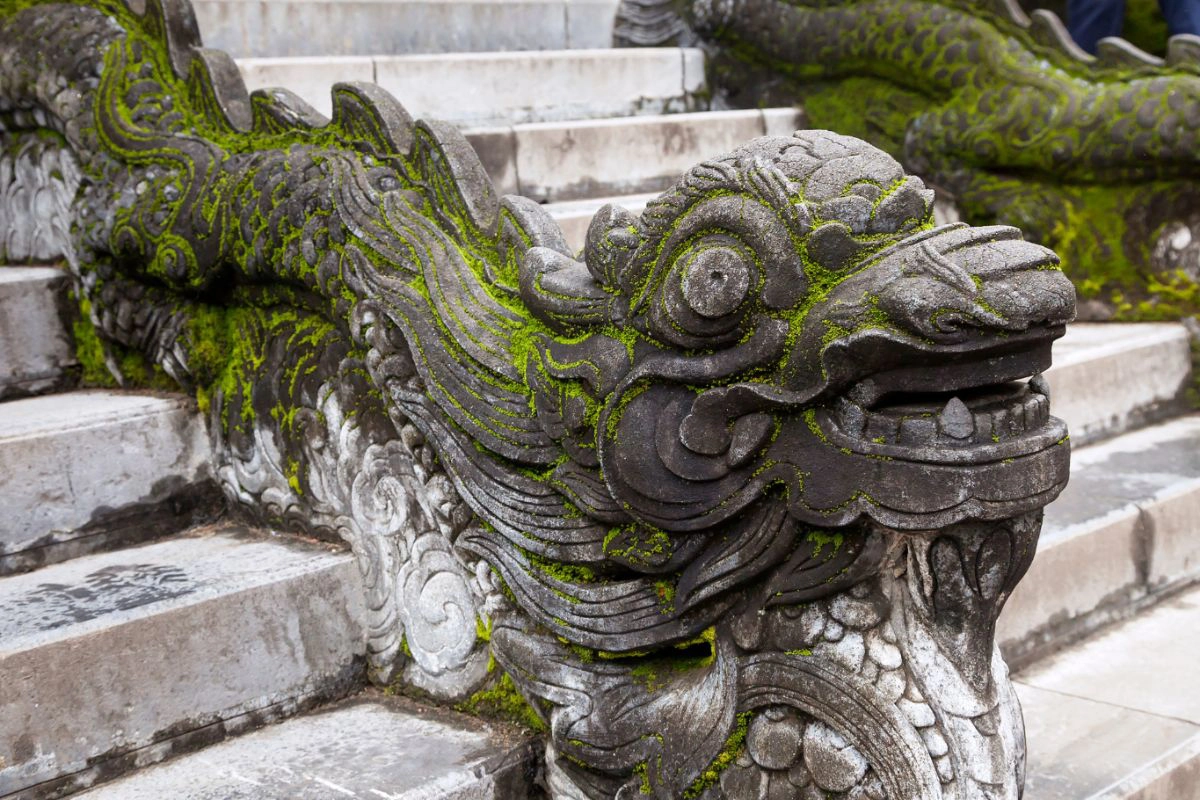
A stone dragon statue at the Imperial Citadel - Source: Vivu
In the year 1010, Emperor Ly Thai To moved the capital of Dai Viet to this location and named it Thang Long. According to local historical records, the emperor saw a golden dragon rising from the Red River upon his arrival, inspiring the auspicious name.
The name Thang Long remained deeply connected to the identity of the city for centuries and is still widely used in literature and business today. When visiting the capital, you will notice many hotels, restaurants, and cultural landmarks that proudly incorporate the word into their branding.
1.3. The Imperial Citadel of Thang Long Was a Political Center for Almost 13 Centuries
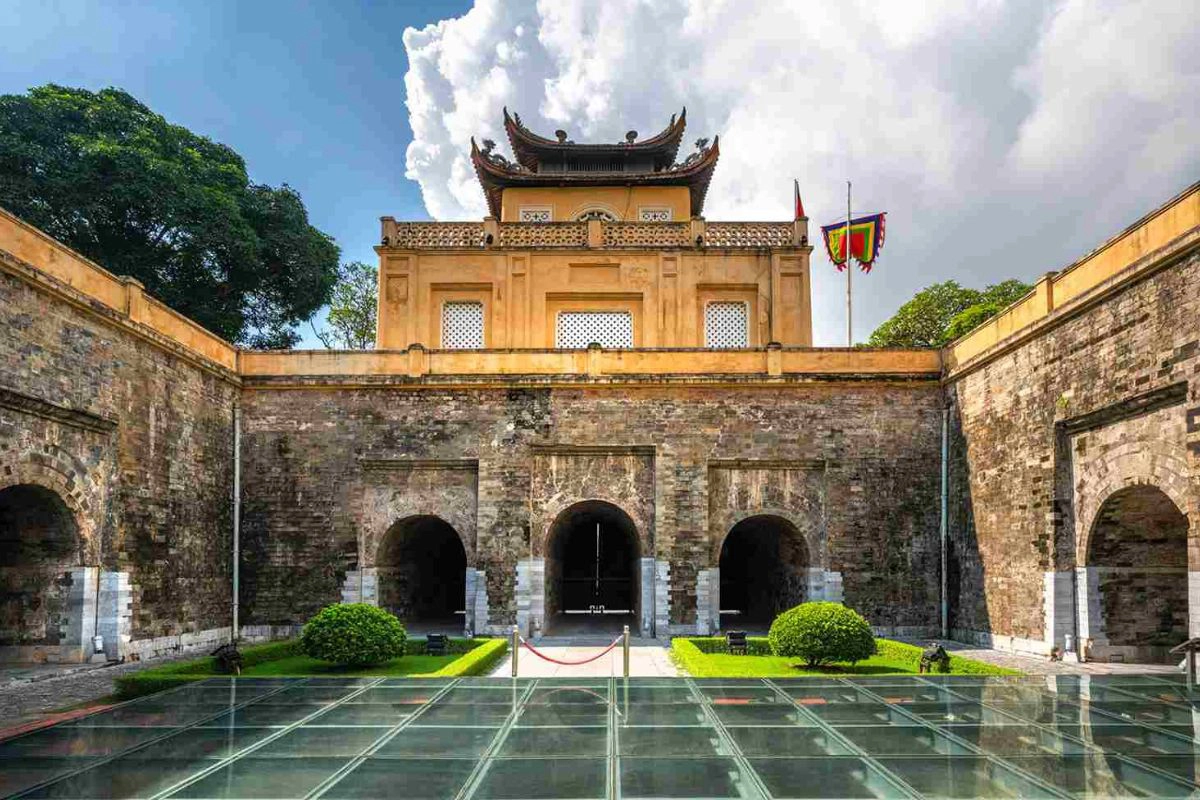
The historic gates of the Imperial Citadel of Thang Long - Source: Hotel De Syloia
Serving as the political heart of Vietnam, this massive complex housed successive royal dynasties from the 11th century onward. The site witnessed numerous historical events and architectural expansions, reflecting the power and continuity of the nation through different ruling eras.
Today, the central sector of the Imperial Citadel is recognized as a UNESCO World Heritage site, open to international visitors throughout the week. Exploring the excavation areas reveals ancient foundations, royal artifacts, and historical military bunkers that offer a tangible connection to the past.
1.4. Hanoi’s Old Quarter Developed from 36 Traditional Craft Streets
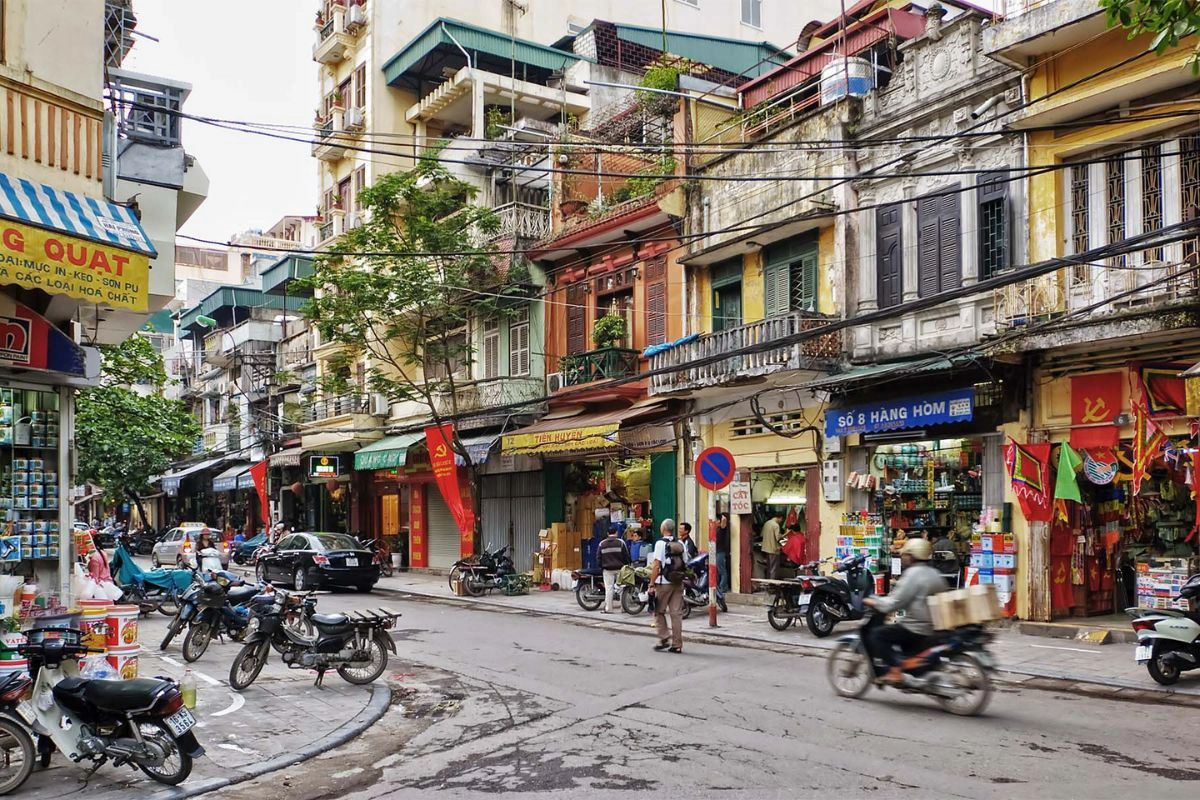
Narrow streets filled with vendors in the Old Quarter - Source: Grand Mercure Hanoi
The historical commercial district originally consisted of 36 specific streets, with each one dedicated to a particular trade or guild. Artisans from surrounding villages gathered here to produce and sell goods like silver, silk, bamboo, and medicinal herbs.
Many of these streets still retain their original names, starting with the word "Hang" which translates to merchandise or goods. While modern businesses have largely taken over, you can still find traditional merchants selling specialized items on streets like Hang Bac for silver and Hang Ma for paper goods.
1.5. Hoan Kiem Lake Takes Its Name from the Legend of the Returned Sword
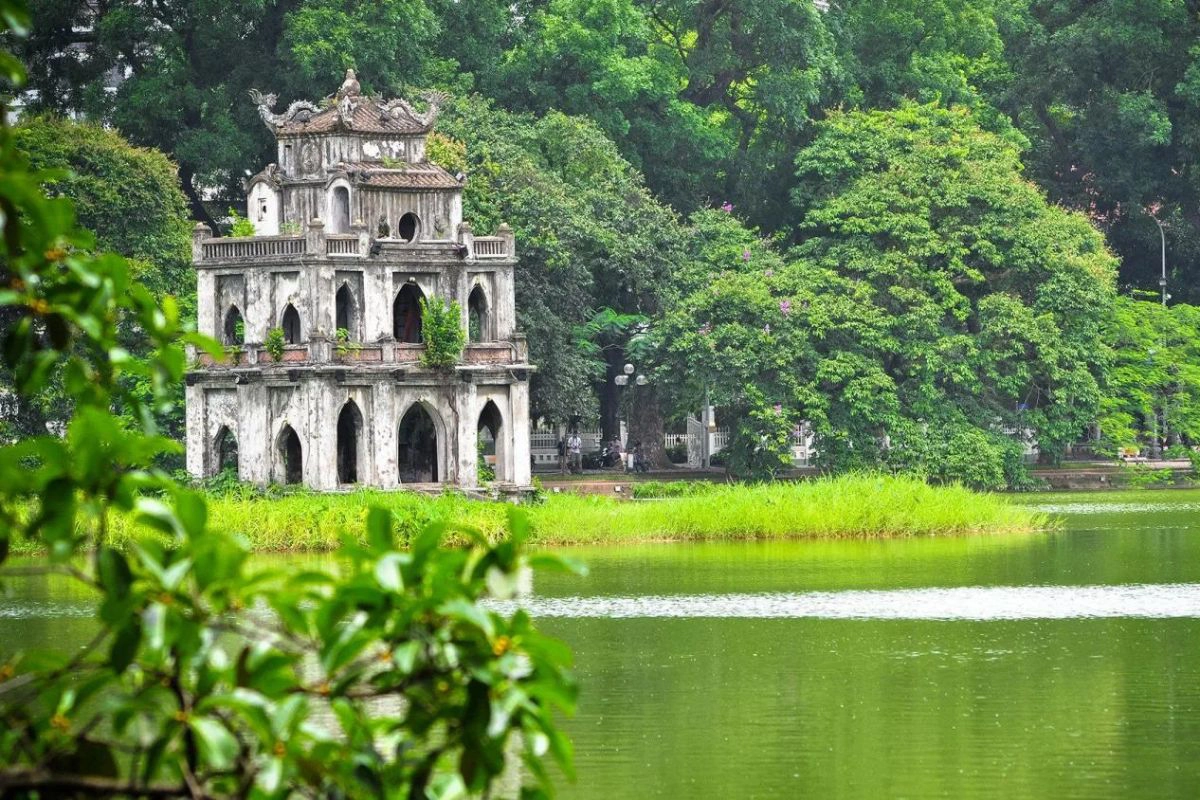
The Turtle Tower standing in the middle of Hoan Kiem Lake - Source: La Passion Premium Cau Go Hotel
The name Hoan Kiem translates directly to "Lake of the Returned Sword," pointing to one of the most famous legends in Vietnamese history. The story explains that Emperor Le Loi returned a magical sword to a Golden Turtle God in this exact lake after successfully driving out foreign invaders.
The lake now serves as the central focal point of the city, providing a peaceful escape from the heavy traffic of the surrounding streets. On weekends, the roads surrounding the water are closed to motorized vehicles, transforming the area into a lively pedestrian zone filled with street performers and local families.
1.6. The Temple of Literature Became Vietnam’s First National University in 1076
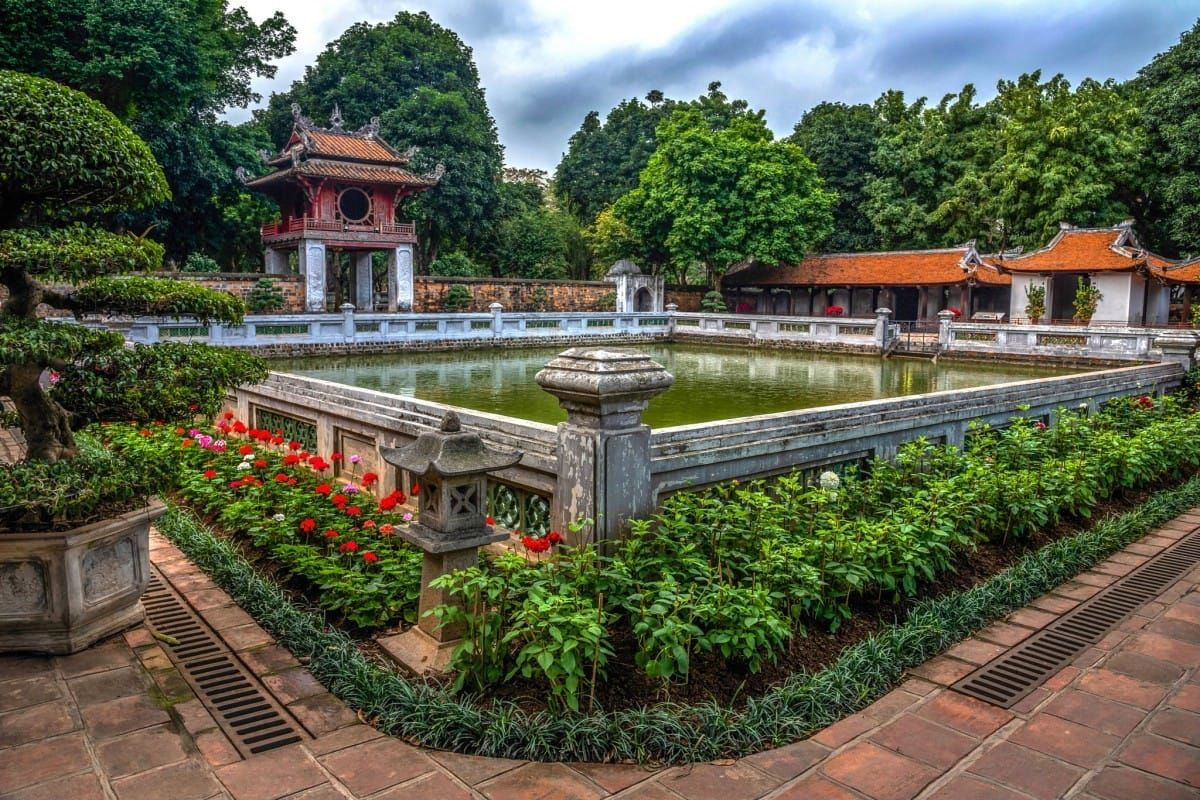
Traditional architecture at the Temple of Literature - Source: Trekgo
Originally built to honor Confucius and celebrated scholars, this well-preserved temple complex expanded to include the Imperial Academy just six years after its founding. This academy functioned as the country's first national university, educating royal family members, aristocrats, and talented students from across the nation.
The temple grounds feature beautifully landscaped courtyards and large stone steles resting on the backs of stone turtles, which record the names of successful doctoral candidates. Visiting this site provides valuable insight into traditional Vietnamese educational values and historical architectural styles.
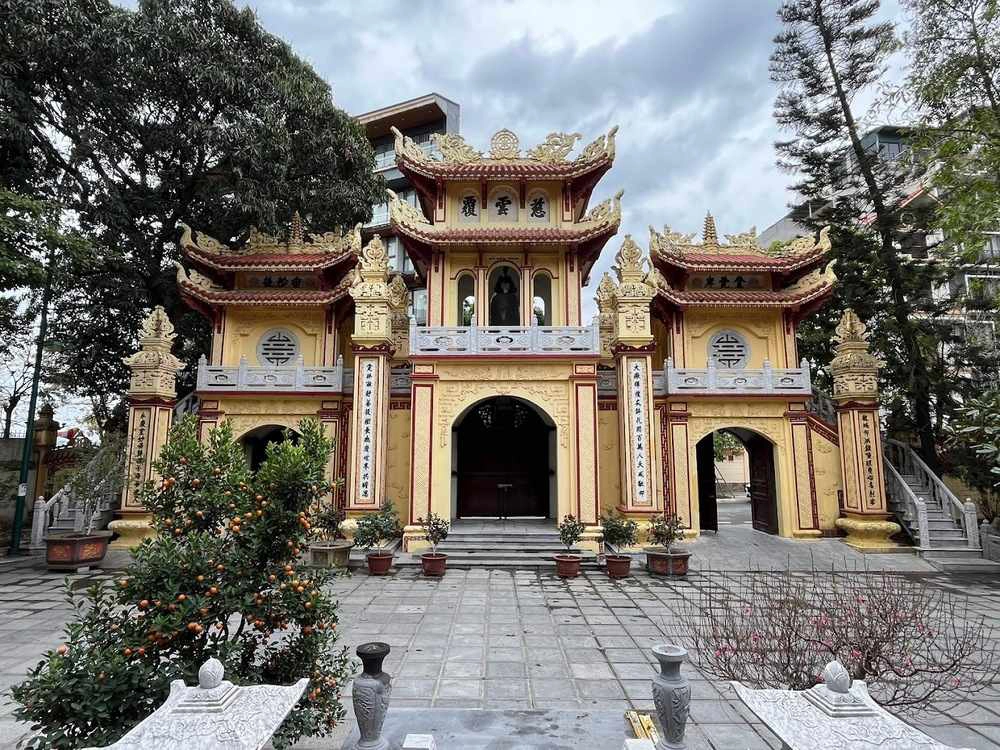
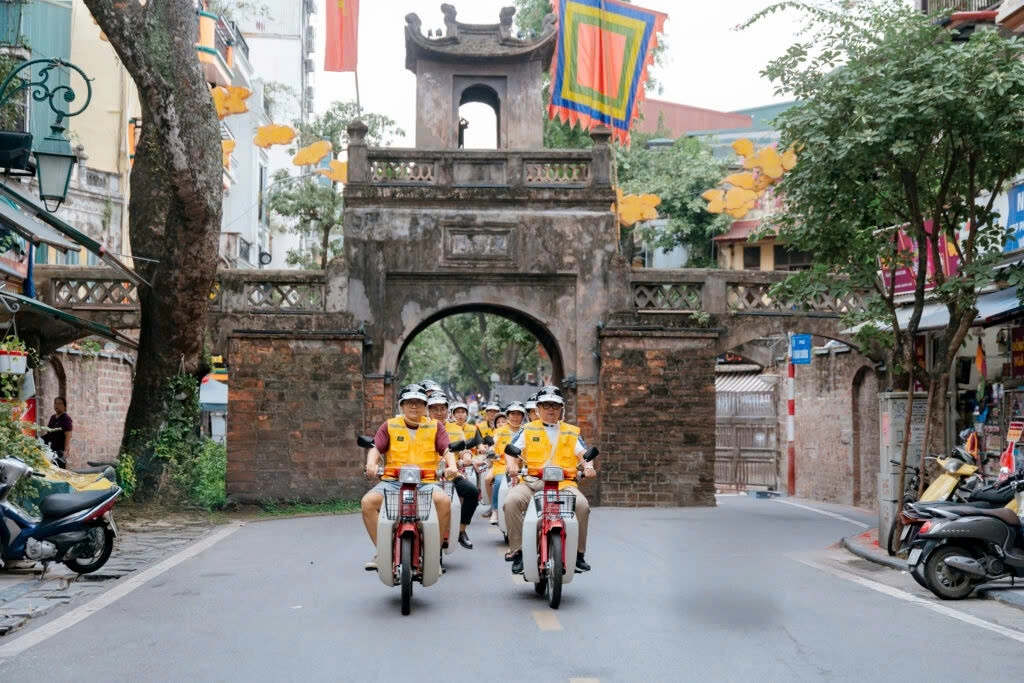
.webp)
1.7. Water Puppetry Began in the Rice Fields of the Red River Delta
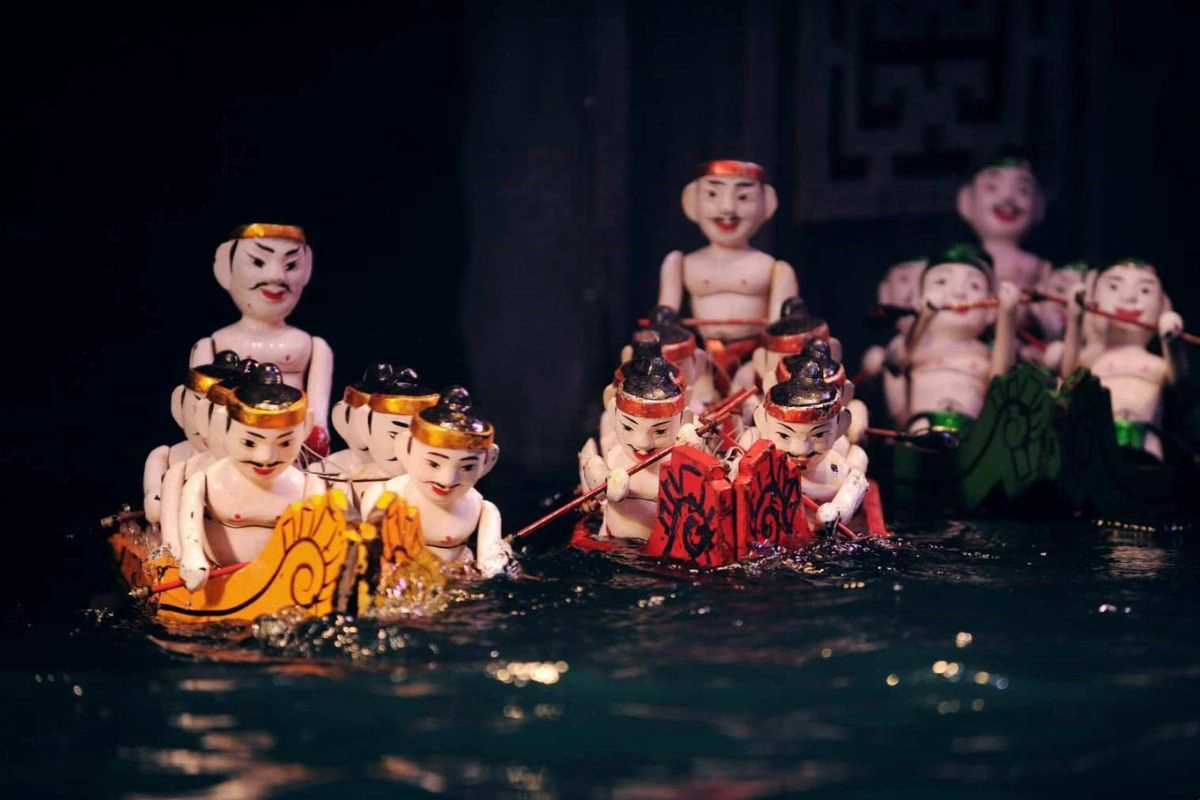
Wooden puppets performing on a water stage - Source: Pelago
This distinct form of entertainment originated in the 11th century when rural villagers would stage performances in flooded rice paddies after the harvest season. The villagers used the water surface as a dynamic stage to hide the puppet mechanisms and create dramatic splashing effects.
Modern water puppet shows maintain these historical traditions, telling stories of rural life, agricultural work, and national legends accompanied by live folk music. You can easily watch these lively performances at dedicated theaters around Hoan Kiem Lake, making it a highly accessible cultural activity for visitors.
>>> Read more: Experience the Magic of Water Puppet Show Hanoi
1.8. Hanoi’s Narrow Tube Houses Reflect the City’s Historic Urban Design
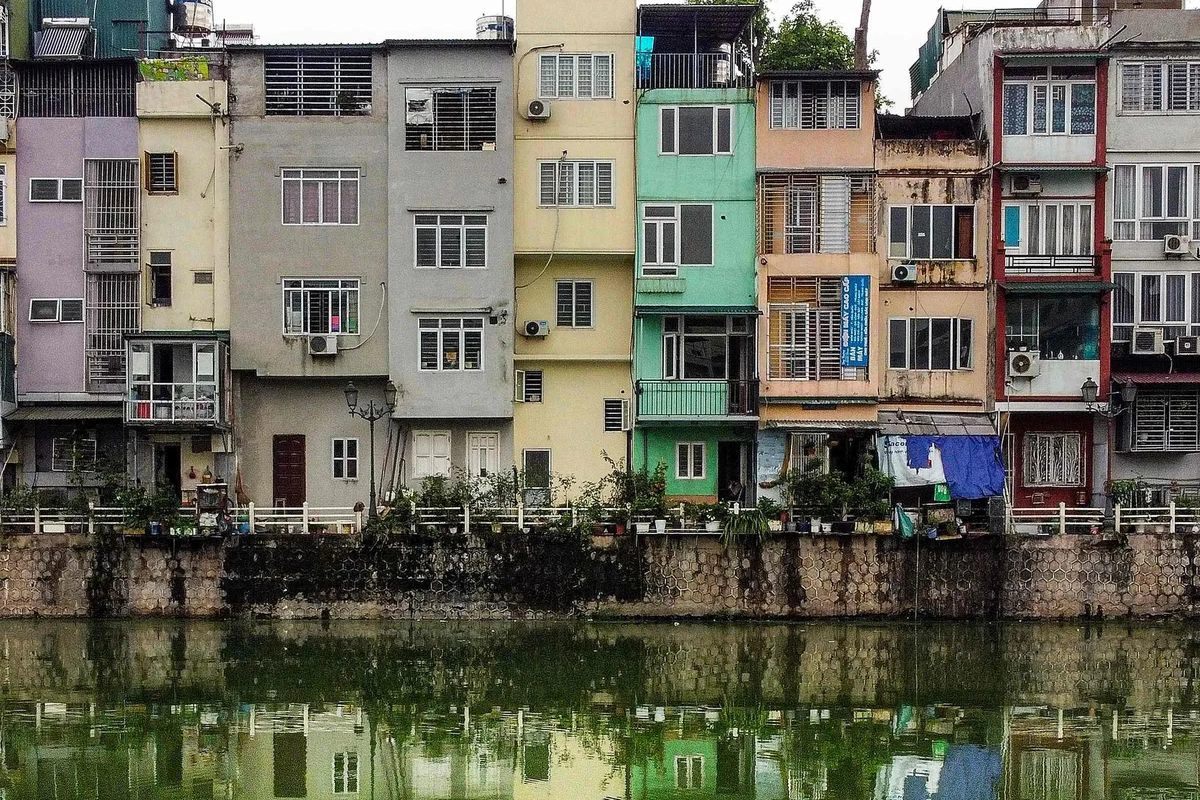
Tall and narrow tube houses lining a city street - Source: The Guardian
The architectural landscape of the capital is defined by extremely narrow but incredibly deep residential buildings commonly referred to as tube houses. This building style originally developed because property taxes were historically calculated based on the width of the street frontage rather than the total area of the property.
To maximize living space while minimizing taxes, residents built their homes deep into the blocks and added multiple upper stories. Today, these structures often feature commercial shops on the ground floor while housing multiple generations of a family in the rooms above.
1.9. Long Bien Bridge Was Designed by Daydé & Pillé, Not Gustave Eiffel
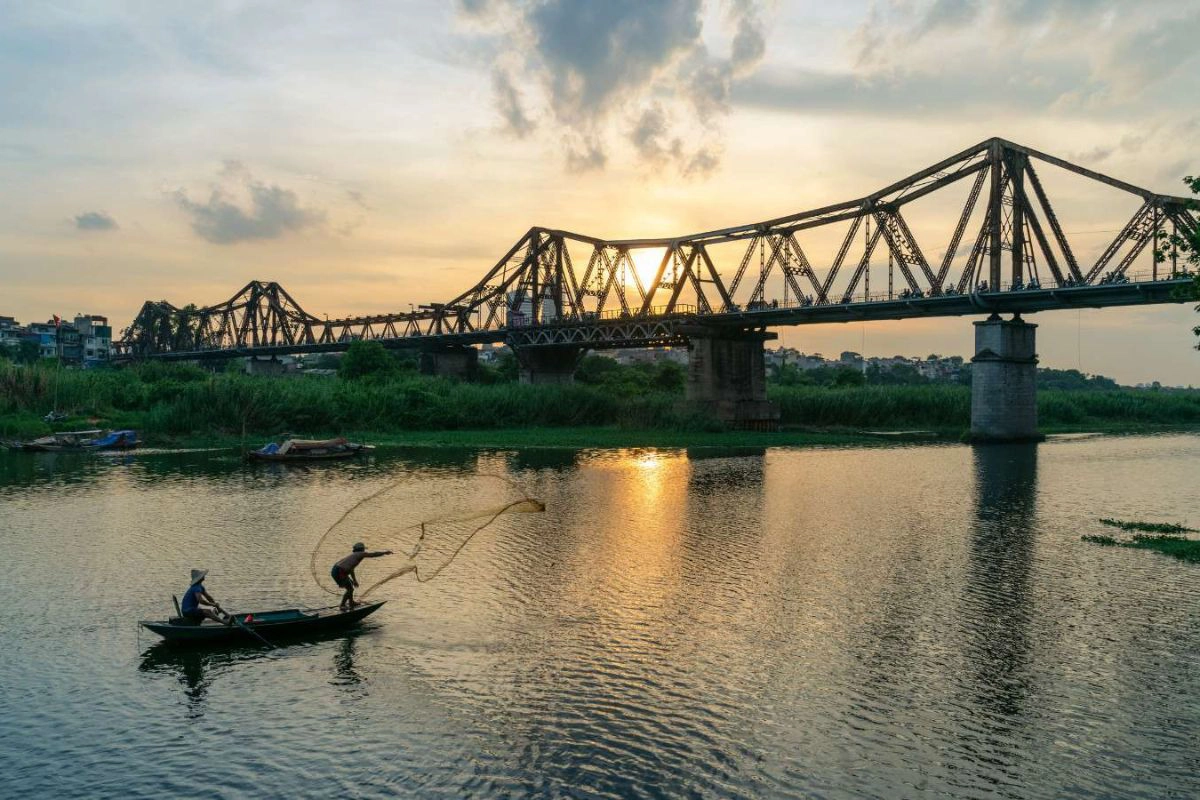
The rustic iron structure of Long Bien Bridge - Source: Eco Vietnam
Many guidebooks and local stories incorrectly claim that the famous Long Bien Bridge was designed by Gustave Eiffel, the architect behind the Eiffel Tower. In reality, the bridge was designed by the French engineering firm Daydé & Pillé and constructed between 1899 and 1902.
The historic steel structure suffered significant bombing damage during the Vietnam War but was continuously repaired to maintain the vital transportation link. Currently, the bridge remains active for trains, mopeds, and pedestrians, offering excellent photography opportunities and sweeping views of the Red River.
>>> Read more: Discovering Long Bien Bridge: A Historic Symbol of Hanoi
1.10. A Four Kilometer Ceramic Mosaic Runs Along Hanoi’s Red River Dyke
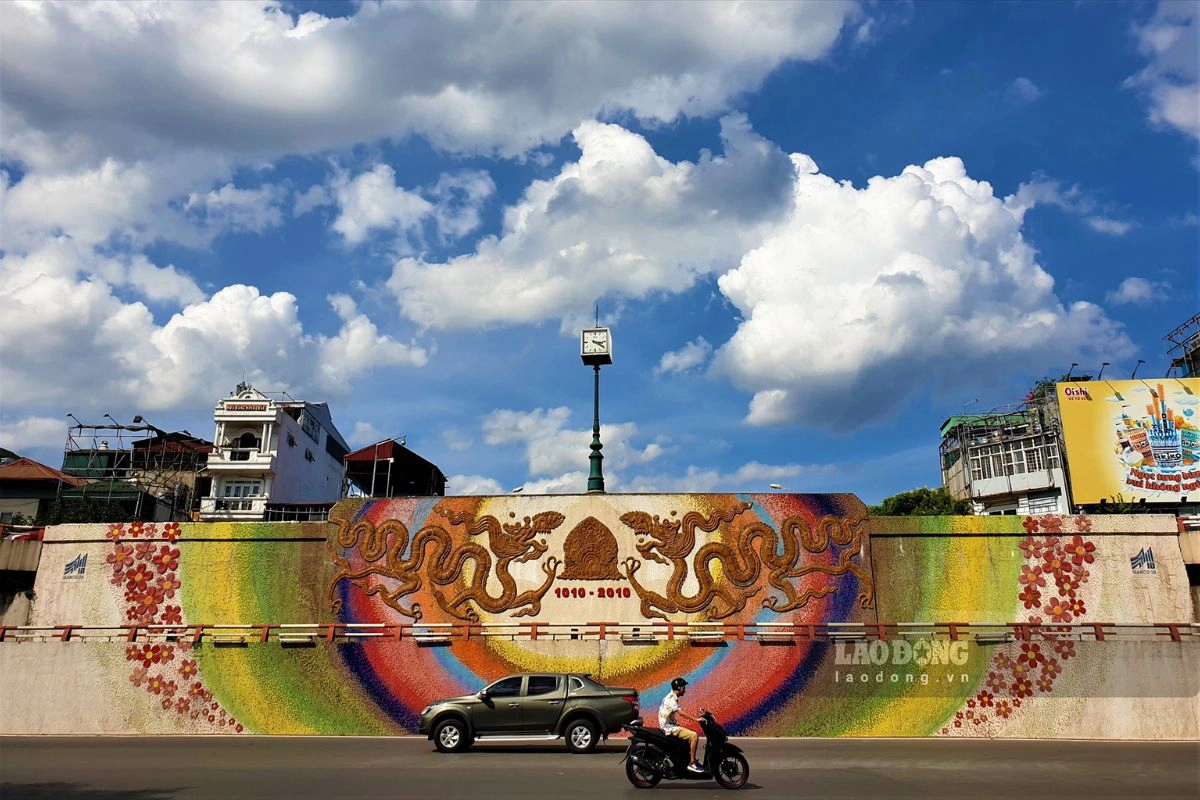
Colorful patterns on the Hanoi Ceramic Mosaic Mural - Source: Impress
The Hanoi Ceramic Mosaic Mural holds the Guinness World Record for the largest ceramic mosaic on the planet, stretching impressively along the protective dyke road. The project was created to celebrate the 1,000th anniversary of the founding of Thang Long, bringing together local and international artists.
The detailed artwork features colorful scenes depicting different periods of Vietnamese history, local mythology, and traditional craft village patterns. Driving alongside this massive installation provides a continuous visual journey through the cultural heritage of the country.
1.11. Egg Coffee Was Created in Hanoi
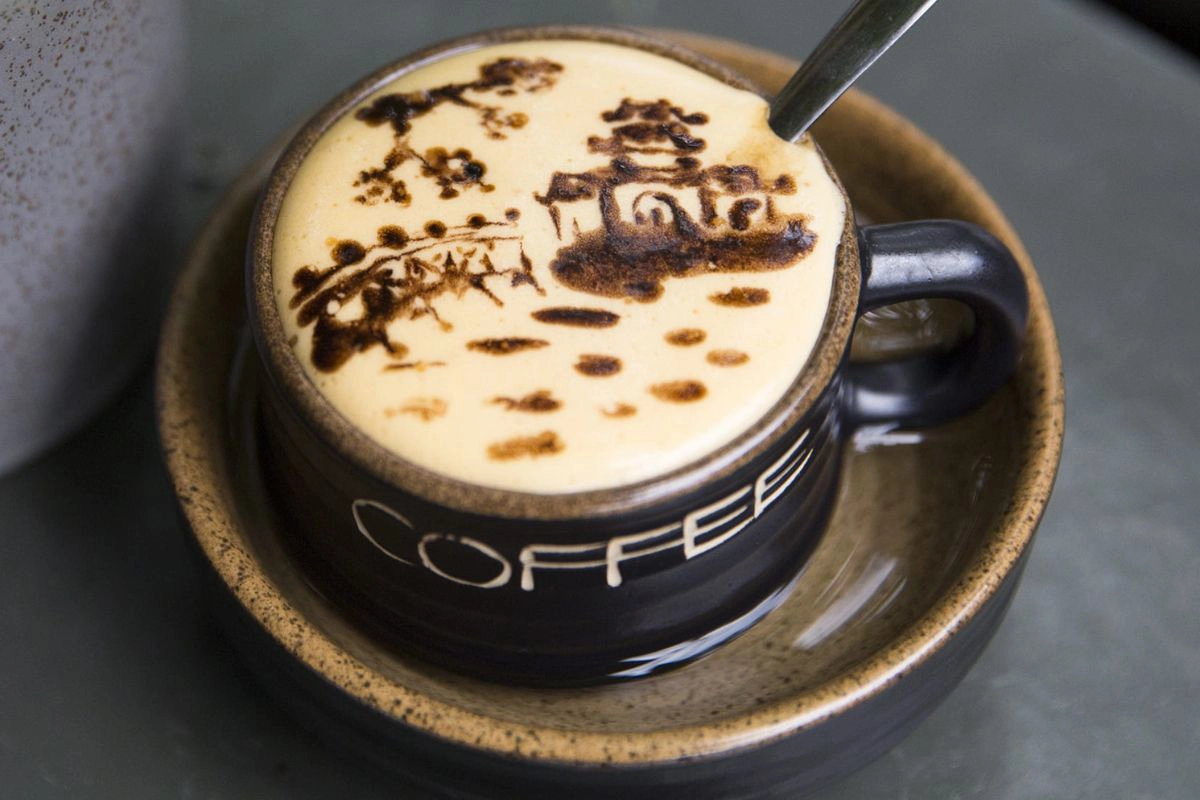
A rich and creamy cup of Vietnamese egg coffee - Source: VinWonders
This incredibly popular beverage, known locally as "ca phe trung," was invented in the 1940s by a bartender named Nguyen Van Giang who worked at the Sofitel Legend Metropole Hotel. During a severe shortage of fresh milk in the city, he ingeniously whisked egg yolks with sugar to create a creamy, decadent foam substitute.
The resulting drink tastes somewhat like liquid tiramisu and has become a signature culinary experience for anyone visiting the capital. You can still visit the original Cafe Giang in the Old Quarter, though countless other coffee shops across the city now serve their own excellent versions of the classic recipe.
1.12. Hanoi Has Its Own Distinctive Culinary Identity
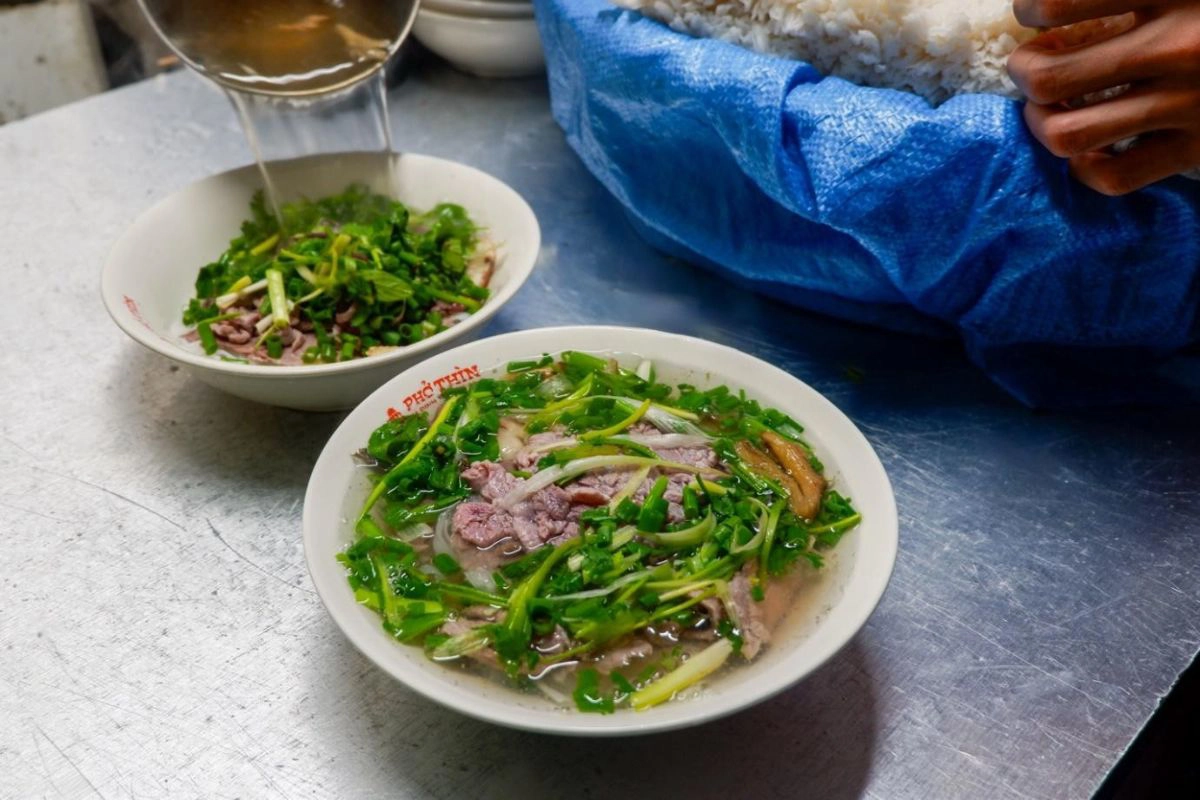
A steaming bowl of traditional Pho Hanoi - Source: Vinpearl
The food culture of the northern capital emphasizes balance, subtle flavors, and fresh herbs rather than the heavy spice or sweetness found in central and southern Vietnam. Local chefs focus heavily on clear, savory broths and the natural flavors of high quality ingredients to create their iconic dishes.
To fully experience the local cuisine, you should sample several specific regional specialties that define the dining scene. The most important dishes to seek out include traditional soups and grilled meats that showcase northern culinary techniques:
- Pho Hanoi: The northern style of the famous noodle soup features a clear, savory broth, wider rice noodles, and a heavy garnish of green onions, usually served with savory fried dough sticks.
- Bun Cha: This lunchtime staple consists of grilled pork patties and pork belly served in a bowl of warm, sweet and sour dipping sauce alongside cold rice noodles and fresh greens.
- Cha Ca: A unique dining experience where chunks of turmeric marinated fish are fried right at your table with generous amounts of fresh dill and green onions.
- Bun Thang: A sophisticated and labor intensive chicken noodle soup topped with carefully julienned egg crepe, shredded chicken, Vietnamese sausage, and sliced mushrooms.
1.13. Bia Hoi Is an Important Part of Hanoi’s Sidewalk Culture
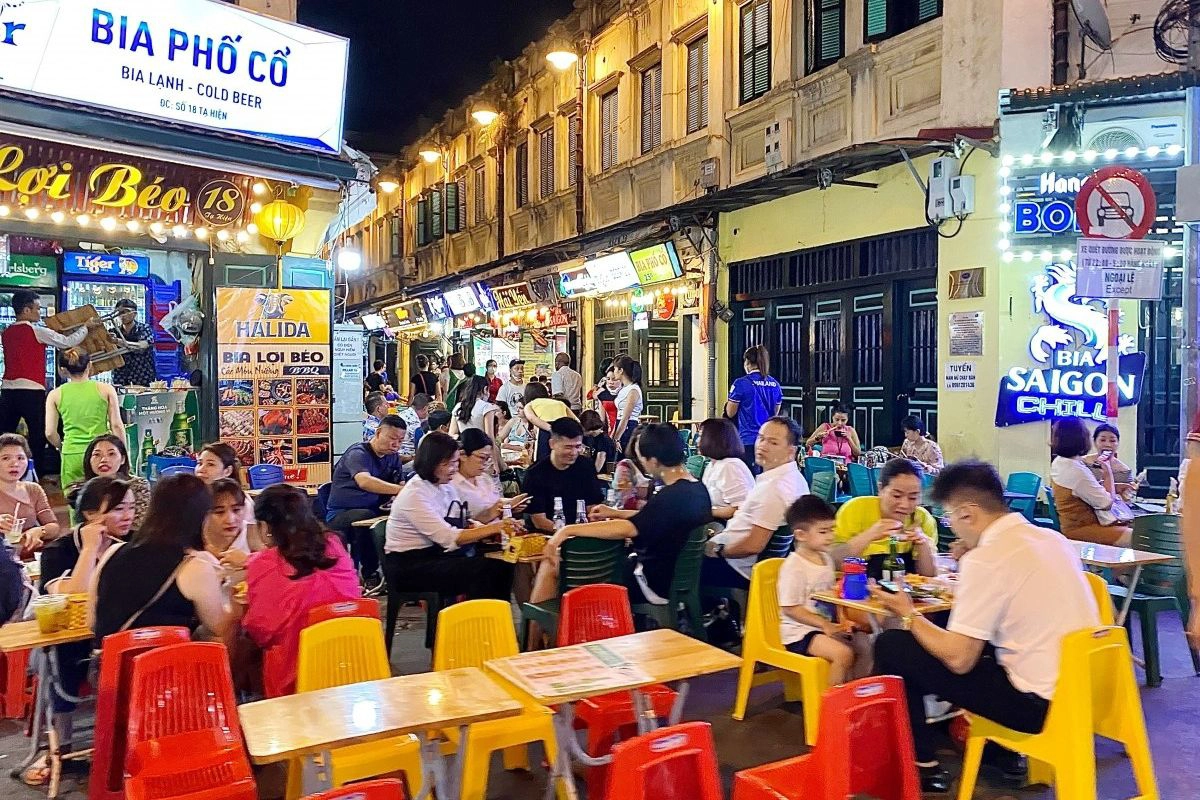
Locals enjoying fresh beer on plastic stools - Source: VinWonders
Bia hoi, which translates to "fresh beer," is a light draft beer brewed daily without preservatives and delivered directly to local establishments across the city. The beverage has a low alcohol content and must be consumed on the same day it is produced to ensure the best possible taste and quality.
Drinking bia hoi is a highly social activity that typically takes place on small plastic stools arranged on busy sidewalks. Joining the locals at a busy intersection in the Old Quarter offers an inexpensive and authentic way to observe the energetic rhythm of daily street life.
1.14. Hanoi’s Lakes Shape the City’s Daily Life and Landscape
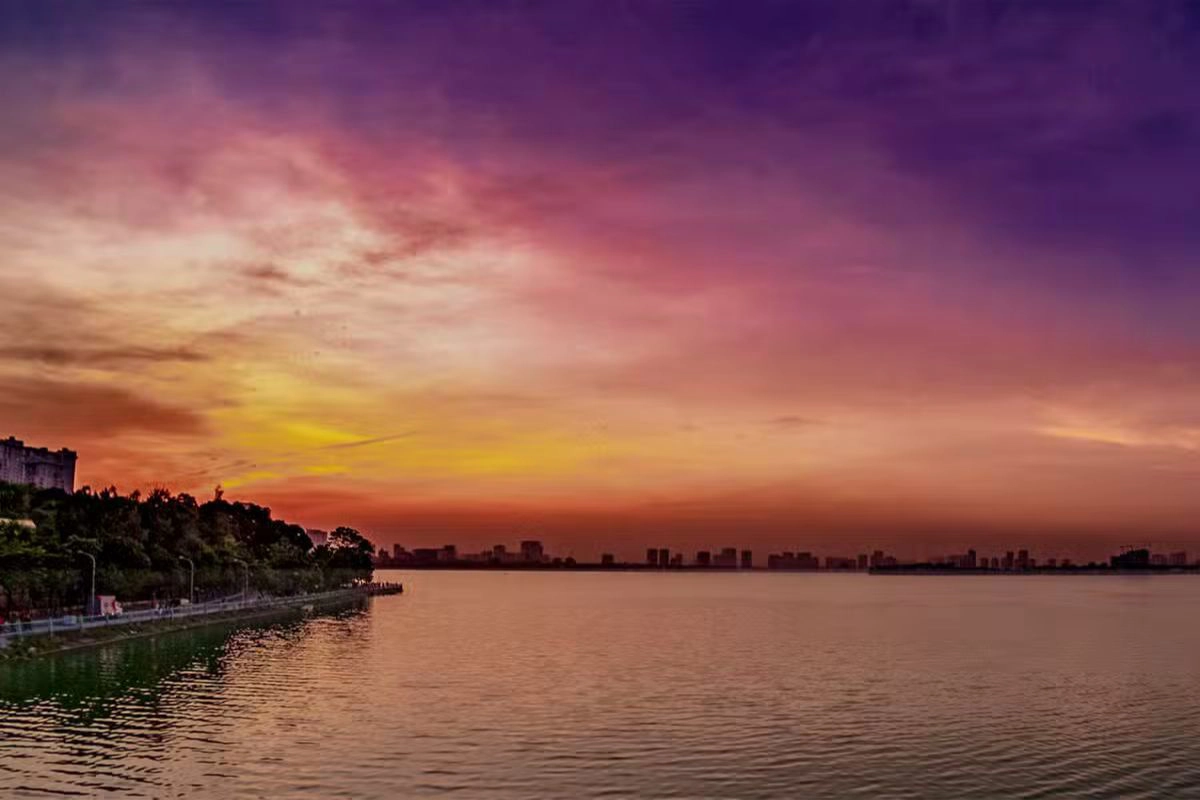
Sunset views over West Lake - Source: Local Vietnam
The geography of the capital includes dozens of natural lakes, with Hoan Kiem Lake and West Lake being the most prominent and culturally significant. These large bodies of water help regulate the local temperature during the hot summer months and provide essential open spaces in a densely populated urban environment.
The shores of these lakes act as communal gathering spaces where residents come to exercise, socialize, drink tea, and escape the confined spaces of their homes. Renting a bicycle or taking a long walk around West Lake is a highly recommended activity for travelers looking to experience the quieter side of the city.
1.15. Hanoi Is Both a UNESCO Creative City of Design and a City for Peace
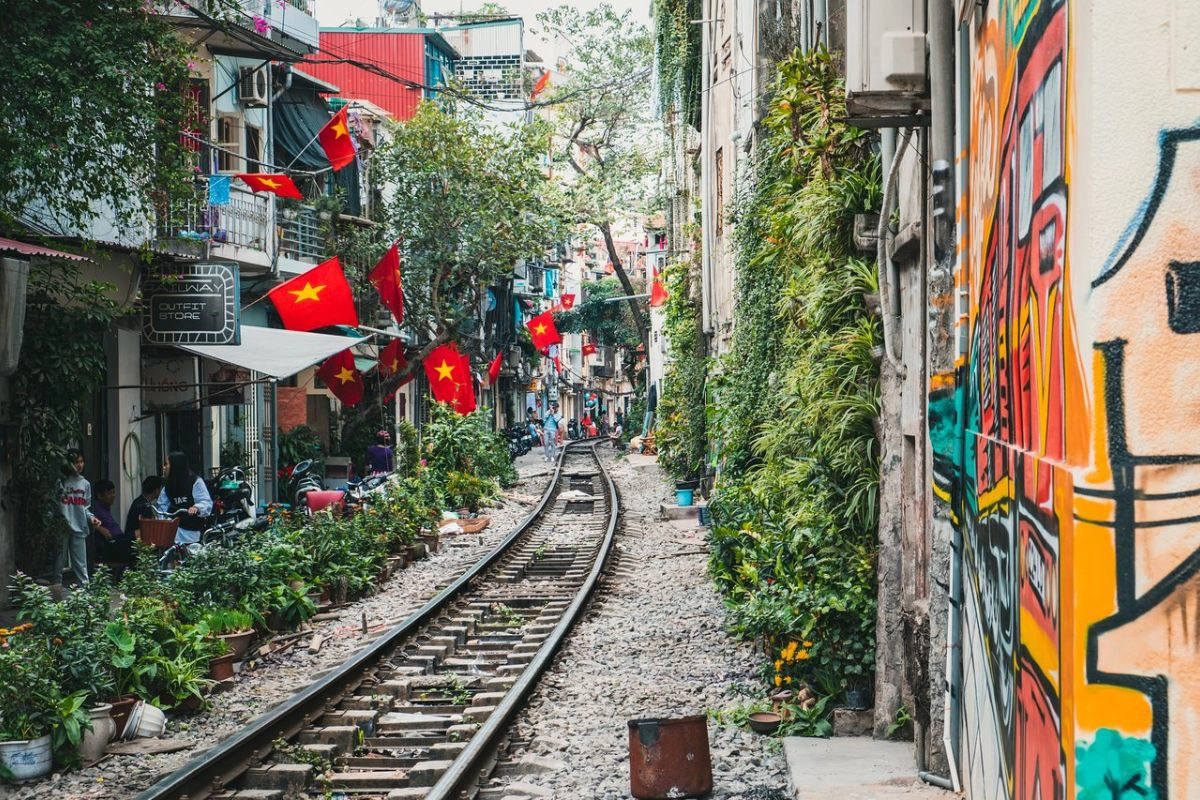
The symbolic Hanoi City for Peace monument - Source: Tripadvisor
In 1999, the capital was awarded the "City for Peace" title by UNESCO, recognizing its successful transition from a war torn region into a stable, developing urban center. This award highlights the ongoing efforts of the local government to improve living standards, promote equality, and preserve cultural traditions.
Two decades later, in 2019, the city also joined the UNESCO Creative Cities Network in the field of design. This modern designation celebrates the growing contemporary art scene, innovative architectural projects, and the vibrant creative communities that are actively reshaping the cultural landscape.
2. How to Experience These Hanoi Interesting Facts During Your Trip
Reading about historical details is helpful, but seeing them in person makes your travel experience much more memorable. Here are the best ways to connect with the local culture and history while exploring the capital.
2.1. Explore the Old Quarter on Foot
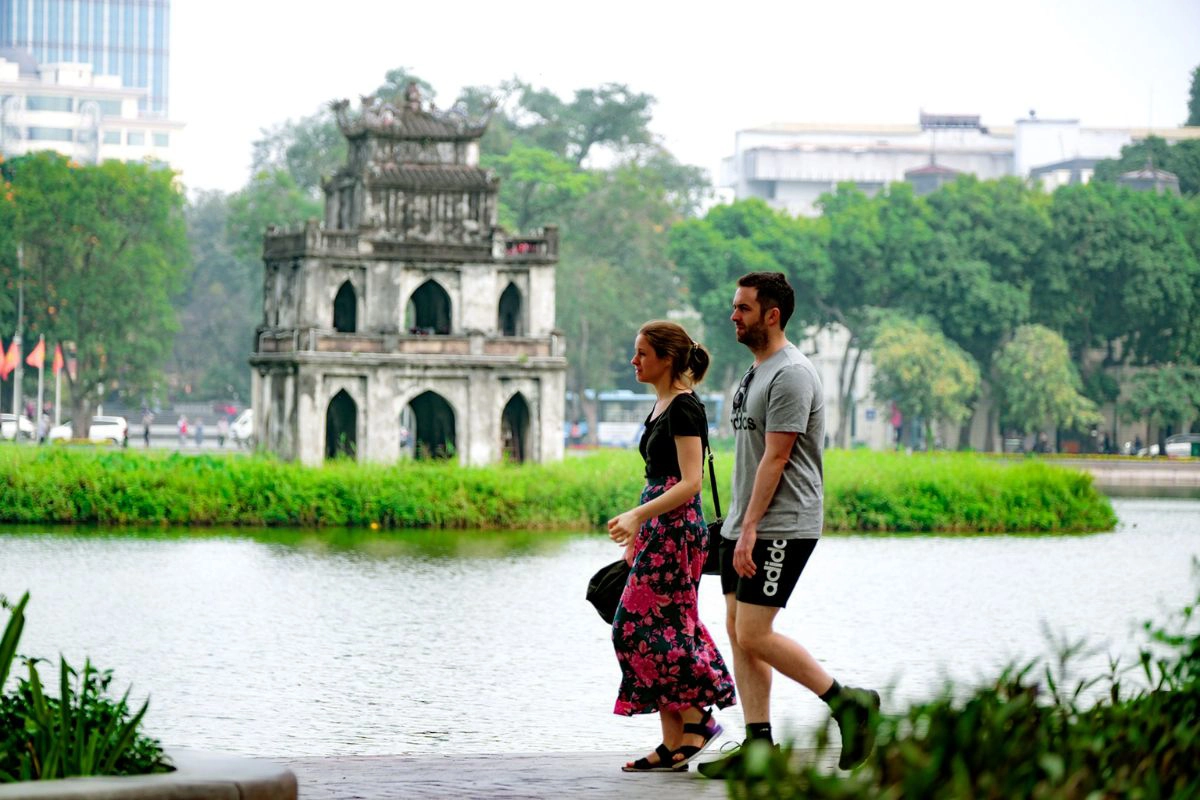
Walking through a traditional craft street - Source: Tuoi Tre Online
Walking is absolutely the best way to fully appreciate the architecture, street food culture, and historical craft streets detailed earlier. The sidewalks are often crowded with parked motorbikes and small vendor stalls, so you must be prepared to share the edge of the road with slow moving traffic.
Start your walking journey early in the morning when the local markets are the most active and the weather is relatively cool. You can easily spend several hours navigating the maze of streets, observing the traditional tube houses, and browsing for souvenirs in the specialty craft shops.
>>> Read more: Hanoi Free Walking Tour: Explore the Heart of the Old Quarter Like a Local
2.2. Visit Hanoi’s Historic and Cultural Landmarks
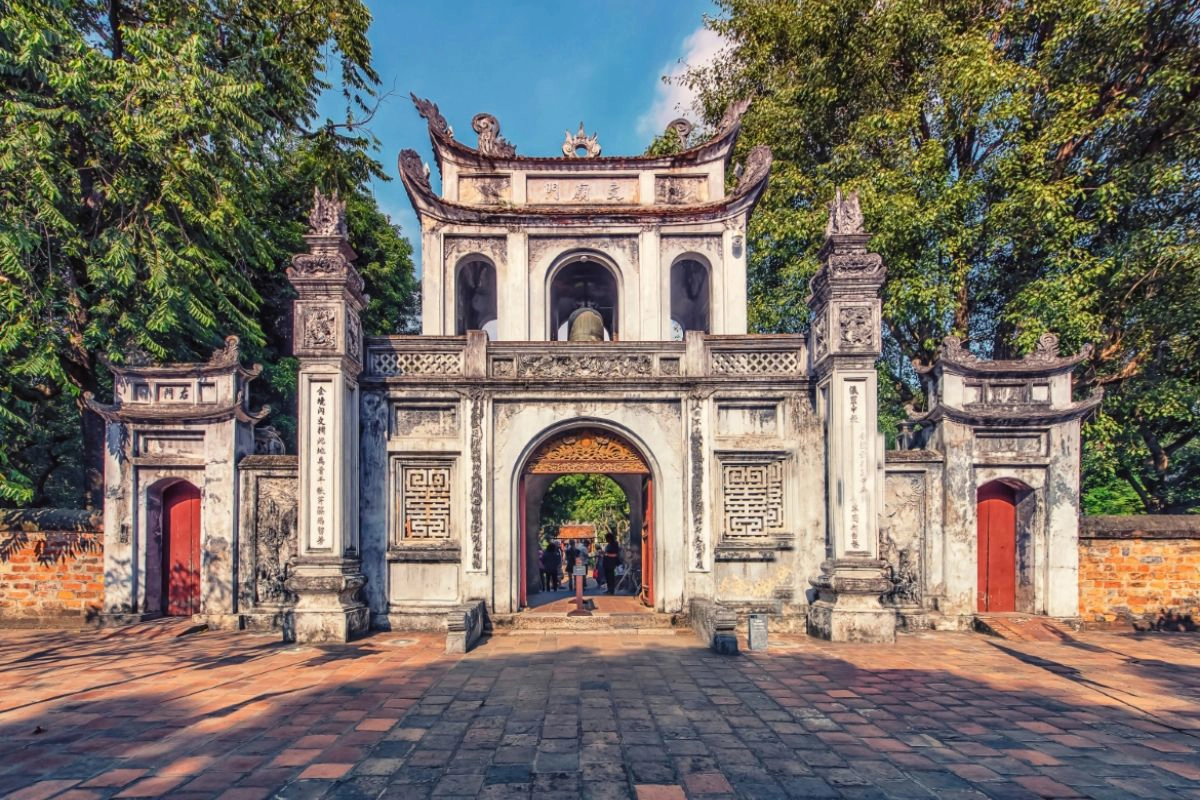
The imposing entrance of the Temple of Literature - Source: Vietnam Discovery
To truly understand the political and educational history of the city, you need to spend time at the major historical sites. Plan your itinerary to include the Imperial Citadel of Thang Long, the Temple of Literature, and the historic Long Bien Bridge over consecutive days.
Be sure to check the official opening hours before you visit, as many museums and historical monuments close on Mondays or during the lunch hour. Purchasing entrance tickets is generally inexpensive, and you can often hire on site guides or use audio equipment to gain deeper insights into the artifacts on display.
2.3. Try Traditional Food, Egg Coffee and Bia Hoi
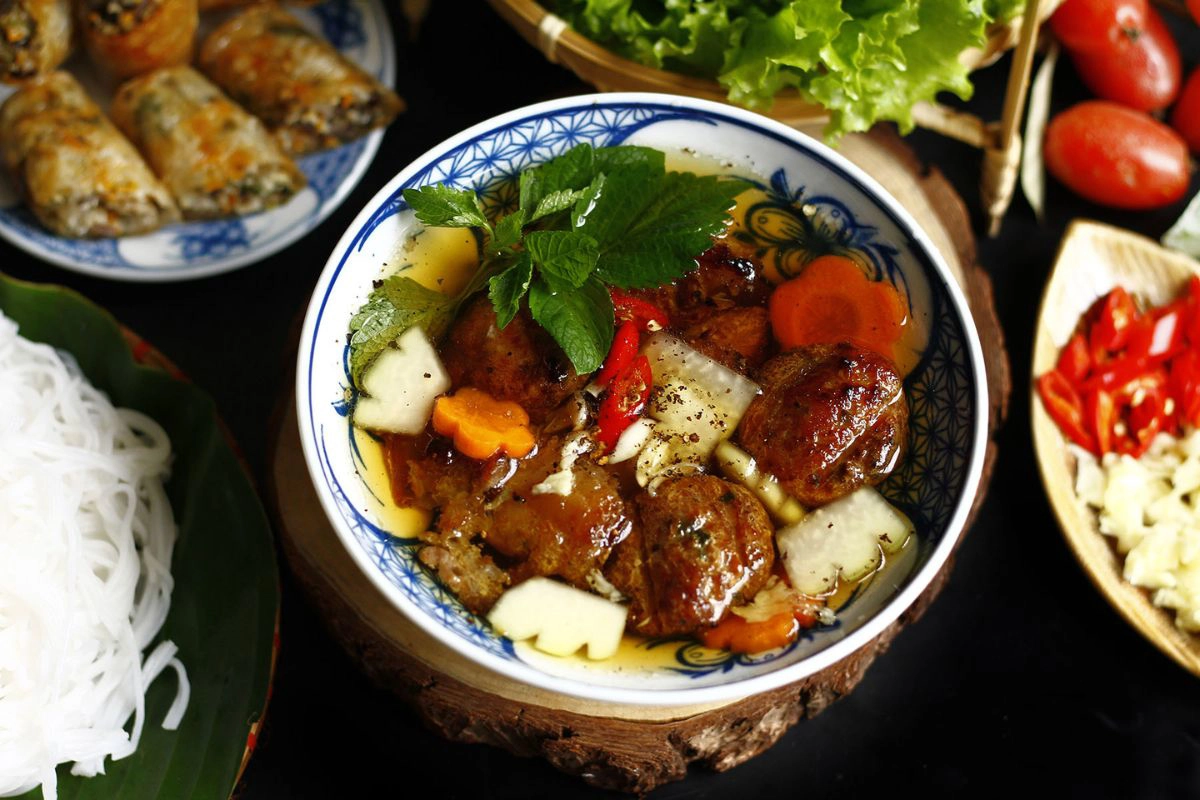
A local vendor serving traditional street food - Source: VinWonders
Your visit to the capital is not complete without tasting the distinctive northern Vietnamese cuisine that defines the city. Seek out small, specialized restaurants that focus on just one signature dish, as these establishments usually offer the highest quality and most authentic flavors.
Make sure to schedule a specific time to sit at a sidewalk cafe for a rich cup of egg coffee and dedicate an evening to drinking bia hoi. Sitting on a low plastic stool while enjoying local food and drinks is an essential cultural experience that connects you directly with the daily routines of the residents.
2.4. Watch a Traditional Water Puppet Performance
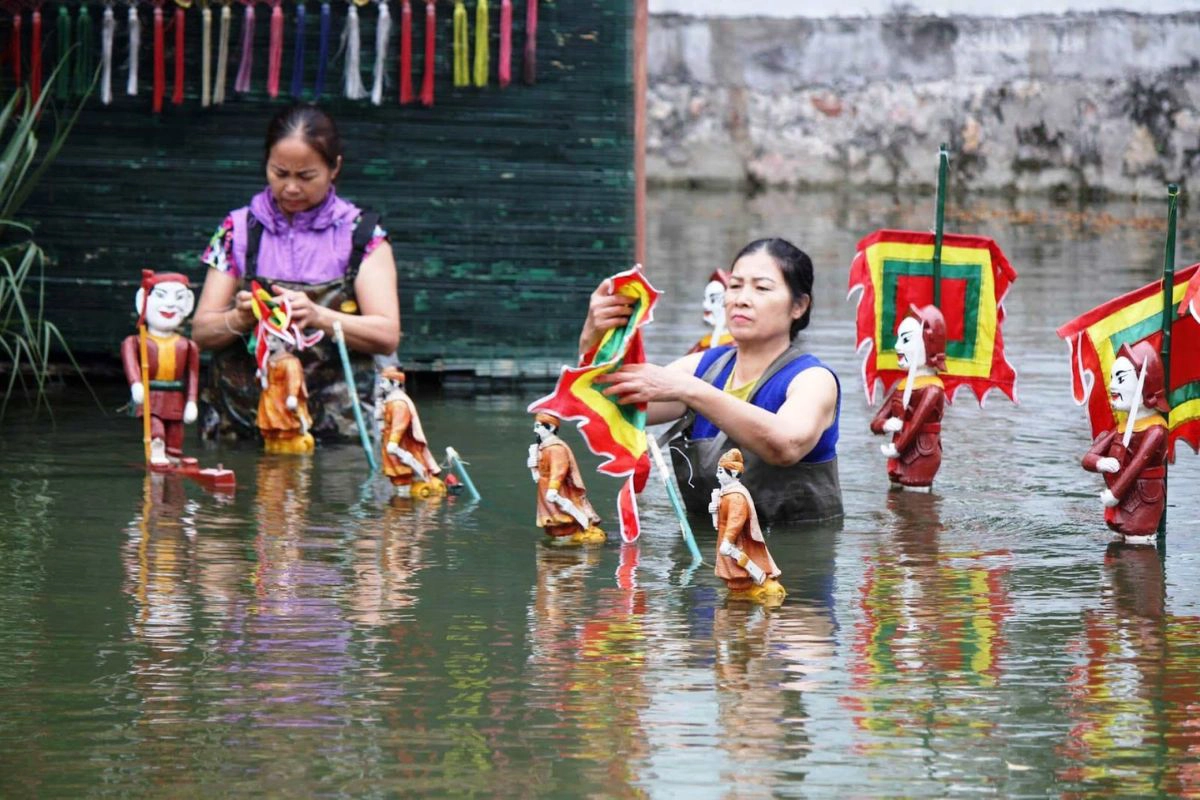
The audience watching a colorful water puppet show - Source: Pinterest
Attending a live water puppet show provides a highly entertaining introduction to the agricultural history and folklore of the Red River Delta. The performances usually last about one hour, making them easy to fit into a busy sightseeing schedule, especially for families traveling with children.
The Thang Long Water Puppet Theatre, located directly across from Hoan Kiem Lake, is the most popular and convenient venue for international visitors. Because these shows sell out very quickly, you should strongly consider purchasing your tickets at the box office a day or two in advance.
2.5. Discover Hanoi with a Local Tour
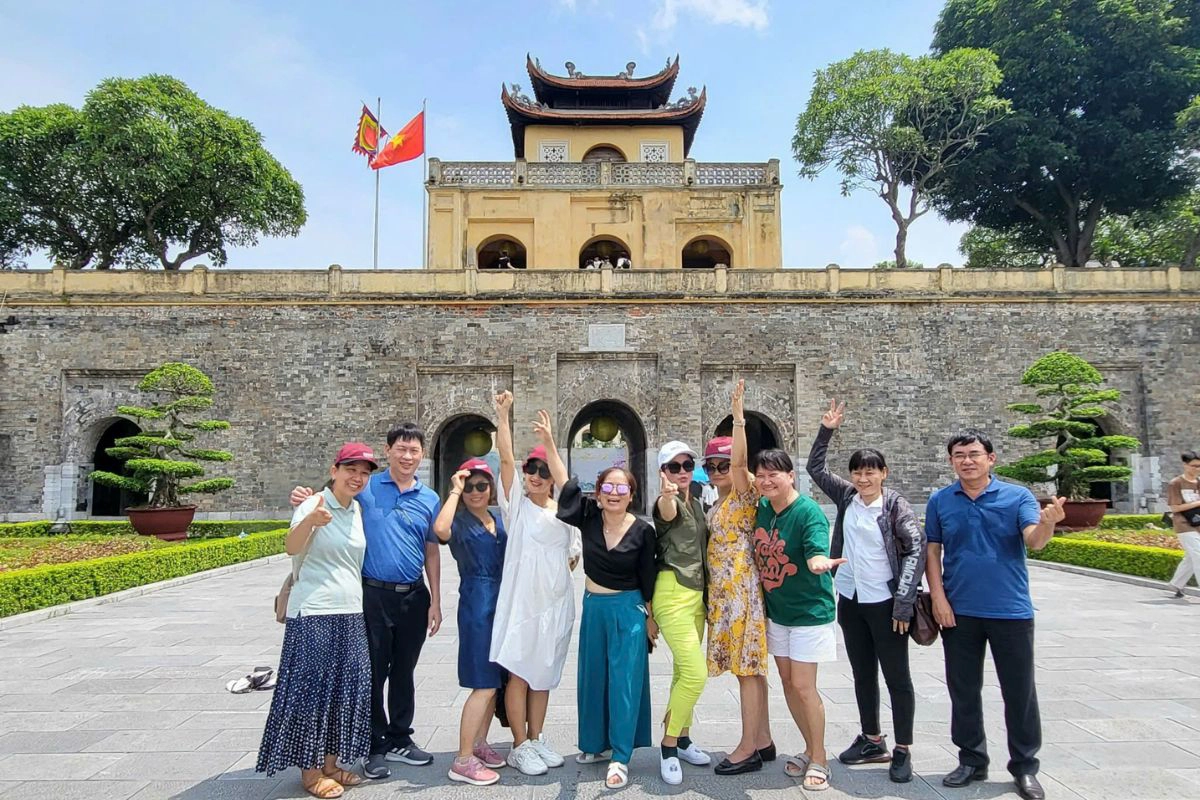
A local guide leading a group of international travelers - Source: Pinterest
Joining a guided tour is an excellent way to uncover hidden historical details that you might otherwise walk right past without noticing. Experienced local guides can provide valuable context, translate interactions with vendors, and navigate the complicated layout of the city with ease.
You can choose from walking tours focused entirely on street food, historical sightseeing excursions, or even vintage Vespa rides that cover larger areas of the city. Booking a specialized tour early in your trip will quickly familiarize you with the local layout and give you the confidence to explore independently later.

3. Practical Tips for Exploring Hanoi
Careful preparation ensures that your time in the capital is comfortable and stress free. Keep these practical travel considerations in mind when planning your daily itinerary.
3.1. Choose the Best Time to Visit Hanoi
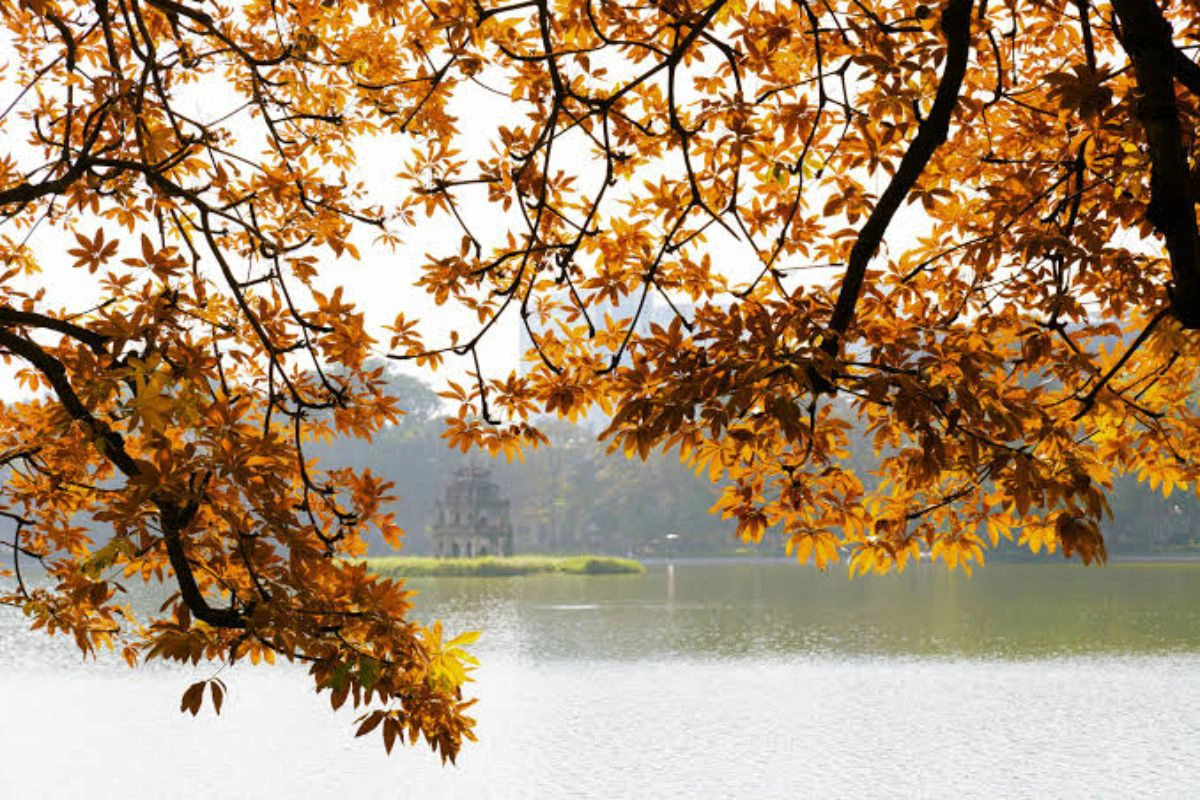
Autumn leaves adding color to the city streets - Source: AVG
The capital experiences four distinct seasons, which significantly impacts the types of clothes you should pack and the activities you can enjoy. The autumn months, from September to November, generally offer the most pleasant weather with clear skies, low humidity, and cool breezes.
Spring, from March to April, is also a beautiful time to visit, although you may encounter occasional light drizzle and overcast skies. If you travel during the summer months from May to August, you must prepare for intense heat and heavy tropical rain showers, while the winter months require a warm jacket for chilly evening temperatures.
3.2. Getting Around by Walking, Grab or Private Transfer
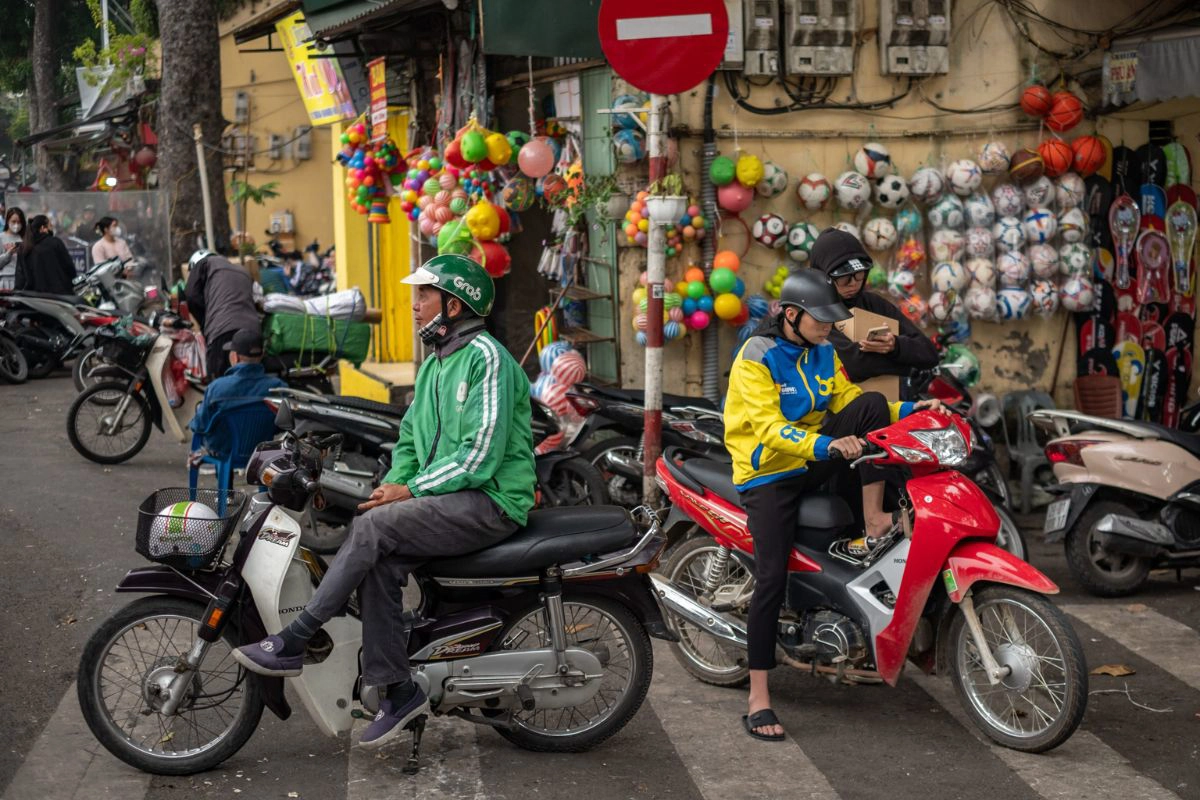
A Grab driver navigating the local traffic - Source: Rest of World
The central historical districts are relatively compact, making walking the most practical choice for short distances and local sightseeing. However, when you need to travel to destinations outside the immediate center, you will need to rely on motorized transportation.
The ride hailing application Grab is widely used and highly recommended for booking both cars and motorbike taxis, as it provides clear upfront pricing and eliminates language barriers. For longer day trips or traveling comfortably to and from Noi Bai International Airport, booking a private transfer service in advance is the most reliable option.
3.3. Stay Safe When Crossing Hanoi’s Busy Streets
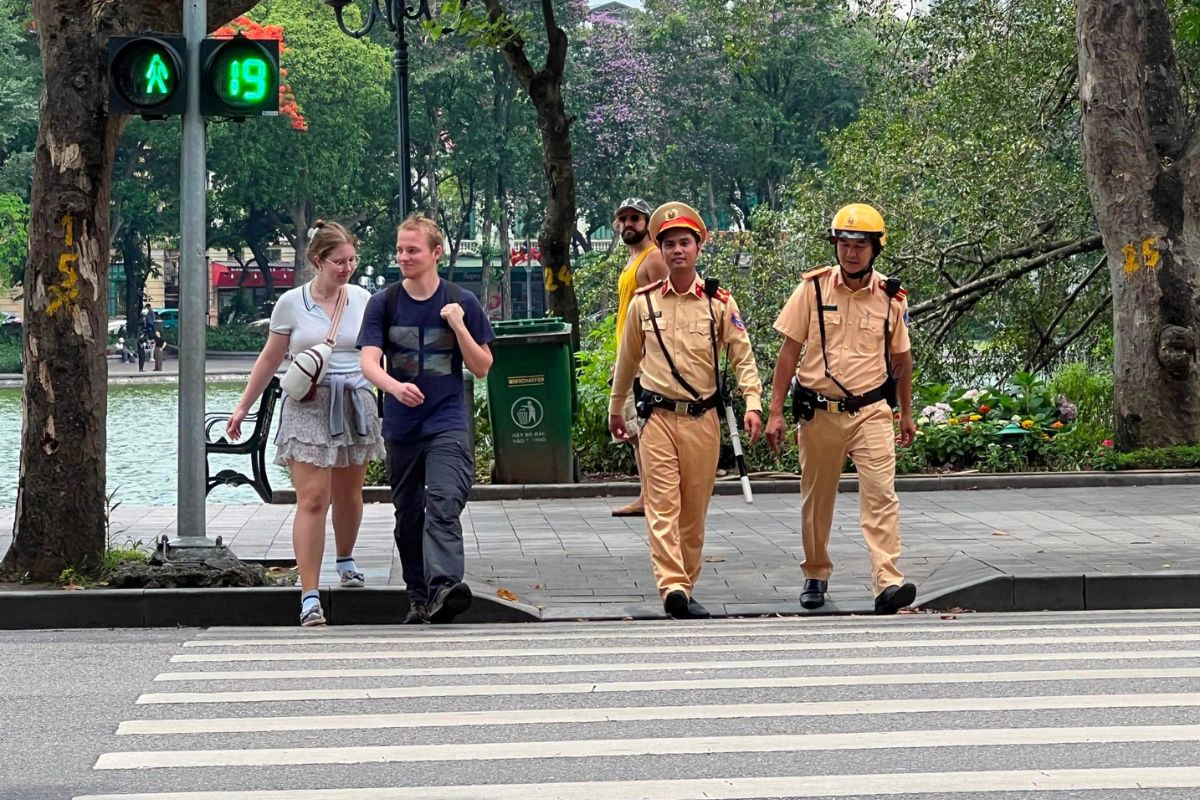
Pedestrians carefully crossing a street filled with motorbikes - Source: Bao Hanoimoi
The constant flow of motorbike traffic can be incredibly intimidating for newly arrived visitors trying to cross the road for the first time. The traffic rarely stops completely, so you must learn the local method of navigating through the moving vehicles safely.
When you need to cross, step off the sidewalk and walk at a slow, predictable, and steady pace without making sudden stops or unpredictable movements. The approaching motorbike drivers will actively adjust their speed and trajectory to flow smoothly around you, provided you remain visible and consistent in your crossing.
3.4. Book Popular Tours and Experiences in Advance
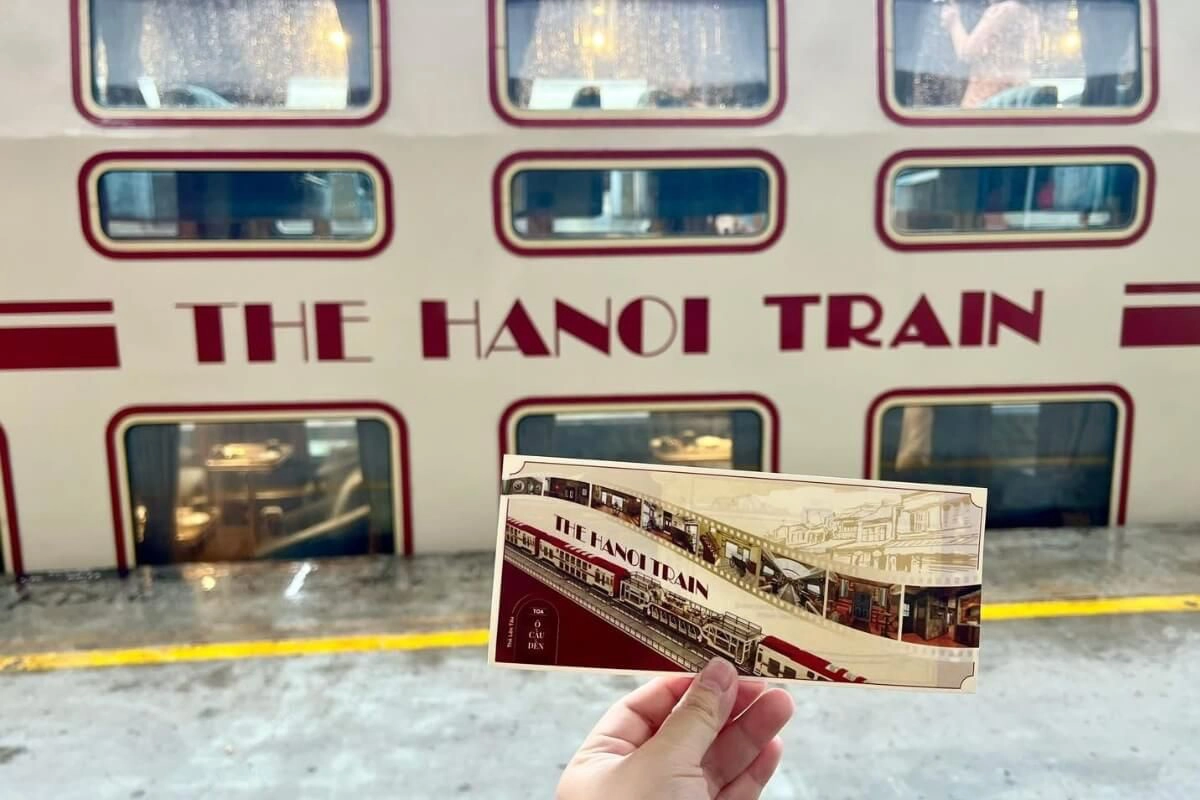
Tickets to a popular local cultural attraction
The capital city receives a massive volume of international and domestic tourists throughout the year, especially during peak travel seasons and national holidays. Because of this high demand, tickets for the most popular cultural activities and highly rated specialized tours can sell out days ahead of time.
To avoid disappointment, you should secure your reservations for evening water puppet shows, highly reviewed food tours, and private transportation before you arrive. Using a reliable travel agency to handle these bookings ensures that your itinerary is confirmed and allows you to focus purely on enjoying the destination.
4. Frequently Asked Questions About Hanoi
4.1. Is Hanoi older than Ho Chi Minh City?
Yes, the capital city is significantly older than Ho Chi Minh City. While Hanoi recently celebrated its 1,000th anniversary of being established as the capital in 1010, Ho Chi Minh City was officially established in the late 17th century. The deep historical roots in the north are clearly visible in the ancient temples and narrow streets that differ greatly from the modern layout of the southern metropolis.
4.2. How many days should I spend in Hanoi?
You should plan to spend at least two to three full days exploring the capital itself. This timeframe allows you to comfortably visit the major historical landmarks, wander through the Old Quarter, and enjoy the diverse local food scene without feeling rushed. If you plan to use the city as a base for day trips to places like Ha Long Bay or Ninh Binh, you should extend your stay accordingly.
4.3. Is Hanoi safe for solo travelers?
The city is generally very safe for solo travelers, including women traveling alone, with low rates of violent crime. The most common issues you might face are minor annoyances like overcharging by street vendors or aggressive taxi drivers. By using ride hailing applications for transparent pricing and keeping your belongings secure in crowded markets, you can easily maintain a safe and highly enjoyable trip.
4.4. Why is the Old Quarter famous?
The area is famous because it serves as the historical commercial heart of the city, originally built around 36 specialized craft streets. It represents a living museum where traditional architecture, vibrant street food culture, and daily local life converge seamlessly. The unique atmosphere, defined by narrow tube houses and lively merchant activity, provides a highly authentic glimpse into the heritage of the capital.
These Hanoi interesting facts reveal the history, culture and local life behind the capital’s most iconic places and traditions. From ancient landmarks and craft streets to egg coffee, water puppetry and sidewalk dining, each experience offers a deeper understanding of the city. For airport transfers, local tours, Vietnam travel SIM cards and personalized itineraries, contact Joytime: Vietnam Travel for a smooth and memorable Hanoi journey.

Danish Nguyen
Danish Nguyen is a renowned travel blogger in Vietnam with over 5 years of experience sharing unique travel experiences. With a passion for exploring new places, Danish captures incredible moments and provides readers with valuable tips to discover the beauty of his homeland.